
Mushroom coffee benefits are real for some people, but the clearest proven benefit is usually lower caffeine, not a dramatic health transformation. Many blends combine coffee with mushroom extracts such as lion’s mane, reishi, chaga, or cordyceps, and the research behind the bigger claims is still limited, especially when it comes to mushroom coffee itself rather than concentrated supplements or whole mushrooms. According to UCLA Health, many mushroom coffee products are partly coffee and partly mushroom blend, which is why they may feel milder than a standard cup.
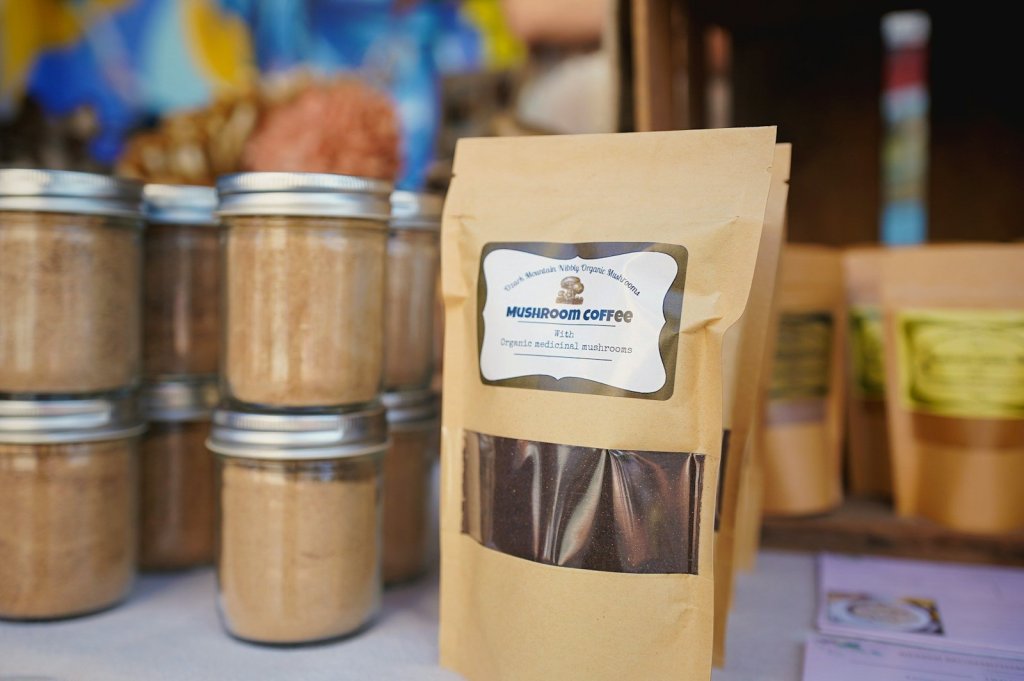
If you are thinking about trying mushroom coffee, it helps to know what it may actually do, what remains unproven, and when extra caution makes sense. For most readers, the smartest approach is to view it as a lower-caffeine coffee alternative that may offer some added compounds from mushrooms, not as a treatment or a shortcut to better health.
What Is Mushroom Coffee?
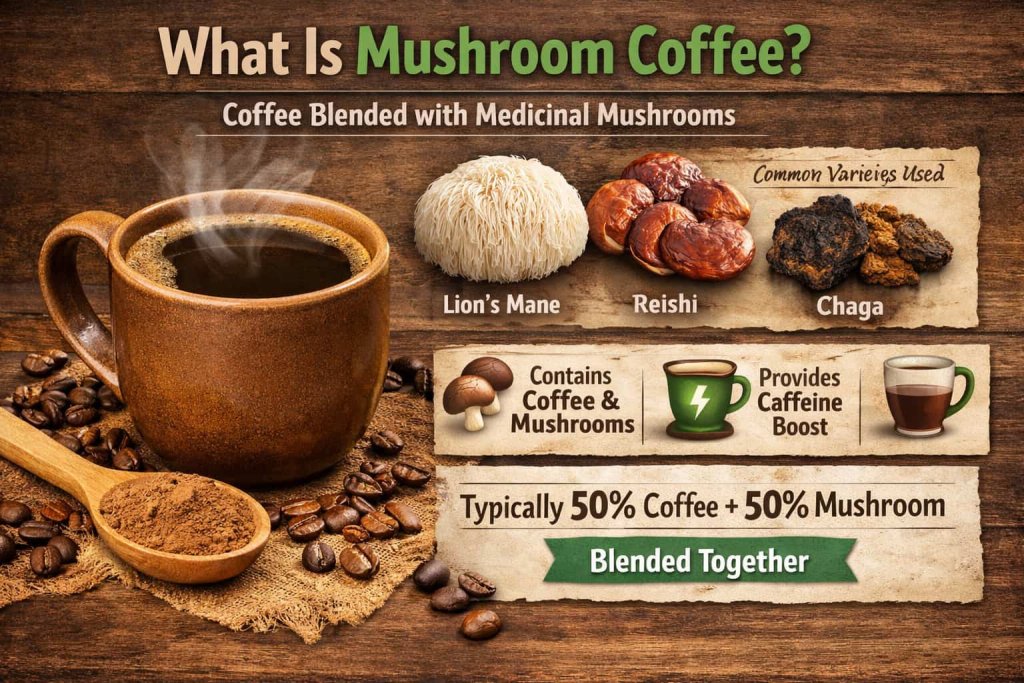
Mushroom coffee is usually made by blending regular coffee with powdered or extracted mushrooms. Common mushrooms in these products include lion’s mane, reishi, and chaga. Despite the name, most products still contain real coffee, so they still contain caffeine unless the label says otherwise. Many blends are roughly half coffee, which is one reason some people find them easier to tolerate than a full-strength cup.
Why Results Can Vary From One Brand to Another
One important detail is that mushroom coffee is not one standardized product. Direct human research on mushroom coffee itself is very limited, and supplement-style products can differ in ingredients, serving size, and the amount of active compounds per serving. As Harvard Health explains, there are no well-designed clinical studies on mushroom coffee, and it is not clear whether the amounts used in commercial blends match the forms and doses studied elsewhere. That means two mushroom coffee blends may have very different caffeine levels, mushroom species, and extract amounts, so benefits reported for one product or for a separate mushroom supplement should not automatically be assumed for every brand.
Mushroom Coffee Benefits That Are Most Realistic
Lower Caffeine May Mean Fewer Jitters

For many people, the main practical reason to try mushroom coffee is simple: less caffeine. UCLA Health explains that if a cup is only about half coffee, it may deliver only about half the caffeine, which can mean fewer jitters and better sleep for people who are sensitive to caffeine.
The FDA says up to 400 milligrams of caffeine per day is not generally associated with negative effects for most healthy adults, but sensitivity varies widely. That makes mushroom coffee most useful for people who like the ritual and flavor of coffee but want a gentler option. It may be a reasonable step down for someone who feels wired, shaky, or overstimulated with regular coffee.
It May Help Some People Cut Back on Coffee Without Quitting It

A lot of wellness products promise dramatic results, but mushroom coffee’s most believable advantage is modest: it can help some people reduce caffeine intake without giving up a warm, coffee-like drink. That can be especially appealing if you are trying to avoid late-day caffeine or you want a smoother transition away from several strong cups per day.
Lion’s Mane Is the Main Reason People Talk About Focus and Brain Support

If you see mushroom coffee marketed for focus or mental clarity, lion’s mane is usually the reason. A 2024 review in Neuroscience & Biobehavioral Reviews found that intervention studies were mixed overall, but lion’s mane was the mushroom most often linked with some improvement in mood and cognitive function in middle-aged and older adults. Even so, these studies were not studies of mushroom coffee itself, and the effects were not strong enough to justify exaggerated claims.
The NIH’s LiverTox review of lion’s mane also notes that it has been promoted for cognition and mood, but most of the more impressive findings come from animal or lab research rather than strong human evidence. In other words, the “brain boost” angle is possible, but it is not settled science.
Mushrooms Contain Bioactive Compounds, but That Does Not Guarantee Big Effects in a Coffee Blend
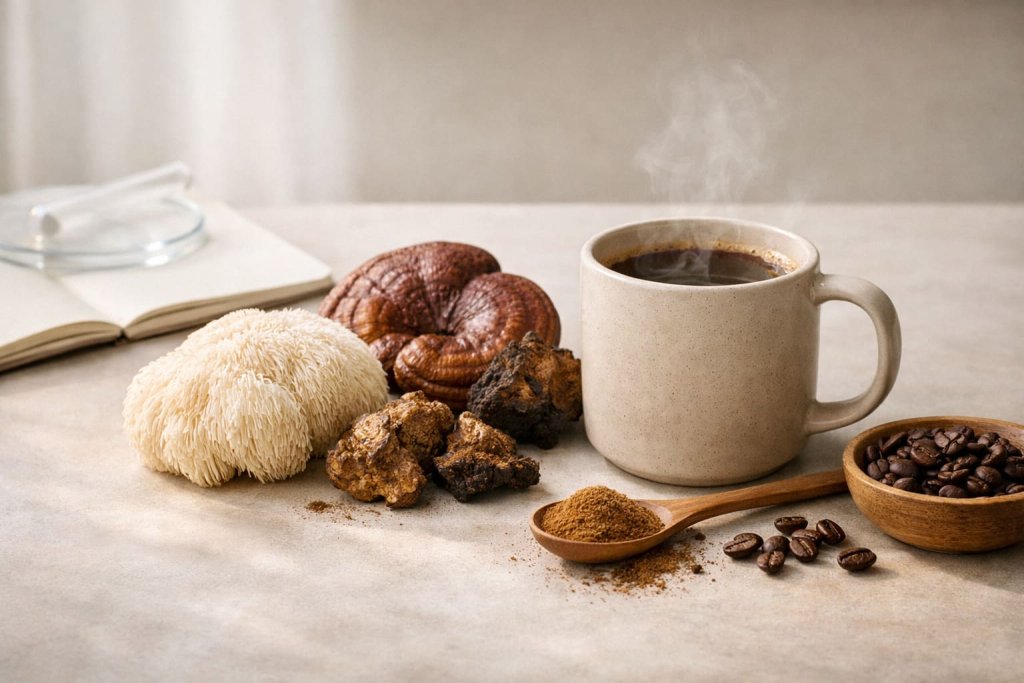
Mushrooms do contain compounds that attract scientific interest, including beta-glucans and other bioactive components. That is one reason mushroom products are often marketed for immune support, stress support, or inflammation-related benefits. But Harvard Health points out that there is very little human research on medicinal mushrooms, and it is not clear that the same benefits shown in test tubes or animals apply in people. It is also not yet proven that drying, extracting, and brewing mushrooms preserves those benefits in a meaningful way in coffee.
What Mushroom Coffee Benefits Are Not Proven?
This is where careful wording matters. Current evidence does not support saying that mushroom coffee treats anxiety, depression, memory loss, immune disorders, weight gain, or chronic disease. The FDA’s guidance on dietary supplements is clear that a product sold as a dietary supplement cannot legally be marketed to treat, prevent, or cure a disease unless it is regulated as a drug.
So while you may see claims like “supports focus,” “supports immunity,” or “helps the body respond to stress,” those are not the same as proven medical outcomes. The fairest takeaway is that mushroom coffee may offer modest wellness-related benefits for some users, but the strongest direct evidence is still lacking.
Is Mushroom Coffee Healthier Than Regular Coffee?
Not automatically. In many cases, mushroom coffee is just different, not universally better. If your main goal is reducing caffeine, it may be a better fit than regular coffee. But if you already tolerate coffee well, you may not notice much difference beyond taste and caffeine level. UCLA Health also notes that if you want the nutritional benefits of mushrooms, eating actual mushrooms may be a more straightforward option.
It is also worth remembering that coffee itself already has a large research base behind it, while mushroom coffee does not. That does not make mushroom coffee bad. It just means the evidence is less mature, and the marketing often gets ahead of the science.
Who May Like Mushroom Coffee Most?
Mushroom coffee may be worth trying if you:
- want a coffee-like drink with less caffeine
- feel jittery or overstimulated with regular coffee
- want to experiment with lion’s mane or other mushroom ingredients in a simple routine
- prefer a gradual step down from higher caffeine intake rather than stopping coffee all at once
Who Should Be Careful With Mushroom Coffee?
People Taking Medications
The NIH’s National Center for Complementary and Integrative Health warns that dietary supplements may interact with medications or create problems for people with certain medical conditions or upcoming surgery. That matters because many mushroom coffee products are sold more like wellness supplements than ordinary foods.
Reishi deserves extra caution. Memorial Sloan Kettering Cancer Center notes that reishi can increase bleeding risk with anticoagulants or antiplatelet drugs and may not be safe with immunosuppressants.
People With Kidney Concerns
Chaga is the mushroom that comes up most often in kidney-related warnings. UCLA Health notes that chaga contains high levels of oxalates, which may increase kidney stone risk, and a published case report in Kidney Medicine linked excessive chaga intake with oxalate nephropathy, a serious kidney problem.
Digestive Side Effects Are Easy to Overlook
Mushroom coffee is not always easier on the body than regular coffee. UCLA Health notes that the extracts used in some blends can be hard on digestion, especially for people who already have digestive issues. Memorial Sloan Kettering also notes that reishi may cause nausea in some users. If mushroom coffee causes stomach upset, nausea, or ongoing digestive discomfort, it is reasonable to stop using it and ask a clinician or pharmacist whether the ingredients are a good fit for you.
Pregnant or Breastfeeding People, Children, and Anyone Preparing for Surgery
NCCIH says many dietary supplements have not been well tested in pregnant women, nursing mothers, or children. The same source also advises caution before surgery because some supplements can affect bleeding or anesthesia response.
For caffeine specifically, the American College of Obstetricians and Gynecologists says moderate intake of less than 200 milligrams per day during pregnancy does not appear to be a major contributor to miscarriage or preterm birth. That still means label checking matters, especially because mushroom coffee products can vary widely.
Safety Box
Before making mushroom coffee part of your daily routine, be careful if you:
- take blood thinners, antiplatelet drugs, or immunosuppressants
- have kidney stones, chronic kidney disease, or digestive problems
- are pregnant, breastfeeding, or choosing supplements for a child
- are having surgery soon
- plan to use it instead of medical care or prescribed treatment
How to Choose a Mushroom Coffee Product More Carefully
Since supplement-style products can vary a lot, the label matters. The FDA notes that it does not test dietary supplements before they are sold, and NCCIH says products bought online or in stores may differ in important ways from products used in studies. That means one brand’s blend, caffeine level, and ingredient quality may be very different from another’s.
When comparing products, check:
- how much caffeine is actually in one serving
- which mushrooms are included
- whether the product is mainly coffee with a small mushroom blend or a more balanced mix
- the serving size
- whether the company clearly lists ingredients and amounts
How to Try Mushroom Coffee More Safely
If you want to try mushroom coffee, keep the first trial simple. Use one serving as labeled, avoid piling it on top of several other caffeinated products the same day, and pay attention to how you feel over the next several hours. The FDA notes that too much caffeine can cause palpitations, jitters, anxiety, insomnia, upset stomach, and nausea, and total caffeine from all sources still counts.
This matters even more during pregnancy and breastfeeding, because total daily caffeine should stay within recommended limits. It also makes sense to avoid assuming that “natural” means risk-free. Start low, read the label closely, and stop if the product causes ongoing side effects.
Common Questions About Mushroom Coffee Benefits
Does mushroom coffee give you energy?
Usually yes, but often less than regular coffee because many blends still contain caffeine. If the product is partly coffee, the energy effect often comes more from caffeine reduction and smoother stimulation than from a proven mushroom-specific energy boost.
Does mushroom coffee help with focus?
It might for some people, especially if the blend contains lion’s mane, but the evidence is still limited. The best current summary is that lion’s mane has shown some potential in small human studies, while the broader evidence remains mixed.
Does mushroom coffee support the immune system?
This is plausible in theory because mushrooms contain bioactive compounds, but it is not proven that a mushroom coffee blend will produce a meaningful immune benefit in everyday use. This is one of the most common areas where marketing gets ahead of the evidence.
Is mushroom coffee safe every day?
It may be safe for many healthy adults, but “daily” does not automatically mean “risk-free.” Safety depends on the mushroom species, the amount, the caffeine content, your medications, and your health history. That is why people with medical conditions or prescription drugs should be more cautious.
Bottom Line on Mushroom Coffee Benefits
Mushroom coffee benefits are best understood in realistic terms. It may help you cut back on caffeine, and certain mushrooms, especially lion’s mane, have early but still limited research behind them for mood and cognitive support. What it does not have is strong proof that the average mushroom coffee blend can transform your health or replace evidence-based care.
If you want to try mushroom coffee, treat it like a cautious experiment, not a miracle product. Read the label, watch the caffeine, know which mushroom is included, and check with a clinician or pharmacist if you take medications or have kidney, bleeding, or immune-related concerns.
Sources and References
- Harvard Health — Mushroom coffee: Worth a taste?
- UCLA Health — Should you switch to mushroom coffee?
- FDA — Spilling the Beans: How Much Caffeine is Too Much?
- FDA — Questions and Answers on Dietary Supplements
- NCCIH — Using Dietary Supplements Wisely
- NCBI Bookshelf / LiverTox — Lion’s Mane
- Neuroscience & Biobehavioral Reviews — A review of the effects of mushrooms on mood and neurocognitive health across the lifespan
- Memorial Sloan Kettering Cancer Center — Reishi Mushroom
- Kidney Medicine / PMC — Chaga mushroom-induced oxalate nephropathy
- ACOG — Moderate Caffeine Consumption During Pregnancy
This content is for informational purposes only and not medical advice.