
You can’t reliably “lose fat” from only your face—but you can make your face look leaner over time by lowering overall body fat gradually and reducing fluid retention (puffiness). Learning the difference matters because many “face fat” worries are actually short-term swelling from sleep, sodium, allergies, or hormones—not true fat gain.
Below are 10 evidence-based tips that focus on what actually changes facial fullness safely and consistently.
First, know what you’re trying to change: face fat vs. face puffiness
Most people notice face changes for two reasons:
- Overall body-fat change: This takes weeks to months and comes from overall fat loss, not spot reduction.
- Fluid retention (puffiness): This can change in hours to days and is often tied to salt, sleep, allergies, alcohol, and hydration.
The key is using habits that address both.
Quick self-check: is it fat or puffiness?
You’re more likely dealing with puffiness if the change is:
- Worse in the morning and improves by afternoon
- Noticeably worse after a salty dinner, late night, or poor sleep
- Paired with stuffy nose, itchy eyes, or seasonal allergy symptoms
- Localized (one eye/cheek) or comes and goes fast
You’re more likely dealing with overall fat change if the fullness:
- Changes slowly over weeks to months
- Matches changes in other areas (waist, arms, thighs)
- Doesn’t fluctuate much day-to-day
This matters because puffiness can improve quickly, while true fat loss usually takes longer.
Tip 1: Stop chasing spot reduction
You can’t choose where your body loses fat first. That includes your cheeks and jawline. The best “face fat” strategy is overall fat loss plus puffiness control.
- According to the American Council on Exercise, spot reduction isn’t possible; regular training and a sensible eating pattern are what reduce overall body fat.
- The University of Sydney explains that targeting one area doesn’t work, but overall fat loss can still change how specific areas look over time.
Tip 2: Aim for slow, steady fat loss (not crash dieting)
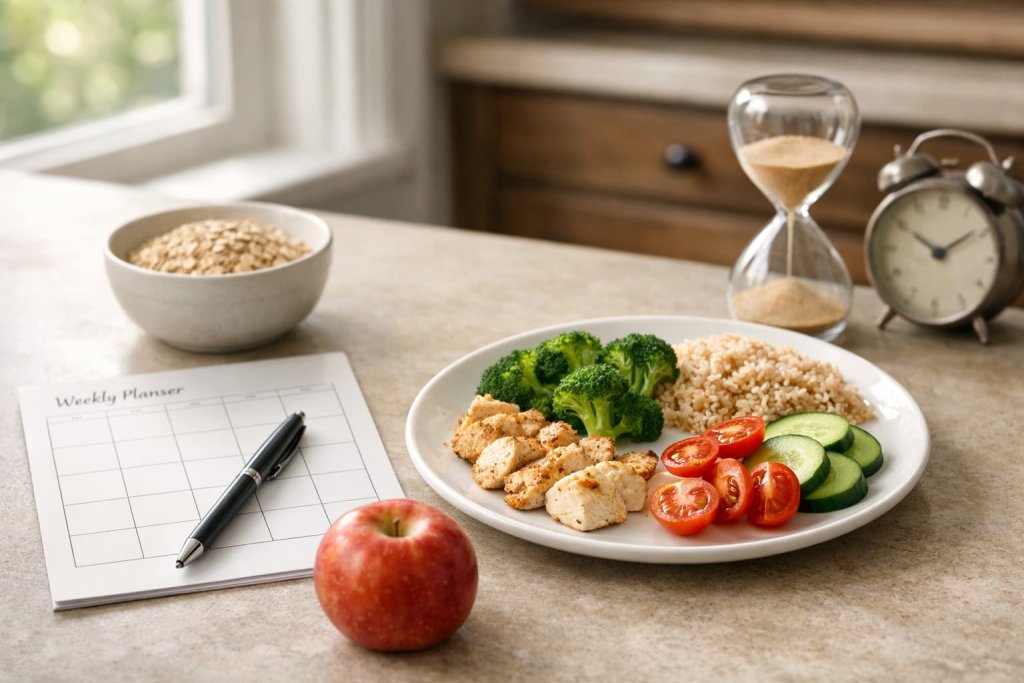
Fast weight loss plans often backfire—especially for teens—because they’re hard to maintain and can lead to rebound eating and fatigue.
A healthier approach is a modest calorie deficit supported by routine, sleep, and activity. The Centers for Disease Control and Prevention recommends building a plan around healthy eating patterns, physical activity, enough sleep, and stress management.
Practical targets that tend to work:
- Build meals that keep you full (protein + fiber + produce)
- Reduce high-calorie “extras” you don’t miss much (sugary drinks, frequent fried snacks)
- Keep portions realistic (you don’t need tiny meals—you need repeatable ones)
Tip 3: Build filling meals (protein + fiber) so you naturally eat fewer calories
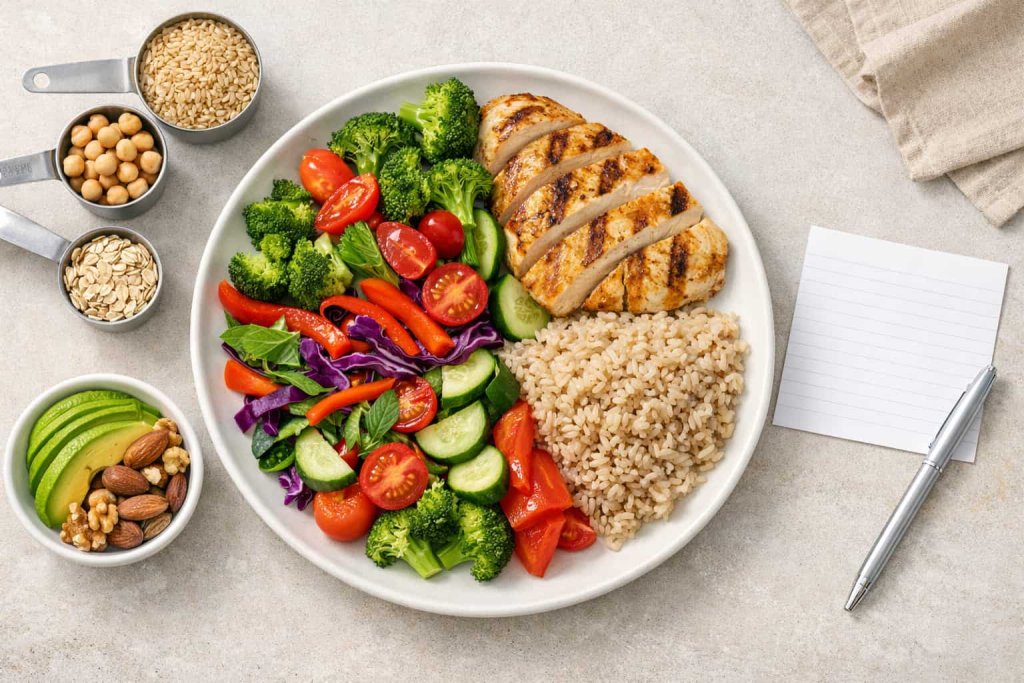
This is one of the easiest ways to lower calorie intake without feeling miserable.
Use this simple plate strategy most days:
- Half the plate: vegetables and/or fruit
- One quarter: protein (eggs, chicken, fish, beans, tofu, yogurt)
- One quarter: carbs you like (rice, potatoes, bread, pasta, oats)
- Add fats: small amount (nuts, olive oil, avocado)
If you want face changes without feeling deprived, use this daily “face-friendly” routine:
- Breakfast: protein + fiber (examples: eggs + fruit; yogurt + oats; tofu scramble + veggies)
- Lunch/dinner: protein + big produce portion + a carb you enjoy
- Snack (if hungry): fruit + yogurt, nuts, or a sandwich with protein
- Most days: limit sugary drinks and “liquid calories” (they’re easy to overdo and don’t keep you full)
This isn’t a special “face fat diet.” It’s a simple structure that supports a steady calorie deficit and reduces the odds of rebound eating.
For practical ways to reduce calories while staying full, the CDC’s guidance on satisfying swaps can help (see Centers for Disease Control and Prevention).
Tip 4: Move daily and train consistently (it helps fat loss stick)
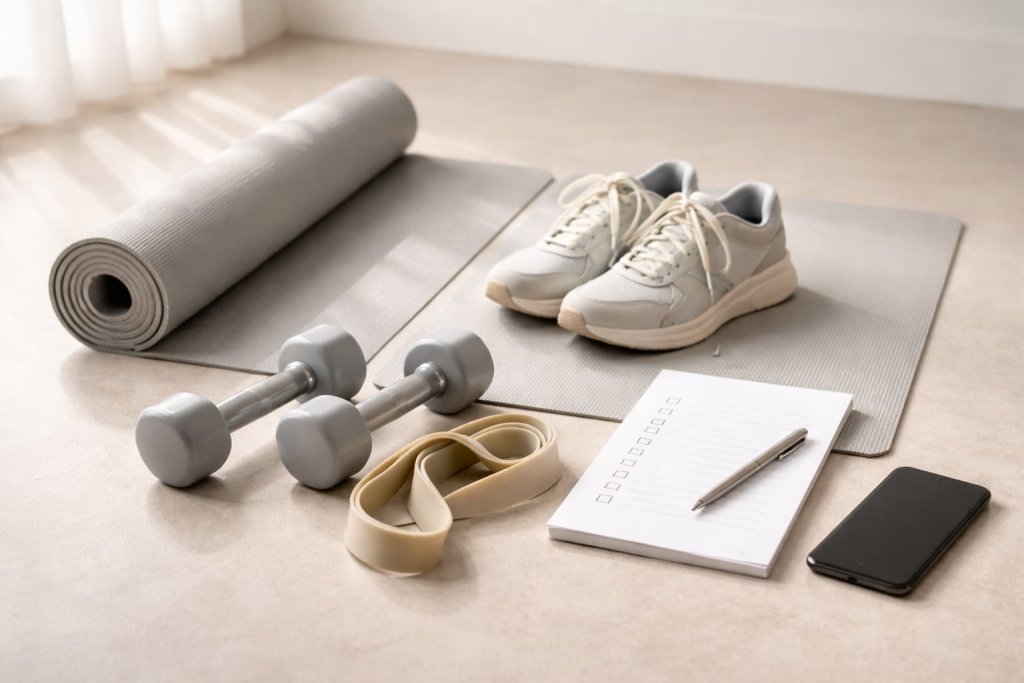
Exercise won’t “burn face fat,” but it supports overall fat loss and helps maintain results.
The Centers for Disease Control and Prevention notes that using calories through physical activity, combined with reducing calories eaten, creates a calorie deficit that leads to weight loss—and regular activity is important for maintaining weight loss.
A simple weekly plan:
- Most days: 30–60 minutes of walking, sports, cycling, dancing, or active time
- 2–3 days/week: strength work (bodyweight squats, pushups, lunges, rows, bands)
Tip 5: Prioritize sleep to reduce puffiness and support appetite control
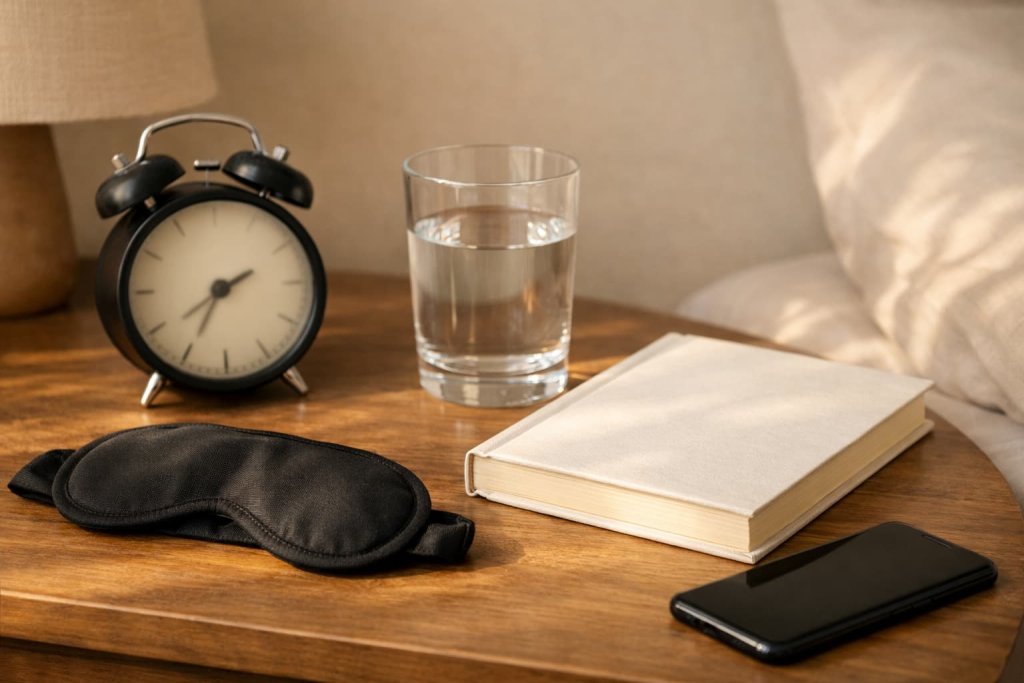
Sleep affects both how your face looks and how easy it is to follow healthy routines.
Teen sleep targets matter here: the Centers for Disease Control and Prevention lists 8–10 hours per 24 hours for ages 13–18.
Try these quick wins:
- Keep wake time consistent (even on weekends)
- Reduce late-night scrolling (screens can delay sleep)
- Get daylight in the morning to support your body clock
Tip 6: Cut back on sodium to reduce water retention in the face
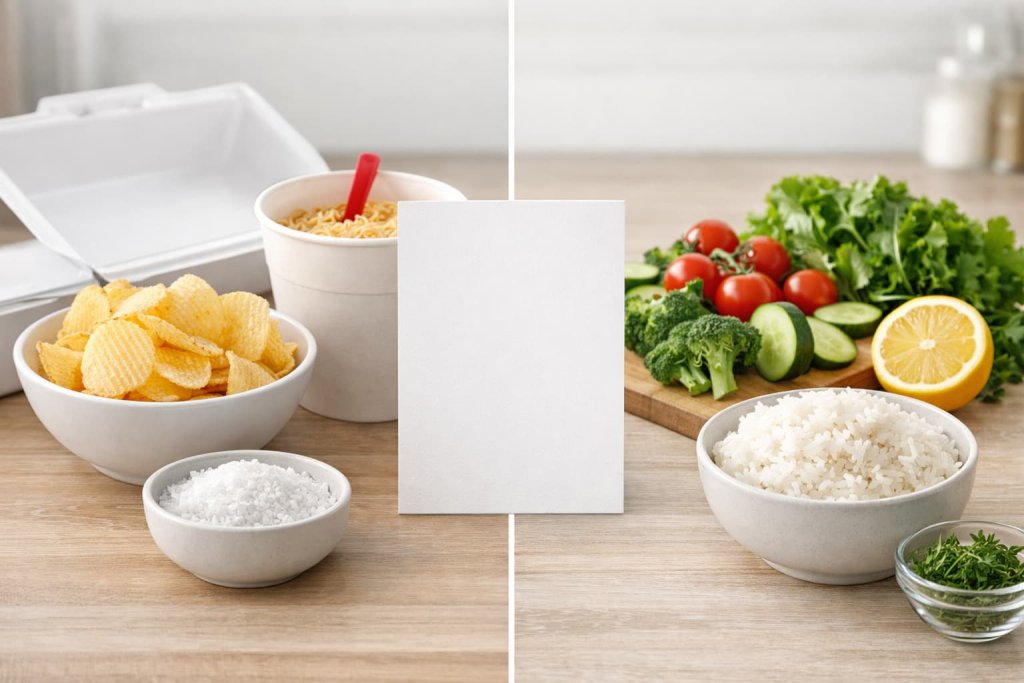
If you feel “puffy,” sodium is one of the most common drivers—especially after takeout, instant noodles, chips, processed meats, or salty sauces.
The U.S. Department of Agriculture and U.S. Department of Health and Human Services recommends less than 2,300 mg of sodium per day (and even less for children younger than 14).
Easy sodium cuts that don’t feel extreme:
- Swap salty snacks for fruit + yogurt, nuts, or popcorn you season lightly
- Choose “lower sodium” versions when available
- Use herbs, lemon, garlic, and spices instead of relying on salt-heavy sauces
Where sodium hides (so you can reduce puffiness without guessing):
- Instant noodles, packaged soups, frozen meals
- Chips, salted crackers, savory snack mixes
- Processed meats (deli meats, sausages)
- Sauces and condiments (soy sauce, ketchup, salad dressings)
- Restaurant meals and takeout (often the biggest source)
Simple swap that works: keep your favorite meal, but change one high-salt item (like the sauce, side, or snack) for a lower-sodium option.
Tip 7: Hydrate consistently (and don’t “dehydrate to look lean”)
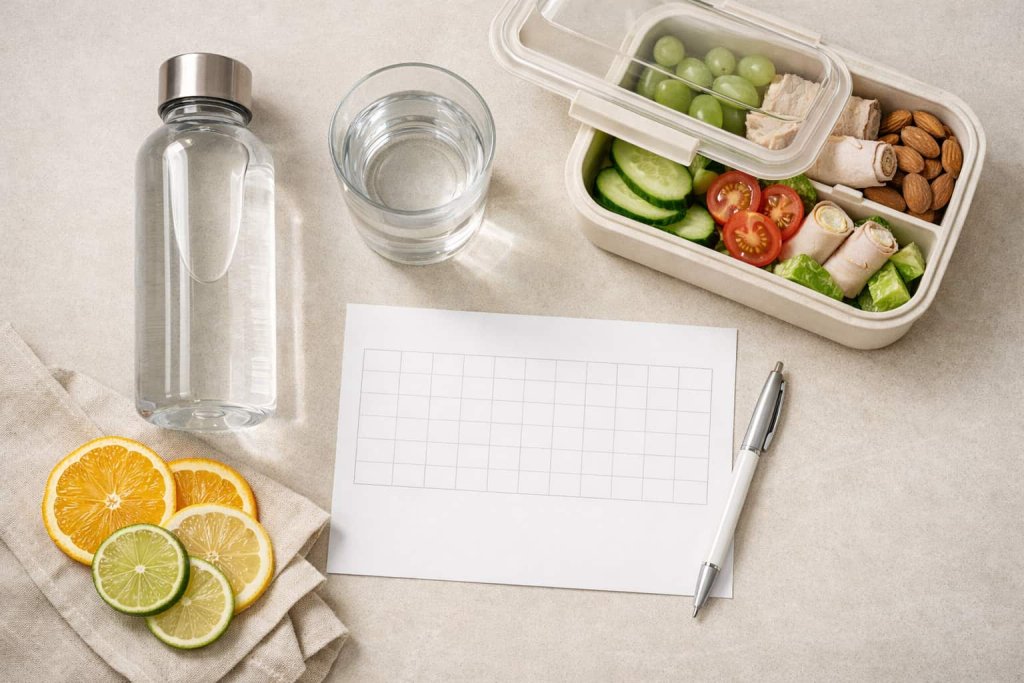
Dehydration can make your body hold onto water and can worsen how tired or puffy you look. It also makes workouts and appetite control harder.
A simple hydration approach:
- Drink water with each meal
- Add a bottle during school/workouts
- If urine is consistently very dark, you likely need more fluids (some supplements/foods can change color—so use this as a general clue, not a perfect test)
If you’re unsure what dehydration looks like, Mayo Clinic explains common signs and causes.
Tip 8: If you wake up puffy, adjust evening habits and sleep position
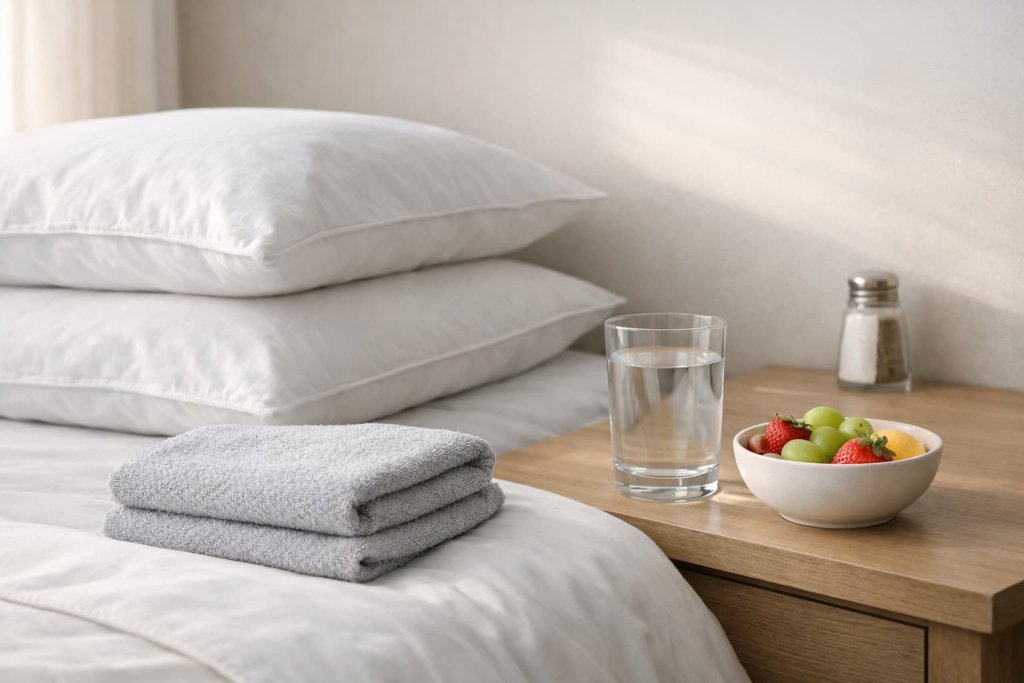
Morning puffiness is often fluid pooling—not fat gain.
According to Mayo Clinic, common contributors include sleep position (lying flat), salt or alcohol intake, poor sleep quality, and allergies.
Try this 3-part “de-puff” routine for a week:
- Eat your saltiest foods earlier in the day (not late night)
- Sleep with your head slightly elevated (extra pillow)
- Use a cool compress for a few minutes in the morning if needed
Optional 5-minute morning reset (if you’re puffy):
- Drink a glass of water with breakfast
- Take a short walk or do light movement (even 5–10 minutes helps you feel less “stuck”)
- Use a cool compress briefly if your under-eye area looks swollen
The goal isn’t a dramatic overnight change—it’s reducing fluid retention patterns that keep repeating.
Tip 9: Watch alcohol and ultra-processed “weekend patterns”
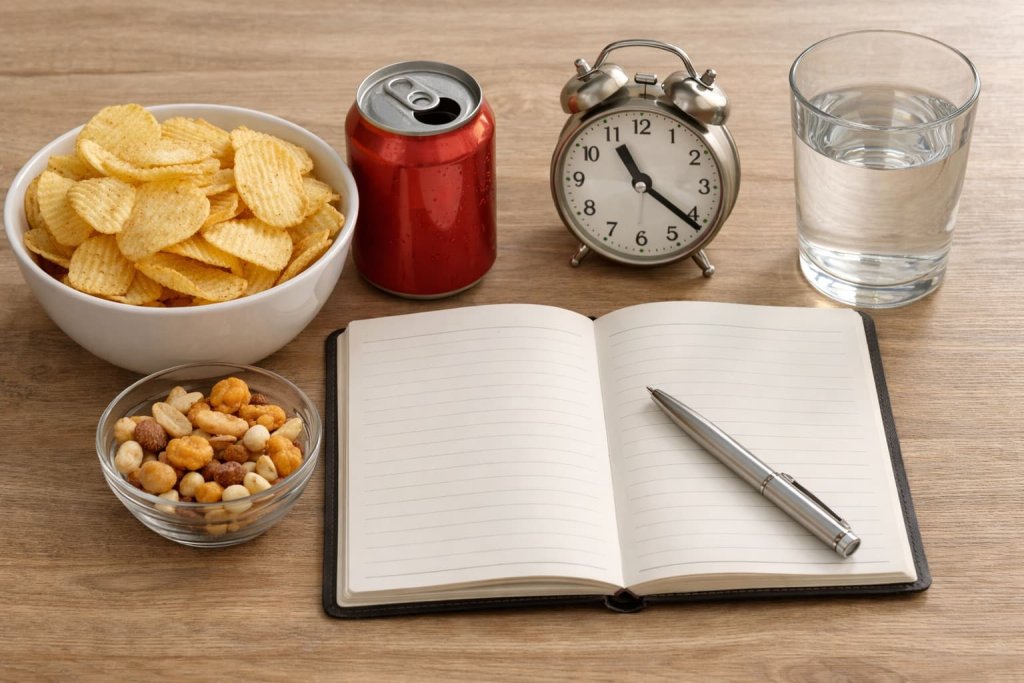
Alcohol can increase fluid retention for many people and can disrupt sleep—both of which can make your face look puffier the next day. For teens, alcohol isn’t recommended, and the safest advice is to avoid it entirely.
Also watch the pattern of:
- salty foods + sugary drinks + late nights
- then waking up puffy and tired
- then skipping breakfast and overeating later
Fixing the routine usually improves the face changes people notice.
Tip 10: Rule out medical causes if your “face fat” is actually swelling
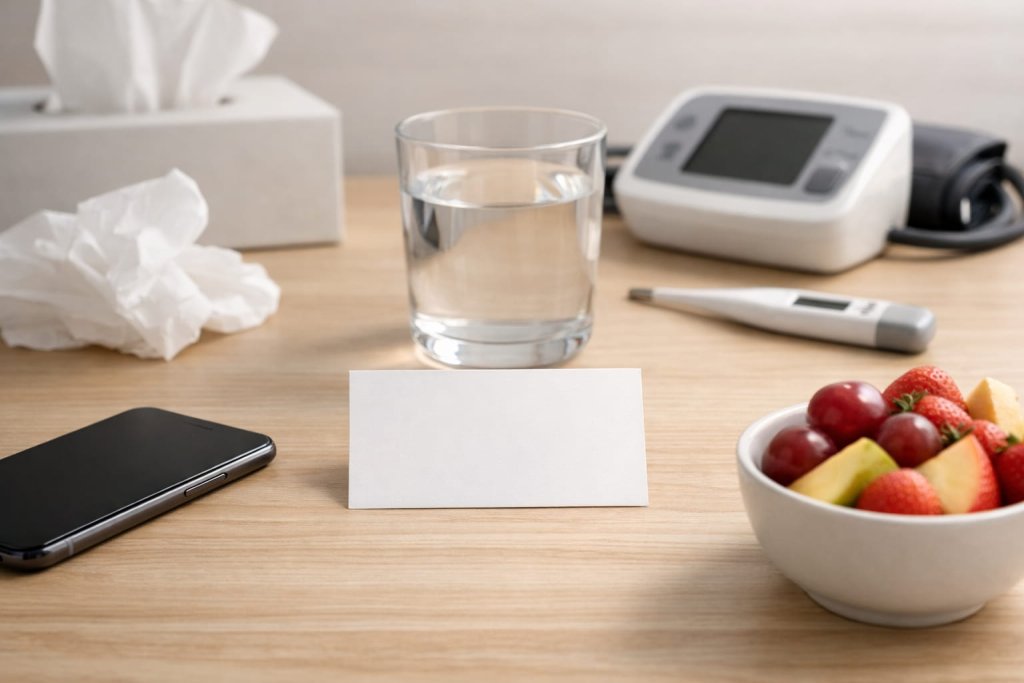
If your face changes suddenly, is painful, or comes with other symptoms, it may not be fat at all.
The Cleveland Clinic explains facial swelling can come from allergies, infections, injuries, and other causes—and can be serious in some cases. Mayo Clinic also lists red flags for swelling/edema that should be checked urgently (see Mayo Clinic).
Seek urgent help if you have:
- trouble breathing, chest pain, or rapid worsening swelling
- swelling of lips/tongue or signs of a severe allergic reaction
- fever, severe pain, or swelling that doesn’t improve
Quick table: Face puffiness triggers and what to try
| What often causes puffiness | What helps most |
|---|---|
| High-sodium meals | Reduce sodium the next day, hydrate, choose whole foods |
| Poor sleep or late nights | Consistent sleep schedule, earlier bedtime routine |
| Lying flat | Slight head elevation while sleeping |
| Allergies/sinus issues | Manage triggers; consider talking with a clinician if persistent |
| Alcohol (for adults) | Avoid or reduce; prioritize water and sleep |
A realistic 2-week plan to see visible face changes
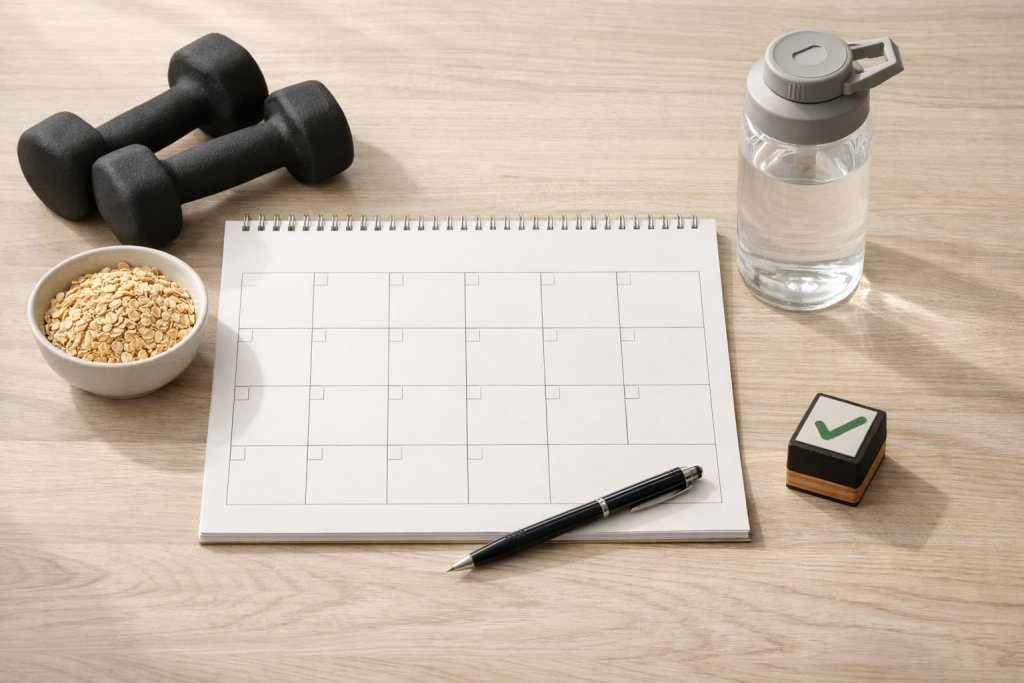
Many people notice a difference in 7–14 days from puffiness-focused changes, and more noticeable fat-loss changes over 4–12+ weeks.
For the next 2 weeks:
- Sleep 8–10 hours (teens) most nights
- Do daily movement + 2 strength sessions/week
- Keep sodium lower most days (limit “salty add-ons”)
- Build filling meals (protein + fiber)
- Drink water consistently
Take a photo in the same lighting once per week—not daily. Daily comparisons often hide real progress.
People also ask about how to lose face fat
How long does it take to lose face fat?
If it’s true fat loss, it usually takes weeks to months because it depends on overall fat loss. If it’s puffiness from fluid retention, you may notice changes in a few days by improving sleep, lowering sodium, and staying hydrated.
Do face exercises reduce face fat?
Face exercises can strengthen muscles, but they don’t reliably remove fat from just your face. For most people, the biggest visible changes come from overall fat loss and less fluid retention.
Why is my face puffy but my body looks the same?
Common reasons include salty foods, poor sleep, allergies, hormones, dehydration, or sleeping flat. If puffiness is sudden, severe, painful, or persistent, check with a clinician.
Does drinking more water reduce face fat?
Water doesn’t directly “burn” fat, but good hydration can help your body regulate fluids and may reduce puffiness for some people—especially after a salty day.
Can I lose face fat without losing weight?
Sometimes your face looks slimmer without big scale changes because puffiness decreases (sleep, sodium, hydration). But meaningful fat loss in the face usually comes with some overall fat loss.
Safety box for teens
If you’re 13–17, the safest “how to lose face fat” plan is building healthy routines—not strict dieting.
- Don’t skip meals to “get lean fast.”
- Don’t use diuretics, laxatives, detox teas, or dehydration tricks.
- If weight changes are a goal, it’s smart to talk with a clinician or a registered dietitian—especially if you’re still growing.
Also avoid these common traps:
- “Detox” teas, diuretics, laxatives, or intentional dehydration to look leaner (these can be unsafe and backfire)
- Skipping school lunch or entire food groups as a “quick fix”
- Weight-loss supplements or fat burners (many aren’t appropriate for teens)
A safer goal is better routines (sleep, movement, balanced meals). If you want to change weight on purpose, do it with support.
For evidence-based adolescent guidance, the American Academy of Pediatrics emphasizes comprehensive evaluation and individualized care for children and teens when weight is a concern.
FAQ: How to lose face fat
What is the fastest safe way to make my face look less puffy?
Prioritize sleep, lower sodium for a few days, hydrate consistently, and avoid late-night salty meals. Morning puffiness often improves quickly with these changes.
Why does my face look fatter after eating salty food?
Salt can increase water retention, and fluid can pool in facial tissues—especially after poor sleep or lying flat.
Will cardio make my face slimmer?
Cardio helps with overall calorie burn and can support overall fat loss, which may eventually reduce facial fat.
Will strength training help my face look leaner?
Strength training supports body composition changes and helps weight loss maintenance, which can indirectly change facial fullness over time.
Can stress make my face look puffy?
Stress can worsen sleep and food choices and may contribute to water retention patterns in some people. Managing stress and sleep often improves the “puffy” look.
Is “cortisol face” real?
Some medical conditions and certain medications (like corticosteroids) can affect fat distribution and swelling. If facial fullness changes suddenly or seems linked to medication, talk with a clinician.
When should I worry about facial swelling?
If swelling is sudden, severe, painful, includes breathing trouble, fever, or doesn’t improve, seek medical care.
How to track progress without getting discouraged
Face changes are easy to miss day-to-day because lighting, angles, sleep, and salt can change your look overnight. Try this instead:
- Take 1 photo per week in the same lighting, same distance, and neutral expression
- Track 2 habits that affect puffiness: sleep and high-sodium meals
- Watch for trends over 2–4 weeks, not daily differences
If you feel stuck, focus on the basics: consistent sleep, steady movement, and repeatable meals. Those are the habits that create real change.
Conclusion
Losing face fat comes down to two proven levers: gradual overall fat loss and reducing puffiness from fluid retention. If you focus on sleep, daily movement, filling meals, and sodium control for two weeks, you’ll usually see the first noticeable changes—and if you keep going, your face shape typically follows your overall progress.
If you want, tell me your age range, activity level, and what a typical day of eating looks like, and I’ll turn these tips into a simple 7-day routine you can repeat.
This content is for informational purposes only and not medical advice.