
Yes, sushi can be healthy, but it depends on what you order and how often you eat it. Simple sushi made with fish, rice, seaweed, and vegetables can provide protein and useful nutrients, while fried rolls, creamy sauces, and lots of soy sauce can make the meal much higher in calories and sodium.
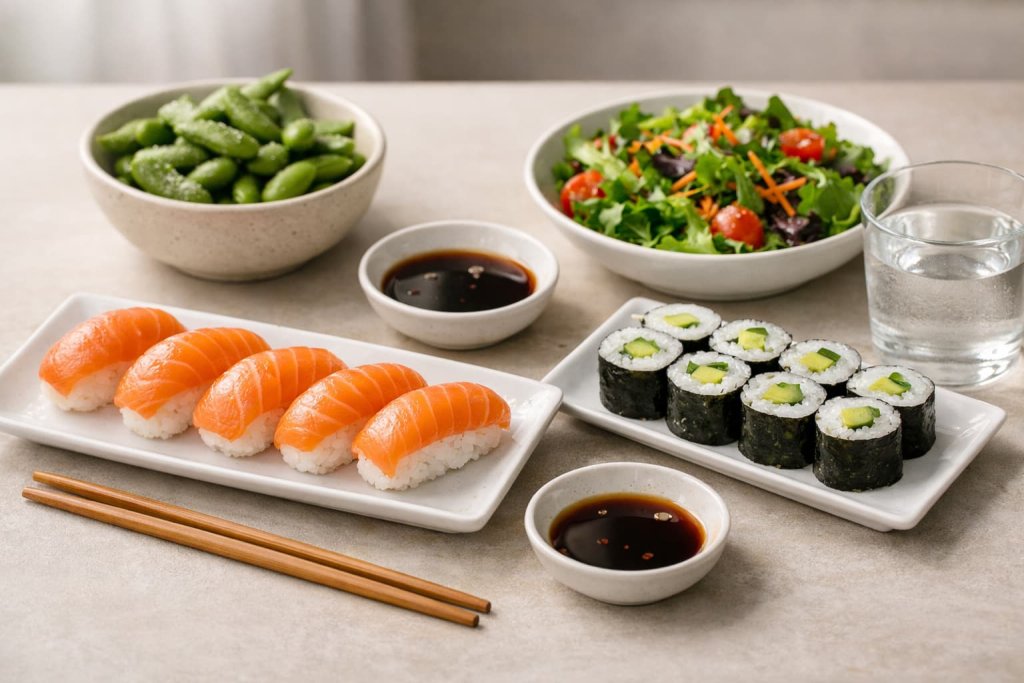
That is why it helps to look past the word “sushi” and focus on the ingredients. A salmon nigiri order is very different from a tempura roll covered in spicy mayo. Raw sushi also brings food-safety concerns that matter for pregnancy, children, older adults, and anyone with a weaker immune system.
What makes sushi healthy
Sushi can fit well into a balanced diet because many versions include seafood, seaweed, and vegetables. According to the FDA, fish is part of a healthy eating pattern, and the Dietary Guidelines recommend at least 8 ounces of seafood per week for most adults on a 2,000-calorie diet.
When sushi is built around simpler ingredients, it may offer:
- High-quality protein from fish or shellfish
- Omega-3 fats from fish such as salmon
- Iodine and other minerals from seafood and seaweed
- Some fiber from vegetables, avocado, edamame, or seaweed
- A lighter meal option than many fried or fast-food meals
Seaweed can also add iodine. The NIH Office of Dietary Supplements notes that seaweed is one of the best food sources of iodine.
The healthiest parts of sushi
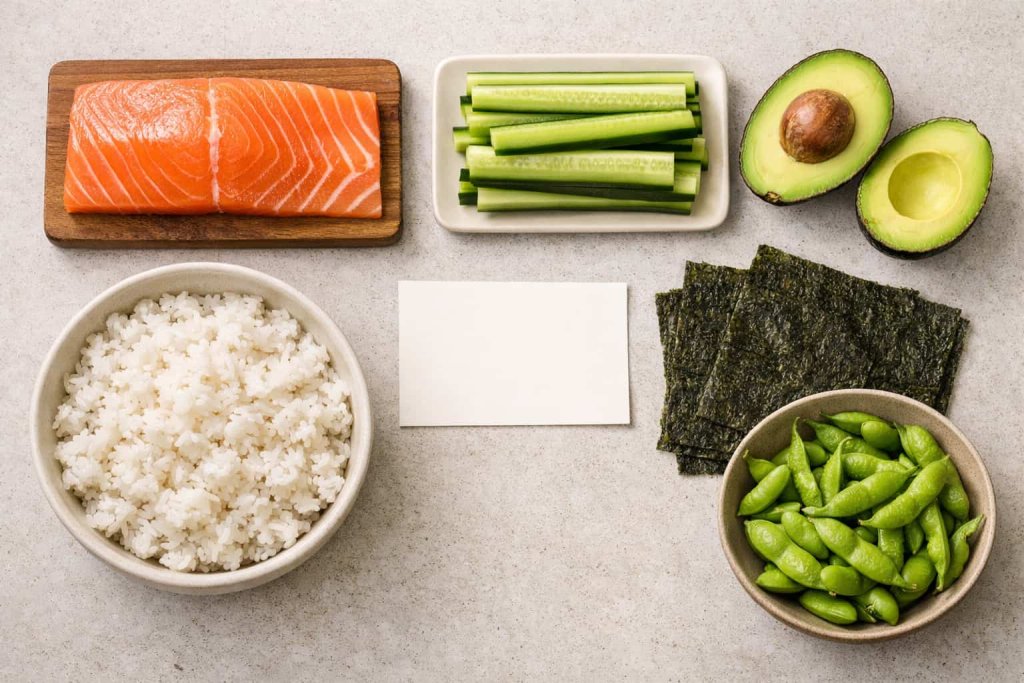
Some sushi ingredients are more helpful than others.
Fish can be the biggest nutrition benefit
Fish is usually the most valuable part of sushi from a nutrition standpoint. The FDA explains that fish provides protein and nutrients such as vitamin D, selenium, iron, and choline, and many fish also provide omega-3 fats.
Good examples include:
- Salmon
- Trout
- Shrimp
- Crab
- Cooked eel in moderate portions
- Lower-mercury tuna choices in moderation, depending on the type
Seaweed adds useful minerals
Nori, the seaweed used in many rolls, is usually eaten in small amounts, but it still contributes minerals and flavor. The NIH Office of Dietary Supplements notes that seaweed can be rich in iodine, which is important for thyroid function.
Vegetables can make sushi more balanced
Cucumber, avocado, carrots, and other vegetables can add volume, texture, and some fiber. This helps make a sushi meal more balanced, especially when paired with edamame or a side salad.
Why sushi is not always healthy
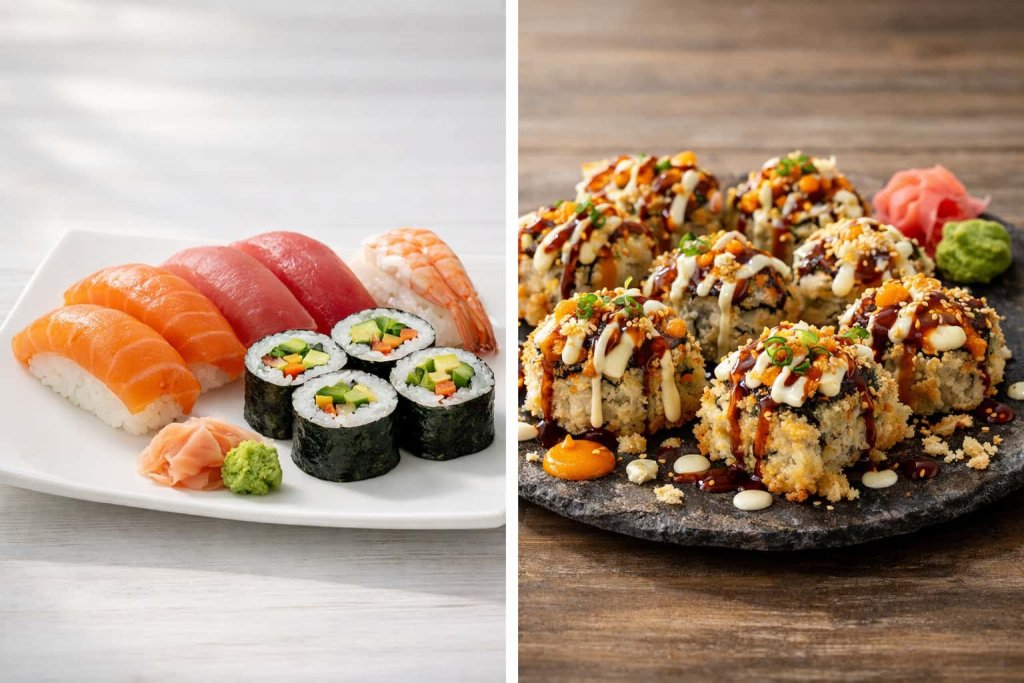
Sushi has a healthy reputation, but restaurant orders can vary a lot.
White rice can add up fast
Many sushi rolls use white rice, often seasoned with sugar and salt. A few pieces may not seem like much, but several rolls can turn into a large refined-carb meal very quickly.
Sushi rice is also usually seasoned with vinegar, salt, and sugar, so the rice is not always as plain as people assume. That does not make sushi unhealthy by itself, but it does mean the carbohydrate and added-sugar profile can climb quickly when portions get large. For people trying to manage blood sugar, appetite, or calorie intake, this is one more reason simple rolls and moderate portions usually work better than oversized specialty rolls.
Sauces can change the meal fast
Spicy mayo, eel sauce, cream cheese, and other extras can raise calories, saturated fat, sugar, or sodium. This is one of the main reasons two sushi meals can look similar but have very different nutrition profiles.
Fried rolls are often much heavier
Tempura shrimp rolls, crunchy toppings, and deep-fried specialty rolls can push sushi from a lighter meal into something much richer and more energy-dense.
Soy sauce can make sodium very high
Soy sauce is one of the biggest reasons sushi meals can become sodium-heavy. The FDA says 5% Daily Value or less of sodium per serving is low, while 20% Daily Value or more is high. Small pours of soy sauce can add up quickly, especially if you dip every piece heavily.
Is raw sushi safe?
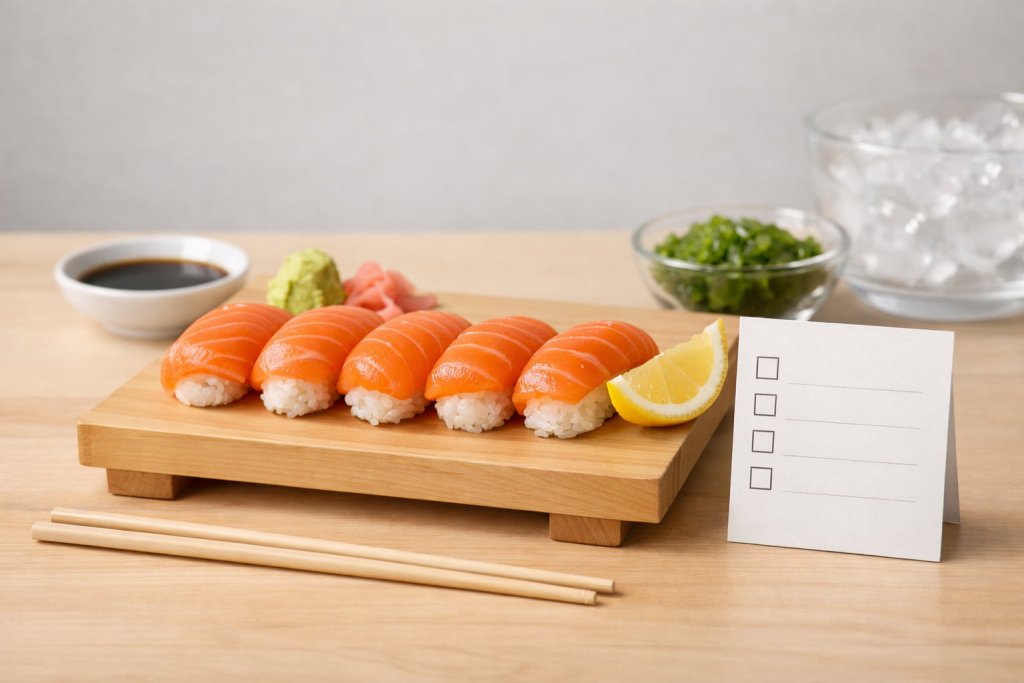
Raw sushi can be safe when it is handled and prepared correctly by a reputable business, but it is not risk-free.
The FDA warns that some people are more likely to get foodborne illness and should not eat raw or undercooked fish or shellfish. That includes:
- Pregnant people
- Young children
- Older adults
- People with weakened immune systems
The Food Standards Agency also explains that cooking or freezing are effective treatments for killing viable parasites that may remain in fish intended for raw consumption.
Raw shellfish is a separate concern
Raw fish and raw shellfish are not the same risk. The NHS advises pregnant women to avoid raw shellfish because it can contain harmful bacteria and viruses.
Who should avoid raw sushi
Cooked sushi is a safer choice for some groups.
You should avoid raw fish or raw shellfish sushi, or get personal medical guidance first, if you are:
- Pregnant
- Feeding sushi to a young child
- Older and medically vulnerable
- Living with cancer treatment, an organ transplant, HIV, or another condition that weakens immunity
The NHS also advises avoiding certain high-mercury fish in pregnancy, including shark, marlin, and swordfish, and limiting tuna.
Mercury and sushi: what to know
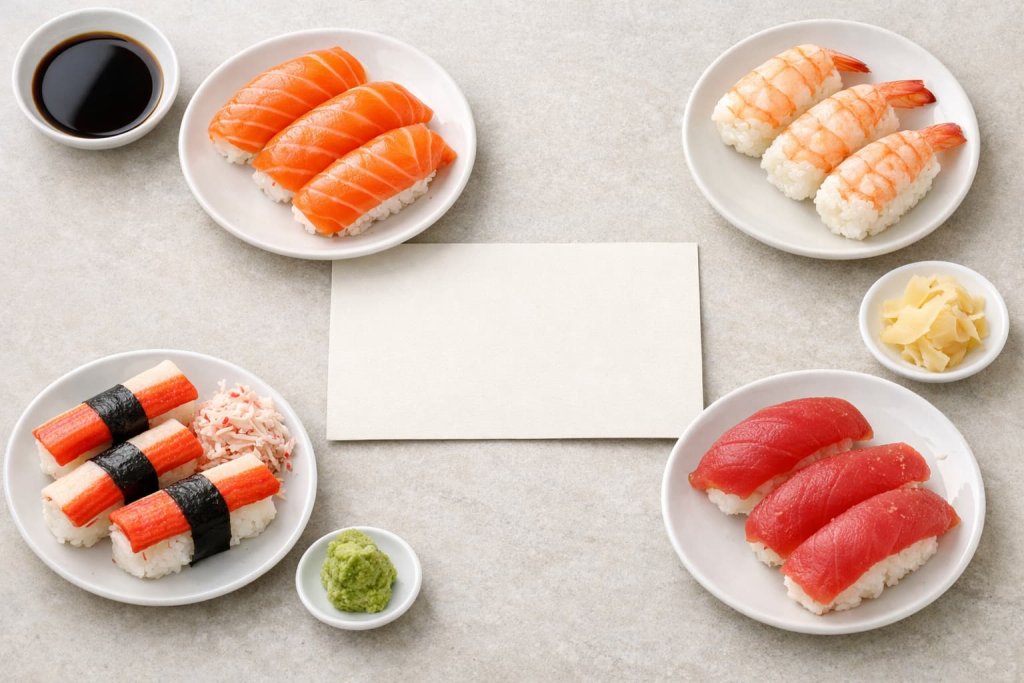
Mercury matters most when you eat certain fish often.
According to the FDA, pregnant and breastfeeding people, those who may become pregnant, and children should choose fish that are lower in mercury. The same advice groups fish into “Best Choices,” “Good Choices,” and “Choices to Avoid.”
For sushi, this usually means being more careful with certain tuna choices and other higher-mercury fish, especially if you eat sushi often.
It also helps to know that tuna is not one single category. Mercury levels can differ by species, which is why one tuna sushi choice may be a better routine option than another. For regular sushi eaters, it is smart to rotate choices instead of ordering tuna every time, especially during pregnancy or when choosing seafood for children.
Better regular choices
Often better options include:
- Salmon
- Shrimp
- Crab
- Tilapia
- Trout
Fish to limit more carefully
Some sushi fish may need more caution depending on the type and how often you eat them, especially:
- Bigeye tuna
- Albacore tuna
- Yellowfin tuna
- Swordfish
If sushi is a frequent meal for you, rotating fish choices is a smart move.
Is sushi good for weight loss?
Sushi can work for weight loss, but it is not automatically a low-calorie food.
A lighter sushi meal might be:
- Sashimi with a side salad
- Nigiri in a moderate portion
- One simple roll with fish and vegetables
- Edamame or miso soup on the side
- Limited soy sauce and no creamy toppings
A heavier sushi meal might include:
- Multiple specialty rolls
- Tempura rolls
- Spicy mayo
- Cream cheese
- Crunchy toppings
- Sugary sauces
- Large portions of white rice
So sushi can support weight-loss goals, but only when the order is portion-aware and not loaded with extras.
Best sushi choices if you want a healthier meal
These options are usually the better starting point.
1. Sashimi
Sashimi gives you the fish without the rice, so it is often one of the simplest protein-focused choices.
2. Nigiri in moderate portions
Nigiri includes fish with a small amount of rice. It can be a good middle ground when you want sushi without ordering several large rolls.
3. Simple salmon or tuna rolls
Basic rolls with fish and cucumber or avocado are usually a better choice than fried specialty rolls.
4. Vegetable rolls
Cucumber rolls, avocado rolls, and other vegetable-based choices can be lighter, especially when paired with a protein source.
5. Cooked sushi options
Cooked shrimp, crab, eel, or vegetable rolls may be better for people avoiding raw seafood.
Sushi choices that are often less healthy
These are the options that tend to push calories and sodium higher.
- Tempura rolls
- Rolls topped with spicy mayo
- Cream cheese rolls
- Eel sauce-heavy rolls
- Deep-fried sushi
- Large combo platters with several specialty rolls
- Heavy soy sauce use with every bite
These foods are not off-limits for everyone, but they are usually better treated as occasional choices.
How to order healthier sushi
A few small decisions can make a big difference.
Choose simpler rolls
Look for rolls with fish, cucumber, avocado, or other vegetables instead of fried fillings and creamy toppings.
Watch the sauces
Ask for sauces on the side when possible. This makes it easier to control how much you use.
Go easy on soy sauce
The FDA notes that sodium can add up quickly, so even a lighter sushi order can become high-sodium if you use a lot of soy sauce.
Add balance with sides
Edamame, seaweed salad, or a simple salad can round out the meal. Miso soup can work too, though it may also add sodium.
Keep portions realistic
One or two simple rolls can feel very different from three specialty rolls plus appetizers.
A simple example of a healthier sushi order
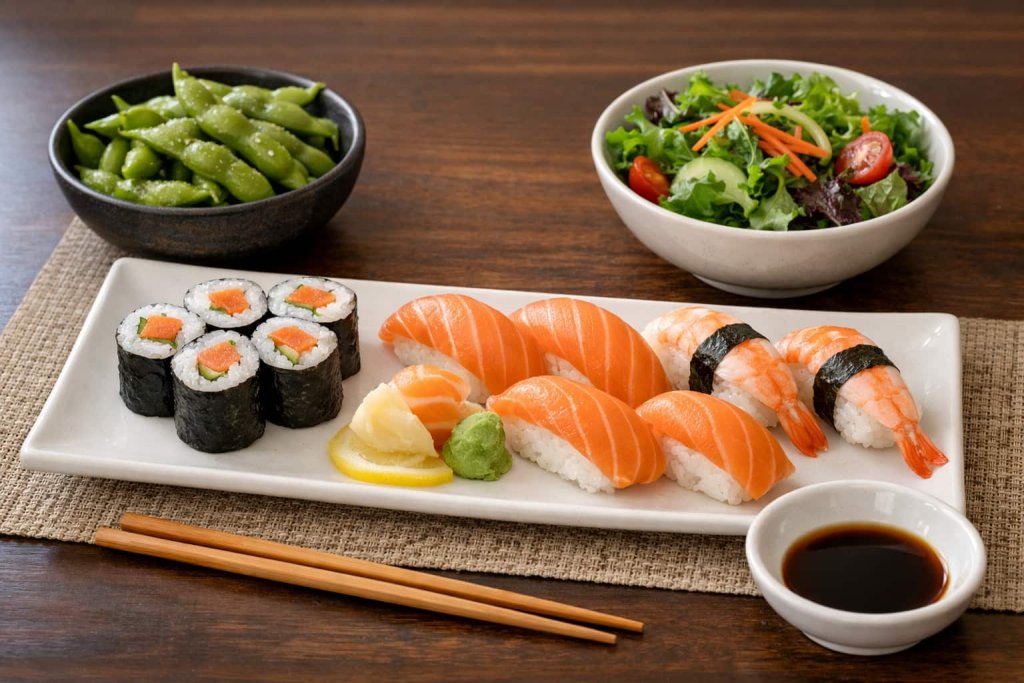
A practical healthier sushi meal could look like this:
- One simple salmon, tuna, or vegetable roll
- A small order of nigiri or sashimi
- Edamame or a side salad
- Light soy sauce, or soy sauce used sparingly
- No tempura or creamy sauces
This kind of order keeps the meal simpler, gives you protein, and makes it easier to control sodium, calories, and portion size without giving up the foods people usually enjoy most.
Is sushi healthy for everyone?
Not always. Sushi may be a good choice for many adults, but the answer changes based on age, pregnancy, health status, and the kind of sushi being eaten.
For example:
- A healthy adult eating a simple salmon roll and edamame may be having a balanced meal.
- A pregnant person ordering raw tuna sushi is dealing with both raw-fish safety concerns and mercury questions.
- A person with high blood pressure may need to be extra careful with soy sauce and high-sodium sides.
That is why the best answer is not just “yes” or “no.” It is “sometimes, depending on the ingredients and your personal situation.”
Safety box
Use extra caution with sushi if you are pregnant, immunocompromised, serving young children, or eating high-mercury fish often. Raw fish and raw shellfish are not the safest choice for everyone. When in doubt, choose cooked sushi and check current seafood guidance from the FDA, EPA, or your local health authority.
Is sushi healthier than fast food?
It can be, especially if you choose simple rolls, sashimi, vegetables, and moderate portions. But fried rolls with rich sauces can also become a high-calorie meal.
Is sushi a good source of protein?
Yes. Fish, shrimp, crab, and other seafood can make sushi a good protein source.
Is sushi high in sodium?
It can be. Soy sauce, miso soup, sauces, and seasoned rice can all raise sodium. The biggest issue is often how much soy sauce you use.
Is brown rice sushi healthier?
It can be a better option for some people because brown rice usually provides more fiber than white rice. Availability varies by restaurant.
Is vegetarian sushi healthy?
Often yes, especially when it includes vegetables, avocado, and moderate rice portions. It may be lower in protein unless you add sides such as edamame or tofu.
Final verdict on whether sushi is healthy
Sushi can absolutely be healthy, but the healthiest choices are usually the simplest ones. Fish, seaweed, and vegetables can make sushi a nutritious meal, while fried rolls, creamy sauces, and too much soy sauce can quickly change that.
If you want sushi to fit well into a healthy diet, choose simple rolls or nigiri, keep portions reasonable, limit sauces, and use extra care with raw seafood if you are in a higher-risk group.