
Cabbage is a nutrient-rich cruciferous vegetable that may support heart health, digestion, and immunity while providing powerful antioxidants and vitamins.
Understanding its evidence-based benefits helps you make smarter food choices and maintain long-term wellness. This article explores how cabbage supports your body, what nutrients it offers, and how to include it safely in your diet.
What Is Cabbage? (Overview and Nutrition Profile)
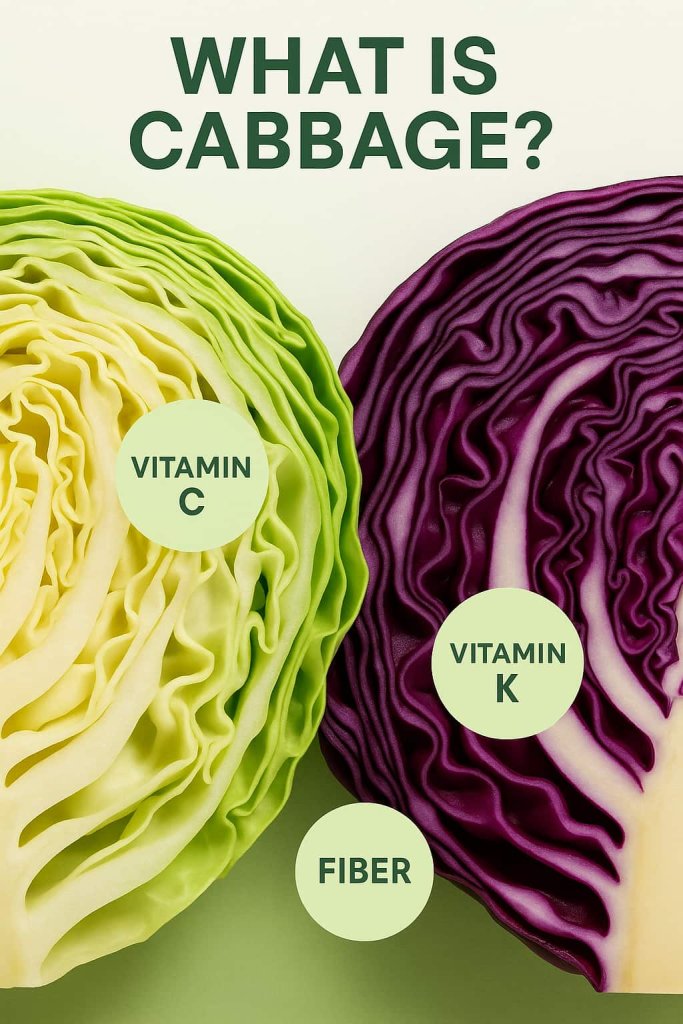
Cabbage (Brassica oleracea var. capitata) is a leafy cruciferous vegetable belonging to the same botanical family as broccoli, kale, cauliflower, and Brussels sprouts. It is valued worldwide for its versatility, affordability, and nutrient density. Cabbage grows in compact, layered heads and comes in several varieties, each offering distinct nutritional and phytonutrient benefits.
Common Varieties of Cabbage
- Green cabbage: The most common type — mild in flavor, rich in vitamin K and vitamin C.
- Red (purple) cabbage: Contains powerful anthocyanins, which are antioxidant pigments that support cellular and cardiovascular health.
- Savoy cabbage: Characterized by crinkled leaves — tender and excellent for cooking, providing similar nutrients with slightly higher folate content.
Cabbage is a staple ingredient in global cuisines, used raw in salads and slaws, cooked in soups and stir-fries, or fermented into sauerkraut and kimchi, which offer probiotic benefits that support gut health.
Nutrition Profile of Raw Green Cabbage
(Per 1 cup shredded, ~89 g — Source: USDA FoodData Central, 2024)
| Nutrient | Amount per 1 cup (89 g) | % Daily Value (DV) |
|---|---|---|
| Calories | 22 kcal | — |
| Carbohydrates | 5.2 g | — |
| Dietary Fiber | 2.2 g | 8% |
| Protein | 1.1 g | 2% |
| Vitamin C | 32 mg | 36% |
| Vitamin K | 67 µg | 56% |
| Folate (Vitamin B9) | 38 µg | 10% |
| Manganese | 0.1 mg | 6% |
| Potassium | 151 mg | 4% |
| Magnesium | 11 mg | 3% |
| Calcium | 36 mg | 3% |
Key Takeaways
- Low in calories but nutrient-rich: Cabbage provides essential vitamins (C, K, B9) and minerals without excess calories, supporting nutrient-dense diets.
- High in antioxidants: Red and purple varieties offer anthocyanins and flavonoids that may support heart and cellular health.
- Fiber for gut health: Its fiber supports digestion and helps maintain healthy cholesterol levels.
- Versatile preparation: Whether raw, cooked, or fermented, cabbage retains key nutritional value and complements balanced eating patterns recommended by MyPlate.gov.
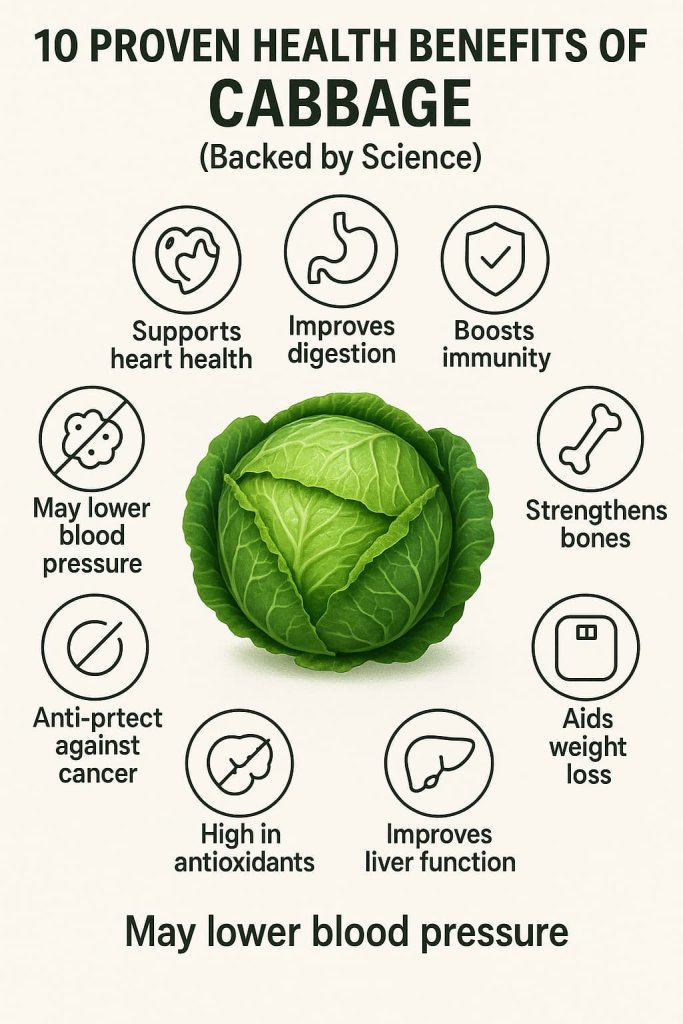
10 Proven Health Benefits of Cabbage (Backed by Science)
Cabbage offers a remarkable combination of low calories and high nutrient density, making it one of the most valuable vegetables for long-term wellness.
Research shows that its vitamins, minerals, and phytochemicals support multiple body systems, including the heart, gut, and immune function.
1. Supports Immune Health and Collagen Production
Cabbage is naturally high in vitamin C, an antioxidant that helps maintain immune defenses and supports collagen synthesis for healthy skin and connective tissue.
According to the Harvard T.H. Chan School of Public Health, vitamin C contributes to protecting cells from oxidative stress, aids wound healing, and improves dietary iron absorption.
Including raw or lightly cooked cabbage—especially red or Savoy varieties—in your diet may help strengthen your body’s natural defense system. Consuming it alongside other colorful produce provides a broader range of immune-supportive antioxidants.
2. Promotes Heart and Cardiovascular Health
Red and purple cabbage varieties are rich in anthocyanins, plant compounds that contribute to vascular protection.
A review published in Nutrients (2023) concluded that diets high in anthocyanin-rich vegetables may support lower arterial stiffness and improved cholesterol balance.
Cabbage also supplies potassium and fiber, both of which play key roles in maintaining cardiovascular health.
The American Heart Association notes that adequate potassium helps regulate blood pressure by offsetting sodium’s effects, while dietary fiber aids in managing cholesterol levels.
3. Supports Healthy Digestion and Gut Microbiota
Cabbage delivers a mix of insoluble and soluble fiber, helping add bulk to stool and feed beneficial gut bacteria.
Fermented cabbage—such as sauerkraut or kimchi—provides natural probiotics that may further support microbial balance and nutrient absorption.
According to the Cleveland Clinic, consistent fiber intake is essential for bowel regularity and digestive comfort.
A balanced gut microbiome is also linked to improved immune response and nutrient metabolism.
4. Provides Antioxidants and Anti-Inflammatory Compounds
Cabbage is loaded with polyphenols and flavonoids—including quercetin, kaempferol, and sulforaphane precursors—that act as antioxidants to help neutralize free radicals.
A 2022 study in the World Journal of Oncology found that cabbage extracts may help reduce oxidative stress and inflammatory markers, potentially supporting long-term cellular health.
Antioxidants like these may contribute to maintaining overall tissue integrity and reducing chronic inflammation associated with aging and lifestyle-related conditions.
5. May Support Healthy Blood Sugar Levels
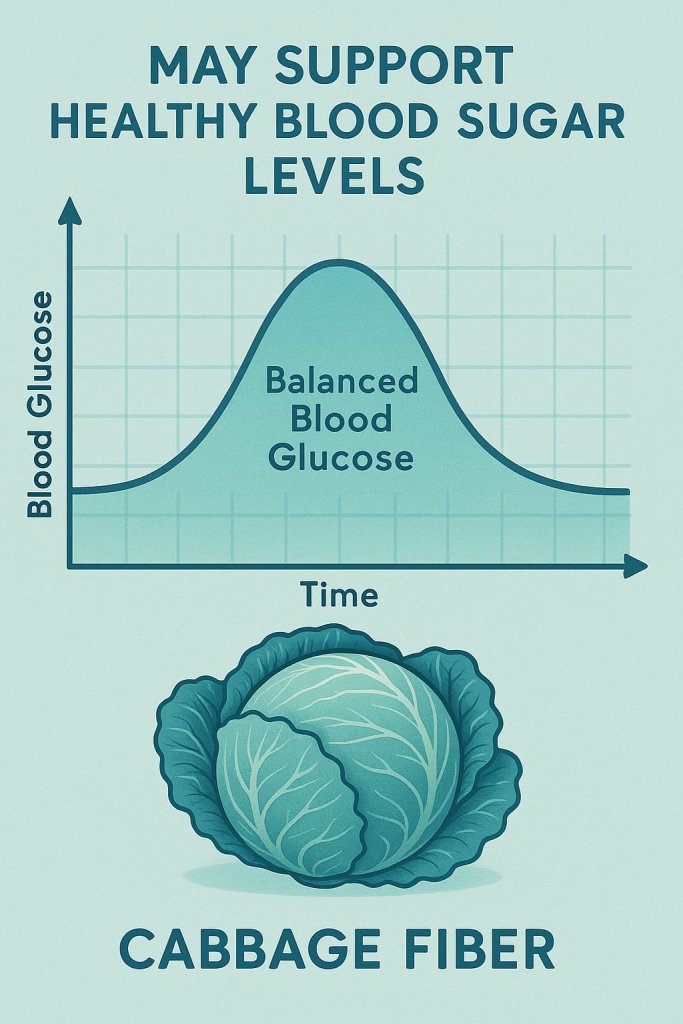
Non-starchy vegetables such as cabbage have a low glycemic index and high fiber content, both of which help slow glucose absorption and may support balanced blood-sugar levels.
A meta-analysis published in Frontiers in Nutrition (2023) found that higher cruciferous-vegetable intake was linked to better insulin sensitivity and lower type 2 diabetes risk.
Combining cabbage with lean proteins and whole grains can further stabilize post-meal blood glucose responses.
6. May Help Reduce Risk of Certain Cancers
Cabbage and its cruciferous relatives contain glucosinolates, sulfur-based compounds that convert into indoles and isothiocyanates during digestion.
These metabolites may help support normal detoxification enzyme activity and protect DNA from oxidative damage.
The National Cancer Institute reports that diets rich in cruciferous vegetables are associated with lower risks of some cancers, including colorectal and lung, though further human studies are needed to confirm causality.
7. May Promote Bone and Cellular Health
Cabbage provides vitamin K, a nutrient required for bone-building proteins and calcium regulation.
Low vitamin K levels are associated with decreased bone density and higher fracture risk.
According to the NIH Office of Dietary Supplements, maintaining consistent vitamin K intake supports normal blood clotting and bone metabolism.
The plant’s antioxidant compounds may further protect bone cells from oxidative damage, supporting skeletal integrity over time.
8. May Support Healthy Weight Management
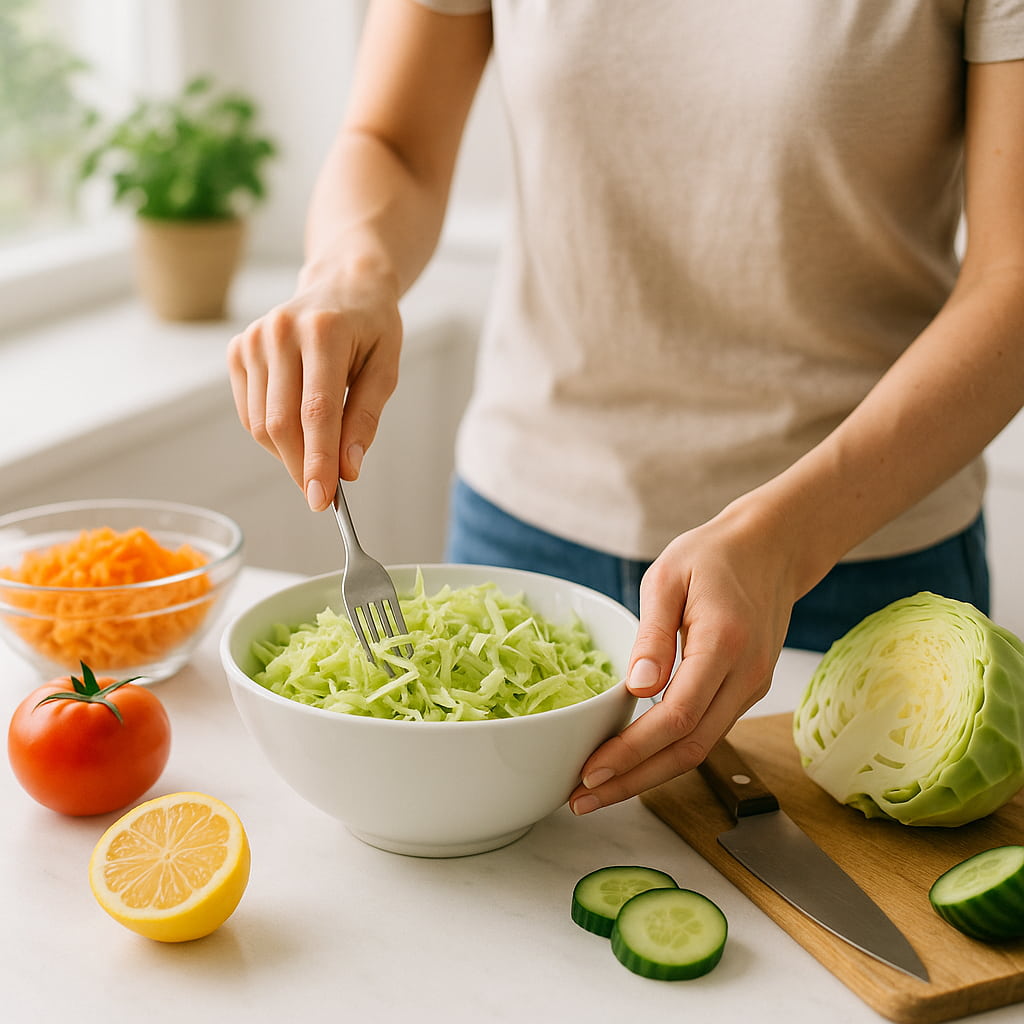
Cabbage is exceptionally low in calories — roughly 22 calories per cup (89 g) of raw shredded cabbage — yet it delivers filling fiber and water content that may help control appetite. This natural combination supports satiety and can reduce overeating when cabbage is incorporated into balanced meals.
According to the U.S. Department of Agriculture’s MyPlate guidelines, individuals are encouraged to “make half your plate fruits and vegetables” to support a healthy weight and balanced diet (MyPlate.gov, 2025).
This recommendation emphasizes choosing low-calorie, nutrient-dense vegetables—like cabbage—to help maintain energy balance, improve overall diet quality, and reduce chronic disease risk.
Because cabbage adds volume and nutrients without excess calories, replacing high-fat or processed sides with steamed, sautéed, or raw cabbage can naturally promote long-term weight control and support sustainable, healthy eating habits.
9. Supports Liver and Detoxification Function
Sulfur-containing compounds in cabbage, particularly sulforaphane and indole-3-carbinol, play a role in activating phase II liver detoxification enzymes.
According to the Linus Pauling Institute at Oregon State University, these compounds help the body neutralize potentially harmful substances and defend against oxidative stress.
Including lightly steamed cabbage or cruciferous vegetables several times per week may support the body’s natural detoxification pathways.
10. Encourages Long-Term Healthy Eating Habits
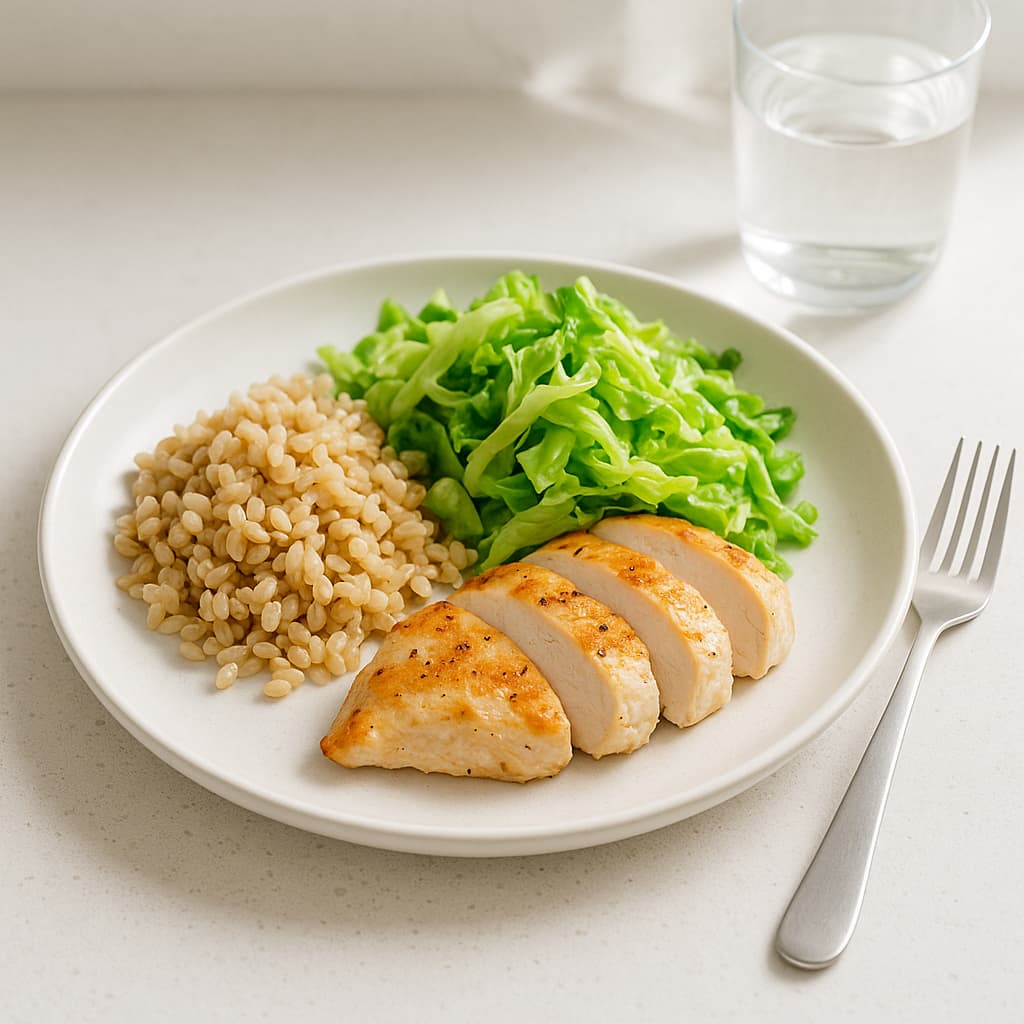
Beyond its nutrients, cabbage’s affordability and versatility make it a sustainable foundation for healthier eating patterns.
It can be incorporated into soups, stews, stir-fries, or fermented dishes like kimchi—encouraging greater vegetable consumption overall.
The USDA Dietary Guidelines for Americans (2025) emphasize the importance of variety and balance in vegetable intake for disease prevention and long-term health.
Regularly enjoying cabbage supports these goals by helping replace high-calorie, low-nutrient foods with fiber-rich, nutrient-dense options.
Possible Side Effects and Precautions
While cabbage is widely recognized as safe and nutritious, a few health considerations apply to certain individuals. Understanding these helps ensure safe, balanced consumption and aligns with evidence-based health guidance.
Gas and Bloating:
Cabbage is rich in dietary fiber and contains a natural carbohydrate called raffinose, which can sometimes lead to mild gas or bloating — especially when eaten raw or in large quantities. The Cleveland Clinic notes that gradually increasing fiber intake and staying well-hydrated can help the digestive system adjust comfortably.
Thyroid Function (Goitrogens):
Raw cruciferous vegetables, including cabbage, contain compounds called goitrogens that may interfere with iodine absorption in individuals with hypothyroidism. However, cooking or steaming cabbage significantly reduces these effects. According to the NIH Office of Dietary Supplements, moderate consumption of cooked cabbage is safe and unlikely to impact thyroid health in individuals with adequate iodine intake.
Vitamin K and Blood-Thinner Interactions:
Cabbage is a good source of vitamin K, a nutrient essential for normal blood clotting. For people taking anticoagulant medications such as warfarin, sudden increases or decreases in vitamin K intake may affect medication effectiveness. The NIH Office of Dietary Supplements recommends maintaining a consistent intake of vitamin K–rich foods and consulting a healthcare professional before making dietary changes.
Allergies (Rare):
Cabbage allergies are uncommon but can occur in sensitive individuals. Reactions may include mild oral allergy symptoms—such as itching, tingling of the lips or mouth, or slight swelling—particularly among people with birch pollen sensitivity, due to a phenomenon known as cross-reactivity.
According to the American Academy of Allergy, Asthma & Immunology (AAAAI), these reactions typically result from the immune system mistaking plant proteins for similar pollen allergens. In rare cases, more significant allergic responses may occur. The AAAAI advises anyone who experiences symptoms after eating cruciferous vegetables, including cabbage, to seek medical evaluation from a qualified allergist for proper diagnosis and management.
Practicing moderation, cooking cabbage (which can reduce allergenic protein activity), and monitoring for symptoms can help ensure safe consumption for those with known sensitivities.
How to Include Cabbage in Your Diet
Cabbage is easy to prepare and fits into nearly every cuisine, offering countless ways to increase daily vegetable intake.
According to MyPlate.gov and the Harvard T.H. Chan School of Public Health, half your plate should include fruits and vegetables — and cabbage is an excellent choice.
Simple ways to enjoy cabbage:
- Raw: Shred into salads, slaws, or wraps for a crisp texture and vitamin C boost.
- Steamed or sautéed: Lightly cook to preserve nutrients while improving digestibility.
- Fermented: Try sauerkraut or kimchi for probiotic benefits that support gut health.
- Soups and stir-fries: Add chopped cabbage to soups, stews, and quick sautés for extra fiber and volume.
- Smoothies or juices: Blend small portions of raw cabbage with fruit and ginger for a mild, nutrient-dense drink.
Tip: Combining cabbage with healthy fats (like olive oil or avocado) improves absorption of its fat-soluble nutrients such as vitamin K.
Storage and Food Safety Tips
To keep cabbage fresh, nutritious, and safe, follow these evidence-based recommendations from the U.S. Food and Drug Administration (FDA), U.S. Department of Agriculture (USDA), and FoodSafety.gov.
Refrigerate promptly:
Store whole heads of cabbage in the crisper drawer at or below 40 °F (4 °C) to maintain freshness and slow bacterial growth. The FoodSafety.gov Cold Food Storage Chart recommends keeping refrigerators at or below 40 °F and freezers at 0 °F to prevent spoilage and maintain quality.
Keep unwashed until use:
Washing before storage introduces excess moisture that can promote mold and bacterial growth. Rinse only right before eating or cooking for best safety and texture.
Use breathable packaging:
Place cabbage in a perforated plastic or mesh produce bag to maintain airflow while preventing excess moisture buildup. This helps preserve crispness and reduces decay.
Shelf life:
- Raw cabbage: Stays fresh for 1–2 weeks under proper refrigeration.
- Cooked cabbage: Store in airtight containers and consume within 3–4 days.
- Fermented products (sauerkraut, kimchi): Keep in sealed glass jars and refrigerate after opening to preserve beneficial bacteria and flavor.
Before eating:
Rinse cabbage thoroughly under running tap water to remove dirt and potential contaminants — do not use soap, bleach, or detergents. The USDA Food Safety and Inspection Service (FSIS) advises rinsing produce under running water as the safest method to reduce bacteria.
By following these FDA- and USDA-approved food safety guidelines, you can ensure that cabbage retains its texture, nutrients, and flavor while minimizing the risk of foodborne illness.
Frequently Asked Questions (FAQ)
1. Is it safe to eat cabbage every day?
Yes — moderate daily consumption is safe for most people. Balance raw and cooked forms for better nutrient variety and digestion.
(Cleveland Clinic)
2. Which type of cabbage is healthiest?
Red (purple) cabbage provides extra antioxidants like anthocyanins, while green cabbage offers slightly higher vitamin K. Both support overall wellness.
(Harvard Nutrition Source)
3. Can cabbage juice support digestive health?
Cabbage juice may help digestion because of its fiber and natural enzymes, though evidence is limited. It’s best consumed as part of a balanced diet.
(Medical News Today)
4. Does cooking cabbage destroy nutrients?
Light cooking methods such as steaming or stir-frying preserve most nutrients. Over-boiling can reduce heat-sensitive compounds like vitamin C.
(USDA FoodData Central)
5. Can people with hypothyroidism eat cabbage?
Yes, in moderation. Cooking reduces goitrogenic compounds that can affect thyroid hormone activity.
(NIH ODS)
6. Is sauerkraut or kimchi healthy?
Yes. Fermented cabbage foods like sauerkraut and kimchi are rich in probiotics that may support gut health and digestion. According to Harvard Health Publishing, fermented foods can help improve gut microbiota balance and reduce inflammation.
Choose unpasteurized, live-culture versions for maximum benefit, and opt for low-sodium options to support heart health.
7. How long does cabbage last in the refrigerator?
Whole heads of cabbage, when stored in the crisper drawer at or below 40 °F (4 °C), typically maintain quality for about 1 to 2 weeks. For cut or cooked cabbage, the safe refrigeration window is generally 3 to 4 days. These guidelines align with official recommendations to keep perishable produce chilled promptly and at correct temperatures. More details on proper refrigeration times are available from the FoodSafety.gov Cold Food Storage Chart
Conclusion
Cabbage is a nutrient-dense, versatile vegetable that supports heart, gut, immune, and metabolic health as part of a balanced diet.
Its rich supply of vitamins C and K, fiber, and phytonutrients makes it a valuable addition to everyday meals. By incorporating both raw and cooked forms, you can enjoy its full nutritional potential safely and sustainably.
Whether added to salads, soups, or fermented foods, cabbage promotes long-term wellness and aligns perfectly with evidence-based dietary guidelines.
This content is for informational purposes only and not medical advice.