

Probiotics for weight loss may support small, modest improvements in body weight and waist measurements for some people, but they’re not a standalone solution. Understanding what probiotics can (and can’t) do helps you set realistic expectations, choose products safely, and focus on the nutrition habits that drive the biggest wellness results. For evidence-based guidance on probiotics, start with the National Institutes of Health Office of Dietary Supplements (NIH ODS).
What are probiotics and why strain matters

Probiotics are live microorganisms that, when consumed in adequate amounts, may provide a health benefit. The important detail is that benefits are often strain-specific, meaning the exact microbe matters (genus, species, and strain—such as Lactobacillus rhamnosus GG).
The National Center for Complementary and Integrative Health (NCCIH) highlights that evidence varies widely by strain and condition, and many products on shelves haven’t been studied for the specific outcomes people want—like weight management.
How probiotics may support weight-related wellness
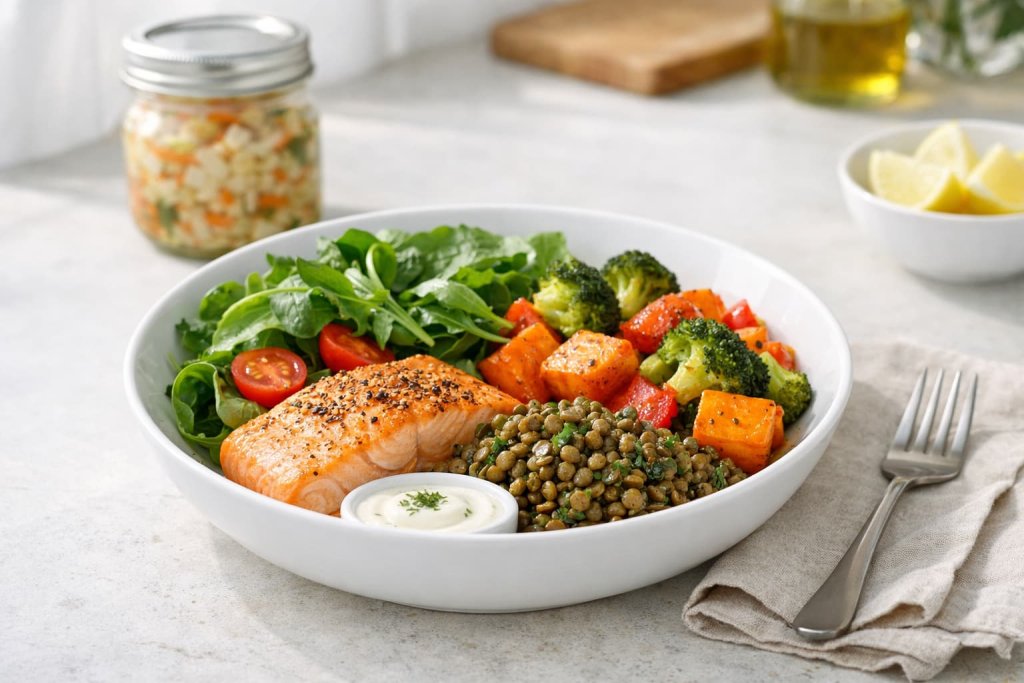
Research suggests several plausible pathways that may help support overall wellness goals:
- Gut barrier and inflammation signaling: Some strains may support gut barrier function and influence inflammatory signaling that relates to metabolism.
- Energy harvest and appetite signals: Microbes can interact with short-chain fatty acid production and appetite-related hormones (the science is evolving and not uniform across strains).
- Diet adherence support: Some people report better digestive comfort with certain probiotic foods, which can make it easier to stick with higher-fiber eating patterns.
These mechanisms help explain why probiotics are being studied, but they don’t guarantee meaningful weight loss in real life without nutrition fundamentals.
Probiotics for weight loss: what human studies show
The most reliable takeaway from higher-level evidence is that average effects are usually modest, and results depend on the strain(s), dose, duration, and the person.
What the best meta-analyses report (real numbers)
A large systematic review/meta-analysis of randomized trials in adults reported that probiotics or synbiotics (probiotics + prebiotics) were associated with small average reductions versus control, including about 0.91 kg lower body weight, 0.28 kg/m² lower BMI, and 1.14 cm smaller waist circumference. See the PubMed record for details: PubMed.
An umbrella review compiling many meta-analyses also concludes that “biotics” (pre-, pro-, synbiotics) can have favorable impacts on some anthropometric measures, while also showing how much studies differ in dose and duration. PubMed Central (PMC).
A more recent meta-analysis focused on obese patients (8 RCTs, 412 participants) found greater weight loss in probiotic groups and examined outcomes like visceral fat, but not every metric (like BMI) changes consistently across studies. Scientific Reports (Nature).
Quick evidence snapshot
| Outcome in research | What “science really shows” |
|---|---|
| Body weight | Often small average reductions; not guaranteed |
| Waist/central measures | Sometimes improve modestly |
| BMI | May change slightly or not at all, depending on trials |
| Consistency | Varies a lot by strain(s), dose, duration, and baseline diet |
What probiotics can realistically do for weight goals

Probiotics are best framed as a support tool that may help:
- Support gut comfort while you increase fiber
- Complement an overall calorie-aware, nutrient-dense pattern
- Improve consistency with meal planning (indirect but practical)
They are unlikely to:
- Produce “fast” or dramatic weight loss on their own
- Replace protein, fiber, sleep, and activity habits that drive results
- Override highly processed, low-fiber eating patterns
Best way to use probiotics for weight loss in a nutrition-first plan

If your goal is overall wellness (not quick-fix dieting), the most practical approach is:
1) Build the foundation first
Probiotics work best alongside habits that consistently support metabolism and appetite regulation:
- Protein at meals to support fullness and muscle maintenance
- High-fiber plants (beans, lentils, oats, vegetables, berries)
- Mostly minimally processed foods
- Adequate sleep and stress management
- Daily movement (walking counts)
2) Consider probiotic foods before supplements
For many people, probiotic foods are the simplest starting point:
- Yogurt with live active cultures
- Kefir
- Fermented vegetables (like sauerkraut/kimchi—watch sodium)
- Fermented soy foods (like tempeh, miso—watch sodium)
These can fit into a balanced eating pattern without needing “supplement-level” claims.
A practical way to start is to add one probiotic food serving per day, then increase gradually if you tolerate it well. For example:
- Yogurt or kefir: about ¾–1 cup
- Fermented vegetables: about 2–4 tablespoons
- Tempeh: about 3–4 ounces
If you’re sensitive to digestive changes, start with smaller portions for a week and build up slowly.
3) If you choose supplements, treat them like a “trial”
Because effects vary, your best strategy is a structured, low-risk trial:
- Pick a product that clearly lists genus + species + strain
- Use it consistently for a set period (many studies are 8–12 weeks)
- Keep the rest of your routine stable so you can judge whether it’s helping
- Track practical outcomes: digestion comfort, regularity, appetite patterns, and waist measurements (not just scale weight)
To evaluate whether your probiotic choice is helping, track:
- Waist measurement (same time of day, weekly)
- Digestive comfort (bloating, regularity, stool consistency)
- Hunger and cravings (especially evening appetite)
- Diet consistency (how easy it feels to stick with higher-fiber meals)
If you notice no practical improvement after a consistent trial, it may not be the right strain or product for you.
Probiotics vs prebiotics (and why both matter)
Probiotics are live microbes. Prebiotics are certain fibers that feed beneficial gut bacteria. Many people get better overall results by pairing probiotic foods with a high-fiber eating pattern. Examples of prebiotic-rich foods include oats, barley, beans, lentils, onions, garlic, bananas, and asparagus. This approach supports gut health while also improving diet quality—one of the biggest drivers of long-term wellness and weight management.
Probiotics supplement label checklist (what to look for)
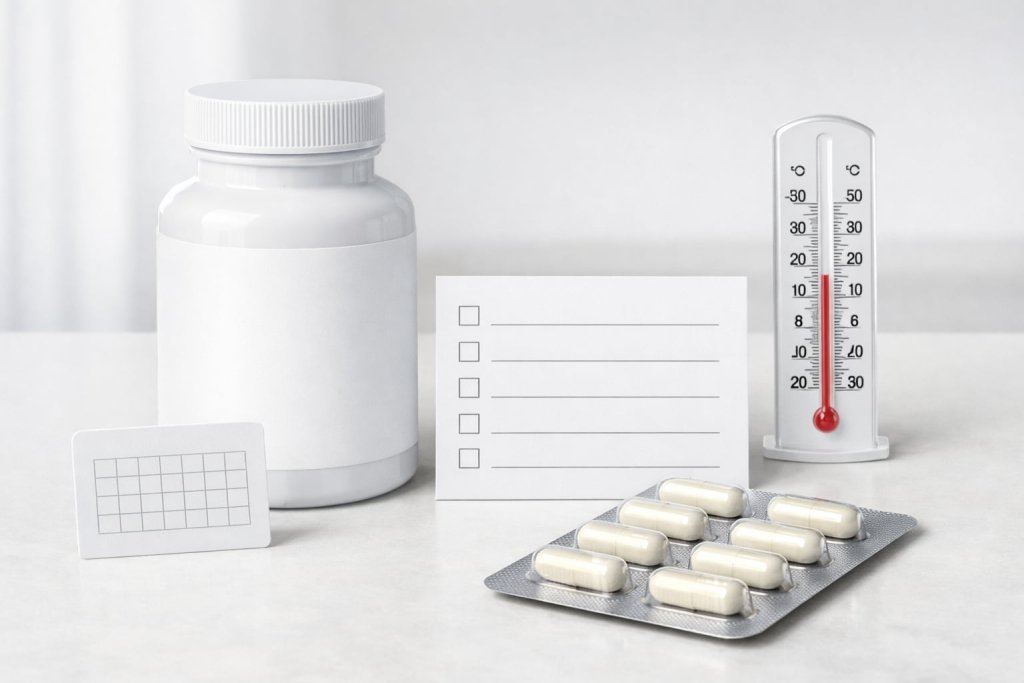
Use these selection rules to keep your choice evidence-aligned and safer:
- Full strain identification (not just “Lactobacillus blend”)
- CFU amount listed with clarity (and preferably through end of shelf life)
- Storage instructions that match the product (shelf-stable vs refrigerated)
- Transparent ingredients (watch added sweeteners or unnecessary fillers)
- Third-party testing (helpful for quality control, when available)
- Avoid products that promise extreme fat loss or “detox” effects
Also pay attention to quality and storage. Some probiotics require refrigeration, while others are shelf-stable by design. Follow the product’s storage instructions closely, and avoid using products past their expiration date—viability can drop over time.
Safety notes and who should be cautious

Most healthy people tolerate probiotic foods well. However, probiotics contain live organisms, and risk can be higher in specific situations.
The U.S. Food and Drug Administration (FDA) has warned about serious risks for hospitalized preterm infants given probiotic products in medical settings. While that scenario is different from typical adult use, it’s a clear reminder that “natural” doesn’t automatically mean “risk-free.”
Be extra cautious and talk with a clinician before using probiotic supplements if you:
- Are immunocompromised or on immunosuppressive therapy
- Have a serious underlying illness
- Have a central venous catheter or are frequently hospitalized
- Are pregnant and considering high-dose supplements (food sources are typically the simpler default)
Safety callout: If you have a weakened immune system, are critically ill, have a central venous catheter, or are receiving specialized medical care, do not start probiotic supplements without medical guidance. In these situations, live microorganisms can pose a higher infection risk. Food sources are often the simpler default unless a clinician recommends a specific product for your situation.
If you take prescription medications or have a complex health history, it’s smart to ask a clinician about timing and fit. As a general wellness habit, many people separate probiotics from antibiotics (if prescribed) to reduce the chance the antibiotic interferes with the probiotic—your clinician can advise what’s appropriate for you.
Understanding claims and marketing
Probiotic supplements are often sold as dietary supplements, which affects how claims should be interpreted.
The U.S. Food and Drug Administration (FDA) explains structure/function claims—statements about supporting normal body structure or function—are different from disease claims.
Also, the standard supplement disclaimer language is defined in regulation. See eCFR.
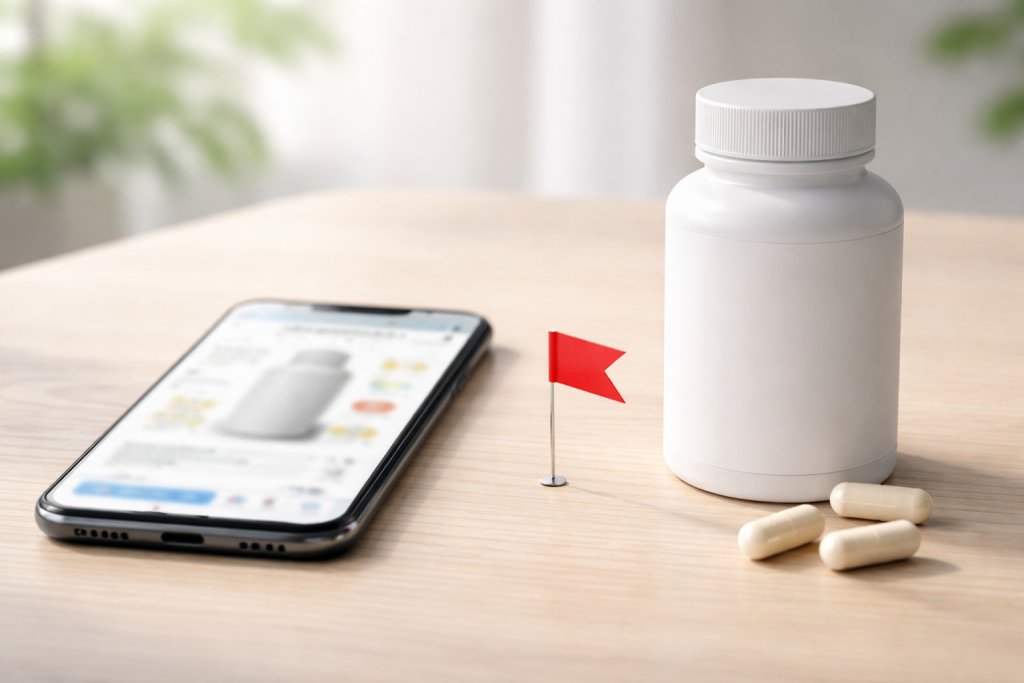
Practical takeaway: if a probiotic product promises dramatic weight loss or reads like a drug ad, treat that as a red flag.
Red flags to avoid:
- Promises of rapid fat loss (for example, “lose 10 pounds in a week”)
- “Detox” or “cleanse” language tied to weight loss
- No strain names listed (only “proprietary blend”)
- Claims that sound like treatment claims rather than wellness support
Common mistakes that stop people from seeing benefits

- Expecting scale-only results: Waist, digestion comfort, and adherence often matter more.
- Changing everything at once: If you start a probiotic and overhaul your diet at the same time, you can’t tell what helped.
- Ignoring fiber: Probiotics may work better when your diet includes enough plant fibers that support a healthy gut environment.
- Buying blends with no strain details: “Proprietary blend” without strains is hard to evaluate.
FAQ: Probiotics for weight loss
1) Do probiotics for weight loss actually work?
They may help modestly for some people, especially alongside a nutrition-first routine. Average effects in studies tend to be small, and results vary by strain and person.
2) Which probiotic strains are best for weight loss?
There isn’t one universally “best” strain. Research is strain-specific and inconsistent across trials, so choose products with clearly listed strains and realistic claims, and evaluate your own response over time.
3) Are probiotic foods enough, or do I need supplements?
Many people can start with probiotic foods as part of a balanced diet. Supplements may be considered if you want a consistent daily dose and the product is transparent and reputable.
4) How long does it take to see changes?
Many studies evaluate outcomes over 8–12 weeks, but digestive comfort may change sooner. If nothing improves after a consistent trial, that strain/product may not be a good match for you.
5) Can probiotics reduce belly fat?
Some studies track waist or visceral fat outcomes, but results are mixed. If you see changes, they’re usually modest and strongest when paired with diet quality, adequate protein, fiber, and activity.
6) What side effects can probiotics cause?
Some people notice temporary gas, bloating, or stool changes—especially when starting. If symptoms are severe or persistent, stop and talk with a clinician.
Can probiotics cause weight gain?
Some people notice temporary scale changes from shifts in digestion, stool, or water balance—especially when changing fiber intake. That’s different from true fat gain. If you feel persistently hungrier or notice unwanted changes after starting a supplement, stop and reassess your overall diet pattern and consider trying a different approach.
7) Should teens use probiotics for weight loss?
For teens, weight goals should prioritize overall wellness, growth needs, and safe nutrition patterns. A clinician or registered dietitian is the best person to guide supplement decisions for teens.
Conclusion
Probiotics for weight loss aren’t magic—but they may support small improvements for some people when used consistently and paired with a solid nutrition routine. If you want the best chance of benefit, start with food-first habits, choose strain-transparent products, and track outcomes beyond the scale.
If you’d like, share your preferred format (guide-only, meal-plan add-on, or product-selection checklist), and I’ll tailor this into a WordPress-ready layout with a comparison table and internal-link placeholders.
Sources/References
- National Institutes of Health Office of Dietary Supplements (NIH ODS)
- National Center for Complementary and Integrative Health (NCCIH)
- PubMed
- PubMed Central (PMC)
- Scientific Reports (Nature)
- U.S. Food and Drug Administration (FDA)
- U.S. Food and Drug Administration (FDA)
- eCFR
- World Gastroenterology Organisation (WGO)
This content is for informational purposes only and not medical advice.