
The landmine row is a back-focused rowing exercise that helps build upper-back strength and size by pulling one end of an anchored barbell toward your torso with a controlled, angled path. It is popular because it trains the lats, rhomboids, and other upper-back muscles while also challenging your grip and trunk control.
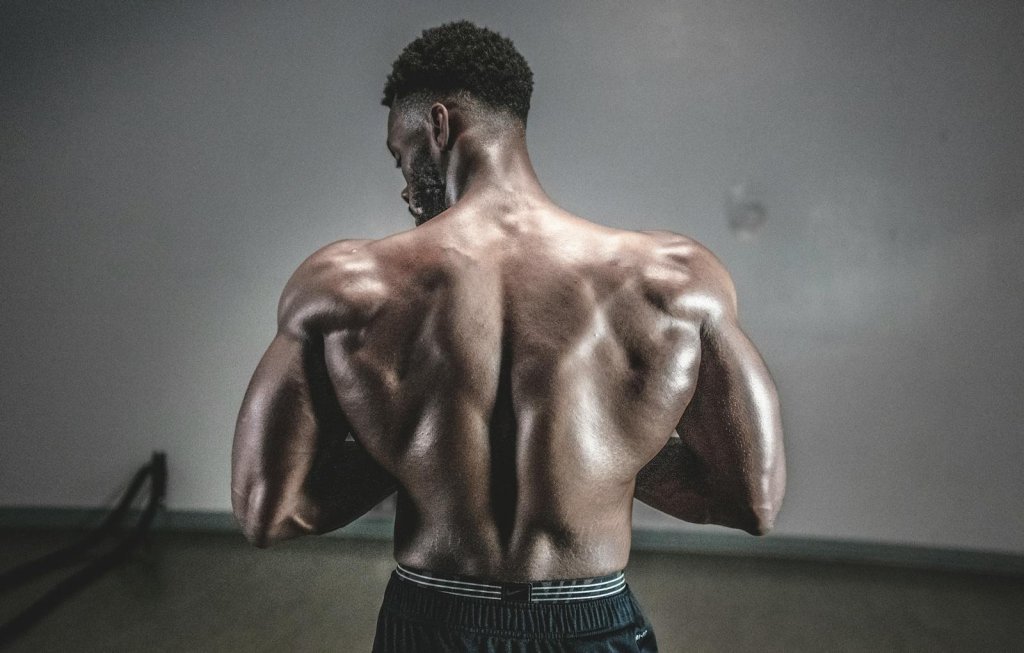
Learning proper form matters because it helps you target the right muscles, reduce sloppy reps, and fit the exercise into a balanced strength program. Public-health guidance from the CDC and ACSM continues to recommend muscle-strengthening work at least two days per week for adults.
What Is the Landmine Row?
The landmine row is a rowing variation done with a barbell fixed in a landmine attachment or secured in a corner. You pull the loaded end of the bar toward your body, usually with a close neutral grip attachment or with one hand in a single-arm version. The angled setup changes the line of pull compared with a standard barbell row and is one reason many lifters use it for back training. The American Council on Exercise highlighted landmine training again in 2025, and recent coaching resources still include the single-arm landmine row among useful upper-back exercises.
How to Do the Landmine Row Correctly
Here is the standard two-hand landmine row setup and execution.
Setup
Stand over the bar facing the loaded end. Hinge at the hips, keep your chest up, and grab the handle or sleeve end of the bar. Your knees should be softly bent, and your spine should stay neutral rather than rounded.
Execution
Pull the weight toward your lower chest or upper stomach by driving your elbows back. Pause briefly at the top without jerking the bar. Lower it with control until your arms are extended again.
Key form cues
- Keep your torso braced
- Let the elbows drive the row
- Avoid shrugging up toward your ears
- Do not yank the weight off the floor
- Control the lowering phase
These cues line up with standard rowing guidance from ACE and strength-coaching resources that emphasize a neutral spine, trunk bracing, and controlled pulling instead of momentum.
Landmine Row Muscles Worked
The landmine row mainly works the lats, rhomboids, trapezius, and posterior shoulder, while the biceps, forearms, trunk, and lower back help support the movement. Recent exercise coverage from BarBend describes the single-arm landmine row as targeting the lats, rhomboids, core, and lower back, while standard strength-coaching materials also place rowing movements among the main exercises for the upper back and posterior chain.
Landmine Row Variations and Alternatives
Landmine row variations and alternatives can help you train the back from different angles while matching your comfort, equipment, and experience level. Options like the single-arm landmine row, Meadows row, chest-supported row, seated cable row, and barbell row each offer slightly different benefits for strength, control, and muscle focus.
1. Single-Arm Landmine Row
Why it works:
This version trains one side at a time, which can help you focus on control, range of motion, and side-to-side balance. It also adds more anti-rotation demand through the trunk because your body has to stay steady while one arm rows.
Muscles worked:
Lats, rhomboids, middle traps, rear delts, biceps, forearms, and core stabilizers.
How to do it:
- Stand beside the loaded end of the bar.
- Hinge at the hips with a flat back and soft knees.
- Grab the bar sleeve with one hand.
- Brace your trunk and keep your shoulders square.
- Row the bar up toward your hip or lower rib area.
- Pause briefly at the top.
- Lower the bar slowly under control.
- Repeat all reps on one side, then switch.
Trainer Tip:
Do not twist your torso to lift the weight. Keep your chest steady and let your back do the work.
2. Meadows Row
Why it works:
The Meadows row changes the grip and pulling angle, which can make the upper back and lats feel slightly different from other landmine row variations. It is also useful for unilateral back training with a strong stretch at the bottom.
Muscles worked:
Lats, rhomboids, traps, rear delts, biceps, forearms, and trunk stabilizers.
How to do it:
- Stand perpendicular to the bar with the loaded end near your side.
- Hinge forward and take a staggered stance if needed.
- Grab the thick end of the bar with one hand using an overhand grip.
- Brace your core and keep your spine neutral.
- Pull the bar up toward your hip while driving your elbow back.
- Squeeze at the top without rotating too much.
- Lower slowly to the start position.
- Complete all reps, then switch sides.
Trainer Tip:
A lifting strap can help if grip becomes the limiting factor before your back is fully challenged.
3. Chest-Supported Row
Why it works:
This variation reduces the demand on the lower back and hip hinge by giving your torso support. That makes it a good option when you want to focus more directly on the upper back and lats with less body English.
Muscles worked:
Lats, rhomboids, middle traps, rear delts, and biceps.
How to do it:
- Set an incline bench and lie face down with your chest supported.
- Hold a dumbbell in each hand or use the available machine setup.
- Let your arms hang straight down.
- Pull your elbows back toward your torso.
- Squeeze your shoulder blades together at the top.
- Lower the weight slowly until your arms are straight again.
- Repeat for controlled reps.
Trainer Tip:
Keep your chest glued to the bench. If you lift off the pad, the weight is probably too heavy.
4. Seated Cable Row
Why it works:
This option gives you a stable setup and consistent tension through the full rep. It can be easier for beginners to learn because the machine helps control the resistance path.
Muscles worked:
Lats, rhomboids, middle traps, rear delts, biceps, and forearms.
How to do it:
- Sit at a cable row machine with your feet braced.
- Grab the handle with your arms extended.
- Sit tall with your chest up and shoulders down.
- Pull the handle toward your midsection.
- Keep your elbows close to your body.
- Pause briefly while squeezing the upper back.
- Return the handle slowly without rounding forward.
Trainer Tip:
Do not turn the movement into a rocking motion. Keep your torso mostly steady and control both directions.
5. Barbell Row
Why it works:
The barbell row is a classic free-weight back exercise that builds strength through a more open bar path. It works well if you want a traditional bilateral rowing movement with plenty of loading potential.
Muscles worked:
Lats, rhomboids, traps, rear delts, spinal erectors, biceps, and forearms.
How to do it:
- Stand with your feet about hip-width apart and hold a barbell.
- Hinge forward at the hips with a slight knee bend.
- Keep your back flat and chest set.
- Let the bar hang around knee level or just below.
- Row the bar toward your lower chest or upper stomach.
- Pause briefly at the top.
- Lower the bar under control to the start.
- Repeat without losing your hinge position.
Trainer Tip:
Keep the torso angle consistent through the set. If you keep standing up between reps, you are shifting tension away from the back.
Why the Landmine Row Is Good for Back Strength and Size
The landmine row can be a practical hypertrophy and strength exercise because it lets you load a rowing pattern progressively while keeping the path of the bar relatively consistent. The single-arm version also adds unilateral work, which may help you notice side-to-side differences more clearly. Broader landmine training research indexed through PubMed also shows that landmine-based exercises continue to be studied in structured strength programs.
Equipment You Need for the Landmine Row
You do not need much equipment to do this exercise well:
- A barbell
- A landmine attachment or a secure corner setup
- Weight plates
- Optional close-grip or V-handle for the two-hand version
- Optional lifting straps if grip is the limiting factor
Recent setup guides note that a landmine base, barbell, and often a handle attachment are the standard tools for this style of row.
Step-by-Step Landmine Row Form Guide
1. Set the bar correctly
Place one end of the barbell into a landmine base or a stable corner. Load the free end with plates and attach your handle if you are using one.
2. Find your hinge
Stand with feet about hip-width apart. Push your hips back and lean your torso forward under control. Think “long spine” rather than “rounded back.”
3. Brace before you pull
Tighten your midsection before each rep. A braced trunk helps keep the movement cleaner.
4. Row toward the torso
Pull the bar toward your body, keeping the elbows moving back instead of flaring wildly out.
5. Squeeze, then lower slowly
Pause briefly near the top, then lower the weight under control. Do not let gravity do all the work.
Common Landmine Row Mistakes
Rounding the back
This usually happens when the load is too heavy or the hinge position breaks down. Reduce the load and reset your torso.
Jerking the weight
Using momentum may make the rep look stronger than it is. Controlled reps usually do a better job of training the back.
Standing too upright
If you turn the movement into a half-shrug, you may lose tension where you want it most.
Pulling with the arms only
Think about bringing the elbows back and squeezing through the upper back instead of curling the weight up.
Letting the shoulders dump forward
Set your chest and keep your upper body organized before each pull.
Landmine Row Benefits
Strong upper-back training
Rows are a key part of a well-rounded strength routine because they train muscles across the back, shoulders, and arms. CDC guidance recommends muscle-strengthening work for all major muscle groups on two or more days per week, and rows can help cover the back and arm portion of that goal.
Useful loading option
The landmine setup gives you another way to train a rowing pattern when you want something different from cables, dumbbells, or a straight barbell row.
Good variation for unilateral work
The single-arm landmine row may help you train each side more deliberately. Practical coaching guidance often notes that unilateral work can help a weaker side catch up to a stronger side over time.
Versatile for different training goals
You can program it for moderate reps for muscle growth, heavier sets for strength-focused work, or controlled accessory work after bigger compound lifts.
Landmine Row vs. Barbell Row
The landmine row and barbell row are both horizontal pulling exercises, but they are not exactly the same.
Landmine row
- Angled bar path
- Commonly feels more fixed and guided
- Easy to use with close neutral grips
- Often chosen as a variation when lifters want a different pulling feel
Barbell row
- Freer bar path
- Usually done with a pronated or supinated bar grip
- Strong traditional option for back strength
Both movements train the upper back, lats, forearms, and biceps, but the mechanics differ because of setup.
Best Rep Ranges for Landmine Row
Your rep range should match your goal.
For muscle growth
A common starting point is 3 to 4 sets of 8 to 15 reps with controlled technique.
For strength support
You can use lower-to-moderate reps, such as 5 to 8, if your form stays solid.
For general fitness
Moderate reps with good control work well for most people.
A practical rule is simple: stop the set before your torso position falls apart.
Who Should Use the Landmine Row?
The landmine row can fit well for:
- Lifters who want more back-training variety
- People who enjoy neutral-grip rowing patterns
- Anyone building a balanced pull-focused program
- Lifters using unilateral back work through the single-arm version
- Older adults or beginners who need a row variation selected and coached appropriately
The NSCA includes landmine row patterns among commonly used horizontal pulling exercises in broader program-design contexts.
Who Should Be Careful With the Landmine Row?
You may need modifications or professional guidance if you have:
- Current back pain that worsens with hinging
- Shoulder pain during rows
- Trouble holding a neutral spine under load
- Very limited hip-hinge control
If an exercise causes sharp, worsening, or radiating pain, stop and get individualized advice from a qualified clinician or coach.
Sample Landmine Row Workout Placement
The landmine row can fit into training in a few simple ways:
Back day
Place it after your first heavy pull or as the main row of the day.
Upper-body day
Pair it with pressing and vertical pulling work.
Full-body day
Use 2 to 4 sets after your lower-body main lift if your energy and technique are still good.
People Also Ask About the Landmine Row
Is the landmine row a back exercise or a full-body exercise?
It is mainly a back exercise, but your trunk, hips, and grip still contribute to the movement.
Is the landmine row good for building size?
Yes, it can be effective for size when you train it with enough effort, progressive load, and consistent form.
Can beginners do the landmine row?
Yes, many beginners can learn it well with light weight, a stable setup, and clear coaching on the hip hinge and trunk brace.
Is the single-arm landmine row better than the two-hand version?
Not better in every case. The single-arm version is often better for unilateral work, while the two-hand version may feel simpler for heavier bilateral loading.
How often should you do landmine rows?
For many people, one to two times per week can work well within a broader program that includes both pushing and pulling patterns.
FAQ About the Landmine Row
What muscles does the landmine row work most?
It mainly targets the lats, rhomboids, trapezius, and rear shoulder, with help from the arms and trunk.
Is the landmine row the same as a T-bar row?
They are closely related, and many gym setups treat the landmine T-bar row as a version of the landmine row. The exact setup and grip can vary.
Is the landmine row better than dumbbell rows?
Not universally. The best choice depends on your equipment, comfort, training goal, and whether you want bilateral or unilateral work.
Can landmine rows replace barbell rows?
They can replace them in some programs, but not because they are automatically superior. They are simply a different rowing option with a different setup and feel.
How heavy should I go on landmine rows?
Use a load that lets you keep your hinge, brace, and pulling path under control. If the rep turns into a heave, it is probably too heavy.
Should I use straps for landmine rows?
You can, especially if grip fatigue limits your back training. But if grip strength is also a goal, do at least some sets without straps.
Are landmine rows safe for everyone?
No exercise is right for everyone. People with pain, recent injury, or major movement limitations should get personalized advice before loading the pattern.
Conclusion
The landmine row is a practical, effective rowing exercise for building back strength and size with an anchored barbell setup. It trains key upper-back muscles, works well in both single-arm and two-hand versions, and gives you another solid option for meeting your weekly strength-training goals. Start light, keep your torso position honest, and progress the load only when your reps stay clean.