
There is no single “right” number of calories per meal. The best answer to how many calories per meal you need depends on your total daily calorie needs, how many times you eat in a day, and whether your goal is maintenance, weight loss, or weight gain. According to the FDA, the 2,000-calorie figure on Nutrition Facts labels is only a general guide, not a personal prescription. The current USDA guidance also emphasizes building meals around whole, nutritious foods rather than chasing one fixed calorie number.
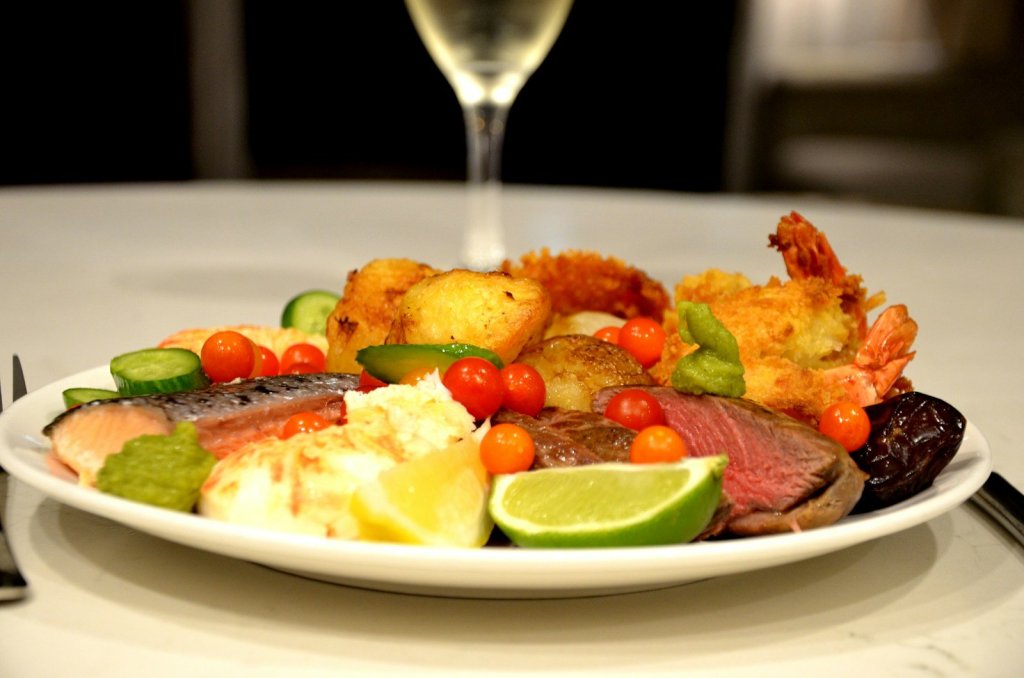
That means a better question is not “What is the perfect calorie number for every meal?” but “How should I divide my daily calories in a way I can actually follow?” Once you know your daily target, calories per meal become much easier to estimate.
How many calories per meal is normal?
For many adults, calories per meal often land somewhere in the 400 to 700 calorie range, but that is a planning range, not a rule. A person eating 1,500 to 2,100 calories a day will usually end up near that range if they eat three meals and keep snacks modest. NIH meal-planning materials commonly use daily calorie patterns such as 1,200, 1,400, 1,600, 1,800, 2,000, 2,600, and 3,100 calories, which shows why meal calories can vary so much from one person to another. The useful takeaway is simple: your meal calories should match your total day, not someone else’s plate.
Quick calorie-per-meal examples
A quick way to estimate calories per meal is:
Daily calories − planned snack calories ÷ number of meals = calories per meal
For example, if your goal is 1,800 calories a day and you want two 150-calorie snacks, that leaves 1,500 calories for meals. Split across three meals, that comes to about 500 calories per meal. This gives you a useful starting point without making calorie planning feel complicated.
These examples are not official meal prescriptions. They are just simple ways to divide a daily calorie goal across meals and snacks.
If you eat 3 meals a day
- 1,500 calories a day: about 500 calories per meal
- 1,800 calories a day: about 600 calories per meal
- 2,000 calories a day: about 667 calories per meal
- 2,400 calories a day: about 800 calories per meal
These examples are based on arithmetic using common daily calorie levels used in federal and NIH meal-planning resources.
If you eat 3 meals plus 2 snacks
- 1,500 calories a day: about 400 calories per meal plus 2 snacks of 150 calories
- 1,800 calories a day: about 500 calories per meal plus 2 snacks of 150 calories
- 2,000 calories a day: about 550 calories per meal plus 2 snacks of 175 calories
- 2,400 calories a day: about 650 calories per meal plus 2 snacks of 225 calories
This pattern works well for people who prefer smaller meals, need more steady energy across the day, or get overly hungry between meals. The exact split does not need to be perfect. What matters most is staying close to your daily total consistently.
How to figure out how many calories per meal you need
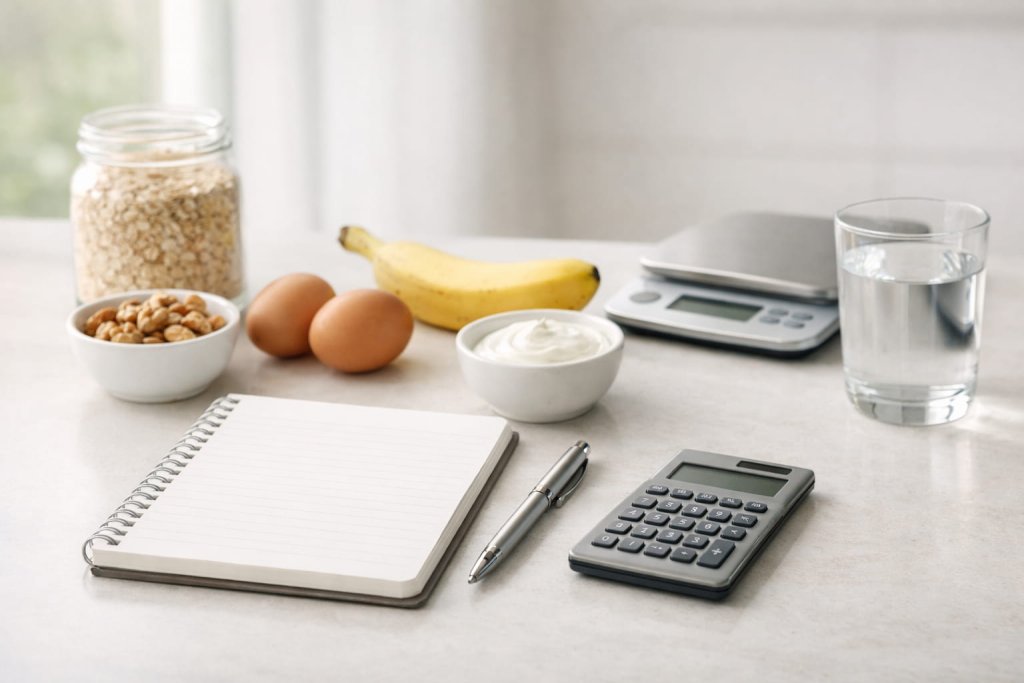
1. Estimate your daily calorie needs
Start with a realistic daily target. The NIDDK Body Weight Planner can help adults estimate calorie needs and weight-change targets. The USDA MyPlate tools can also help estimate needs based on age, sex, height, weight, and activity.
2. Decide how often you want to eat
Some people do well with 3 larger meals. Others feel better with 3 meals and 1 to 2 snacks. There is no universal winner. The best pattern is the one that helps you manage hunger, energy, and consistency without feeling deprived. The CDC also supports practical calorie-cutting approaches that are easier to stick with over time.
3. Divide your calories across the day
Once you know your daily target, divide it in a way that fits your routine.
A simple example:
- Breakfast: 25%
- Lunch: 30% to 35%
- Dinner: 30% to 35%
- Snack(s): the rest
For a 1,800-calorie day, that could look like:
- Breakfast: 450 calories
- Lunch: 550 calories
- Dinner: 550 calories
- Snack: 250 calories
This kind of split is a practical planning method, not a medical rule. The goal is to make your day workable and balanced.
How many calories per meal for weight loss?
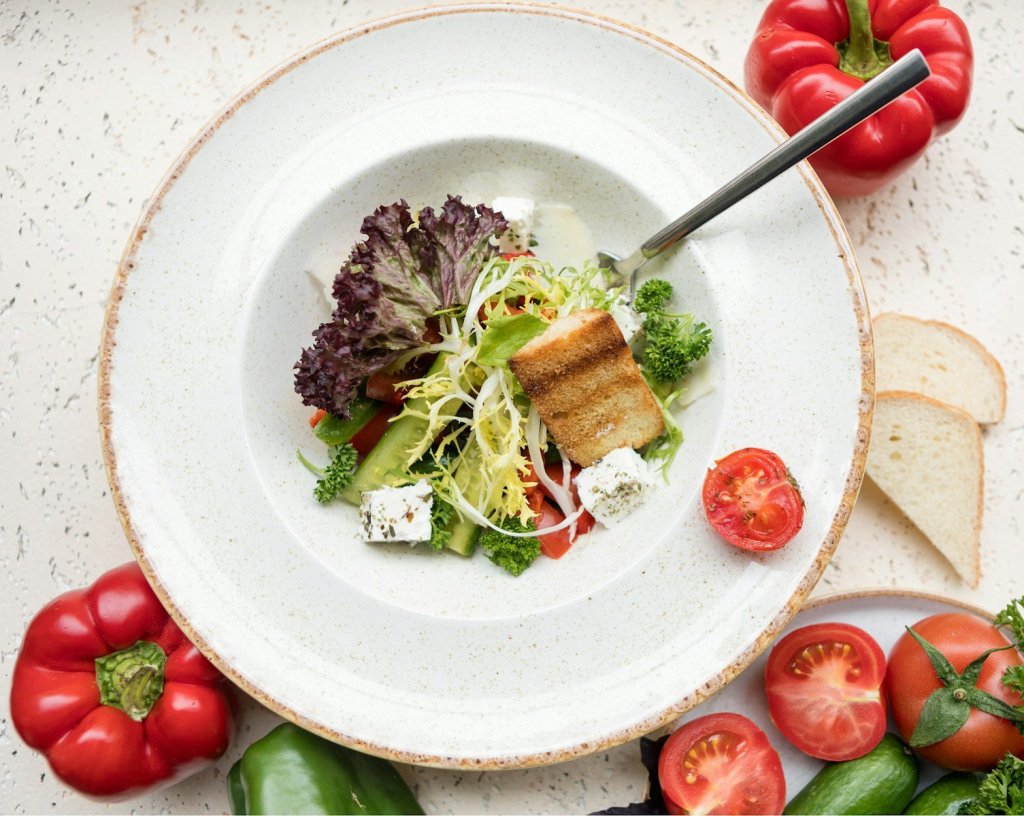
If your goal is weight loss, calories per meal should come from a lower daily calorie target, not from skipping meals blindly or making one meal extremely small. The CDC recommends a slow, steady approach and notes that lower-calorie, fiber-rich foods such as fruits and vegetables can help you cut calories without feeling as hungry.
A practical example:
- If your weight-loss target is 1,500 calories a day, you might eat three 400-calorie meals plus two 150-calorie snacks
- If your target is 1,800 calories a day, you might eat three 500-calorie meals plus two 150-calorie snacks
This usually feels more sustainable than making one meal tiny and then getting overly hungry later. Very aggressive calorie cuts can backfire by increasing hunger, reducing energy, and making it harder to stay consistent.
How many calories per meal for maintenance or weight gain?
If your goal is maintenance, your meal calories should simply match your estimated daily calorie needs. For example, a person maintaining on 2,100 calories a day might do well with three 600-calorie meals plus one 300-calorie snack, while someone maintaining on 2,400 calories might prefer three 700-calorie meals plus one 300-calorie snack.
If your goal is weight gain, the same idea applies, but with a higher daily calorie target. For example, a 2,700-calorie day could look like three 750-calorie meals plus two 225-calorie snacks. In practice, many people find it easier to raise calories by adding a little more food to each meal or including one extra snack instead of trying to force one very large meal.
The key point is that maintenance, weight loss, and weight gain all start with the same basic method: set your daily calories first, then divide them across the day in a way you can stick with.
What should a 500- to 700-calorie meal look like?
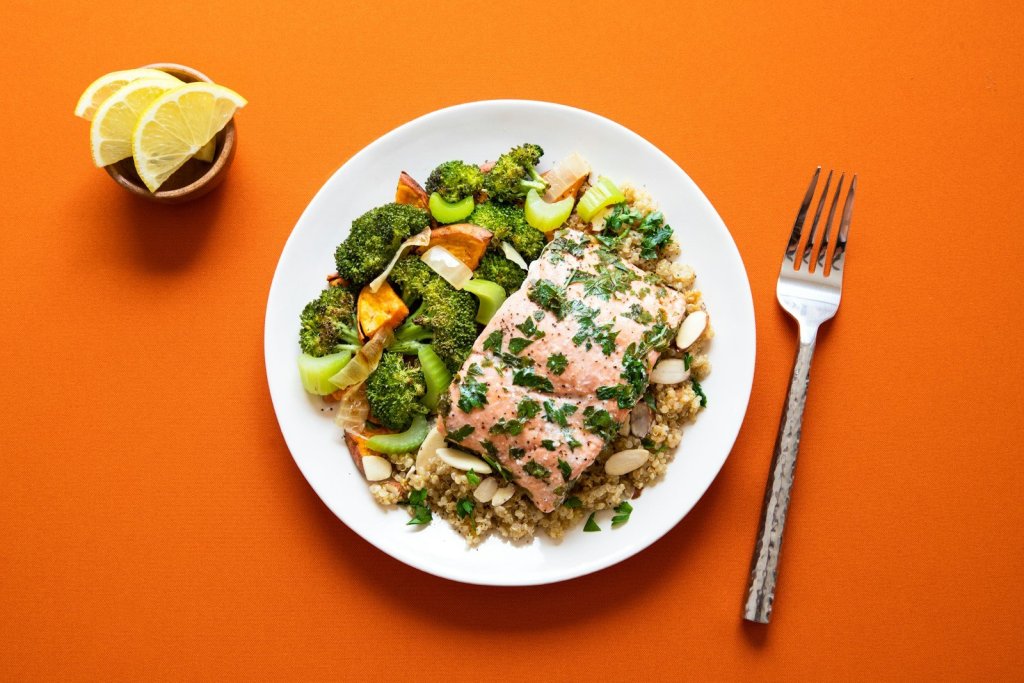
Calories matter, but meal quality matters too. According to USDA MyPlate, a balanced meal should generally include fruits or vegetables, protein foods, grains, and dairy or fortified soy alternatives, while keeping added sugars, saturated fat, and sodium in check.
Here is a simple structure that works well for many people:
Half the plate from produce
Vegetables and fruit add volume, fiber, and nutrients without pushing calories up too quickly. That helps meals feel more filling for the calorie level.
A solid protein source
Protein can help a meal feel more satisfying. Good options include chicken, fish, eggs, beans, lentils, tofu, Greek yogurt, and lean meats.
A smart carb source
Whole grains, potatoes, beans, fruit, and other higher-fiber carbohydrate choices can support energy and fullness better than building the whole meal around refined grains and sweets.
A moderate amount of fat
Nuts, seeds, avocado, olive oil, and similar foods can make meals more satisfying, but they are calorie-dense, so portions still matter.
Real-world examples of meal calories
To make the numbers more practical, here is what different meal calorie levels can look like in real life:
- Around 400 calories: Greek yogurt with fruit and nuts, or eggs with whole-grain toast and fruit
- Around 500 calories: grilled chicken, rice, and vegetables with a small drizzle of olive oil
- Around 600 calories: salmon, potatoes, vegetables, and fruit
- Around 700 calories: a burrito bowl with protein, rice, beans, vegetables, avocado, and salsa
These are only examples, but they show an important point: a meal can fit your calorie target and still feel balanced, satisfying, and normal.
Why the same calories can feel very different from one meal to another
A 600-calorie meal is not automatically “good” or “bad.” What matters is what is in it.
For example, a meal built from lean protein, vegetables, fruit, and high-fiber carbs will usually feel more filling than a meal with the same calories made mostly from refined grains, sugary drinks, and low-fiber snack foods. Current federal guidance emphasizes nutrient-dense foods and limiting highly processed foods, added sugars, and refined carbohydrates for exactly this reason.
Common mistakes when estimating calories per meal
Treating serving size like a recommendation
The FDA says serving size on the label is not a recommendation of how much you should eat or drink. It is simply the amount used for the nutrition information on the package.
Forgetting that one package may contain multiple servings
A packaged food that looks like one snack or one meal may actually contain more than one serving. If you eat the whole package, you may be getting far more calories than the front of the label made you assume. FDA also notes that some products use dual-column labels to show both per-serving and per-package calories.
Ignoring portions
The NIDDK explains that a portion is how much you choose to eat at one time, while a serving is the measured amount listed on the label. That difference matters a lot when you are trying to estimate calories per meal accurately.
Letting drinks and extras slip through
Creamers, sugary drinks, sauces, dressings, oil, and “just a few bites” can add a surprising number of calories to a meal. When people feel stuck, this is often one of the first places to check.
When simple calorie-per-meal math is not enough
A basic calorie-per-meal formula works best for generally healthy adults. It may be less useful on its own for:
- children and teens who are still growing
- pregnant or breastfeeding women
- people with diabetes or other medical conditions that affect eating
- people with a history of disordered eating
- people training at a very high level
The NIDDK Body Weight Planner is specifically for adults age 18 and older and is not intended for younger people or for pregnant or breastfeeding women. USDA guidance also notes that calorie and nutrient needs are different during pregnancy and breastfeeding.
How to tell if your meal calories need adjusting
Your starting number does not need to be perfect. What matters is whether it works in real life.
You may need to raise your meal calories a little if you are constantly hungry, low on energy, or thinking about food all day. You may need to lower them slightly if your portions regularly leave you overly full or if your overall intake is drifting well above your target. If your goal is weight change, look at your trend over a couple of weeks rather than judging one day at a time.
This is why calories per meal work best as a starting framework, not a rigid rule. Small adjustments are normal.
People also ask
Is 500 calories per meal enough?
For some people, yes. For others, no. It depends on your daily calorie target, body size, activity level, and whether you also eat snacks. On a 1,500-calorie day, 500 calories per meal may fit perfectly. On a 2,400-calorie day, it would probably be too low unless you eat substantial snacks too.
Is 600 calories per meal too much?
Not necessarily. Three 600-calorie meals add up to 1,800 calories for the day, which can be a completely reasonable intake for many adults. Whether it is too much, too little, or just right depends on your full-day needs.
Should every meal have the same number of calories?
No. Some people prefer a lighter breakfast and larger lunch or dinner. Others do better with evenly sized meals. Consistency across the whole day matters more than making every meal identical.
What is more important: meal calories or food quality?
Both matter. Meal calories help manage energy balance, while food quality affects fullness, nutrition, and how sustainable your routine feels. That is why federal guidance focuses on nutrient-dense foods, not just calorie math.
The bottom line
How many calories per meal you need depends on your daily calories, not on one universal rule. For many adults, a practical meal range is often around 400 to 700 calories per meal, but your best number depends on your goal, your appetite, and how often you eat. Start with your daily calorie target, divide it across meals and snacks in a way you can stick with, and build those meals around filling, nutrient-dense foods. Use official tools such as MyPlate or the Body Weight Planner when you want a more personalized starting point.
Sources and References
- FDA — Calories on the Nutrition Facts Label
- FDA — Serving Size on the Nutrition Facts Label
- USDA — Dietary Guidelines for Americans
- USDA MyPlate — MyPlate
- USDA MyPlate — Start Simple with MyPlate
- NIDDK — About the Body Weight Planner
- NIDDK — Food Portions: Choosing Just Enough for You
- CDC — Tips for Cutting Calories