
Most healthy adults need between 22 and 34 grams of fiber per day, depending on age, sex, and calorie needs. This guidance comes from U.S. dietary standards and is widely used by nutrition professionals. Understanding how much fiber you need matters because fiber supports digestion, helps maintain steady energy, and contributes to overall nutrition balance when consumed regularly from whole foods.
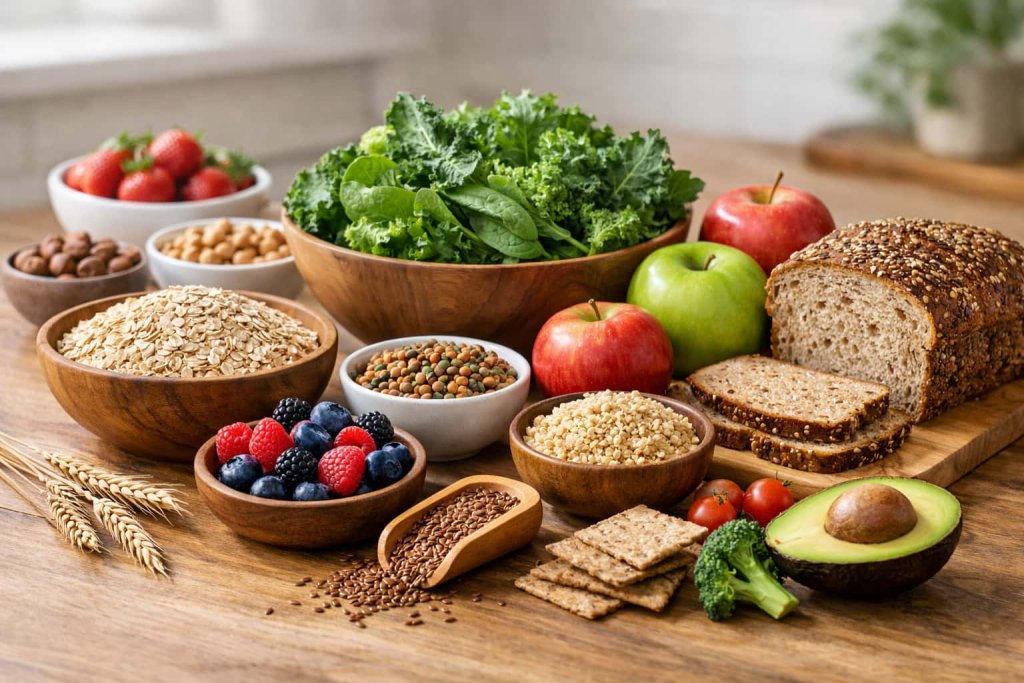
Below is a clear, evidence-based guide to daily fiber needs, how recommendations are calculated, and practical ways to meet them—without medical claims and with a wellness-first approach.
How Much Fiber Per Day Is Recommended?
U.S. nutrition guidelines set fiber targets using a simple, science-based formula:
About 14 grams of fiber per 1,000 calories consumed per day.
According to the U.S. Department of Agriculture and the U.S. Department of Health and Human Services, this formula underpins the official age- and sex-based recommendations published in the Dietary Guidelines for Americans. Fiber is classified as a “nutrient of public health concern” because most people do not get enough.
Daily Fiber Intake by Age and Gender
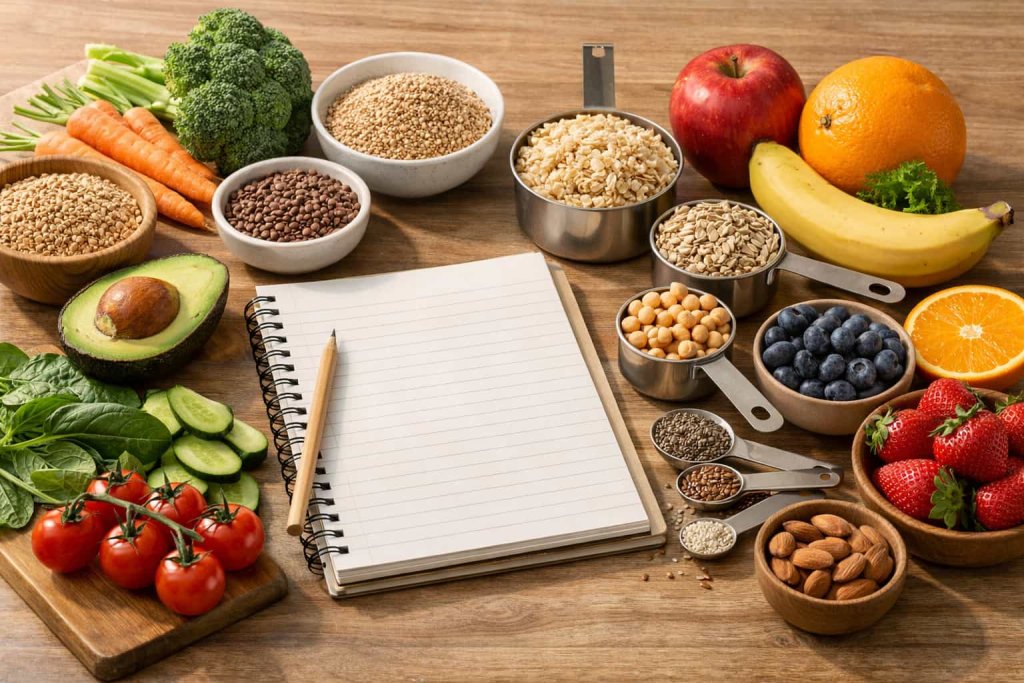
The table below summarizes current U.S. recommendations for total daily fiber intake.
Recommended Fiber Intake (grams per day)
| Age group | Women | Men |
|---|---|---|
| 2–3 | 14 g | 14 g |
| 4–8 | 17 g | 20 g |
| 9–13 | 22 g | 25 g |
| 14–18 | 25 g | 31 g |
| 19–30 | 28 g | 34 g |
| 31–50 | 25 g | 31 g |
| 51+ | 22 g | 28 g |
Source: According to the U.S. Department of Agriculture and U.S. Department of Health and Human Services (Dietary Guidelines for Americans, 2020–2025).
Why Fiber Needs Vary by Age and Gender
Fiber recommendations change across life stages because calorie needs and digestive efficiency change.
- Men generally require more fiber because they tend to consume more calories.
- Fiber needs decrease slightly after age 50, reflecting lower average energy intake.
- Children and teens need less fiber overall, but consistent intake supports healthy eating patterns.
These differences are based on population-level nutrition research, not individual medical conditions.
What the Nutrition Facts Label Means for Fiber
On packaged foods in the U.S., the Daily Value (DV) for fiber is 28 grams.
According to the U.S. Food and Drug Administration:
- 5% DV or less = low fiber
- 20% DV or more = high fiber
Using %DV can help you quickly compare foods and build meals that support daily fiber goals.
Are Most People Getting Enough Fiber?

No. National nutrition data consistently show a large fiber gap.
According to the U.S. Department of Agriculture and U.S. Department of Health and Human Services:
- Over 90% of women
- Over 97% of men
do not meet recommended daily fiber intakes.
This shortfall is largely linked to low intake of whole grains, fruits, vegetables, legumes, and nuts.
How Fiber Supports Nutrition and Overall Wellness
Dietary fiber is found naturally in plant foods and may help support several aspects of everyday wellness, including:
- Supporting normal digestion and regularity
- Helping you feel fuller between meals
- Supporting balanced blood sugar responses when eaten with meals
- Contributing to overall diet quality
Fiber-rich foods are also often rich in vitamins, minerals, and phytonutrients, making them a key part of a balanced eating pattern.
High-Fiber Foods to Help Meet Daily Needs
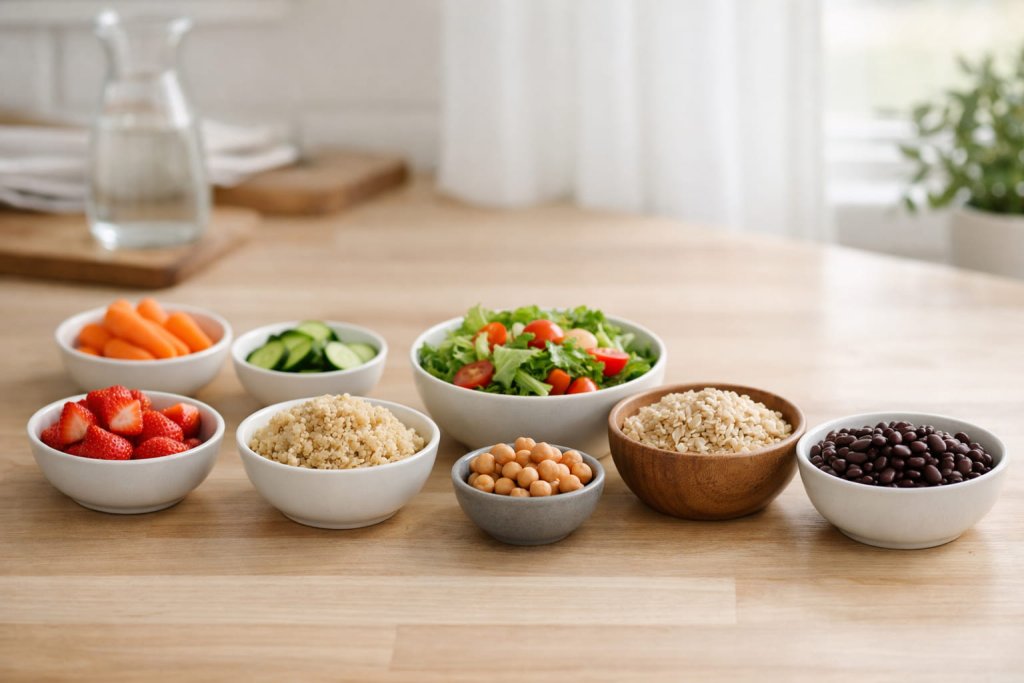
Including a variety of whole, minimally processed plant foods throughout the day makes it easier to reach recommended fiber intake while supporting overall nutrition quality. Fiber naturally occurs in plant foods and works best when consumed from diverse sources rather than relying on a single food type.
According to the U.S. Department of Agriculture, building meals around fruits, vegetables, whole grains, legumes, nuts, and seeds is one of the most effective ways to increase fiber intake naturally while also improving vitamin and mineral intake (MyPlate guidance).
Common Fiber-Rich Foods and How They Support Nutrition
Fruits Rich in Dietary Fiber
Fruits provide a mix of soluble and insoluble fiber, along with water and natural carbohydrates that support balanced meals.
- Berries (raspberries, blackberries, strawberries) are especially rich in fiber relative to portion size and are also rich in vitamin C and antioxidants.
- Pears and apples (especially with the skin) provide both soluble fiber, which may help support satiety, and insoluble fiber, which supports digestive regularity.
- Oranges contribute fiber along with hydration and vitamin C, making them a nutrient-dense snack option.
The U.S. Department of Agriculture MyPlate guidance recommends choosing whole fruits more often than juice to retain naturally occurring fiber.
Vegetables High in Fiber
Vegetables add fiber with very few calories, making them easy to include across meals.
- Broccoli and carrots are fiber-rich vegetables that also provide potassium and vitamin A precursors.
- Leafy greens (spinach, kale, collards) contribute modest fiber per serving while being rich in micronutrients.
- Squash and other starchy vegetables provide higher fiber amounts and help diversify carbohydrate sources.
According to the U.S. Department of Agriculture, varying vegetable types and colors supports overall diet quality while increasing fiber intake.
Whole Grains as a Daily Fiber Foundation
Whole grains are one of the largest contributors to daily fiber intake when chosen consistently.
- Oats are rich in beta-glucan, a soluble fiber that may help support healthy cholesterol levels when included as part of a balanced diet.
- Brown rice, whole wheat, and barley provide insoluble fiber that supports digestive movement and meal satisfaction.
The Dietary Guidelines for Americans emphasize that at least half of grain intake should come from whole grains to improve fiber intake.
Legumes: One of the Most Fiber-Dense Food Groups
Legumes are among the highest natural sources of dietary fiber and also provide plant-based protein.
- Lentils are especially rich in fiber and iron, making them easy to incorporate into soups, salads, and grain bowls.
- Chickpeas and black beans support satiety and provide both soluble and insoluble fiber.
According to the U.S. Department of Agriculture, beans and lentils count as both vegetables and protein foods, making them especially valuable for fiber-focused eating patterns.
Nuts and Seeds for Concentrated Fiber
Although higher in calories, nuts and seeds provide concentrated fiber in small portions.
- Chia seeds and flaxseed are rich in soluble fiber and are easy to add to oatmeal, yogurt, or smoothies.
- Almonds provide fiber along with healthy fats and magnesium, supporting overall nutrient balance.
The U.S. Food and Drug Administration notes that whole-food sources of fiber also contribute additional nutrients not found in isolated fiber ingredients.
Practical Takeaway
Focusing on variety and consistency—rather than a single “high-fiber” food—makes daily fiber goals more realistic and sustainable. Meals built around fruits, vegetables, whole grains, legumes, nuts, and seeds naturally align with federal nutrition guidance and support long-term wellness.
Tips for Increasing Fiber Gradually
A steady approach helps your body adjust comfortably.
- Increase fiber intake slowly over several days
- Drink adequate fluids throughout the day
- Spread fiber intake across meals and snacks
- Combine different fiber sources rather than relying on one food
These habits support digestive comfort and long-term consistency.
Frequently Asked Questions
How much fiber per day do adults need?
Most adults need 22–34 grams per day, depending on age, sex, and calorie intake.
Is 28 grams of fiber per day enough?
For many adults, 28 grams aligns with the FDA Daily Value, but some men and younger adults may need more.
Can you eat too much fiber?
Very high intakes may cause digestive discomfort for some people, especially if increased too quickly.
Does fiber from supplements count?
Fiber supplements can contribute, but whole foods provide additional nutrients that support overall diet quality.
Is fiber intake different for older adults?
Yes. After age 50, recommended fiber intake decreases slightly due to lower average calorie needs.
Do kids need fiber every day?
Yes. Children benefit from daily fiber intake appropriate for their age and energy needs.
Key Takeaway
Fiber needs vary by age and gender, but most people benefit from eating more fiber-rich whole foods each day. Using official guidelines and food labels can help you build meals that support digestion, satiety, and overall nutrition—without complexity.
References
- U.S. Department of Agriculture and U.S. Department of Health and Human Services – Dietary Guidelines for Americans
- U.S. Food and Drug Administration – Daily Value for Fiber
- U.S. Food and Drug Administration – Understanding the Nutrition Facts Label
- U.S. Department of Agriculture – Building Balanced Meals
This content is for informational purposes only and not medical advice.