
Club Pilates is worth it if you want structured, low-impact Reformer Pilates classes and you can attend often enough to justify the monthly cost. But based on Club Pilates reviews, it is not the best fit for everyone—especially if you want cheap workouts, flexible walk-in access, or a membership you can cancel without carefully reading the agreement.
Club Pilates offers instructor-led Reformer workouts, multiple class formats, beginner-friendly levels, and a polished boutique studio experience. The biggest positives are the low-impact workouts, guided instruction, and clear class structure. The biggest complaints usually involve cost, booking availability, late cancellation fees, no-show fees, and membership cancellation rules.
What Is Club Pilates?
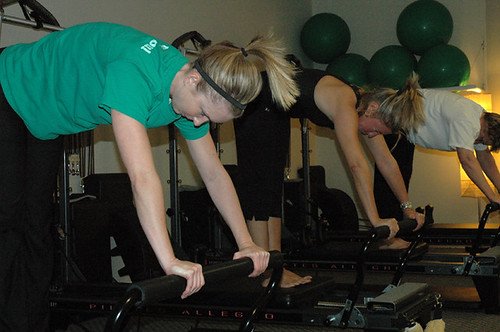
Club Pilates is a boutique Pilates studio chain focused mainly on Reformer-based group classes. According to Xponential Fitness, Club Pilates is the largest Pilates brand globally and offers low-impact, full-body Reformer workouts designed to make Pilates more accessible.
Unlike a regular gym, Club Pilates is not an open workout facility where you show up and use equipment on your own. You book a class, arrive at a scheduled time, and follow an instructor through a guided workout using equipment such as the Reformer, springboard, EXO chair, mat, TRX, Bosu, and other Pilates tools.
That structure is a major reason many members like Club Pilates. It also explains why some members get frustrated when popular class times fill up.
Club Pilates Review: Quick Verdict
Club Pilates is a strong choice if you want guided, low-impact workouts with more structure than a traditional gym. It can help you build core strength, improve body control, support flexibility, and stay consistent with exercise.
It is less ideal if you want the lowest possible fitness cost, need open-gym flexibility, or dislike contracts and cancellation rules.
| Category | Verdict |
|---|---|
| Workout quality | Strong for low-impact strength, mobility, balance, and core work |
| Beginner-friendly | Yes, especially with Intro and Level 1 classes |
| Cost | Higher than most traditional gyms |
| Flexibility | Good only if your preferred class times are available |
| Cancellation experience | Depends on studio rules and your written agreement |
| Best for | Members who attend 2–3+ times per week |
| Not best for | Budget gym shoppers, casual users, or people with unpredictable schedules |
How Club Pilates Classes Work
Club Pilates classes are scheduled group sessions led by an instructor. You usually book through the Club Pilates app or website, wear grip socks, and follow the instructor through a full-body Pilates workout.
The official Club Pilates classes page says the Intro Class is a free 30-minute full-body Reformer session. Club Pilates also says its instructors complete more than 500 hours of comprehensive Pilates training.
Most classes use the Reformer, but many formats also include props and equipment for strength, balance, stretching, cardio, and recovery.
Club Pilates Class Types
Club Pilates offers several class formats, so the experience can feel different depending on what you book. The official Club Pilates Help Center says the brand offers 9 class formats across 4 different levels.
| Class Type | Best For |
|---|---|
| Intro Class | First-time visitors who want to try Reformer Pilates |
| Reformer Flow | The core Club Pilates class experience |
| Cardio Sculpt | Low-impact cardio with Pilates-style movement |
| Center + Balance | Stretching, mobility, balance, and recovery |
| Control | Standing work, lower-body strength, and stability |
| Restore | Foam rolling, release work, and recovery |
| Suspend | TRX-style suspension training mixed with Pilates |
| Circuit | Strength, stamina, mobility, coordination, and cardio-style intervals |
| Teen | Younger members at select studios |
Club Pilates also introduced Circuit as its first new national class format in seven years, according to the Club Pilates Circuit launch announcement. Circuit is designed as a progressive full-body Pilates class that blends endurance, mobility, strength, and cardio-style work.
Not every studio offers every class format at every time. Before joining, check your local studio schedule and make sure the classes you want are available when you can actually attend.
Club Pilates Class Levels Explained
Club Pilates uses levels to help members progress safely. This is one of the best parts of the brand because beginners and experienced members do not have to be placed in the same class.
Level 1: Foundation
Level 1 is the best starting point after the Intro Class. It focuses on basic movement patterns, equipment setup, breathing, alignment, and control. Beginners should start here.
Level 1.5: Progression
Level 1.5 adds more challenge while staying approachable. It is a good fit once you understand the equipment and can follow Level 1 classes comfortably.
Level 2: Evolution
Level 2 is more advanced. Expect faster transitions, harder balance work, stronger resistance, and less basic instruction.
Level 2.5: Mastery
Level 2.5 is the most advanced level. It is designed for experienced members and may require instructor approval.
If you are new to Reformer Pilates, do not rush into higher-level classes. Better form will give you better results and reduce your risk of discomfort or injury.
Club Pilates Cost: What You Should Expect
Club Pilates does not publish one national price list. The official Club Pilates FAQ says pricing varies by studio location, region, and membership type. It also confirms that studios generally offer 4-class, 8-class, and unlimited membership options, plus a free Introductory Class.
The table below shows typical U.S. pricing ranges. Your local studio may charge more or less.
| Plan Type | Typical U.S. Cost | Best For | Notes |
|---|---|---|---|
| Drop-In Class | $25–$45 per class | Occasional visitors | No monthly commitment; price varies by studio |
| 4 Classes/Month | $99–$139/month | Beginners or once-a-week users | Good starter plan |
| 8 Classes/Month | $179–$239/month | Regular weekly attendance | Better value for 2 classes per week |
| Unlimited | $199–$359/month | Frequent members | Best value if you attend 3+ times weekly |
| Passport Membership | $279–$379/month | Multi-studio users | Designed for broader studio access |
Club Pilates costs more than a budget gym because you are paying for instructor-led classes, specialized equipment, smaller group training, and a boutique studio environment.
Extra Club Pilates Fees to Know
The monthly price is not the only cost. These extra fees and rules can affect your real total cost.
| Fee or Rule | What to Know |
|---|---|
| Enrollment fee | Varies by studio; may be discounted or waived during promotions |
| Grip socks | Required for class and usually available for purchase in-studio |
| Late cancel fee | Unlimited members may be charged $15 |
| No-show fee | Unlimited members may be charged $20 |
| Class-credit penalty | 4-class and 8-class members usually lose one class credit |
| Freeze fee | $35/month for approved membership freezes |
| Cancellation rules | Vary by state and local studio agreement |
The official Club Pilates booking cancellation policy says all bookings require 12-hour cancellation notice. Class-credit members lose one class credit for a late cancellation or no-show. Unlimited members may be charged $15 for canceling within 12 hours of class or $20 for a no-show.
This rule matters if your schedule changes often. A few missed classes or late cancellations can quickly make the membership feel more expensive.
Club Pilates Freeze and Cancellation Policy
Club Pilates membership rules can vary by studio and state, so read your written agreement before signing. Do not rely only on a verbal explanation at the front desk.
The official Club Pilates freeze and cancellation help page says freeze requests must usually be made 14 days before the next invoice unless there is a medical issue. It also says memberships can be frozen for up to 3 months with a $35 monthly freeze fee.
For cancellation, Club Pilates directs members to the state membership agreement addendum or local studio.
Before joining, ask your studio these questions:
- Is there a minimum commitment period?
- How many days’ notice are required to cancel?
- Can cancellation be done online, by email, or only through the studio?
- Will I be charged again if I cancel close to my billing date?
- Are there special cancellation rules for promotional memberships?
- What happens if I move, get injured, or need a medical freeze?
This is important because many negative Club Pilates reviews focus less on the workout and more on billing, cancellation, or contract confusion.
What Real Club Pilates Reviews Usually Say
Club Pilates reviews are mixed because the class experience and the membership experience are two different things.
Many members like the instructors, low-impact workouts, clean studios, and structured class levels. At the same time, complaints often involve pricing, class availability, recurring charges, late fees, and cancellation rules.
The Apple App Store listing for the Club Pilates app shows that the app supports class booking, waitlists, schedule viewing, studio search, and membership features. App-store feedback also shows why booking and waitlists matter: members care a lot about whether they can get into the classes they are paying for.
So the fair takeaway is simple: Club Pilates can offer an excellent workout experience, but you need to confirm the schedule, costs, and cancellation terms before you commit.
What Members Like About Club Pilates
Guided Workouts
You do not have to create your own routine. The instructor leads the class, explains the equipment, and guides each movement.
Low-Impact Training
Club Pilates is easier on the joints than many high-impact workouts. This makes it appealing if you do not enjoy running, jumping, or intense bootcamp-style classes.
Beginner-Friendly Structure
The free Intro Class and Level 1 classes make the first step less intimidating. You can start with basic movements before progressing.
Core and Posture Focus
Pilates emphasizes control, alignment, breathing, and core engagement. Many members choose it because they want better posture, stronger core muscles, and improved body awareness.
Class Variety
The different class formats help reduce boredom. You can choose strength, cardio, stretch, balance, recovery, or circuit-style sessions depending on your goals.
Boutique Studio Atmosphere
Many members enjoy the clean studio environment, scheduled class format, and smaller fitness-studio feel.
Common Complaints in Club Pilates Reviews
Club Pilates Can Be Expensive
Club Pilates usually costs much more than a basic gym membership. If you only attend once or twice per month, the value is weak.
Popular Class Times Can Fill Up
Early morning, evening, and weekend classes may book quickly at busy studios. This can frustrate members who pay for a monthly plan but cannot easily get into the classes they want.
The Cancellation Window Is Strict
The 12-hour cancellation rule matters. If your work schedule, family schedule, or health changes unexpectedly, late fees or lost class credits can add up.
Membership Cancellation Can Be Confusing
Some members complain about notice periods, recurring billing, or unclear cancellation steps. The best protection is to read the written agreement before joining and keep written proof of any cancellation request.
Studio Experience Varies
Club Pilates studios are locally operated, so instructor quality, sales pressure, customer service, and class availability can vary by location.
What Results Can You Expect From Club Pilates?
Club Pilates may help improve core strength, flexibility, balance, posture, coordination, and body awareness when you attend consistently. It is not a magic weight loss program, and it should not be treated as medical rehab unless your doctor or physical therapist recommends it.
According to Cleveland Clinic, Pilates is a low-impact, full-body workout that may support muscle tone, flexibility, strength, stability, and overall movement quality. Cleveland Clinic also recommends finding a good instructor and talking to your doctor to choose the safest starting point.
After 1–2 Classes
You may feel sore in your core, glutes, legs, or stabilizing muscles. You may also realize that Pilates is harder than it looks.
After 4–8 Classes
You may feel more comfortable using the Reformer and following the class flow. Your coordination and body awareness may improve.
After 2–3 Months
With consistent attendance, you may notice better posture, stronger core control, improved flexibility, and more confidence in your movement.
For Weight Loss
Club Pilates can support a healthier lifestyle, but weight loss depends mostly on your overall calorie intake, daily activity, strength training, sleep, and consistency. Pilates alone may not lead to major weight loss unless it is part of a broader routine.
Is Club Pilates Good for Beginners?
Yes, Club Pilates can be good for beginners if you start with the Intro Class and Level 1 classes.
Beginners should not jump too quickly into higher-level classes. Reformer Pilates uses springs, straps, a moving carriage, and balance-based exercises. Good form matters.
Start slowly, tell your instructor about injuries or limitations, and focus on control instead of trying to keep up with advanced members.
Is Club Pilates Good for Seniors?
Club Pilates may be a good option for many older adults because it is low-impact and can support balance, mobility, posture, and controlled strength. The best starting point is a beginner-level class with an instructor who understands modifications.
Older adults should speak with a healthcare professional before starting if they have osteoporosis, balance problems, recent surgery, chronic pain, or a medical condition.
Is Club Pilates Good for Back Pain?
Club Pilates may help some people build core strength and improve movement control, but back pain is medical territory. Do not join expecting Pilates to fix pain by itself.
If you have back pain, sciatica, a disc issue, recent injury, or chronic pain, ask your doctor or physical therapist before starting. Also tell your Club Pilates instructor before class so they can suggest modifications.
What Should You Bring to Club Pilates?
You do not need to bring much because the main equipment is already in the studio.
Bring:
- Grip socks
- Water bottle
- Comfortable workout clothes
- Hair tie if needed
- A clear idea of any injuries, aches, or limitations you should mention to the instructor
Grip socks are required for Club Pilates classes. They help with stability on the Reformer and other equipment, and studios usually sell them if you do not already have a pair.
Club Pilates Pros and Cons
| Pros | Cons |
|---|---|
| Structured instructor-led workouts | More expensive than regular gyms |
| Beginner-friendly Intro and Level 1 classes | Popular class times may fill up |
| Low-impact and joint-friendly | Late cancel and no-show fees matter |
| Good for core, balance, mobility, and posture | Cancellation terms vary by studio |
| Multiple class formats and levels | Not ideal for heavy strength training |
| App-based booking and waitlists | Studio experience can vary |
Who Club Pilates Is Best For
Club Pilates is best for people who:
- Want low-impact, guided workouts
- Prefer boutique fitness over open-gym workouts
- Like scheduled classes and accountability
- Want to improve core strength, posture, flexibility, and body control
- Can attend at least 2–3 times per week
- Are comfortable paying boutique studio prices
- Prefer Pilates equipment instead of traditional gym machines
Who Should Skip Club Pilates?
Club Pilates may not be the best fit if you:
- Want the cheapest possible workout option
- Prefer heavy weightlifting
- Need 24/7 gym access
- Have an unpredictable schedule
- Get frustrated by cancellation windows
- Only want occasional classes
- Do not want an auto-renewing membership
- Cannot get into the class times you need
If your schedule changes often, a drop-in class, small class pack, or a more flexible fitness option may be better.
Club Pilates vs. Traditional Gym
A traditional gym gives you more freedom and usually costs less. Club Pilates gives you more structure, coaching, and Reformer-based workouts.
| Feature | Club Pilates | Traditional Gym |
|---|---|---|
| Cost | Higher | Usually lower |
| Coaching | Included in class | Usually extra |
| Equipment | Pilates-focused | Broad fitness equipment |
| Schedule | Class-based | Flexible access |
| Best for | Guided low-impact training | Independent workouts |
| Accountability | Stronger | Depends on you |
Choose Club Pilates if you want guided Reformer Pilates and a structured class experience. Choose a regular gym if you want lower monthly cost, cardio machines, strength machines, free weights, and flexible access.
Club Pilates vs. Private Pilates
Private Pilates gives you one-on-one instruction. That can be better for injuries, specific movement problems, or highly personalized coaching. But private sessions usually cost much more than group classes.
Club Pilates sits in the middle. You get instructor guidance and Reformer access at a lower cost than private Pilates, but you still share the instructor’s attention with a group.
If you are healthy and new to Pilates, Club Pilates can be enough. If you have pain, injury history, or complex movement needs, private sessions with a qualified professional may be a better starting point.
How to Decide If Club Pilates Is Worth It
Use this simple test before joining.
Club Pilates Is Worth It If:
- You will attend at least 8 classes per month
- You enjoy structured group workouts
- Your preferred class times are available
- You understand the cancellation rules
- You want low-impact strength and mobility work
- You are comfortable paying boutique studio prices
Club Pilates Is Not Worth It If:
- You will only attend occasionally
- Your schedule changes often
- You want heavy strength training
- You dislike booking classes in advance
- You do not want recurring billing
- You have not read the membership agreement
The biggest mistake is signing up after one free Intro Class without checking the schedule, total cost, cancellation policy, and class availability.
Tips Before You Join Club Pilates
Take the Free Intro Class First
Do not sign up before trying the studio. Use the free Intro Class to test the instructor, environment, equipment, and sales approach.
Check the Schedule Before Buying
Look at the exact days and times you would attend. If those classes are usually full or waitlisted, ask how often spots open.
Ask for the Full Monthly Cost
Do not only ask for the base price. Ask about enrollment fees, taxes, grip socks, late fees, no-show fees, freeze fees, cancellation notice, and minimum commitment.
Read the Agreement Before Signing
This matters more than any sales conversation. The written agreement controls the membership.
Start With 4 or 8 Classes If You Are Unsure
Unlimited can be a good value, but only if you attend often. If you are unsure, start smaller.
Keep Cancellation Proof
If you cancel, keep emails, forms, screenshots, and confirmation messages. Do not rely only on a phone conversation.
Safety Note
Club Pilates is low-impact, but it still uses resistance springs, straps, moving platforms, balance work, and unfamiliar equipment. If you are pregnant, recovering from surgery, managing back pain, dealing with osteoporosis, or living with a medical condition, speak with a healthcare professional before starting.
Tell your instructor about injuries or limitations before class. Stop if you feel sharp pain, dizziness, numbness, or unusual discomfort.
Frequently Asked Questions About Club Pilates Reviews
Is Club Pilates Actually Worth the Money?
Club Pilates is worth the money if you attend regularly and value guided Reformer Pilates classes. It is not worth it if you only go once in a while or want a low-cost gym membership.
How Much Does Club Pilates Cost Per Month?
Typical U.S. pricing ranges from about $99–$139 per month for 4 classes, $179–$239 for 8 classes, and $199–$359 for unlimited membership. Exact pricing varies by studio.
Does Club Pilates Offer a Free Class?
Yes. Club Pilates offers a free Introductory Class for new clients at participating studios.
Why Do Some Club Pilates Reviews Complain About Cancellation?
Many complaints involve membership terms, billing, cancellation notice, or confusion about local studio rules. Always read the written agreement before signing.
Can Beginners Do Club Pilates?
Yes. Beginners should start with the Intro Class and Level 1 classes before moving to higher levels.
Do You Need Grip Socks for Club Pilates?
Yes. Grip socks are required for class. You can bring your own or buy them at the studio.
Is Club Pilates Good for Weight Loss?
Club Pilates can support fitness and body composition goals, but weight loss depends on your overall nutrition, activity level, consistency, and calorie balance.
Can You Cancel Club Pilates Anytime?
Cancellation rules vary by studio, state, and membership agreement. Check your written contract before joining.
Final Verdict: Is Club Pilates Worth It?
Club Pilates is worth it for people who want structured, low-impact Reformer Pilates, enjoy instructor-led classes, and can attend often enough to make the monthly price reasonable. The workouts can be excellent for core strength, posture, mobility, balance, and body awareness.
The main downside is not the workout itself. It is the cost, booking limits, late cancellation rules, no-show fees, and membership terms. Before joining, take the free Intro Class, check the schedule, read the agreement, and confirm the total cost in writing.
If the classes fit your schedule and you plan to attend consistently, Club Pilates can be a valuable investment in your fitness routine. If your schedule is unpredictable or you want the cheapest option, choose a more flexible gym or pay-per-class alternative instead.