
Alkaline water benefits and side effects are often misunderstood—research suggests it may support hydration preferences for some people, but it does not change blood pH or deliver broad health claims. Understanding what alkaline water is, what evidence supports, and who should be cautious helps you make informed, nutrition-focused wellness choices.

Alkaline water is widely marketed for everyday health, digestion, and performance. However, authoritative sources such as the National Cancer Institute, the Mayo Clinic, and Harvard Health Publishing emphasize that claims should be viewed cautiously and grounded in physiology and evidence.
What Is Alkaline Water
Definition and pH Basics
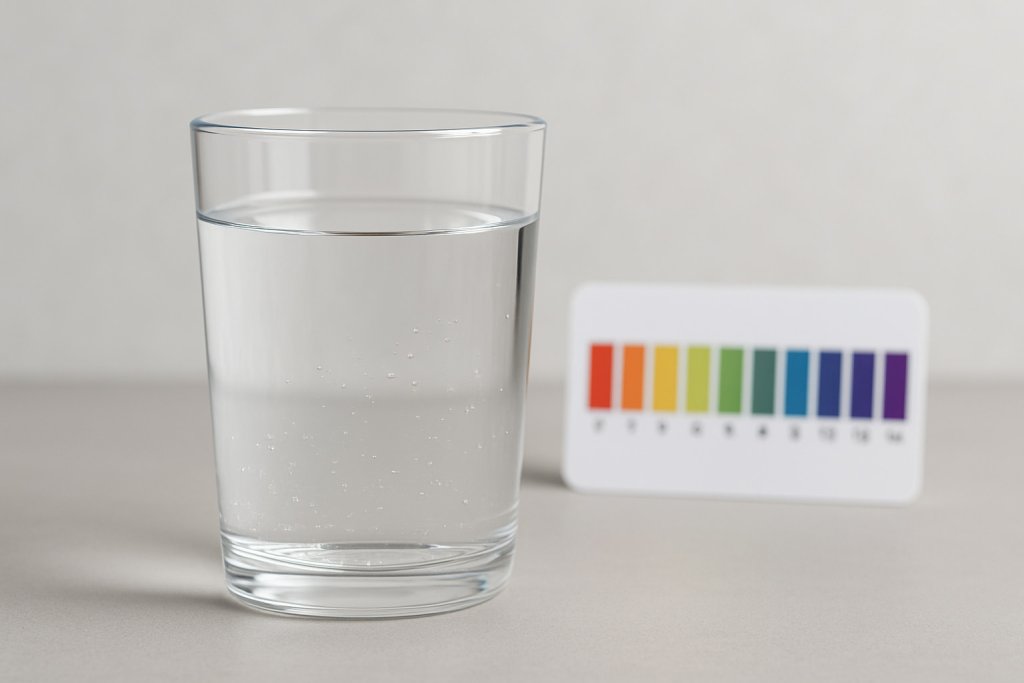
Alkaline water is water with a pH level above 7, which means it is less acidic than neutral water. The pH scale measures how acidic or alkaline a substance is, ranging from 0 (very acidic) to 14 (very alkaline). Most regular drinking water falls close to neutral, around pH 7.
Importantly, drinking alkaline water does not change blood pH in healthy individuals. According to the National Library of Medicine, the body tightly regulates blood pH through the lungs, kidneys, and buffering systems to keep it within a narrow, healthy range. Because of this regulation, beverages mainly influence urine pH, not overall body acidity.
From a nutrition and wellness perspective, alkaline water is best understood as a hydration option, not a tool for altering internal pH balance.
How Alkaline Water Is Made
Alkaline water can be produced naturally or through processing methods. Understanding the source helps clarify whether it offers any nutritional value beyond hydration.
Naturally Alkaline Mineral Water
Naturally alkaline water comes from underground sources where it absorbs minerals such as calcium, magnesium, potassium, and bicarbonates from rocks and soil. These minerals can raise the water’s pH and contribute small amounts of dietary minerals.
According to the U.S. Food and Drug Administration, mineral water must contain a consistent level of naturally occurring minerals and meet specific compositional standards. When alkaline water is also classified as mineral water, its potential nutritional contribution comes from mineral content, not alkalinity alone.
Ionized and Processed Alkaline Water
Ionized or processed alkaline water is typically produced by:
- Passing water through an electrolysis device that separates acidic and alkaline components, or
- Adding alkaline minerals or electrolytes to purified water
These products may have a higher pH but often contain minimal naturally occurring minerals. Research summarized by the National Cancer Institute notes that while alkaline water can alter the acidity of the gastrointestinal environment temporarily, it does not produce systemic changes in body chemistry.
How the Body Regulates pH

Normal Blood pH Range and Homeostasis
The human body maintains blood pH within a narrow range of approximately 7.35 to 7.45, which is critical for normal enzyme activity and cellular function. According to the National Library of Medicine, this balance is regulated by the lungs, kidneys, and chemical buffering systems that work continuously to prevent harmful fluctuations.
Because this regulation is tightly controlled, even small deviations outside the normal range are considered medical concerns—highlighting why dietary factors alone cannot override pH balance.
Why Diet and Water Do Not Change Blood pH
Foods and beverages, including alkaline water, do not meaningfully alter blood pH in healthy individuals. Research summarized by the National Library of Medicine explains that excess acids or bases from the diet are rapidly neutralized or excreted through respiration and urine.
This physiological control is why claims that alkaline water “alkalizes the body” are inconsistent with established human biology.
Difference Between Blood pH and Urine pH
Dietary patterns can influence urine pH, which reflects how the body eliminates acids and bases. However, urine pH changes are often misinterpreted as changes in systemic acidity. In reality, variable urine pH alongside stable blood pH demonstrates that internal balance is being maintained as intended.
Alkaline Water Benefits for Nutrition and Overall Wellness

1. May Support Hydration Consistency
From a wellness perspective, the most practical benefit of alkaline water is hydration adherence. If the taste or mouthfeel encourages someone to drink more fluids, it may help support hydration. Adequate hydration supports digestion, circulation, and temperature regulation, regardless of water pH.
2. Exercise Hydration and Recovery Markers
Some small studies have explored alkaline water in exercise contexts, examining hydration-related markers such as blood viscosity after physical activity. Results are mixed and limited. Current evidence does not support consistent performance or recovery advantages over standard water, but alkaline water may be an acceptable hydration choice for individuals who prefer it.
3. Reflux-Related Research Findings
Laboratory research has shown that high-pH water may reduce pepsin activity in controlled settings. In addition, limited clinical research has evaluated alkaline water as part of broader dietary approaches for reflux symptoms. These findings suggest alkaline water may help support comfort for some individuals, but it should not be viewed as a primary or universal solution.
4. Mineral Intake Depends on Water Source
Any nutritional contribution from alkaline water depends on mineral content, not alkalinity alone. According to the U.S. Food and Drug Administration, only water classified as mineral water provides consistent naturally occurring minerals such as calcium or magnesium. Many alkaline waters are purified water with added electrolytes and contribute little to daily mineral intake.
Claims About Alkaline Water Not Supported by Evidence

Cancer and Disease Prevention Claims
Claims that alkaline water prevents or manages cancer or other serious diseases are not supported by scientific evidence. A systematic review indexed by the National Library of Medicine found insufficient research to justify such claims, and no major health authority recommends alkaline water for disease prevention.
Detox and Body “Alkalizing” Claims
The body already has efficient detoxification systems, primarily the liver and kidneys. Assertions that alkaline water “detoxifies” the body or corrects systemic acidity are not supported by human physiology or clinical evidence.
Weight Loss and Metabolism Claims
There is no credible evidence showing that alkaline water directly supports weight loss or metabolic enhancement beyond the general benefits associated with adequate hydration from any water source.
Alkaline Water Side Effects and Potential Risks

Risks of Consuming Very High pH Water
Water with an excessively high pH may not be appropriate for everyone. According to the Mayo Clinic, very high–pH water (above about 9.8) may raise safety concerns for individuals with kidney conditions due to potential effects on electrolyte balance.
Possible Effects on Digestion and Stomach Acidity
Alkaline water may temporarily raise stomach pH. For some individuals—especially those using acid-suppressing medications—this change may contribute to digestive discomfort rather than benefit.
Electrolyte Imbalance Considerations
Some alkaline waters contain added electrolytes. While electrolytes are essential nutrients, excessive intake may be problematic for people who need to manage mineral balance carefully, such as individuals with kidney or cardiovascular conditions.
Medication Absorption Concerns
The National Cancer Institute notes that changes in gastrointestinal acidity may reduce absorption of certain medications. This is an important consideration for individuals taking drugs that depend on normal stomach acidity.
Who Should Avoid or Use Caution With Alkaline Water

Individuals With Kidney Disease or Reduced Kidney Function
People with impaired kidney function may have difficulty maintaining normal electrolyte balance. Very high–pH water can add to this burden. According to the Mayo Clinic, caution is advised with high-pH beverages for individuals with kidney conditions.
People Taking Acid-Suppressing Medications
Those using proton pump inhibitors (PPIs) or similar acid-reducing medications already experience reduced stomach acidity. Additional pH changes from alkaline water may not be appropriate for everyone and could contribute to digestive discomfort.
Individuals Using pH-Sensitive Medications
Some medications rely on normal stomach acidity for proper absorption. The National Cancer Institute notes that altering gastrointestinal conditions may reduce absorption of certain therapeutic agents.
Children, Older Adults, and Sensitive Populations
Children and older adults can be more sensitive to fluid and electrolyte shifts. Moderation and careful product selection are especially important for these groups.
How to Choose a Safe Alkaline Water
Understanding Labels, pH Claims, and Ingredients
Higher pH does not automatically indicate better quality. Review ingredient lists to see whether minerals or electrolytes are naturally present or added during processing.
Mineral Water vs Alkaline Water
Mineral water is regulated for naturally occurring mineral content, while “alkaline” refers only to pH. According to the U.S. Food and Drug Administration, mineral water must meet specific compositional standards that alkaline water does not necessarily meet.
Regulatory Oversight and Product Safety
Bottled water safety and labeling are overseen by the U.S. Food and Drug Administration. Tap water quality and secondary pH guidance are addressed by the U.S. Environmental Protection Agency.
Importance of Recall Awareness and Brand Transparency
Past investigations emphasize the importance of sourcing and quality control. Staying informed about recalls and choosing transparent brands helps reduce safety risks.
Alkaline Water vs Tap Water vs Mineral Water
Comparison of pH, Mineral Content, and Cost
- Tap water: Typically near neutral pH; mineral content varies by location; lowest cost.
- Alkaline bottled water: Higher pH; mineral content varies widely; higher cost.
- Mineral water: pH varies by source; contains naturally occurring minerals; moderate to higher cost.
Which Option Fits Different Wellness Goals
General Daily Hydration
Safe, accessible water that encourages regular intake—often tap or standard bottled water—meets most hydration needs.
Mineral Intake Support
When mineral intake is a goal, regulated mineral water offers clearer nutritional value than alkaline water marketed by pH alone.
Taste Preference and Convenience
Personal taste and convenience can influence hydration consistency; alkaline water may be chosen for preference rather than necessity.
Cost Considerations and Practical Value
Typical U.S. Price Ranges
Alkaline bottled water generally costs more than tap or standard bottled water. Prices vary by brand, packaging, and retailer.
When Alkaline Water May or May Not Be Worth the Cost
If alkaline water improves hydration habits and fits within a budget, it may be a reasonable choice. From a nutrition standpoint, it is not essential for most people.
Common Questions About Alkaline Water (Search Intent)
Is Alkaline Water Better Than Regular Water
For overall wellness, adequate hydration matters more than water pH. No strong evidence shows alkaline water is superior for healthy individuals.
Can Alkaline Water Prevent Serious Diseases
No authoritative health organization recommends alkaline water for disease prevention.
Is Alkaline Water Safe for Daily Use
Moderate intake is generally safe for healthy adults, but caution is advised with very high-pH products and for sensitive populations.
Frequently Asked Questions
How Much Alkaline Water Should You Drink Per Day
There is no established recommended amount. It can be part of total fluid intake if tolerated and affordable.
Does Alkaline Water Contain Electrolytes
Some products add electrolytes, while others do not. Check labels for specifics.
Can Alkaline Water Cause Stomach Discomfort
Some individuals may experience discomfort due to changes in stomach acidity.
Is Alkaline Water Safe for Kidney Health
People with kidney disease should use caution and seek individualized guidance.
Can Alkaline Water Interfere With Medications
Yes, it may affect absorption of certain medications that depend on normal stomach acidity.
Is Mineral Water the Same as Alkaline Water
No. Mineral water is defined by natural mineral content; alkaline water is defined by pH.
Conclusion
Alkaline water can fit into a wellness routine as a hydration preference, but evidence does not support broad health claims. Understanding mineral content, safety considerations, and individual needs is more important than focusing on pH alone.
This content is for informational purposes only and not medical advice.