

Blueberries are one of the most researched berries in nutrition science, and yes — blueberries may support heart health, brain function, and overall wellness thanks to their high antioxidant and nutrient content. These small, low-glycemic fruits are rich in fiber, vitamin C, vitamin K, manganese, and anthocyanins—powerful plant compounds linked to various health-supportive effects.
Understanding the health benefits of blueberries helps you know how much to eat, how they support metabolic and cognitive wellness, and how to use them safely, especially if you take medications affected by vitamin K. Most clinical studies use around ½–2 cups per day, with many benefits observed at 1 cup daily.
Blueberries fit easily into everyday meals, support nutrition goals, and offer one of the best nutrient-per-calorie profiles among fruits.
Nutrition Profile of Blueberries (Raw)
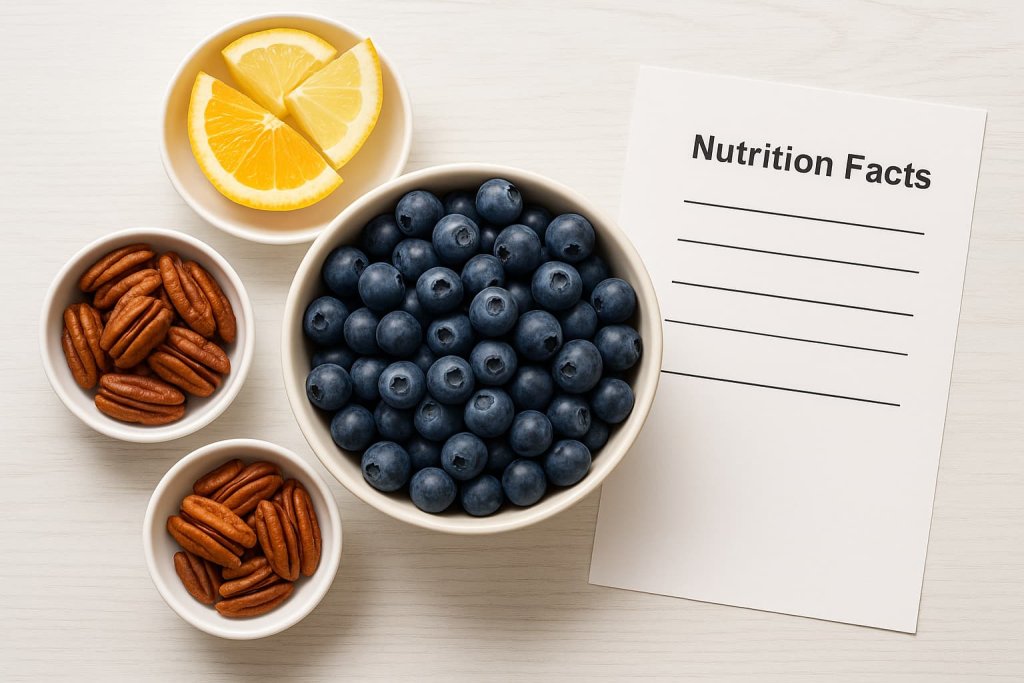
| Nutrient | Per 100 g | Per 1 cup (148 g) |
|---|---|---|
| Calories | 57 kcal | 84 kcal |
| Carbohydrates | 14.5 g | 21.4 g |
| Dietary Fiber | 2.4 g | 3.6 g |
| Total Sugars | 10.0 g | 14.7 g |
| Added Sugars | 0 g | 0 g |
| Protein | 0.7 g | 1.1 g |
| Total Fat | 0.3 g | 0.4 g |
| Saturated Fat | 0.0 g | 0.0 g |
| Cholesterol | 0 mg | 0 mg |
| Sodium | 1 mg | 1 mg |
| Potassium | 77 mg | 114 mg |
| Calcium | 6 mg | 9 mg |
| Iron | 0.3 mg | 0.4 mg |
| Magnesium | 6 mg | 9 mg |
| Vitamin C | 9.7 mg | 14.4 mg |
| Vitamin K | 19.3 mcg | 28.6 mcg |
| Vitamin A | 3 mcg | 4 mcg |
Source: USDA FoodData Central (raw blueberries). Values are approximate and may vary by variety.
10 Proven Health Benefits of Blueberries Backed by Science
Blueberries are one of the most widely researched fruits in nutrition science. Their unique blend of antioxidants, vitamins, minerals, and polyphenols gives them broad potential to support heart health, metabolic wellness, brain function, and overall nutritional balance.
1. Blueberries May Support Heart Health
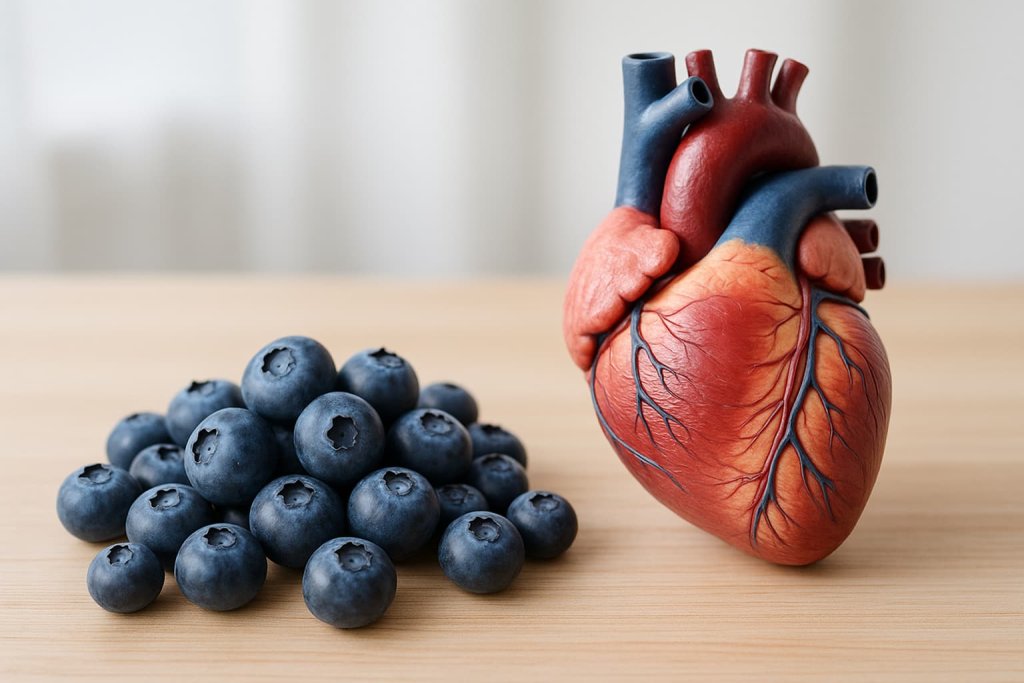
Blueberries have been extensively studied for their potential cardiovascular benefits, particularly among individuals with higher metabolic risk. Their effects are largely attributed to anthocyanins, the deeply colored plant compounds known for supporting vascular health.
A landmark 6-month randomized controlled trial (RCT) published in the American Journal of Clinical Nutrition found that adults with metabolic syndrome who consumed 1 cup of blueberries daily experienced significant improvements in:
- Endothelial function, which reflects how well blood vessels relax and widen
- HDL particle function, contributing to improved lipid transport
- Measures of arterial stiffness, an important factor linked with overall cardiovascular health
These improvements are thought to occur because anthocyanins may help counter oxidative stress and support normal nitric oxide activity in blood vessels.
For broader guidance on maintaining a heart-healthy dietary pattern, refer to the American Heart Association’s recommendations for healthy eating.
2. May Support Healthy Blood Pressure Levels

Regular blueberry intake may contribute to maintaining healthy blood pressure values, particularly in adults with prehypertension or metabolic syndrome. Controlled studies using 150–200 g of fresh blueberries or 22–50 g of freeze-dried blueberry powder have documented:
- Improved flow-mediated dilation (FMD), an indicator of vascular responsiveness
- Reduced arterial stiffness, which may support healthier long-term blood pressure
- More stable post-meal blood pressure responses, especially after consuming higher-fat meals
The primary mechanisms relate to blueberries’ natural polyphenols, which may help support endothelial health and regulate vascular tone.
3. Supports Insulin Sensitivity and Metabolic Health
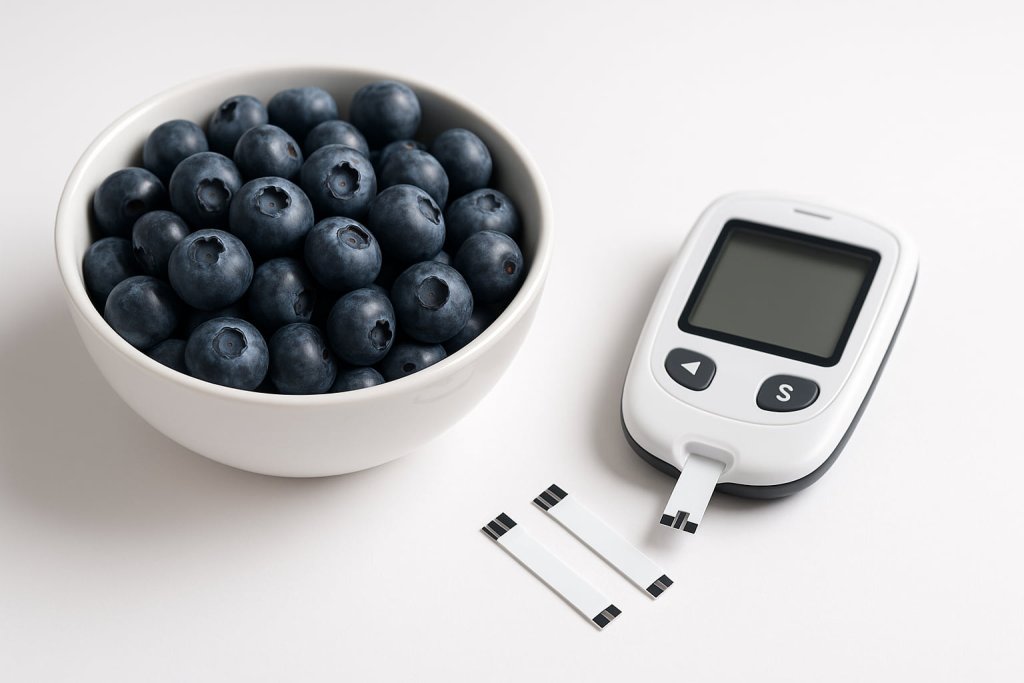
Blueberries are naturally low in calories, rich in fiber, and have a low glycemic impact—characteristics that make them a supportive choice for metabolic wellness. Multiple human clinical trials demonstrate that regular blueberry intake:
- Supports insulin sensitivity, allowing cells to respond more efficiently to glucose
- Reduces markers of inflammation, which are often elevated in metabolic syndrome
- Helps maintain healthier post-meal blood sugar patterns
A 6-month study in adults with prediabetes found that consuming 150 g of fresh blueberries daily led to measurable improvements in insulin resistance (HOMA-IR). Long-term observational data also show that higher intake of anthocyanin-rich fruits is associated with a lower risk of developing type 2 diabetes.
To explore the research further, review the Harvard T.H. Chan School of Public Health’s overview of berries and chronic disease risk.
4. Rich in Antioxidants That May Help Reduce Oxidative Stress

Blueberries are exceptionally rich in polyphenols, especially anthocyanins, which give the fruit its deep blue-purple color. These natural compounds form a powerful antioxidant network that may support the body’s ability to counter oxidative stress—an imbalance that can affect cellular health over time. Research shows that blueberry antioxidants may help support:
- Resilience against oxidative stress, helping cells manage exposure to free radicals
- Lower inflammation-related biomarkers, particularly in individuals with metabolic or cardiovascular risk
- Protection of cellular structures, such as lipids, proteins, and DNA, from oxidative challenges
A comprehensive 2024 scientific review published in Frontiers in Nutrition evaluated clinical trials using blueberry intakes ranging from 150–350 g fresh fruit (or equivalent anthocyanin levels) and found consistent evidence that regular blueberry consumption may support antioxidant capacity, endothelial function, and overall cardiometabolic wellness. You can review the updated paper here:
Frontiers in Nutrition – The State of the Science on the Health Benefits of Blueberries.
This updated review confirms the growing scientific consensus that blueberries, when consumed regularly as part of a balanced diet, may play a meaningful role in supporting antioxidant defense and long-term health.
5. Supports Brain Function and Cognitive Aging

Blueberries are frequently studied for their role in supporting brain health. Their anthocyanins may cross the blood-brain barrier, where they help support signaling pathways related to memory and learning.
Systematic reviews and randomized trials indicate that blueberry intake may support:
- Memory performance, particularly delayed recall
- Executive function, including planning and reasoning
- Cerebral blood flow (brain perfusion) in older adults
- Attention and processing speed, especially in aging populations
A large observational study found that regular berry intake was associated with up to 2.5 years slower cognitive aging in older adults. Polyphenols and flavonoids likely contribute to these effects by supporting neuronal communication and reducing oxidative stress.
For more information on brain-healthy habits, visit the National Institute on Aging cognitive health resources.
6. Supports Gut Health and Microbiome Balance

Blueberries contain fermentable fiber and polyphenols that interact with the gut microbiota in potentially beneficial ways. When fiber and polyphenols reach the colon, they can be metabolized by gut bacteria, producing health-supportive metabolites.
Emerging research shows that blueberry components may:
- Support the growth of beneficial gut bacteria
- Increase short-chain fatty acid (SCFA) production, which supports gut barrier integrity
- Promote digestive regularity and stool consistency
- Reduce inflammation-related metabolites linked with gastrointestinal health
While research is still developing, current findings indicate that blueberries may help contribute to a more balanced and diverse gut microbiome.
7. May Support Healthy Weight Management

Blueberries are naturally low in calories, hydrating, and rich in fiber—qualities that may support healthy weight management as part of an overall balanced eating pattern.
Potential benefits for weight management include:
- Supporting satiety through fiber content
- Providing a low glycemic response, preventing rapid blood sugar spikes
- High water content (around 85%), increasing volume without additional calories
- Replacing higher-calorie snacks, which may help reduce overall calorie intake
Harvard’s long-term cohort studies associate higher intake of anthocyanin-rich fruits, including blueberries, with less weight gain over time, suggesting a beneficial role when part of consistent healthy eating habits.
8. May Support Healthy Cholesterol and Lipid Balance
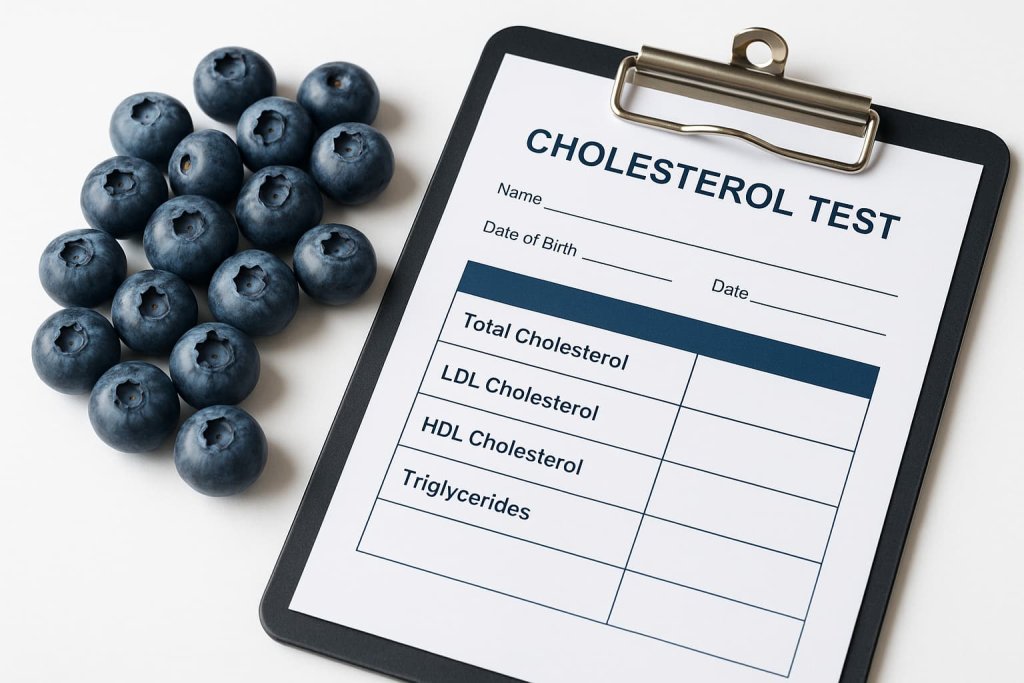
Blueberries may contribute to maintaining a healthy lipid profile, especially in individuals with cardiometabolic risk factors. Although the effects vary by study, clinical trials demonstrate improvements in several lipid-related markers.
Research findings include:
- Improved HDL particle function, supporting efficient lipid transport
- Reduced oxidative damage to LDL particles, which may help support cardiovascular health
- Modest reductions in triglycerides in certain study populations
Though blueberries do not significantly lower total or LDL cholesterol on their own, their natural antioxidant properties may help support overall lipid balance as part of a heart-healthy diet.
9. Supports Blood Sugar Balance and Low Glycemic Response

Blueberries have a low glycemic index (GI ≈ 53), meaning they release glucose more slowly compared with high-GI foods. This slow-release profile makes blueberries a supportive option for individuals aiming to maintain stable blood sugar levels throughout the day. Their combination of fiber, polyphenols, and natural antioxidants may help support healthier metabolic responses.
Blueberries may be particularly helpful for:
- Prediabetes-friendly meals and snacks, where steady blood sugar control is important
- Diabetes carbohydrate planning, as blueberries can fit into daily carb limits when measured appropriately
- Lower-GI smoothie recipes, replacing higher-sugar fruits like mangos or pineapples
- Breakfast dishes, such as oatmeal or yogurt, where blueberries can help moderate post-meal glucose spikes
Clinical studies show that regular consumption of moderate servings—typically ½ to 1 cup per day—may support improved insulin sensitivity over time, especially when combined with balanced eating patterns and physical activity. Anthocyanins found in blueberries have been studied for their potential role in supporting glucose metabolism and reducing inflammation linked with metabolic imbalances.
For authoritative lifestyle guidance on reducing diabetes risk through nutrition and physical activity, refer to the CDC National Diabetes Prevention Program, which provides evidence-based strategies for supporting healthy blood sugar management.
10. May Support Exercise Recovery and Anti-Inflammatory Balance

Blueberries are increasingly studied in sports nutrition for their potential role in recovery after strenuous exercise. Their polyphenol profile may support the body’s response to oxidative stress triggered by high-intensity or endurance workouts.
Research indicates blueberries may help:
- Reduce post-exercise oxidative stress markers
- Support recovery from intensive training sessions
- Promote a healthier inflammatory response following strenuous activity
Although this area of research is growing, current evidence suggests that incorporating blueberries before or after workouts may complement overall recovery and exercise performance goals.
How Many Blueberries Should You Eat Per Day?
Most clinical studies evaluating the health benefits of blueberries use ½ to 2 cups per day, with 1 cup (about 148 g) being the most common research-supported amount. This serving size provides a meaningful amount of fiber, vitamin C, manganese, and anthocyanins while still fitting comfortably into most calorie and carbohydrate budgets.
A 1-cup serving aligns well with general fruit intake recommendations from the USDA Dietary Guidelines for Americans, which encourage adults to consume a variety of fruits daily. If you prefer frozen blueberries, they offer nearly identical nutrient value and can be used interchangeably with fresh.
Practical daily amounts:
- ½ cup: Light, snack-sized portion; good for oatmeal, yogurt, or salads
- 1 cup: Most common research-based serving; supports antioxidant and metabolic benefits
- Up to 2 cups: Used in some trials studying cardiovascular and metabolic markers
For individuals managing diabetes or blood sugar levels, blueberries can fit into carbohydrate planning when measured appropriately and paired with protein, healthy fats, or fiber-rich foods.
Possible Side Effects and Safety Considerations
Blueberries are considered safe for most people when eaten in normal food amounts. However, certain individuals should be aware of the following considerations to ensure optimal safety.
1. Vitamin K and Blood-Thinning Medications
Blueberries contain moderate amounts of vitamin K, which can interact with medications like warfarin. People taking vitamin K–antagonist medications should keep their blueberry intake consistent and discuss dietary changes with their healthcare provider. For guidance, visit the NIH Office of Dietary Supplements: Vitamin K Fact Sheet.
2. Allergies or Sensitivities
Although rare, some individuals may experience allergic reactions to berries or salicylates. Symptoms can include itching, swelling, or digestive discomfort. Anyone with suspected berry allergies should consult a qualified healthcare professional.
3. Blood Sugar Considerations
Blueberries have a low glycemic index, but they still contain natural sugars. People with diabetes should monitor portion sizes and include blueberries within their total carbohydrate limits. For broader diabetes guidance, see the CDC Diabetes Prevention Program.
4. Digestive Effects
Eating very large amounts of blueberries—especially if your diet is low in fiber—may cause mild digestive symptoms such as bloating or gas. Increasing intake gradually can minimize discomfort.
5. Food Safety
As with any fresh fruit, blueberries should be washed thoroughly to remove soil or surface microbes. For safe produce-handling tips, refer to the FDA Food Safety Recommendations.
Frequently Asked Questions (FAQs)
1. Are frozen blueberries as nutritious as fresh?
Yes. Frozen blueberries are picked at peak freshness and retain most of their vitamins, minerals, and antioxidants.
2. How many blueberries should I eat daily for health benefits?
Most research uses about 1 cup per day, although benefits are also seen at ½ cup and up to 2 cups.
3. Can blueberries fit into a diabetes-friendly diet?
Yes. Blueberries have a low glycemic index and can fit into a balanced diabetes meal plan when portions are measured appropriately.
4. Are organic blueberries better than conventional?
Both offer similar nutrient profiles. Organic blueberries reduce pesticide exposure but are not shown to provide significantly different nutrient levels.
5. Do blueberries help with memory?
Studies suggest blueberries may support memory and cognitive function thanks to their antioxidant and polyphenol content, but they are not a treatment for cognitive decline.
6. Can I eat blueberries every day?
Yes. Daily intake is generally safe for most people and aligns with general fruit consumption recommendations.
7. Are dried blueberries healthy?
They provide antioxidants but are more calorie-dense due to lower water content. Choose unsweetened varieties to avoid added sugars.
Conclusion
Blueberries are a nutrient-dense fruit packed with fiber, vitamins, minerals, and powerful antioxidants that may support heart health, metabolic wellness, brain function, and overall vitality. Their low-calorie profile, low glycemic impact, and versatility make them easy to include in daily meals—whether fresh, frozen, or blended into smoothies.
References
- USDA FoodData Central – Nutrient Profile for Blueberries
Authoritative source for complete macro- and micronutrient data. - Frontiers in Nutrition – 2024 Scientific Review on the Health Benefits of Blueberries
Comprehensive peer-reviewed analysis covering antioxidants, cardiometabolic effects, cognitive benefits, and polyphenol activity.
National Institute on Aging – Cognitive Health Guidance
Evidence-based overview supporting claims related to memory, aging, and cognitive support. - CDC National Diabetes Prevention Program
Trusted federal resource on blood sugar management, insulin sensitivity, and diabetes-prevention lifestyle strategies.