
Cherries are rich in antioxidants, vitamins, and plant compounds that may support heart health, improve sleep, and reduce inflammation. These small, nutrient-dense fruits are more than just a summer snack — they’re packed with polyphenols, vitamin C, and melatonin, all of which play vital roles in overall wellness.
Understanding the health benefits of cherries can help you make informed dietary choices that support long-term health. This article explores the top science-backed benefits, nutrient data, and safe consumption tips based on the latest research and authoritative sources.
What Are Cherries? (Overview and Nutrition Profile)
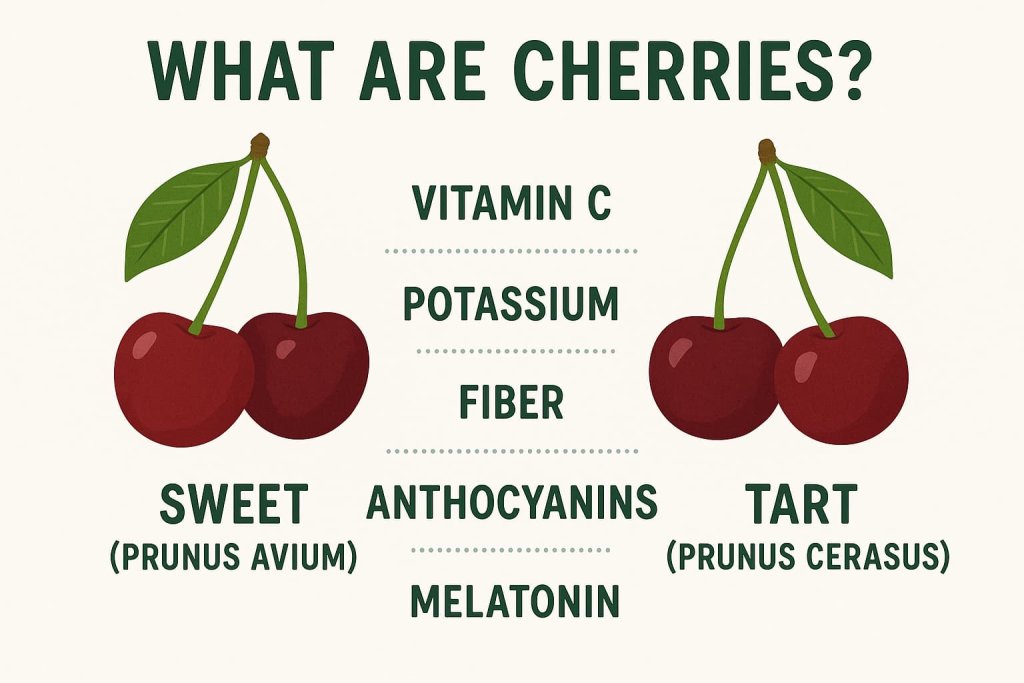
Cherries are small, stone fruits belonging to the Prunus genus, prized for their sweet-tart flavor and dense concentration of nutrients and plant compounds. They are broadly classified into two main types — sweet cherries (Prunus avium) and tart or sour cherries (Prunus cerasus).
- Sweet cherries (like Bing, Rainier, and Stella) are usually eaten fresh and have a higher natural sugar content.
- Tart cherries (such as Montmorency and Morello) are more acidic and commonly used in juices, dried fruit, or supplements due to their potent antioxidant and anti-inflammatory compounds.
Both types are low in calories yet rich in fiber, vitamins, minerals, and phytonutrients — making them a nutrient-dense choice for overall health and wellness.
Nutritional Profile of Sweet Cherries (Per 1 Cup / ~154 g, Raw – USDA FoodData Central, 2024)
| Nutrient | Amount | % Daily Value (DV) |
|---|---|---|
| Calories | 97 kcal | — |
| Carbohydrates | 25 g | — |
| Dietary Fiber | 3.2 g | 12% |
| Protein | 1.6 g | 3% |
| Total Fat | 0.3 g | <1% |
| Vitamin C | 10.4 mg | 14% |
| Potassium | 342 mg | 7% |
| Vitamin A (as Beta-Carotene) | 88 IU | 2% |
| Calcium | 18 mg | 1% |
| Magnesium | 16 mg | 4% |
| Folate | 6 µg | 2% |
| Anthocyanins | 80–450 mg* | — |
| Melatonin | 0.1–0.2 mg* | — |
*Varies by variety and ripeness (highest in Montmorency tart cherries).
(Source: USDA FoodData Central, 2024; Journal of Food Composition and Analysis, 2023)
Key Nutrients and Phytonutrients in Cherries
- Vitamin C: Supports immune defense and collagen formation for healthy skin and tissue repair.
- Potassium: Helps regulate fluid balance and supports normal blood pressure and muscle function.
- Fiber: Promotes digestive health and satiety, aiding cholesterol control and blood sugar balance.
- Polyphenols (Anthocyanins, Flavonols, and Phenolic Acids): Act as antioxidants that may help combat oxidative stress and inflammation.
- Melatonin: Naturally supports sleep regulation and circadian rhythm balance.
10 Proven Health Benefits of Cherries (Backed by Science)
Cherries are small but powerful fruits loaded with antioxidants, fiber, and essential nutrients that support heart, joint, and metabolic health. Scientific evidence continues to show how regular cherry consumption contributes to better sleep, improved recovery, and reduced inflammation — making them a smart addition to a balanced diet.
1. Provides Powerful Antioxidants
Cherries are naturally rich in anthocyanins, vitamin C, and polyphenols — powerful plant compounds that support cellular protection by neutralizing free radicals. These antioxidants may help reduce oxidative stress, a key factor in aging and chronic health conditions such as cardiovascular disorders and neurodegeneration.
A 2024 review in Frontiers in Nutrition reported that regular cherry consumption significantly improved total antioxidant capacity and reduced oxidative-stress biomarkers in both healthy adults and athletes. Tart cherry varieties, in particular, were linked to notable decreases in lipid peroxidation — a key marker of cell membrane damage.
The antioxidant benefits of cherries are largely attributed to their deep red pigments (anthocyanins), which have been studied for their ability to protect tissues from oxidative injury and support recovery after physical stress.
Best sources: Dark-red or tart cherries, such as Montmorency or Bing, tend to contain higher levels of anthocyanins compared to lighter-colored varieties.
For an in-depth scientific overview of polyphenols and their role in human health, see the National Institutes of Health (NIH)–hosted review on Dietary (Poly)phenolics in Human Health, which summarizes evidence on their bioavailability and protective effects against chronic diseases.
2. May Help Reduce Inflammation

The anthocyanins in cherries are not only antioxidants but also natural anti-inflammatory agents. They may help regulate inflammatory pathways by inhibiting enzymes like cyclooxygenase (COX-1 and COX-2), similar to how nonsteroidal anti-inflammatory compounds work — but from food-based sources.
A 2023 meta-analysis in Nutrients concluded that both sweet and tart cherries reduced markers of systemic inflammation, including C-reactive protein (CRP) and interleukin-6 (IL-6). These effects may contribute to lower risk of inflammatory conditions and promote faster post-exercise recovery.
Reference: National Center for Biotechnology Information (NCBI) – Inflammatory Biomarkers and Cherry Intake
3. Supports Heart and Blood Pressure Health
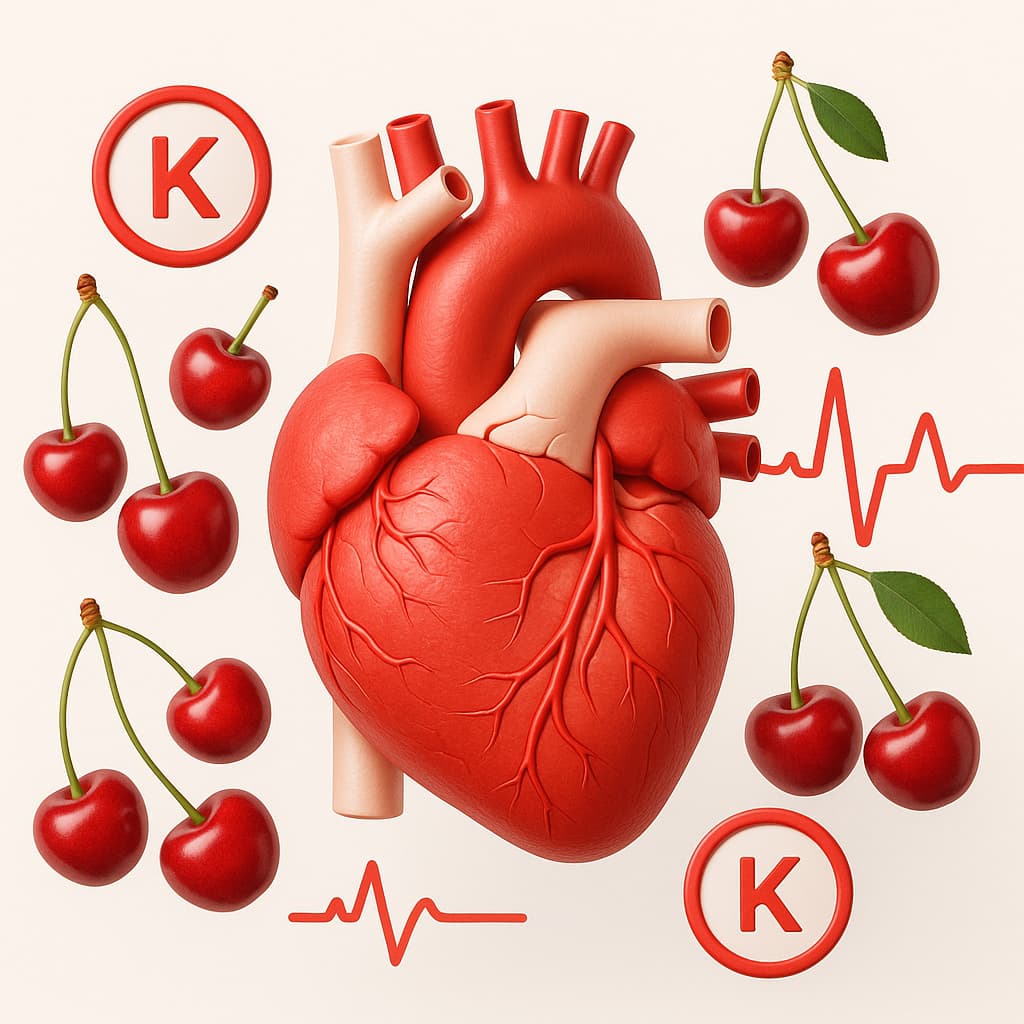
Cherries are a heart-smart fruit thanks to their potassium, fiber, and polyphenol content. Potassium plays a crucial role in maintaining healthy blood pressure by balancing sodium and supporting normal muscle and nerve function.
A 2022 review in the American Journal of Clinical Nutrition reported that regular cherry consumption may support lower blood pressure and improve lipid profiles (reducing LDL oxidation and improving HDL function). Additionally, the fiber in cherries contributes to cholesterol regulation and overall cardiovascular wellness.
Learn more: American Heart Association – Potassium and Blood Pressure
4. Promotes Better Sleep Quality

Tart cherries are a natural source of melatonin (a hormone that regulates sleep cycles) and tryptophan, an amino acid that supports serotonin production. These compounds work together to help improve sleep duration and quality.
A 2023 study in the European Journal of Nutrition found that consuming tart cherry juice before bedtime improved both sleep efficiency and total sleep time in adults with mild insomnia. These effects are linked to the synergistic presence of melatonin and antioxidant compounds.
Practical tip: Try 8–10 ounces of unsweetened tart cherry juice or a handful of fresh cherries 1–2 hours before bed for a natural sleep-supporting option.
Reference: Cleveland Clinic – Benefits of Cherries for Sleep
5. May Support Joint and Arthritis Health

For individuals experiencing joint discomfort or managing gout, cherries may be a beneficial addition to a balanced, anti-inflammatory diet. Studies suggest that the natural compounds in cherries — especially anthocyanins and vitamin C — may help lower uric acid levels, the main factor responsible for gout flare-ups, and reduce joint inflammation.
A landmark study published in Arthritis & Rheumatology found that adults with gout who consumed cherries over a two-day period had a 35% lower risk of recurrent gout attacks compared to those who did not. Researchers noted that the protective effect was even greater when cherries were combined with prescribed uric acid–lowering medication such as allopurinol.
Further evidence published in Arthritis Research & Therapy (2023) supports that tart cherry supplementation may help reduce serum urate levels and decrease the frequency of gout flare-ups. These findings highlight cherries’ potential role in supporting joint comfort and inflammation balance through their polyphenols, anthocyanins, and vitamin C content.
Practical tip: Adding a handful of fresh or frozen cherries, or a small glass (8 oz) of unsweetened tart cherry juice, to your diet may support joint and gout management as part of a healthy lifestyle.
For additional science-backed guidance, visit the Arthritis Foundation – Best Fruits for Arthritis, which highlights cherries as one of the top fruits for inflammation support.
6. Supports Exercise Recovery and Muscle Health

Tart cherry juice has gained popularity among athletes for its potential to reduce muscle soreness and improve recovery time after intense exercise.
A 2023 review in the Journal of the International Society of Sports Nutrition found that athletes who consumed tart cherry juice before and after endurance activities experienced less muscle damage and faster recovery compared to controls. These benefits are attributed to the fruit’s antioxidant and anti-inflammatory effects, which help minimize exercise-induced oxidative stress.
Recommended use: Consume 8–12 oz of tart cherry juice within 30–60 minutes post-exercise for recovery support.
7. May Help Regulate Blood Sugar
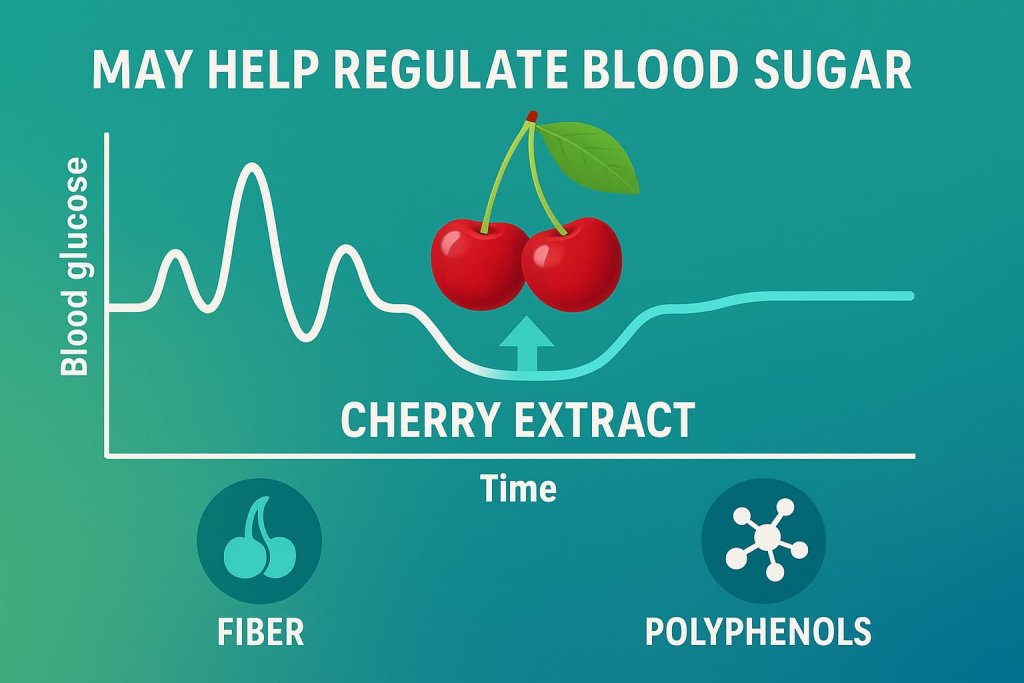
Despite their sweet taste, cherries have a moderate glycemic index (~22) and may support balanced blood sugar levels. The polyphenols and anthocyanins in cherries can enhance insulin sensitivity and reduce glucose spikes.
A 2024 Nutrients study showed that adults with mild metabolic syndrome experienced lower fasting glucose and improved insulin response after daily tart cherry consumption for four weeks.
Healthy tip: Combine cherries with protein or healthy fats — such as Greek yogurt or almonds — to further stabilize blood sugar.
Reference: American Diabetes Association – Fruit and Blood Sugar
8. Supports Brain and Cognitive Function

The antioxidants found in cherries — especially anthocyanins, flavonols, and polyphenols — may support brain and cognitive health by protecting neurons from oxidative and inflammatory damage. These bioactive compounds enhance cerebral blood flow, help regulate neuroinflammatory pathways, and may support processes related to memory, learning, and focus.
A 2023 study in Frontiers in Aging Neuroscience found that older adults who consumed tart cherry supplements experienced improved cognitive performance, including better short-term memory and executive function. Researchers attributed these effects to increased antioxidant defenses and enhanced blood flow to the brain.
Further evidence from a 2021 NIH-supported review highlights that dietary polyphenols — including those found in cherries — may help slow age-related cognitive decline and protect against neurodegenerative changes by improving mitochondrial function and reducing inflammation in brain tissue.
These findings support including cherries as part of a brain-healthy diet rich in fruits, vegetables, and omega-3s to promote long-term cognitive vitality.
Learn more: Read the detailed NIH-supported scientific review, Dietary (Poly)phenolics in Human Health: Structures, Bioavailability, and Evidence of Protective Effects Against Chronic Diseases, which discusses the mechanisms by which plant polyphenols may protect against chronic and neurodegenerative diseases.
9. Promotes Digestive and Gut Health
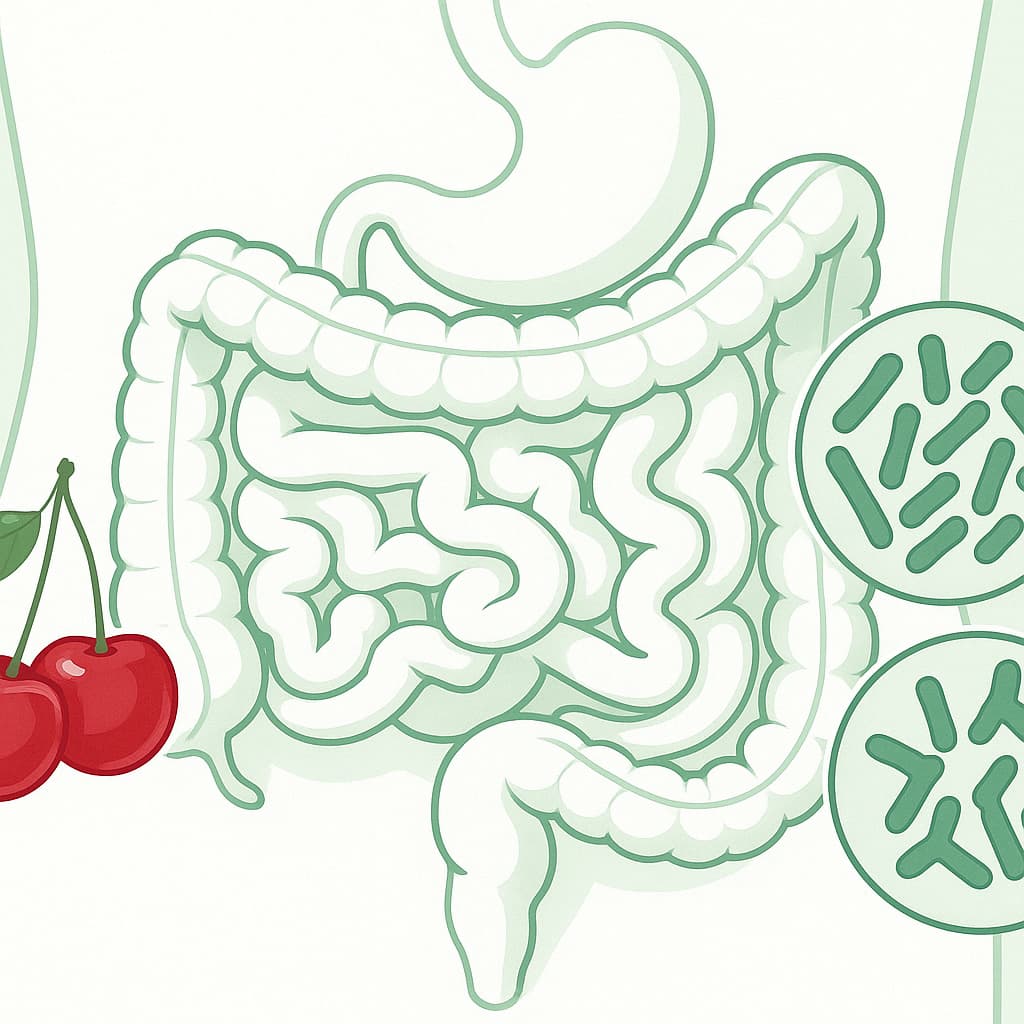
Cherries are naturally high in dietary fiber, providing around 3 grams per cup, which supports digestive regularity, satiety, and healthy cholesterol balance. Adequate fiber intake helps maintain bowel regularity and nourishes the beneficial bacteria in your gut, contributing to a balanced and resilient digestive system.
In addition to fiber, cherries are rich in polyphenols — plant compounds that act as prebiotics, feeding beneficial gut microbes such as Lactobacillus and Bifidobacterium. These bacteria play a vital role in producing short-chain fatty acids (SCFAs), which may help maintain gut barrier integrity and reduce inflammation in the digestive tract.
A growing body of evidence suggests that diets high in fiber and polyphenol-rich foods like cherries support not only digestion but also immune and metabolic health by promoting microbial diversity.
Pro tip: Combine cherries with other fiber-rich foods like oats, yogurt, or chia seeds for a gut-supportive breakfast or snack.
To learn more about fiber’s importance in digestive health, visit the U.S. Department of Agriculture’s Nutrition.gov – Fiber page, which explains how dietary fiber supports healthy digestion and overall wellness.
10. Supports Skin and Cellular Health
Cherries play a valuable role in skin and cellular health thanks to their rich content of vitamin C, polyphenols, and carotenoids. Vitamin C supports collagen synthesis, which is essential for maintaining skin elasticity, structure, and natural wound-healing processes. At the same time, the polyphenols and anthocyanins in cherries act as potent antioxidants that may help protect the skin from oxidative stress caused by ultraviolet (UV) exposure, pollution, and environmental toxins.
According to Harvard Health Publishing, vitamin C plays a crucial role in tissue repair and cellular protection by neutralizing free radicals and supporting the body’s antioxidant defense system. Regular intake of vitamin C–rich foods, such as cherries, supports the formation of healthy connective tissue and may help minimize visible signs of oxidative aging.
Moreover, cherries’ deep-red pigments contain anthocyanins and carotenoids — compounds that may help reduce oxidative cell damage and promote an even, radiant complexion when combined with a nutrient-dense diet and adequate hydration.
Possible Side Effects and Precautions
Cherries are generally safe, nutrient-rich fruits enjoyed by most people, but certain individuals may experience mild reactions or need to exercise caution depending on their health conditions or medication use. Being aware of these considerations ensures safe and balanced consumption — an essential part of YMYL–compliant nutrition content.
Digestive Sensitivity (Fiber and Sorbitol)
Cherries naturally contain dietary fiber and sorbitol, a sugar alcohol that can cause gas, bloating, or mild diarrhea when eaten in large amounts. Individuals with irritable bowel syndrome (IBS) or fructose malabsorption may be more sensitive to these effects. To avoid discomfort, start with small portions (½ to 1 cup) and increase gradually as tolerated.
(Source: Cleveland Clinic – What Is Sorbitol?)
Allergy and Cross-Reactivity (Birch Pollen)
Some individuals allergic to birch pollen or certain fruits — such as apples, peaches, or apricots — may experience oral allergy syndrome (OAS) when eating raw cherries. This condition occurs because specific cherry proteins resemble birch pollen allergens, prompting the immune system to react as if exposed to pollen.
Symptoms of OAS are typically mild and localized, including itching, tingling, or slight swelling of the lips, tongue, or throat shortly after consuming raw cherries. These symptoms generally resolve quickly and rarely progress to severe allergic reactions. However, anyone experiencing persistent or worsening symptoms should seek medical advice promptly.
Helpful tip: Cooking, freezing, or canning cherries often denatures the proteins responsible for the cross-reaction, making them safer to eat for people with birch pollen–related sensitivities.
For an authoritative explanation of this condition and food-pollen relationships, visit the American Academy of Allergy, Asthma & Immunology (AAAAI) – Oral Allergy Syndrome (OAS) Defined.
Blood Sugar Moderation (For Diabetics)
Cherries have a low-to-moderate glycemic index (around 22) and can be part of a balanced diet for individuals managing blood sugar levels. However, portion control is important, as larger servings or sweetened cherry products can raise glucose levels. Pairing cherries with protein or fiber-rich foods (such as yogurt or nuts) may help reduce post-meal sugar spikes.
(Source: American Diabetes Association – Food and Blood Sugar)
Medication Interactions (Anticoagulants and Uric Acid Drugs)
People taking blood thinners (e.g., warfarin) or uric acid–lowering drugs (e.g., allopurinol) should use caution with tart cherry juice or supplements, as concentrated forms may influence how these medications are metabolized. Cherry compounds can affect enzyme activity and uric acid balance, potentially altering drug effectiveness or side effects. Moderate intake of whole cherries is generally safe, but those on medication should consult a healthcare professional before adding large quantities or extracts to their diet.
For official guidance on managing medication and food interactions, visit the U.S. FDA – Drug Interactions: What You Should Know.
How to Eat and Store Cherries
Storage and Food Safety Tips:
Cherries are versatile, delicious, and nutrient-dense fruits that can be enjoyed fresh, frozen, juiced, or dried — each form offering unique health benefits. To preserve their antioxidants, vitamins, and flavor, it’s important to handle and store them properly following USDA and FDA food safety guidelines.
Ways to Enjoy Cherries
- Fresh: Rinse cherries under cool running water just before eating. They’re perfect as a quick snack, added to salads, yogurt, or blended into smoothies. Avoid washing before refrigeration to prevent mold growth.
- Frozen: Freezing preserves most of cherries’ nutrients. Remove stems and pits, spread them in a single layer on a baking sheet, freeze, and then transfer to airtight freezer-safe bags. Ideal for smoothies, sauces, or healthy desserts.
- Tart Cherry Juice: Choose 100% pure, unsweetened tart cherry juice to enjoy antioxidant and sleep-supporting benefits without added sugars.
- Dried: Dried cherries make a shelf-stable, portable snack. Opt for unsweetened, low-sulfite varieties for better nutrient retention and reduced additives.
Storage and Food Safety Tips
Proper storage ensures cherries maintain their freshness, flavor, and safety:
- Refrigerate Fresh Cherries: Store unwashed cherries at ≤ 40°F (4°C) in a breathable container or produce drawer. Wash right before consumption.
- Freeze for Long-Term Use: Pit and freeze cherries in a single layer before transferring to airtight containers or freezer bags. Use within 12 months for best quality.
- Dried Cherries: Keep in a cool, dark place inside a sealed container for up to 6 months.
- Prevent Cross-Contamination: Handle cherries with clean hands and utensils. Keep them separate from raw meat, poultry, or seafood to avoid foodborne bacteria.
For official food safety recommendations, visit:
- FDA – Selecting and Serving Produce Safely
- USDA Food & Nutrition Service – Storing Fresh Produce Safely
Frequently Asked Questions (FAQ)
1. Are cherries good for your heart?
Yes. Cherries contain potassium, fiber, and polyphenols that support healthy blood pressure and may help protect blood vessels from oxidative stress.
2. Can cherries help improve sleep?
Yes. Tart cherries naturally contain melatonin and tryptophan, compounds that support healthy sleep cycles and may help improve sleep duration and quality.
3. What’s the difference between sweet and tart cherries?
Sweet cherries (Prunus avium) are typically eaten fresh and are milder in flavor, while tart cherries (Prunus cerasus) are used in juices, extracts, and supplements and contain higher levels of anthocyanins and melatonin.
4. Are cherries safe for diabetics?
Yes, when consumed in moderation. Their low glycemic index makes them suitable for blood sugar management when paired with other whole foods.
5. How many cherries should I eat daily?
Around 1 cup (20–25 cherries) is considered a healthy serving to gain benefits without excessive sugar intake.
6. Can cherry juice help with muscle recovery?
Yes. Studies suggest tart cherry juice may help reduce post-exercise muscle soreness and support recovery through its antioxidant and anti-inflammatory compounds.
7. Are there side effects to eating too many cherries?
Overeating cherries may cause bloating or gas due to sorbitol and fiber. Keeping portions moderate helps maintain digestive comfort.
Conclusion
Cherries are a nutrient-packed fruit offering a wide range of health benefits — from supporting heart and brain health to aiding sleep, digestion, and joint comfort. Their unique combination of vitamin C, potassium, fiber, and anthocyanins makes them one of nature’s most powerful functional foods.
Including cherries in your diet — fresh, frozen, or juiced — can contribute to overall wellness when paired with other fruits, vegetables, and a balanced lifestyle.
This content is for informational purposes only and not medical advice.