
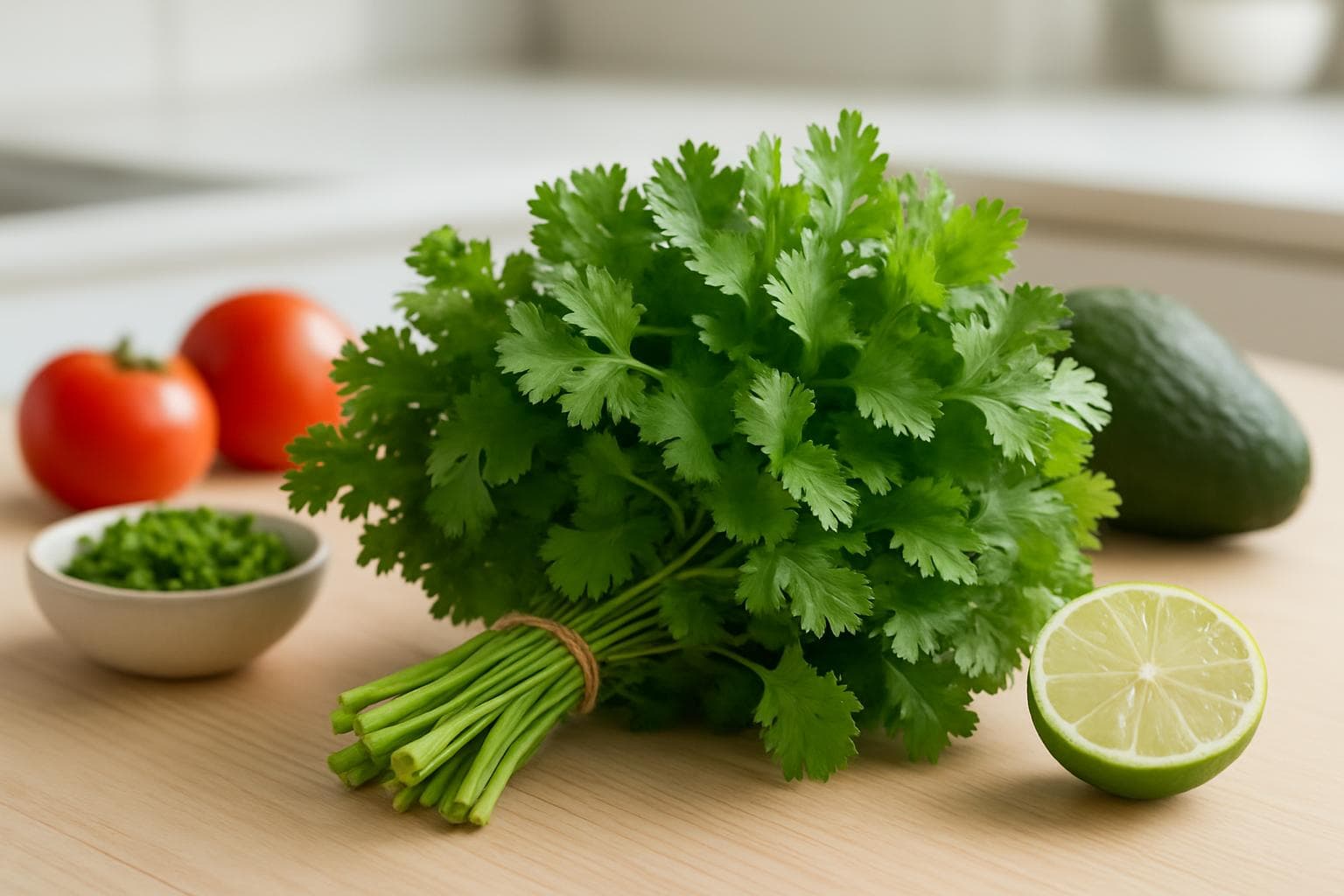
Cilantro may support overall health by providing antioxidants, vitamins, minerals, and plant compounds that contribute to better wellness. This fresh green herb is low in calories yet rich in nutrients, making it a smart addition to almost any diet. Understanding cilantro’s nutritional profile and potential wellness benefits helps you use it intentionally and safely.
In this guide, you’ll learn how cilantro supports antioxidant defense, digestion, heart health, and metabolic balance—plus important precautions, food safety tips, and how to add it to your meals. Information is based on the latest nutrition data and scientific reviews from reputable sources such as USDA, NIH, Harvard Health, and Cleveland Clinic.
What Is Cilantro? (Overview and Nutrition Profile)
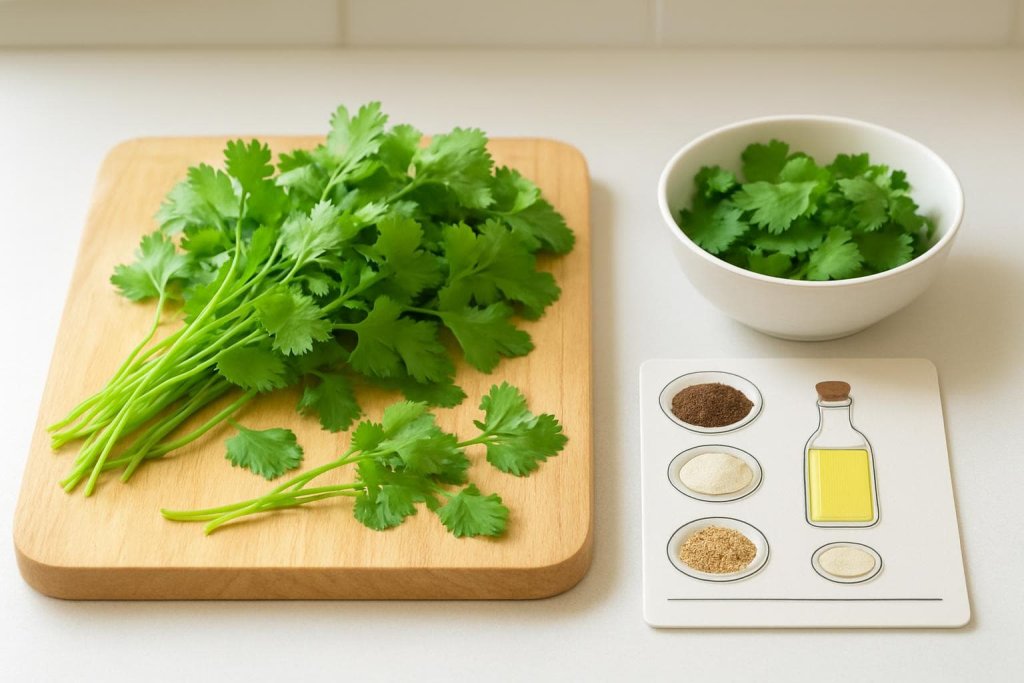
Cilantro refers to the fresh leaves and stems of the Coriandrum sativum plant, an herb widely used in Latin American, Mediterranean, Middle Eastern, and South Asian cooking. In the United States, “cilantro” means the leafy part of the plant, while “coriander” usually refers to the seeds. Both come from the same plant but offer different flavors and nutrient profiles.
Cilantro is valued not only for its bright, citrus-like flavor but also for its nutrient density. According to the USDA FoodData Central, cilantro provides essential vitamins, minerals, antioxidants, and fiber while remaining extremely low in calories.
Nutrition Profile (Per 100 g, Raw Cilantro)
- Calories: ~23 kcal
- Carbohydrates: ~3.7 g
- Fiber: ~2.8 g
- Protein: ~2.1 g
- Fat: ~0.5 g (mostly unsaturated)
- Vitamin K: ~310 µg (supports normal blood clotting and contributes to bone health; NIH ODS)
- Vitamin C: ~27 mg (supports immune function and antioxidant activity; NIH ODS.
- Vitamin A: ~337 µg (supports vision and skin health)
- Potassium: ~521 mg (important for fluid balance and muscle function; NIH ODS.
Why Cilantro Is a Nutrition-Friendly Herb
Cilantro is rich in antioxidants, phytonutrients, and essential micronutrients—especially vitamin K, vitamin C, and potassium—making it a valuable addition to a plant-forward diet. Its extremely low calorie content allows you to add flavor, freshness, and nutritional support to meals without adding extra fat, sugar, or sodium.
Culinary and Wellness Context
From soups and salads to curries and fresh salsas, cilantro enhances flavor while delivering meaningful nutrient density. Because it is typically eaten raw or lightly cooked, more of its delicate vitamins and antioxidants remain intact, supporting overall daily nutrient intake.
10 Proven Health Benefits of Cilantro (Backed by Research)
Cilantro offers an impressive mix of vitamins, minerals, antioxidants, and plant compounds that may support overall wellness when added regularly to your meals. These benefits are supported by nutrition profiles, lab research, and early clinical findings from reputable health organizations.
1. Rich in Antioxidants
Cilantro contains several well-studied antioxidants—including vitamin C, beta-carotene, quercetin, and kaempferol—that help neutralize free radicals and support natural antioxidant defenses. According to the USDA FoodData Central, cilantro is especially rich in vitamin C and carotenoids, both of which contribute to cellular protection and may help reduce the impact of routine oxidative stress.
These antioxidants work together to support healthy aging, immune balance, and overall wellness. As part of a plant-forward diet, cilantro may enhance the body’s natural resilience against everyday environmental stressors.
2. Supports Healthy Inflammation Balance
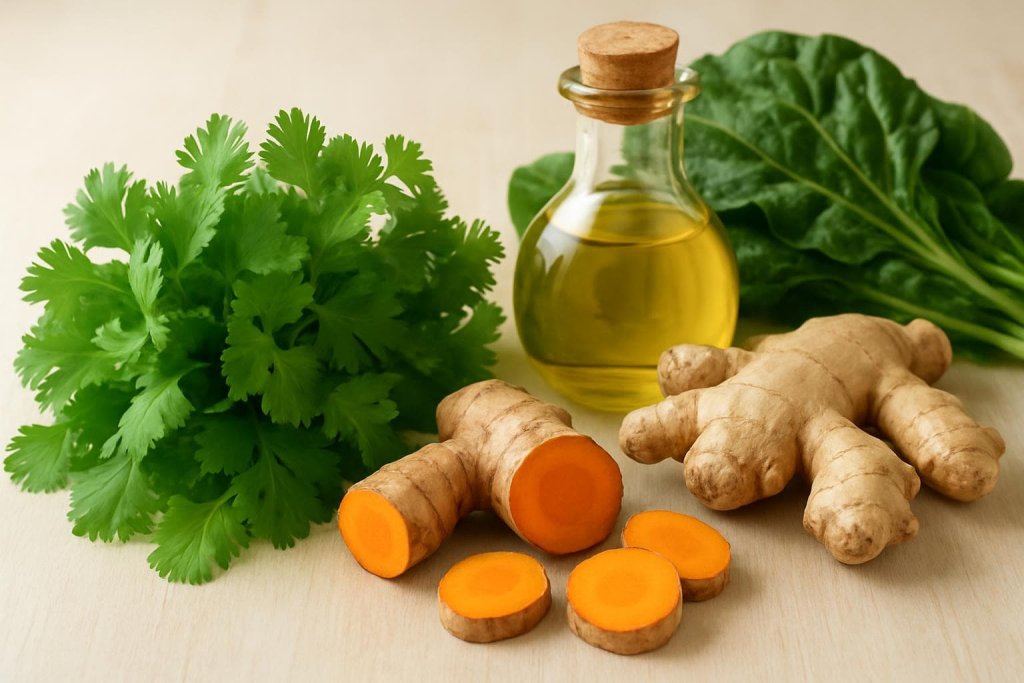
Plant compounds in cilantro—such as linalool and various polyphenols—have been shown in early research to support a normal inflammatory response. While most findings come from lab and animal studies, experts at the Harvard T.H. Chan School of Public Health highlight that diets rich in herbs and green leafy plants may contribute to better inflammation balance over time.
Using cilantro in soups, salads, stir-fries, and dressings helps increase your intake of these natural phytonutrients without added calories or sodium.
3. May Support Heart Wellness
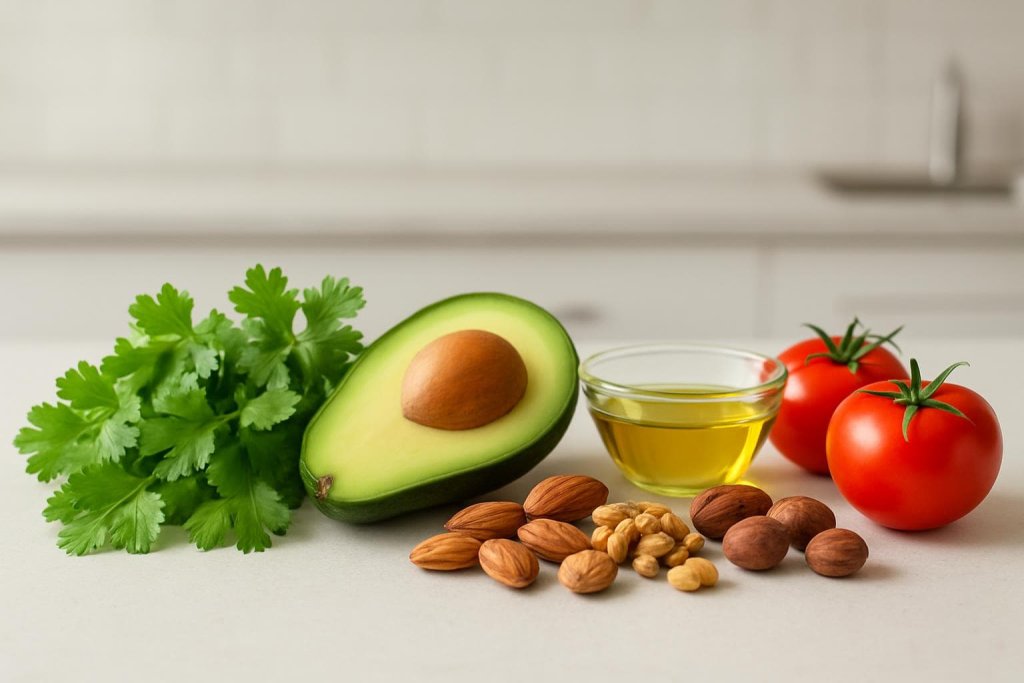
Cilantro provides several nutrients known to support overall heart health, including potassium, vitamin K, and various antioxidants. Potassium-rich foods help maintain normal fluid balance and support healthy blood pressure, as outlined by the NIH Office of Dietary Supplements (ODS).
Cilantro may help support:
- Healthy cholesterol balance
- Normal blood pressure levels
- Reduced oxidative stress on blood vessels
Additionally, coriander seeds—closely related to cilantro—have demonstrated lipid-supportive properties in smaller studies. While more human data are needed, cilantro fits well into heart-friendly eating styles such as the Mediterranean diet, which emphasizes herbs, vegetables, and whole foods.
4. May Help Maintain Healthy Blood Sugar Levels
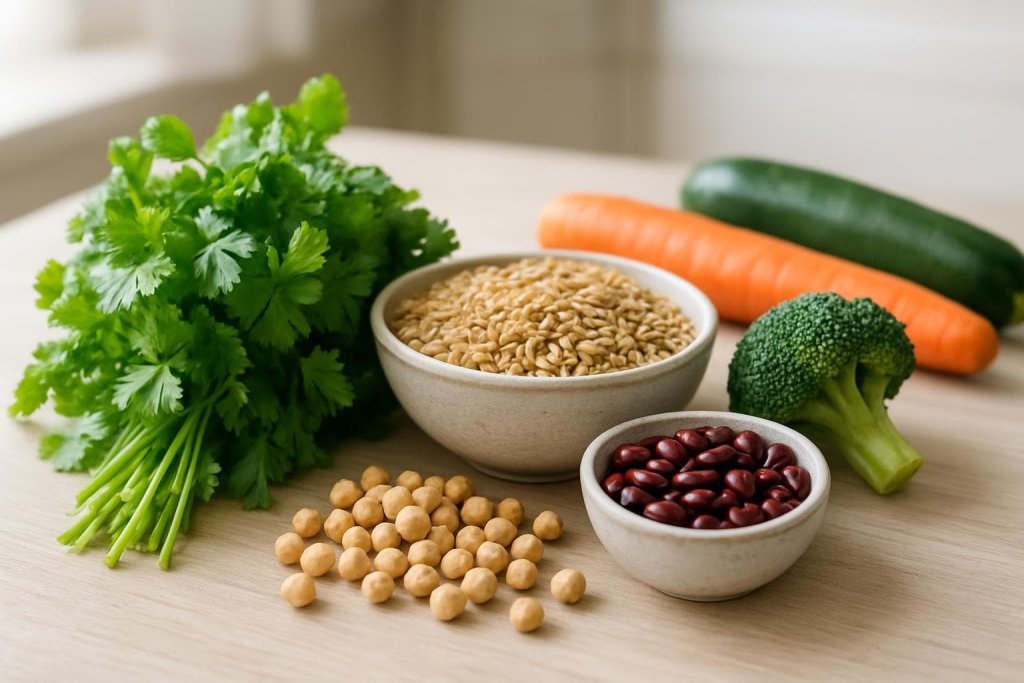
Early studies suggest that cilantro’s natural plant compounds may support healthy glucose metabolism, improved insulin sensitivity, and a more balanced post-meal blood sugar response. These effects are based mainly on animal and laboratory research, but they reinforce general dietary approaches that prioritize whole, plant-forward meals.
This aligns with recommendations from the CDC Healthy Eating for Type 2 Diabetes resource, which emphasizes incorporating more vegetables, herbs, and minimally processed foods to support blood sugar management.
Cilantro is not a treatment for blood sugar conditions, but including it as part of a balanced, lower-glycemic diet may offer small supportive benefits while adding flavor without extra calories or sodium.
5. Supports Digestive Comfort
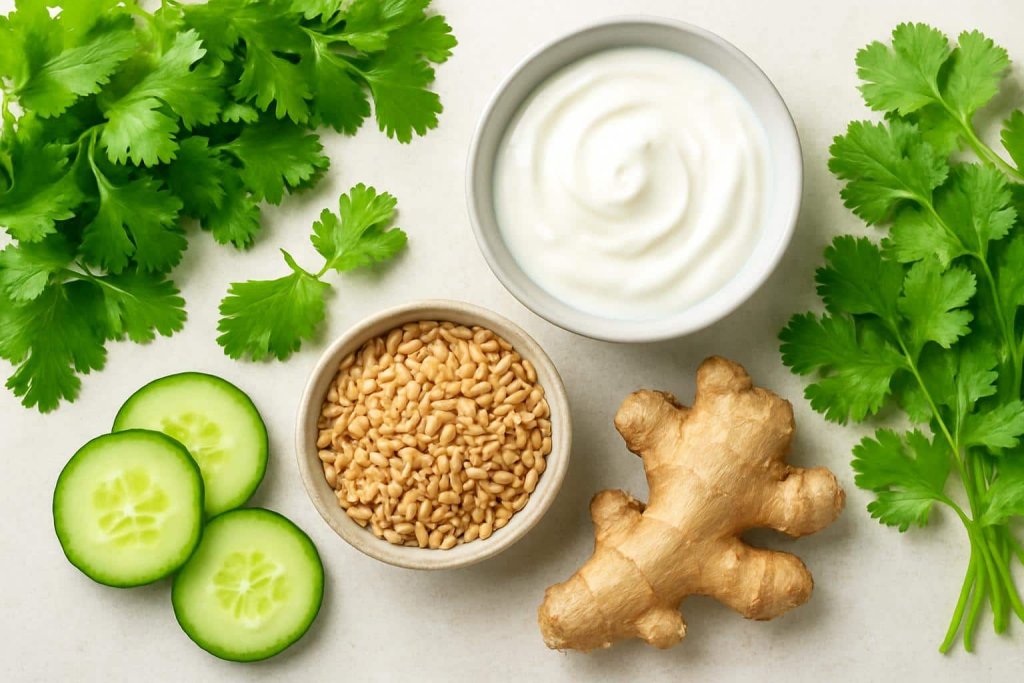
Cilantro has a long history of traditional use for digestion. Its natural compounds—combined with dietary fiber—may help ease:
- Occasional gas
- Mild bloating
- General digestive discomfort
Fiber-rich herbs and leafy greens are highlighted by the Cleveland Clinic for supporting regular bowel movements and maintaining a healthy gut environment.
Using cilantro in chutneys, broths, salads, and fresh toppings can make meals easier to digest while adding refreshing flavor.
6. Natural Antimicrobial Properties
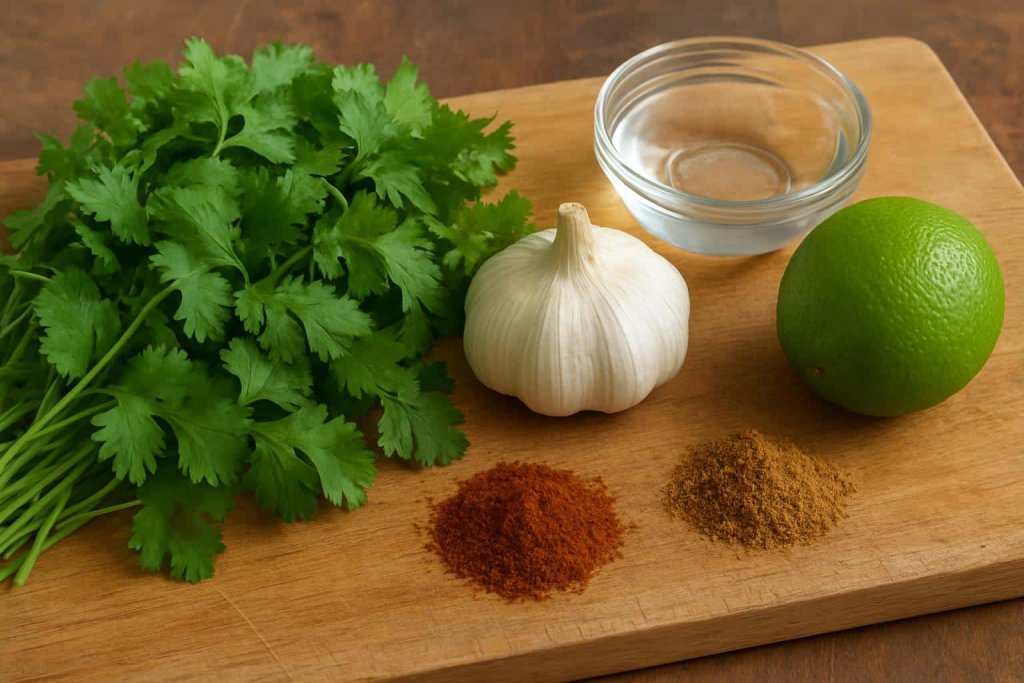
Cilantro contains linalool and various essential oils that demonstrate antimicrobial activity in laboratory research. These compounds may help support food freshness and general wellness, especially when used in marinades, fresh salsas, and seasoning blends.
For food safety, always wash raw cilantro thoroughly. The CDC’s Food Safety Guidelines emphasize washing fresh herbs under running water to reduce the risk of contamination.
Cilantro adds flavor and aroma while supporting an overall clean, fresh food profile.
7. May Support Brain and Mood Health (Early Research)
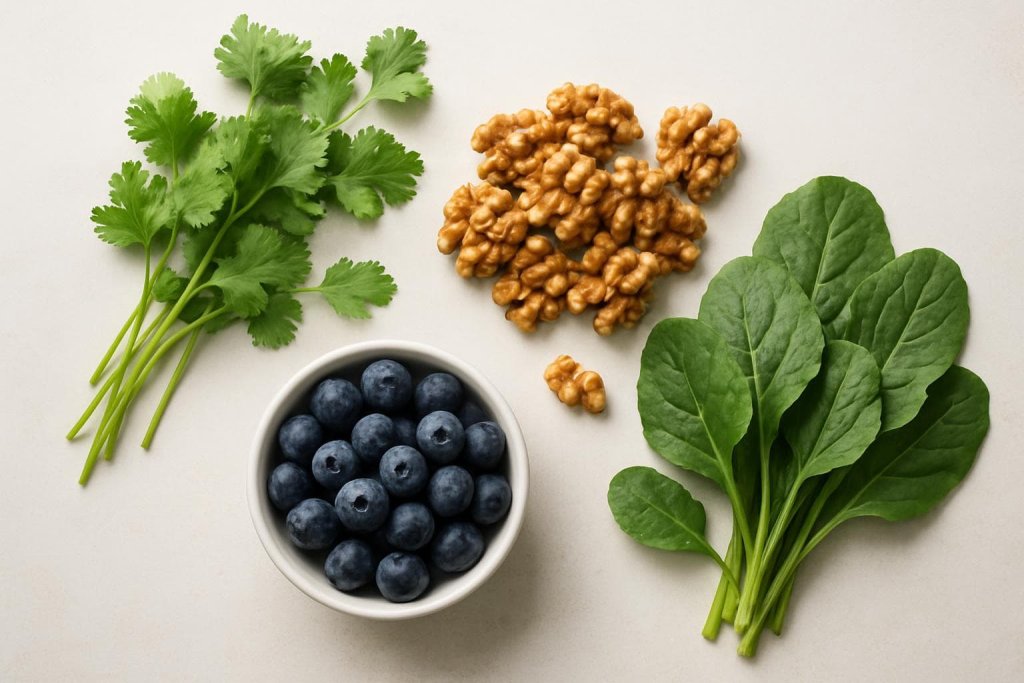
Early laboratory and animal studies suggest that cilantro’s natural plant compounds may support brain antioxidant protection, healthy neurotransmitter activity, and a more balanced stress response. These early findings highlight cilantro’s potential contribution to overall neurological wellness, largely due to its antioxidant profile.
This perspective aligns with broader dietary research, including the MIND diet—a brain-supportive eating pattern emphasizing leafy greens, herbs, vegetables, whole grains, and healthy fats. According to the Harvard T.H. Chan School of Public Health, the MIND diet focuses on plant-forward, antioxidant-rich foods that may help support cognitive health as part of long-term nutrition habits.
While more human studies on cilantro are needed, adding it to meals increases plant diversity and nutrient intake—two key components of a wellness-focused dietary pattern.
8. Supports Liver Function and Natural Detox Processes
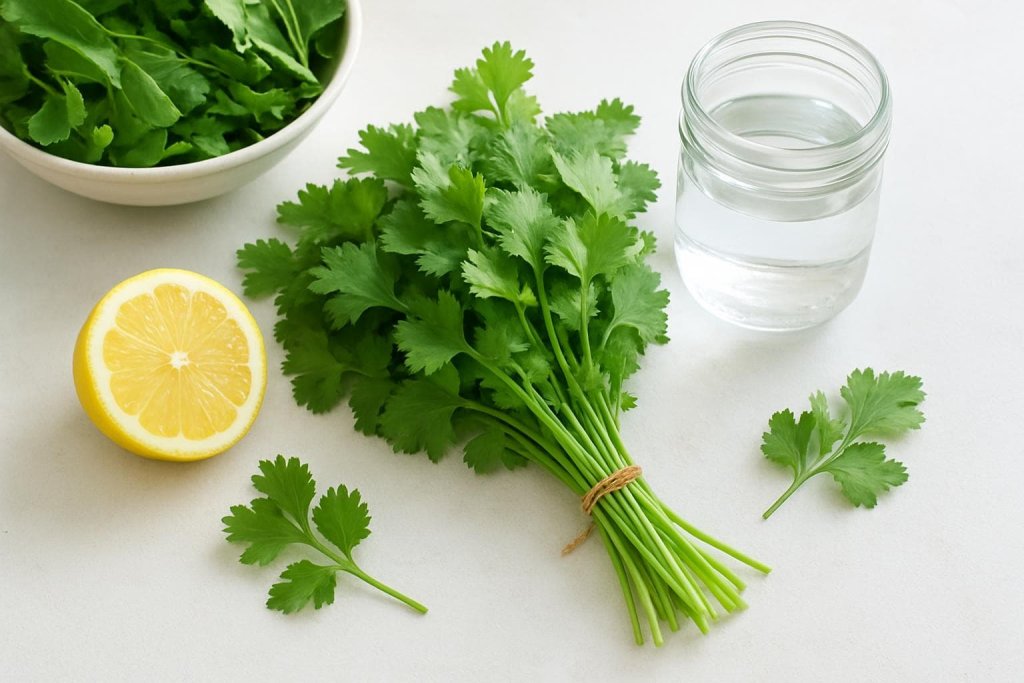
Cilantro is frequently discussed for “detox,” but scientific reviews make it clear that it does not remove heavy metals from the human body. However, cilantro’s antioxidants may support the liver’s natural detoxification pathways, which are essential for metabolizing everyday substances.
According to the National Institute of Diabetes and Digestive and Kidney Diseases (NIDDK), lifestyle and diet choices—including antioxidant-rich plants—may support normal liver function.
Enjoy cilantro as part of meals that include vegetables, whole grains, and lean proteins for better overall metabolic support.
9. May Support Healthy Aging
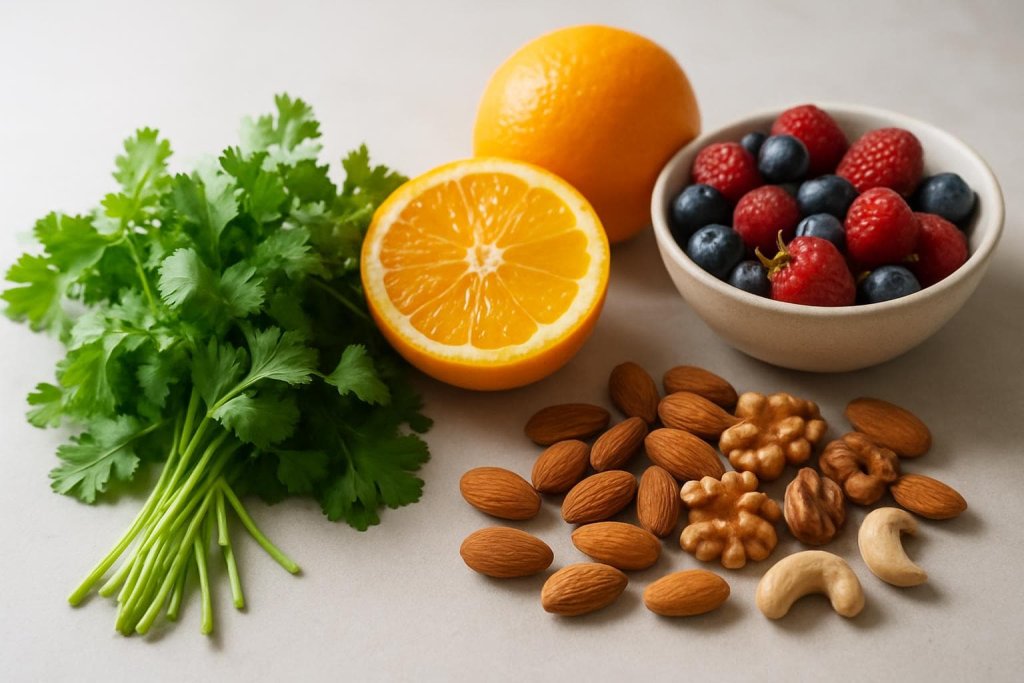
Cilantro’s nutrient-rich profile includes vitamin A, vitamin C, vitamin K, antioxidants, and minerals—all of which may contribute to:
- Skin health
- Immune function
- Healthy cellular aging
Antioxidants help reduce oxidative stress, which is considered a contributing factor in the natural aging process. The NIH Office of Dietary Supplements notes that vitamins A and C are important for maintaining healthy immune and skin function.
By consistently incorporating cilantro into meals, you increase your intake of these supportive nutrients.
10. Helps With Weight-Friendly, High-Flavor Cooking
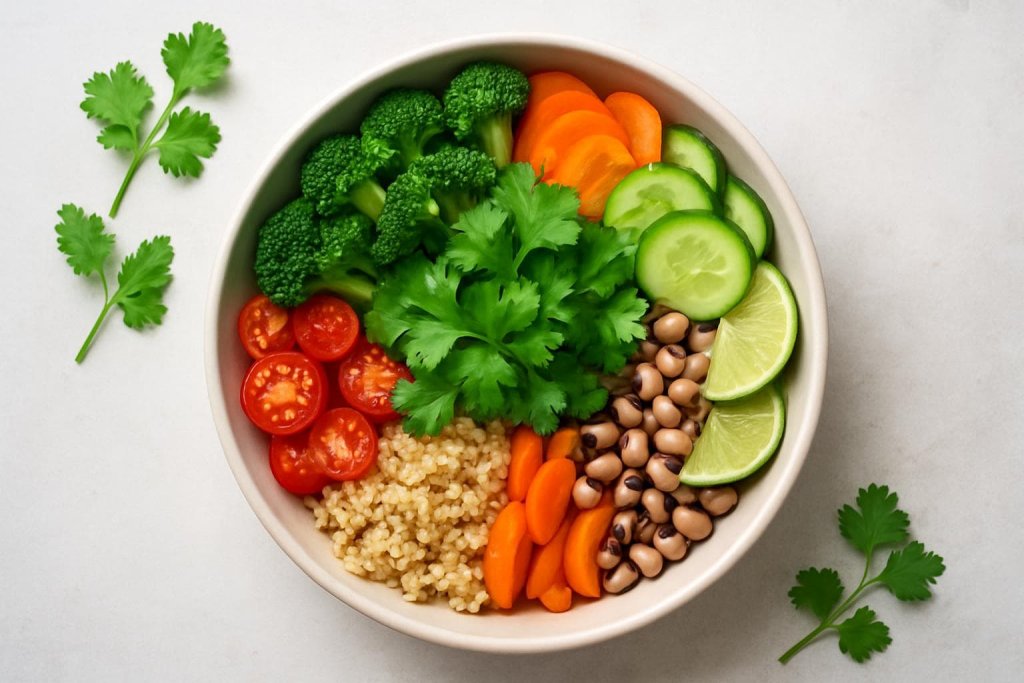
Cilantro is extremely low in calories—only about 23 calories per 100 grams—making it an ideal herb for flavoring meals without adding extra fat, sugar, or sodium. This aligns with weight-friendly eating patterns promoted by organizations such as Harvard T.H. Chan School of Public Health, which encourage using herbs instead of salt or sauces to boost flavor.
Harvard sodium reduction reference: https://www.hsph.harvard.edu/nutritionsource/sodium/
Cilantro helps create meals that are:
- High in nutrients
- Naturally low in calories
- Rich in herbs, vegetables, and plant foods
This makes cilantro a great addition to Mediterranean-style, plant-forward, or weight-conscious diets.
Possible Side Effects and Precautions
Although cilantro is generally safe for most people when consumed as a food, certain precautions are important—especially for individuals with allergies, digestive sensitivities, or specific medical conditions. Because cilantro is often eaten raw, food safety also plays a significant role in minimizing risk.
Allergies
Cilantro allergy is uncommon but documented. Reactions may include:
- Itching or skin irritation
- Swelling of lips, mouth, or throat
- Gastrointestinal discomfort
- In rare cases, more severe reactions
People with sensitivities to plants in the Apiaceae family—such as celery, parsley, and carrots—may experience cross-reactivity. Anyone experiencing symptoms should avoid cilantro and seek medical evaluation.
Digestive Sensitivities
Most people tolerate cilantro well, but large amounts or concentrated extracts may cause:
- Mild stomach discomfort
- Cramping
- Loose stools
To stay on the safe side, individuals with sensitive digestion should begin with small amounts and avoid supplement-level doses unless advised by a healthcare professional.
Vitamin K Considerations (Important for People on Blood Thinners)
Cilantro is naturally rich in vitamin K, which plays a role in normal blood clotting.
According to the NIH Office of Dietary Supplements, people taking warfarin or other vitamin K–sensitive anticoagulants should keep their vitamin K intake consistent to avoid interference with medication effectiveness.
Cilantro is safe in food amounts, but suddenly eating large, inconsistent quantities may impact medication management.
Pregnancy and Breastfeeding Cautions
Cilantro used as a food is generally considered safe in typical culinary amounts.
However:
- Herbal supplements, high-dose extracts, or capsules should be avoided during pregnancy or breastfeeding unless approved by a healthcare provider.
- Safety data on high concentrations are limited, so food forms are preferred.
Avoiding Supplement-Level Doses
Cilantro supplements, tinctures, or extracts can deliver much higher concentrations of plant compounds than food. Since evidence on high-dose safety is limited, and adverse digestive reactions have been reported in rare cases, it is safest to consume cilantro primarily in culinary forms unless supervised by a clinician.
Raw Cilantro Food Safety
Cilantro is frequently consumed raw, which increases the importance of safe handling.
The CDC emphasizes washing fresh produce under running water and keeping it separate from raw meat to reduce contamination risk.
Cilantro has been associated with past outbreaks involving Cyclospora, Salmonella, and E. coli, often linked to improper washing or poor growing conditions. To minimize risk:
- Rinse cilantro thoroughly under running water.
- Avoid bunches with wilted or slimy leaves.
- Store in the refrigerator and use within a few days.
- Purchase from reliable, clean suppliers.
How to Add Cilantro Safely to Your Diet
Using cilantro intentionally can boost flavor, enhance nutritional value, and support overall dietary quality. The following guidance helps you incorporate cilantro safely and effectively.
Daily Use Suggestions
Most people can enjoy 1–2 tablespoons of fresh cilantro per day as part of meals.
This amount adds flavor and nutrients without affecting calorie balance.
Culinary Uses
Cilantro fits naturally into a wide range of recipes:
- Fresh salsas, chutneys, and dips
- Soups, curries, and stews
- Grain bowls, salads, and wraps
- Marinades and dressings
- Toppings for fish, chicken, tofu, lentils, or roasted vegetables
Because cilantro is delicate, adding it near the end of cooking helps preserve flavor and nutrients.
Portion Guidance
There is no official daily recommended amount. However:
- Small to moderate amounts are ideal.
- Larger quantities may lead to digestive sensitivity in some individuals.
- Consistency matters for those on blood thinners due to vitamin K.
Who Should Limit Intake
Certain individuals should be cautious:
- People on warfarin or vitamin K–regulated medications
- Those with cilantro or pollen allergies
- People with a history of digestive sensitivities
- Pregnant or breastfeeding individuals considering high-dose supplements
Food amounts are generally safe; supplement-level doses should be avoided unless supervised.
Washing + Storage Safety
To reduce contamination risk:
- Rinse cilantro thoroughly under running water (per CDC guidance)
- Pat dry with a clean towel
- Store in an airtight container or glass jar with a damp paper towel
- Keep refrigerated at or below 40°F (4°C)
- Use within 3–5 days for best quality
- Separate cilantro from raw meats and seafood to avoid cross-contamination
Frequently Asked Questions (FAQs)
1. Is cilantro safe to eat raw?
Yes, cilantro is commonly eaten raw. Just wash it thoroughly to reduce the risk of foodborne illness.
2. Can cilantro help with detoxification?
Cilantro contains antioxidants that may support natural liver function, but it does not replace the body’s detox systems or medical treatments.
3. Does cilantro help with digestion?
Its natural plant compounds may help support digestive comfort and reduce occasional bloating, but responses vary between individuals.
4. Can cilantro affect medications?
Only in cases involving vitamin K–sensitive blood thinners, where intake should remain consistent. Food amounts are generally acceptable.
5. How much cilantro is safe to eat daily?
1–2 tablespoons daily is safe for most people. Those with allergies or on blood thinners should monitor intake.
6. Is cilantro good for weight-friendly diets?
Yes, cilantro is very low in calories and adds flavor without added salt, sugar, or fat, supporting weight-conscious meal planning.
7. Can pregnant women eat cilantro?
Yes, in food amounts. Avoid high-dose cilantro supplements unless approved by a healthcare provider.
Conclusion
Cilantro is a nutrient-rich herb that adds antioxidants, vitamins, minerals, and fresh flavor to meals without adding calories. When used safely—and combined with a balanced, plant-forward eating pattern—it may support digestion, heart wellness, blood sugar balance, and overall nutritional quality. Be mindful of allergies, vitamin K interactions, and proper food safety practices to enjoy cilantro with confidence.
This content is for informational purposes only and not medical advice.