

Cloves may support digestion, oral health, immunity, and antioxidant protection — thanks to their rich content of eugenol and plant compounds.
Understanding how cloves contribute to nutrition and wellness helps you use this powerful spice safely and effectively. From aiding metabolism to protecting against oxidative stress, cloves can be a valuable part of a balanced diet.
What Are Cloves? (Overview and Nutrition Profile)
Cloves are the dried flower buds of the evergreen tree Syzygium aromaticum, a species native to Indonesia and widely cultivated across tropical regions.
They are a staple in both culinary and wellness traditions, known for their distinct warm, sweet-spicy aroma and their concentration of natural compounds that support overall well-being.
Origin and Culinary Use
Historically valued in Ayurvedic and Chinese herbal systems, cloves spread globally through spice trade routes. Today, they are used to flavor savory dishes, baked goods, beverages, and herbal teas. Their essential oil, rich in eugenol, gives cloves their characteristic scent and potential wellness properties.
Key Bioactive Compounds
- Eugenol: A potent antioxidant and anti-inflammatory molecule that supports cellular protection.
- Flavonoids & Phenolic Acids (e.g., gallic acid): Contribute to free-radical neutralization and healthy immune modulation.
- Tannins & Volatile Oils: Provide antimicrobial and digestive-supporting actions in small dietary amounts.
These natural compounds interact synergistically to support antioxidant defense, metabolic balance, and digestive comfort, according to reviews in MDPI – Processes (2023) and Frontiers in Pharmacology (2024).
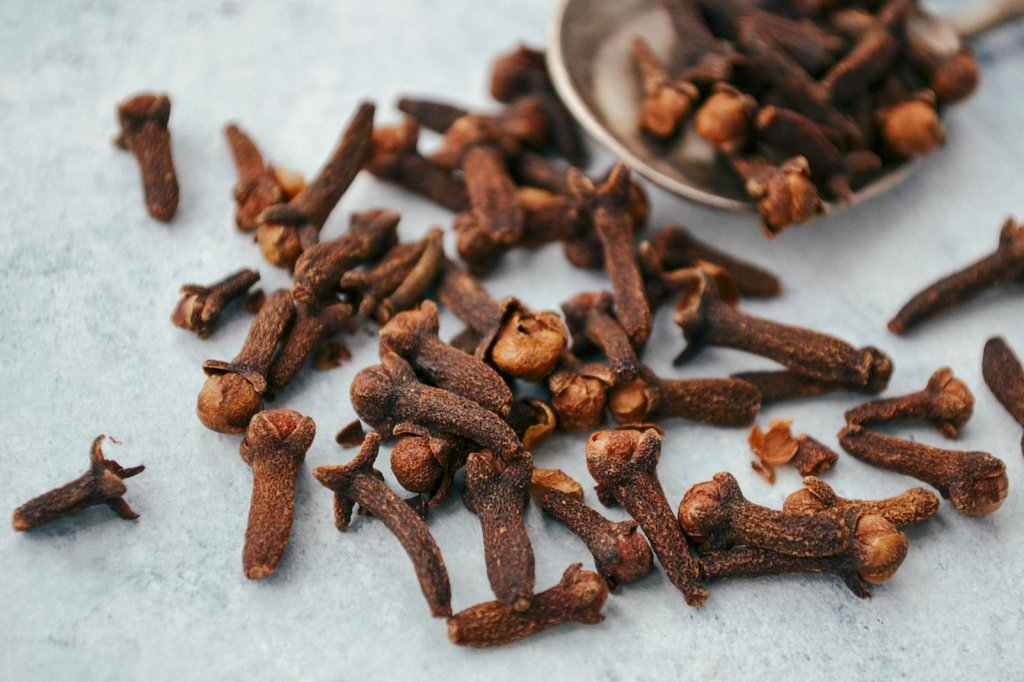
Nutrition Profile of Cloves (per 1 teaspoon ≈ 2 g, USDA FoodData Central 2025)
| Nutrient | Amount | % Daily Value* |
|---|---|---|
| Calories | 6 kcal | — |
| Carbohydrates | 1.0 g | < 1 % |
| Dietary Fiber | 0.7 g | 3 % |
| Protein | 0.1 g | — |
| Total Fat | 0.3 g | < 1 % |
| Manganese | 0.6 mg | 30 % |
| Vitamin K | 2.2 µg | 3 % |
| Calcium | 11 mg | 1 % |
| Magnesium | 5 mg | 1 % |
| Iron | 0.1 mg | < 1 % |
*% DV = Based on a 2,000 kcal diet. Source: USDA FoodData Central – Spices, Cloves, Ground (2025).
How Cloves Support Wellness
Because cloves are dense in antioxidants and trace minerals like manganese, even small culinary amounts can contribute to:
- Neutralizing oxidative stress through eugenol’s antioxidant action
- Supporting bone metabolism via manganese and vitamin K
- Enhancing digestive function through gentle stimulation of gastric enzymes
Together, these properties make cloves a valuable addition to a balanced diet that emphasizes whole foods, herbs, and natural seasonings for overall health support.
10 Proven Health Benefits of Cloves (Backed by Science)
Modern research continues to explore how cloves — rich in eugenol, antioxidants, and essential nutrients — support whole-body wellness. Below are ten science-backed ways cloves may benefit your health when consumed in moderate culinary amounts.
1. Provides Powerful Antioxidant Protection
Cloves are among the richest dietary sources of antioxidants. Their main active compound, eugenol, along with gallic acid and flavonoids, may help protect cells from oxidative stress caused by free radicals.
A 2023 review in Processes (MDPI) found that eugenol significantly reduced oxidative markers in laboratory studies, suggesting potential to support healthy aging and cellular defense. Regular inclusion of clove powder or tea can enhance the body’s natural antioxidant capacity and protect against environmental stressors.
2. Supports Oral and Dental Health
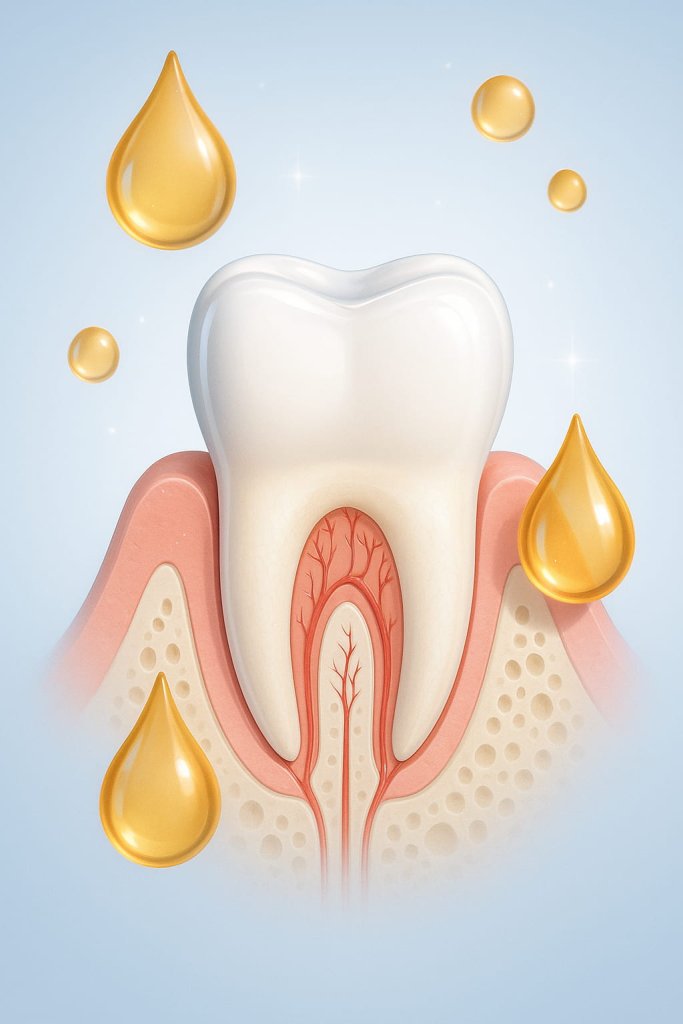
Clove oil has long been valued in dental care for its natural antimicrobial and mild numbing properties. According to the Cleveland Clinic (2025), eugenol in clove oil may help reduce harmful bacteria linked to gum irritation and temporary tooth discomfort.
Modern oral-care products often include clove extract to help maintain fresh breath and oral hygiene. However, undiluted essential oils should never be applied directly to gums or ingested — always use properly diluted preparations or consult a dentist before use.
3. Aids Healthy Digestion

Cloves stimulate saliva and digestive enzyme production, helping food break down more efficiently. WebMD (2024) notes that cloves may ease occasional bloating, support smoother digestion, and promote comfort after meals.
Their warming properties also make them a common ingredient in herbal teas designed to soothe the digestive tract. Incorporating a small pinch of ground cloves in soups or herbal infusions may help support normal digestive processes.
4. Supports Immune Function

Cloves are rich in phytonutrients and antioxidants that help support the immune system’s natural defense mechanisms. A 2024 review in Frontiers in Immunology found that eugenol modulates immune cell responses, promoting a healthy inflammatory balance.
Including cloves in your diet — for example, in tea, curries, or spiced vegetables — can help reinforce general immune resilience during seasonal changes.
5. May Help Regulate Blood Sugar
Early evidence suggests that clove extracts may support healthy blood-sugar balance by influencing glucose uptake and insulin sensitivity. Research published in the Journal of Food Science (2023) observed that polyphenols in cloves improved glucose metabolism in experimental models.
While promising, large-scale human studies are still limited. Therefore, cloves should complement — not replace — medical management for blood-sugar control. Always consult your healthcare provider before adding concentrated herbal supplements.
6. Promotes Liver Health
Clove compounds, particularly eugenol, may help support liver health by reducing oxidative stress and maintaining normal enzyme activity. A 2023 study in BMC Complementary Medicine and Therapies found that clove extract supported healthy liver enzyme function in experimental settings.
In culinary use, adding small amounts of cloves to meals may contribute antioxidant support for the liver without risk of excess exposure.
7. Supports Bone Strength and Metabolism
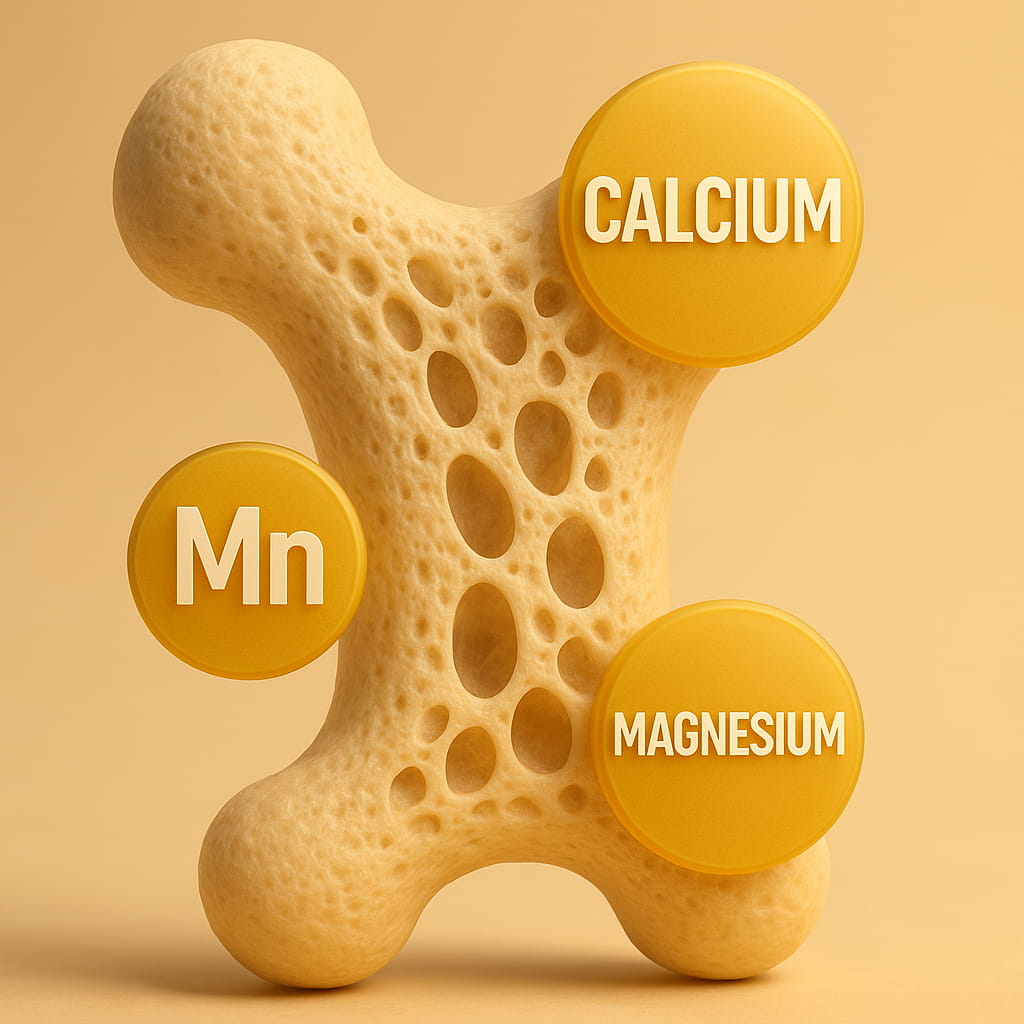
Cloves are rich in manganese, a trace mineral essential for bone formation, collagen synthesis, and nutrient metabolism. The National Institutes of Health (NIH) Office of Dietary Supplements) states that manganese is vital for maintaining bone mineral density and connective-tissue health.
Including clove spice in recipes can contribute modest but meaningful manganese intake, particularly when combined with other nutrient-dense foods like whole grains and leafy greens.
8. May Support Healthy Weight Management

Clove compounds may assist healthy metabolism by promoting fat oxidation and balanced energy use. A 2023 review in Food Research International reported that clove flavonoids could enhance metabolic efficiency and lipid breakdown in laboratory studies.
Paired with a balanced diet and regular activity, culinary use of cloves — in teas, oatmeal, or spice blends — may help support natural weight-management goals.
9. Supports Skin and Antimicrobial Defense

Thanks to its antibacterial and antioxidant properties, clove oil is sometimes used in topical formulations to support skin balance. The Journal of Applied Microbiology (2022) found that clove extract demonstrated broad-spectrum antimicrobial activity against skin and oral bacteria.
Topical or cosmetic use should always involve diluted preparations and dermatologist guidance, especially for sensitive skin types.
10. May Promote Respiratory Comfort

Clove’s aromatic oils contain natural expectorant and soothing compounds that may support comfortable breathing. The NIH Office of Dietary Supplements (2024) notes that clove preparations have been used traditionally to promote respiratory wellness.
Adding a few cloves to warm herbal tea or using mild clove steam inhalation can offer temporary comfort during cooler seasons. Always use moderate amounts, as concentrated vapors can irritate sensitive airways.
How to Use Cloves for Best Results
Cloves are potent — a little goes a long way. Incorporating them mindfully into your meals and beverages ensures you enjoy their wellness benefits safely.
Recommended Daily Amount
For most healthy adults, 1–2 whole cloves or about ¼ teaspoon of ground cloves daily is sufficient for culinary use. This amount supports digestion and antioxidant intake without excessive eugenol exposure.
Always use cloves as part of a balanced diet, not as a supplement or medicine.
Preparation and Usage Methods
1. Tea or Infusion:
Steep 2–3 whole cloves in a cup of hot water for 5–7 minutes. Optionally combine with cinnamon or ginger for enhanced flavor and antioxidant synergy.
2. Cooking:
Add ground or whole cloves to curries, soups, stews, or baked goods. A pinch elevates both taste and nutrition.
3. Smoothies and Warm Drinks:
Blend a small pinch of clove powder into smoothies, lattes, or warm milk for a comforting, metabolism-supporting drink.
4. Pairing Tips:
Cloves pair especially well with cinnamon, turmeric, and ginger — spices known for complementary antioxidant and digestive properties (as highlighted by the Harvard T.H. Chan School of Public Health – Healthy Cooking with Herbs and Spices).
Avoiding Overuse and Essential Oil Misuse
- Avoid exceeding ½ teaspoon daily of ground cloves over long periods.
- Clove essential oil is highly concentrated — it should never be ingested directly or used undiluted on the skin.
- Always seek professional guidance before using any clove extract or supplement, particularly if pregnant, breastfeeding, or on medication.
Possible Side Effects and Precautions
While cloves are safe in normal dietary amounts, large quantities or concentrated extracts can pose risks. Always practice moderation.
| Concern | Description | Safe Guidance | Authoritative Source |
|---|---|---|---|
| High eugenol intake | Excessive eugenol may affect liver enzyme activity. | Use only small culinary amounts; avoid clove oil ingestion. | Cleveland Clinic – Herbal Safety (2025) |
| Medication interactions | Eugenol may mildly thin blood and interact with anticoagulant drugs (e.g., warfarin). | Consult a doctor before regular use if on such medications. | Mayo Clinic – Natural Medicine Interactions (2025) |
| Pregnancy and breastfeeding | Culinary use is safe; concentrated extracts should be avoided. | Stick to food-level quantities and avoid essential oils. | NIH Office of Dietary Supplements – Herbal Database (2024) |
| Allergic reactions | Rare, but may cause skin or respiratory irritation in sensitive individuals. | Discontinue use and seek medical advice if symptoms occur. | NIH MedlinePlus – Clove Information (2024) |
➡️ Important: Always avoid self-medicating with clove supplements or oils without medical supervision.
Storage and Food Safety Tips
Proper storage helps maintain the flavor, potency, and safety of cloves.
According to the U.S. Food and Drug Administration (FDA) – Improving the Safety of Spices, spices should always be stored in clean, dry conditions away from moisture and heat to prevent microbial contamination and quality loss.
Best Practices for Safe Storage
- Temperature: Keep cloves at or below 25 °C (77 °F) in a stable, cool environment.
- Container: Store in airtight glass jars or metal tins to protect the natural oils from humidity and light exposure.
- Location: Place on a cool, dark pantry shelf, away from stoves or direct sunlight to avoid degradation of essential oils.
- Shelf Life:
- Whole cloves: Maintain quality for 2–4 years when sealed and stored properly.
- Ground cloves: Best used within 6–12 months for maximum aroma and potency, as ground forms lose volatile oils more quickly.
(Data supported by the FDA and Healthline – Do Spices Expire?)
Quality and Safety Check
- Discard cloves if they lose aroma, darken significantly, or clump — signs that the spice’s natural oils have oxidized.
- Always use clean, dry utensils when measuring to avoid introducing moisture or bacteria.
Following these FDA-recommended food-safety guidelines ensures that your cloves remain fresh, flavorful, and microbiologically safe — preserving both their nutritional and aromatic quality.
Frequently Asked Questions (FAQs)
1. Can I eat cloves daily?
Yes, in small culinary amounts (1–2 cloves). Avoid excessive or medicinal use without guidance.
2. Do cloves support immune function?
Cloves are rich in antioxidants that may help support natural immune defenses, as noted in Frontiers in Immunology (2024).
3. Are cloves safe during pregnancy?
Culinary use is generally safe, but concentrated oils or supplements should be avoided unless prescribed.
4. Is clove oil safe to ingest?
No. Clove essential oil should never be consumed undiluted or used internally.
5. How can I include cloves in my diet safely?
Add them to teas, soups, or spice blends in moderation — about ¼ teaspoon daily.
6. Do cloves have any drug interactions?
Yes, especially with blood-thinning medications. Always consult your doctor if taking any prescription drugs.
Conclusion
Cloves are a time-honored spice that offers both culinary flavor and nutritional support. Their natural antioxidants, trace minerals, and essential oils can support digestion, metabolism, immunity, and oral wellness when used responsibly.
To enjoy these benefits safely:
- Stick to small, food-level portions.
- Store properly to retain freshness.
- Consult a healthcare professional before using clove oils or supplements.
Add a pinch of this aromatic spice to your daily meals or herbal teas to enhance both flavor and wellness naturally.
This content is for informational purposes only and not medical advice.