
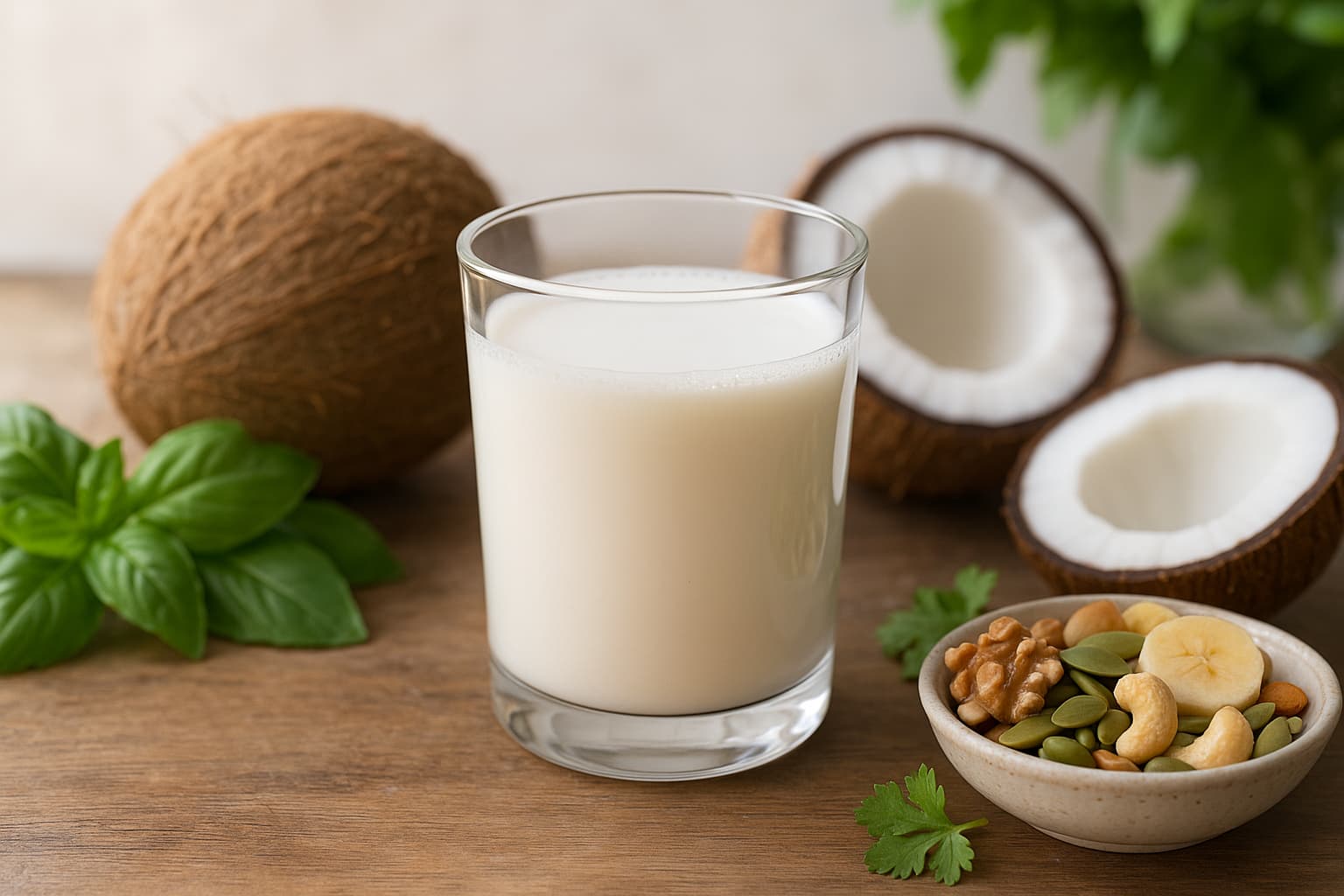
Coconut milk is a creamy, plant-based ingredient widely used in cooking, and yes, coconut milk may offer several nutrition and wellness benefits when consumed in moderation. Because it is naturally lactose-free, rich in fats, and versatile in recipes, many people use it as a dairy alternative or flavor-enhancing ingredient. Understanding its nutrients, potential benefits, and safe intake levels is essential—especially since it contains a high amount of saturated fat.
According to the American Heart Association, most adults should limit saturated fat for heart health, so coconut milk should be enjoyed mindfully within a balanced diet.
This guide explains coconut milk’s nutrition, possible benefits, how to use it safely, its types, and who should be cautious.
What Is Coconut Milk?
How Coconut Milk Is Made (Basic Process)
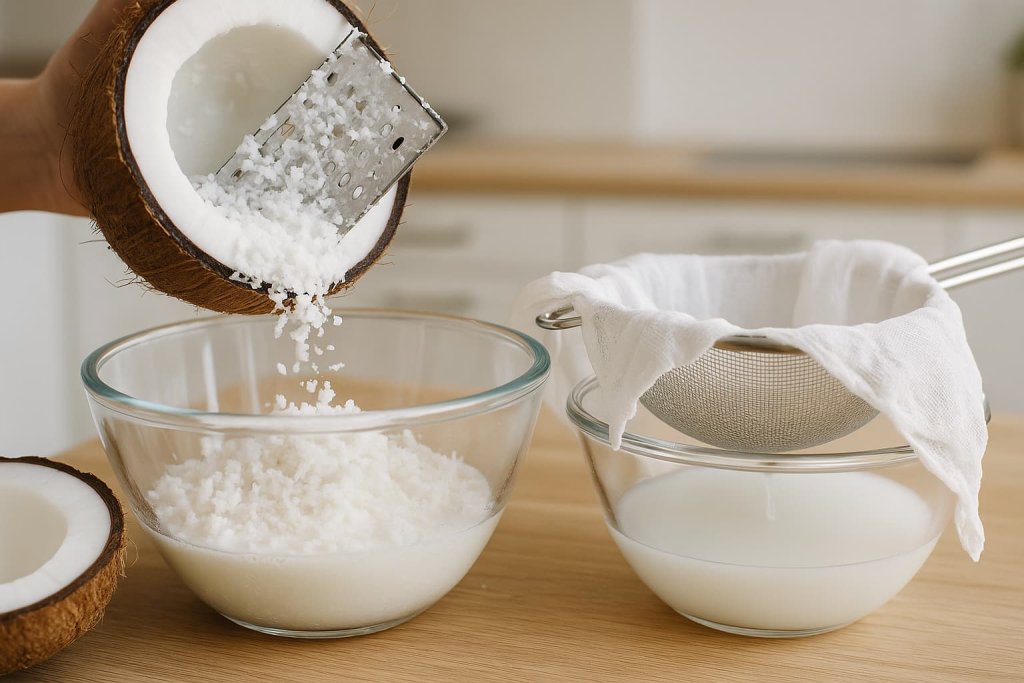
Coconut milk is made by grating the white flesh of mature coconuts, blending it with warm water, and straining it through a cloth or fine filter.
- The first press creates rich, thick coconut milk.
- Additional extractions produce lighter versions with reduced fat content.
Types of Coconut Milk
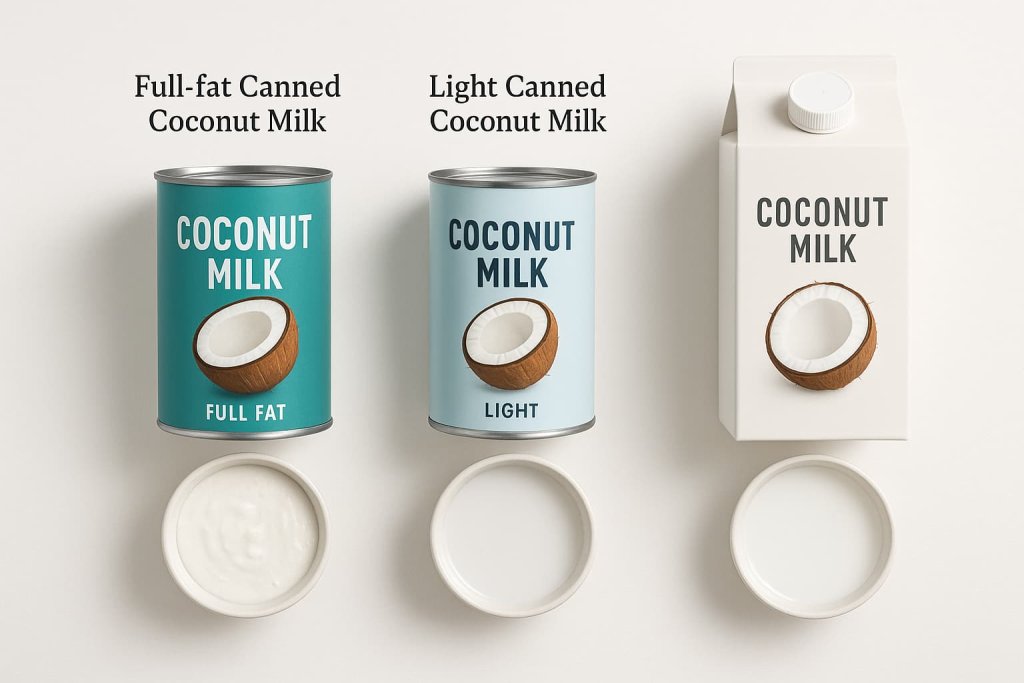
Canned Coconut Milk
Canned coconut milk is thick, high in fat, and commonly used in cooking. It typically contains coconut and water, with occasional stabilizers like guar gum to maintain texture. It is ideal for curries, soups, stews, and desserts requiring richness.
Carton Coconutmilk Beverage
Carton coconutmilk is lighter, more diluted, and formulated as a beverage or dairy substitute. Many brands fortify it with calcium, vitamin D, and vitamin B12.
Guidance from the United States Department of Agriculture notes that fortified plant-based milks can contribute helpful nutrients for individuals who avoid dairy.
Light vs. Full-Fat Varieties
Light coconut milk contains less fat and fewer calories due to a higher water ratio. Full-fat varieties provide a richer flavor and texture but also contain significantly more saturated fat, making portion control important.
Nutrition Profile of Coconut Milk
Full-Fat Canned Coconut Milk (Per 1 Cup)
A typical 1-cup serving contains:
- ~445–450 calories
- ~47 g fat (mostly saturated)
- ~6–13 g carbohydrates
- ~4–5 g protein
Because full-fat canned coconut milk is calorie-dense and high in saturated fat, moderation is essential. According to the American Heart Association, limiting saturated fats supports cardiovascular well-being.
Light Canned Coconut Milk
Light coconut milk is lower in fat and calories:
- ~150–160 calories
- ~12–15 g fat
- ~2–3 g carbohydrates
It provides some creaminess with less richness, making it suitable for smoothies, soups, and lighter dishes.
Fortified Carton Coconutmilk (Per 1 Cup)
A typical cup of fortified carton coconutmilk provides:
- ~40–80 calories
- ~4–5 g fat
- ~1–2 g carbohydrates
- 0–1 g protein
- Added calcium, vitamin D, and vitamin B12
Research from the National Institutes of Health highlights the importance of calcium and vitamin D for bone health, making fortified coconutmilk a useful option for individuals who replace dairy.
Key Vitamins and Minerals
Naturally occurring nutrients in coconut milk include:
- Iron
- Magnesium
- Potassium
- Manganese
Fortified carton versions may contribute additional micronutrients depending on brand formulation.
MCT-Type Fats and Their Role
Coconut milk contains MCT-type fats such as lauric acid. These fats are digested differently than long-chain fats and may support short-term energy availability.
Guidance from the Harvard T.H. Chan School of Public Health notes that coconut products are high in saturated fat and should be balanced with other fat sources within a heart-conscious diet.
Top Health Benefits of Coconut Milk
1. Naturally Lactose-Free Dairy Alternative
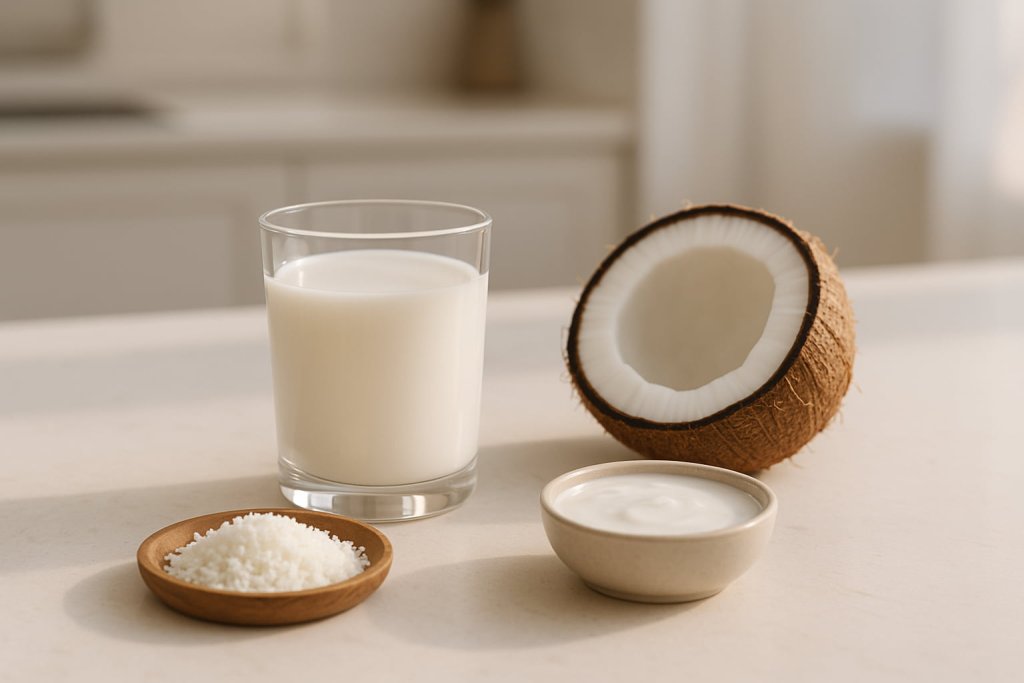
Coconut milk is naturally free of lactose, making it a practical option for individuals who avoid dairy due to lactose intolerance or personal dietary needs. Many people experience difficulty digesting lactose, which can lead to discomfort when consuming traditional milk. Research from the National Institutes of Health explains that lactose intolerance is common worldwide, making lactose-free alternatives helpful for those who need a gentler choice. Coconut milk offers creaminess, versatility, and ease of digestion without relying on dairy-based ingredients.
2. Contains MCT-Type Fats That May Support Energy
Coconut milk contains medium-chain triglyceride–type fats (MCT-like fats), including lauric acid, which are processed differently from long-chain fats found in many other foods. These fats are absorbed more quickly and transported directly to the liver, where they may help support short-term energy availability. Guidance from the Harvard T.H. Chan School of Public Health notes that coconut products are high in saturated fat, so using coconut milk in moderation ensures its energy-supporting fats fit within a balanced diet.
3. May Support Healthy HDL Cholesterol Levels
Some early research suggests that coconut products may help increase HDL (the “good”) cholesterol, which plays a role in transporting cholesterol away from arteries. However, findings are mixed, and changes in lipid profiles vary by individual and overall diet. Current heart-health guidance from the American Heart Association emphasizes limiting saturated fat—such as the type found in coconut milk—to support long-term cardiovascular well-being. This means coconut milk may be enjoyed as part of a balanced, moderated approach to dietary fats.
4. May Support Plant-Forward or Dairy-Free Diets
Coconut milk can be easily substituted for dairy in many recipes, making it useful for people who follow plant-forward, vegan, or dairy-free eating patterns. It offers creaminess and flavor that align well with whole-food cooking and plant-based meal planning. While coconut milk is not nutritionally identical to dairy, fortified beverage versions often contain added nutrients like vitamin D and calcium, which help support daily nutrient intake when dairy is limited. The United States Department of Agriculture notes that fortified plant-based milks can help contribute essential micronutrients within a varied diet.
5. Provides Essential Minerals That Support Normal Functions
Coconut milk naturally contains minerals such as potassium, magnesium, manganese, and iron. These minerals play supportive roles in muscle function, metabolic activity, and maintaining normal cellular processes. Although coconut milk is not a major source of these nutrients compared to fruits, vegetables, or legumes, it can contribute modest amounts as part of a varied eating pattern. Fortified versions may add vitamins such as B12 or calcium, depending on the brand’s formulation.
6. Enhances Flavor and Texture in a Variety of Dishes
One of coconut milk’s greatest strengths is its ability to elevate meals with richness and natural sweetness. Its smooth texture works well in curries, soups, sauces, baked goods, and desserts—helping home cooks create satisfying dishes without relying on dairy cream. This makes coconut milk a valuable ingredient for individuals looking to add variety, improve consistency, or follow specific dietary preferences. Its versatility helps support long-term adherence to nutritious eating patterns by making meals more enjoyable.
Potential Downsides and Safety Considerations
High Saturated Fat Content
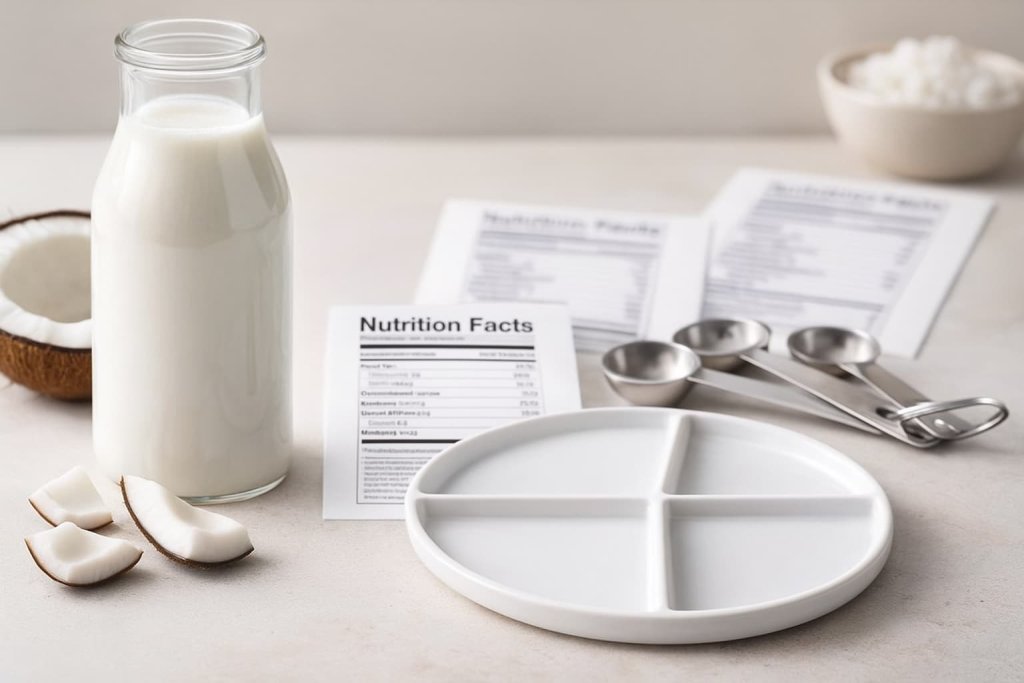
Canned coconut milk is high in saturated fat. For people managing cholesterol or overall heart health, this is important to consider. The American Heart Association recommends limiting saturated fat intake and prioritizing unsaturated fats within a heart-conscious eating pattern. Using small amounts of coconut milk and pairing it with foods like vegetables, whole grains, and legumes can help keep overall fat balance in check.
Calorie Density and Portion Awareness
Because full-fat canned coconut milk is calorie-dense, serving size matters. Large amounts added to smoothies, coffee, or frequent rich dishes can significantly increase daily calorie intake. This may be especially relevant for individuals who are monitoring their energy intake for weight management or metabolic health. Using light coconut milk or carton coconutmilk can help reduce total calories while still providing flavor and creaminess.
Possible Allergies or Sensitivities
While coconut comes from a fruit and is now treated separately from tree nuts in updated allergen guidance from the U.S. Food and Drug Administration, some individuals may still experience sensitivities or mild reactions. People with multiple food allergies or a history of severe reactions should discuss coconut products with a healthcare professional or allergist before introducing them regularly.
Additives and Stabilizers in Carton Varieties
Carton coconutmilks often contain stabilizers, thickeners (such as gums), natural flavors, and sometimes salt. These ingredients help with texture and shelf stability but may not be necessary for everyone. Individuals with sensitivities to certain additives may prefer simpler ingredient lists or canned options that contain only coconut and water.
Added Sugars in Flavored Options
Flavored coconutmilk beverages can contain added sugars that contribute extra calories without additional essential nutrients. The Centers for Disease Control and Prevention notes that the current Dietary Guidelines for Americans recommend limiting added sugars to less than 10% of daily calories. Choosing unsweetened varieties and adding your own fruit or small amounts of sweetener when needed is a more flexible way to manage total sugar intake.
Who Should Be Cautious

H3: Individuals Monitoring Heart Health
People who have high cholesterol, a history of heart disease, or elevated cardiovascular risk should be especially mindful of saturated fat intake from coconut milk. Replacing some coconut milk with lower-fat or unsaturated fat sources can align better with recommendations from the American Heart Association for protecting heart health.
People Managing Weight or Caloric Intake
Those working toward weight-related goals may wish to limit frequent use of full-fat canned coconut milk due to its high calorie density. Using smaller amounts, opting for light versions, or choosing carton coconutmilk can help keep calorie intake more consistent with personal targets.
Individuals With Digestive Sensitivities
High-fat foods can sometimes contribute to digestive discomfort in sensitive individuals. For someone prone to bloating, loose stools, or discomfort after rich meals, it may be helpful to start with small amounts of coconut milk and observe how the body responds. Adjusting portion size or choosing lighter formulations can lessen intensity.
Anyone With Nut-Related Allergy Concerns
Although coconut is not classified as a major tree nut allergen in current guidance from the U.S. Food and Drug Administration, individuals with multiple food allergies should still introduce coconut products cautiously. Consulting with an allergist or healthcare professional can help clarify personal risk.
How Much Coconut Milk Is Safe to Consume?
Typical Serving Sizes
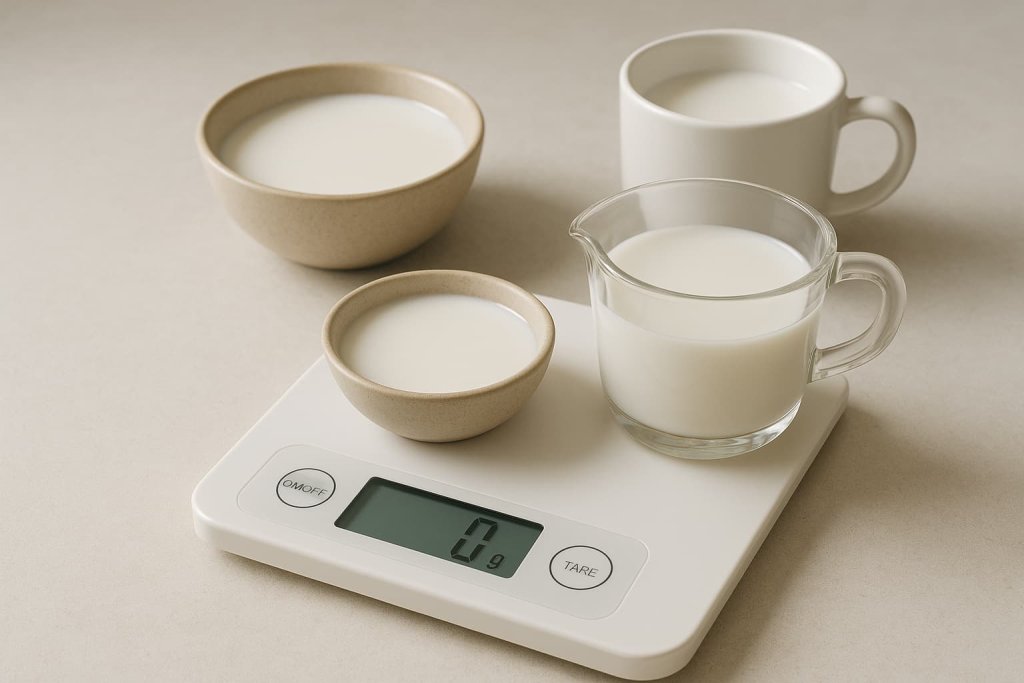
Recipes often use ¼–½ cup of canned coconut milk per portion, or ½–1 cup of carton coconutmilk as a beverage. Actual amounts depend on the recipe and individual calorie needs. For many people, small quantities used a few times per week fit more comfortably within saturated fat and energy goals than large servings every day.
Using Coconut Milk in a Balanced Diet
Coconut milk generally works best as one component of a varied eating pattern rather than a daily staple in large amounts. The Dietary Guidelines for Americans encourage focusing on overall patterns rich in vegetables, fruits, whole grains, lean proteins, and healthy oils. Using coconut milk to flavor dishes built around these foods can support both enjoyment and balance.
When to Choose Lower-Fat or Fortified Options
Light canned coconut milk or fortified carton coconutmilk may be better choices for regular use because they provide creaminess with less saturated fat and fewer calories. Fortified varieties can also contribute nutrients such as calcium and vitamin D, which may help support bone health for individuals who do not consume dairy.
Best Ways to Store Coconut Milk
Unopened Storage
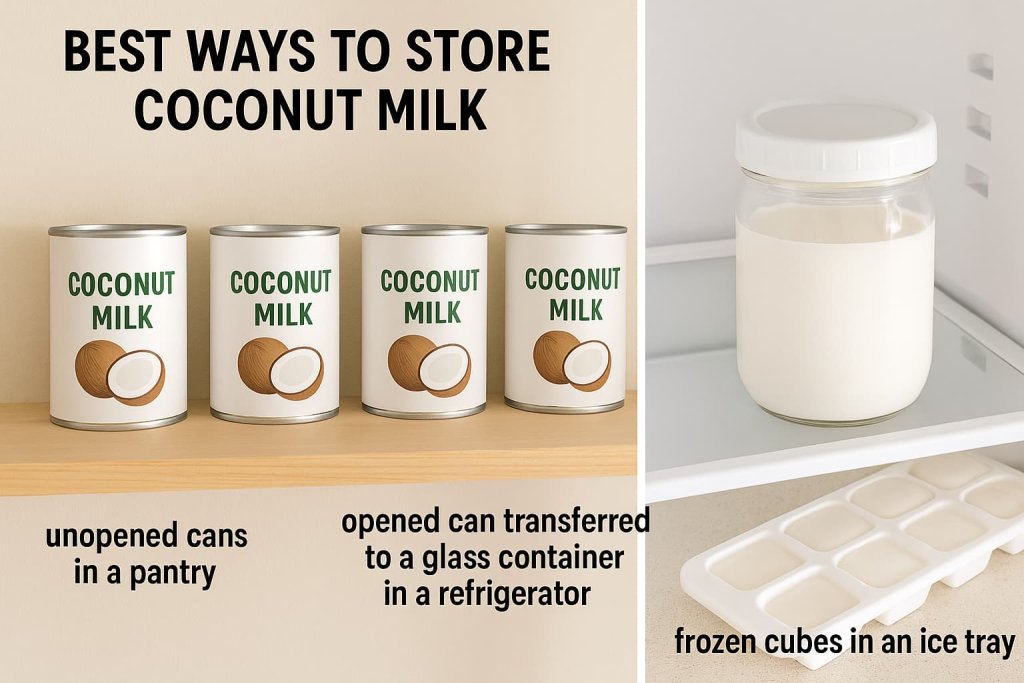
Store unopened cans of coconut milk in a cool, dry pantry away from direct sunlight and heat. Keep shelf-stable carton coconutmilk in the pantry until opened if the package indicates it is safe at room temperature. Refrigerated cartons should remain in the refrigerator even before opening.
After Opening
Once opened, transfer any remaining coconut milk to a clean, airtight container if it is in a can, and refrigerate. Most products are best used within 3–5 days for optimal flavor and quality. Check the label for brand-specific storage instructions.
Freezing Instructions
If you do not plan to use opened coconut milk within a few days, you can freeze it in small containers or ice cube trays. Frozen coconut milk may separate slightly when thawed, but a quick whisk or blend usually restores a usable texture for cooking and smoothies.
Identifying Spoilage
Discard coconut milk if it develops an off or sour smell, visible mold, unusual clumping that does not mix back in, or a noticeably changed color. When in doubt, it is safer to throw it away than risk using a spoiled product.
Frequently Asked Questions (FAQ)
Q1: Is coconut milk healthy to drink every day?
Daily large servings of full-fat coconut milk may not align with saturated fat and calorie recommendations. Moderate use—especially of light or fortified carton varieties—fits more easily into heart-conscious guidelines.
Q2: Is coconut milk safe for lactose intolerance?
Yes. Coconut milk is naturally lactose-free and can be a comfortable choice for many individuals who do not tolerate dairy.
Q3: Is canned or carton coconut milk healthier?
Canned coconut milk is richer and higher in calories and saturated fat, while carton coconutmilk is lighter and often fortified with nutrients like calcium and vitamin D. The “better” option depends on how much fat, calories, and fortification you need.
Q4: Does coconut milk raise cholesterol?
Coconut milk contains saturated fat, which can affect cholesterol levels depending on overall diet and portion size. Guidance from the American Heart Association supports limiting saturated fat and prioritizing unsaturated fats to help manage cholesterol.
Q5: Can coconut milk fit into a weight-management plan?
Yes—when used in controlled portions and paired with nutrient-dense, lower-calorie foods. Choosing light or carton versions can help manage total calories more easily than relying heavily on full-fat canned coconut milk.
Conclusion
Coconut milk is a versatile, lactose-free ingredient that adds flavor, creaminess, and variety to meals. Full-fat canned coconut milk works well in rich recipes, while lighter or fortified carton versions are often better suited for frequent use in beverages and everyday cooking. By paying attention to portion sizes, overall saturated fat intake, and added sugars, coconut milk can fit comfortably into a balanced, nutrient-conscious eating pattern.
This content is for informational purposes only and not medical advice.