
Oolong tea may help support metabolic health, antioxidant defenses, heart health, and overall wellness due to its unique blend of polyphenols and moderate caffeine content. Oolong tea falls between green and black tea in fermentation, giving it a balanced profile of catechins, theaflavins, and other bioactive compounds.

Understanding the wellness effects of oolong tea is important because its benefits come from consistent consumption, not from any curing or treatment action. In this guide, you’ll learn the evidence-based benefits, nutrition profile, safety considerations, and how to include oolong tea responsibly in your routine. Insights are drawn from authoritative sources such as the National Institutes of Health, Centers for Disease Control and Prevention, and major academic research.
What Is Oolong Tea?
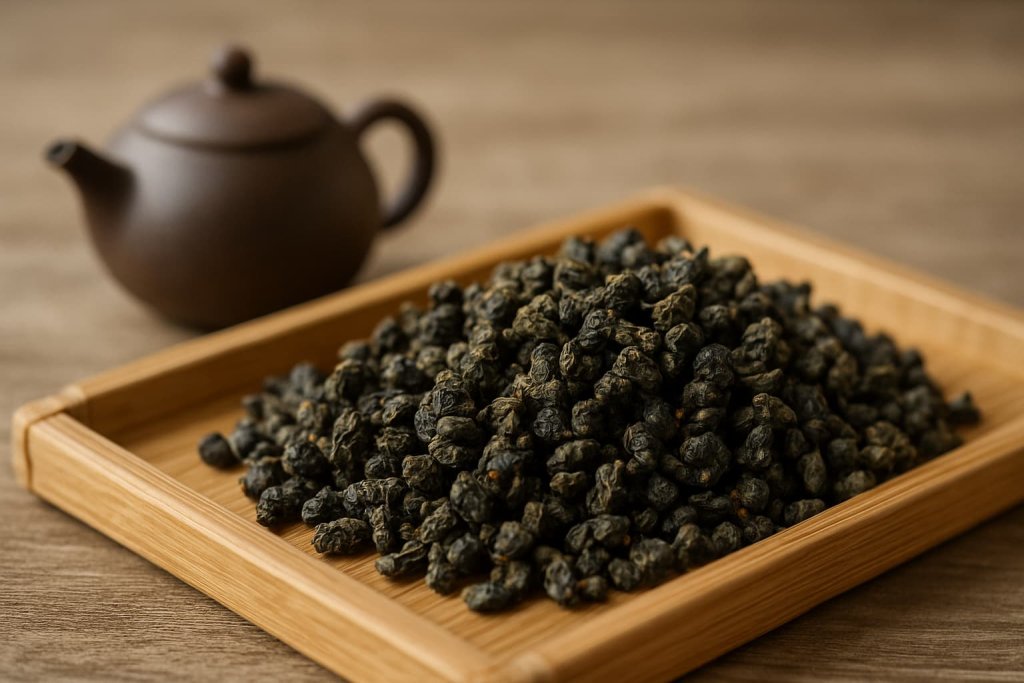
Oolong tea is a traditional tea made from the Camellia sinensis plant, the same plant used to produce green and black teas. What sets oolong apart is its partial fermentation, which gives it a unique balance of aroma, flavor, and wellness-supporting compounds. Research from the National Library of Medicine explains that varying oxidation levels in tea significantly influence polyphenol composition and overall antioxidant potential.
How It Is Made (Partial Fermentation)
Oolong tea is produced through a controlled series of steps including withering, bruising, partial oxidation, firing, and rolling. During oxidation, enzymes in the leaves react with oxygen, transforming catechins into more complex polyphenols. This places oolong tea between green tea (unoxidized) and black tea (fully oxidized).
The intermediate oxidation level affects not only flavor and color but also the types of bioactive compounds found in the final beverage.
Differences From Green and Black Tea
Although all three teas come from Camellia sinensis, their processing results in distinct chemical compositions:
- Green tea: Unoxidized; retains higher levels of catechins.
- Black tea: Fully oxidized; contains higher concentrations of theaflavins and thearubigins.
- Oolong tea: Partially oxidized; contains a blend of both catechins and fermentation-derived polyphenols.
According to the National Library of Medicine, these oxidation differences significantly influence antioxidant capacity, caffeine levels, and flavor characteristics.
Core Bioactive Compounds (Polyphenols, Caffeine, L-theanine)
Oolong tea contains several naturally occurring compounds that may support metabolic, cognitive, and antioxidant functions:
- Polyphenols: Including catechins, theaflavins, and unique polymerized polyphenols. These compounds are widely studied for their antioxidant activity, as documented by research from the National Institutes of Health.
- Caffeine: Provides mild stimulation and may support alertness and metabolic activity. According to the U.S. Food and Drug Administration, most healthy adults can safely consume up to about 400 mg of caffeine per day, although individual sensitivity, pregnancy, underlying health conditions, and certain medications may require lower limits under the guidance of a healthcare professional.
- L-theanine: An amino acid known for promoting calm focus. The National Center for Complementary and Integrative Health reports that L-theanine may support relaxation without causing drowsiness.
Together, these compounds create oolong tea’s distinctive nutritional profile and contribute to its potential wellness-supporting properties when enjoyed as part of a balanced lifestyle.
Key Health Benefits of Oolong Tea
1. Antioxidant Support

Oolong tea contains a diverse range of polyphenols—including catechins, theaflavins, and polymerized polyphenols—that may help support the body’s natural defense against oxidative stress. Research from the National Library of Medicine shows that tea polyphenols can help reduce free radical activity and support cellular protection.
Human and laboratory studies indicate that oolong tea consumption may increase antioxidant capacity in the bloodstream. These findings suggest that regularly consuming polyphenol-rich beverages may support overall cellular wellness, although results differ based on preparation, dosage, and study design.
2. Heart and Vascular Wellness
Oolong tea’s polyphenols may help support heart and vascular wellness by influencing blood flow, endothelial function, and lipid balance. According to the National Institutes of Health, tea intake has been associated with healthier markers of cardiovascular function in population studies.
Observational research—while not proving cause and effect—shows that people who regularly consume tea often exhibit more favorable blood pressure and lipid patterns. These findings highlight that oolong tea may support heart wellness when part of an overall balanced lifestyle.
3. Metabolic and Weight Management Support

The combination of caffeine and polyphenols in oolong tea may support metabolic activity. These compounds can influence thermogenesis and may help increase energy expenditure.
The National Institutes of Health Office of Dietary Supplements notes that caffeine-containing beverages can support fat oxidation and metabolic rate. Some small human studies suggest that oolong tea may temporarily increase calorie burning more than water or caffeine alone, pointing to a possible synergistic effect between its bioactive components.
These effects are supportive, not transformative, and should be understood as one part of an overall healthy lifestyle.
4. Blood Sugar and Insulin Support
Tea polyphenols may help support healthy carbohydrate metabolism. They can influence how the body processes glucose after meals and may support insulin sensitivity.
According to research from the National Library of Medicine, polyphenols can affect enzymes involved in carbohydrate breakdown and glucose absorption in early-stage studies. While initial findings are promising, more long-term clinical trials are needed. Oolong tea should not be viewed as a management tool for medical conditions but may complement balanced dietary habits.
5. Digestive and Gut Wellness

Oolong tea contains polyphenols that may support gut microbiota balance and digestive wellness. Research summarized by the National Institutes of Health indicates that dietary polyphenols can influence microbial diversity, gut barrier function, and overall digestive comfort.
Warm beverages like oolong tea may also help promote a soothing sensation after meals, supporting general digestive ease for some individuals.
6. Cognitive Support and Mental Alertness

Oolong tea naturally provides caffeine along with L-theanine, an amino acid linked to calm focus. This combination may support attention, alertness, and balanced energy without overstimulation.
The National Center for Complementary and Integrative Health notes that L-theanine may support relaxation without causing drowsiness. When paired with moderate caffeine, it may help promote cognitive clarity and functional focus. Oolong tea offers a gentler alternative to higher-caffeine beverages while supporting mental alertness.
Nutrition Profile of Oolong Tea
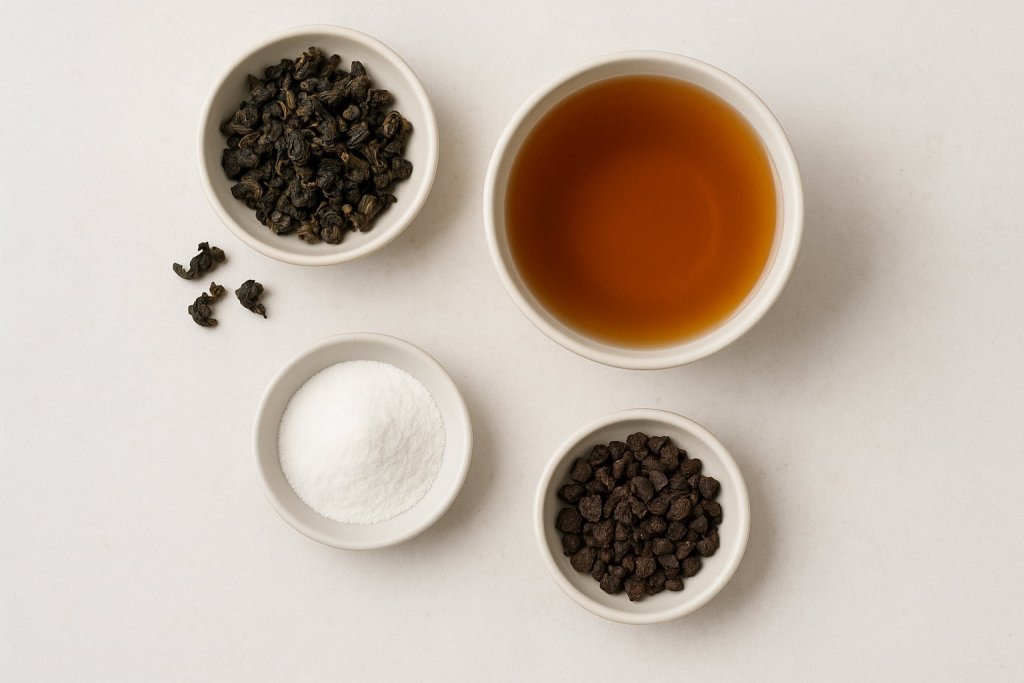
Oolong tea is naturally low in calories and provides a mix of polyphenols, amino acids, and minerals that may support overall wellness. Its nutritional characteristics vary slightly based on oxidation level and steeping time, but several components remain consistent.
Caloric Content
Unsweetened brewed oolong tea contains approximately 2–3 calories per 8-ounce cup. Because tea leaves contribute only trace nutrients when steeped, this beverage remains extremely low in energy.
(No authoritative link needed here.)
Caffeine Range
Oolong tea contains moderate caffeine, generally ranging from about 10–60 mg per 8-ounce cup, depending on leaf quality and steeping time. This makes it a lower-caffeine option than many brewed coffees while still supporting alertness and focus.
According to the U.S. Food and Drug Administration, most healthy adults can safely consume up to 400 mg of caffeine per day from all sources combined. Within this context, moderate servings of oolong tea can fit into typical caffeine guidelines for many adults, while individuals with higher sensitivity, underlying health conditions, or those who are pregnant or breastfeeding should follow personalized advice from a healthcare professional.
Key Phytonutrients and Amino Acids
Oolong tea is rich in naturally occurring compounds that may support various aspects of wellness:
- Polyphenols, including catechins and theaflavins, which are widely studied for their antioxidant activity. Research from the National Library of Medicine explains how tea polyphenols interact with oxidative processes in the body.
- L-theanine, an amino acid associated with calm, focused alertness. The National Center for Complementary and Integrative Health notes that L-theanine may promote relaxation without causing drowsiness.
- Naturally occurring minerals, such as small amounts of fluoride and manganese, which steep into the brewed tea.
- Caffeine and related alkaloids, which may support alertness and cognitive function.
These compounds collectively define oolong tea’s nutritional and functional profile, contributing to both its flavor complexity and its potential wellness-supporting qualities.
Recommended Intake and Daily Consumption

Typical Evidence-Based Intake Range
Most studies examining the wellness effects of tea—including oolong—use 2–4 cups per day, depending on steeping strength and caffeine tolerance. This range keeps total caffeine intake well within established safety guidelines for most adults.
According to the U.S. Food and Drug Administration, up to 400 mg of caffeine per day is considered safe for the majority of healthy adults. Since oolong tea generally contains 10–60 mg of caffeine per 8-ounce cup, moderate daily use typically remains within recommended limits.
Factors Influencing Ideal Intake (Caffeine Sensitivity, Steeping Strength)
Your ideal oolong tea intake depends on factors such as:
- Caffeine sensitivity: Individuals who are sensitive to caffeine may need lower amounts.
- Time of day: Drinking oolong late in the afternoon or evening may affect sleep due to its stimulant content.
- Steeping strength: Longer steep times increase caffeine and polyphenol extraction.
- Health status: People with specific medical conditions, those pregnant or breastfeeding, or individuals taking medications should consult a healthcare professional, as recommended by the American College of Obstetricians and Gynecologists for caffeine during pregnancy.
How to Brew Oolong Tea for Best Results
Ideal Water Temperature and Steeping Time
Oolong tea is best brewed using water between 185–205°F (85–96°C). Most varieties steep well within 3–5 minutes, though some high-quality rolled oolong teas may benefit from slightly longer steeping. Using water that is too hot or steeping for too long can increase bitterness.
Single vs. Multiple Infusions
Many premium oolong teas are designed for multiple infusions. Each steep releases different flavor notes and varying levels of polyphenols. Re-steeping leaves two or three times is common and may provide a smoother, more nuanced taste with each cup.
Ways to Enjoy Oolong Tea Without Reducing Its Natural Benefits
To preserve its natural wellness-supporting properties:
- Avoid adding large amounts of sugar or heavy cream.
- Use fresh, filtered water.
- Store tea leaves in an airtight container away from heat and light.
- Choose loose-leaf oolong for higher-quality, less-processed options.
Safety, Side Effects, and Who Should Be Cautious
Oolong tea is generally safe for most adults when consumed in moderation, but certain individuals may need additional caution.
Caffeine Considerations
Oolong tea contains moderate caffeine, which may contribute to jitteriness, rapid heart rate, or sleep disturbance in sensitive individuals. The U.S. Food and Drug Administration recommends staying within the 400 mg/day limit for healthy adults.
Medication Interactions
Caffeine may interact with certain medications, including stimulants, some antibiotics, and medications affecting heart rhythm. Individuals taking prescription medications should seek personalized guidance from a healthcare provider.
Pregnancy and Breastfeeding Guidance
Caffeine intake should be limited during pregnancy and breastfeeding. The American College of Obstetricians and Gynecologists recommends capping caffeine intake at 200 mg per day for pregnant individuals. Oolong tea can contribute to this total depending on steeping strength.
Populations Needing Caution
Individuals with the following concerns should be mindful of intake:
- Anxiety or panic sensitivity
- Gastroesophageal reflux (GERD) or stomach irritation
- Certain heart rhythm irregularities
- Difficulty sleeping or stimulant sensitivity
In these cases, lower intake or choosing lower-caffeine teas may be preferable.
Importance of Moderation
Moderation helps minimize caffeine-related side effects and ensures that oolong tea complements a balanced diet rather than replacing water or other essential fluids. Consistent, moderate consumption is also more sustainable for long-term wellness.
Frequently Asked Questions
Does oolong tea help with weight management?
Oolong tea may support metabolic activity and fat oxidation due to its caffeine and polyphenol content, as highlighted by research from the National Institutes of Health Office of Dietary Supplements. Effects are modest and should be viewed as supportive rather than primary weight strategies.
Is it safe to drink oolong tea every day?
Yes, many people enjoy oolong tea daily. Staying within recommended caffeine limits and monitoring sensitivity ensures safe daily consumption.
How much caffeine does oolong tea contain?
Most cups contain 10–60 mg per 8-ounce serving, influenced by leaf type and steeping time.
Does oolong tea support digestion?
Polyphenols may support healthy gut microbiota, according to research from the National Institutes of Health. Warm tea may also provide general digestive comfort.
Can people with medical conditions drink oolong tea?
Individuals with health conditions—especially those involving the heart, digestion, anxiety, pregnancy, or medication use—should consult a healthcare professional due to caffeine and potential interactions.
Conclusion
Oolong tea offers a balanced blend of polyphenols, amino acids, and moderate caffeine that may support antioxidant activity, metabolic wellness, digestive comfort, and cognitive focus. Its benefits are best experienced when enjoyed consistently, mindfully, and alongside an overall healthy lifestyle.
This content is for informational purposes only and not medical advice.