
Cranberry juice may help support urinary tract health, provide antioxidants, and contribute to overall wellness. It is rich in polyphenols, vitamin C, and unique A-type proanthocyanidins (PACs) that support several areas of health. Understanding these benefits helps you choose the right type of cranberry juice and use it safely as part of a balanced diet. This guide explains the top evidence-supported benefits, recommended intake, nutrition facts, cautions, and FAQs—using the latest research.
What Is Cranberry Juice? (Overview and Nutrition Profile)
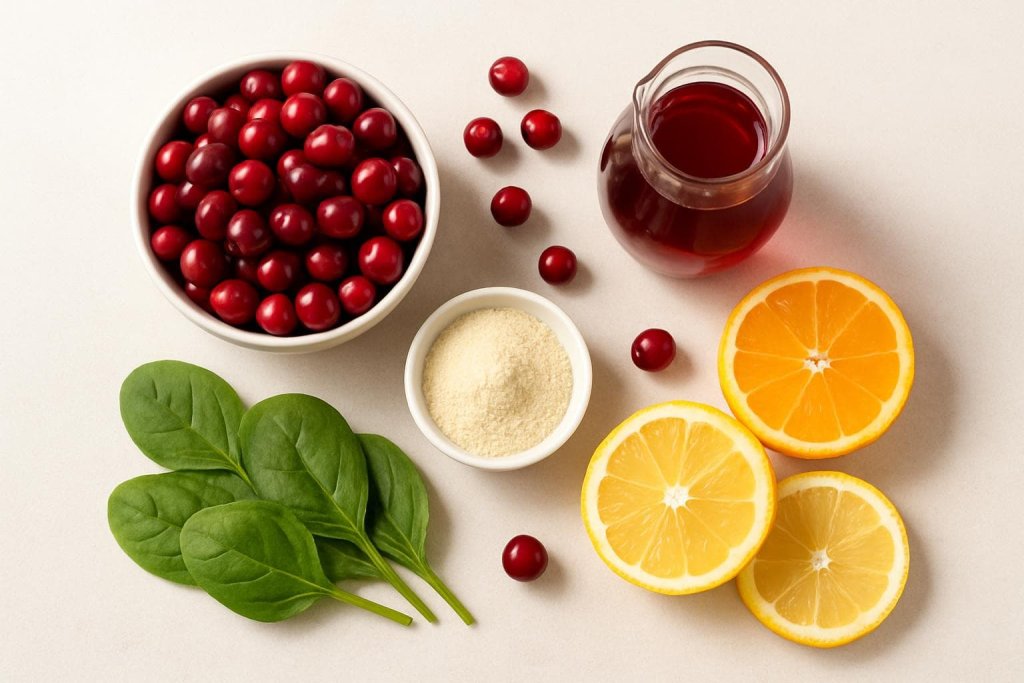
Cranberry juice is a beverage made from the fruit of the cranberry plant (Vaccinium macrocarpon), a berry naturally rich in antioxidants, vitamin C, and unique A-type proanthocyanidins (PACs). These compounds give cranberry juice its well-known benefits for urinary tract support, digestive wellness, and antioxidant protection. Most products on the market fall into two categories: 100% unsweetened cranberry juice and cranberry cocktail, which contains added sugars or sweeteners. For the strongest health benefits, research consistently focuses on unsweetened or PAC-standardized cranberry juice.
Nutrition Profile of Cranberry Juice
A standard 1-cup (240–250 mL) serving of unsweetened cranberry juice provides:
- Calories: ~116
- Carbohydrates: ~31 g (naturally occurring fruit sugars)
- Vitamin C: ~24 mg (around 26% Daily Value)
- Potassium: ~195 mg
- Polyphenols: anthocyanins, flavonols, and PACs
- Water content: ~87%
These values come from the U.S. Department of Agriculture’s FoodData Central, which maintains up-to-date nutrient profiles for whole foods and beverages. You can review the full nutrient breakdown here:
USDA FoodData Central – Cranberry Juice.
Cranberry juice is valued for being rich in antioxidants and providing hydration along with plant compounds that support multiple areas of health. While nutrient content varies slightly between brands, unsweetened varieties consistently offer the highest concentration of beneficial polyphenols and PACs.
10 Evidence-Based Health Benefits of Cranberry Juice (According to Research)
Cranberry juice is rich in unique antioxidants and naturally occurring plant compounds that support several aspects of health. Below are ten evidence-based benefits backed by clinical findings and nutritional analysis.
1. Supports Urinary Tract Health
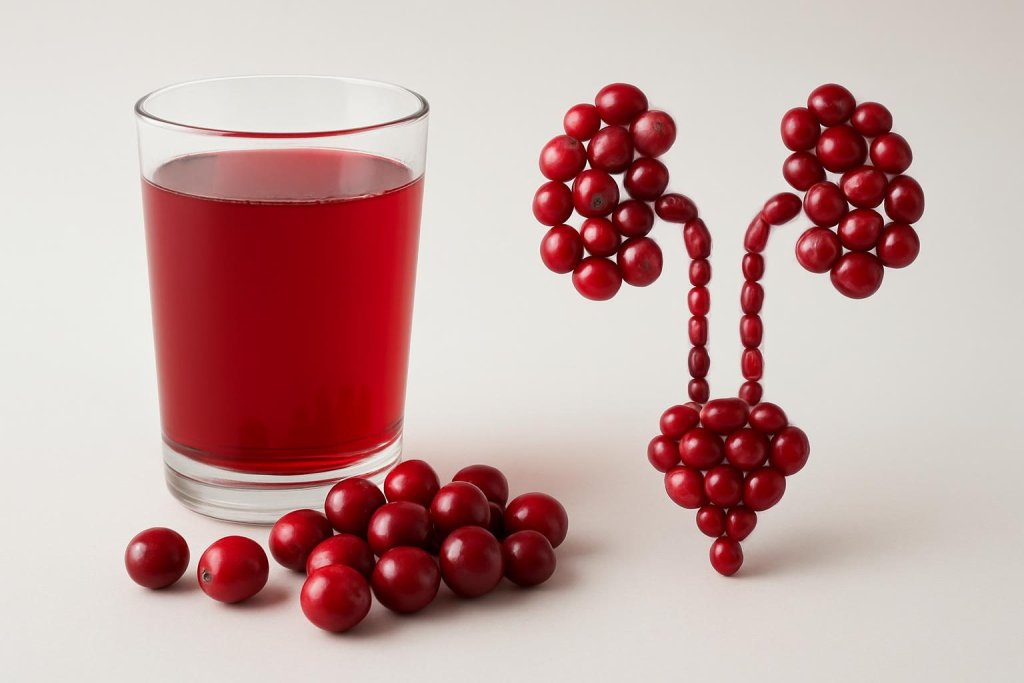
Cranberry juice is most widely recognized for supporting urinary tract health. Its A-type proanthocyanidins (PACs) may help reduce the risk of recurrent urinary tract infections (UTIs) by making it more difficult for E. coli and other bacteria to attach to the urinary tract lining. This anti-adhesion effect is most consistently seen in women with recurring UTIs, older adults, and other high-risk groups.
An updated evidence review from the Cochrane Collaboration found moderate-certainty evidence that cranberry products may help lower the incidence of symptomatic, culture-confirmed UTIs in women with recurrent infections, children, and people with procedure-related UTI risk. You can view the full summary at the Cochrane Library.
Important: Cranberry juice supports urinary tract wellness but does not replace medical evaluation or treatment for an active infection.
2. Provides Antioxidants That Support Cellular Health
Cranberries are rich in polyphenols—especially anthocyanins, flavonols, and PACs—which help neutralize oxidative stress. By reducing free-radical activity, these antioxidants support cellular integrity and long-term wellness.
You can learn more about cranberry polyphenols in the USDA-supported overview from USDA FoodData Central.
3. May Support Stomach and Gut Health
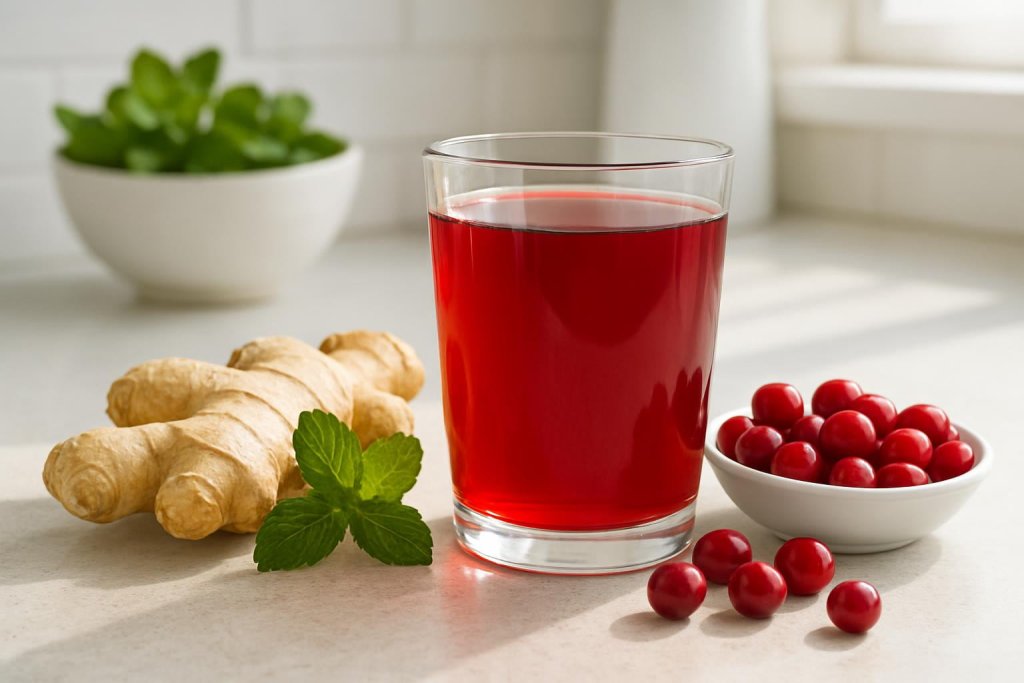
Some controlled studies show that PAC-rich cranberry juice may help suppress Helicobacter pylori—the bacterium associated with gastric discomfort and ulcer risk—by reducing its ability to adhere to the stomach lining. This anti-adhesion effect is similar to how cranberry compounds support urinary tract health. In addition, cranberry polyphenols may help promote a healthier gut environment by supporting beneficial bacteria and contributing to overall digestive balance.
For authoritative background on H. pylori–related stomach issues, the National Institute of Diabetes and Digestive and Kidney Diseases (NIDDK) provides a detailed overview of chronic gastritis and gastropathy, including how bacterial infections affect the stomach lining. You can review this resource here:
NIDDK – Gastritis & Gastropathy: Definition & Facts.
Reminder: Cranberry juice is not a treatment for H. pylori infections, but it may offer supportive digestive benefits when used alongside professional medical guidance.
4. Supports Heart and Blood Vessel Health
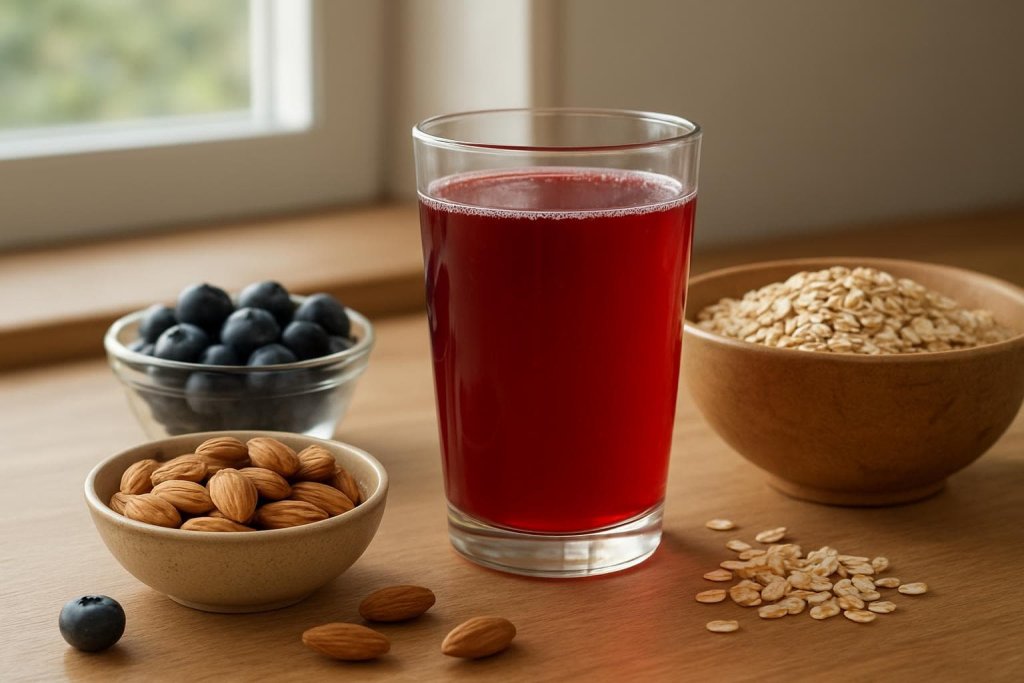
Cranberry juice contains antioxidants that may help support cardiovascular wellness. Research links consistent cranberry consumption with:
- Healthier blood pressure trends
- Improved LDL particle size
- Better triglyceride and CRP levels (in certain populations)
These findings align with dietary recommendations outlined by the American Heart Association, which emphasizes antioxidant-rich foods for heart health.
5. May Help Maintain Blood Sugar Balance in Some Individuals
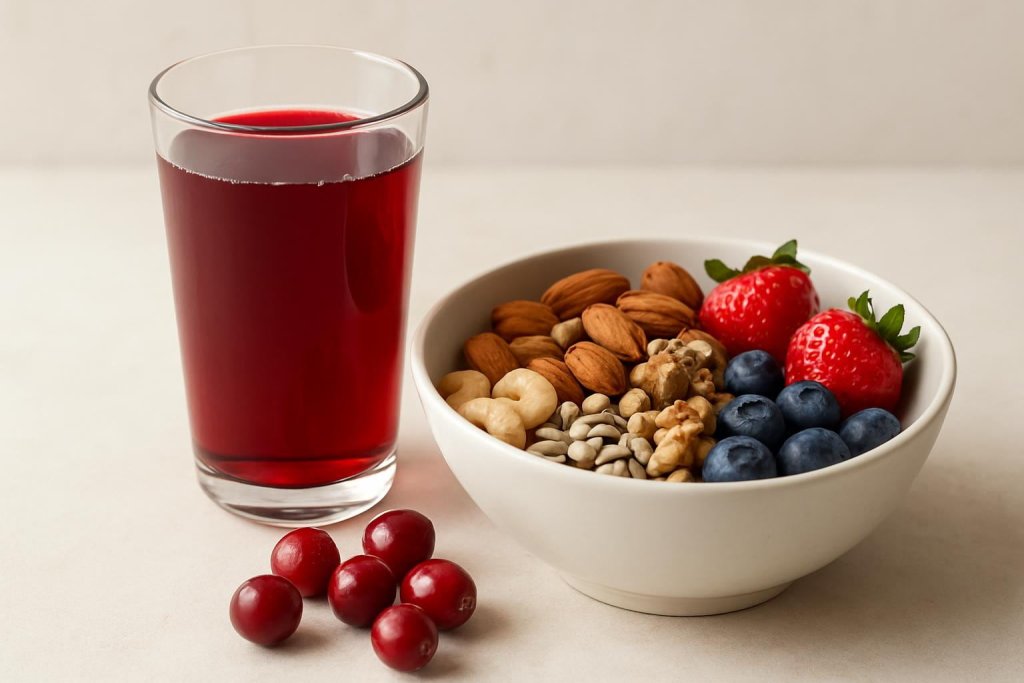
Some clinical trials suggest that cranberry juice—particularly unsweetened or low-calorie options—may help support healthy fasting glucose and lipid levels when paired with broader dietary and lifestyle improvements. These supportive effects tend to be more noticeable in individuals with higher cardiometabolic risk markers, such as elevated triglycerides or reduced insulin sensitivity.
Because cranberry juice naturally contains fruit sugars, people who monitor blood sugar should choose 100% unsweetened cranberry juice, keep servings moderate, and include it as part of an overall balanced eating pattern.
For authoritative guidance on reducing diabetes risk and maintaining healthy blood sugar levels, the CDC’s Preventing Type 2 Diabetes page provides evidence-based lifestyle recommendations:
CDC – Preventing Type 2 Diabetes.
6. Supports Immune Health
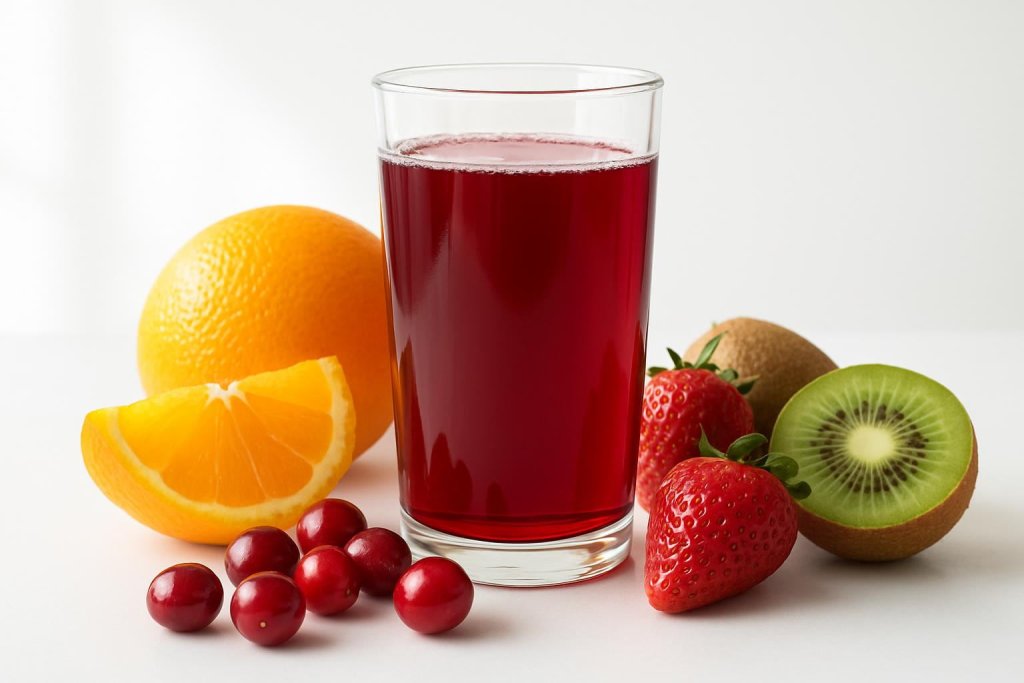
Cranberry juice provides vitamin C, an essential nutrient known to support normal immune system function. Polyphenols in cranberries further help reduce oxidative stress, reinforcing immune defense pathways.
A detailed overview of vitamin C’s role in immunity is available from the National Institutes of Health Office of Dietary Supplements.
7. May Support Oral Health
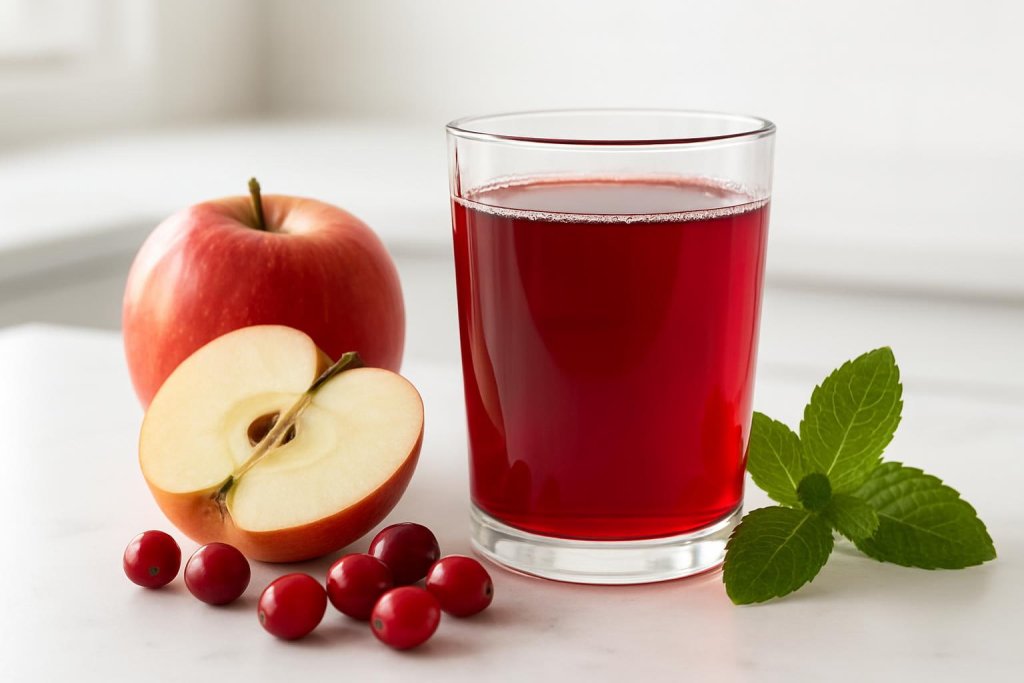
Cranberry polyphenols may help reduce the ability of harmful bacteria to adhere to teeth and gums. This anti-adhesion property supports oral hygiene and may reduce the accumulation of bacteria involved in plaque and gum-related concerns.
For general oral health recommendations, review the guidelines from the American Dental Association.
Tip: Choose unsweetened cranberry juice to avoid added sugars, which can negatively impact dental health.
8. Contributes to Hydration

Cranberry juice is approximately 87% water, making it naturally hydrating. Proper hydration supports:
- Kidney function
- Urinary output
- Digestive efficiency
- Overall metabolic processes
For expert hydration guidance, see the recommendations by the Mayo Clinic on daily water intake.
9. Provides Polyphenols That May Support Healthy Inflammation Levels
The polyphenols in cranberry juice have natural anti-inflammatory properties. Regular consumption may help support normal inflammatory responses, especially in individuals experiencing higher oxidative stress.
For more detailed information on dietary polyphenols and inflammation, consult Harvard T.H. Chan School of Public Health.
10. Offers Benefits for Specific High-Risk Groups
Studies suggest cranberry juice or PAC-standardized supplements may offer additional support for:
- Women with recurrent urinary concerns
- Individuals with higher cardiometabolic risk markers
- Older adults needing urinary tract or vascular support
These benefits depend on consistent intake and choosing high-quality cranberry products with adequate PAC levels (commonly 36 mg+ per day in research settings).
For general guidance on dietary choices for older adults, refer to resources from the National Institute on Aging.
Possible Side Effects and Precautions
Cranberry juice is generally safe for most people, but it’s important to understand possible side effects—especially for individuals with medical conditions or sensitivities.
Digestive Issues
Large amounts of cranberry juice may cause bloating, stomach discomfort, or mild diarrhea in some people. This is more common with high-volume intake or juice blends containing added sugars.
Natural Sugar Considerations
Even unsweetened cranberry juice contains naturally occurring sugars. Individuals with diabetes or insulin resistance should monitor portions carefully and prioritize 100% unsweetened varieties. For guidance on blood sugar management, see the CDC’s Diabetes Prevention recommendations.
Kidney Stone / Oxalate Caution
Cranberries naturally contain oxalates, which may contribute to the formation of calcium oxalate kidney stones in individuals who are already prone to them. While cranberry juice can be part of a balanced diet, people with a history of kidney stones should consume it in moderation and speak with their healthcare provider about appropriate intake.
Authoritative guidance from the National Institute of Diabetes and Digestive and Kidney Diseases (NIDDK) notes that individuals with calcium oxalate stones may need to monitor high-oxalate foods, maintain adequate hydration, and pair oxalate-containing foods with calcium-rich foods to reduce oxalate absorption. You can review detailed dietary recommendations here:
NIDDK – Eating, Diet & Nutrition for Kidney Stones.
Warfarin and Blood Thinner Interaction
There have been case reports suggesting that cranberry juice may influence the metabolism of warfarin (Coumadin), a commonly prescribed anticoagulant. While research findings are mixed and not consistently replicated in controlled studies, many clinicians still recommend caution, particularly for individuals who consume large amounts of cranberry juice or significantly change their intake. Sudden shifts in cranberry consumption may affect how the body processes warfarin, which could alter INR (International Normalized Ratio) levels and impact bleeding risk.
For authoritative information, the U.S. Food and Drug Administration (FDA) provides detailed safety guidance within the official warfarin prescribing information. You can review it here:
FDA – Warfarin (Coumadin) Prescribing Information.
Salicylate Sensitivity
Cranberries naturally contain salicylic acid–like compounds. People with aspirin allergy or salicylate sensitivity should use cranberry juice cautiously and monitor for reactions.
Who Should Use Caution
Cranberry juice should be consumed with awareness by:
- Pregnant individuals: High volumes may worsen nausea or reflux.
- People with diabetes: Must monitor natural sugars.
- Individuals with kidney stones: Due to oxalates.
- People on blood thinners: Possible interaction with warfarin.
How to Choose a High-Quality Cranberry Juice
Selecting the right cranberry juice ensures better nutritional value and more consistent wellness benefits.
Choose 100% Unsweetened Cranberry Juice
This type provides the highest concentration of PACs, antioxidants, and polyphenols without added sugars.
Look for PAC Content (36 mg or Higher)
PACs drive many of cranberry’s health benefits. Research often uses cranberry products delivering 36 mg+ PACs daily. Some labels list PAC content for transparency.
“Cranberry Cocktail” vs. Real Juice
- Cranberry cocktail = added sugar, lower cranberry concentration, reduced health benefits.
- 100% real cranberry juice = concentrated polyphenols and PACs.
Organic vs. Conventional
Organic cranberry juice may appeal to consumers seeking minimal pesticide exposure. Both can be healthy choices, but organic options often contain fewer additives.
Added Sugar Warnings
Check labels for added sugar, corn syrup, or artificial sweeteners, which can increase calorie load and reduce nutritional value.
Refer to USDA Dietary Guidelines for recommendations on sugar intake.
How Much Cranberry Juice Should You Drink?
Portion size matters when balancing benefits with sugar intake.
Evidence-Based Intake
Most clinical studies use 8–16 ounces (240–480 mL) per day of low-calorie or PAC-rich cranberry juice.
Consider PAC-Standardized Supplements
For those avoiding natural sugars, PAC-standardized cranberry supplements may offer benefits similar to juice without the added calories. Look for brands with verified PAC content.
Portion Control for Sugar-Sensitive Individuals
People monitoring blood sugar should:
- Stick to 4–8 oz at a time
- Choose unsweetened juice
- Pair juice with protein or fiber to slow absorption
How to Add Cranberry Juice to Your Diet
Practical ways to enjoy cranberry juice while supporting hydration and overall wellness.
Smoothies
Blend unsweetened cranberry juice with berries, spinach, Greek yogurt, or chia seeds for a nutrient-dense drink.
Spritzers
Mix 1 part cranberry juice + 2 parts sparkling water with lemon or mint for a low-sugar, refreshing spritzer.
Meal Pairing
Use small servings alongside meals rich in whole grains, lean proteins, or salads for antioxidant support.
Mocktails
Combine unsweetened cranberry juice with lime, ginger, or a splash of orange juice for a healthier mocktail.
Serving Tips
- Chill before serving
- Add herbs like rosemary or basil
- Freeze into ice cubes for flavored water
Frequently Asked Questions (FAQs)
1. Is cranberry juice good for daily use?
Yes, moderate intake of unsweetened cranberry juice may support several aspects of wellness, including urinary and antioxidant health.
2. Does cranberry juice support urinary tract health?
Research shows it may help reduce recurrent UTI risk by preventing bacterial adhesion, especially in high-risk groups.
3. Which cranberry juice is the healthiest?
100% unsweetened cranberry juice or PAC-standardized products provide the most research-backed benefits.
4. Is cranberry juice good for digestion?
It may support gut health by influencing bacterial balance, but it is not a treatment for digestive infections.
5. Can people with diabetes drink cranberry juice?
Yes, but they should choose unsweetened cranberry juice, watch portion sizes, and monitor blood sugar response.
6. Can cranberry juice cause kidney stones?
It contains oxalates, so people prone to calcium oxalate stones should consume it moderately.
7. Is cranberry juice safe during pregnancy?
Moderate intake is generally considered safe, but high amounts may worsen reflux or nausea. Always consult a healthcare provider.
Conclusion
Cranberry juice is rich in antioxidants, PACs, and essential nutrients that support urinary tract health, digestive balance, oral wellness, hydration, and more. Choosing unsweetened, high-quality cranberry juice and drinking it in moderation helps you enjoy these benefits safely. Individuals with diabetes, kidney stones, salicylate sensitivity, or those taking blood thinners should consult a healthcare provider before increasing intake.
This content is for informational purposes only and not medical advice.