
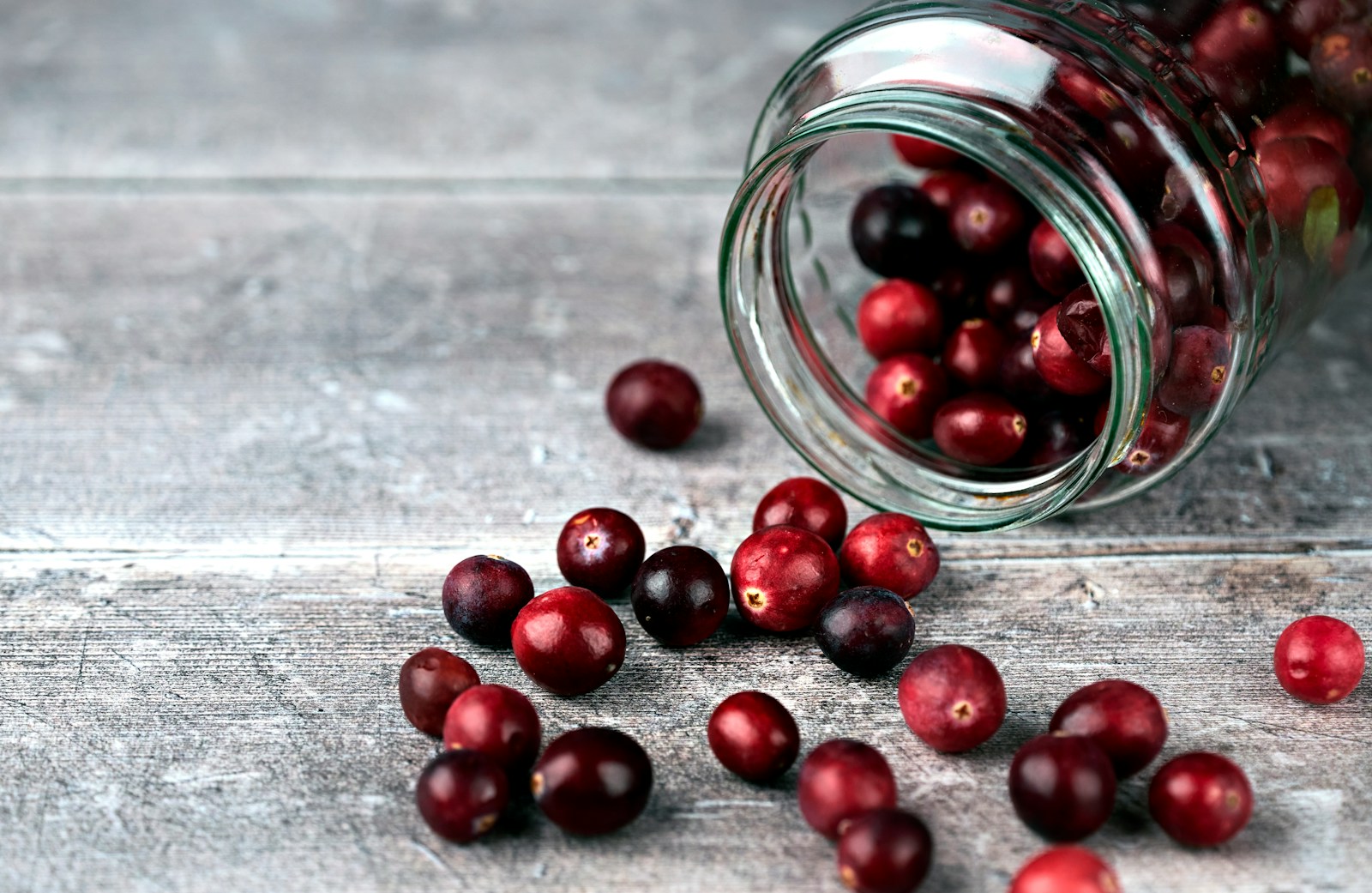
Cranberries may help support urinary tract, heart, and gut health thanks to their rich antioxidant and polyphenol content.
These small, tart red berries are more than a holiday staple—they’re nutrient-dense fruits backed by decades of research for their potential to support wellness and prevent certain infections. Understanding the health benefits of cranberries helps you include them wisely in your daily diet while avoiding sugar-heavy forms. Below, we explore 10 science-backed ways cranberries contribute to overall wellness.
What Are Cranberries? (Overview and Nutrition Profile)
Cranberries (Vaccinium macrocarpon) are small, tart red berries native to North America, known for their powerful antioxidants and unique plant compounds called A-type proanthocyanidins (PACs). These compounds are rarely found in other fruits and are linked to cranberry’s studied benefits for urinary, heart, and gut health.
They belong to the same family as blueberries and bilberries (Ericaceae) and are commonly consumed as fresh berries, 100% unsweetened juice, unsweetened dried fruit, or standardized extracts. Including cranberries regularly in the diet can provide valuable fiber, vitamins, and polyphenols that support overall wellness.
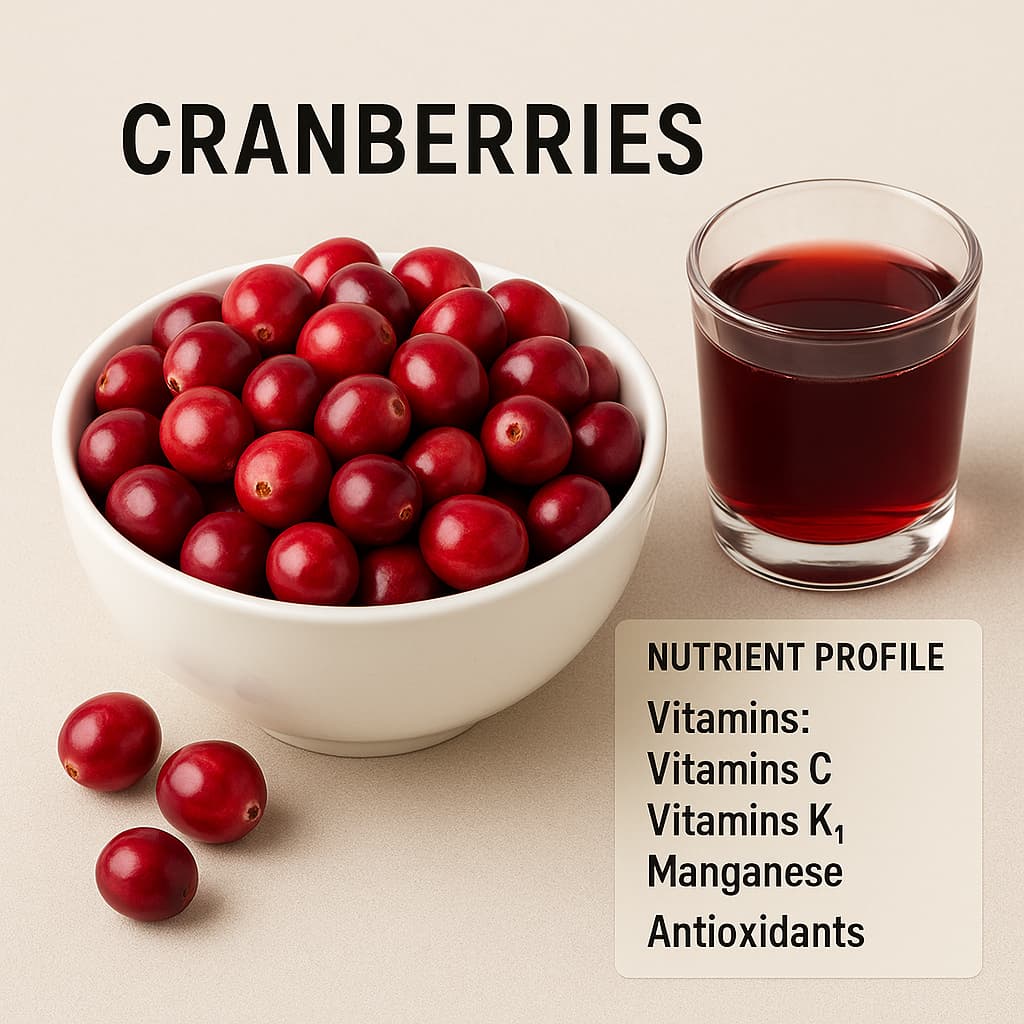
Nutritional Profile of Raw Cranberries (Per 100 g – USDA FoodData Central, 2024)
| Nutrient | Amount | % Daily Value (DV) |
|---|---|---|
| Calories | 46 kcal | — |
| Water | 87 % | — |
| Carbohydrates | 12.2 g | — |
| Fiber | 4.6 g | 16 % |
| Sugars | 4.0 g | — |
| Vitamin C | 14 mg | 16 % |
| Vitamin E | 1.3 mg | 9 % |
| Vitamin K1 | 5 µg | 4 % |
| Manganese | 0.4 mg | 18 % |
| Copper | 0.06 mg | 7 % |
Cranberries are low in calories and fat but high in fiber and antioxidants such as vitamin C, quercetin, anthocyanins, and PACs. These bioactives help reduce oxidative stress and may support immune defense, cardiovascular health, and cellular protection.
For the most current official data, see:
- USDA FoodData Central – Cranberries, Raw (FDC ID: 169912)
- Harvard T.H. Chan School of Public Health – Vegetables and Fruits: Nutrition Source
Key takeaway: Cranberries are a nutrient-dense, antioxidant-rich fruit that can support overall health when consumed in their natural, unsweetened forms as part of a balanced diet.
10 Proven Health Benefits of Cranberries (Backed by Science)
Cranberries are among the most researched fruits for their health-supportive properties. Packed with antioxidants, fiber, and phytonutrients, they contribute to urinary, cardiovascular, digestive, and immune wellness when consumed regularly as part of a balanced diet.
1. Supports Urinary Tract Health

Cranberries are widely recognized for their potential to support urinary tract health, particularly in reducing the risk of recurrent urinary tract infections (UTIs) in women.
The unique A-type proanthocyanidins (PACs) found in cranberries prevent harmful Escherichia coli bacteria from adhering to the urinary tract lining, reducing bacterial colonization. This anti-adhesion mechanism has been validated in numerous studies.
A 2023 review published in the Journal of Urology reported that cranberry products reduced the recurrence of UTIs in women by approximately 30%. Similarly, the National Center for Complementary and Integrative Health (NCCIH) notes that cranberry supplements may help prevent UTIs but are not substitutes for antibiotic treatment.
Consuming unsweetened cranberry juice, whole cranberries, or PAC-standardized supplements may be beneficial for those prone to recurrent UTIs.
2. Promotes Heart Health

Cranberries may support cardiovascular wellness by improving cholesterol balance and supporting healthy blood vessel function. Their flavonoids—especially quercetin and anthocyanins—help reduce oxidative stress and inflammation, which are underlying factors in heart disease.
A 2022 clinical trial published in Food & Function found that adults who consumed cranberry powder daily experienced significant improvements in HDL (“good”) cholesterol and endothelial function, both essential for heart health.
Flavonoids also help maintain arterial elasticity, reduce LDL oxidation, and support healthy blood pressure. For more information on the role of plant flavonoids in cardiovascular wellness, see Harvard T.H. Chan School of Public Health – Flavonoids and Heart Health.
3. Supports Digestive and Gut Health

Cranberries support digestive health through their natural fiber and powerful polyphenols, which act as prebiotic-like compounds that nourish beneficial bacteria while limiting harmful microbes such as H. pylori. These compounds may help maintain a balanced gut environment and support nutrient absorption.
A 2024 human study in NPJ Biofilms and Microbiomes found that cranberry extract increased levels of Bifidobacterium and boosted short-chain fatty acids (SCFAs) like butyrate, essential for gut lining integrity and digestive comfort (NCBI – PubMed Central). Similarly, a 2022 study in Frontiers in Immunology reported that cranberry polyphenols strengthen the intestinal barrier and reduce inflammation by modulating the gut microbiota (Frontiers in Immunology).
Including fresh or unsweetened dried cranberries, or adding them to smoothies and yogurt, provides fiber and antioxidants that may help promote a healthy microbiome and support long-term digestive wellness.
4. Provides Antioxidant and Anti-Inflammatory Support
Cranberries are rich in antioxidants such as vitamin C, quercetin, and anthocyanins, which help neutralize free radicals and reduce oxidative stress. These compounds protect lipids, proteins, and DNA from cellular damage.
A 2021 review in Molecules found that regular cranberry consumption increases antioxidant enzyme activity, which may support healthy aging and protect tissues from environmental stressors.
Vitamin C in cranberries also supports collagen formation and immune defense. For more detailed information, refer to the NIH Office of Dietary Supplements – Vitamin C Fact Sheet.
5. May Aid Blood Sugar Regulation
Emerging studies suggest that cranberries may help support healthy blood sugar levels and improve insulin sensitivity.
A 2022 randomized controlled trial in Advances in Nutrition found that participants who consumed low-sugar cranberry extract demonstrated improved fasting glucose compared to the control group. Researchers suggest cranberry polyphenols may slow carbohydrate absorption and reduce post-meal glucose spikes.
Cranberries are a low-glycemic fruit when unsweetened, making them a suitable addition to a balanced diet for individuals managing blood sugar.
6. Supports Immune Health
Cranberries are rich in vitamin C, vitamin E, and manganese, all of which are essential for immune function. These nutrients support white blood cell activity and help maintain antioxidant defenses that protect against oxidative stress.
A 2023 study published in Nutrients found that daily cranberry juice consumption enhanced immune response markers in older adults, suggesting potential benefits for immune resilience.
For more nutrient details, visit NIH ODS – Vitamin E Fact Sheet.
7. Promotes Oral and Dental Health
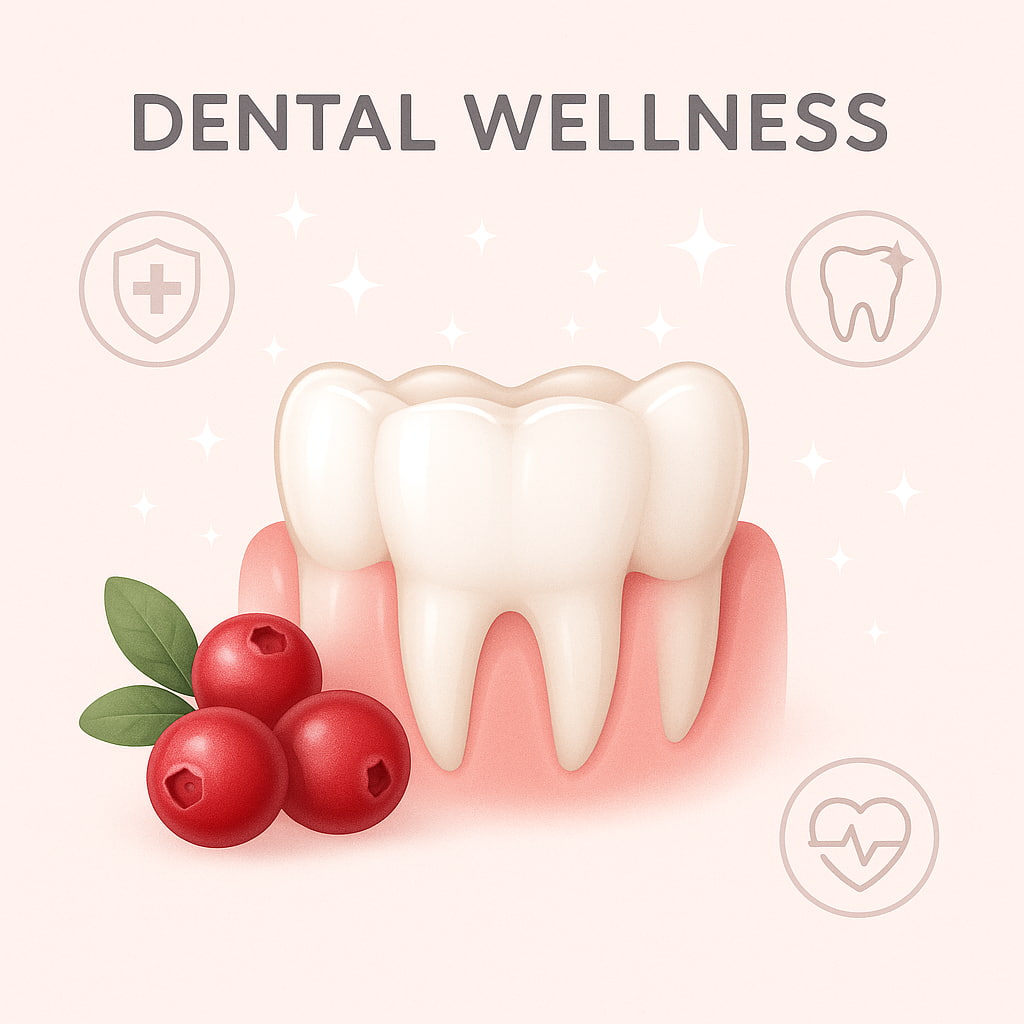
Cranberries contain natural compounds that may help reduce bacterial adhesion in the mouth, lowering the risk of plaque buildup and gum inflammation.
Research published in the Journal of Periodontal Research (2022) found that cranberry polyphenols inhibited Streptococcus mutans—a major contributor to cavities and plaque.
Including cranberries or rinsing with diluted cranberry juice (unsweetened) may help promote oral hygiene, though it should complement—not replace—regular brushing and flossing.
8. May Support Brain and Cognitive Function
Cranberries’ flavonoids may help support cognitive performance by enhancing blood flow to the brain and protecting neurons from oxidative damage.
A 2022 study in Frontiers in Aging Neuroscience showed that 12 weeks of cranberry supplementation improved memory and learning ability in older adults, along with measurable increases in brain perfusion.
Regular inclusion of cranberries in the diet may therefore contribute to long-term brain and cognitive wellness.
9. Promotes Skin and Cellular Health

Cranberries are a source of antioxidants that support skin barrier integrity and protect against environmental stressors such as UV radiation and pollution.
Vitamin C aids collagen synthesis, maintaining skin elasticity and firmness, while polyphenols may help even out skin tone and moisture levels.
For overall skin health, combine cranberry-rich foods with a nutrient-dense diet, hydration, and sun protection.
10. Supports Liver and Metabolic Health
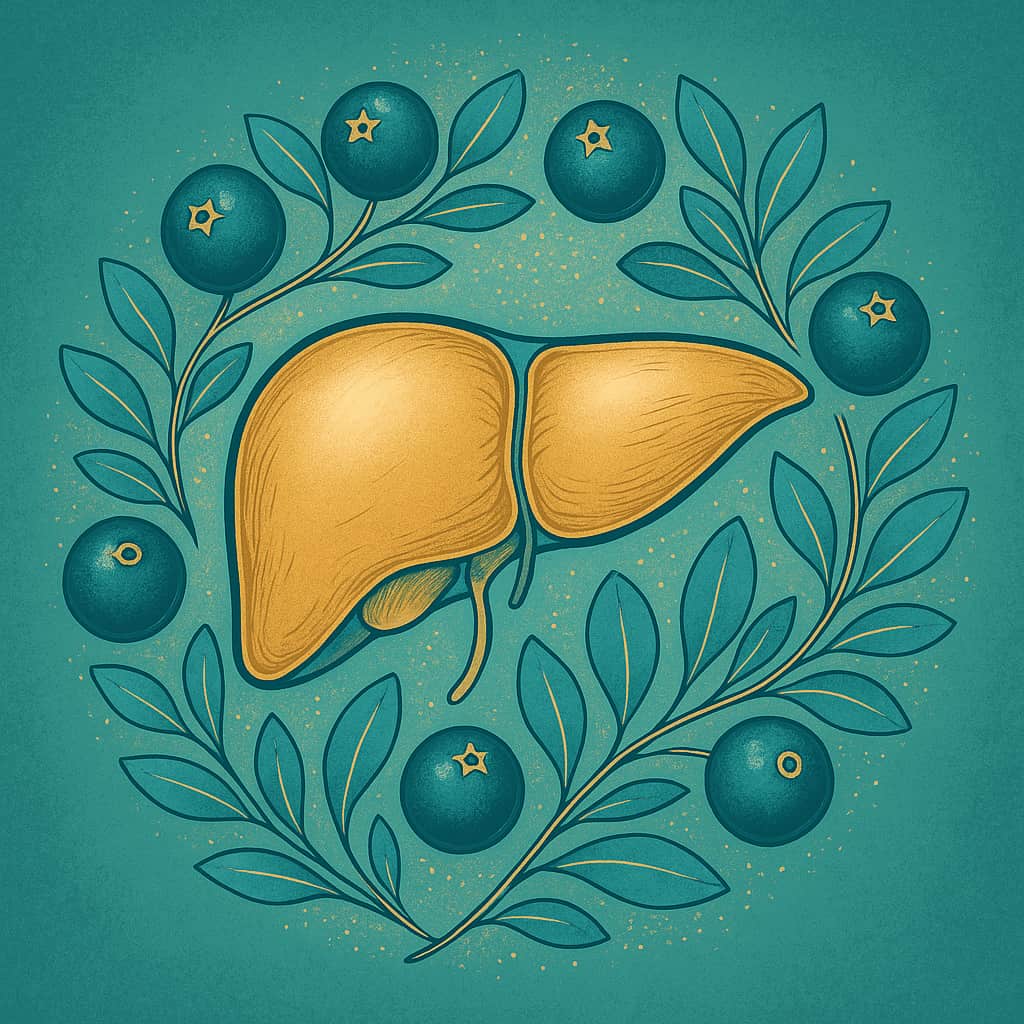
Animal and early human research suggests that cranberries may help support healthy liver function by regulating fat metabolism and reducing inflammation in the liver.
A 2023 review in Antioxidants found that cranberry polyphenols may help balance liver enzyme activity and improve lipid metabolism, showing promise in nonalcoholic fatty liver disease (NAFLD) management.
While human data are still emerging, including cranberries as part of a balanced, antioxidant-rich diet may help maintain overall metabolic wellness.
How to Eat Cranberries for Best Results
Cranberries are most beneficial when eaten in their natural, unsweetened forms to avoid excess sugar and retain polyphenol content.
Here’s how to include them safely and effectively:
- Fresh cranberries: Eat ½–1 cup daily (about 50–100 g) in smoothies, salads, or oatmeal for fiber and antioxidants.
- Unsweetened juice: Choose 100% cranberry juice and limit intake to 4–8 oz (120–240 ml) per day to avoid high natural acidity.
- Dried cranberries: Use 2 tbsp (≈25 g) of unsweetened dried berries as a snack or topping; avoid versions with added sugar or oil.
- Cranberry supplements: Select standardized PAC (proanthocyanidin) content—typically 36 mg PACs per day, as supported by urinary-tract studies. Consult a healthcare professional before long-term use.
For a nutrient comparison of juices and fruits, see USDA FoodData Central.
Possible Side Effects and Precautions
Cranberries are safe for most healthy adults when eaten in food amounts, but some considerations are important:
- Medication interactions: Large amounts of cranberry juice or supplements may interact with warfarin and other blood-thinning medications, potentially altering clotting time. The National Institutes of Health – NCCIH advises monitoring use under medical supervision.
- Kidney stones: Cranberries contain oxalates, which may raise urinary oxalate levels in individuals prone to kidney stones. Stay within moderate portions and drink plenty of water.
- Diabetes and calorie control: Many commercial cranberry products contain added sugars. Always choose unsweetened or low-sugar options and check the Nutrition Facts label.
- Pregnancy and children: Cranberries in food amounts are considered safe, but high-dose extracts or supplements should be discussed with a healthcare provider.
- Digestive sensitivity: Excess intake may cause mild stomach upset due to acidity. Consume with meals if sensitive.
For safe supplement use, refer to the NIH Office of Dietary Supplements.
Recommended Storage and Food Safety Tips
Proper storage and handling are essential to maintain the freshness, nutritional quality, and safety of cranberries. Following current guidance from the U.S. Food and Drug Administration (FDA), the U.S. Department of Agriculture (USDA), and FoodSafety.gov helps prevent spoilage, mold growth, and nutrient loss while ensuring your cranberries remain safe to eat.
- Fresh cranberries: Store unwashed cranberries in the refrigerator at 40 °F (4 °C) or below in a breathable bag or covered container. Rinse only before eating or cooking, as moisture can cause mold. Properly stored, fresh cranberries stay good for up to 3–4 weeks.
→ Reference: FDA – Selecting and Serving Produce Safely - Frozen cranberries: Place cranberries in airtight, freezer-safe bags or containers and store at 0 °F (–18 °C) or below. For optimal taste and texture, use within 8–12 months. Foods kept continuously frozen at 0 °F remain safe indefinitely, though quality may decline over time.
→ Reference: FoodSafety.gov – Cold Food Storage Chart - Dried cranberries: Store in a cool, dark, and dry pantry in sealed packaging. After opening, reseal tightly or refrigerate to extend freshness and flavor for several additional months.
- Food safety practices: Always rinse fresh or thawed cranberries under clean running water before eating or cooking. Keep them separate from raw meat, poultry, or seafood to avoid cross-contamination. Maintain refrigerator temperatures at ≤ 40 °F (4 °C) for optimal safety.
→ Reference: USDA – Produce Safety and Storage Guidelines
By following these official recommendations—controlling temperature, reducing moisture, and practicing clean handling—you’ll help preserve cranberries’ natural flavor, texture, and nutritional value while ensuring safe consumption year-round.
Frequently Asked Questions (FAQ)
1. How many cranberries should I eat daily?
About ½–1 cup of fresh cranberries or 4–8 oz of 100% juice daily supports general wellness.
2. Can cranberry juice prevent UTIs?
Cranberry juice may help reduce recurrence risk but does not treat active infections. For persistent UTIs, consult a doctor.
3. Are dried cranberries healthy?
Yes—when unsweetened or lightly sweetened. They retain fiber and antioxidants but should be eaten in moderation.
4. Can people with diabetes drink cranberry juice?
Yes, but only unsweetened or low-sugar juice in small portions, since sweetened varieties can spike blood sugar.
5. Are cranberry supplements safe for daily use?
Generally safe for most adults when taken at standard doses (≈36 mg PACs/day). Discuss with your healthcare provider before combining with medications.
6. Can men benefit from cranberries?
Yes. Cranberries may support urinary and prostate health due to their anti-adhesive and antioxidant properties.
7. Are cranberries safe during pregnancy?
Cranberries in food form are safe, but avoid concentrated supplements unless approved by your doctor.
Conclusion
Cranberries are a nutrient-dense, antioxidant-rich fruit that may support urinary tract, heart, digestive, immune, and overall wellness. Choosing unsweetened, natural forms—and consuming them in moderation—provides the greatest health benefit without excess sugar or side effects.
Incorporate cranberries into your daily meals—add them to oatmeal, salads, smoothies, or snacks—for a flavorful and evidence-based way to enhance long-term health.
This content is for informational purposes only and not medical advice.