
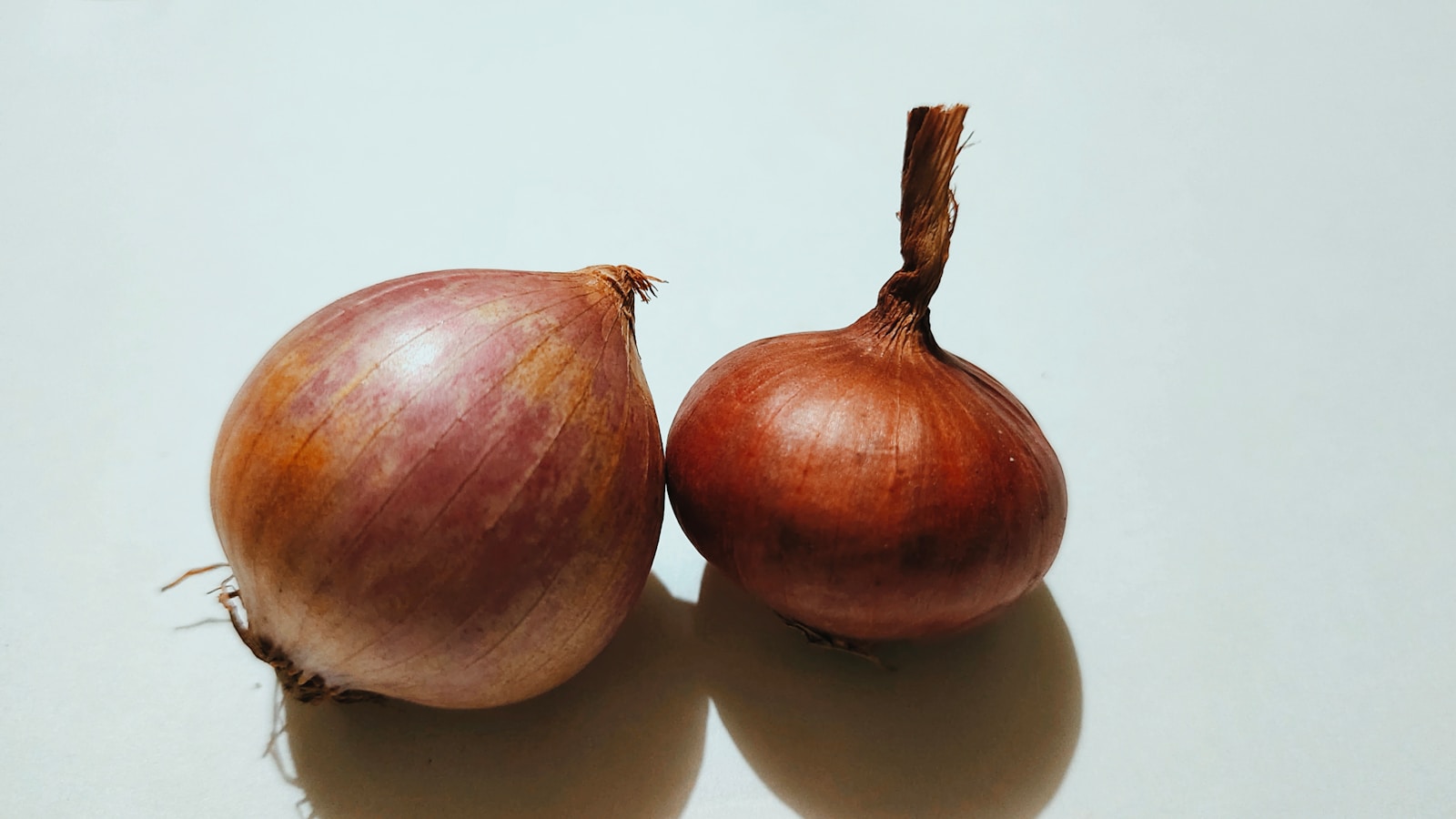
Onions may help support heart, gut, and immune health thanks to their rich antioxidant and nutrient profile.
This humble kitchen staple is more than just a flavor enhancer — it’s a powerhouse of vitamins, minerals, and phytonutrients. Understanding how onions contribute to overall wellness can help you make smarter dietary choices. From cardiovascular and digestive support to immune resilience, onions play a versatile role in a balanced diet.
According to the U.S. Department of Agriculture (USDA FoodData Central), onions are low in calories yet packed with beneficial compounds like quercetin, sulfur compounds, and vitamin C, all linked to better metabolic and immune function.
What Are Onions?
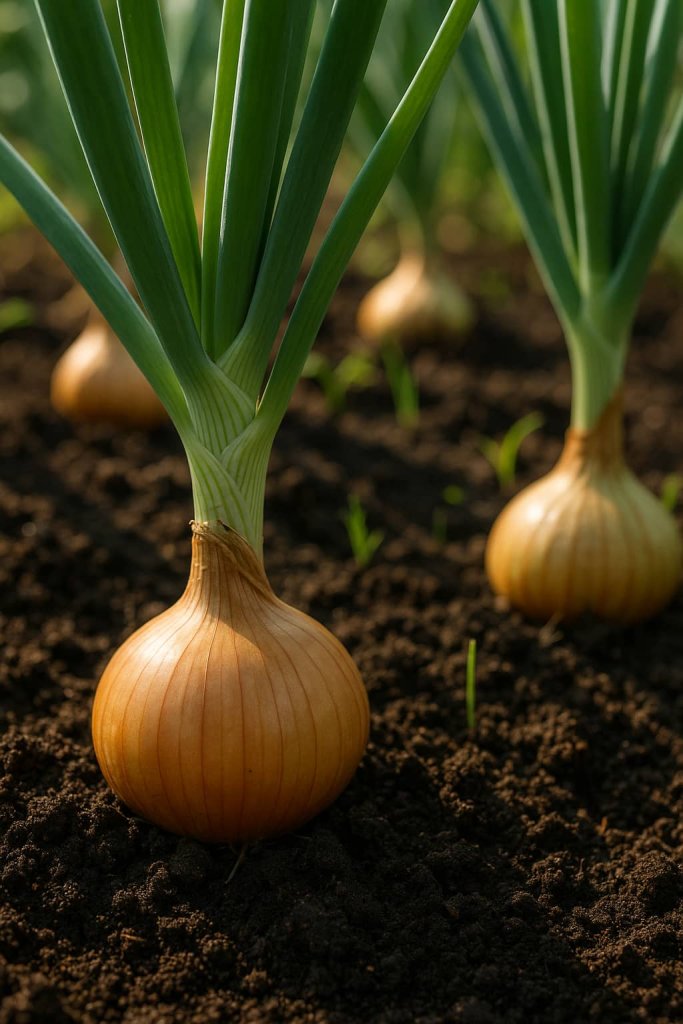
Onions (Allium cepa) are bulb vegetables widely used for both culinary and health purposes across the globe.
They belong to the Allium family — the same plant group as garlic, shallots, leeks, and chives — and are valued not only for their distinct flavor but also for their nutritional and bioactive compounds.
Onions have been cultivated for over 5,000 years, featuring prominently in Mediterranean, Asian, and Middle Eastern diets. They’re a staple ingredient in soups, salads, sauces, and stir-fries, used both raw and cooked. Their characteristic aroma and taste arise from sulfur-containing compounds, which also contribute to many of their potential health benefits.
Varieties of Onions
- Red Onions – Rich in anthocyanins and flavonoids, red onions offer the highest antioxidant content and are often eaten raw in salads.
- Yellow Onions – The most common cooking variety, known for their balance of sweetness and pungency; excellent for caramelizing.
- White Onions – Milder and crisper, often used in salsas, sandwiches, and fresh dishes.
- Sweet Onions (e.g., Vidalia, Walla Walla) – Low in sulfur and higher in natural sugars, suitable for grilling and roasting.
From a scientific standpoint, onions are recognized for their phytochemical diversity — particularly flavonoids (like quercetin), organosulfur compounds, and fructooligosaccharides (FOS) — all of which play roles in antioxidant defense, immune function, and metabolic health.
According to the National Library of Medicine, ongoing research highlights how these compounds contribute to gut health, cardiovascular support, and cellular protection.
Nutritional Profile of Onions

Onions are low in calories but rich in essential nutrients and phytonutrients that contribute to overall wellness.
Their unique combination of vitamin C, fiber, potassium, and plant antioxidants makes them a heart-healthy, immune-supportive food choice suitable for most diets.
Nutrient Breakdown (per 100 g raw onion)
| Nutrient | Amount | % Daily Value (DV) | Health Significance |
|---|---|---|---|
| Calories | 40 kcal | — | Low-energy food suitable for weight management |
| Carbohydrates | 9.3 g | — | Provides natural energy |
| Dietary Fiber | 1.7 g | 6% | Supports gut health and digestion |
| Vitamin C | 7.4 mg | 8% | Antioxidant that supports immunity and collagen synthesis |
| Folate (B9) | 19 µg | 5% | Aids in cell formation and maternal health |
| Potassium | 146 mg | 4% | Helps regulate blood pressure and nerve function |
| Calcium | 23 mg | 2% | Supports bone and muscle health |
| Iron | 0.2 mg | 1% | Contributes to red blood cell production |
| Sulfur Compounds & Quercetin | — | — | Provide antioxidant and anti-inflammatory support |
Source: USDA FoodData Central – Onion, Raw (2025)
Why These Nutrients Matter
- Vitamin C boosts immune defense and collagen formation, supporting skin and vascular health.
- Dietary fiber and inulin promote beneficial gut bacteria, improving digestion and nutrient absorption.
- Potassium helps balance sodium levels, supporting healthy blood pressure.
- Quercetin and sulfur compounds provide antioxidant protection and may help regulate inflammation.
A 2024 review in Molecules Journal emphasized that onions’ flavonoid and sulfur profiles play a significant role in protecting cells from oxidative stress and promoting metabolic balance.
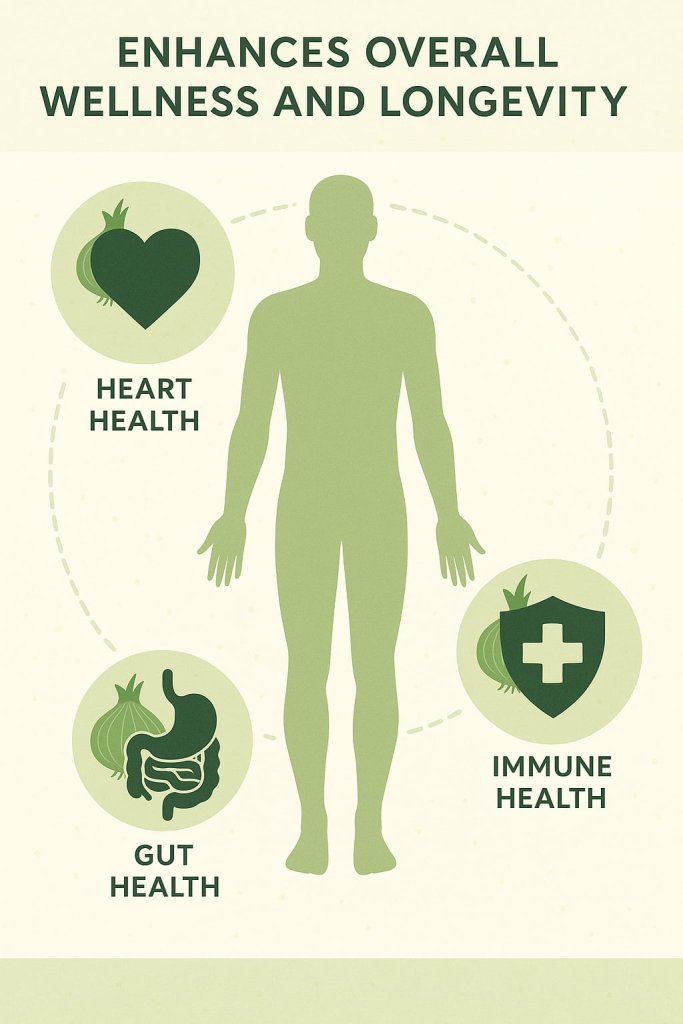
10 Proven Health Benefits of Onions (Backed by Science)
Onions are more than a kitchen staple — they’re a nutrient-dense food that may support heart, gut, immune, and metabolic wellness. Backed by scientific research, these benefits reflect the power of antioxidants and sulfur compounds found in this everyday vegetable.
1. Supports Heart Health
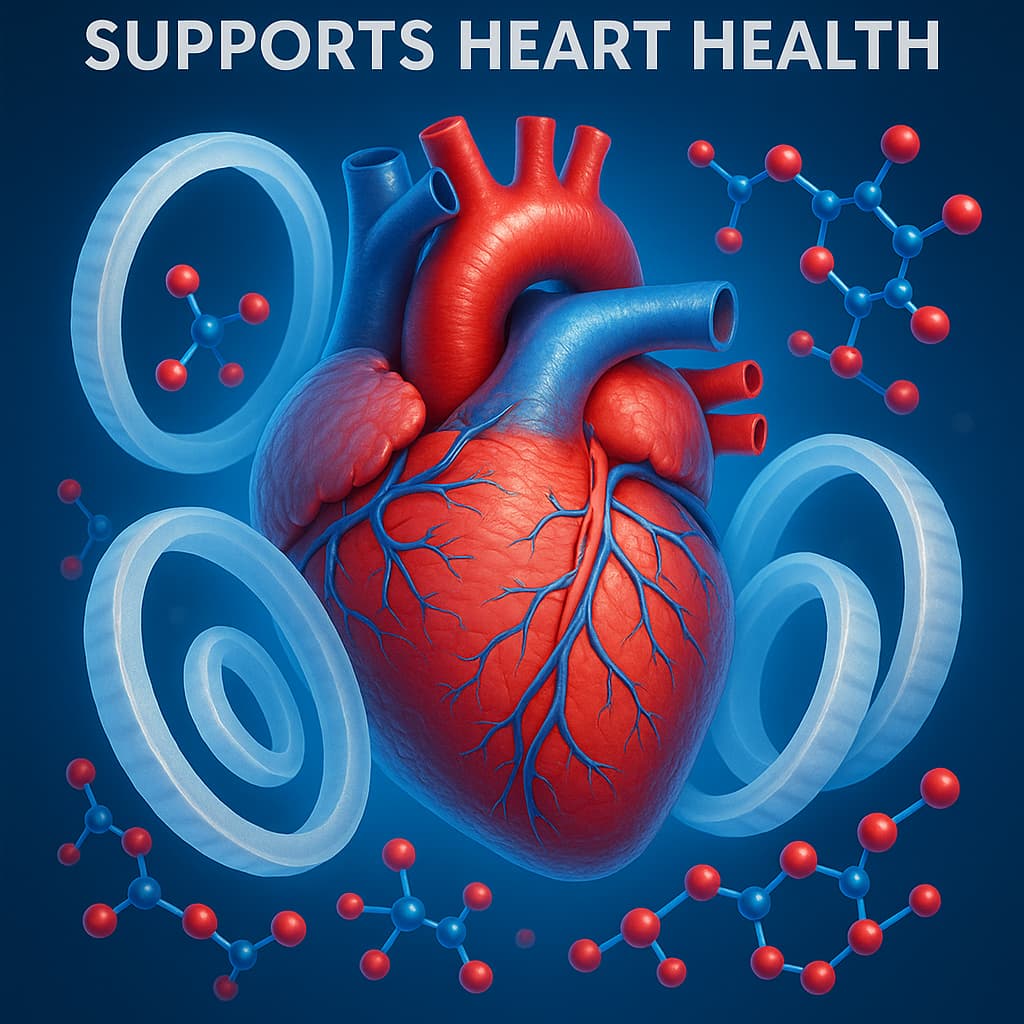
Onions contain quercetin, a flavonoid antioxidant known for its role in promoting cardiovascular function. Studies show that quercetin may help support healthy blood pressure and cholesterol levels by reducing oxidative stress and improving vascular flexibility.
A 2021 review published in Frontiers in Nutrition concluded that onion and allium vegetable intake was associated with improved lipid profiles and reduced oxidative damage — both essential for long-term heart wellness.
Additionally, onions are sodium-free and naturally low in saturated fat, aligning with American Heart Association dietary recommendations for heart-healthy eating.
2. Promotes Digestive and Gut Health
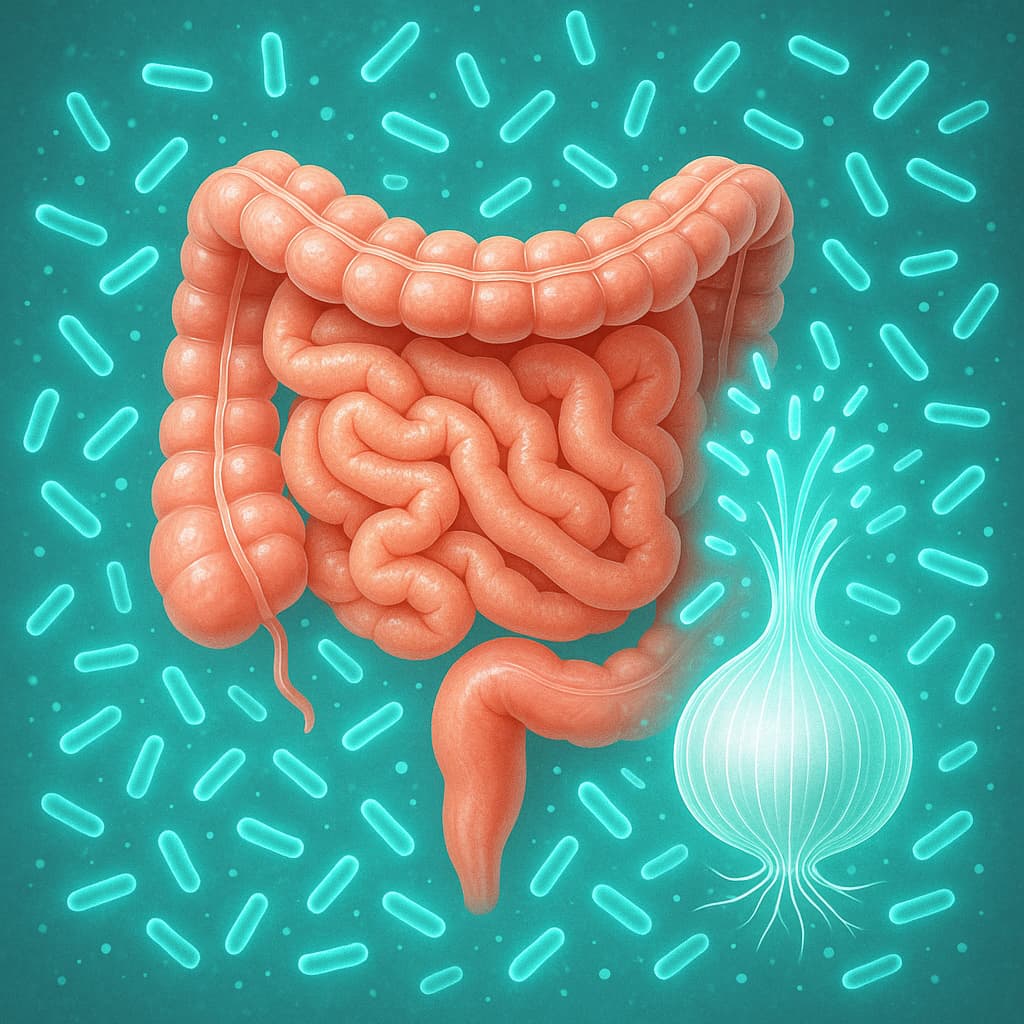
Onions are rich in inulin and fructooligosaccharides (FOS) — natural prebiotic fibers that nourish beneficial gut bacteria. These fibers help promote the growth of Bifidobacteria and Lactobacilli, which play vital roles in digestion and immune balance.
A 2025 study indexed in PubMed found that onion extracts enhanced short-chain fatty acid production in the gut, improving microbial composition and intestinal barrier function.
Regularly including onions in meals may therefore support smoother digestion, nutrient absorption, and a balanced gut microbiome.
3. Boosts Immune Function

Onions are naturally high in vitamin C and quercetin, both of which support immune resilience.
According to the National Library of Medicine, quercetin exhibits antioxidant and anti-inflammatory actions that may enhance the immune system’s ability to respond to stressors. Vitamin C contributes to the production of white blood cells, aiding the body’s defense against pathogens.
Together, these compounds make onions a valuable addition to diets aiming to strengthen everyday immunity.
4. May Help Regulate Blood Sugar
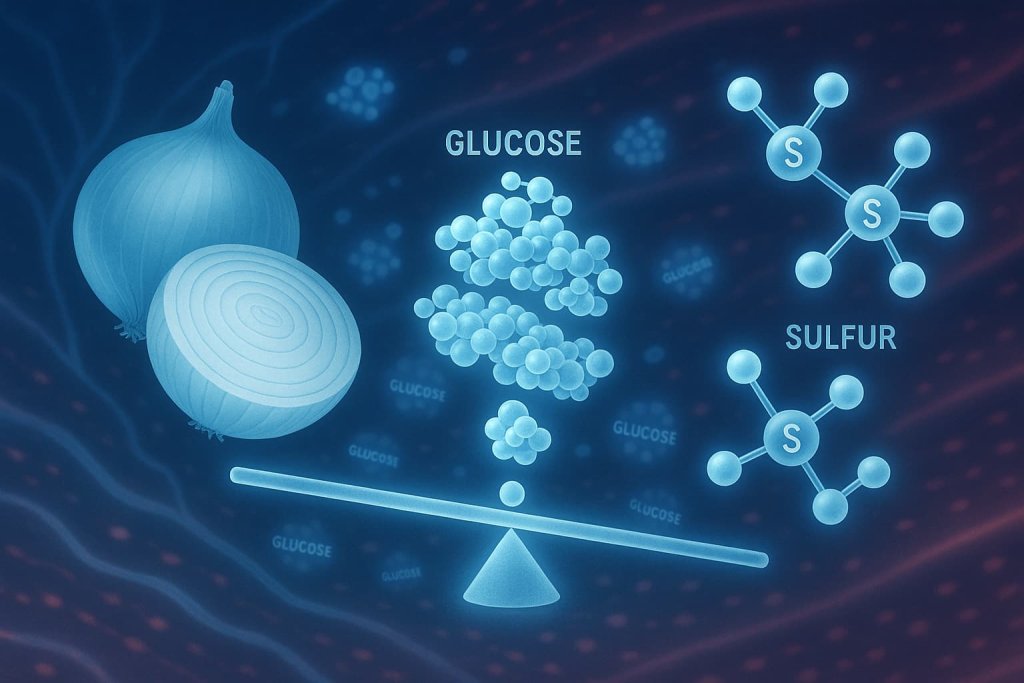
Sulfur compounds and flavonoids in onions may play a role in supporting healthy glucose metabolism.
Research published in the Journal of Nutritional Biochemistry demonstrated that onion extracts improved fasting glucose levels and insulin sensitivity in laboratory models.
While more human trials are needed, incorporating onions into a balanced diet rich in fiber and whole foods may help maintain stable blood sugar levels, particularly for individuals monitoring carbohydrate intake.
5. Supports Bone Strength
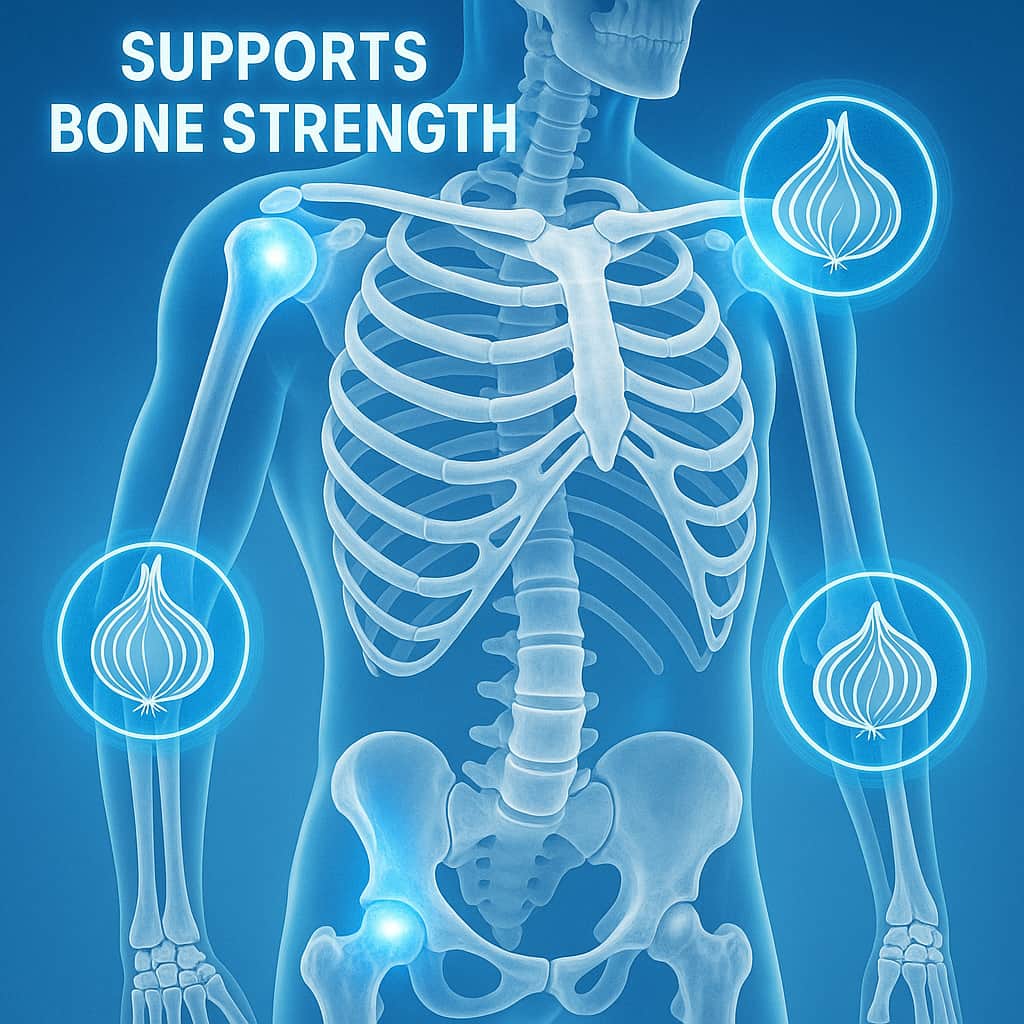
Regular onion consumption has been linked to higher bone mineral density and a reduced risk of fractures, particularly among older adults.
A large population study found that women who ate onions daily had up to a 20% lower risk of hip fracture compared with those who rarely consumed them.
Flavonoids and sulfur compounds in onions may help reduce bone resorption (breakdown) and support collagen formation — vital processes for maintaining strong bones.
For additional guidance, refer to National Institutes of Health: Bone Health and Nutrition.
6. Provides Antioxidant and Anti-Inflammatory Support
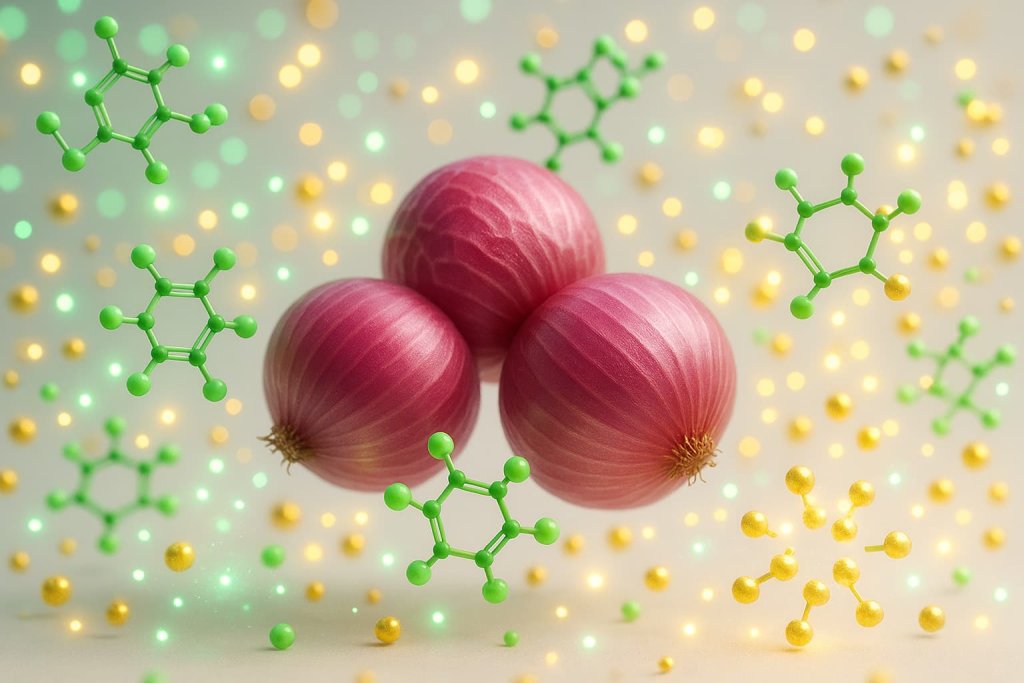
Onions are among the richest sources of flavonoid antioxidants, including quercetin, kaempferol, and anthocyanins (especially in red onions).
A 2024 analysis in Molecules Journal confirmed that red onion varieties exhibit strong antioxidant and anti-inflammatory capacities that may help protect cells from oxidative damage.
These antioxidants work synergistically to combat free radicals, support vascular health, and reduce chronic inflammation.
7. May Support Weight Management
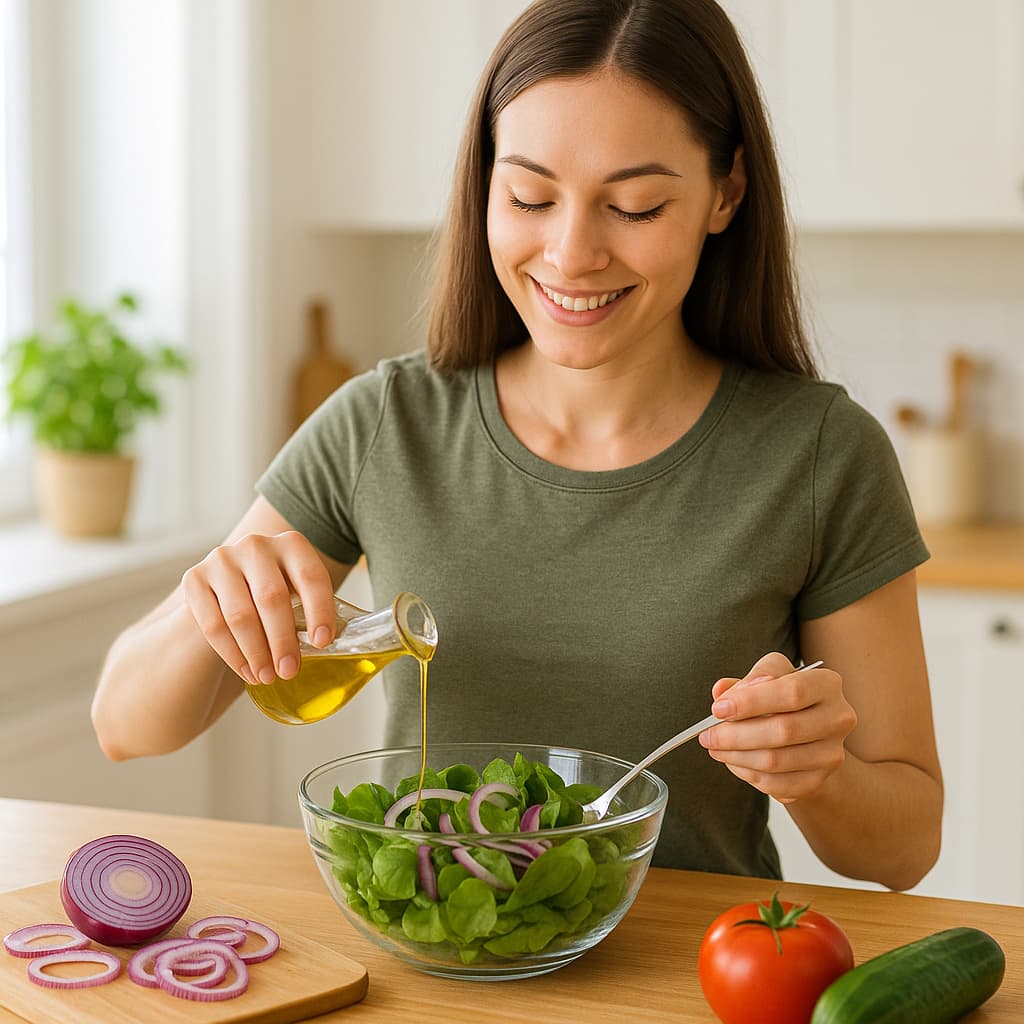
With only about 40 calories per 100 grams, onions are low in energy but high in fiber, making them ideal for weight-conscious meal plans.
Emerging research indicates that quercetin and onion peel extract may influence fat metabolism and reduce oxidative stress associated with obesity.
A review published in Frontiers in Nutrition suggests that onion bioactives may help improve lipid metabolism and prevent excess fat accumulation when combined with regular exercise and a balanced diet.
8. Promotes Healthy Skin and Hair
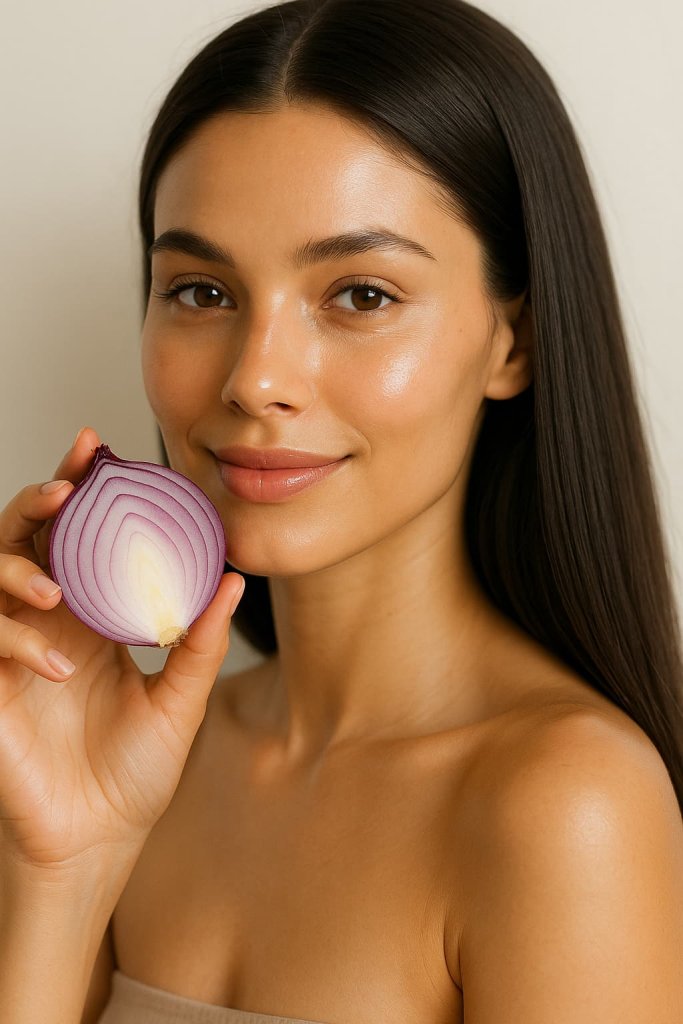
Onions provide vitamin C for collagen synthesis and sulfur compounds that support the formation of keratin — the protein responsible for strong hair and skin.
The Harvard T.H. Chan School of Public Health highlights vitamin C’s role in maintaining connective tissue integrity and wound healing.
Including onions regularly in your diet may therefore support skin elasticity, hydration, and hair strength by promoting antioxidant protection and structural protein health.
9. May Support Cancer-Protective Mechanisms
Epidemiological studies reviewed by the Cleveland Clinic suggest that people who consume higher amounts of allium vegetables — such as onions, garlic, and leeks — may have a reduced risk of certain cancers, including stomach and colorectal cancers.
These protective effects may stem from organosulfur compounds that enhance detoxification enzymes, reduce DNA damage, and suppress tumor-promoting pathways.
While ongoing research continues to explore these mechanisms, onions remain a nutritious, antioxidant-rich food that supports overall cellular health.
10. Enhances Overall Wellness and Longevity
Onions combine antioxidants, prebiotic fibers, and essential nutrients that work together to support multiple aspects of health — from heart and bone strength to immune balance.
A 2024 global report from ScienceDirect highlighted that regular onion intake may contribute to improved metabolic regulation and longevity when included in a nutrient-dense diet.
Their versatility in everyday cooking — raw, roasted, or sautéed — makes them an easy, flavorful way to enhance long-term wellness.
How to Eat Onions for Maximum Benefits
Enjoying onions in various ways can help maximize their nutritional and antioxidant potential. Both raw and cooked forms have unique benefits — the key is balance and proper preparation.
Raw vs Cooked Onions
- Raw onions retain the highest levels of vitamin C, quercetin, and sulfur compounds, which may support immune and heart health.
- Cooked onions, while lower in vitamin C, become sweeter and easier to digest. Light sautéing or roasting can improve flavor and antioxidant availability.
Best Ways to Include Onions
- Add sliced red onions to salads or sandwiches for antioxidant-rich freshness.
- Use yellow or sweet onions in soups, stews, and stir-fries to enhance flavor naturally without added salt.
- Pair onions with healthy fats such as olive oil or avocado — these fats help improve the absorption of fat-soluble antioxidants.
- Combine onions with garlic, tomatoes, and leafy greens for synergistic nutrient benefits often seen in the Mediterranean diet.
Serving Suggestion
A moderate daily intake of about ½ cup (80–100 g) of cooked or raw onions is sufficient to gain their nutritional advantages as part of a balanced diet.
USDA Cooking & Storage Note:
According to the U.S. Department of Agriculture (USDA), cook onions to at least 165 °F (74 °C) when part of mixed dishes to reduce microbial risk and maintain safe food quality.
Possible Side Effects and Precautions (Safety & Compliance)
While onions are safe for most people, some may experience sensitivities or medication interactions. Understanding these helps maintain safe, YMYL-compliant consumption.
1. Digestive Sensitivity (FODMAP Content)
Onions contain fructans, a type of FODMAP carbohydrate that can trigger gas, bloating, or abdominal discomfort in individuals with Irritable Bowel Syndrome (IBS).
Those following a low-FODMAP diet (as advised by Monash University) may need to limit or avoid raw onions and instead use onion-infused oils for flavor.
2. Allergic Reactions
Onion allergy is rare but documented, typically causing mild symptoms such as skin irritation, watery eyes, or oral itching after eating or handling onions. Severe reactions, though uncommon, can include hives, throat swelling, or breathing difficulty.
A study published in Allergologia et Immunopathologia found confirmed onion allergy in only 0.12% of 8,109 tested patients, showing its low prevalence but clinical significance (Elsevier, 2020).
According to Medical News Today (2024), true onion allergy may require medical testing and avoidance strategies. Persistent or severe symptoms should be evaluated by an allergist promptly.
3. Medication Interactions
High intakes of quercetin-rich foods like onions may enhance the effects of anticoagulant medications (e.g., warfarin). Individuals on such drugs should consult a healthcare professional before significantly increasing onion intake.
4. Acid Reflux or Heartburn
Raw onions can trigger acid reflux or heartburn in sensitive individuals by relaxing the lower esophageal sphincter (LES), allowing acid to move upward into the esophagus.
A study in the American Journal of Gastroenterology found that onion-rich meals increased reflux episodes and acid exposure in people with chronic heartburn (PubMed, NIH).
Cooking onions reduces sulfur compounds, making them easier to digest and generally better tolerated. Choose cooked or sweet onions, avoid eating them before bedtime, and practice portion control.
Follow FDA Food Safety Guidelines for proper food handling and safe meal preparation.
Storage and Food Safety Tips
Proper storage preserves the quality, flavor, and safety of onions while preventing mold or bacterial growth.
Whole Onions
- Store in a cool, dry, and well-ventilated place (ideally 45–55 °F / 7–13 °C).
- Avoid plastic bags; use mesh bags or ventilated baskets to prevent moisture buildup.
- Keep away from direct sunlight and potatoes, which release gases that accelerate spoilage.
Cut or Peeled Onions
Once onions are cut or peeled, they become more susceptible to bacterial growth and moisture loss. To ensure freshness and food safety, refrigerate immediately in a sealed glass or airtight container at or below 40 °F (4 °C). Use within 7 days for optimal flavor and quality.
Avoid leaving cooked or sliced onions at room temperature for more than 2 hours, as bacteria such as Salmonella or Listeria monocytogenes can multiply rapidly under warm conditions.
According to the U.S. Food and Drug Administration (FDA) – Selecting and Serving Produce Safely, maintaining correct refrigeration and hygienic handling of cut produce significantly reduces the risk of foodborne illness and preserves nutrient integrity.
Freezing Option
Chopped onions can be frozen in airtight containers or freezer bags for up to 6 months, though texture may soften when thawed.
Frequently Asked Questions (FAQ)
1. Are raw onions healthier than cooked ones?
Raw onions contain more vitamin C and sulfur compounds, while cooked onions offer better digestibility and flavor. Both forms provide health benefits.
2. Which type of onion has the most antioxidants?
Red onions have the highest levels of anthocyanins and quercetin, giving them superior antioxidant power compared to yellow or white varieties.
3. Can people with diabetes eat onions?
Yes. Research indicates that onions may help support healthy blood sugar levels due to their quercetin and sulfur compounds, when included in balanced meals.
4. Are onions safe during pregnancy?
Onions are generally safe in normal dietary amounts. They provide folate and vitamin C, beneficial during pregnancy. However, avoid overconsumption if experiencing heartburn.
5. How much onion is safe to eat daily?
About ½ cup (80–100 g) daily is a balanced amount that offers benefits without digestive discomfort.
6. Can onions help with immunity?
Yes — onions are rich in vitamin C and polyphenols that support immune defense, though they don’t prevent illness on their own.
7. How should onions be cleaned before use?
Rinse whole onions under running water before peeling. Avoid washing pre-cut onions until use to prevent moisture spoilage.
Conclusion
Onions are one of the most versatile and nutrient-rich vegetables available. They are low in calories yet high in antioxidants, fiber, and vitamin C, supporting heart, digestive, and immune wellness.
When eaten regularly as part of a balanced diet, onions may contribute to long-term metabolic and cellular health.
Remember, moderation and variety are key — combining onions with other vegetables, healthy fats, and whole grains enhances nutrient synergy and overall well-being.
This content is for informational purposes only and not medical advice.