
Microgreens benefits come from their nutrient density and concentrated plant compounds, which may support heart, eye, and metabolic health when they help you eat more vegetables—though human outcome research is still emerging. Adding a small handful of microgreens to meals is an easy way to boost flavor and nutrients without changing your whole diet.
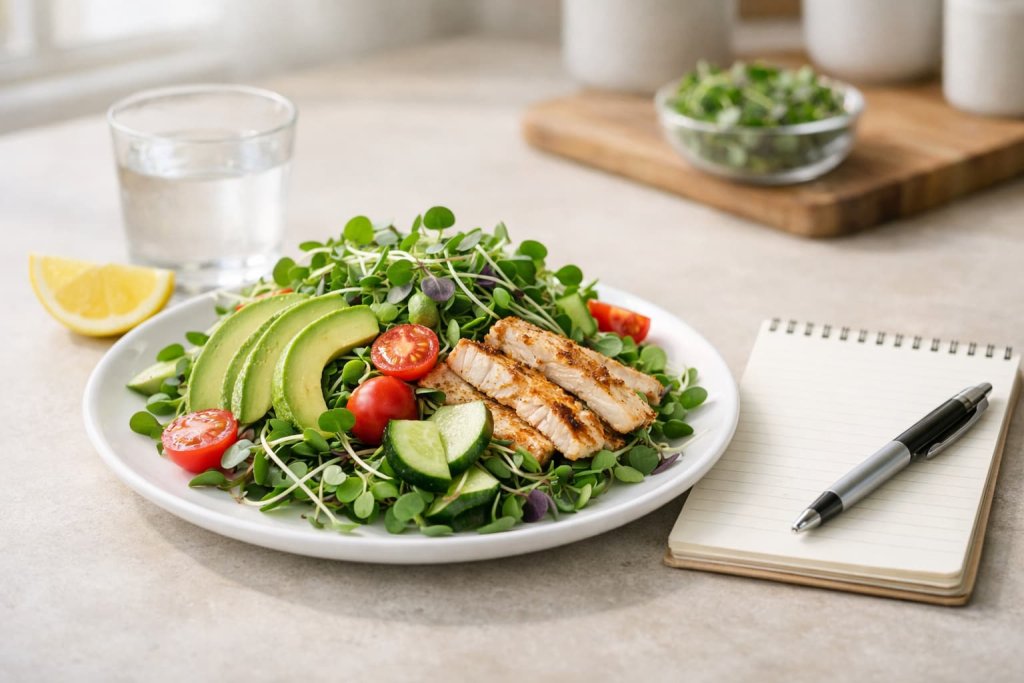
Microgreens are not the same as sprouts. They’re young seedlings harvested later—typically after the cotyledons develop and the first true leaves begin to appear—so they’re handled more like leafy greens than like sprouts in food safety rules.
What are microgreens
Microgreens are young edible seedlings harvested about 7–21 days after germination, depending on the plant. Reviews describe them as having developed cotyledons with partially expanded true leaves and being valued for concentrated nutrients and phytochemicals. According to the National Library of Medicine (PMC), their nutrient and bioactive content varies widely by species and growing conditions.
Microgreens vs sprouts vs baby greens: quick comparison
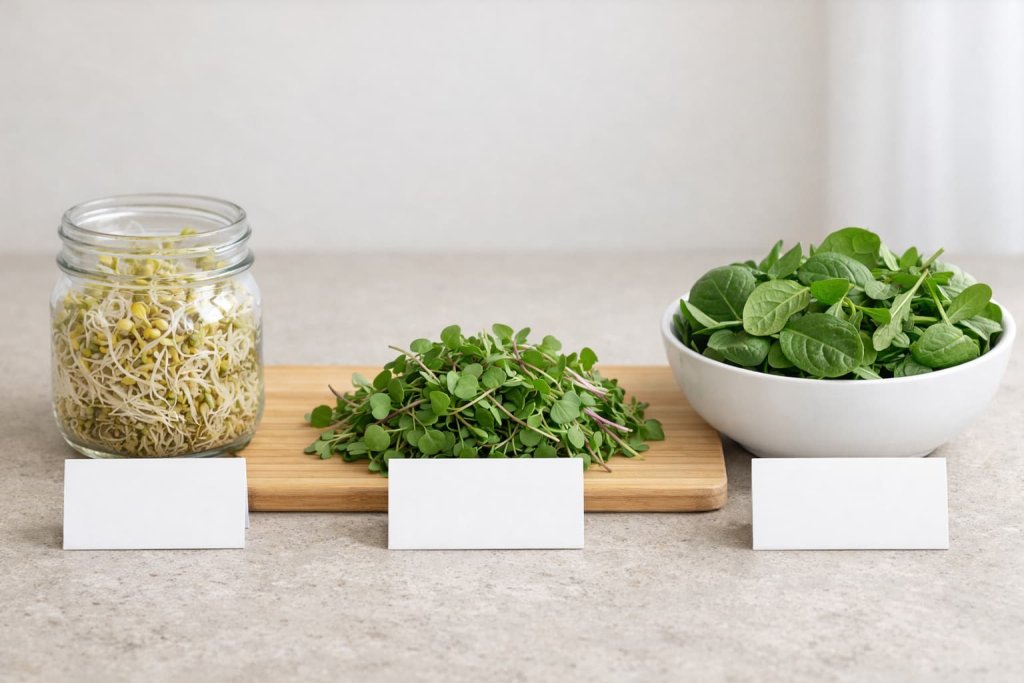
Microgreens are often confused with sprouts and baby greens, but they’re different in how they’re grown and handled.
- Sprouts: germinated seeds eaten very early (often with the seed and root). They grow in warm, humid conditions that can increase food-safety risk if contaminated.
- Microgreens: young seedlings harvested after early leaves develop. They’re typically cut above the growing medium and handled more like leafy greens.
- Baby greens: immature leafy vegetables harvested later than microgreens, usually from field or greenhouse production.
Practical takeaway: microgreens can be a nutrient-dense add-on, but they don’t replace the variety you get from eating a mix of mature vegetables.
The evidence level behind microgreens benefits
It helps to separate what science can confidently say from what’s still being studied:
- Strong evidence: microgreens can be nutrient-dense and rich in plant compounds (lab analyses, food composition studies).
- Early evidence: short human studies show microgreens can be feasible to eat daily and may influence some markers.
- Limited evidence: long-term disease prevention outcomes in humans (still not well-established).
What affects microgreens nutrition most
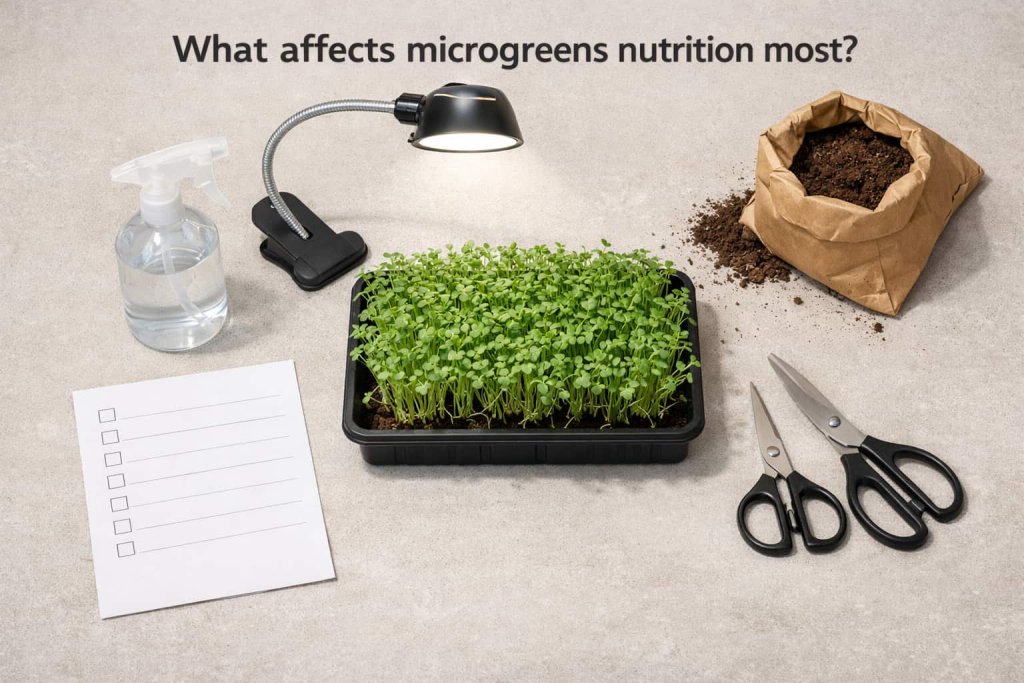
Microgreens nutrition can vary a lot—even within the same plant type. The biggest factors include:
- Variety and cultivar (for example, different types of radish microgreens can test differently)
- Light exposure during growth (intensity and spectrum can influence plant compounds)
- Growing medium and fertilizer strategy
- Harvest timing (a few days earlier or later can change vitamin and phytochemical levels)
- Storage time and temperature after harvest
Practical takeaway: the most reliable strategy is variety and freshness—rotate several types and use them soon after purchase.
10 microgreens benefits backed by science
1) Nutrient density in a small serving
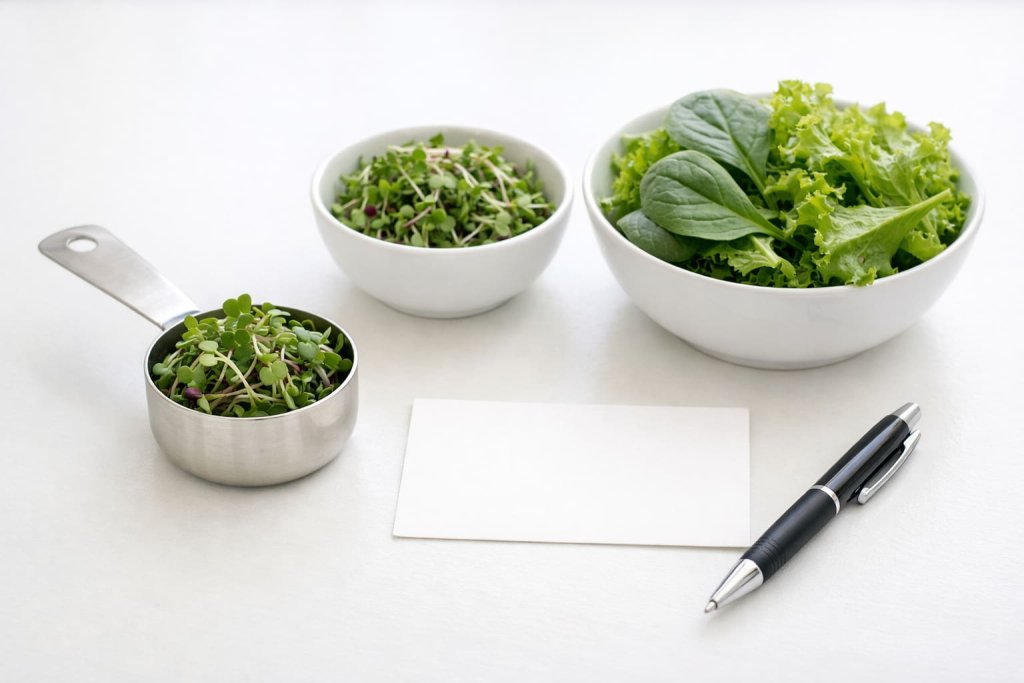
Microgreens can contain high levels of vitamins and carotenoids, but the amount depends on the type (radish vs red cabbage vs cilantro, etc.) and how they’re grown. A frequently cited lab analysis of 25 microgreens found large ranges for vitamin C and carotenoids across varieties. According to PubMed, vitamin and carotenoid levels varied dramatically between microgreens, meaning “best” choices depend on which nutrients you’re targeting.
Practical takeaway: rotate types instead of relying on just one.
2) More protective plant compounds (antioxidants and polyphenols)
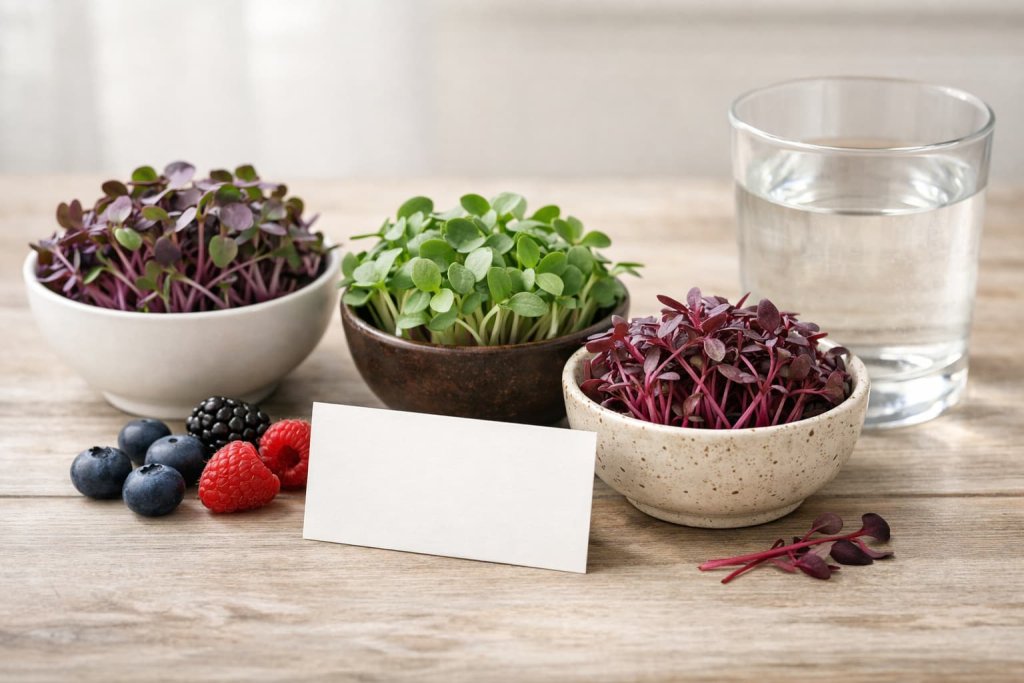
Microgreens are consistently described in reviews as rich in bioactive phytochemicals—like polyphenols and carotenoids—that contribute to antioxidant capacity. A comprehensive review in National Library of Medicine (PMC) summarizes that microgreens can be concentrated sources of these compounds, but levels depend on variety, light exposure, and harvest timing.
Practical takeaway: color is a clue—red/purple microgreens often indicate different antioxidant profiles than pale green types.
3) Eye-health carotenoids in certain varieties
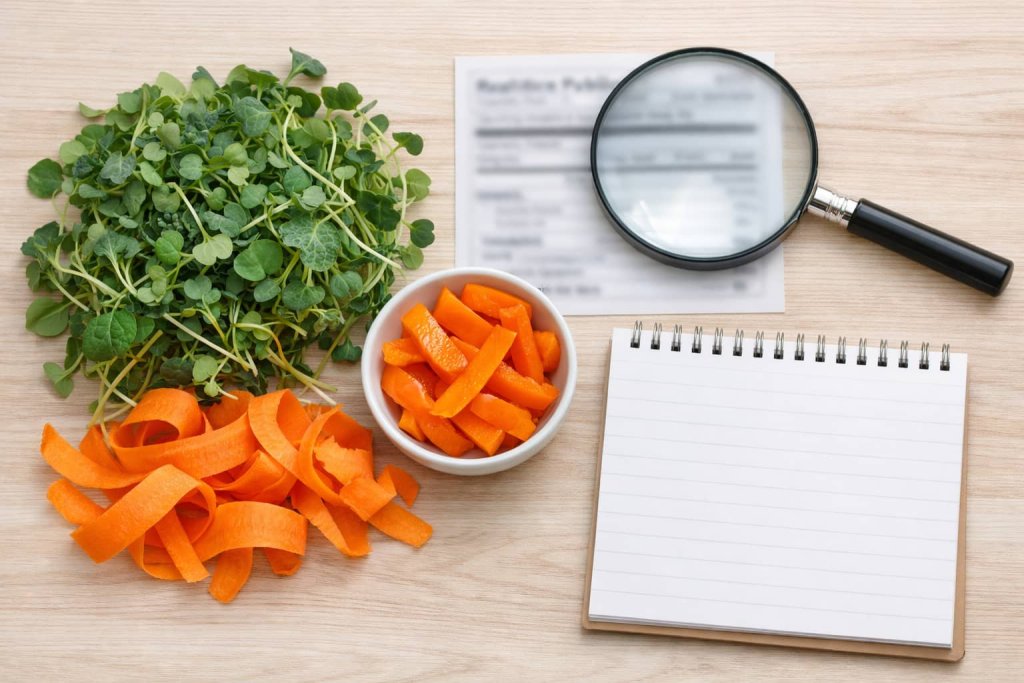
Some microgreens are notable sources of lutein and zeaxanthin (carotenoids that concentrate in the retina). The National Institutes of Health Office of Dietary Supplements notes that lutein and zeaxanthin accumulate in the retina and are studied for age-related macular degeneration support. Microgreens that are higher in these carotenoids can help you increase intake through food.
Practical takeaway: consider broccoli, kale, red cabbage, and other leafy/brassica microgreens as part of a varied pattern.
4) Sulforaphane potential from broccoli microgreens
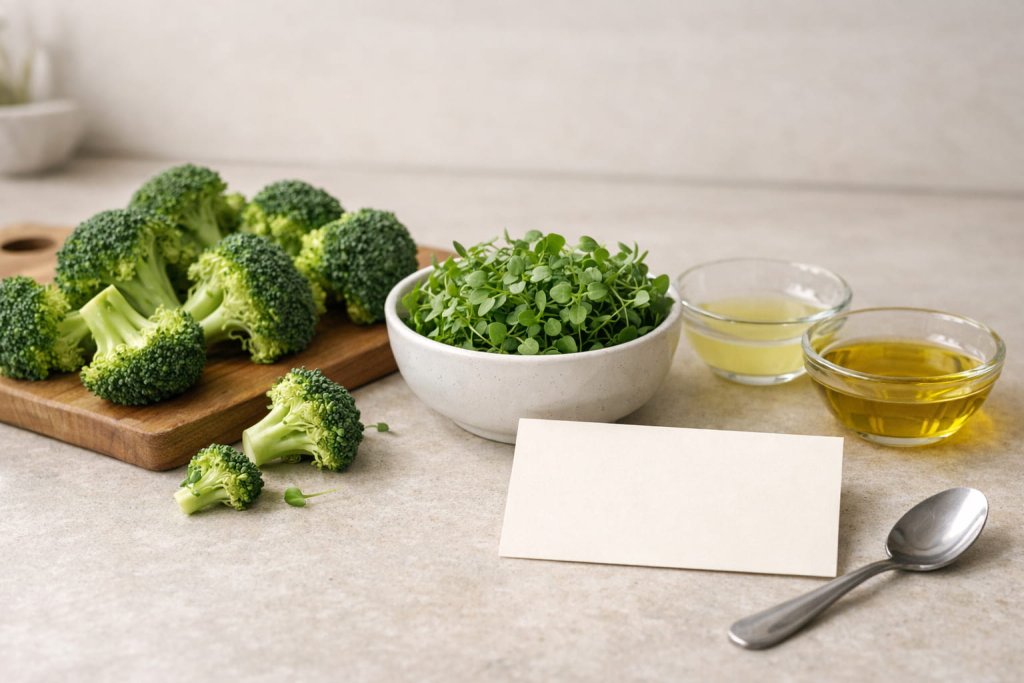
If you want a microgreen with a specific “featured” compound, broccoli microgreens are a key example because they can provide sulforaphane (SFN), a compound studied for many biological effects. A human study found broccoli microgreens were a significant dietary source of SFN based on measured metabolites after consumption. According to National Library of Medicine (PMC), participants showed sulforaphane-related metabolites after eating broccoli microgreens, supporting real-world bioavailability (even though this doesn’t prove disease risk reduction).
Practical takeaway: broccoli microgreens are one of the best-researched microgreens for a specific bioactive compound.
5) Heart-health supportive nutrients (especially potassium patterns)
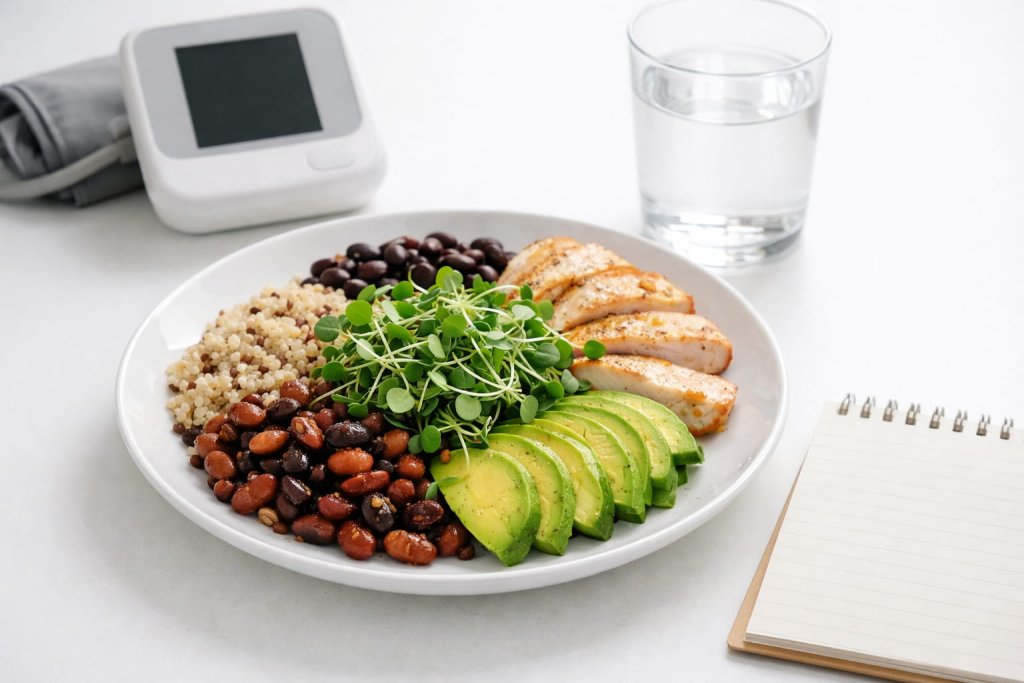
Many microgreens contain potassium and other minerals that fit heart-healthy eating patterns, but exact mineral content varies by crop and growing method. Reviews summarize microgreens as meaningful sources of minerals like potassium, calcium, and iron. According to the 2023 review in National Library of Medicine (PMC), microgreens commonly contain a broad mix of minerals alongside phytochemicals.
Practical takeaway: use microgreens to add nutrient density to heart-healthy meals you’re already building (lean protein, fiber-rich carbs, healthy fats).
6) Early signals for cholesterol support (mostly animal data)
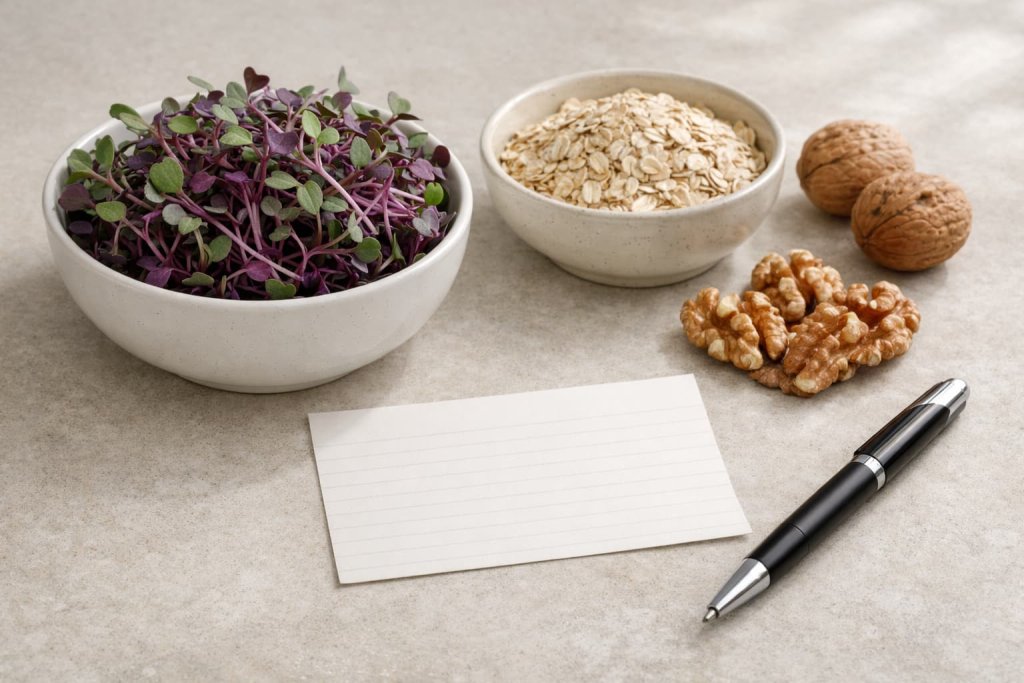
Some of the strongest “cholesterol” headlines come from animal research rather than large human trials. One mouse study found red cabbage microgreens improved LDL cholesterol and some inflammatory markers in a high-fat diet model. According to PubMed, these effects were observed in animals—useful for understanding mechanisms, but not proof of the same effect in humans.
Practical takeaway: it’s fair to say microgreens “may support heart-health markers,” but avoid claiming they lower cholesterol in people.
7) Feasibility of daily intake in humans

A practical “benefit” that matters is whether people can actually eat microgreens consistently. A randomized crossover trial in adults found that eating 2 cups per day of beet or red cabbage microgreens for 2 weeks was feasible with high compliance and generally tolerable. According to National Library of Medicine (PMC), overall GI symptom severity was not worsened, and some symptom scores improved after red cabbage microgreens.
Practical takeaway: for most healthy people, microgreens can be a realistic daily add-on—start smaller if you’re sensitive.
8) May help with blood sugar-friendly eating patterns
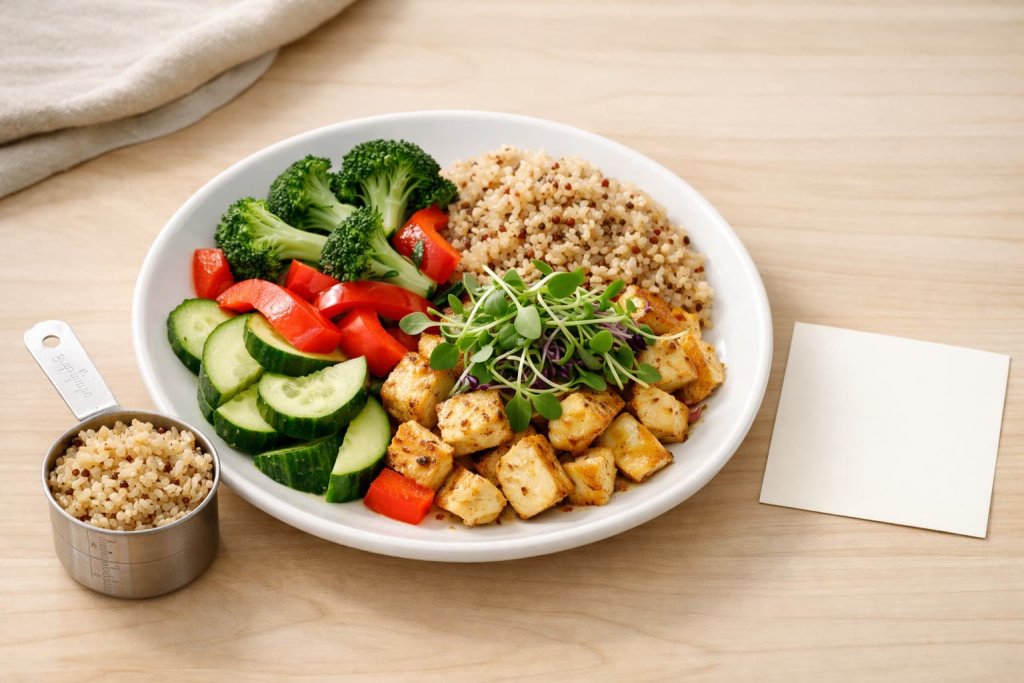
Microgreens themselves aren’t a “treatment,” but they can support blood sugar-friendly meals by increasing volume, crunch, and flavor with minimal calories—especially when they replace refined toppings (croutons, chips) or sugary sauces. Mechanistic research and reviews discuss antioxidant and anti-inflammatory pathways relevant to metabolic health, but long-term human outcome trials are still limited. The 2023 review in National Library of Medicine (PMC) summarizes potential metabolic relevance while also highlighting variability and gaps in human evidence.
Practical takeaway: use microgreens to help you build balanced plates and reduce reliance on ultra-processed add-ons.
9) A simple way to increase total vegetable intake

For many people, the most meaningful health improvement is simply eating more plants. Microgreens make that easier because they’re quick, flavorful, and don’t require cooking. They can help you add “one more plant” at breakfast or lunch without changing the core meal.
Practical takeaway: add microgreens to the meals you already repeat—eggs, sandwiches, bowls, soups, wraps.
10) Sustainability and year-round access potential
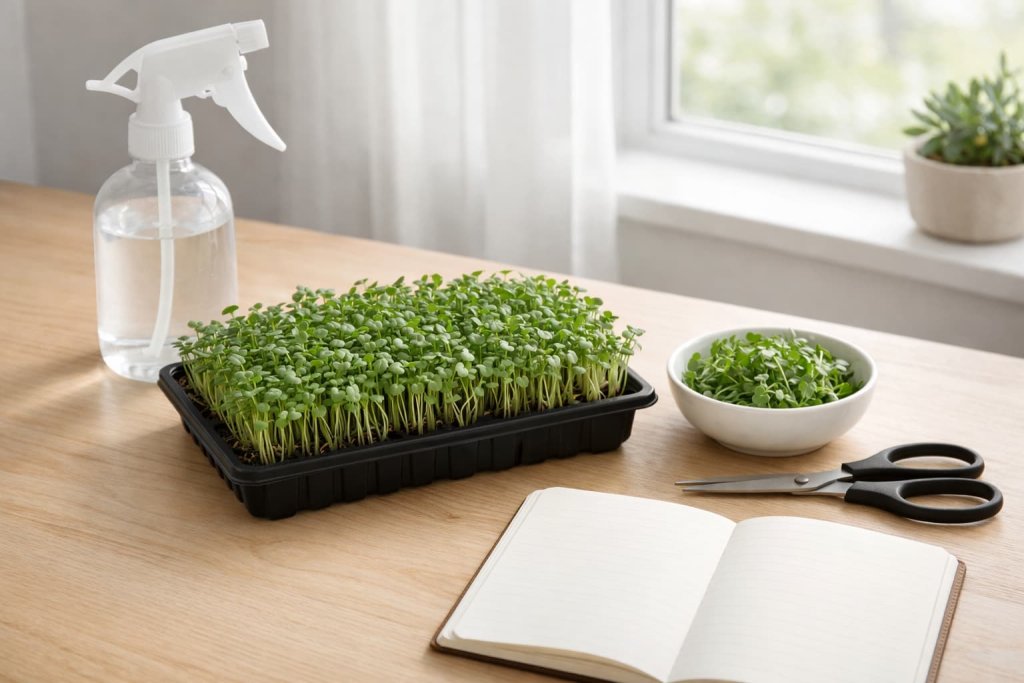
Microgreens grow quickly in small spaces and can be produced indoors, which is why they’re often discussed as a scalable, local, year-round fresh food option. Reviews highlight their short growth cycle and suitability for controlled environments. According to National Library of Medicine (PMC), microgreens are often positioned as an emerging food with nutritional density that can support food system innovation.
Practical takeaway: if fresh produce access is inconsistent, microgreens can be an approachable way to add greens more often.
Best microgreens to eat for different goals
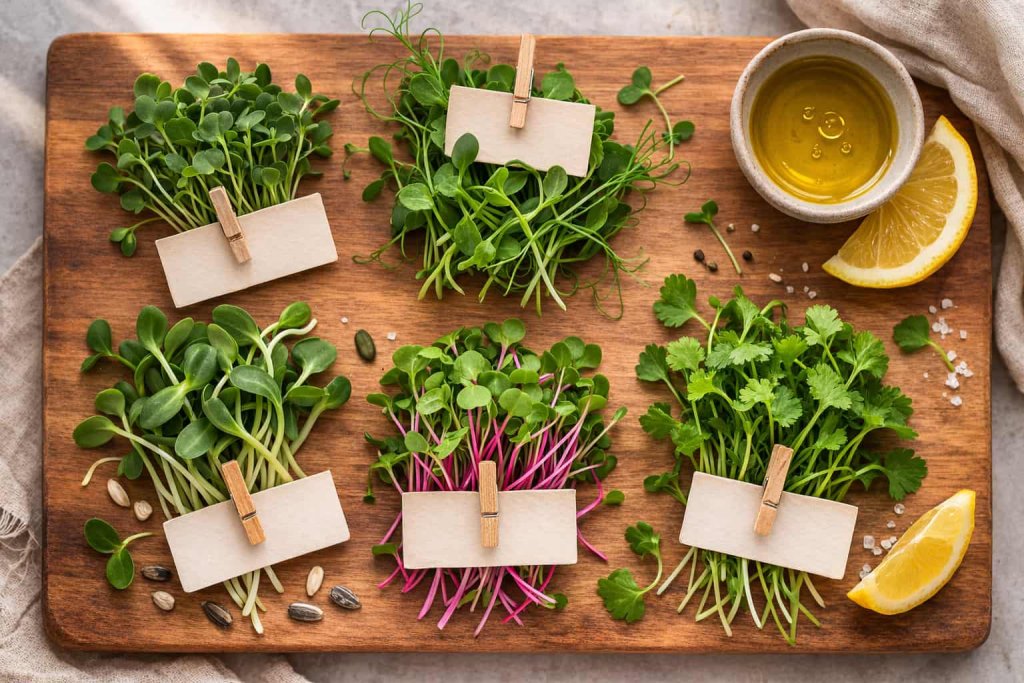
Here are practical “pick-by-goal” options based on common nutrient/compound patterns described in the research:
- For sulforaphane focus: broccoli microgreens
- For red/purple antioxidants: red cabbage, amaranth, radish microgreens
- For mild taste and easy volume: pea shoots, sunflower microgreens
- For strong flavor in small amounts: arugula, mustard, cilantro microgreens
How to eat microgreens daily without getting bored
Use microgreens like a finishing green (heat can wilt them quickly):
- Eggs and breakfast: fold into scrambled eggs after cooking or top an omelet
- Sandwiches and wraps: replace iceberg lettuce or mix both
- Grain bowls and salads: add at the end for crunch
- Soups: top right before serving
- Smoothies: add a small handful (milder types like pea shoots work well)
A few simple “rules” help microgreens stay enjoyable:
- Add them at the end. High heat wilts most microgreens quickly.
- Use them as a swap. Replace part of lettuce or shredded cabbage in sandwiches and tacos.
- Pair strong flavors wisely. Peppery types (radish, mustard, arugula) work best in smaller amounts or with creamy elements like avocado or yogurt-based sauces.
- Mix mild and bold. Combine pea shoots or sunflower microgreens with a smaller pinch of spicy microgreens to balance flavor.
How much microgreens should you eat
There’s no official “required” serving size for microgreens. A helpful real-world range is:
- Start with 1/4–1/2 cup per day if you’re new or have a sensitive stomach
- Build up to 1 cup per day as a consistent habit
- Some studies use higher intakes short-term (example: 2 cups/day for 2 weeks in a crossover trial) in generally healthy adults, but that doesn’t mean everyone needs that amount
Food safety for microgreens
Because microgreens are often eaten raw, handling matters.
How to wash microgreens
Rinse gently under running water and avoid soap or produce washes. The Centers for Disease Control and Prevention advises rinsing fresh fruits and vegetables under running water and emphasizes clean hands and surfaces. The USDA Food Safety and Inspection Service specifically advises not to wash produce with detergent or soap.
If your microgreens are sold as “prewashed,” follow the package directions.
Microgreens vs sprouts: why rules differ
Microgreens are generally not classified as sprouts and are treated as “covered produce” under produce safety rules rather than sprout-specific requirements. According to the U.S. Food and Drug Administration, microgreens are not subject to the sprout-specific Subpart M requirements, but they can still be covered by other parts of the Produce Safety Rule.
Who should be extra careful
Consider extra caution with raw microgreens if you are:
- Pregnant
- Over age 65
- Immunocompromised
- Managing a condition where foodborne illness is higher risk
For higher-risk groups, the U.S. Food and Drug Administration recommends careful produce handling (including thorough rinsing and avoiding soap) and other food-safety steps.
If you grow microgreens at home: basic safety checklist
Home-grown microgreens can be safe, but cleanliness matters because they’re often eaten raw.
- Start with reputable seeds intended for growing edible greens.
- Wash hands before handling trays, scissors, and containers.
- Use clean, food-safe trays and tools; rinse and dry thoroughly between batches.
- Use clean water and avoid reusing standing water from trays.
- Keep pets away from growing areas and drying surfaces.
- Harvest with clean scissors and refrigerate promptly.
- When in doubt, cook them (add to eggs, soups, or stir-fries at the end) to reduce risk.
Storage and shelf life tips
Microgreens are perishable. Cold storage is key.
- Refrigerate promptly after purchase or harvest.
- Keep them dry because excess moisture speeds spoilage. Store microgreens in a breathable container or the original clamshell lined with a dry paper towel; replace the towel if it becomes damp.
- Don’t leave microgreens at room temperature for long periods.
- For practical storage guidance, Virginia Cooperative Extension notes that storing microgreens in the dark at about 41°F (5°C) is recommended (and that optimal temperatures can vary by species).
- Research on packaged microgreens also shows temperature matters: a study in National Library of Medicine (PMC) reported microgreens stored at 5°C lasted 14 days under the tested conditions, while higher temperatures reduced shelf life.
- At room temperature, shelf life is typically much shorter. A review in the Journal of Food Science summarizes that microgreens often last about 3–5 days at ambient temperatures, and quality can decline sooner depending on moisture and handling.
Tip: To extend freshness, avoid washing until right before eating, keep the container cold, and reduce condensation by preventing excess moisture inside the package.
Signs microgreens have gone bad
Discard microgreens if you notice:
- Slimy texture or excessive wetness in the container
- Strong sour, musty, or “fermented” odor
- Visible mold or fuzzy growth
- Significant yellowing or collapse (beyond minor wilting)
Tip: If the container looks very wet, gently line it with a dry paper towel and replace it if it becomes damp.
Medication interactions and special situations
Microgreens can be high in vitamin K depending on the variety (especially brassica/leafy types). If you take warfarin, sudden changes in vitamin K intake can affect medication response. The National Institutes of Health Office of Dietary Supplements notes vitamin K can interact with warfarin.
If you’re on blood thinners or have a medically prescribed diet, keep intake consistent and ask your clinician how microgreens fit your plan.
Other situations where it’s smart to be cautious:
- Kidney disease or potassium restriction: some microgreens and other greens can contribute potassium. If you follow a potassium-restricted plan, ask your clinician or dietitian which greens and portions fit your target.
- Thyroid conditions: cruciferous microgreens (broccoli, kale, cabbage) are nutritious, but if you have thyroid disease and avoid large amounts of raw cruciferous vegetables, keep portions moderate and vary your greens.
- Food allergies or sensitivities: if you have known seed or plant-family allergies (like mustard), introduce new microgreens in small amounts first.
People also ask about microgreens benefits
Are microgreens healthier than regular vegetables
They can be more nutrient-dense per gram for some nutrients in some varieties, but it varies. They’re best viewed as a nutrient-boosting add-on—not a replacement for a variety of mature vegetables.
Do microgreens have more protein
Some microgreens (like pea shoots) contain a bit more protein than lettuce-type greens, but microgreens are not a major protein source overall.
Can microgreens upset your stomach
Most people tolerate them well, but large servings can bother sensitive digestion. Start small and increase gradually.
Are microgreens safe to eat raw
They’re commonly eaten raw, but safe handling matters. Wash gently, keep them cold, and buy from clean, reputable sources.
Which microgreens are best for beginners
Pea shoots and sunflower microgreens are mild, sturdy, and easy to use in bigger portions.
FAQ
What are the top microgreens benefits
The most supportable benefits are nutrient density, concentrated plant compounds, and helping you eat more vegetables consistently.
How often should I eat microgreens
Daily is fine for many people. Start with a small amount and build up based on tolerance and preference.
What’s the best time to eat microgreens
Any time you’ll actually use them—most people find lunch/dinner easiest as a topping for bowls, salads, and sandwiches.
Do microgreens lose nutrients quickly
Like other leafy greens, freshness matters. Refrigeration helps preserve quality and slows spoilage.
Can I cook microgreens
Yes, but high heat can wilt them quickly. For maximum crunch and fresh flavor, add them after cooking or at the end.
Are microgreens safe during pregnancy
They can be, but pregnant people should be extra careful with raw produce and food safety steps. Consider discussing with your clinician if you’re unsure, and follow FDA produce safety guidance.
Are microgreens the same as sprouts
No. Microgreens are typically harvested later (after early leaves develop) and are regulated differently than sprouts.
Conclusion
Microgreens benefits are real in the sense that they can deliver concentrated nutrients and plant compounds in a small, easy-to-use serving—and they can make it simpler to eat more vegetables consistently. Choose a few varieties you enjoy, handle them like any other leafy green, and use them as a daily “finisher” to upgrade meals with minimal effort.
Sources/References
- National Library of Medicine (PMC) — Microgreens—A Comprehensive Review of Bioactive Compounds and Health Benefits (Published: 2023)
- PubMed — Assessment of vitamin and carotenoid concentrations of microgreens (Published: 2012)
- National Library of Medicine (PMC) — Sulforaphane Bioavailability in Healthy Subjects Fed a Single Serving of Broccoli Microgreens (Published: 2023)
- PubMed — Impact of Microgreens on Cholesterol and Inflammation in a Mouse Model (Published: 2016)
- National Library of Medicine (PMC) — Feasibility and Tolerability of Daily Microgreen Consumption in Adults: Crossover Trial (Published: 2025)
- Centers for Disease Control and Prevention — Preventing Food Poisoning: Food Safety Prevention (Updated: Nov 24, 2025)
- USDA Food Safety and Inspection Service — Washing Food: Does It Promote Food Safety? (Accessed: March 3, 2026)
- U.S. Food and Drug Administration — Standards for the Growing, Harvesting, Packing, and Holding of Produce for Human Consumption (Produce Safety Rule) (Accessed: March 3, 2026)
- U.S. Food and Drug Administration — Fruits, Veggies and Juices: Food Safety for Moms-to-Be (Published: Mar 5, 2024)
- Penn State Extension — Growing Microgreens (Updated: Dec 16, 2025)
- National Institutes of Health Office of Dietary Supplements — Vitamin K Fact Sheet for Consumers (Updated: Mar 22, 2021)
This content is for informational purposes only and not medical advice.