
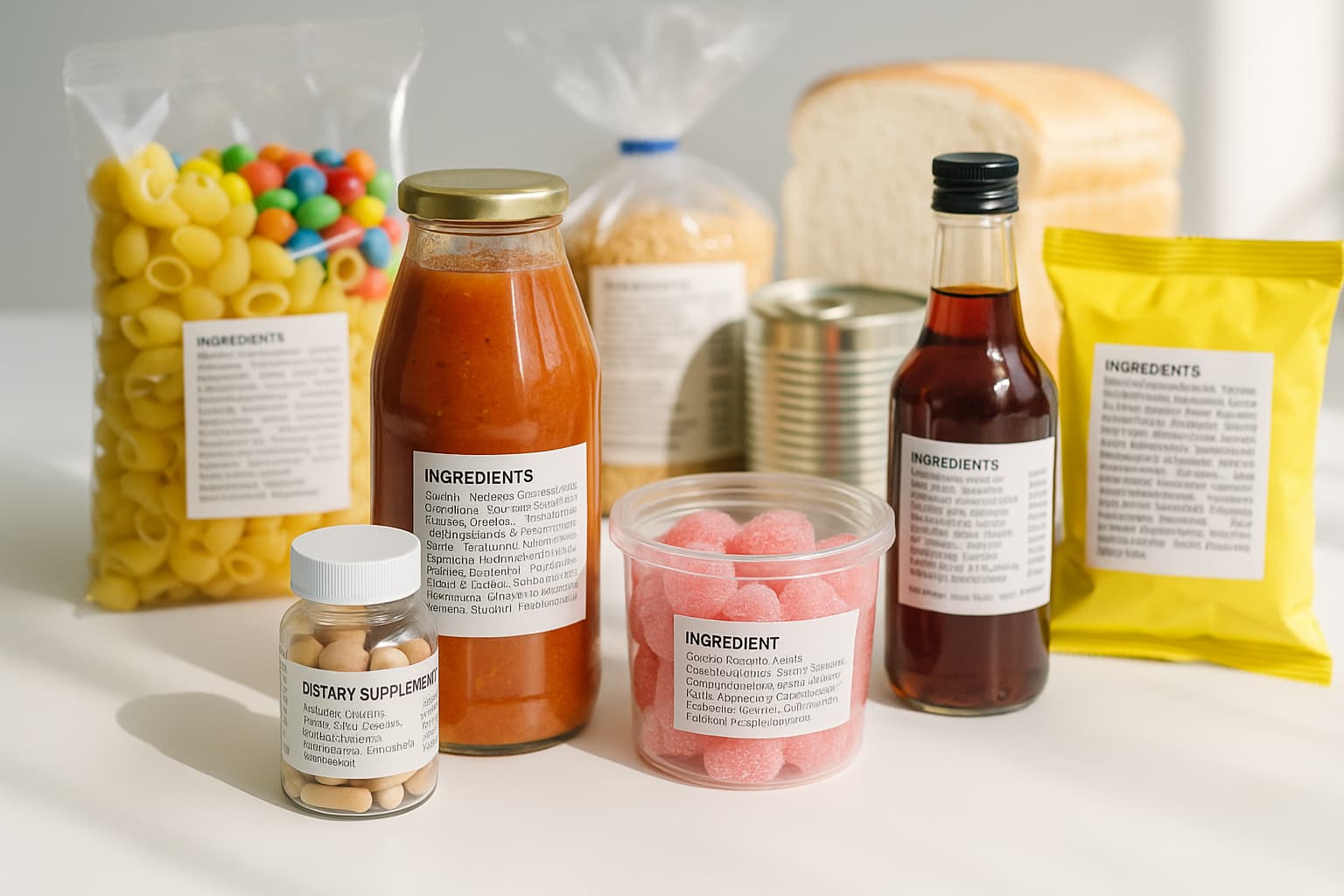
Titanium dioxide in food is a color additive used to whiten and brighten products, but its safety depends on regulatory guidance and evolving scientific review. In some regions, such as the European Union, titanium dioxide is no longer permitted in food due to uncertainties about long-term effects. In others, including the United States and Canada, it remains allowed under strict limits while agencies continue to monitor new research.
Understanding how titanium dioxide is used, what experts say about its safety, and how different countries regulate it may help you make informed nutrition and wellness decisions. This guide explains the latest findings, official positions from global authorities, common food sources, and practical steps for consumers.
What Titanium Dioxide Is and Why It’s Used in Food
Chemical Properties and Labeling Terms
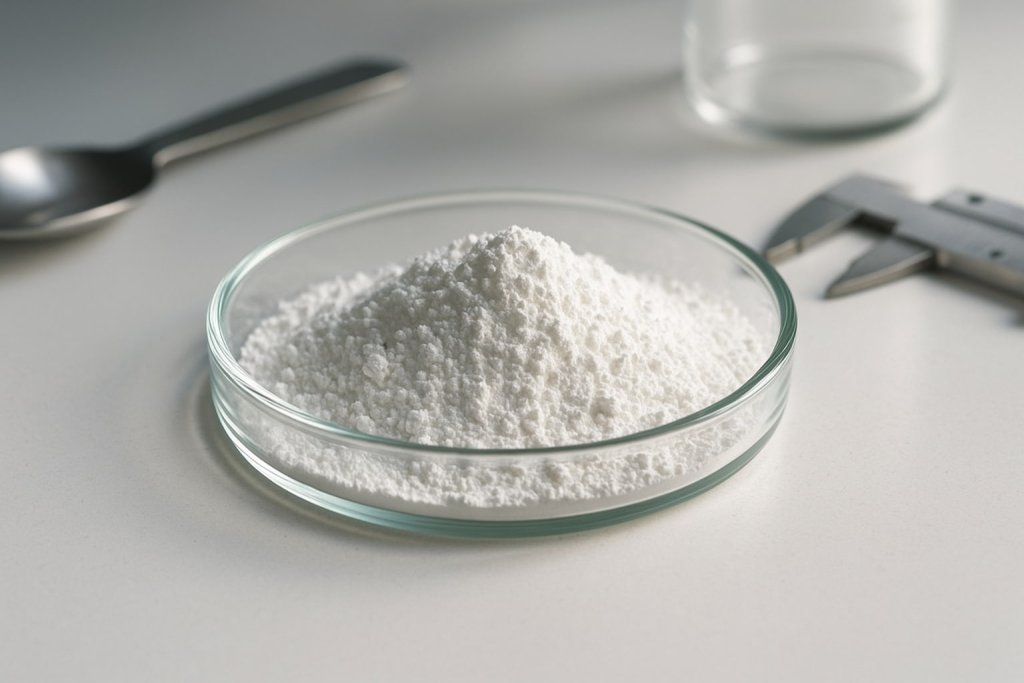
Titanium dioxide is a white, inorganic compound made from naturally occurring minerals. In food, it is used as a color additive to create a bright, clean, and opaque appearance. The compound is chemically stable, resistant to heat and light, and does not react with other food ingredients, which is why manufacturers rely on it for visual consistency.
On ingredient labels, titanium dioxide may appear as:
- Titanium dioxide
- TiO₂
- E171 (in regions using the E-number system)
- INS 171
- CI 77891
These terms refer to the same additive, though some regions mandate specific naming conventions depending on local food-labeling laws.
Why Manufacturers Use It (Coloring, Opacity, Stability)
Food companies use titanium dioxide primarily for appearance and product uniformity. It helps maintain a bright white color, enhances opacity, and improves visual texture. These properties support a glossy or smooth surface, especially in foods where color is key to consumer expectations.
Manufacturers also value titanium dioxide because of its stability. It does not break down easily under normal food-processing temperatures, and it maintains its brightness over time. This makes it suitable for long-shelf-life products or items exposed to light during storage.
Common Food Categories Where It Appears
Titanium dioxide has historically been used in a variety of foods, especially those requiring whiteness or vibrant color contrast. Common categories include:
- Confectionery such as mints, candies, and chewing gum
- Frostings, icings, and decorative baked goods
- Cream-based sauces, salad dressings, and dips
- Coffees, creamers, and flavored beverages
- Some dietary supplements where tablets are coated for smoothness
Usage varies by country because regulations differ, and many brands have reduced or removed titanium dioxide due to evolving consumer preferences.
Global Safety Opinions from Major Health Authorities

European Food Safety Authority (EFSA) Position
The European Food Safety Authority re-evaluated titanium dioxide as a food additive in 2021 and concluded it could no longer be considered safe, primarily due to uncertainties related to potential genotoxicity. This determination led to the additive’s removal from the EU list of permitted food additives.
Source: European Food Safety Authority
U.S. Food and Drug Administration (FDA) Regulations
In the United States, titanium dioxide remains an approved color additive for foods when used at no more than 1% of the product’s weight. The U.S. Food and Drug Administration continues to review emerging data as part of routine monitoring of food additives.
Source: U.S. Food and Drug Administration
Health Canada’s Scientific Review
Health Canada conducted a detailed scientific assessment and reported that current evidence does not show a health risk at typical levels of dietary exposure. The review emphasized that uncertainties remain, and ongoing monitoring is warranted as new research becomes available.
Source: Health Canada
JECFA (FAO/WHO) Expert Evaluation
The Joint FAO/WHO Expert Committee on Food Additives concluded that titanium dioxide has an ADI “not specified,” meaning no identified safety concern at levels used under good manufacturing practice. This assessment refers to global exposure patterns based on available evidence.
Source: World Health Organization
United Kingdom (Great Britain) Risk Assessment
Great Britain conducted its own evaluation through the Committee on Toxicity and the Food Standards Agency. The review found that current evidence does not clearly support the EU’s conclusion. As a result, titanium dioxide remains permitted in food within Great Britain while scientific monitoring continues.
Source: Food Standards Agency
Why Regions Reach Different Conclusions
Regional differences come down to how regulators interpret available data and the level of uncertainty considered acceptable. Some agencies prioritize a precautionary approach when scientific gaps exist, while others focus on real-world exposure levels and the likelihood of harm based on typical dietary intake.
These differing frameworks—hazard-based vs. risk-based—explain why one region may ban a substance while another continues to allow it with restrictions.
Why Scientific Debate Exists
Genotoxicity Concerns and Particle Size
A key scientific question centers on whether titanium dioxide particles, including very small or nano-sized particles, could potentially interact with DNA. Some laboratory studies raise concerns about genotoxic potential, but these findings often involve specific conditions that do not reflect typical human exposure. According to the National Institutes of Health, understanding particle behavior in the body is essential for evaluating long-term safety.
Long-Term Exposure and Dietary Uncertainties
Because titanium dioxide is not significantly absorbed by the gut, most passes through the digestive system unchanged. However, researchers continue examining whether long-term, repeated dietary exposure may contribute to particle accumulation in tissues. This area of research remains active and is monitored by global regulators.
Differences Between Laboratory and Real-World Exposure
Many laboratory studies use doses or particle sizes not representative of human diets. Food-grade titanium dioxide typically has a different particle distribution compared to materials used in laboratory experiments. This difference is central to why agencies sometimes reach different conclusions about safety.
How Regulatory Agencies Evaluate Risk vs. Hazard
Hazard-based evaluations focus on whether something can cause harm under specific conditions.
Risk-based evaluations consider whether harm is likely under typical real-world exposure.
Agencies like the World Health Organization and Health Canada tend to use risk-based methods, while the EU has applied a precautionary approach for titanium dioxide. Both methods aim to protect public health but can lead to different regulatory outcomes.
How Titanium Dioxide May Influence Nutrition and Wellness
Its Role in Processed Foods
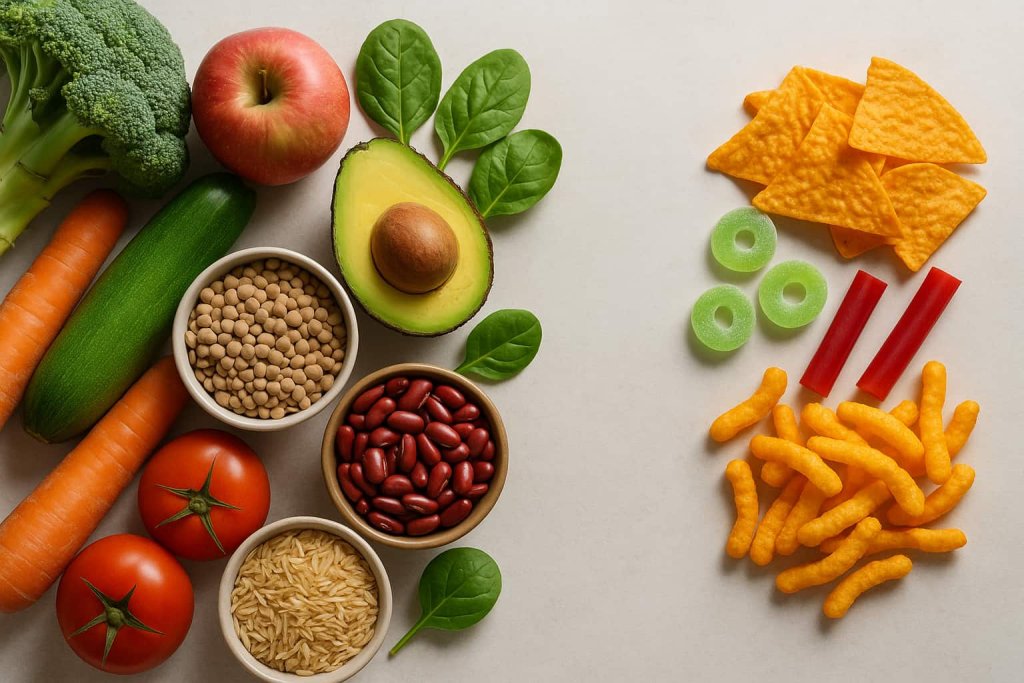
Titanium dioxide is most common in highly processed foods, particularly sweets and decorative products. These foods may be higher in added sugars, saturated fats, or refined starches. Reducing reliance on such foods may support balanced eating patterns recommended by nutrition authorities.
Ingredient Awareness for Informed Food Choices
Learning to understand ingredient lists may help consumers make informed decisions aligned with their nutritional goals. According to the U.S. Department of Agriculture, awareness of additives may encourage healthier food selection and reduce intake of less nutrient-dense items.
Supporting Balanced Dietary Patterns
Focusing on whole foods, fruits, vegetables, legumes, and grains may support long-term wellness and naturally reduce intake of additives. Titanium dioxide does not provide nutritional benefits, so prioritizing foods rich in vitamins, minerals, and fiber may help build a more balanced eating pattern.
Reducing Additive-Heavy Foods
Minimizing consumption of ultraprocessed foods may help reduce dietary additives overall. Many brands now voluntarily reformulate products to avoid titanium dioxide due to evolving consumer expectations.
Choosing Nutrient-Dense Alternatives
Selecting naturally colorful foods, whole ingredients, and products made with natural pigments may support wellness-oriented goals. Choosing foods based on nutritional value rather than appearance may help create more balanced dietary habits.
How to Identify Titanium Dioxide on Ingredient Labels
Label Terms to Look For (E171, INS 171, CI 77891)
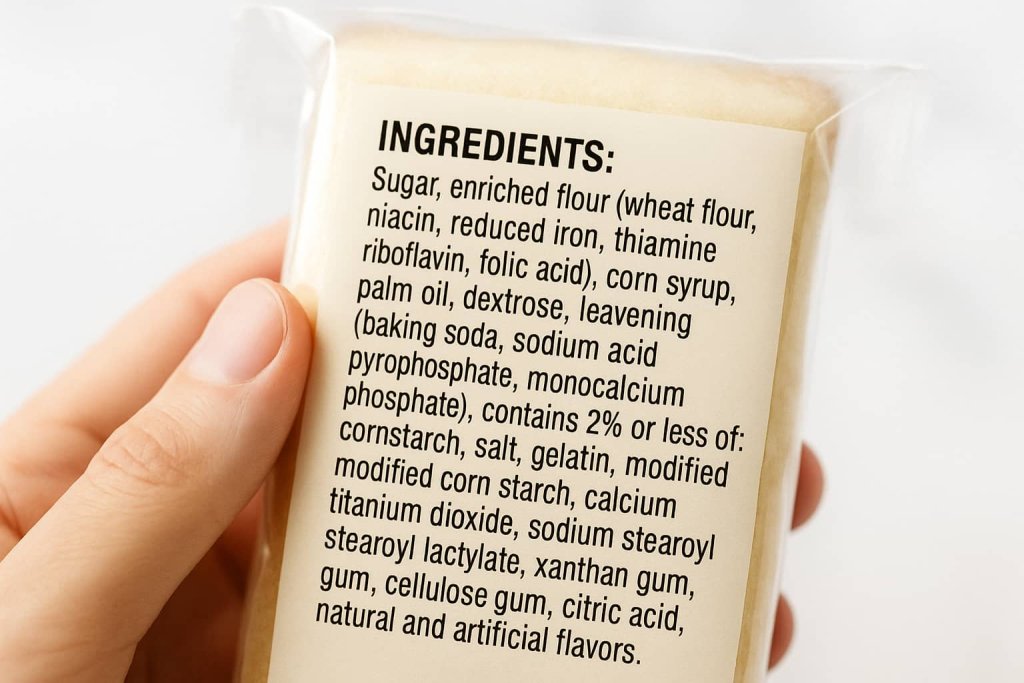
Titanium dioxide can appear on ingredient lists under several names depending on the region or labeling framework. The most common terms include:
- Titanium dioxide
- TiO₂
- E171 (used in the EU before its removal)
- INS 171 (International Numbering System)
- CI 77891 (Color Index number used in some global markets)
Although these terms describe the same additive, manufacturers may choose one based on local regulations or packaging formats.
How Label Transparency Varies by Region
Labeling requirements differ globally.
- In the United States, titanium dioxide must be listed by name when used as a color additive.
- In Canada, ingredient lists follow similar disclosure rules, and consumers can identify the additive clearly on packaged foods.
- In the European Union, titanium dioxide (E171) is no longer permitted in food, so new products should not display it on ingredient lists.
Countries using multiple naming systems may offer additional identifiers, but product labels remain the primary way to determine whether titanium dioxide is present.
Product Categories With Historically Higher Use
Even as many brands reformulate their products, titanium dioxide has traditionally been more common in foods where whiteness or brightness is important. Categories with historically higher usage include:
- Candy coatings and gum pellets
- Bakery decorations, sprinkles, and icings
- White or creamy sauces
- Shelf-stable coffee creamers
- Smooth tablet or capsule coatings in supplements
These categories are useful reference points for consumers who prefer to monitor additive intake.
Foods Most Likely to Contain Titanium Dioxide
Candies and Chewing Gum
Before reformulations began, titanium dioxide was frequently used to create smooth, bright outer coatings on mints, gum, and candy shells. While some manufacturers have shifted away from the additive, certain products may still contain it depending on regional regulations.
Bakery Icing and Decoration Products
Frostings, decorative powders, sprinkles, and icings often rely on white pigments to achieve consistent color. Titanium dioxide has been one of the most widely used ingredients for this purpose. Regions with stricter regulations may now use alternative colorants.
Sauces, Dressings, and Creamers
White or cream-colored sauces and dressings sometimes include titanium dioxide to maintain opacity and color stability. Powdered and liquid coffee creamers may also contain it for uniform appearance.
Supplements and Tablet Coatings
Some nutritional supplements use titanium dioxide to create smooth, uniform tablet coatings. These coatings help achieve consistent color and protect the tablet surface. Consumers who prefer to avoid the additive can review supplement labels for CI 77891 or similar terms.
Should Consumers Be Concerned?
What Experts Agree On
Across major authorities, several points are consistent:
- Titanium dioxide does not provide nutritional value.
- It is used solely for appearance and does not affect flavor or texture significantly.
- Most global agencies continue to review emerging research to ensure safety for consumers.
- According to the National Institutes of Health, understanding how particles behave in the body is essential for evaluating long-term exposure effects.
These areas of agreement highlight the importance of ongoing scientific monitoring.
Points of Scientific Disagreement
Differences arise mainly around:
- Genotoxicity uncertainties: Some laboratory studies suggest potential DNA interactions, while others do not.
- Particle size distribution: Food-grade titanium dioxide may contain very small particles, which contributes to debate.
- Study conditions: Lab studies often use higher doses or different particle types than those found in food.
- Regulatory philosophy: The EU uses a more precautionary framework, while other regions rely on risk-based assessments.
These differing interpretations explain why regulations vary globally despite access to similar data.
Practical, Balanced Perspective for Consumers
Consumers who prioritize whole-food dietary patterns may naturally limit exposure to titanium dioxide because it is more common in highly processed foods. Choosing nutrient-dense options may support overall wellness, while reviewing ingredient labels provides additional clarity.
A balanced perspective focuses on dietary patterns rather than individual additives, aligning with recommendations from the U.S. Department of Agriculture for building overall healthy eating habits.
Practical Tips for Choosing Food Products
How to Reduce Exposure if Desired
Those who prefer minimizing intake can look for:
- Products labeled “no artificial colors”
- Brands that highlight reformulated recipes
- Ingredient lists without titanium dioxide, TiO₂, or CI 77891
Monitoring labels allows consumers to adjust choices based on personal preferences.
Selecting Products Without Artificial Colors
Many companies now use natural pigments such as beet powder, spirulina, or turmeric to achieve vibrant colors without synthetic additives. Reviewing ingredient lists can help identify products that rely on plant-based colorants instead of titanium dioxide.
Supporting Wellness Through Whole-Food Habits
According to the U.S. Department of Agriculture, choosing more whole foods—such as fruits, vegetables, whole grains, legumes, nuts, and seeds—may support long-term wellness. These foods naturally contain vitamins, minerals, fiber, and beneficial compounds while typically containing fewer food additives.
Staying Up to Date With Regulatory Updates
Regulations may continue to evolve as new research emerges. Monitoring updates from authoritative sources such as the U.S. Food and Drug Administration or the World Health Organization can help consumers stay informed about safety evaluations.
Frequently Asked Questions
Is titanium dioxide safe to eat?
Safety assessments vary by country. Some regions consider it acceptable at regulated levels, while others have removed it from permitted food-additive lists due to scientific uncertainties.
Why was it banned in the EU?
The European Union banned titanium dioxide after the European Food Safety Authority concluded that uncertainties surrounding potential genotoxicity could not be resolved.
Is titanium dioxide natural?
Titanium dioxide comes from naturally occurring minerals but undergoes significant processing before being used in food or supplements.
Does it offer nutritional benefits?
No. Titanium dioxide does not contribute nutrients such as vitamins, minerals, or fiber. It is used solely for color and opacity.
How do I avoid it in food?
Check ingredient labels for titanium dioxide, TiO₂, E171, INS 171, or CI 77891. Choosing whole foods or products without artificial colors may also help reduce exposure.
Are companies phasing it out voluntarily?
Yes. Many brands have reformulated products due to consumer interest and evolving global regulations.
Is titanium dioxide used in supplements?
Some supplements use titanium dioxide in tablet coatings. Reviewing labels is the most reliable way to determine whether it is present.
Conclusion
Titanium dioxide is a color additive used to brighten and stabilize the appearance of foods. Global authorities differ in their evaluations due to varying scientific interpretations and regulatory approaches. Understanding where titanium dioxide appears and how to identify it may help consumers make informed choices that support overall dietary balance and wellness.
This content is for informational purposes only and not medical advice.