
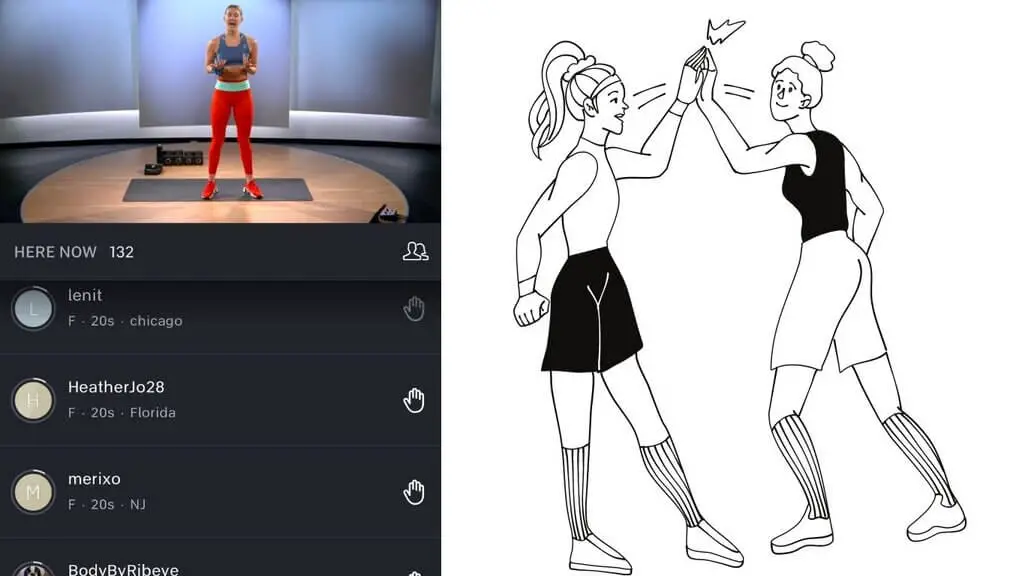
Peloton High Five is a built-in encouragement feature that lets you send quick support to other members during workouts—and it can boost motivation by pairing effort with instant social reward. In a home-workout setting, those tiny moments of connection can make it easier to stay consistent, push through tough intervals, and feel like you’re training with a community (not alone).
In this guide, you’ll learn exactly how Peloton High Five works, when to use it, and what science suggests is happening in your brain when you give or receive one.
What Is Peloton High Five?
Peloton High Five is a one-tap social feature that lets you send virtual encouragement to another member—most commonly through the Leaderboard during a class. Peloton describes it as a simple way to congratulate milestones, show support, and interact without interrupting your workout flow.
For the official explanation, see Peloton’s support pages on Sending a High Five and Peloton Leaderboard.
How Peloton High Five Works (Step-by-Step)
How to send a High Five
- Start a class (live or on-demand).
- Open the Leaderboard.
- Tap a member’s Leaderboard name/username to send a High Five.
Peloton notes that in on-demand classes you may need to filter the Leaderboard to “Here Now” to see members currently taking the class. (Details: Peloton’s High Five instructions.)
What the other person sees
- A quick on-screen High Five notification
- The ability to High Five back with a tap
When You Can Use Peloton High Five
You can typically use High Fives in both live and on-demand classes (when other members are present on the Leaderboard). Common moments people use High Fives include:
- Milestones: first ride, 50th/100th ride, birthdays
- Motivation boosts: a tough climb, final push, PR attempt
- Friendly recognition: when someone is riding near you on the Leaderboard
Peloton also highlights High Fives as one of the community tools meant to increase encouragement and engagement. (See: Peloton community features overview.)
What Happens to Your Brain When You Receive a Peloton High Five?
A High Five is small—but it lands at an important time: while you’re putting in effort. That “reward during effort” timing is a big reason it can feel surprisingly motivating.
1) Dopamine supports motivation and reinforcement (not just “pleasure”)
Dopamine is strongly involved in motivation, learning, and reinforcement—helping the brain tag an action as “worth repeating.” Research reviews describe dopamine’s role in motivational control and reinforcement learning, especially in reward-related learning processes.
- Example scientific review: Dopamine in motivational control (PMC)
- Another review on dopamine and reinforcement learning: Dopaminergic control of motivation and reinforcement learning (PMC)
How this connects to High Fives: When you’re working hard and a High Five pops up, your brain can associate the effort with immediate positive feedback. Over time, that can strengthen your “I can do this again” loop—especially for consistency.
2) Social feedback can reduce perceived effort and increase belonging
Humans are wired to respond to social signals. Even tiny moments of acknowledgement can increase a sense of belonging and support. In a digital workout, a High Five can act like a quick “you’ve got this,” which may help reduce mental friction during hard segments.
Practical effect: You may notice that a High Five makes a tough interval feel slightly more manageable—or helps you stay engaged when you’d normally want to slow down.
3) Exercise itself supports brain health and mood
Separate from High Fives, exercise has clear brain benefits. The CDC notes that physical activity can support brain health, including improvements in thinking and reductions in short-term feelings of anxiety (depending on the person and context).
Why this matters: Peloton High Fives can make it easier to show up consistently, and consistency is where many of the brain and mood benefits of exercise accumulate.
Does Giving a Peloton High Five Help You Too?
Yes—many people find that sending encouragement feels good and increases connection. From a behavior perspective, giving a High Five can also reinforce your identity as “someone who trains with a community,” which can support long-term adherence.
In other words: High Fives don’t just motivate the receiver—they can motivate the sender, too.
Peloton High Five vs Other Social Motivation Features
| Feature | What it does | Why it motivates |
|---|---|---|
| High Five | Instant peer encouragement | Immediate social reward during effort |
| Leaderboard | Shows live progress versus others | Competition, pacing, and goal focus |
| Milestones | Highlights consistency achievements | Recognition strengthens habits |
Peloton High Five Tips (So It Actually Helps)
- Use it at the right moment: send High Fives during tough blocks (climbs, intervals, final push).
- High Five milestones: it’s one of the easiest ways to be “the good vibe” on the Leaderboard.
- Don’t overthink it: treat it like a quick nod at the gym—simple and positive.
- Prefer privacy? You can choose how social you want your experience to be using Peloton’s settings and community features guidance: Peloton community features (Support).
FAQs About Peloton High Five
How do you High Five on Peloton?
Open the Leaderboard and tap a member’s name/username to send a High Five. Peloton explains the exact steps here: Sending a High Five.
Can you High Five on on-demand classes?
Yes—Peloton notes that you may need to filter the Leaderboard to “Here Now” in on-demand classes to see other members currently taking the class. (Source: Peloton Support.)
Do High Fives affect your leaderboard rank or metrics?
No. High Fives are a social interaction only and do not change your output, cadence, resistance, or ranking.
Why do High Fives feel so motivating?
Because they deliver immediate positive feedback during effort, which can reinforce motivation and habit formation. Dopamine-related research links reward signals to motivation and reinforcement learning (see: PMC review).
Can you turn off High Five notifications?
Peloton lets you manage your overall community/social experience through settings and community feature options. Start here: Peloton community features (Support).
Is Peloton High Five worth using if you prefer solo workouts?
If you love solo focus, you can keep High Fives minimal. But if motivation is your weak point, using High Fives strategically (especially during hard blocks) can be a simple “social boost” without changing your workout plan.
Conclusion
Peloton High Five is a small feature, but it’s timed perfectly: it delivers encouragement while you’re doing the hard part. That blend of exercise + instant social reward can support motivation, consistency, and a stronger habit loop—especially if you’re training at home.
If you want a simple way to make Peloton feel more like a real community, start by giving a few High Fives in your next ride. You’ll likely get some back—and your brain will remember that workouts come with connection.
This content is for informational purposes only and not medical advice.