
The easiest ways to lose weight are the ones that consistently create a small calorie deficit—mainly by improving portions, choosing filling foods, cutting liquid calories, moving more, and sleeping enough. If you focus on a few simple habits you can repeat daily, weight loss becomes less about willpower and more about an easy routine.
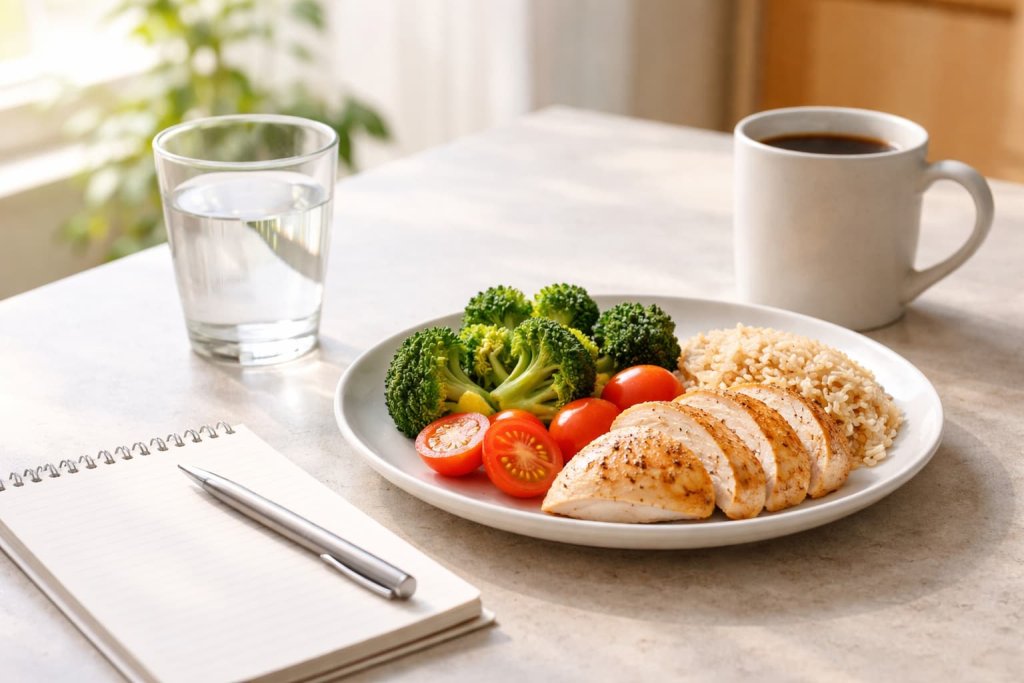
According to the Centers for Disease Control and Prevention, healthy weight loss is built on a lifestyle that includes healthy eating patterns, regular physical activity, enough sleep, and stress management. This guide turns that into practical, low-effort steps you can start today.
Easy ways to lose weight that work fastest for most people
If you want quick wins without complicated tracking, start with these five:
- Build meals around protein and high-volume foods (especially vegetables)
- Right-size portions (even for “healthy” foods)
- Replace sugary drinks and frequent liquid calories
- Add a daily walking target and two strength sessions weekly
- Protect sleep and reduce late-night snacking triggers
These habits work because they reduce calories naturally while keeping you full and consistent.
The science behind weight loss in one minute
Weight loss happens when you use more energy than you take in over time.
The Centers for Disease Control and Prevention explains that using calories through physical activity combined with reducing the calories you eat creates a calorie deficit that results in weight loss—and that most weight loss occurs from decreasing calories.
You don’t need a perfect plan. You need a plan you can repeat.
What’s a realistic (and safer) rate of weight loss?
Many people do best with gradual progress. The Centers for Disease Control and Prevention notes that people who lose weight at a gradual, steady pace—about 1 to 2 pounds per week—are more likely to keep the weight off than people who lose weight faster. Your scale can fluctuate day to day (especially from water, sodium, and digestion), so use weekly trends—not single weigh-ins—to judge progress.
The easiest high-impact food changes
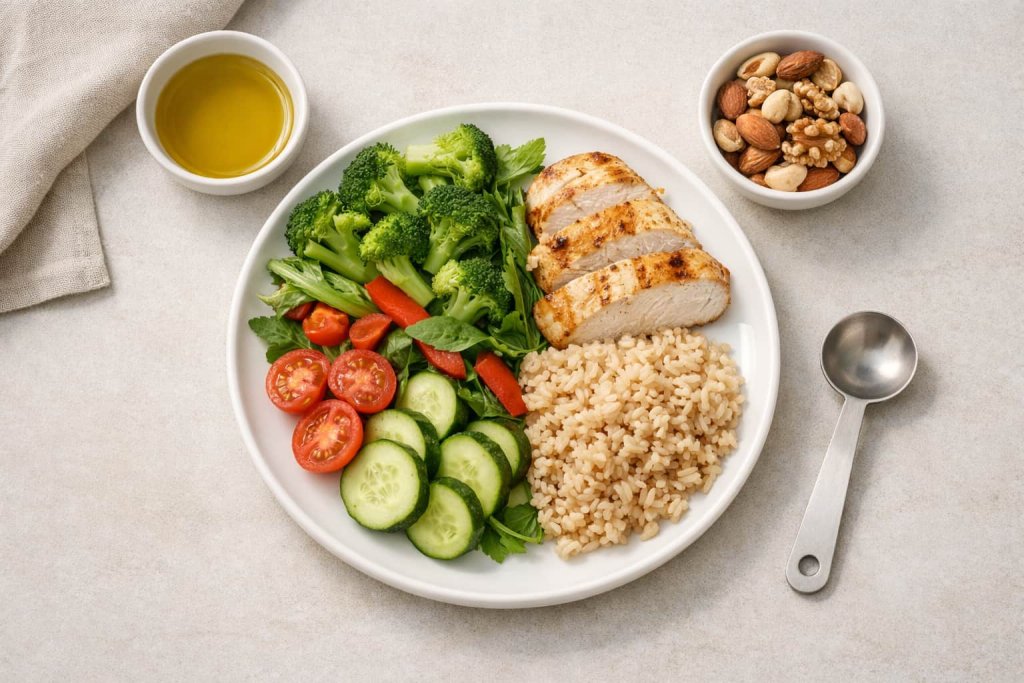
Use the “portion pause” before every meal
Portions drive calories more than most people realize. The National Institute of Diabetes and Digestive and Kidney Diseases explains the difference between portion size and serving size and shows how label math can reveal how quickly calories add up when you eat more than one serving.
Try this simple portion pause:
- Plate your food, then wait 60 seconds.
- Ask: “Is this the amount I actually need to feel satisfied?”
- If unsure, put 2–3 bites back before you start eating.
This tiny step often saves hundreds of calories per day without dieting.
Build meals with the “easy plate” method
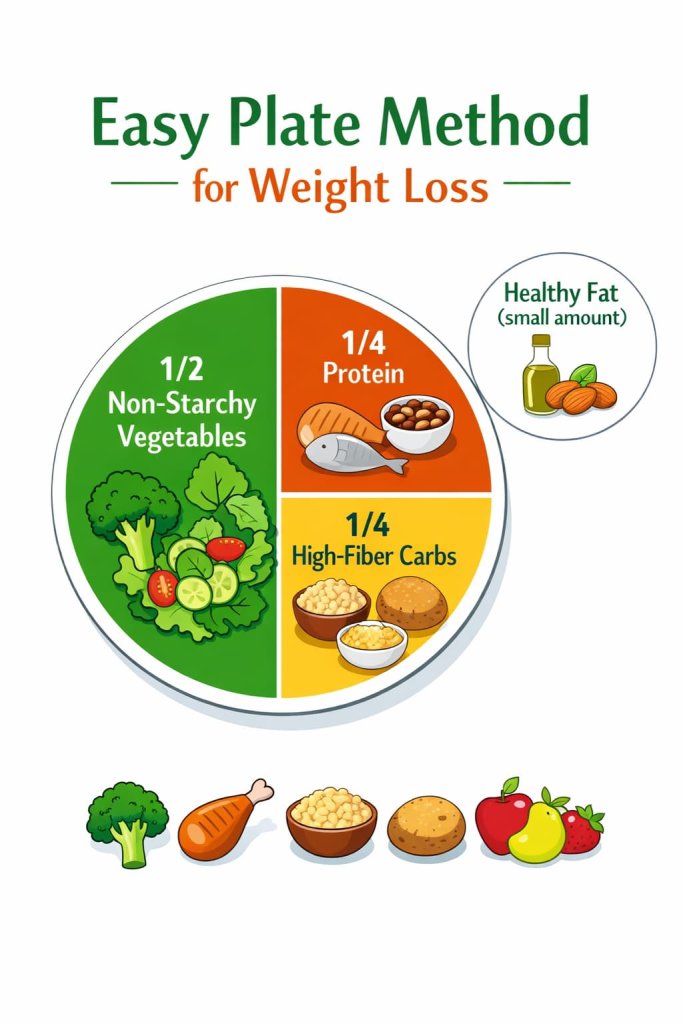
A simple plate structure makes weight loss easier because it reduces decision fatigue.
Aim for:
- Half the plate: non-starchy vegetables (salad, broccoli, peppers, zucchini)
- One quarter: protein (chicken, fish, eggs, beans, tofu, Greek yogurt)
- One quarter: high-fiber carbs (brown rice, oats, potatoes, whole grains) or fruit
- Add a small amount of healthy fat (olive oil, nuts, avocado) if you want it
This keeps meals filling and naturally limits calorie density.
Prioritize protein and fiber at breakfast
Breakfast is a common place where people accidentally eat a lot of calories and still feel hungry.
Easy upgrades:
- Add eggs, Greek yogurt, cottage cheese, tofu, or beans
- Add berries, chia/flax, oats, or a high-fiber cereal
- Keep pastries and sweet coffee drinks as “sometimes,” not daily
This combination supports fullness and helps prevent snack spirals later.
Cut liquid calories first
This is one of the simplest changes that often makes the biggest difference.
Replace:
- Soda, sweet tea, energy drinks, sweetened coffee drinks, fruit juice
With:
- Water, sparkling water, unsweetened tea, black coffee, or coffee with a measured splash of milk
If you keep your usual drinks but change nothing else, weight loss gets harder fast.
Watch the “hidden calories” that add up fast
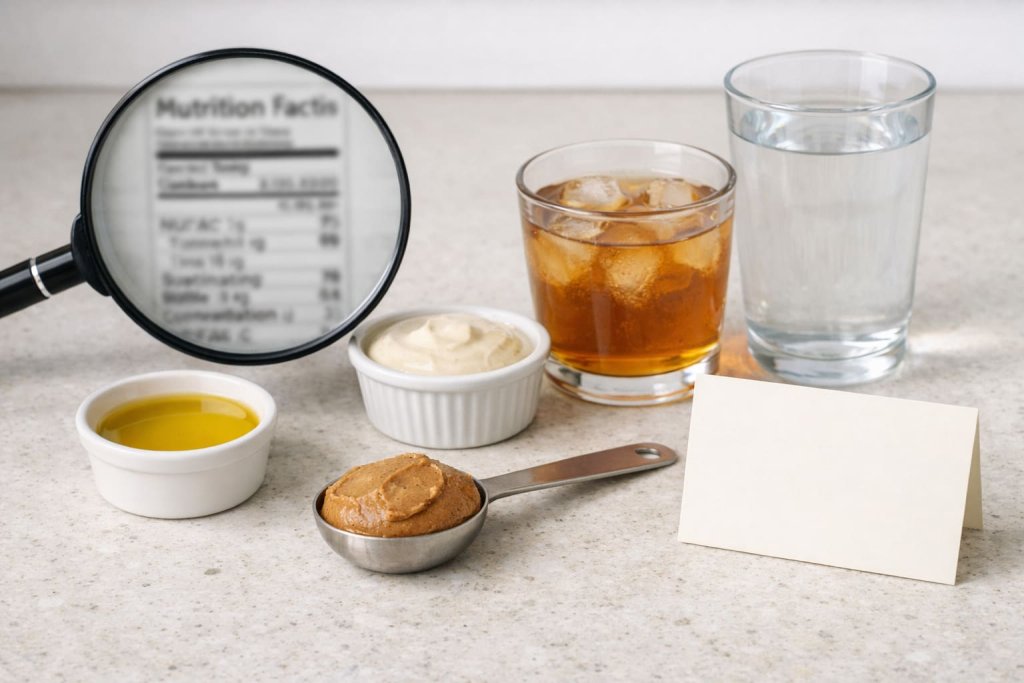
Even with healthy meals, small extras can quietly erase your calorie deficit. Common culprits include oils and butter used in cooking, creamy sauces and dressings, sugary condiments, frequent “tastes” while cooking, and alcohol.
Easy fixes that don’t feel restrictive:
- Use a measured drizzle of oil or choose cooking methods like roasting, air-frying, grilling, or steaming more often
- Ask for dressings/sauces on the side when eating out
- Pre-plate snacks and “extras” instead of eating from the container
- If you drink alcohol, keep it occasional and pair it with food and water so it’s easier to stay within your plan
Make “snack rules” that feel easy
Snacks aren’t automatically bad. Unplanned snacks are.
Simple rules that work:
- If you snack, include protein or fiber (or both)
- Pre-portion once, then put the bag away
- Avoid eating snacks in front of screens when possible
Easy snack combos:
- Apple + peanut butter (measured)
- Greek yogurt + berries
- Baby carrots + hummus
- Popcorn (air-popped) + a piece of fruit
Make weight loss easier with a simple grocery list and meal templates
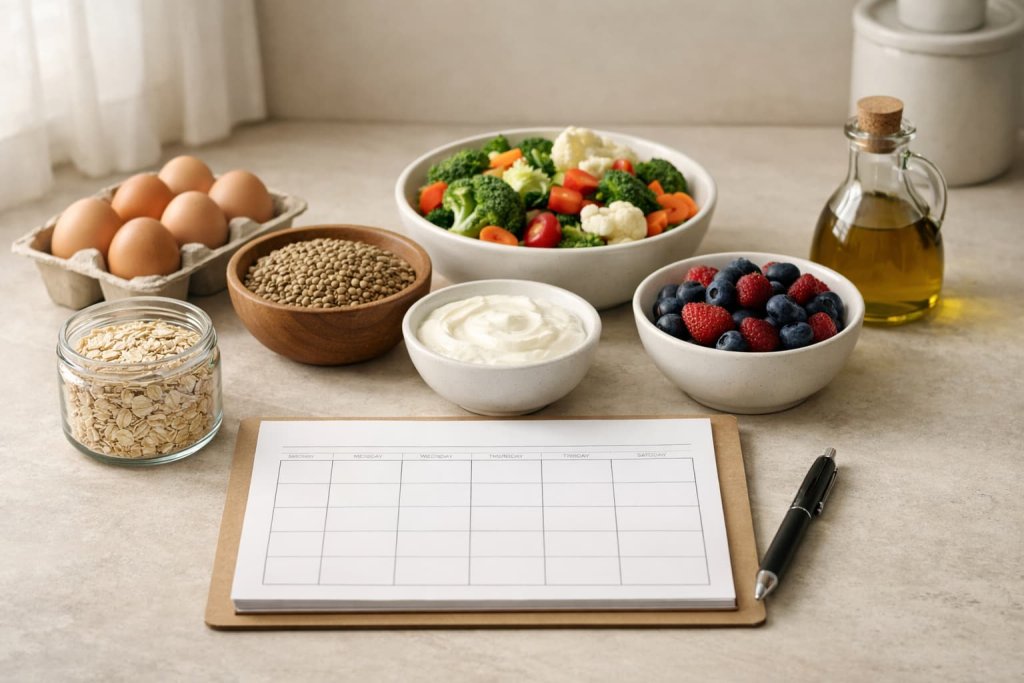
The easiest plan is the one you can repeat. Keep your week simple by stocking a few basics and rotating the same 3–5 meals.
A simple grocery list:
- Proteins: eggs, chicken, fish, canned tuna/salmon, beans/lentils, tofu, plain Greek yogurt
- Produce: salad greens, frozen vegetables, berries, apples/citrus, tomatoes, peppers
- High-fiber carbs: oats, brown rice, potatoes, whole-grain bread or wraps
- Healthy fats: olive oil, nuts, seeds, avocado
Easy meal templates:
- Protein + big salad + a measured carb (rice/potato/whole grain)
- Stir-fry or sheet-pan protein + frozen vegetables + sauce on the side
- Greek yogurt bowl with berries + chia/flax + a measured crunchy topping
- Bean-and-veg bowl with salsa or spices for flavor
For balanced meal building ideas, the MyPlate.gov approach can help you keep portions realistic without calorie counting.
A realistic weekly movement plan that supports weight loss
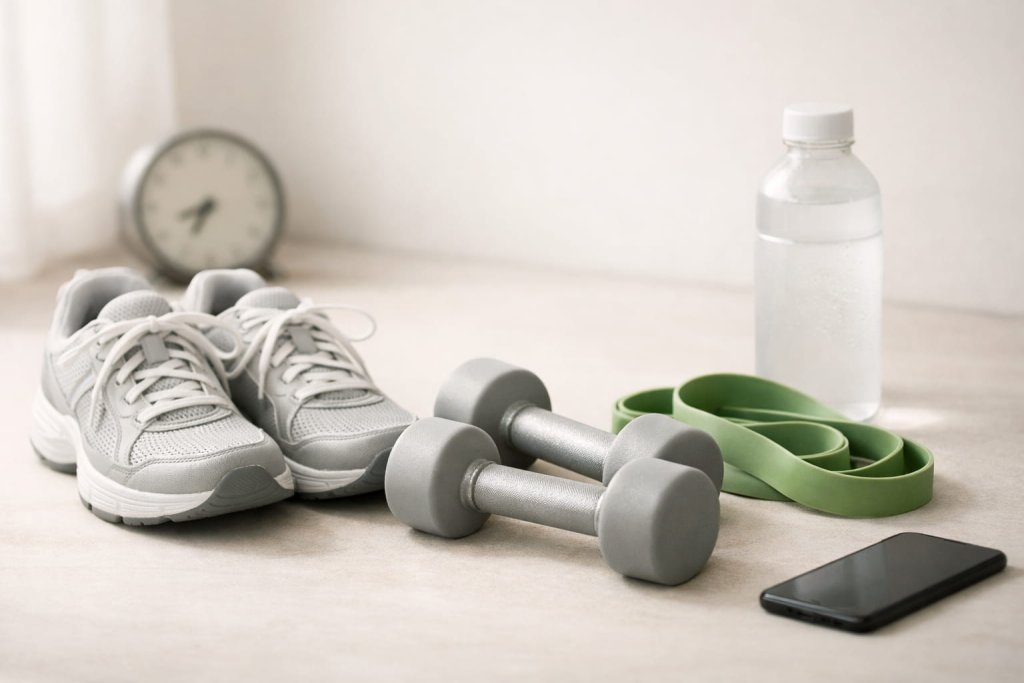
You don’t need extreme workouts. You need consistency.
The World Health Organization recommends 150–300 minutes per week of moderate-intensity activity (or 75–150 minutes vigorous) for adults, plus muscle-strengthening activity.
The easiest plan to follow
- Walk 20–30 minutes most days (or break it into 10-minute chunks)
- Do 2 short strength sessions weekly (15–30 minutes)
- Add “movement snacks” (2–5 minutes) when you can
Examples of movement snacks:
- Walk during a phone call
- Take stairs for one flight
- Do a short bodyweight circuit (squats, push-ups against a counter, rows with a band)
Why strength training makes weight loss easier
Strength training helps preserve muscle while you lose weight and keeps your body functioning well.
If you’re new:
- Start with bodyweight moves or light dumbbells
- Keep it short
- Focus on consistency, not soreness
Sleep and stress: the underrated “easy way” to lose weight
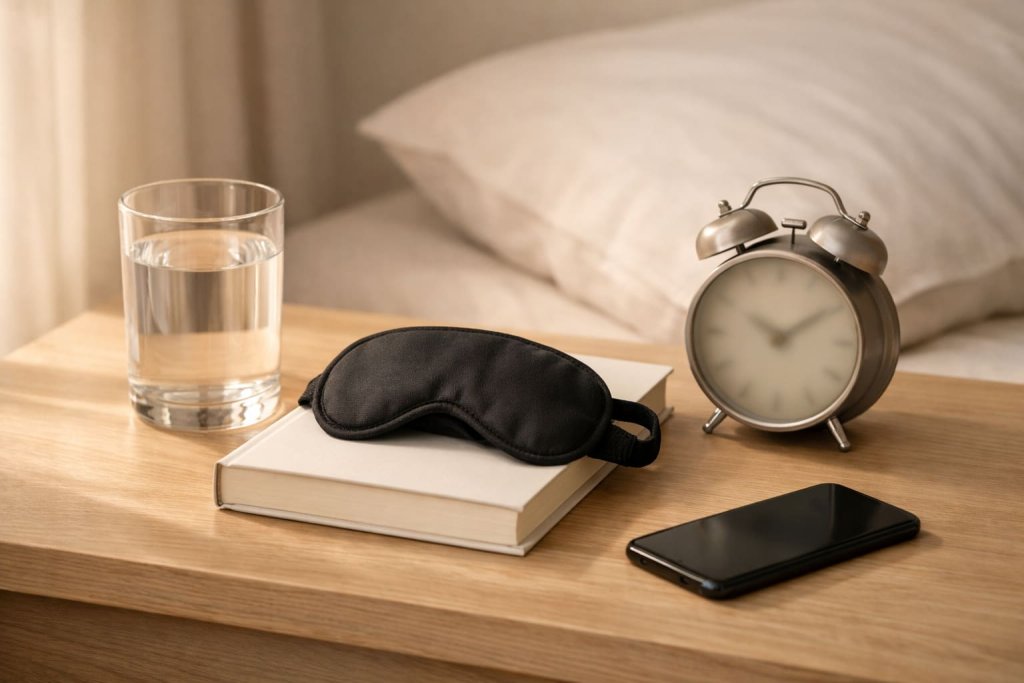
If you’re always tired, hunger and cravings usually get louder.
The Centers for Disease Control and Prevention explains that good sleep supports overall health and emotional well-being, and that sleep needs change across the lifespan.
Easy sleep habits that support weight loss:
- Set a consistent wake time
- Keep caffeine earlier in the day
- Build a 15-minute wind-down routine (shower, stretch, book, dim lights)
- Keep late-night snacks intentional (a planned option) instead of random grazing
The “no-calorie-counting” checklist that still works
Use this checklist daily for two weeks. You’ll get the benefits of structure without the stress of tracking.
- Protein at every meal
- Vegetables at 2 meals (minimum)
- One planned snack (or none), not constant snacking
- Zero sugary drinks most days
- Walk daily (even 10 minutes counts)
- Two strength sessions per week
- Consistent sleep schedule most nights
How to track progress without obsessing
You don’t need to track everything—but you do need feedback so you can adjust.
Try this for 2–4 weeks:
- Weigh 3–4 mornings per week and look at the weekly average (not single days)
- Measure waist circumference once per week
- Take one progress photo monthly (same lighting/clothes)
- Track 1–2 behaviors that matter most (daily steps, protein at meals, sugary drinks)
If your trend hasn’t changed after a few weeks, the most common fixes are reducing liquid calories, tightening portions, or adding a little more walking.
Common mistakes that make weight loss feel harder than it should
Being “healthy” but overeating healthy foods
Foods like nuts, oils, granola, cheese, and nut butters can be nutritious—and very calorie-dense.
Solution:
- Measure once a day (a tablespoon of nut butter, a serving of nuts, a drizzle of oil)
- Use smaller bowls and plates for calorie-dense foods
Trying to out-exercise a high-calorie diet
Movement is powerful, but it’s easy to eat back calories without noticing.
Solution:
- Keep workouts for health and consistency
- Make food changes the foundation
Skipping meals and then overeating at night
This pattern is extremely common.
Solution:
- Eat balanced meals earlier
- Keep an “emergency snack” planned (protein + fiber)
Easy ways to lose weight when you eat out
You can lose weight without avoiding restaurants—just use a few default moves:
- Start with a protein-centered entrée and add vegetables (salad, side veg, soup)
- Choose grilled, baked, roasted, or steamed options more often than fried
- Ask for sauces/dressings on the side and use a little at a time
- Consider boxing half at the start if portions are large
- Skip or split calorie-heavy add-ons (extra cheese, creamy sides, sugary drinks)
This keeps eating out from turning into an “all-or-nothing” day.
People also ask about easy ways to lose weight
What is the easiest way to lose weight without dieting?
The easiest way is to build repeatable structure:
- Use a simple plate method
- Reduce liquid calories
- Walk daily
- Keep protein consistent
You’ll naturally reduce calories without feeling like you’re “on a diet.”
How can I lose weight fast but safely?
Fast weight loss isn’t always sustainable. A safer approach is steady loss from small, consistent habits. If you have medical conditions, are pregnant, or take medications that affect weight or blood sugar, check with a clinician before making big changes.
Do I need to count calories to lose weight?
No. Calorie counting can help some people, but it’s not required. Portion control, higher-protein meals, and cutting liquid calories can create a deficit without tracking.
If you want a structured tool, the National Institute of Diabetes and Digestive and Kidney Diseases offers the Body Weight Planner to build a personalized calorie and activity plan.
Safety notes before you start
If you’re a teen, focus on healthy habits and strength, not aggressive weight-loss targets. Rapid restriction can interfere with growth, energy, and sports performance. A parent/guardian and a clinician or registered dietitian can help you choose a safe plan that fits your age and activity level.
If you have diabetes, kidney disease, a history of eating disorders, are pregnant/breastfeeding, or take medications that affect appetite or blood sugar, talk with a clinician before major diet or exercise changes.
Stop exercising and seek medical advice if you have chest pain, fainting, severe shortness of breath, or new neurological symptoms.
FAQs
What should I eat every day to lose weight?
Aim for protein at each meal, plenty of vegetables, and high-fiber carbs in measured portions. Keep added sugars and highly processed snacks as occasional foods.
Is walking enough to lose weight?
Walking helps, especially when paired with portion changes and fewer liquid calories. Add two short strength sessions weekly to support muscle and long-term results.
What drinks help with weight loss?
Water, sparkling water, unsweetened tea, and plain coffee are good staples. The easiest win is replacing sugary drinks and frequent specialty coffee drinks.
What’s the best breakfast for weight loss?
A protein-and-fiber breakfast is usually easiest to stick with: eggs plus fruit, Greek yogurt plus berries, or oats with added protein.
How can I stop late-night snacking?
Eat enough earlier in the day, set a kitchen “close time,” and plan a single evening option if you truly get hungry (like yogurt or a piece of fruit plus protein).
How long until I see results?
Many people notice changes in hunger, energy, and bloating within 1–2 weeks of consistent habits. Scale weight can fluctuate day to day, so look at trends over several weeks.
What if I’m doing everything and not losing weight?
Check the most common hidden issues: liquid calories, portion creep, frequent snacks, and weekend eating. If nothing changes over several weeks, consider discussing medical causes with a clinician.
Conclusion
Easy ways to lose weight aren’t about extreme rules—they’re about repeatable habits. Start with portions, protein, fewer liquid calories, daily walking, and better sleep. Pick just two changes this week, do them consistently, and build from there.
This content is for informational purposes only and not medical advice.