
The safest way to “how to lose 10 pounds fast” is to aim for steady fat loss (usually about 1–2 pounds per week) using a consistent calorie deficit, higher-protein meals, and regular movement—without crash dieting. This matters because extreme restriction can backfire (energy dips, rebound overeating, poor training recovery), while a realistic plan is easier to stick with and more likely to stay off.
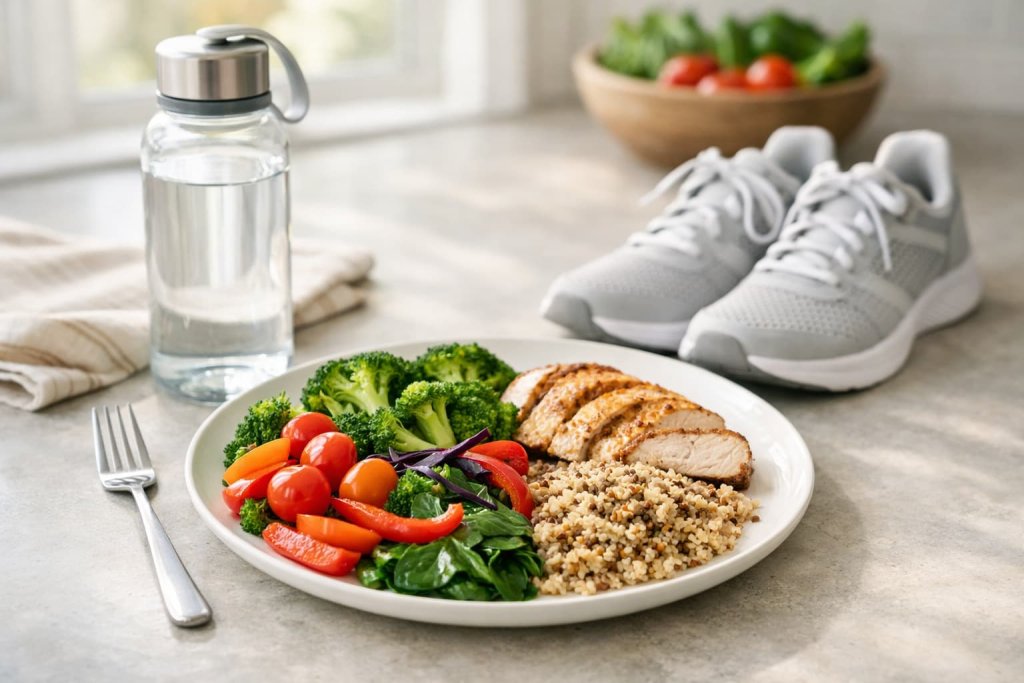
Health guidance consistently favors gradual loss for long-term success. The Centers for Disease Control and Prevention recommends a steady pace (often 1–2 pounds per week) as a practical, sustainable approach.
Quick clarity: what “lose 10 pounds fast” can realistically mean
For many adults, 10 pounds of true fat loss often takes about 5–10 weeks if you follow the commonly recommended pace of 1–2 pounds per week (your starting weight, habits, and health conditions matter). The scale may drop faster in week 1 from water shifts, but the most reliable results come from consistent habits.
Note on water weight: In the first 1–2 weeks, the scale can move quickly because of changes in water and stored carbohydrate, especially if your sodium intake drops or your meals become less processed. Don’t chase that early drop—focus on repeating the plan so fat loss continues after the initial shift.
A safe “fast” target to use
- Most weeks: aim for 1–2 pounds down
- If you have a bigger drop early on, treat it as a bonus—not the new expectation
What you’ll need (5 minutes to set up)
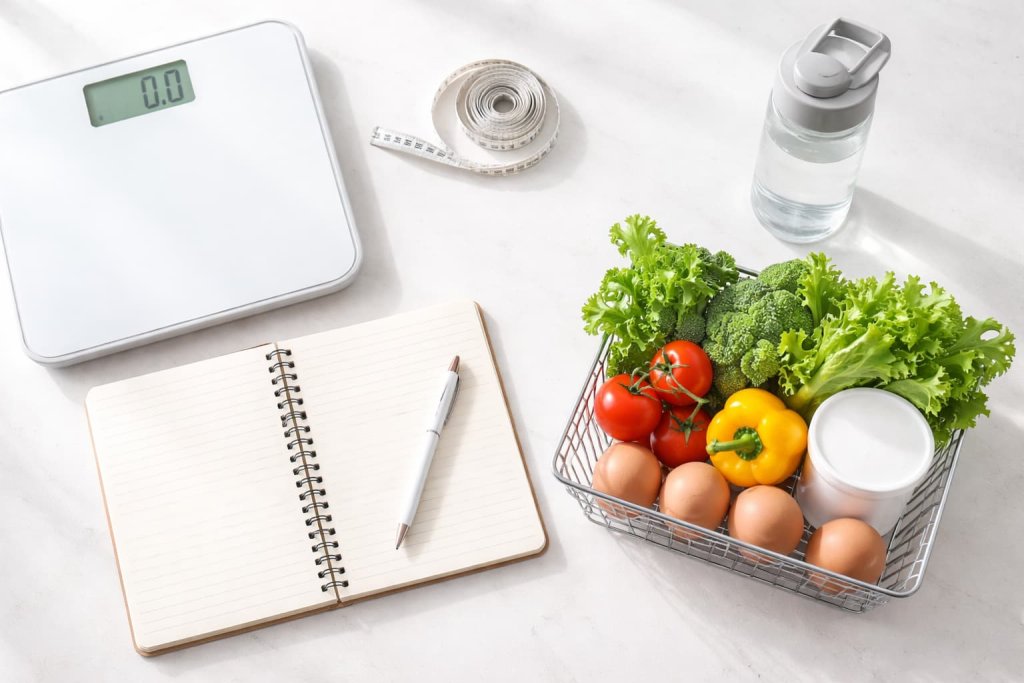
- A simple way to track progress: scale (optional), tape measure, or weekly photo
- A basic meal template you can repeat (plate method + protein-forward breakfast/lunch)
- A walking plan you can do most days (even 10–15 minutes at a time)
- A “default grocery list” for your go-to proteins, veggies, and higher-fiber carbs
- A backup plan for busy days (one easy breakfast, lunch, and dinner you can repeat)
Step 1: Set a realistic timeline and define your “10-pound” goal
Before you change anything, decide what success means:
- Scale goal: 10 pounds down
- Behavior goal: “I follow my plan 80–90% of days”
- Measurement goal: waist/hip, progress photos, how clothes fit
This matters because day-to-day scale changes are normal.
A realistic 10-pound timeline table
| If your average loss is… | 10 pounds may take about… | What to expect |
|---|---|---|
| 1 lb/week | 10 weeks | Steady, sustainable |
| 1.5 lb/week | ~7 weeks | Requires tighter consistency |
| 2 lb/week | 5 weeks | Often harder; not ideal for everyone |
Step 2: Create the calorie deficit without “crash dieting”
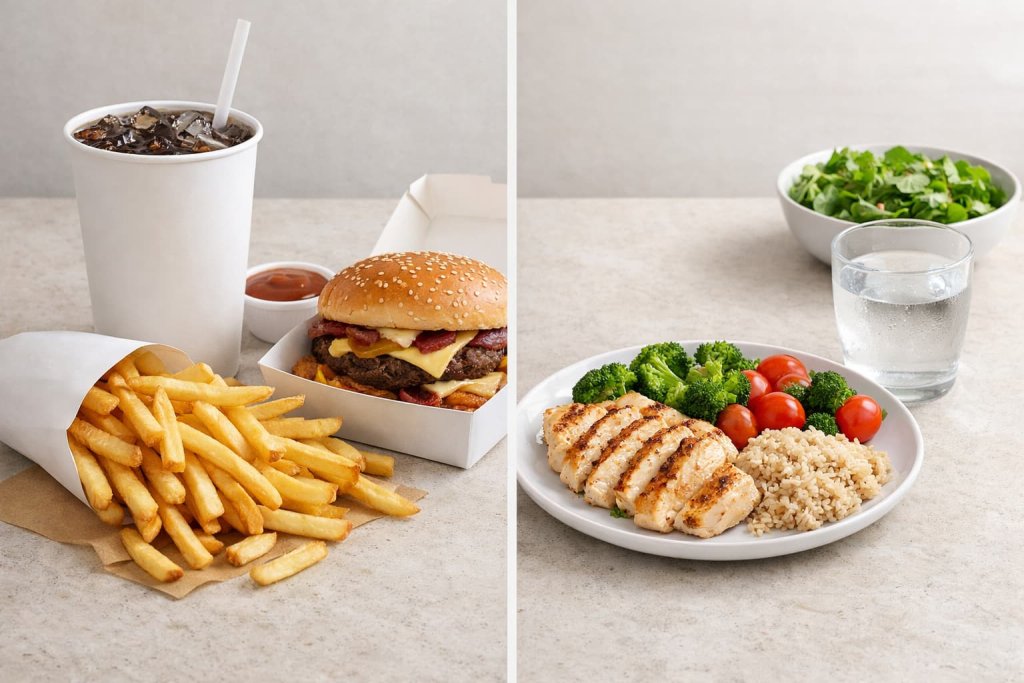
A calorie deficit is the engine of weight loss. That simply means you consistently take in a bit less energy than your body uses—not that you eat “as little as possible.” A common starting point many programs use is about 500 fewer calories per day, which can line up with roughly ~1 pound per week for many adults, as explained by the MedlinePlus. The CDC also teaches this “burn more than you take in” concept in weight-loss education materials (including diabetes prevention resources).
The “fast but safe” deficit range (simple rule)
Your goal is a moderate deficit you can repeat daily—because repeatability is what creates results.
Use this simple rule:
- Start with a moderate deficit that feels like: “I’m a little hungry sometimes, but not miserable.”
- Avoid extreme restriction that causes: constant hunger, fatigue, irritability, headaches, poor workouts, or “binge and regret” cycles.
Practical signs your deficit is too aggressive:
- You’re thinking about food all day
- You’re waking up hungry at night
- You’re skipping meals, then overeating later
- Your energy and mood are noticeably worse most days
If those happen, the “fast” plan usually becomes slower because it’s hard to sustain.
Safety guardrails (important)
If your plan pushes you toward extremely low intake or you feel unwell, scale back and get guidance. Many adults do better avoiding very low-calorie approaches unless medically supervised. If you’re unsure what’s appropriate for you—especially if you have a medical condition, take medications, or have a history of disordered eating—talk with a clinician or registered dietitian before aiming for faster loss.
Two easy ways to create a deficit (choose one)
You don’t have to track perfectly. Pick the method you’ll actually stick to.
Option A: Track for 7–14 days (the “fastest feedback” method)
- Track meals honestly (including drinks, sauces, snacks)
- Aim for consistency most days, not perfection
- Use your weekly average weight trend to confirm it’s working
Why it helps: tracking makes “hidden calories” obvious quickly.
Option B: Use portion structure (the “no-tracking” method)
At most meals:
- Keep the plate method (half veggies, quarter protein, quarter higher-fiber carbs)
- Reduce the most calorie-dense extras (oils, creamy sauces, large snacks)
- Keep protein steady so hunger doesn’t spike
Why it helps: you reduce calories without turning every day into math.
What “500 calories less” looks like in real life (examples)
A 500-calorie deficit doesn’t have to be one dramatic change. It’s usually 2–4 small adjustments.
Here are realistic “swap stacks” you can copy:
Example 1: Coffee + snack + dinner tweak
- Choose a lower-calorie coffee drink (or smaller size)
- Swap chips/cookies for Greek yogurt + berries
- At dinner, slightly reduce the starch portion and keep vegetables at half the plate
Result: often close to a 500-calorie reduction without feeling deprived.
Example 2: Lunch rebuild + beverage fix
- Keep the same lunch, but:
- measure dressing (1–2 tbsp)
- add extra veggies for volume
- Replace a sugary drink with water/sparkling water/unsweetened tea
Result: a big calorie drop with minimal “diet feelings.”
Example 3: “Same foods, smaller portions” day
- Keep your normal breakfast, lunch, and dinner
- Reduce each portion slightly (especially calorie-dense items like cheese, oils, nuts, sweets)
- Add a bigger veggie side to stay full
Result: easier adherence because nothing is “off-limits.”
Quick checklist: easiest calories to cut first (high impact, low pain)
If you want the deficit to feel easier, start here:
- Liquid calories (sweet coffee drinks, soda, juice, alcohol)
- Mindless snacks (chips, sweets eaten from the bag)
- Restaurant “extras” (appetizers, creamy sauces, large fries)
- Oils, butter, and dressings added without measuring
These are common “silent” calorie sources that don’t add much fullness.
If you’re unsure what intake target makes sense
If you don’t want to guess, use evidence-based planning resources to estimate needs and set a realistic goal. The National Institute of Diabetes and Digestive and Kidney Diseases explains practical ways to balance eating and activity for weight management using structured approaches rather than extreme dieting.
How to adjust if progress is too slow (or too hard)
After 2–3 consistent weeks, choose only one adjustment:
- Reduce portions slightly (especially fats/sweets/snacks), or
- Add a bit more daily walking, or
- Cut liquid calories
Avoid doing all three at once—big changes can trigger burnout and rebound eating.
Step 3: Use the easiest fat-loss meal structure (high protein, high fiber)
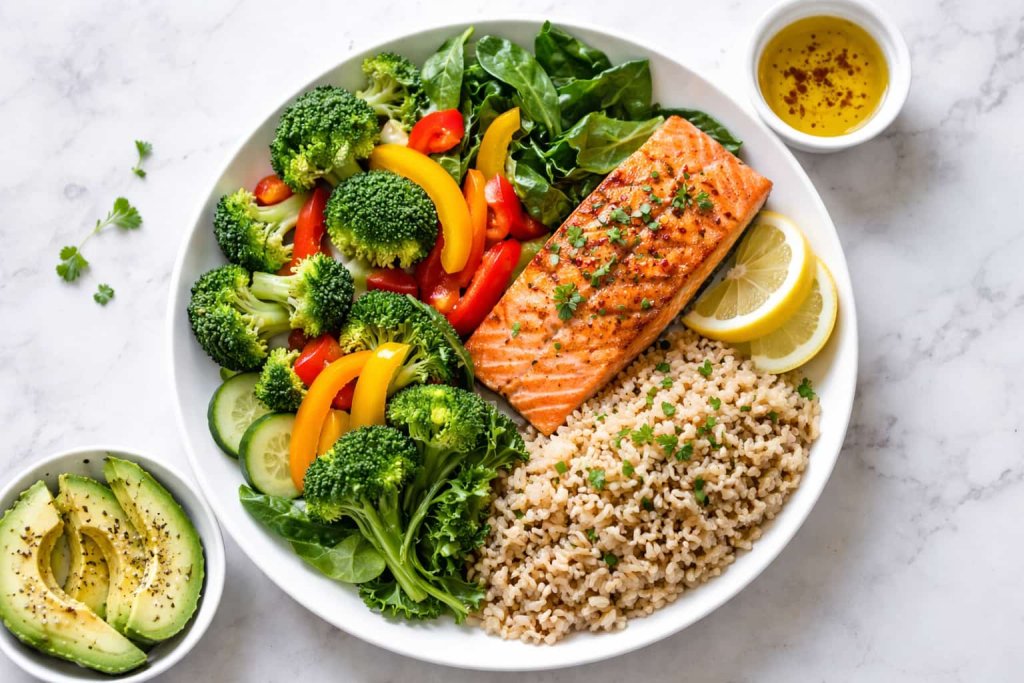
You don’t need a perfect diet. You need a repeatable meal template that (1) keeps you full, (2) makes portions automatic, and (3) keeps calories reasonable without constant tracking.
The simplest “plate method” you can repeat
At most meals, build your plate like this:
- Half your plate: non-starchy vegetables
Think: leafy greens, broccoli, cauliflower, peppers, cucumbers, green beans, mushrooms, tomatoes, zucchini. These add volume and fiber for very few calories. - Quarter of your plate: protein
Choose one main protein (rough guide: a palm-sized portion). Examples: chicken, fish, eggs/egg whites, lean beef, turkey, tofu, tempeh, Greek yogurt, cottage cheese, beans/lentils (also add fiber). - Quarter of your plate: higher-fiber carbs
Think: brown rice, quinoa, oats, potatoes/sweet potatoes, beans, lentils, whole-grain bread/tortillas, fruit. If you’re less active or your weight loss has stalled, make this portion a little smaller and keep vegetables and protein strong. - Add a small amount of healthy fat
Think: olive oil, avocado, nuts, seeds, nut butter. A “small amount” matters because fats are calorie-dense—so use them as a flavor/finisher, not the main event.
This approach fits the “nutrient-dense, within calorie limits” pattern emphasized by the Dietary Guidelines for Americans, which also encourages limiting components many people overconsume, including added sugars and saturated fat.
The “protein + fiber” rule for hunger control
If you want fat loss to feel easier, build meals around protein + fiber first—then add carbs/fats in controlled portions.
- Protein helps with fullness and makes meals feel “complete.”
- Fiber-rich foods add volume and slow digestion, which helps reduce grazing and rebound hunger.
Easy way to apply it at each meal:
- 1 protein choice, and
- 1–2 fiber choices (vegetables, beans, fruit, whole grains)
Protein shortcut (no tracking needed)
At each meal, try to include one clear protein anchor (like eggs, Greek yogurt, chicken, fish, tofu, beans/lentils). If you’re still hungry soon after meals, the simplest fix is usually: add a bit more protein and vegetables first, then adjust carbs and fats as needed.
Practical examples (mix-and-match)
- Breakfast: Greek yogurt + berries + oats/chia
- Breakfast: eggs + spinach/veggies + whole-grain toast
- Lunch: chicken/tuna/tofu salad bowl + lots of veggies + beans or quinoa
- Dinner: salmon/tofu + roasted vegetables + potato or brown rice
- Snack (optional): fruit + protein (apple + peanut butter, cottage cheese + fruit, yogurt + berries)
One high-impact tweak: protein-forward breakfast and lunch
If you do only one thing, make breakfast and lunch more protein-forward. It’s one of the simplest ways to reduce afternoon cravings because you’re not trying to “catch up” on fullness late in the day.
Quick upgrades:
- Add a protein to breakfast (eggs, Greek yogurt, cottage cheese)
- Add extra protein to lunch (double the lean protein, or add beans/lentils)
- Keep vegetables easy (pre-washed greens, frozen veggies, cut cucumbers)
One sample day (simple and repeatable)
- Breakfast: Greek yogurt + berries + oats/chia
- Lunch: big salad bowl with chicken or tofu + beans + plenty of veggies + measured dressing
- Snack (optional): apple + peanut butter or cottage cheese + fruit
- Dinner: salmon or chicken + roasted vegetables + a smaller portion of potato or brown rice
Step 4: Walk more than you think you need (then add strength training)
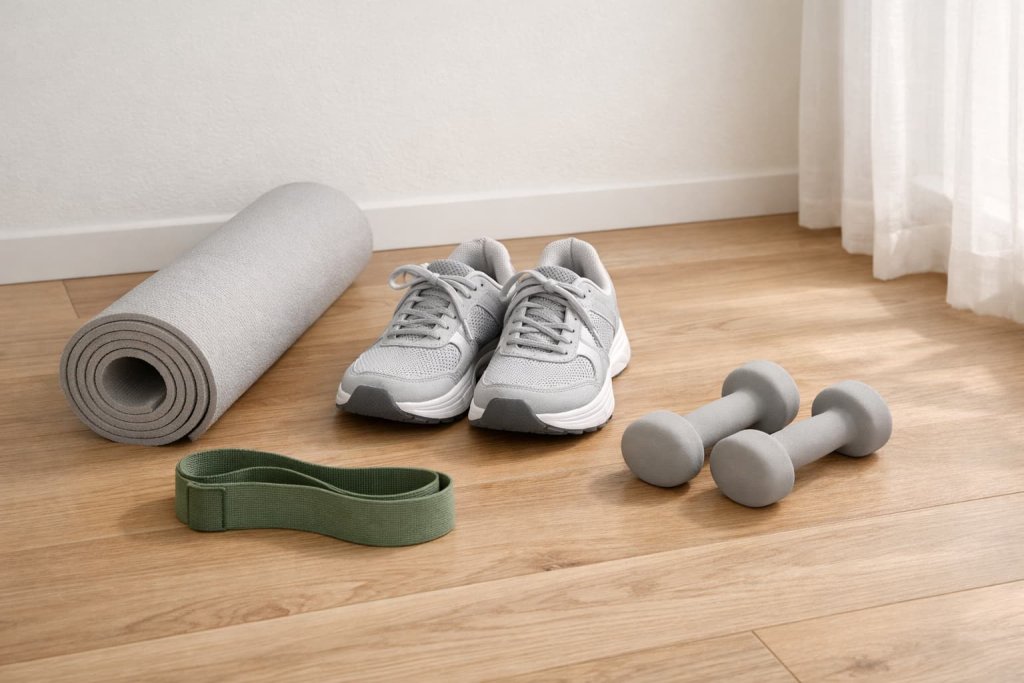
Movement helps create (and maintain) your calorie deficit. It also supports consistency and mood.
The baseline activity target
Adults generally aim for at least 150 minutes/week of moderate-intensity activity plus muscle-strengthening activities 2 days/week, consistent with federal guidance summarized by the Office of Disease Prevention and Health Promotion.
A practical weekly movement plan for faster results
- Walk most days (even split into 10–15 minute blocks)
- Strength train 2–3 times per week (full body)
- Keep one day lighter (easy walk + mobility)
Strength training matters because it helps preserve muscle while you’re in a calorie deficit, which supports how you look, feel, and perform.
Step 5: Use label-reading to cut calories fast without feeling deprived
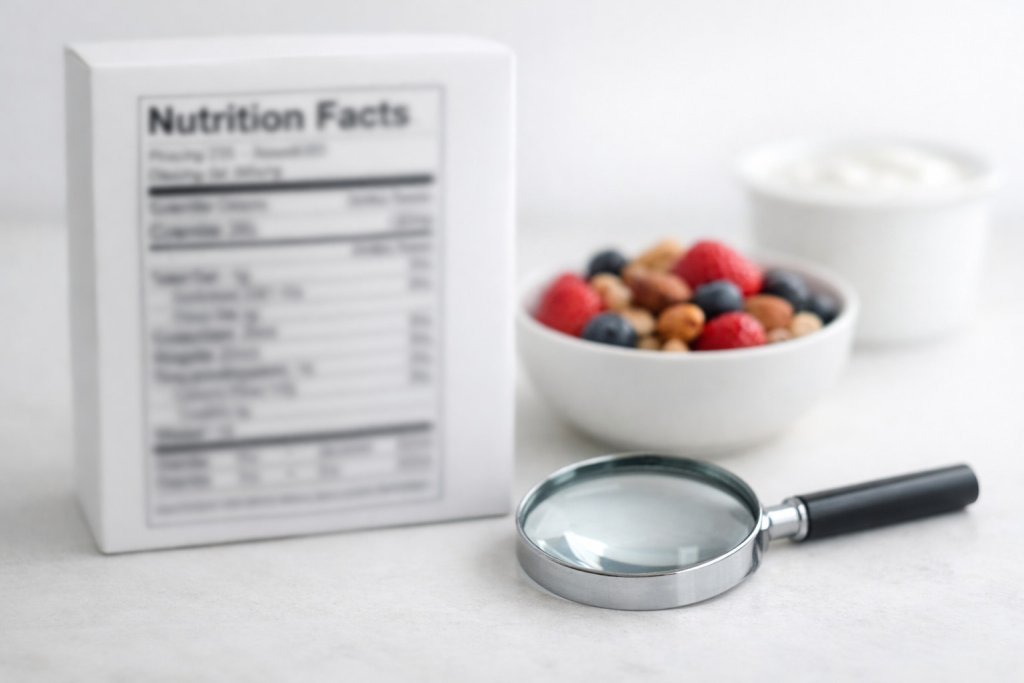
Many stalls come from “hidden calories” in packaged snacks, drinks, sauces, and restaurant meals.
The fastest label check that works
Use % Daily Value as a shortcut. The U.S. Food and Drug Administration explains a simple guide:
- 5% DV or less = low
- 20% DV or more = high
For weight loss, you’ll usually do better choosing foods that are:
- Higher in fiber and key nutrients
- Lower in saturated fat, sodium, and added sugars
A quick “swap list” that usually saves calories
- Sugary drink → water, sparkling water, unsweetened tea
- Chips → fruit + Greek yogurt, or popcorn + a protein
- Heavy sauce → smaller portion, salsa, herbs, vinegar-based options
- “Mindless snacks” → pre-portion into a bowl or bag
Step 6: Make the plan measurable (so it actually works)

You don’t need obsessive tracking. You do need feedback.
The easiest tracking method (5 minutes/day)
Pick 2–3 of these:
- Weigh 3–4 mornings per week (use weekly average)
- Track steps
- Track protein servings
- Take a waist measurement every 2 weeks
What to do if weight isn’t dropping after 2–3 weeks
- Tighten portions slightly (especially calorie-dense extras like oils, nuts, sauces)
- Cut “liquid calories”
- Add 1–2 short walks per day
- Re-check weekend eating (it often drives the stall)
Quick self-check: your 7-day consistency score
At the end of the week, give yourself 1 point for each day you hit these basics:
- Protein at 2–3 meals
- Vegetables at 1–2 meals
- Walked or moved for at least 20–30 minutes (can be split up)
- Stayed within your plan for drinks/snacks most of the day
If you’re scoring under 4/7, don’t “diet harder.” First, tighten the basics and simplify your meals.
Step 7: Protect sleep and stress habits that can derail “fast” goals

“Fast” fails when your routine is too hard to repeat. Sleep and stress can influence hunger, cravings, and consistency, so keep your plan realistic.
Two simple rules that help most people:
- Keep a consistent bedtime/wake time most days
- Plan a low-effort dinner option for busy nights (so you don’t default to takeout)
Common mistakes that stop people from losing 10 pounds quickly
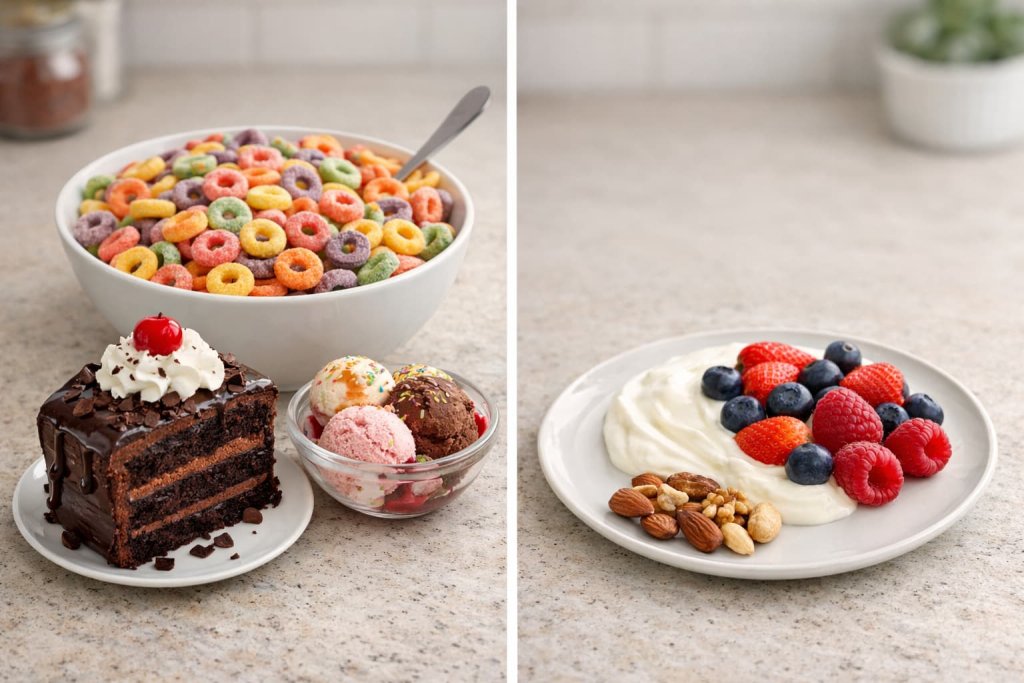
- Going too extreme Monday–Friday, then rebounding on weekends
- Skipping protein, then overeating later
- Drinking calories (sweet coffee drinks, juice, alcohol)
- Only doing cardio and skipping strength training
- Chasing “detox” shortcuts instead of repeatable meals
For a practical long-term approach, the Mayo Clinic emphasizes habits like realistic goals, consistency, and strategies you can maintain.
When to talk to a clinician before trying to lose 10 pounds fast
Talk with a clinician (or a registered dietitian) before pushing for fast loss if you:
- Are pregnant/postpartum, under 18, or have a history of disordered eating
- Take medications that affect weight/appetite
- Have diabetes, heart disease, kidney disease, or other chronic conditions
- Have symptoms like dizziness, fainting, chest pain, or severe fatigue
People Also Ask: how to lose 10 pounds fast
Can I lose 10 pounds in 1 week?
For many people, losing 10 pounds in one week is not a realistic fat-loss target. Large short-term drops are often water changes rather than true fat loss. A steadier pace is more sustainable.
What is the fastest safe way to lose 10 pounds?
A repeatable routine that creates a moderate calorie deficit, emphasizes protein and fiber, and includes regular walking plus strength training.
Should I cut carbs to lose 10 pounds fast?
Some people see quick scale changes when they reduce carbs (water shifts), but long-term progress still depends on a calorie deficit you can maintain.
What should I eat every day to lose weight faster?
A simple daily base: protein at each meal, plenty of vegetables, a controlled portion of higher-fiber carbs, and minimal sugary drinks/snacks.
How much should I walk to lose weight?
Start from your baseline and build up. A common minimum is 150 minutes/week of moderate activity, and more movement can help increase your weekly calorie burn.
FAQ
1) How to lose 10 pounds fast without exercise?
You can lose weight through diet alone, but adding walking and strength training usually makes it easier and supports maintenance.
2) How to lose 10 pounds fast with walking?
Walk most days, build gradually, and pair it with consistent meals that keep you in a moderate calorie deficit.
3) How to lose 10 pounds fast without starving?
Prioritize protein, fiber, and volume foods (vegetables and fruit), and avoid drinking calories.
4) What’s the best calorie deficit for losing 10 pounds?
Many plans begin around a 500-calorie daily deficit, but your best target depends on your body size, activity, and sustainability.
5) What if I hit a plateau after losing a few pounds?
Re-check portions, weekend eating, liquid calories, and movement consistency for 2–3 weeks before making big changes.
6) Are “fat burners” necessary to lose 10 pounds fast?
No. Most results come from consistent food choices and activity. Be cautious with supplements, especially if you have health conditions or take medications.
7) How do I keep the 10 pounds off after I lose it?
Keep your core habits (protein-forward meals, regular walking, strength training) and do a weekly weight trend check so small regain doesn’t snowball.
Conclusion
If your goal is how to lose 10 pounds fast, the most reliable approach is still the simplest: a moderate calorie deficit you can repeat, protein-and-fiber meals, daily walking, and strength training twice a week. That combination is “fast” in the only way that matters—results you can keep.
This content is for informational purposes only and not medical advice.