
Losing weight after 40 is still very possible, and the most effective approach is usually a mix of nutritious eating, strength training, regular movement, good sleep, and a realistic calorie deficit. The process may feel slower than it did in your 20s or 30s, but that does not mean your body is “broken.” It usually means your strategy needs to match what changes with age.
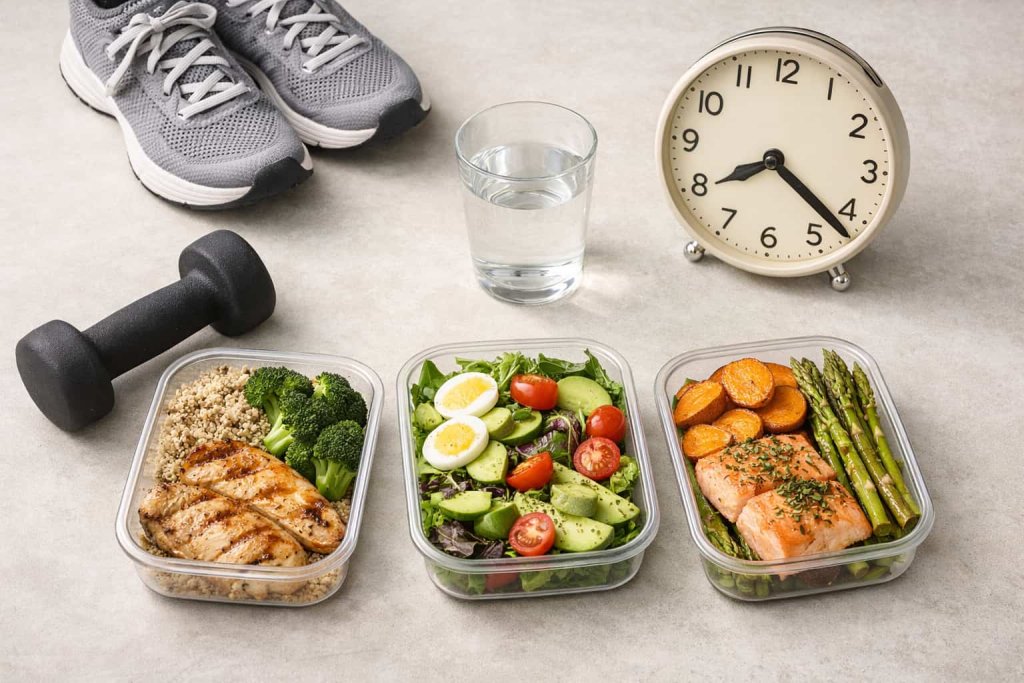
Understanding how to lose weight after 40 matters because muscle mass, activity levels, sleep, stress, and, for many women, menopause can all affect body composition and appetite. The good news is that the basics still work. The key is using them in a smarter, more sustainable way.
Why losing weight after 40 can feel harder
Weight loss after 40 often feels different for a few common reasons.
First, many adults gradually lose muscle as they age. That matters because muscle helps support daily energy use. The National Institute on Aging explains that age-related muscle loss is common and that strength training helps support healthier aging and body composition.
Second, daily movement often drops over time. Many people sit more, recover more slowly, or stop doing the activities they used to do consistently.
Third, sleep and stress can become bigger issues in midlife. The Centers for Disease Control and Prevention notes that enough sleep helps support healthy weight, metabolism, and stress control.
For women, hormonal changes can also play a role. The Office on Women’s Health says many women gain an average of about 5 pounds after menopause, and notes that lower estrogen, aging, lower activity, and muscle loss can all contribute.
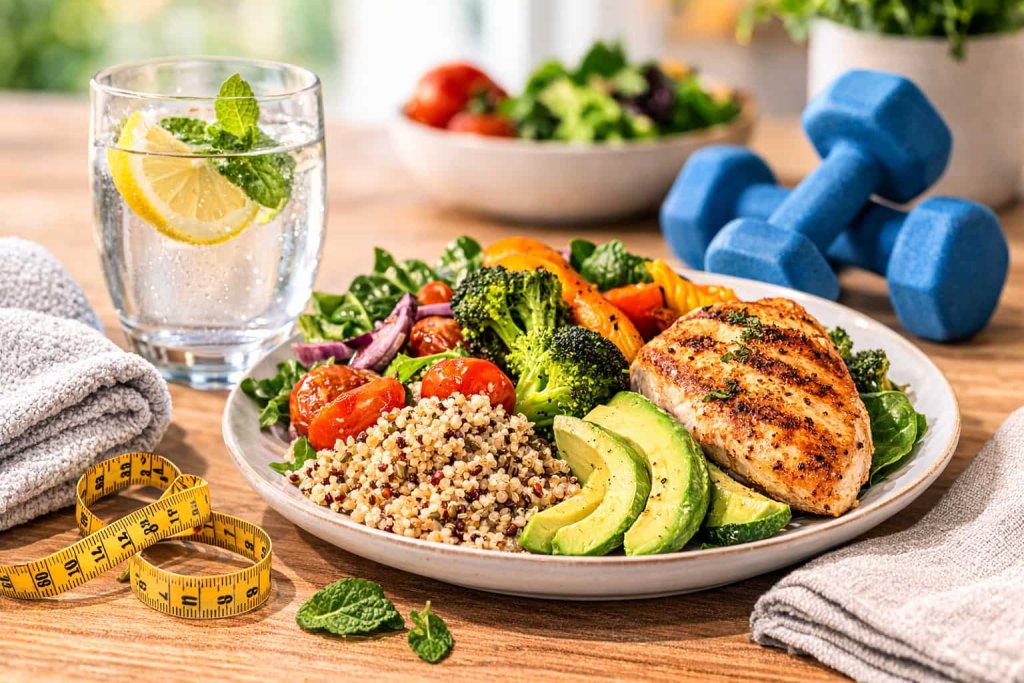
The best mindset for losing weight after 40
A lot of people try to lose weight after 40 by eating far too little and doing more cardio. That can backfire. It may leave you tired, hungry, and more likely to lose lean mass along with body fat.
A better goal is to improve body composition while lowering excess body fat. In simple terms, that means:
- keep or build muscle
- lose weight at a steady pace
- improve eating quality
- move consistently
- protect sleep
- avoid all-or-nothing habits
The CDC recommends healthy weight loss through healthy eating patterns, regular physical activity, enough sleep, and stress management. That is the right foundation after 40.
Losing weight after 40 starts with a realistic calorie deficit
You still need a calorie deficit to lose weight. That part does not change with age. What changes is how aggressive that deficit should be.
A moderate, sustainable deficit is usually more effective than crash dieting. Extreme restriction can make it harder to stay consistent, recover from exercise, and preserve muscle.
Good signs that your plan is realistic include:
- you can follow it most days of the week
- you are not constantly exhausted
- you are eating enough protein and fiber
- you can keep training and walking
- your progress is steady, not dramatic
The National Institute of Diabetes and Digestive and Kidney Diseases offers a Body Weight Planner that can help estimate calorie and activity targets for a realistic timeline.
Strength training is one of the most important tools after 40
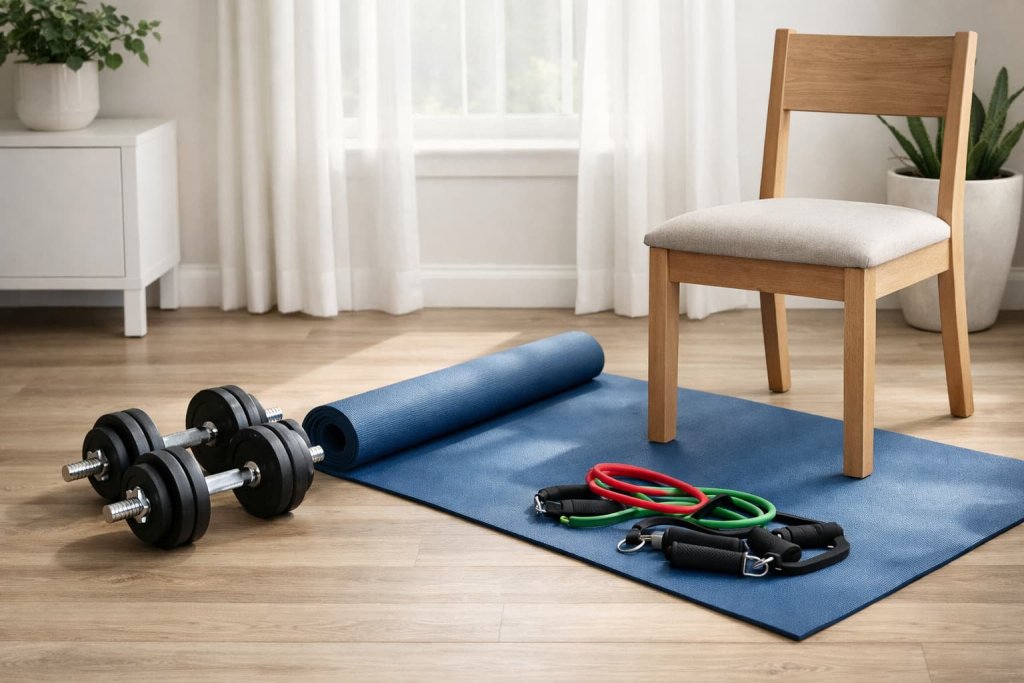
This is where many midlife weight-loss plans go wrong. Cardio helps, but strength training is essential.
When you lose weight, you want to keep as much lean mass as possible. Strength training helps with that. It also supports function, balance, and long-term metabolic health.
The CDC says adults need at least 150 minutes of moderate-intensity aerobic activity each week and muscle-strengthening activity at least 2 days a week. That is a strong evidence-based starting point for most adults. See the full adult recommendations from the CDC.
What strength training can look like
You do not need a fancy gym routine. A simple full-body plan can work well.
Examples include:
- squats or sit-to-stands
- rows
- push-ups on a wall, bench, or floor
- deadlifts or hip hinges
- step-ups
- overhead presses
- resistance band exercises
- carrying groceries or other loaded movements
Aim to train major muscle groups at least twice per week. Start lighter than you think you need and progress gradually.
Cardio still matters, but it should not do all the work
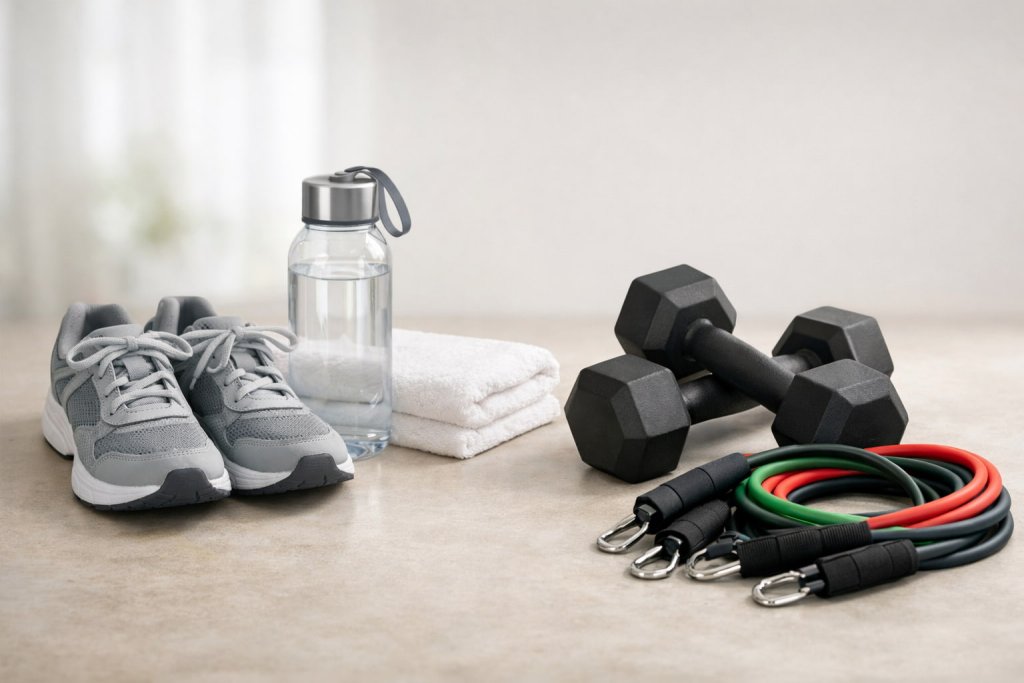
Walking, cycling, swimming, jogging, and similar activities help increase calorie use, support heart health, and improve fitness. But cardio alone is often not enough for the best results after 40.
A practical routine for many adults looks like this:
Weekly activity target
- 150 minutes per week of moderate cardio to start
- 2 to 3 strength sessions per week
- extra walking on most days
- more total movement if progress stalls
The CDC notes that some people may need more than the minimum amount of activity for weight management, especially if diet is not adjusted much. That is why combining nutrition changes with exercise usually works better than relying on workouts alone.
How to eat for weight loss after 40
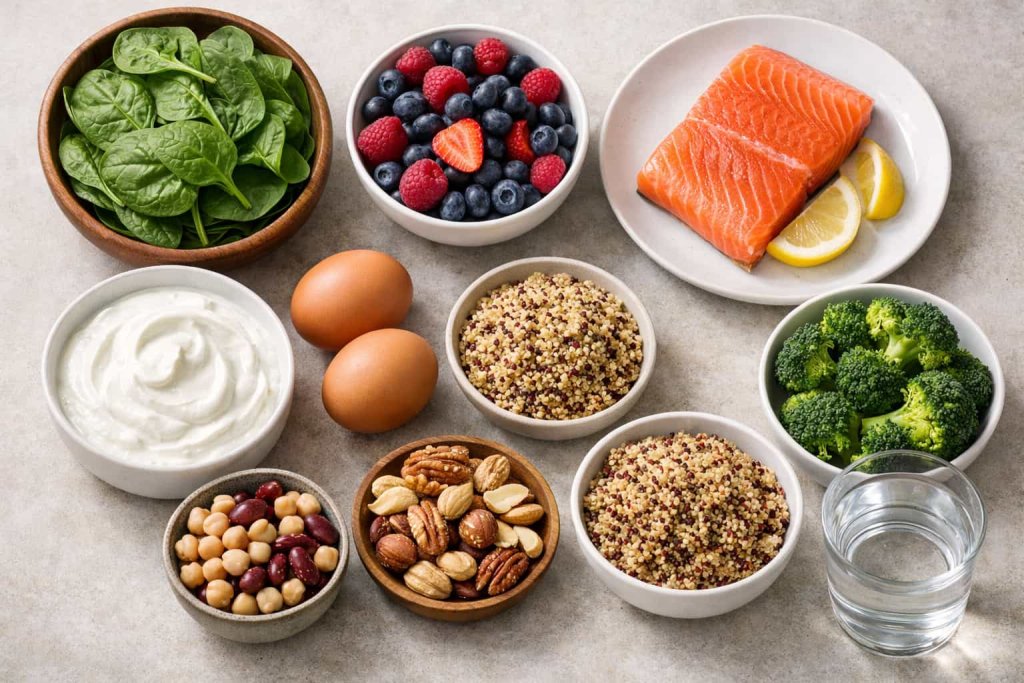
The best eating pattern is the one you can repeat. It does not need a trendy name. It needs structure.
The CDC Nutrition guidance emphasizes whole, nutrient-dense foods such as vegetables, fruit, protein foods, healthy fats, dairy or fortified alternatives, and whole grains.
Build meals around protein
Protein matters more after 40 because it helps with fullness and supports muscle maintenance during weight loss.
Good options include:
- eggs
- Greek yogurt
- cottage cheese
- chicken or turkey
- fish
- tofu or tempeh
- beans and lentils
- lean beef
- edamame
- protein-rich snacks you can keep consistent with
A simple rule is to include a meaningful protein source at each meal.
Fill in the rest with high-quality foods
Try to build most meals from:
- non-starchy vegetables
- fruit
- beans, lentils, or whole grains
- protein foods
- healthy fats in reasonable portions
This helps improve fullness, meal quality, and nutrient intake without turning every meal into a math problem.
Protein and fiber work better together

If you want meals to feel more satisfying after 40, do not think about protein alone. Think about protein plus fiber.
Protein helps support muscle and fullness. Fiber-rich foods such as vegetables, beans, lentils, fruit, and whole grains help slow digestion and make meals more filling. Together, they can make it easier to stay in a calorie deficit without feeling like you are constantly hungry.
Examples of simple protein-and-fiber combinations include:
- Greek yogurt with berries and chia seeds
- Eggs with vegetables and whole-grain toast
- Chicken with roasted vegetables and beans
- Salmon with broccoli and quinoa
- Tofu with stir-fried vegetables and edamame
This is one reason highly processed snack foods often do not satisfy for long. They may be easy to overeat, while meals built around protein and fiber tend to be more filling.
Watch the foods that add calories quickly
These are common trouble spots in midlife weight gain:
- sugary drinks
- large restaurant portions
- grazing on snack foods
- alcohol
- coffee drinks with lots of extras
- highly processed foods that are easy to overeat
Swapping soda or sweet drinks for water can help reduce calorie intake. The CDC notes that water has no calories and replacing sugary drinks with water can lower total calorie intake.
A simple plate method that works well after 40
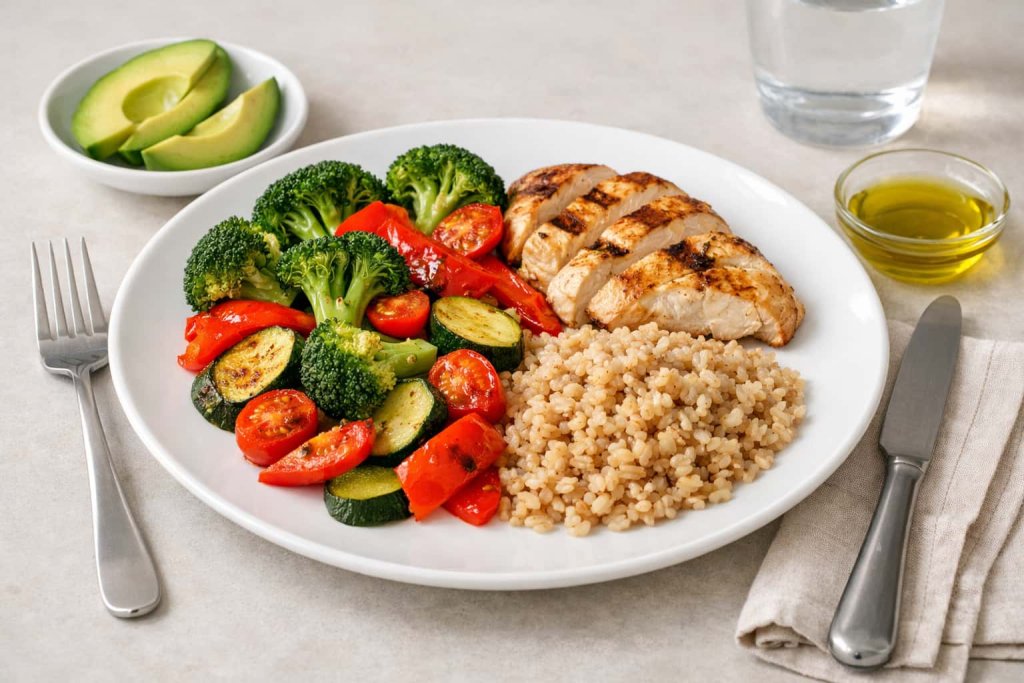
Many people do better with visual structure than strict tracking.
A helpful pattern is:
- half the plate: non-starchy vegetables
- one quarter: protein
- one quarter: higher-fiber carbs or starches
- add a small amount of healthy fat if needed
This approach helps you control calories without making meals feel tiny or restrictive.
Sleep can make or break your progress
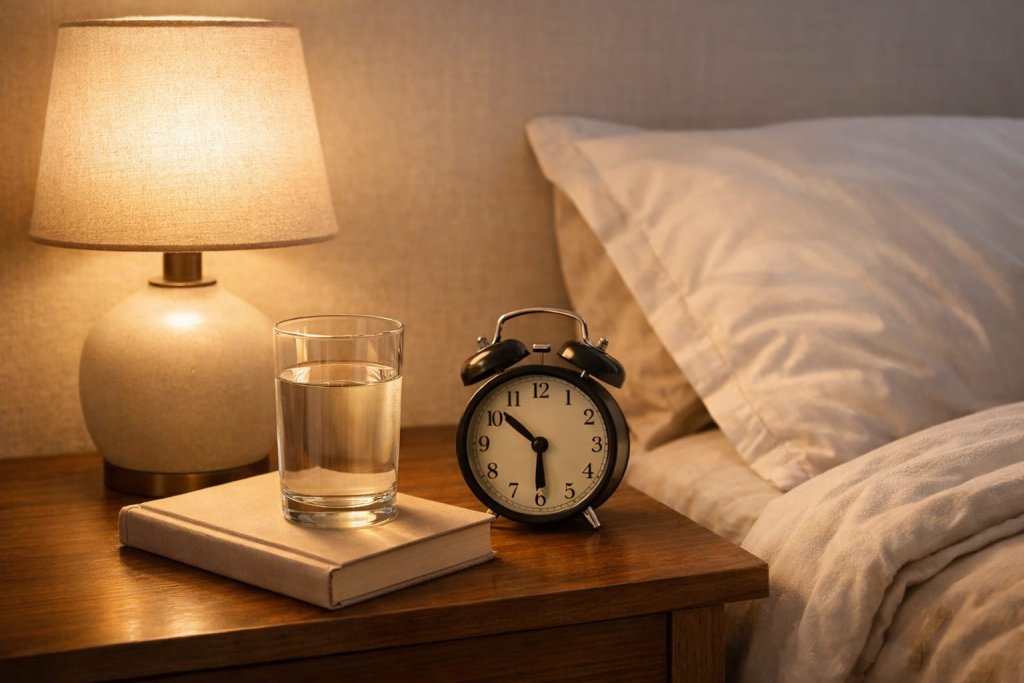
Sleep is not a side topic. It is part of the plan.
Poor sleep can raise hunger, reduce energy for exercise, make cravings harder to manage, and push people toward convenience foods. The CDC says getting enough sleep supports healthy weight, while the NHLBI notes that adults are generally advised to aim for about 7 to 8 hours of sleep per night.
Better sleep habits that support weight loss
- keep a more consistent bedtime
- cut late-night screen time when possible
- avoid heavy meals and alcohol close to bed
- get daylight early in the day
- talk to a clinician if you snore loudly, wake unrefreshed, or suspect sleep apnea
That last point matters a lot after 40, especially if fatigue and weight gain seem to feed each other.
Stress matters more than many people think
Stress does not automatically cause fat gain, but it often changes behavior in ways that make weight loss harder.
Common patterns include:
- emotional eating
- poorer sleep
- less movement
- more convenience food
- less consistency overall
The CDC includes stress management as part of healthy weight loss for a reason. Simple habits can help, such as walking, journaling, short breathing breaks, better meal planning, and protecting recovery time.
Menopause and losing weight after 40
For many women, perimenopause and menopause change the picture.
The Office on Women’s Health explains that lower estrogen levels may contribute to weight gain after menopause, but aging, reduced activity, and muscle loss also matter. That means weight gain in this phase is not just “hormones,” and it is not a personal failure either.
What usually helps during menopause
- prioritize strength training
- keep protein intake steady across the day
- stay active even when workouts are shorter
- focus on sleep quality
- watch liquid calories and alcohol
- be patient with the pace of loss
If hot flashes, sleep disruption, mood changes, or rapid body-composition changes are making progress harder, it may be worth discussing symptoms with a clinician.
Safe, realistic weight-loss expectations after 40
Fast weight loss is not the goal. Sustainable loss is.
For most people, the better question is not “How fast can I lose weight?” but “What can I keep doing for the next six months?”
Reasonable progress often looks like:
- small weekly losses over time
- inches changing even when the scale is slow
- better strength and stamina
- clothes fitting differently
- more stable eating habits
- improved blood pressure, glucose, or energy
You may also have weeks where the scale barely moves. That is normal. Water balance, hormones, sodium, stress, and digestion can all affect short-term weigh-ins.
How to track progress when the scale is slow
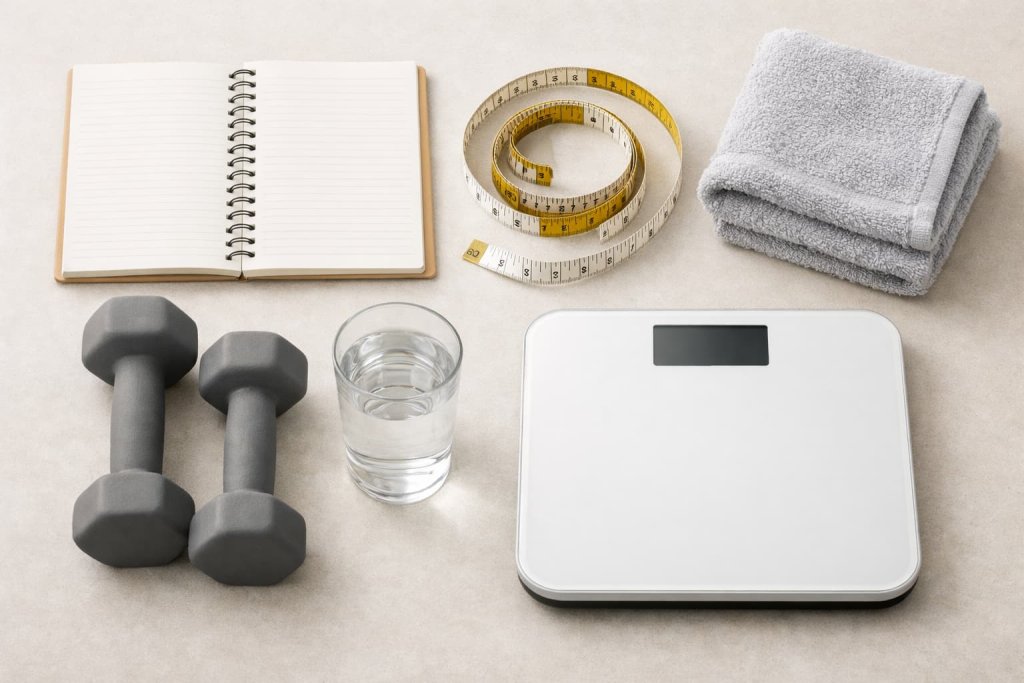
The scale can be useful, but it should not be the only way you judge progress after 40.
Because strength training can help preserve or build lean mass while body fat decreases, scale changes may not tell the full story. It is often more helpful to look at several signs together.
Useful ways to track progress include:
- waist circumference
- how clothes fit
- weekly body-weight trends instead of daily fluctuations
- strength gains in the gym
- step count or activity consistency
- energy levels
- sleep quality
- how often you follow your meal plan
This matters because better habits often show up before dramatic scale changes do. A smaller waist, better workouts, and steadier eating habits are all real signs of progress.
Common mistakes when trying to lose weight after 40
Doing too much cardio and not enough strength work
This is one of the biggest mistakes. It can leave you tired without doing much to preserve muscle.
Eating too little protein
Low-protein meals often leave people less satisfied and make it harder to support lean mass while dieting.
Underestimating liquid calories
Sugary drinks, juice, alcohol, specialty coffees, and even “healthy” smoothies can add up quickly.
Ignoring sleep
A plan that looks good on paper often falls apart when sleep is poor.
Expecting results to look like they did at 25
Your body may respond differently now. That does not mean progress is impossible. It means patience matters more.
A practical 7-step plan for losing weight after 40
1. Start with one clear nutrition change
Pick one habit you can repeat daily, such as:
- building lunch around protein and vegetables
- replacing one sugary drink with water
- stopping mindless evening snacking
2. Lift weights or do resistance training 2 to 3 times a week
Keep it simple and focus on major movement patterns.
3. Walk more than you do now
A daily walk is often one of the easiest, most sustainable tools for midlife fat loss.
4. Aim for the weekly activity minimum
Work toward 150 minutes of moderate activity each week, then increase if needed.
5. Eat protein at every meal
This helps with fullness and muscle support.
6. Protect sleep like it matters
Because it does.
7. Use a realistic tracking method
That could be body weight, waist measurement, step count, workout consistency, or meal planning. You do not need to track everything.
A simple day of habits that can support weight loss after 40
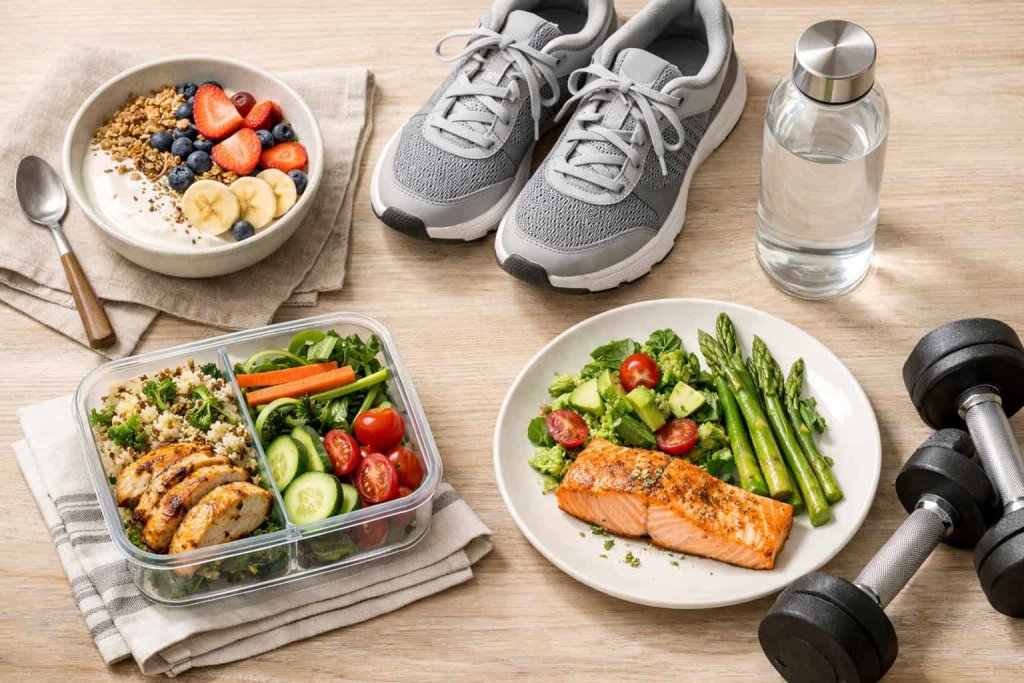
A realistic weight-loss day does not have to be perfect. It just needs a little structure.
Here is one example:
Breakfast: Greek yogurt with berries, nuts, and a spoon of chia seeds
Lunch: Grilled chicken, mixed vegetables, and a serving of brown rice or beans
Snack: Apple with peanut butter or cottage cheese
Dinner: Salmon, roasted vegetables, and quinoa or potatoes
Movement: A 30-minute walk plus a short strength-training session
Evening habit: A consistent bedtime and less late-night snacking
The goal is not to copy this exactly. The goal is to show what a balanced day can look like: protein at meals, high-fiber foods, regular movement, and habits that are realistic enough to repeat.
Health conditions and medications can affect weight after 40

Sometimes weight gain or difficulty losing weight is not only about food choices or exercise habits.
A few common factors can make progress harder, including:
- poor sleep or possible sleep apnea
- menopause-related sleep disruption
- hypothyroidism
- insulin resistance or diabetes
- chronic pain that limits movement
- depression or high stress
- medications such as some antidepressants, steroids, and certain blood sugar medicines
This does not mean progress is impossible. It means the best plan may need to be more individualized. If your weight has changed quickly, your fatigue is significant, or your efforts are not matching your results, it is worth discussing with a clinician.
Who should get medical advice before trying to lose weight
It is smart to talk with a clinician before starting a weight-loss plan if you:
- have diabetes
- take medications that affect appetite, blood sugar, or weight
- have thyroid disease
- think you may have sleep apnea
- have heart disease, kidney disease, or liver disease
- are dealing with severe menopause symptoms
- have a history of disordered eating
- are losing weight without trying
That is especially important if fatigue, weight gain, or swelling seem out of proportion to your habits.
Safety box
Weight loss after 40 should focus on health, strength, and sustainable habits, not punishing diets. Avoid very low-calorie plans, overtraining, or supplement-heavy shortcuts unless a qualified clinician recommends them. If you have a medical condition or take prescription medication, get individualized advice before making major diet or exercise changes.
FAQ
Is losing weight after 40 harder?
It can feel harder because muscle mass, sleep, stress, activity levels, and hormones may shift with age. But the core strategies still work well when they are consistent and realistic.
What is the best exercise for losing weight after 40?
The best mix is usually strength training plus regular cardio and more daily movement. Strength work is especially important because it helps support muscle while you lose fat.
Can menopause make weight loss harder?
Yes, it can. Hormonal changes may affect fat distribution, appetite, sleep, and body composition. Still, menopause does not make weight loss impossible.
How often should I strength train after 40?
At least 2 days a week is the official minimum for muscle-strengthening activity, and many people do well with 2 to 3 sessions weekly.
Do I need to cut carbs to lose weight after 40?
No. Many people lose weight without cutting carbs completely. Portion control, food quality, protein intake, and total calorie intake usually matter more than removing one nutrient group.
How much sleep do I need for weight loss?
Most adults should aim for around 7 to 8 hours of good-quality sleep per night. Poor sleep can make appetite, energy, and consistency harder to manage.
Should I use a calorie calculator?
A calculator can be useful as a starting point. The NIDDK Body Weight Planner is one evidence-based tool that can help you set more realistic calorie and activity targets.
Conclusion
Losing weight after 40 is not about chasing quick fixes. It is about using the right levers: a realistic calorie deficit, more protein, strength training, consistent movement, better sleep, and patience. Progress may be slower than it used to be, but slow and steady changes are often the ones that last.
If you are ready to start, begin with one meal change, one strength workout, and one daily walk this week. Small habits done consistently are what usually work best.
This content is for informational purposes only and not medical advice.