
If you’re wondering whether the barbell upright row is good for building shoulder and trap strength, the short answer is yes—when performed with proper technique and range of motion. This exercise effectively targets the upper traps and lateral deltoids, helping lifters build upper-body size and strength.
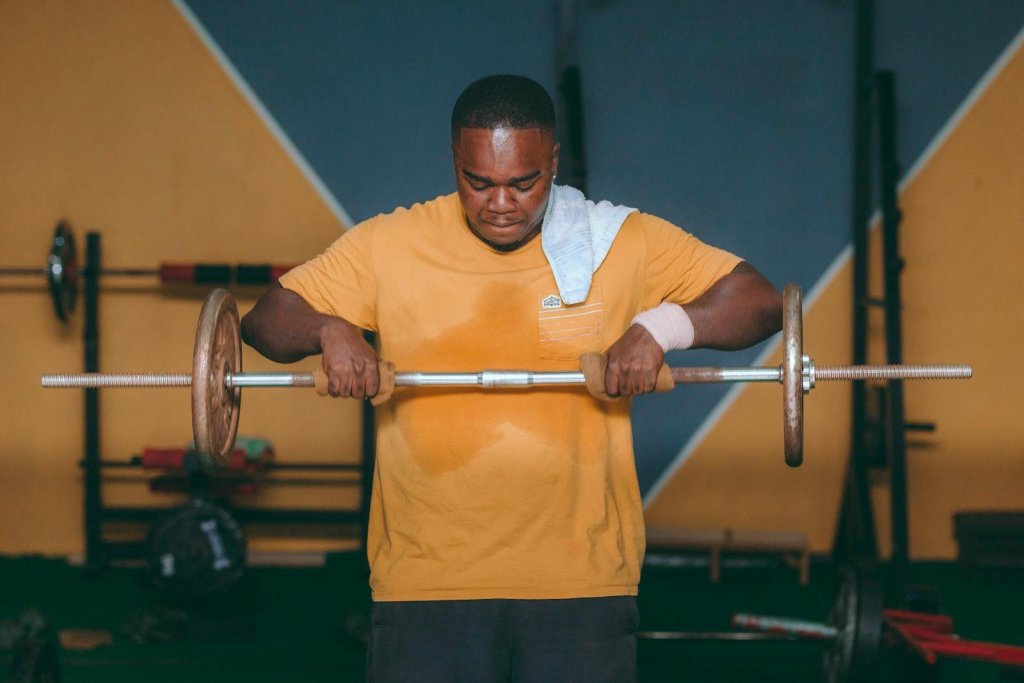
Understanding how to perform the barbell upright row safely is essential because it involves shoulder mechanics that may feel uncomfortable for some people. With the right grip width, load selection, and range of motion, this exercise can be both effective and joint-friendly.
In this guide, you’ll learn proper form, benefits, safe variations, alternatives, and expert-backed recommendations.
What Is the Barbell Upright Row?
The barbell upright row is a vertical pulling exercise where you lift a barbell from hip height toward the upper chest using your shoulders and upper back. It’s commonly used in bodybuilding and strength programs to increase upper-body muscle mass, especially in the shoulders and traps.
How to Do the Barbell Upright Row (Step-by-Step)
Follow these steps for safe and effective form.
Setup
- Stand with your feet shoulder-width apart.
- Hold the barbell with an overhand grip at about shoulder width (avoids excessive internal rotation).
- Keep your chest tall and shoulders slightly back.
Execution
- Start with the bar at mid-thigh level.
- Pull the bar upward, keeping it close to your body.
- Lead with your elbows, stopping when they reach shoulder height.
- Pause briefly, then lower the bar under control.
Key Tips
- Avoid pulling the bar higher than shoulder height, as this may increase impingement risk.
- Keep wrists neutral and avoid over-bending.
- Use a moderate weight and slow tempo to maintain control.
- Stop immediately if you feel pinching, numbness, or sharp discomfort.
Muscles Worked in the Barbell Upright Row
The main muscles activated include:
- Upper trapezius
- Middle/lateral deltoids
- Rhomboids (stabilizing)
- Biceps
- Forearm flexors
- Core stabilizers (light engagement)
These muscles contribute to shoulder elevation, scapular upward rotation, and upper-back stability.
Variations of the Upright Row
1. Dumbbell Upright Row
Why It Works
The dumbbells allow each arm to move independently, reducing forced internal rotation and improving shoulder comfort. This variation supports a more natural pulling path, making it a joint-friendly option for many lifters.
Muscles Worked
- Lateral deltoids
- Upper trapezius
- Biceps
- Forearm flexors
- Upper-back stabilizers
How to Do It
- Stand tall with a dumbbell in each hand, palms facing your thighs.
- Pull both dumbbells upward, leading with the elbows.
- Stop when elbows reach shoulder height.
- Lower slowly with control.
Trainer Tip
Keep your elbows slightly wider than your hands to avoid shoulder pinching and encourage a smoother movement pattern.
2. Cable Upright Row (Rope or EZ Handle)
Why It Works
Cables provide continuous tension and allow a freer wrist path, reducing stress on the shoulders and wrists. The rope handle is especially beneficial because it accommodates natural hand rotation.
Muscles Worked
- Lateral deltoids
- Upper trapezius
- Rear deltoids (light engagement)
- Biceps
- Forearm flexors
How to Do It
- Attach a rope or EZ handle to a low cable setting.
- Stand tall and grip the attachment with both hands.
- Pull upward while keeping the attachment close to your body.
- Stop at shoulder height, then lower with control.
Trainer Tip
If your shoulders feel tight, switch to a rope handle—its freedom of rotation often makes the movement more comfortable.
3. Kettlebell Upright Row
Why It Works
A single kettlebell keeps the load centered, making it easier to maintain balanced posture and control. It’s useful for beginners and reduces wrist strain compared to a barbell.
Muscles Worked
- Lateral deltoids
- Upper trapezius
- Biceps
- Forearm flexors
- Core stabilizers
How to Do It
- Hold a kettlebell with both hands at the handle.
- Pull the kettlebell upward along your body.
- Raise until elbows reach shoulder height.
- Lower under control.
Trainer Tip
Focus on a slow, deliberate pull—kettlebells swing easily, so controlling momentum improves safety and muscle engagement.
4. Wide-Grip Upright Row
Why It Works
A wider grip reduces internal rotation, which may decrease shoulder discomfort. It also shifts more emphasis onto the lateral deltoids.
Muscles Worked
- Lateral deltoids
- Upper trapezius
- Biceps
- Upper-back stabilizers
How to Do It
- Hold the bar with a shoulder-width or slightly wider grip.
- Pull the bar upward, keeping it close to your torso.
- Stop when elbows reach shoulder height.
- Lower slowly with control.
Trainer Tip
If you feel any shoulder pinching, slightly widen your grip and reduce the range of motion—this modification often improves comfort immediately.
Benefits of the Barbell Upright Row
The barbell upright row supports upper-body development through controlled vertical pulling mechanics.
Key benefits include:
- Helps build upper trapezius and lateral deltoids
- Supports pulling strength for bodybuilding and athletic performance
- Works well as an accessory exercise alongside shoulder presses and rows
- Engages secondary muscles like biceps, forearms, and upper-back stabilizers
- Can be modified to reduce shoulder discomfort and improve comfort
Common Mistakes and How to Fix Them
Avoid these errors to reduce stress on your shoulders and wrists.
Mistake 1: Pulling Too High
Stopping above shoulder height increases internal rotation and potential discomfort.
Fix: Stop when elbows reach shoulder height.
Mistake 2: Using an Extremely Narrow Grip
A close grip forces more internal rotation.
Fix: Use a shoulder-width or slightly wider grip.
Mistake 3: Using Momentum
Swinging reduces muscle activation and increases risk of strain.
Fix: Lift and lower with slow, controlled movement.
Mistake 4: Excessive Wrist Bending
Hyperflexion may lead to irritation.
Fix: Keep wrists neutral and aligned.
How to Make the Barbell Upright Row Safer
Modern strength-training guidelines highlight ways to reduce discomfort:
- Use a wider grip (shoulder-width or slightly wider).
- Limit range of motion to below or at shoulder height.
- Choose moderate loads instead of max-effort weights.
- Warm up shoulders with mobility and activation drills.
- If you have shoulder issues, consider alternatives instead of pushing through pain.
For more on shoulder safety, consult reputable biomechanical reviews or the Cleveland Clinic Shoulder Impingement Guide.
Best Alternatives if Upright Rows Cause Discomfort
If the barbell version feels uncomfortable, try these options:
- Lateral raises (dumbbell or cable)
- Face pulls
- Cable high pulls
- Dumbbell high pulls
- Machine lateral raise
These exercises still target the delts and upper back while avoiding internal rotation.
Who Should Avoid or Modify the Barbell Upright Row?
This exercise may not be suitable for:
- Individuals with current shoulder pain
- People diagnosed with shoulder impingement
- Anyone with a history of rotator cuff injuries
- Those who feel numbness, pinching, or sharp pain during the movement
If any of these apply, work with a qualified professional before attempting this exercise.
Programming Recommendations
You can include the upright row in your routine 1–2 times per week.
Typical training parameters:
- 8–15 reps for muscle growth
- 2–4 sets depending on training level
- Light to moderate loads
- Perform after compound shoulder exercises like presses or rows
FAQs About the Barbell Upright Row
1. Is the barbell upright row safe?
Yes, it can be safe when performed with proper grip width and range of motion. People with shoulder issues should use alternatives.
2. Should I use a narrow or wide grip?
A shoulder-width or wider grip is generally more comfortable and reduces internal rotation.
3. How high should I pull the bar?
Stop when your elbows reach shoulder height. Higher than this may irritate the shoulder.
4. Does the upright row build traps?
Yes, it is an effective upper-trap exercise when performed correctly.
5. What’s the best alternative if it hurts?
Cable upright rows, dumbbell versions, or lateral raises provide similar benefits with greater comfort.
6. Should beginners do upright rows?
Beginners can perform them safely using light weights and a wide grip.
Conclusion
The barbell upright row remains one of the most effective movements for building the upper shoulders and traps—as long as it’s performed with the right grip, range of motion, and tempo. By stopping at shoulder height, avoiding excessive internal rotation, and using moderate loads, you can make this movement both productive and safe.