
Jumping rope is one of the most effective full-body exercises, and yes — jumping rope may support cardiovascular fitness, coordination, and overall wellness when practiced consistently. It is simple, affordable, and accessible for most fitness levels, making it a powerful addition to daily movement routines.
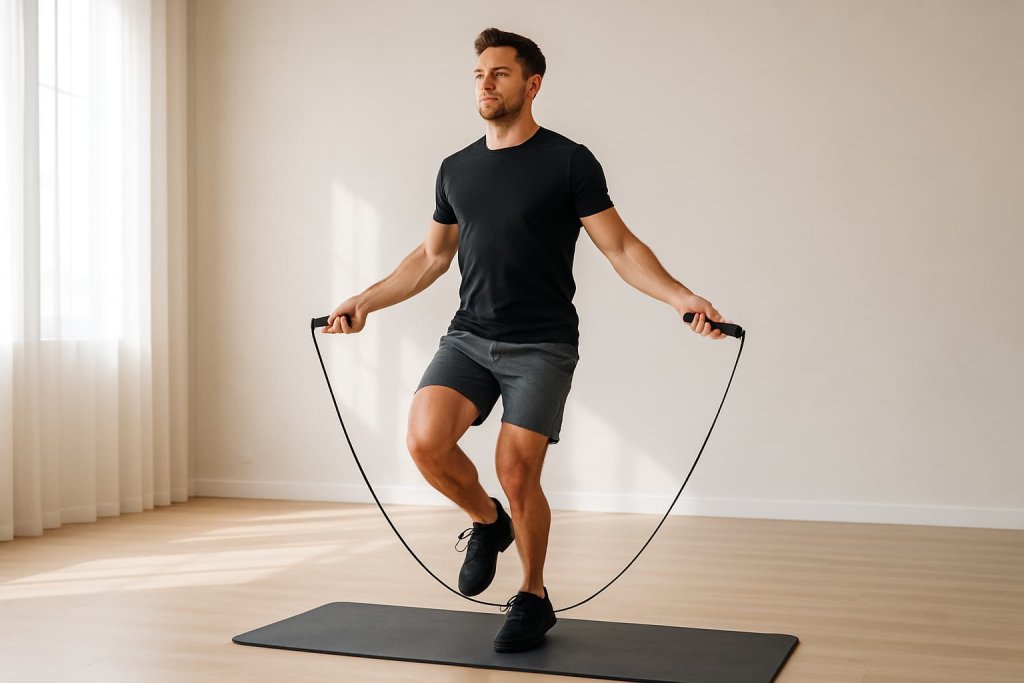
Understanding the benefits of jumping rope helps you use it safely, get more from your workouts, and choose the right pace based on your goals. According to the U.S. Department of Health and Human Services, regular moderate to vigorous physical activity supports long-term heart and metabolic health. Jumping rope aligns with these guidelines as a vigorous-intensity activity that engages the entire body.
Below is a clear, evidence-based breakdown of how jump rope may support your fitness, mobility, and overall wellness.
12 Science-Backed Benefits of Jumping Rope
1. Supports Cardiovascular Fitness and Heart Health

Jumping rope quickly elevates heart rate and challenges the cardiovascular system in a way similar to running or fast cycling. Over time, consistent rope work may support stronger heart function, improved circulation, and greater aerobic capacity. According to the U.S. Department of Health and Human Services, vigorous-intensity aerobic activities help support long-term heart and lung health. Because rope jumping engages both the upper and lower body simultaneously, it provides an efficient stimulus for cardiorespiratory fitness.
2. Burns Calories Efficiently and May Support Weight Management

Jumping rope is widely recognized for its strong calorie-burning potential, largely because it requires continuous muscle engagement and keeps the heart rate elevated throughout the movement. This combination increases overall energy expenditure in a relatively short time. Guidance from Harvard Health Publishing shows that a person may burn approximately 226–340 calories in 30 minutes of moderate-paced rope jumping, depending on body weight and intensity.
These high energy demands make jump rope an efficient option for those looking to include more calorie-burning activity in their wellness routine. When paired with balanced nutrition, adequate hydration, and daily physical movement, this increased expenditure may support healthy weight patterns over time.
3. Full-Body Muscle Engagement

Unlike many cardio activities that focus mainly on the lower body, jump rope engages nearly every major muscle group. The legs power each landing, the core stabilizes the trunk, and the shoulders and forearms maintain the rhythm of the rope. This full-body activation may support muscular endurance and efficient movement patterns. Because of this total-body demand, rope work is frequently included in athletic training programs for overall conditioning.
4. May Help Maintain Bone Density
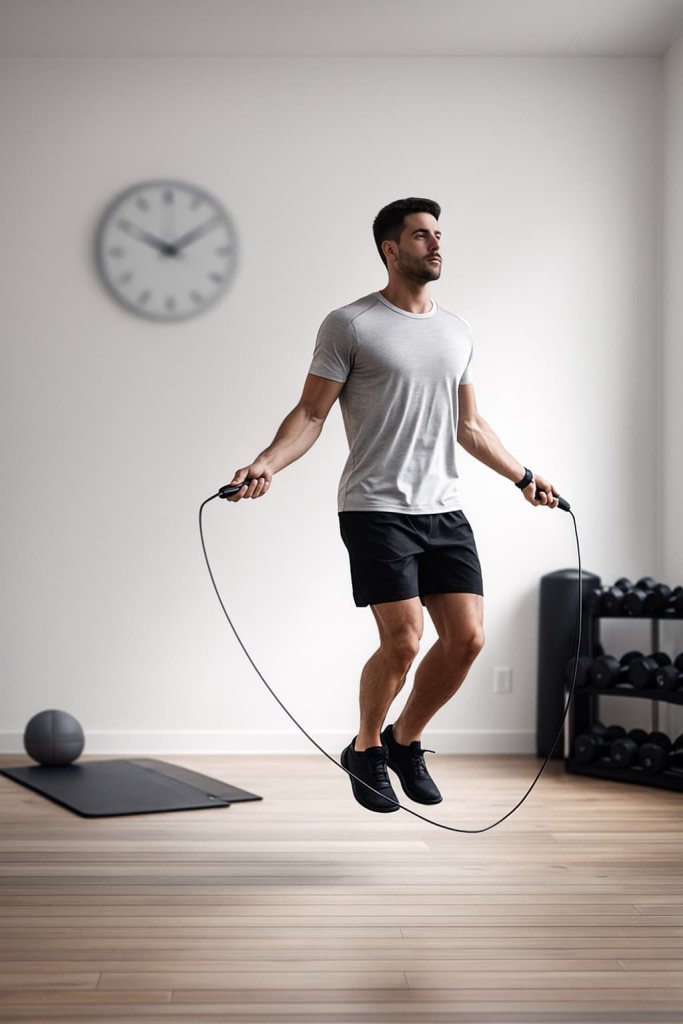
Jump rope involves repeated ground impact, which sends signals to the bones that help maintain density and structural strength. Research from the National Institutes of Health highlights that weight-bearing and impact-based activities may support bone health over time. For individuals seeking to maintain bone integrity with aging, controlled, progressive rope training can be a useful addition to a balanced activity plan, provided it is performed safely.
5. Improves Coordination, Balance, and Agility
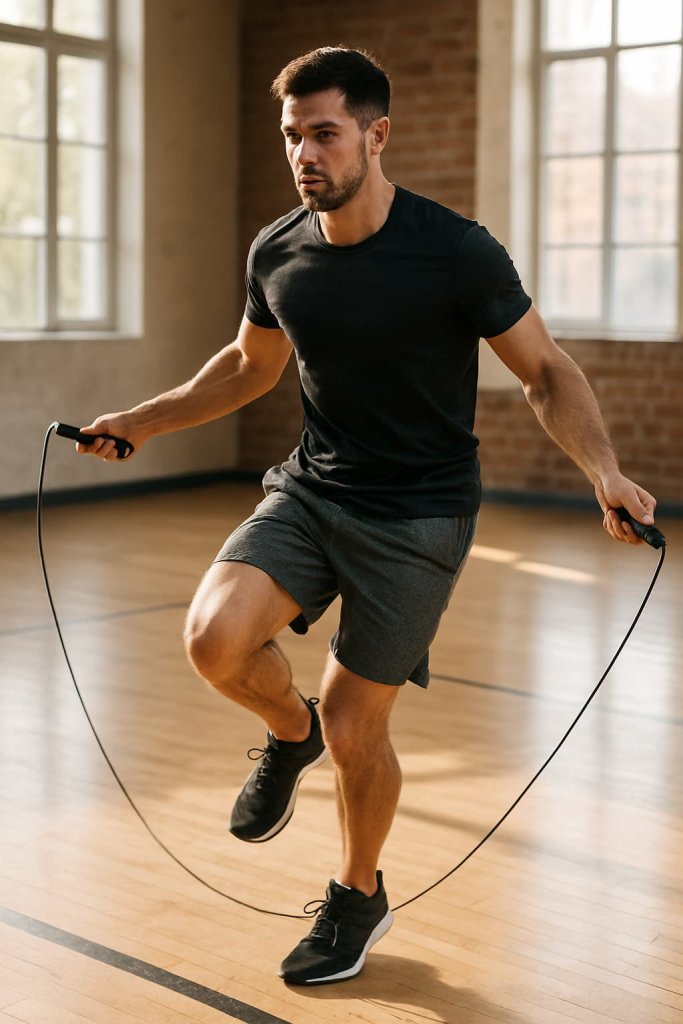
Jump rope requires precise timing between the hands, feet, and visual focus. This continuous integration of movements may support better neuromuscular coordination and balance. According to the Centers for Disease Control and Prevention, regular physical activity helps maintain balance and reduce fall risk by improving how the body responds to movement. Rope jumping offers rhythm, timing, and footwork patterns that are valuable for sports performance and everyday mobility.
6. Supports Lower-Leg Strength and Joint Stability
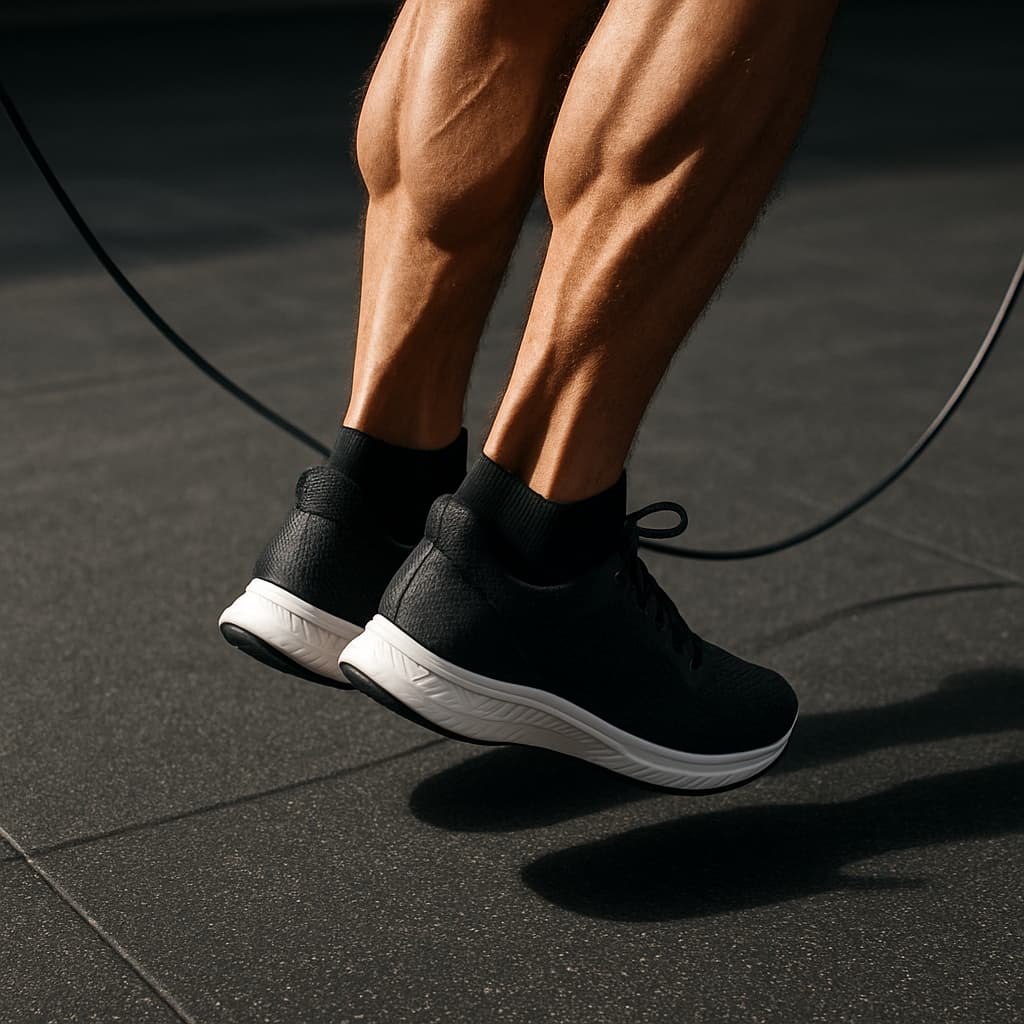
Each jump involves controlled takeoffs and landings that recruit the calves, ankles, and knees. Over time, these repetitive motions may help strengthen lower-leg muscles and enhance joint stability when practiced with proper technique. The American Council on Exercise notes that controlled, progressive loading may support tendon elasticity and lower-leg resilience. This can be beneficial for improving movement confidence in walking, running, and sports.
7. Time-Efficient Cardio for Busy Schedules
One of the biggest advantages of jumping rope is efficiency. Just a few minutes of rope work can elevate the heart rate significantly, offering cardio benefits similar to longer-duration activities. This makes it ideal for individuals with limited time who need a fast, effective workout. Short sessions — even 5 to 10 minutes — can be integrated into daily routines without major scheduling challenges.
8. Portable and Low-Cost Exercise for Anywhere
A jump rope is one of the most accessible pieces of fitness equipment available. It is inexpensive, lightweight, and requires minimal space, making it suitable for home workouts, gym sessions, or travel. Because setup is simple and equipment is minimal, people can maintain consistent physical activity regardless of location, supporting long-term adherence.
9. May Support Metabolic Health
Aerobic exercise helps the body use glucose more efficiently, which may support metabolic function over time. Research from the National Institutes of Health explains that consistent physical activity plays a role in supporting healthy insulin sensitivity and metabolic processes. Due to its intensity, jump rope may be a helpful option for those aiming to support metabolic wellness as part of an overall healthy lifestyle.
10. Can Improve Mood and Mental Well-Being
Jumping rope falls under regular physical activity, which research shows may support better mental health by reducing anxiety, improving mood, and supporting cognitive function. According to the Centers for Disease Control and Prevention, physical activity “can improve thinking, learning, and judgment skills, and reduce risk of depression and anxiety.”
Because jump rope is rhythmic, engaging, and raises heart rate — all elements associated with mood-boosting exercise — many people find it enjoyable and mentally refreshing. This may help motivate consistent practice over time, which is a key factor for long-term mental well-being and emotional resilience.
11. Useful for Warm-Ups, Conditioning, and Cross-Training
Jumping rope transitions easily between warm-up routines, interval training, and conditioning sessions. It helps raise core temperature, engage key muscle groups, and improve foot speed, making it a valuable tool for athletes and recreational exercisers. Its versatility allows it to fit seamlessly into strength training, sports drills, and high-intensity interval workouts.
12. May Support Healthy Aging and Mobility
Maintaining balance, cardiovascular fitness, and functional strength is essential for healthy aging. Insights from the National Institutes of Health show that regular activity supports mobility, muscle function, and physical independence in older adults. When introduced gradually and performed with proper technique, jump rope may support these qualities and contribute to more confident movement later in life.
Safety Considerations and Who Should Be Cautious
Impact Level and Joint Stress
Jumping rope is considered a higher-impact activity because each jump involves repeated ground contact, which places load on the knees, ankles, and hips. For many people, this impact may support healthy bone and muscle adaptation when introduced gradually, but excessive or rapid loading can increase joint stress. A 2023 systematic review published in Sports Medicine – Open found that joint-loading activities such as jumping and hopping can produce measurable changes in knee cartilage thickness and composition, particularly when the activity is frequent or high intensity.
These findings highlight the importance of pacing and controlled progression, especially for individuals with previous lower-body injuries, joint discomfort, or reduced mobility. Starting with short intervals, using proper footwear, and paying attention to early signs of fatigue or pain may help reduce unnecessary joint strain while still allowing the body to adapt safely.
Proper Footwear and Surface Selection
Wearing supportive athletic shoes with shock-absorbing soles may help reduce the impact on the joints and support better alignment during landings. Choosing an appropriate surface—such as a wooden floor, gym mat, or rubber flooring—adds additional cushioning and may help decrease joint stress. Hard surfaces like concrete amplify impact forces and may increase discomfort for some people. Following footwear and flooring guidelines supports safer and more comfortable long-term practice.
Gradual Progression to Reduce Injury Risk
Introducing jump rope gradually is one of the most effective ways to reduce injury risk, especially for beginners or individuals returning to physical activity. Starting with short intervals—such as 20 to 30 seconds of jumping followed by rest—allows the muscles, tendons, and bones to adapt without excessive stress. As coordination and strength improve, duration and intensity can be increased in small, steady increments.
Guidance from the U.S. Department of Health and Human Services emphasizes that individuals beginning or resuming physical activity should progress gradually in order to minimize the likelihood of injury and support long-term adherence. This approach helps the body adapt more comfortably to new physical demands and reduces the risk of overuse-related discomfort.
When to Seek Personalized Professional Guidance
Some individuals may benefit from professional guidance before beginning a jump-rope routine, especially if they have existing health concerns or mobility limitations. This includes people with chronic joint discomfort, previous lower-body injuries, cardiovascular conditions, osteoporosis, or balance challenges. A healthcare professional or physical therapist can help determine whether jump-rope training is appropriate and suggest safe modifications based on individual needs.
According to the Centers for Disease Control and Prevention, adults with chronic health conditions should consult a healthcare provider before starting vigorous-intensity activities. This ensures the exercise plan aligns with their current health status and reduces the likelihood of unnecessary strain or injury.
Seeking personalized input is especially important for anyone experiencing persistent pain, dizziness, unusual fatigue, or uncertainty about proper technique. Professional guidance can help create a safe, effective jump-rope routine that supports long-term fitness and well-being.
How to Start Jumping Rope Safely
Beginner-Friendly Durations and Technique Tips
Beginners should start with very short intervals to allow the body to adapt gradually. Simple sessions of 5 minutes total, broken into 20–30 second rounds with rest, are typically more comfortable for new users. Maintaining a tall posture, engaging the core, and keeping jumps low to the ground—about one to two inches—helps reduce unnecessary impact and increases control. Practicing slow, steady rotations of the rope builds rhythm before increasing speed.
Choosing the Right Rope Length and Style
A properly fitted rope improves safety, efficiency, and control. When standing on the center of the rope, the handles should reach roughly chest or armpit height. Shorter ropes may cause tripping, while overly long ropes can encourage wide, inefficient arm movement. Beginners often prefer a slightly weighted or beaded rope because the added feedback helps regulate timing. As coordination improves, lighter speed ropes can offer faster rotation for advanced drills.
Reducing Lower-Limb Stress During Practice
To lessen stress on the knees, ankles, and calves, beginners should focus on soft, controlled landings using the balls of the feet. Incorporating rest intervals supports tendon recovery and prevents overuse. Stretching the calves, hamstrings, and hip flexors before and after sessions may help maintain comfortable movement. Training on cushioned surfaces—such as rubber mats or wooden floors—can further reduce impact forces.
Frequently Asked Questions (FAQ)
Is jumping rope suitable for beginners?
Yes, beginners can start safely by using short intervals and practicing slow, controlled rotations. A stable surface and proper footwear are recommended.
How long should I jump rope to see benefits?
Even sessions of 5–10 minutes, broken into intervals, may support cardiovascular and coordination benefits when performed consistently.
Can jumping rope support weight management?
Jump rope may support weight management as part of an overall healthy routine, especially when paired with balanced nutrition and regular activity.
Is jumping rope hard on the knees?
Jump rope is higher-impact than low-intensity activities, but proper technique, supportive footwear, and cushioned floors can help reduce knee stress.
Can older adults jump rope?
Possibly—older adults should start very gradually and consider professional guidance. Alternatives like low-impact rope swings without jumping may be appropriate for some.
What if I experience discomfort while jumping?
Stop immediately and reassess technique, surface, and footwear. Persistent or sharp discomfort should be evaluated by a qualified healthcare professional.
Conclusion
Jumping rope is a versatile, efficient, and accessible form of exercise that may support cardiovascular fitness, coordination, metabolic health, and overall physical well-being. By choosing proper footwear, using safe surfaces, progressing gradually, and seeking professional guidance when needed, individuals can enjoy the benefits of rope training safely and confidently. Whether used for warm-ups, conditioning, or short daily sessions, jump rope is a practical tool that supports a well-rounded movement routine.
This content is for informational purposes only and not medical advice.