
Mindfulness exercises for beginners are simple practices that help you focus on the present moment and may reduce stress almost immediately. These exercises use breathing, awareness, and gentle movement to calm your mind, improve focus, and support emotional balance.
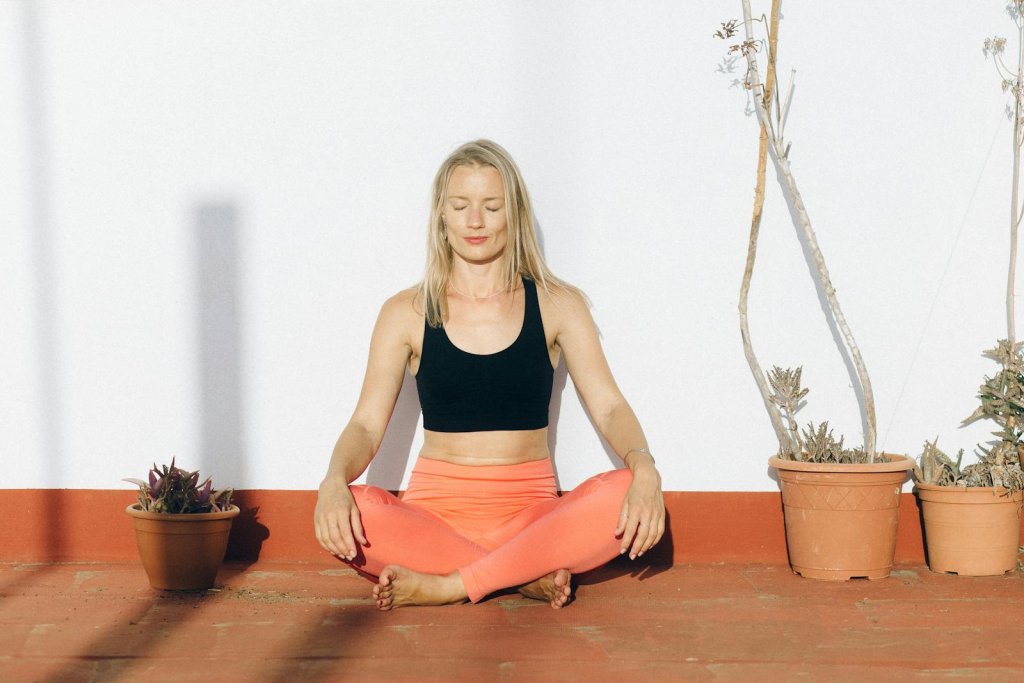
Understanding mindfulness is important because stress can build quickly in daily life. Mindfulness provides a practical way to slow down, notice what’s happening inside you, and respond more calmly. Most beginners start with a few minutes a day, using techniques like breathing exercises, body scans, mindful walking, and grounding methods.
What Is Mindfulness? (Beginner Overview)
Mindfulness is the practice of paying attention to the present moment with curiosity and without judgment. It’s used to help manage stress, improve emotional regulation, and support overall well-being.
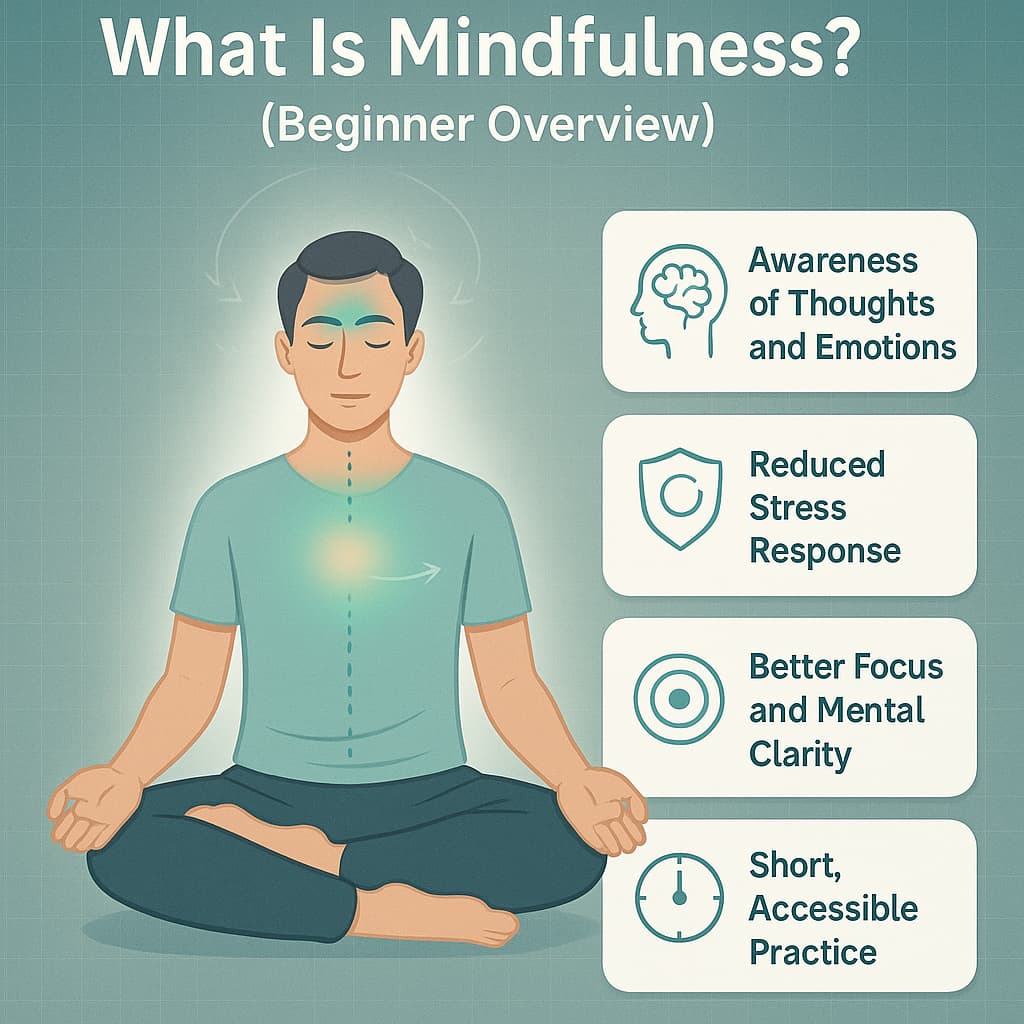
Authoritative sources note that mindfulness:
- Builds awareness of thoughts, emotions, and physical sensations
- Helps reduce automatic stress responses
- Supports calm, focus, and mental clarity
- Can be practiced in short, accessible sessions
Organizations such as Harvard Health and the American Psychological Association explain that mindfulness techniques may help reduce stress and support mental well-being.
Why Mindfulness Exercises Matter
Mindfulness exercises matter because they help you slow down, focus on the present moment, and support a calmer response to stress. Even short practices may improve emotional balance, concentration, and overall well-being.
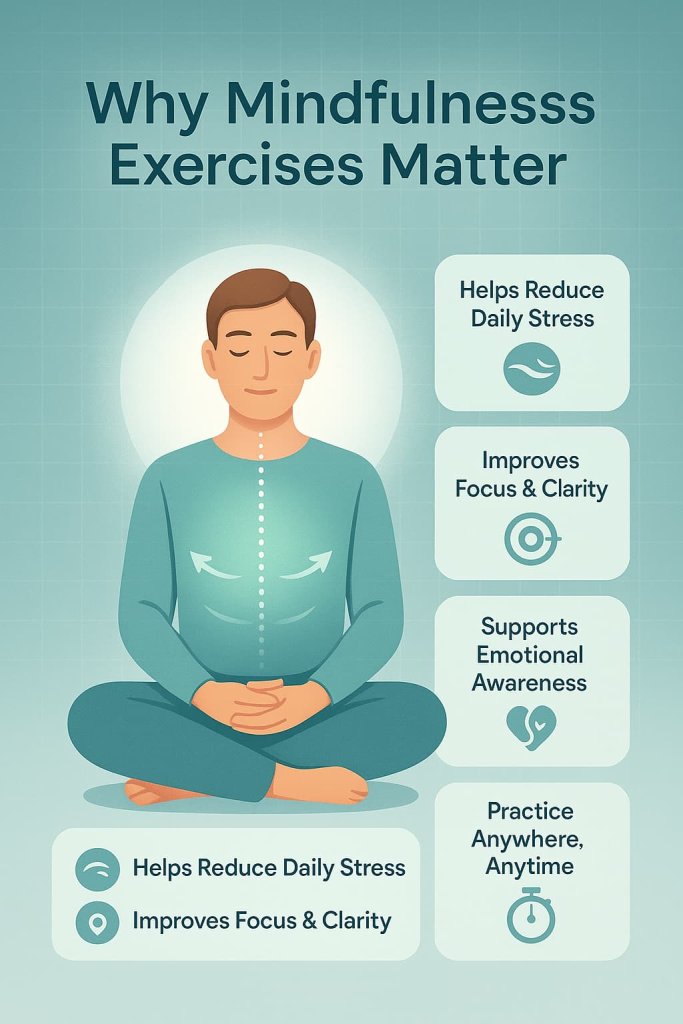
Key reasons they matter:
- Help reduce daily stress by calming the nervous system
- Improve focus and mental clarity
- Support emotional awareness and regulation
- Can be practiced anywhere with no equipment
- Useful for beginners because sessions can be only 1–5 minutes
20 Mindfulness Exercises for Beginners That Instantly Reduce Stress
Mindfulness exercises are simple, beginner-friendly practices that help you stay present and calm your mind. These 20 techniques can be done anytime to support relaxation, reduce stress, and improve overall emotional balance.
1. Basic Breathing Meditation
Why It Works
This exercise trains your attention to stay with a single, steady anchor—the breath—which may help quiet mental noise and reduce stress. It supports nervous system regulation and improves present-moment awareness.
How to Do It
- Sit comfortably with your spine neutral.
- Close your eyes if you prefer.
- Notice your natural breathing rhythm.
- When your mind wanders, gently return your focus to the breath.
Tip
Aim for 1–2 minutes at first; consistency is more important than duration.
2. Box Breathing (4–4–4–4 Method)
Why It Works
Structured breath ratios slow the stress response and help regulate heart rate. This technique is commonly used in clinical and performance settings to promote calm and focus.
How to Do It
- Inhale for 4 seconds.
- Hold for 4 seconds.
- Exhale for 4 seconds.
- Hold again for 4 seconds.
Tip
If holding the breath feels uncomfortable, shorten each phase to 3 seconds.
3. Diaphragmatic (Belly) Breathing
Why It Works
Activates the diaphragm more fully, supports relaxation, and reduces shallow chest breathing often associated with stress.
How to Do It
- Place one hand on your belly.
- Inhale and feel your belly rise.
- Exhale slowly and feel it fall.
Tip
Keep your shoulders relaxed to ensure the diaphragm—not the chest—is doing the work.
4. Three-Breath Mindful Pause
Why It Works
This micro-practice interrupts automatic stress reactions and provides a brief reset for mental clarity.
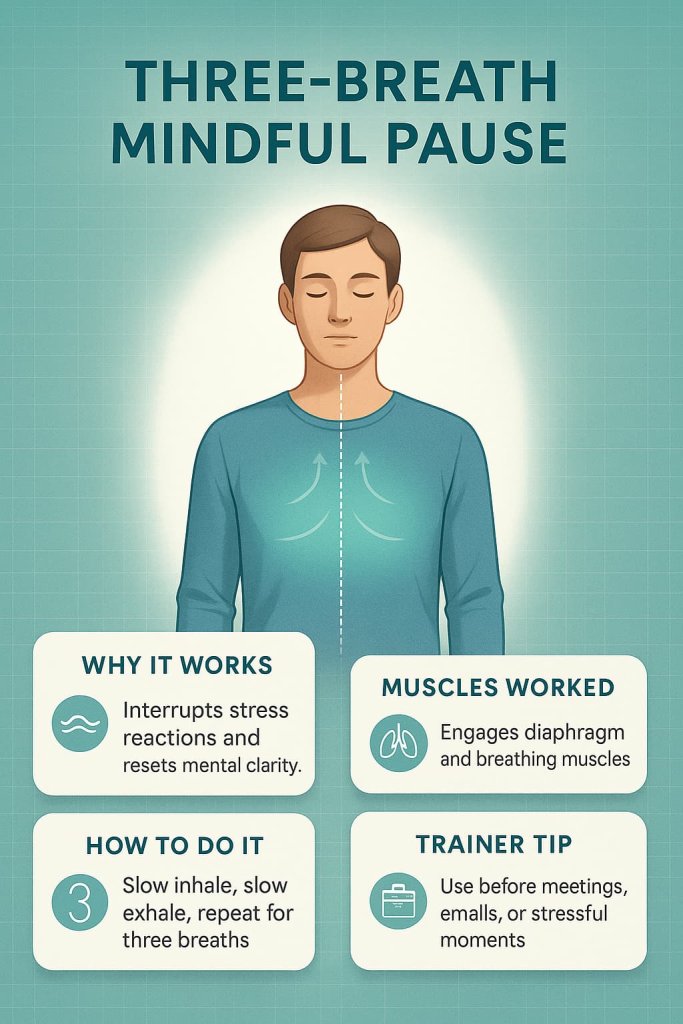
How to Do It
- Take a slow breath in.
- Take a slow breath out.
- Repeat for three total breaths while noticing your body.
Tip
Use this technique before meetings, emails, or stressful conversations.
5. 5-Senses Grounding Technique
Why It Works
A rapid grounding method that shifts attention away from racing thoughts by engaging the sensory system.
How to Do It
- Name five things you see.
- Name four things you can touch.
- Name three things you hear.
- Name two things you can smell.
- Name one thing you can taste.
Tip
Speak the steps out loud if your mind feels especially overloaded.
6. Body Scan Meditation
Why It Works
Promotes awareness of physical sensations and tension patterns. Widely used in MBSR programs to support stress reduction.
How to Do It
- Lie or sit comfortably.
- Bring awareness to your head, then move down your body.
- Notice sensations without judgment or reaction.
Tip
If you get distracted, gently return attention to the last body part you were focusing on.
7. Mindful Stretching
Why It Works
Combines gentle movement with breath awareness, helping release physical tension and increase body awareness.
How to Do It
- Stretch slowly through comfortable ranges.
- Notice sensations in each area.
- Keep your breathing steady throughout.
Tip
Avoid forcing any stretch; mindfulness works best within a comfortable range.
8. Mindful Walking
Why It Works
A moving meditation that integrates mindfulness into everyday activity while promoting relaxation and gentle physical movement.
How to Do It
- Walk slowly and feel each step.
- Notice how your feet contact the ground.
- Observe shifting weight from heel to toe.
Tip
If you feel distracted, return attention to the sensation of your feet.
9. Mindful Eating
Why It Works
Slows the eating process, enhances sensory awareness, and supports better digestion and emotional eating control.
How to Do It
- Choose a single bite of food.
- Notice its smell, shape, and texture.
- Eat slowly, paying attention to taste and chewing.
Tip
Start with one mindful bite per meal; no need to do the entire meal at first.
10. Mindful Listening
Why It Works
Improves presence, reduces internal chatter, and strengthens emotional awareness.
How to Do It
- Sit still and listen to surrounding sounds.
- Avoid labeling or judging them.
- Allow sounds to appear and fade naturally.
Tip
This is an excellent exercise to practice outdoors or during conversations.
11. Thought Labeling Practice
Why It Works
Helps you observe thoughts instead of reacting to them, reducing emotional reactivity and rumination.
How to Do It
- Notice a thought arise.
- Label it as “worry,” “planning,” or “remembering.”
- Return to the present moment.
Tip
Use simple labels—overthinking slows the exercise.
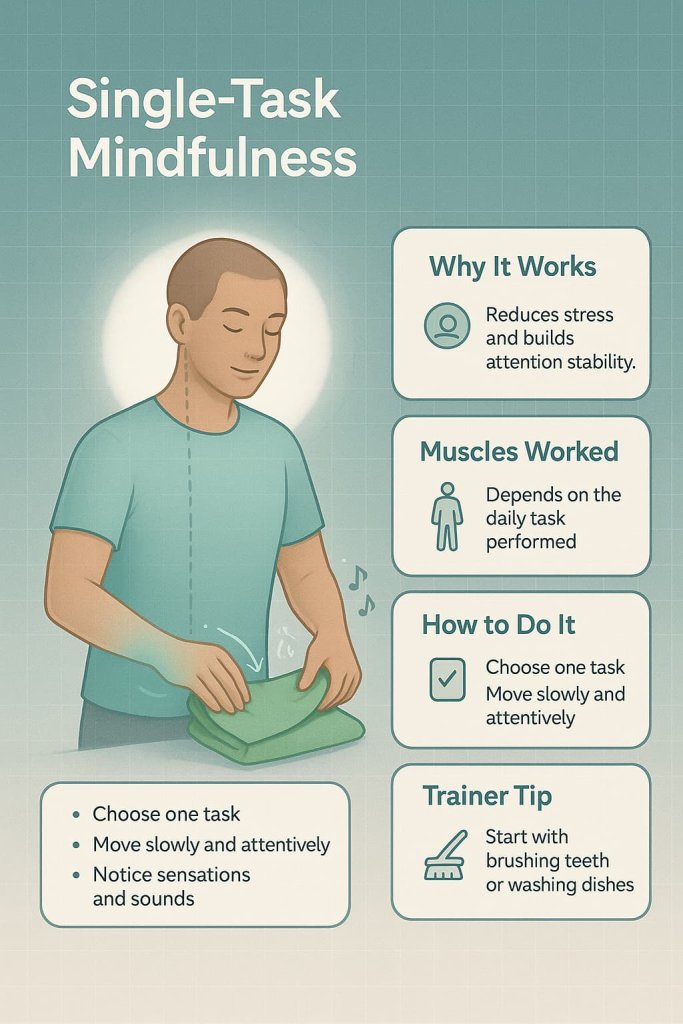
12. Single-Task Mindfulness
Why It Works
Multitasking increases stress and reduces efficiency. Focusing on one task builds attention stability.
How to Do It
- Choose one daily task.
- Perform it slowly and attentively.
- Notice movements, sensations, and sounds.
Tip
Start with routine tasks like brushing teeth or washing dishes.
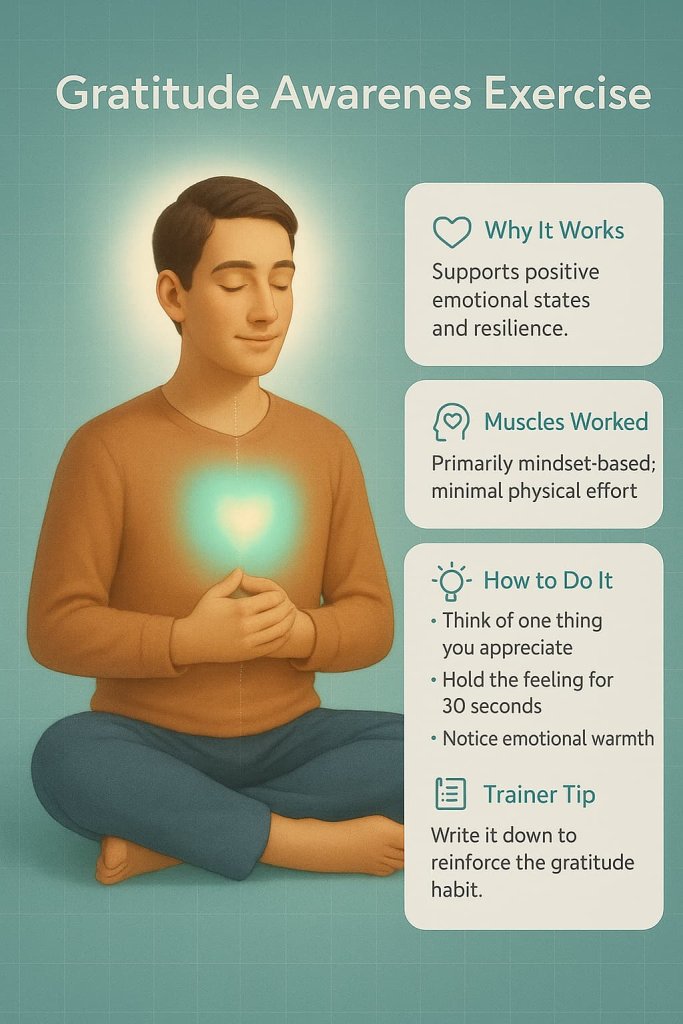
13. Gratitude Awareness Exercise
Why It Works
Activates positive emotional states that may counter stress and support resilience.
How to Do It
- Think of one thing you appreciate.
- Sit with that feeling for 30 seconds.
- Notice warmth or emotional shifts.
Tip
Write down your gratitude item afterward to reinforce the habit.
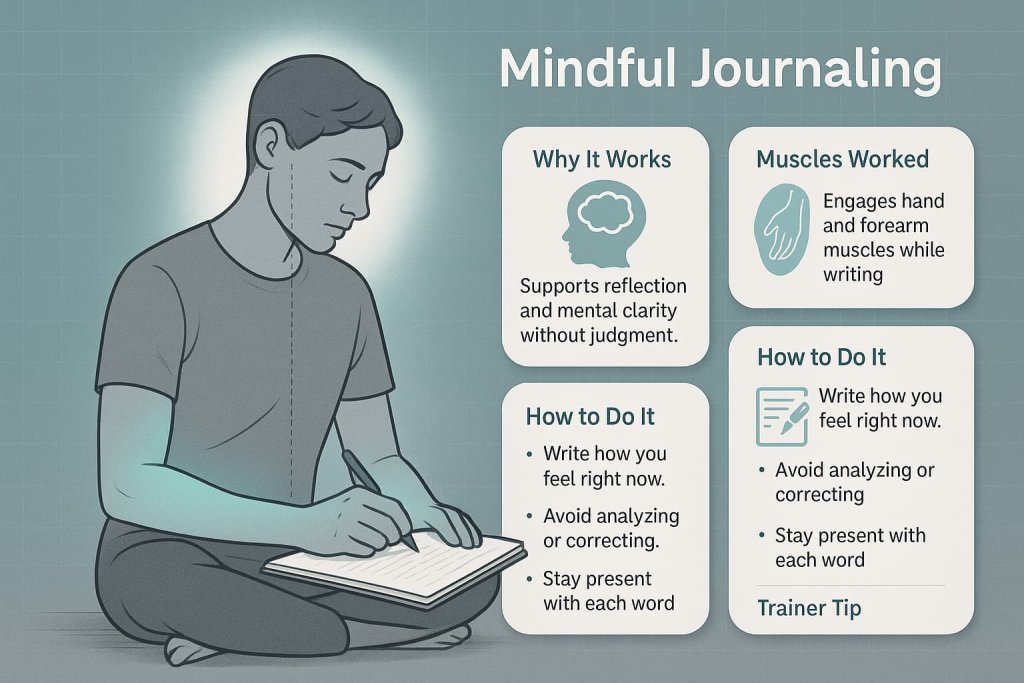
14. Mindful Journaling
Why It Works
Encourages reflection and increases clarity by noticing thoughts and emotions without judgment.
How to Do It
- Write how you feel right now.
- Avoid analyzing or correcting your thoughts.
- Keep your attention on the present moment.
Tip
Use short prompts like “Right now I notice…” to get started.
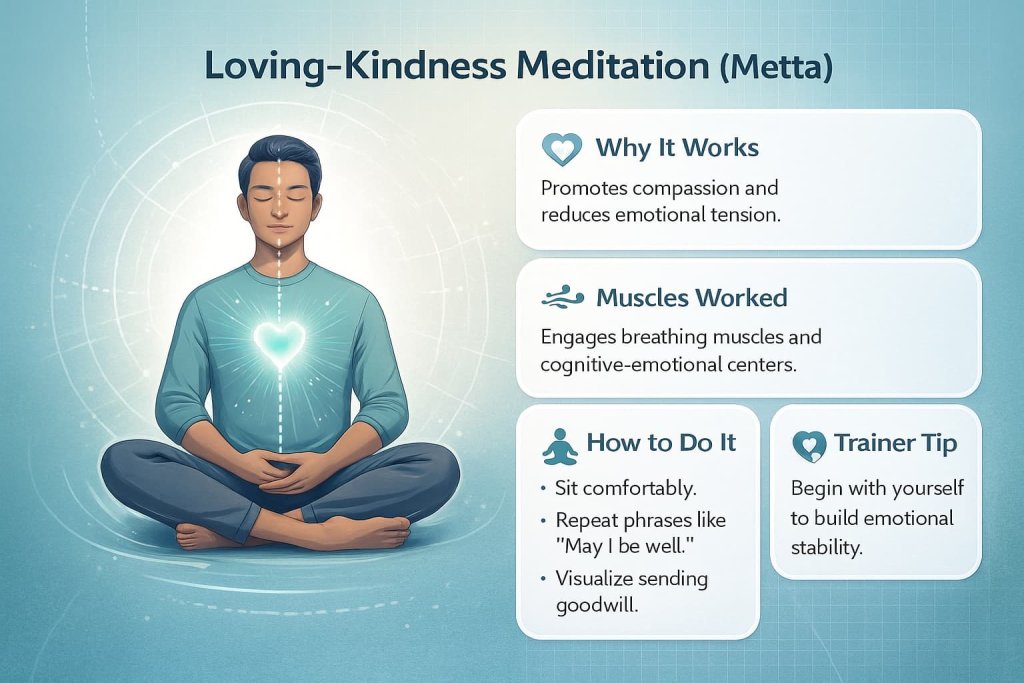
15. Loving-Kindness Meditation (Metta)
Why It Works
Promotes compassion, reduces emotional tension, and may support improved emotional well-being.
How to Do It
- Sit comfortably.
- Silently repeat phrases like “May I be well” or “May you be peaceful.”
- Visualize sending goodwill to yourself and others.
Tip
Start with yourself before extending to others—it builds emotional stability.
16. Mindful Posture Check
Why It Works
Improves awareness of physical tension patterns and may reduce stress-related tightness.
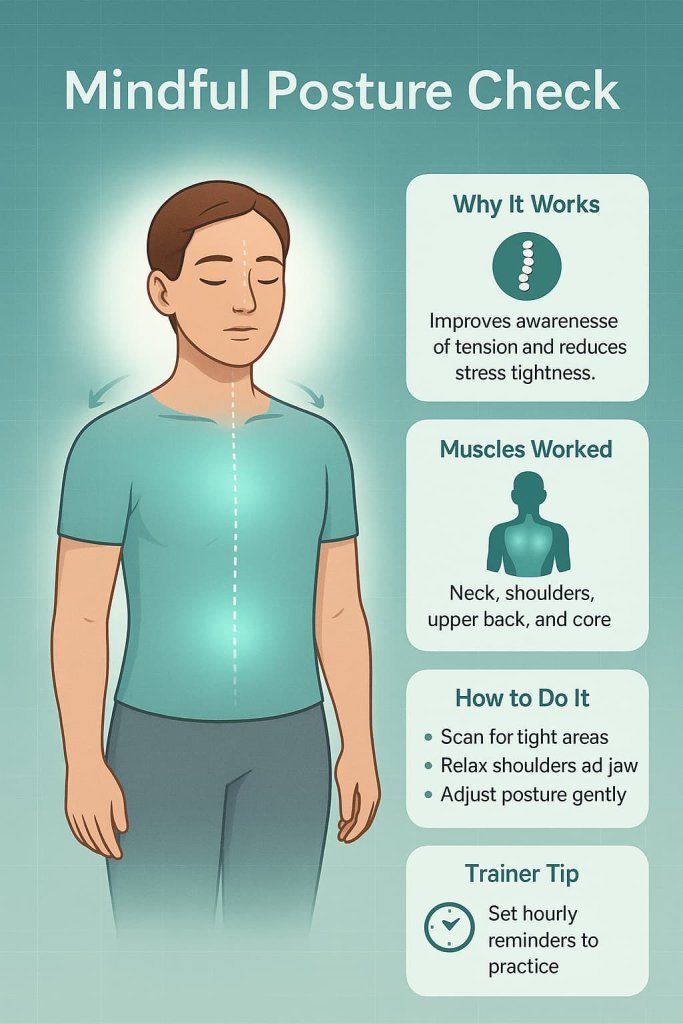
How to Do It
- Pause and scan your body for tight areas.
- Relax your shoulders and jaw.
- Adjust your posture gently.
Tip
Set an hourly reminder to practice this throughout the day.
17. Mindful Showering
Why It Works
Uses sensory awareness to redirect attention from stress to grounded, present-moment experience.
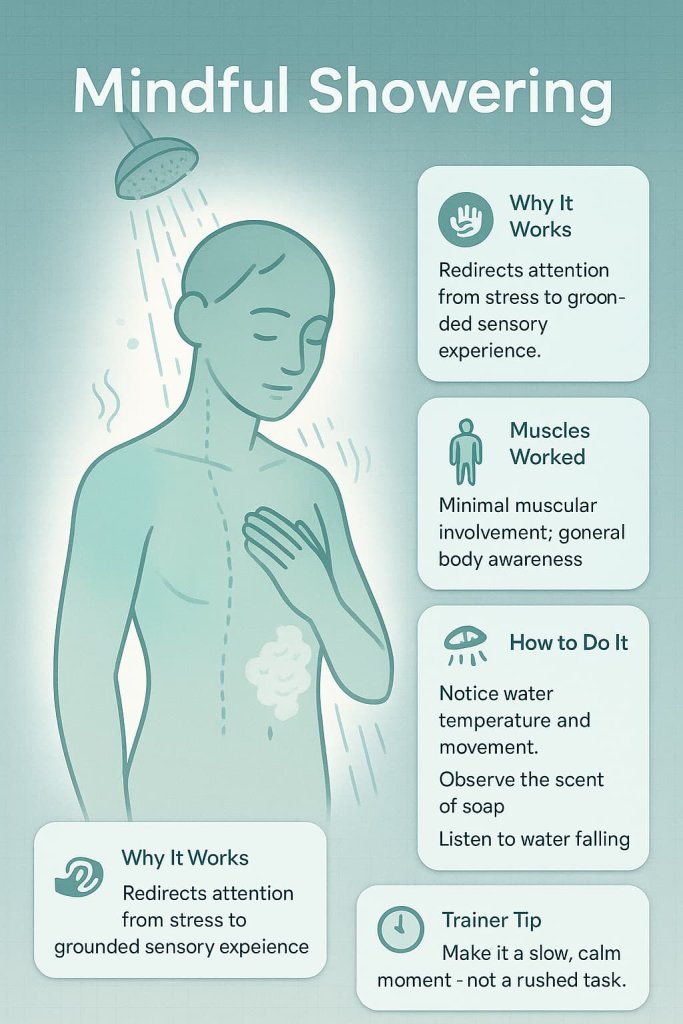
How to Do It
- Notice the water’s temperature and movement.
- Observe the scent of soap.
- Listen to the sound of water falling.
Tip
Let this be a slow, calm moment in your routine rather than a rushed task.
18. Mindful Tea or Coffee Ritual
Why It Works
Transforms a daily habit into a calming mindfulness routine that supports grounding and emotional balance.
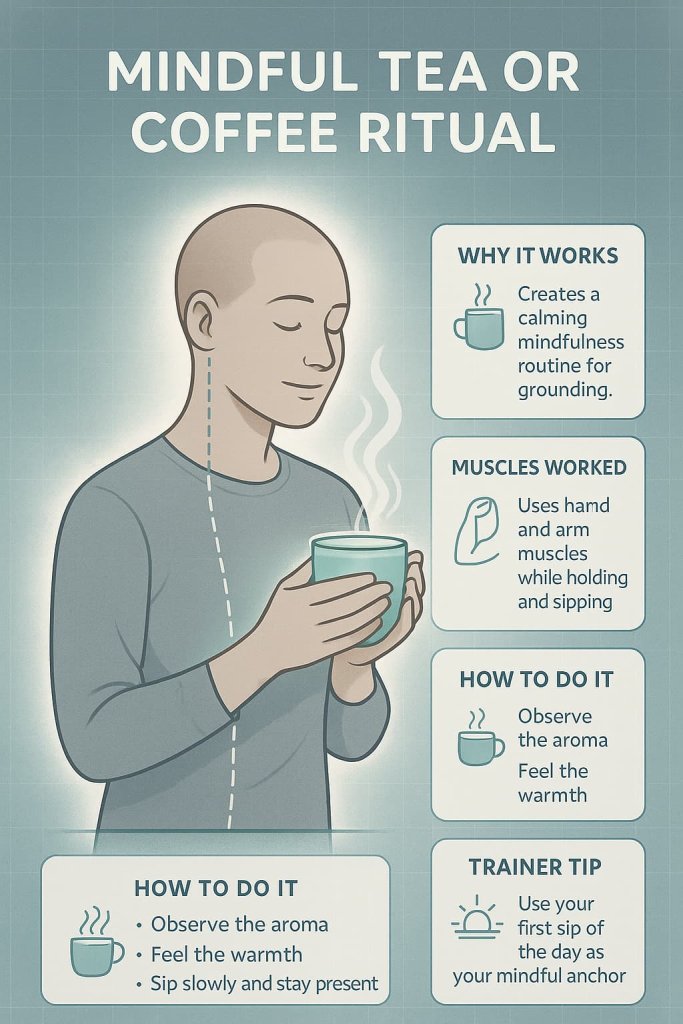
How to Do It
- Observe the aroma of your drink.
- Feel the warmth in your hands.
- Sip slowly and stay present with the taste.
Tip
Use your first sip of the day as your mindful anchor.
19. Nature Observation (1–2 Minutes)
Why It Works
Brief exposure to nature may support stress reduction and enhance mindfulness through visual and sensory engagement.
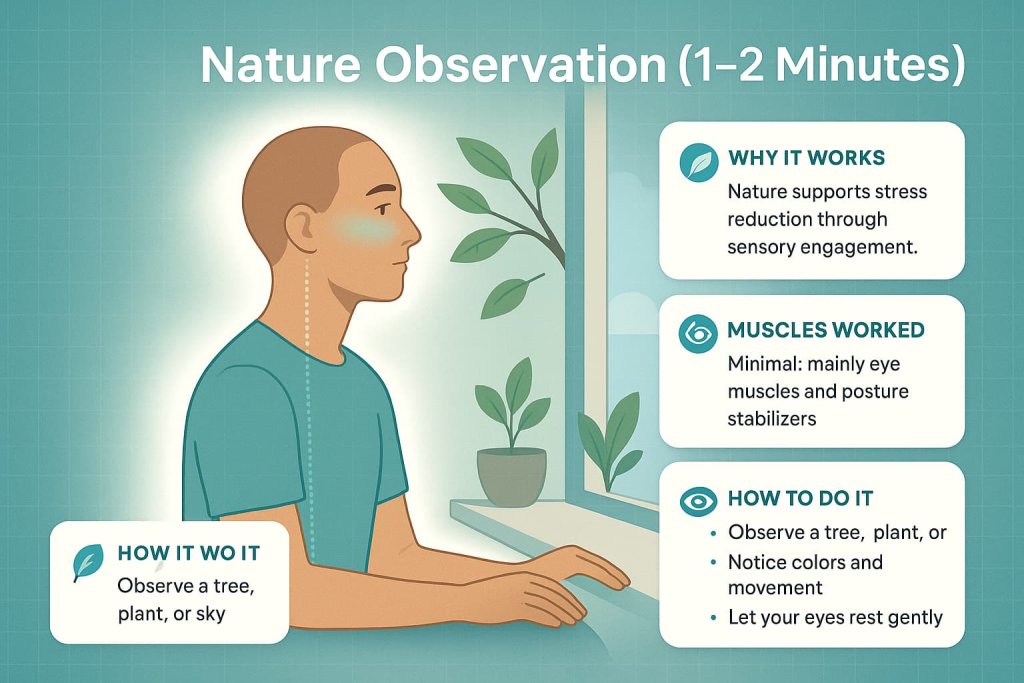
How to Do It
- Look at a tree, plant, or the sky.
- Notice colors, shapes, and movement.
- Let your eyes rest gently on the environment.
Tip
This works well even indoors with a window view or houseplant.
20. Open Awareness Meditation
Why It Works
Encourages non-judgmental observation of thoughts, feelings, and sensations, supporting emotional regulation and mental clarity.
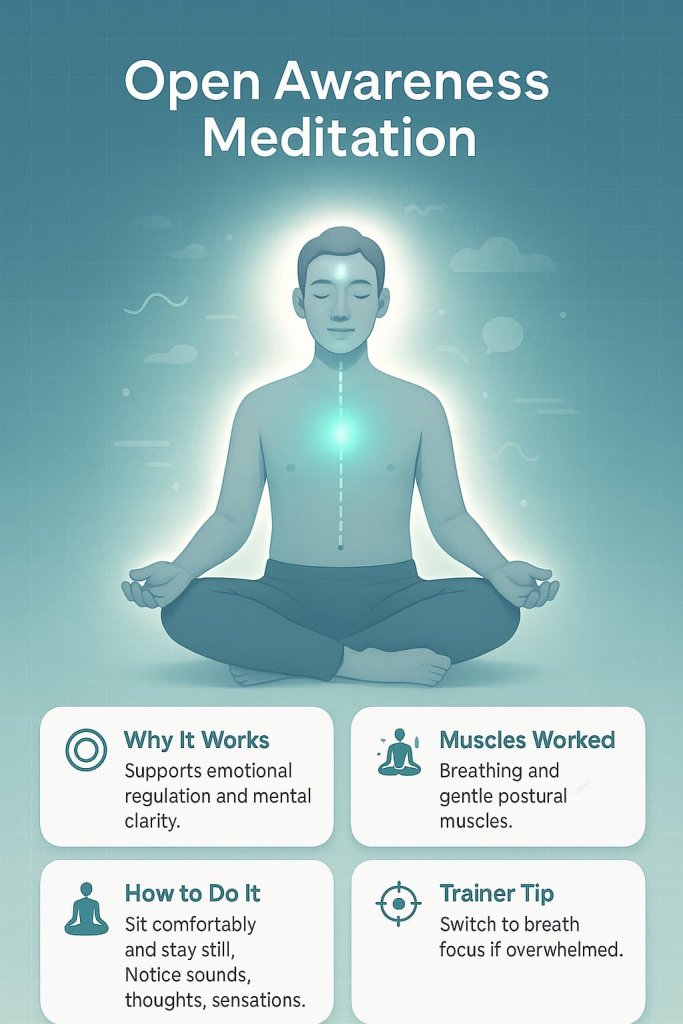
How to Do It
- Sit comfortably and stay still.
- Notice any sounds, thoughts, or sensations.
- Allow everything to come and go without analysis.
Tip
If you feel overwhelmed, switch to a single-focus exercise like breath awareness.
How Often Should Beginners Practice Mindfulness?
- Start with 2–5 minutes per day.
- Gradually increase to 10–20 minutes if it feels comfortable.
- Consistency is more important than duration.
- Short breaks throughout the day are highly effective.
Safety Guidelines Before You Begin
Mindfulness is generally safe, but beginners should follow basic guidelines to ensure a comfortable and supportive experience.
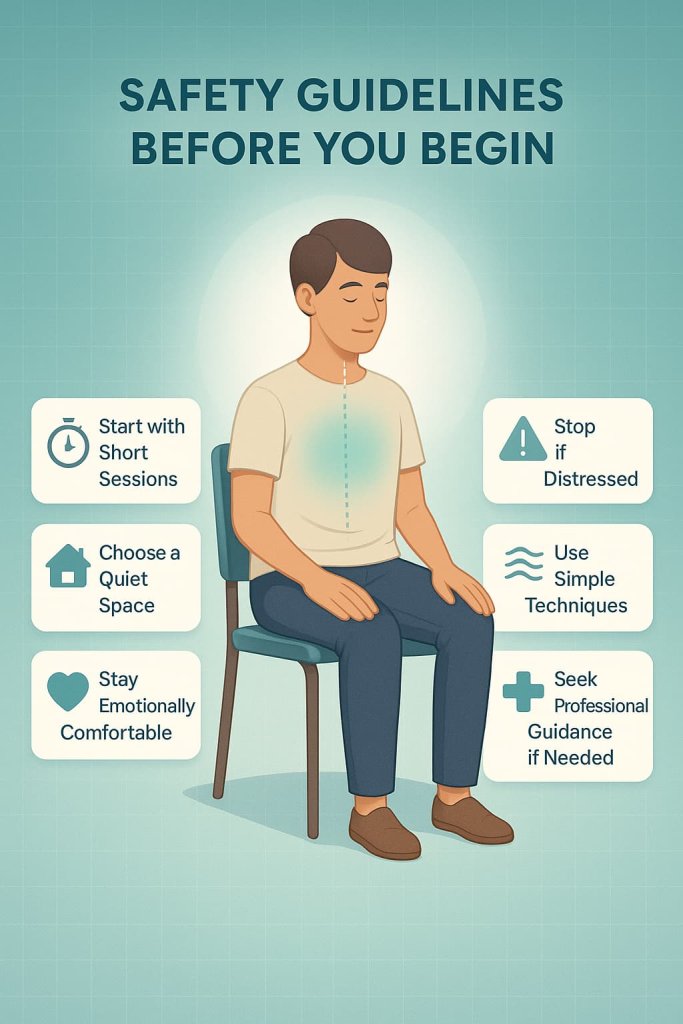
Important safety points:
- Start with short sessions and increase time gradually
- Choose a quiet, comfortable environment
- Stay within an emotionally comfortable range
- Stop if you feel anxious, overwhelmed, or distressed
- Use simpler techniques (like breathing) if deeper practices feel difficult
- Individuals with trauma or mental health conditions should consult a professional before intensive practice
Benefits of Mindfulness for Stress Reduction
Research from Harvard, APA and multiple clinical trials suggests mindfulness may:
- Support reduced stress levels
- Improve emotional regulation
- Enhance focus and concentration
- Support better sleep quality
- Encourage calmer responses to daily challenges
Mindfulness is not a treatment or cure for medical or mental health conditions, but it may support overall well-being and help manage stress.
FAQs
1. How long should a beginner practice mindfulness each day?
Start with 2–5 minutes and gradually increase to 10–20 minutes as it feels comfortable.
2. Can mindfulness really reduce stress quickly?
Short practices may help calm the nervous system and support stress reduction.
3. Do I need special equipment for mindfulness?
No. You only need a quiet space and a few minutes.
4. Can I practice mindfulness if my mind keeps wandering?
Yes—wandering is normal. The practice is gently returning your attention each time.
5. Are mindfulness exercises safe for everyone?
Most people can practice safely, but anyone with significant mental health concerns should seek professional guidance before intensive practice.
6. What time of day is best for mindfulness?
Morning or evening works well, but any consistent time is helpful.
Conclusion
Mindfulness exercises for beginners offer simple, accessible ways to support stress relief and emotional balance. By practicing daily breathing, grounding, gentle movement, and awareness exercises, you can build calm and focus into your everyday life. Start small, stay consistent, and explore the techniques that feel most supportive to you.
This content is for informational purposes only and not medical advice.