
Knee strengthening exercises help support the muscles around the knee joint, improving stability, control, and everyday movement while reducing unnecessary stress on the joint.
They are widely recommended by physical therapists and public-health organizations as a first-line, non-invasive way to manage knee discomfort and support long-term joint health.
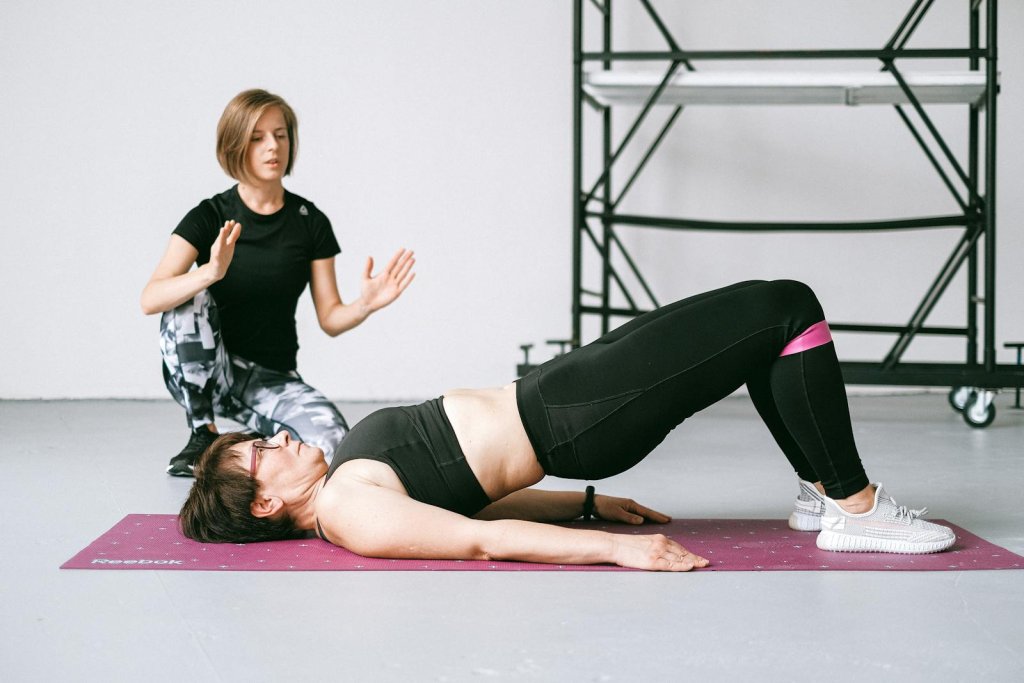
Understanding knee strengthening exercises is important because the knee relies heavily on surrounding muscles—especially the quadriceps, hamstrings, glutes, and calves—for support. When these muscles are weak or poorly coordinated, everyday activities like walking, climbing stairs, or standing up can place more strain on the knee joint.
Most effective knee strengthening programs focus on:
- Controlled, low-impact movements
- Gradual muscle strengthening
- Proper alignment and pain-free ranges of motion
What Are Knee Strengthening Exercises?
Knee strengthening exercises are targeted movements designed to build strength in the muscles that support and stabilize the knee joint. These muscles help absorb force, guide movement, and protect the joint during daily activities.
Rather than focusing on the knee alone, these exercises commonly train:

- The quadriceps (front of the thigh)
- The hamstrings (back of the thigh)
- The gluteal muscles (hips)
- The calves and smaller stabilizing muscles
According to orthopedic and rehabilitation guidelines, strengthening these areas may help reduce joint stress and improve movement confidence when performed consistently and correctly.
12 Best Knee Strengthening Exercises for Pain Relief and Joint Stability
Below are 12 simple, evidence-based knee strengthening exercises designed to support joint stability, improve muscle balance, and promote safer daily movement. These exercises focus on controlled strength and coordination to help reduce stress on the knees when performed consistently and within a pain-free range.
1. Quad Sets
How to do it:
- Sit or lie on your back with the leg extended
- Tighten the thigh muscle by pressing the knee gently downward
- Hold the contraction for 5–10 seconds
- Relax fully before repeating
- Perform on a firm surface for better muscle activation
Why it works:
Quad sets activate the quadriceps without bending the knee, making them ideal when joint movement is limited. This helps maintain muscle engagement and knee support without adding joint stress.
Muscles worked:
Quadriceps
Trainer Tip:
Focus on muscle tightening, not force. You should feel the thigh firm, not pain in the knee.
2. Straight-Leg Raises
How to do it:
- Lie on your back with one knee bent and the other leg straight
- Tighten the thigh of the straight leg
- Lift the leg slowly to the height of the opposite knee
- Lower with control
- Keep the knee locked straight throughout
Why it works:
This exercise strengthens the quadriceps while keeping the knee joint stable, improving support during walking and standing.
Muscles worked:
Quadriceps, hip flexors
Trainer Tip:
If your knee bends during the lift, lower the height or slow the movement.
3. Side-Lying Hip Abduction
How to do it:
- Lie on your side with hips stacked and legs straight
- Lift the top leg upward in a straight line
- Keep toes pointing forward
- Lower slowly with control
- Maintain steady breathing
Why it works:
Strong hip stabilizers help prevent inward knee collapse, which reduces stress on the knee during movement.
Muscles worked:
Gluteus medius
Trainer Tip:
Small, controlled lifts are more effective than lifting high with poor form.
4. Glute Bridges
How to do it:
- Lie on your back with knees bent and feet flat
- Press through your heels
- Lift hips until shoulders, hips, and knees align
- Pause briefly at the top
- Lower slowly
Why it works:
Stronger glutes improve lower-body alignment and reduce compensatory stress on the knees.
Muscles worked:
Glutes, hamstrings
Trainer Tip:
Avoid arching the lower back—think “hips up, ribs down.”
5. Standing Hamstring Curls
How to do it:
- Stand upright holding a chair or wall
- Bend one knee to bring the heel toward the glutes
- Keep thighs aligned
- Lower slowly
- Alternate legs
Why it works:
Hamstring strength supports knee control during bending, walking, and deceleration.
Muscles worked:
Hamstrings
Trainer Tip:
Move slowly and avoid swinging the leg to maintain muscle control.
6. Calf Raises
How to do it:
- Stand with feet hip-width apart
- Hold a wall or chair if needed
- Rise onto the balls of your feet
- Pause briefly
- Lower heels slowly to the floor
Why it works:
Strong calves help control ankle motion, indirectly improving knee stability during gait.
Muscles worked:
Gastrocnemius, soleus
Trainer Tip:
Control the lowering phase—it’s just as important as the lift.
7. Sit-to-Stand
How to do it:
- Sit on a chair with feet flat and shoulder-width apart
- Lean slightly forward
- Push through your heels to stand
- Sit back down slowly
- Keep knees aligned with toes
Why it works:
This functional movement strengthens muscles used daily and reinforces proper knee mechanics.
Muscles worked:
Quadriceps, glutes
Trainer Tip:
Use a higher chair if knee discomfort appears.
8. Step-Ups (Low Step)
How to do it:
- Stand facing a low step or platform
- Step up with one foot
- Press through the heel to stand
- Step down with control
- Switch sides evenly
Why it works:
Step-ups build strength and coordination needed for stairs and uneven surfaces.
Muscles worked:
Quadriceps, glutes
Trainer Tip:
Start lower than you think—control matters more than height.
9. Wall Sits (Pain-Free Range)
How to do it:
- Stand with back against a wall
- Slide down into a partial squat
- Keep knees aligned over feet
- Hold for 10–30 seconds
- Slide back up slowly
Why it works:
Wall sits improve quadriceps endurance without repeated joint movement.
Muscles worked:
Quadriceps, glutes
Trainer Tip:
Stop before discomfort—depth is optional.
10. Terminal Knee Extensions (Band Optional)
How to do it:
- Anchor a resistance band behind the knee
- Slightly bend the knee
- Straighten the leg against resistance
- Pause briefly at full extension
- Return slowly
Why it works:
This targets the final portion of knee extension, which is essential for walking and standing.
Muscles worked:
Quadriceps
Trainer Tip:
Focus on smooth movement rather than band tension.
11. Supported Single-Leg Balance
How to do it:
- Stand near a wall or chair
- Lift one foot slightly off the floor
- Maintain upright posture
- Hold for 15–30 seconds
- Switch sides
Why it works:
Balance training improves neuromuscular control and knee joint awareness.
Muscles worked:
Quadriceps, glutes, stabilizers
Trainer Tip:
Light fingertip support is fine—control comes first.
12. Heel Slides
How to do it:
- Lie on your back with legs extended
- Slowly slide one heel toward your hips
- Keep the foot on the surface
- Slide back to starting position
- Alternate legs
Why it works:
Heel slides promote gentle knee movement and muscle coordination without loading the joint.
Muscles worked:
Quadriceps, hamstrings
Trainer Tip:
Stay within a pain-free range at all times.
How Often Should You Do Knee Strengthening Exercises?
Most guidelines suggest performing knee strengthening exercises 2–3 times per week, allowing rest days between sessions. A gradual progression over 4–6 weeks is commonly used in orthopedic conditioning programs.
Consistency matters more than intensity, especially when joint comfort is a concern.
Why Knee Strength Matters for Joint Stability
Strong muscles around the knee act like shock absorbers. They help control how forces travel through the joint when you walk, bend, or lift.
When knee-supporting muscles are weak:
- The joint may absorb more impact
- Movement control may decrease
- Daily tasks can feel less stable
Public-health recommendations from the Centers for Disease Control and Prevention and American Heart Association encourage muscle-strengthening activities at least two days per week for overall joint and movement health.
Who Can Benefit From Knee Strengthening Exercises
Knee strengthening exercises can benefit a wide range of people by improving muscle support around the knee joint and promoting safer movement patterns.
These exercises may be helpful for:
- Adults with mild or occasional knee discomfort during daily activities
- Individuals who feel knee weakness, instability, or reduced confidence when walking or using stairs
- People returning to regular activity after a period of inactivity
- Older adults aiming to maintain joint function and independence
- Those who want to support knee health as part of a balanced fitness routine
Importantly, knee strengthening exercises are most effective when they are matched to your current ability level and performed with proper technique.
When to Stop and Seek Professional Guidance
While mild muscle effort or temporary soreness can be normal, knee strengthening exercises should not cause sharp or worsening pain.
Stop exercising and consider seeking professional guidance if you experience:
- Sharp, stabbing, or increasing knee pain
- Swelling, locking, or a feeling of instability in the knee
- Pain that does not improve or worsens over several weeks
- Difficulty bearing weight or performing normal daily activities
A qualified healthcare or rehabilitation professional can help assess your situation and provide personalized guidance if symptoms persist or progress.
Who Should Be Careful Before Doing Knee Strengthening Exercises?
Extra caution is advised for:
- People with recent knee injuries or surgery
- Individuals with significant swelling or instability
- Anyone experiencing sharp or worsening knee pain
In these cases, consulting a qualified healthcare or rehabilitation professional is recommended.
Common Mistakes to Avoid
- Rushing through movements
- Locking the knees forcefully
- Ignoring pain signals
- Skipping hip and glute strengthening
Controlled technique is key to long-term benefit.
FAQs About Knee Strengthening Exercises
1. Can knee strengthening exercises help knee pain?
They may help support joint function and reduce stress when done correctly and consistently.
2. Are these exercises safe for beginners?
Yes, most are beginner-friendly when performed slowly and within a comfortable range.
3. Do I need equipment?
Most exercises use bodyweight only; optional bands can add light resistance.
4. How long before results are noticeable?
Many people notice improved strength and control within 4–6 weeks.
5. Should exercises hurt?
Mild muscle effort is normal, but sharp or increasing pain is not.
6. Can seniors do knee strengthening exercises?
Yes, with appropriate modifications and balance support.
Conclusion
Knee strengthening exercises are a practical, evidence-based way to support joint stability, movement confidence, and everyday function. By focusing on controlled, balanced strengthening of the muscles around the knee, you can build a strong foundation for long-term joint health.
If you’re new, start slow, stay consistent, and prioritize proper form. Over time, these simple exercises can make daily movement feel more stable and comfortable.
References
- AAOS: Knee Conditioning Program
- NICE Guideline NG226: Osteoarthritis Recommendations (Therapeutic Exercise)
- NHS: Knee Exercises for Runners (Knee Strengthening Examples)
- Versus Arthritis: Osteoarthritis of the Knee Exercises (PDF)
- CDC: Adult Physical Activity Guidelines (Includes Strength 2 Days/Week) (
- WHO: Physical Activity Recommendations (Muscle-Strengthening 2+ Days/Week)
- American Heart Association: Physical Activity Recommendations for Adults
- Mayo Clinic: Osteoarthritis Diagnosis and Treatment (Physical Therapy + Strengthening)