
Weight-bearing exercises are some of the most effective ways to help strengthen bones if you have osteopenia. These exercises place gentle stress on your bones, which may help maintain or improve bone mineral density and support better stability.
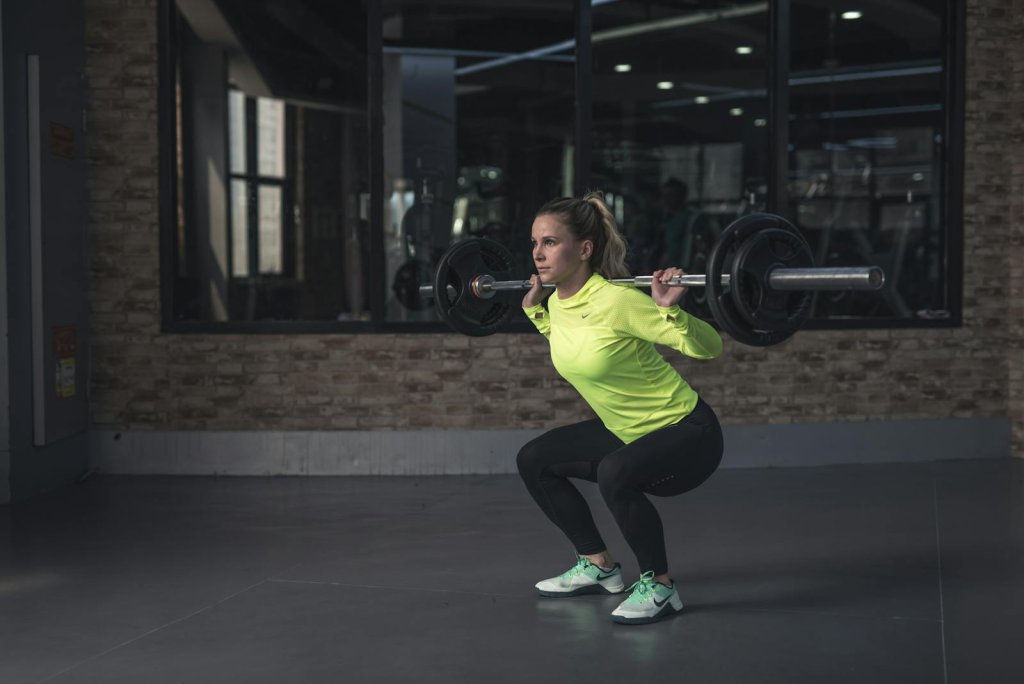
Understanding the right movements is important because osteopenia increases the risk of future fractures and osteoporosis. Weight-bearing exercise—combined with muscle strengthening and good balance—can help you stay active, strong, and confident. This guide covers the 10 best weight-bearing exercises for osteopenia, how to do them safely, and what recent research says.
Authoritative resources like the National Osteoporosis Foundation, the Bone Health & Osteoporosis Foundation, and major health systems recommend weight-bearing aerobic exercise plus resistance training for maintaining bone health. Always consult your healthcare provider before beginning any new routine.
What Are Weight-Bearing Exercises for Osteopenia?
Weight-bearing exercises are movements done on your feet, where your bones support your body against gravity. This gravitational load stimulates bone cells and helps keep bones strong.
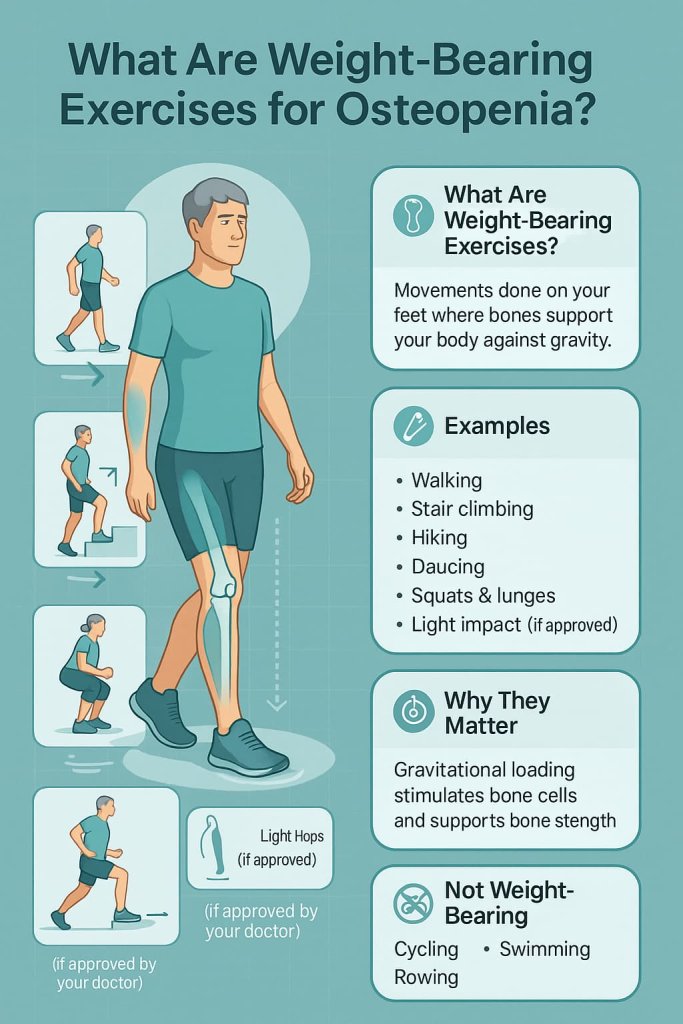
Weight-bearing exercises include:
- Walking
- Stair climbing
- Hiking
- Dancing
- Squats and lunges
- Light impact movements (if approved by your doctor)
These exercises differ from non–weight-bearing activities like cycling or swimming, which are excellent for heart health but do not load the bones strongly.
How Weight-Bearing Exercise Supports Bone Strength
Healthy bones respond to mechanical stress. When you walk, climb, lift, or perform controlled squats, your muscles pull on the bones and send signals that encourage maintenance of bone tissue.
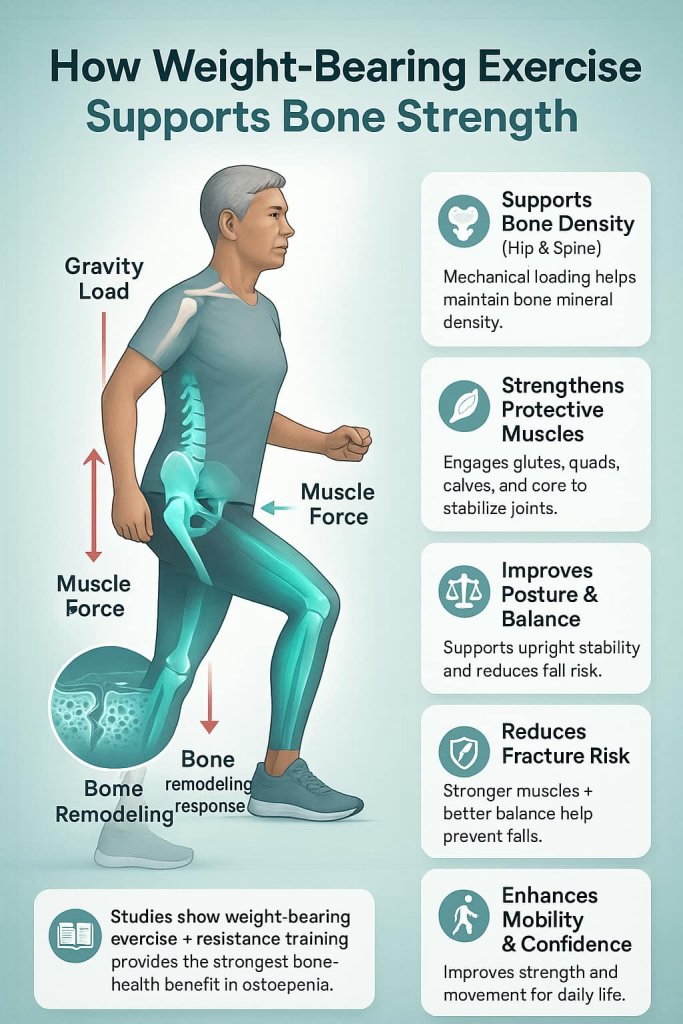
Benefits include:
- Supporting bone density in the hips and spine
- Improving posture and balance
- Reducing fall and fracture risk
- Strengthening muscles that protect the skeleton
- Enhancing overall mobility and confidence
Research consistently shows that weight-bearing exercise combined with strength training offers the strongest protective benefit for individuals with osteopenia.
Warm-Up Before Weight-Bearing Exercises
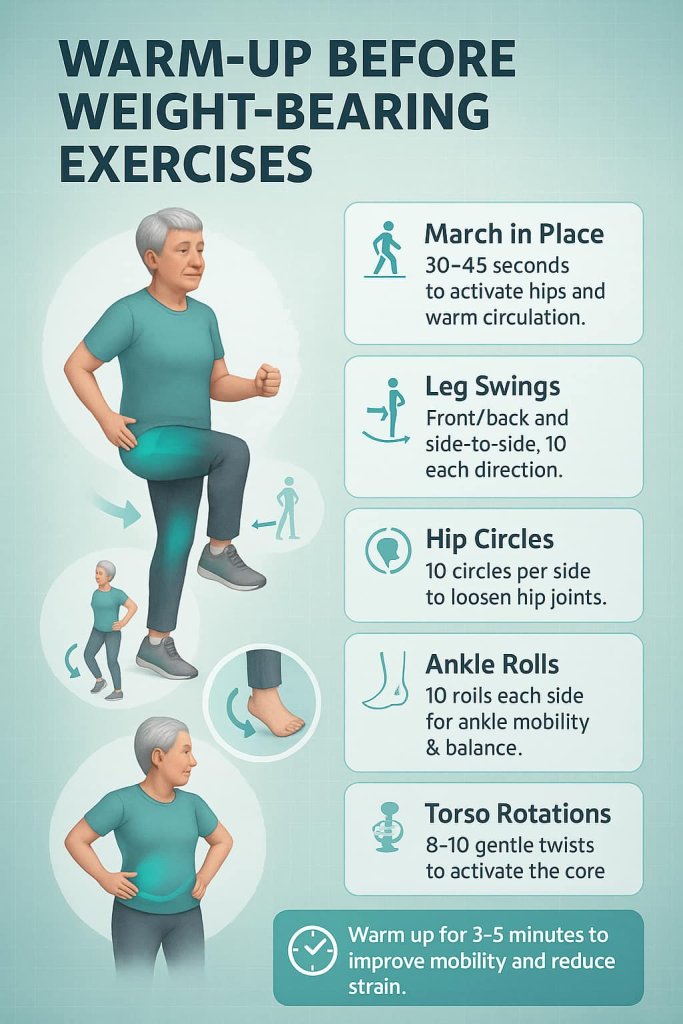
A gentle warm-up prepares your muscles, joints, and balance systems:
- March in place: 30–45 seconds
- Leg swings (front/back, side/side): 10 each direction
- Hip circles: 10 each side
- Ankle rolls: 10 each
- Light torso rotations: 8–10 reps
This 3–5 minute warm-up improves mobility and reduces strain during exercise.
The 10 Best Weight-Bearing Exercises for Osteopenia
The 10 best weight-bearing exercises for osteopenia help strengthen your hips, legs, and spine through safe, gravity-based movements. These beginner-friendly exercises support bone density, improve balance, and reduce the risk of future fractures.
1. Brisk Walking
Why it works
Brisk walking creates steady, repetitive loading through the hips, spine, and legs—key areas affected by osteopenia. This consistent impact helps maintain bone density while improving circulation, balance, and lower-body endurance. It’s one of the safest long-term strategies for daily bone health.
Muscles worked
Glutes, quadriceps, hamstrings, calves, core stabilizers.
How to do it
- Walk 20–30 minutes at a moderate, steady pace.
- Keep posture tall and shoulders relaxed.
- Swing your arms naturally to increase total-body movement.
- Progress by adding light inclines or increasing walking speed gradually.
Trainer Tip
A treadmill set to a modest incline (3–6%) increases bone-loading intensity without adding impact.
2. Stair Climbing or Step-Ups
Why it works
Each upward step increases force on the hips, knees, and spine, stimulating bone-building cells more than flat-ground walking. The controlled ascent and descent also boost leg strength and balance—important for reducing fall risk.
Muscles worked
Quadriceps, glutes, hamstrings, calves, core.
How to do it
- Use a sturdy step bench or home stairs.
- Step up with one foot, fully straighten, then step down slowly.
- Perform 8–12 repetitions per leg at a controlled pace.
- Maintain an upright posture throughout.
Trainer Tip
Begin with a low step height to maintain control; increase height only when movement is stable and pain-free.
3. Dancing or Low-Impact Aerobics
Why it works
Dancing involves rhythmic, multidirectional movements that challenge the bones from various angles. This varied loading pattern creates gentle impact forces that may support bone strength while also improving coordination and cardiovascular fitness.
Muscles worked
Hips, quadriceps, hamstrings, calves, glutes, core.
How to do it
- Choose low-impact options such as Zumba Gold, line dancing, or beginner aerobics.
- Aim for 20–30 minutes of continuous movement.
- Start slowly, then increase tempo as comfort improves.
Trainer Tip
Choose a supportive, non-slip dance surface to protect joints and improve stability.
4. Hill or Uphill Walking / Hiking
Why it works
Incline walking naturally increases muscular engagement in the legs and hips. This added demand enhances bone stress in a safe, low-impact way. Hiking outdoors also challenges balance, coordination, and endurance.
Muscles worked
Glutes, hamstrings, quadriceps, calves, hip stabilizers.
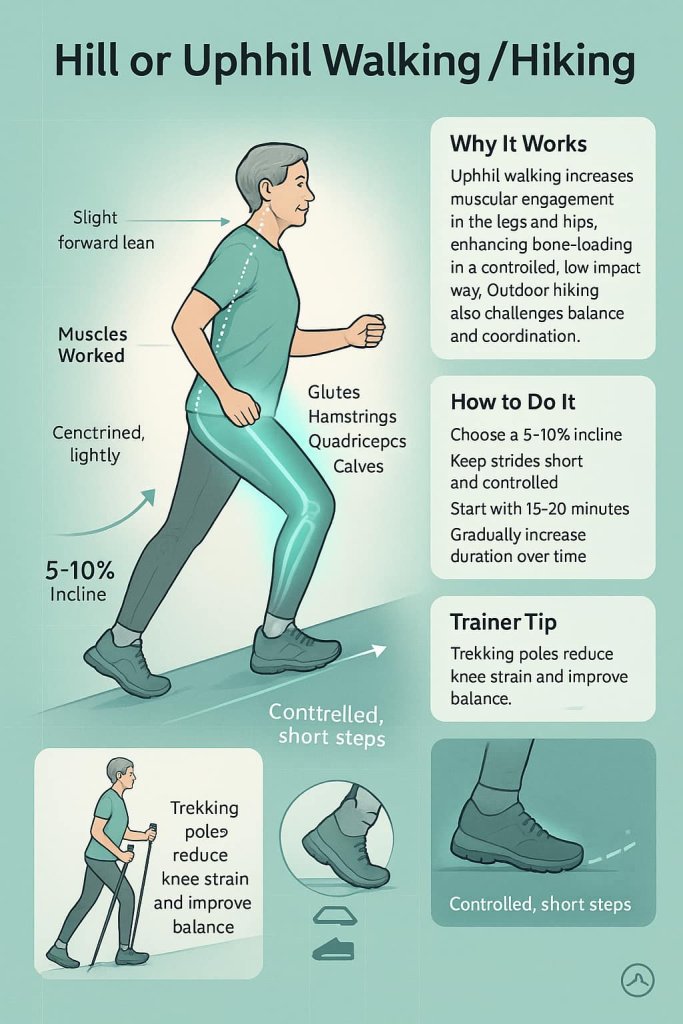
How to do it
- Choose a moderate incline (5–10%) for treadmill walking or outdoor hills.
- Keep strides shorter for better control.
- Walk 15–20 minutes to start, increasing duration over time.
Trainer Tip
Using trekking poles reduces knee strain while helping maintain an upright posture during uphill movement.
5. Gentle Hops or Heel Drops (If Approved by Your Doctor)
Why it works
Small, controlled impacts—like heel drops or gentle hops—may help stimulate bone density at the hip. Research shows that mild impact loading can be beneficial when performed safely and gradually.
Muscles worked
Calves, quadriceps, hamstrings, glutes.
How to do it
- Begin with heel drops: rise onto your toes and gently drop your heels to the floor.
- Perform 10–15 repetitions.
- If cleared by your doctor, progress to small, light hops for 10–20 seconds with soft landings.
Trainer Tip
Avoid all jumping if you have osteoporosis, a history of fractures, or significant balance concerns.
6. Bodyweight Squats
Why it works
Squats strengthen the major lower-body muscles that support the hips and spine. This movement pattern helps maintain posture, improve daily mobility, and increase the mechanical load bones need to stay strong.
Muscles worked
Glutes, quadriceps, hamstrings, core.
How to do it
- Stand with feet hip-width apart.
- Sit back and down as if lowering into a chair.
- Keep spine neutral and chest tall.
- Perform 8–12 slow, controlled reps.
Trainer Tip
Place a chair behind you as a depth guide for safe, consistent squatting technique.
7. Lunges or Split Squats
Why it works
Lunges load one leg at a time, increasing bone-loading forces and activating stabilizer muscles. This unilateral training also enhances balance and coordination, reducing fall risk.
Muscles worked
Glutes, quadriceps, hamstrings, calves.
How to do it
- Step forward or backward into a lunge.
- Lower slowly, keeping your torso upright.
- Push through the front foot to return to standing.
- Perform 6–10 reps per leg.
Trainer Tip
Hold onto a stable support like a countertop or wall if you need help balancing.
8. Hip Hinge / Deadlift Variations (Light to Moderate Load)
Why it works
The hip hinge strengthens the posterior chain, which includes the glutes, hamstrings, and lower back. This muscle group helps protect the spine, improve posture, and reduce fall risk—critical factors for people with osteopenia.
Muscles worked
Glutes, hamstrings, spinal erectors, core stabilizers.
How to do it
- Stand tall with a neutral spine.
- Hinge forward at the hips while keeping your back flat.
- Use light dumbbells or keep hands on thighs.
- Return to standing with controlled movement.
Trainer Tip
Avoid rounding your back—maintain spinal alignment throughout the entire motion.
9. Standing Resistance-Band or Dumbbell Work
Why it works
Performing strength exercises while standing adds natural bone-loading benefits to the upper and lower body. Resistance training improves muscle strength, and the standing position challenges balance, posture, and bone stress.
Muscles worked
Back, chest, shoulders, arms, legs, core.
How to do it
- Choose exercises like rows, chest presses, biceps curls, and shoulder raises.
- Perform 2–3 sets of 8–12 repetitions.
- Use light to moderate resistance and increase gradually.
Trainer Tip
Follow a slow progression—add resistance by 2–10% only when movements feel controlled and stable.
10. Balance-Based Weight-Bearing Drills
Why it works
While not strongly osteogenic, balance exercises reduce fall risk by strengthening stabilizers in the feet, ankles, hips, and core. This is crucial for individuals with osteopenia, as preventing falls means preventing fractures.
Muscles worked
Ankles, hips, core stabilizers.
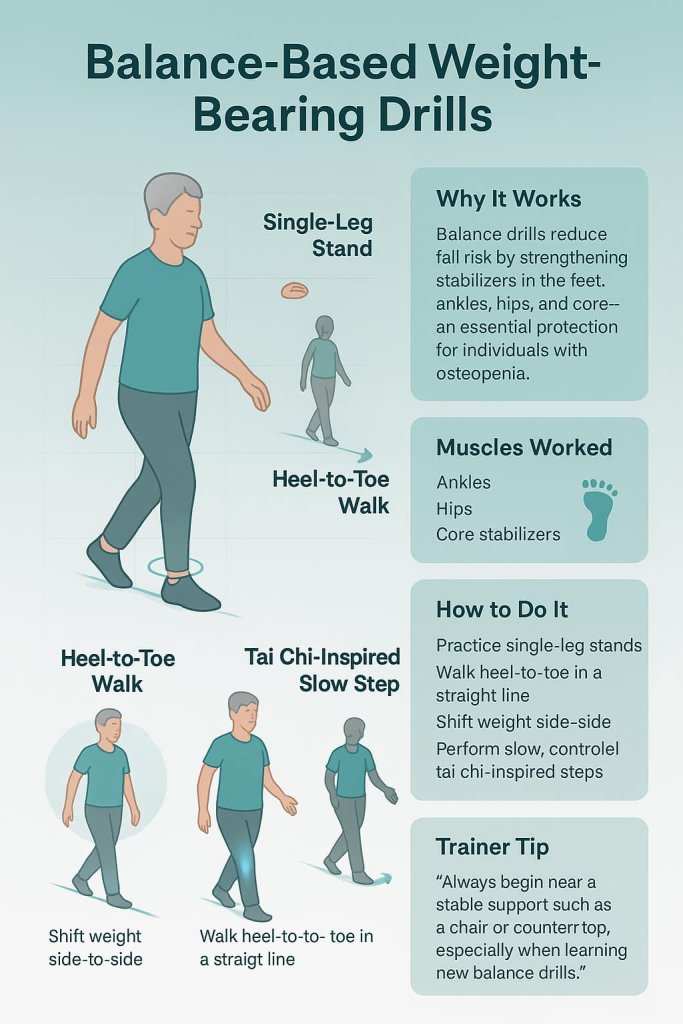
How to do it
- Practice single-leg stands.
- Walk heel-to-toe in a straight line.
- Shift weight side to side while standing.
- Perform slow, controlled tai chi-inspired steps.
Trainer Tip
Always begin near a stable support like a chair or countertop, especially when practicing new balance drills.
How Often Should You Do Weight-Bearing Exercises for Osteopenia?
General evidence-based guidelines:
- Weight-bearing aerobic exercise: 30 minutes most days
- Strength training: 2–3 days per week
- Balance exercises: 3+ days per week
- Progression: Increase intensity slowly and safely
Consistency matters more than intensity—safe, regular loading supports healthier bones.
Common Mistakes to Avoid
- Rounding the back during squats or hinges
- Moving too quickly or with poor control
- Using weights that are too heavy
- Skipping warm-ups or balance work
- Performing impact exercises without medical clearance
- Allowing knees to cave inward during leg movements
Correct form ensures safety and effectiveness.
Who Should Avoid or Modify Certain Exercises?
You should modify or avoid certain movements if you have:
- Osteoporosis
- A history of vertebral, wrist, or hip fractures
- Severe balance issues
- Spinal compression fractures
- Chronic pain or unstable joints
Stick to lower-impact exercises and consult your healthcare provider for guidance.
Safety Guidelines Before You Begin
Safety is essential when exercising with low bone density. Follow these guidelines:
- Avoid bending forward from the waist (e.g., toe touches).
- Avoid exercises that involve strong spinal flexion or twisting.
- Keep movements slow, controlled, and pain-free.
- Start with low-impact choices; add progression gradually.
- Use supportive footwear with good traction.
- Hold onto a stable surface if you feel unsteady.
- Stop immediately if you feel sharp pain, numbness, or dizziness.
Consult your healthcare provider before beginning higher-impact activities like hops or heel drops.
When to Talk to a Doctor or Physical Therapist
Seek professional guidance if you:
- Have pain during or after exercise
- Have a history of fractures
- Are unsure about safe impact levels
- Experience balance issues or dizziness
- Want a personalized bone-strengthening plan
A physical therapist trained in bone health can design safe progressions.
FAQs
1. Which weight-bearing exercise is best for osteopenia?
Walking, stair climbing, and resistance training are the most universally recommended and safest for most people.
2. How long does it take to improve bone density?
Bone changes happen slowly and may take 6–12 months of consistent training.
3. Can I still exercise if I have mild osteopenia?
Yes—exercise is strongly encouraged, but movements should be chosen safely.
4. Are squats safe for osteopenia?
Yes, when performed with proper form and no pain. Start with bodyweight squats.
5. Should I lift weights for osteopenia?
Light to moderate resistance training is recommended to support bone and muscle strength.
6. Does walking increase bone density?
Walking helps maintain hip and spine bone density, especially when done regularly.
7. Are jumps safe for osteopenia?
Only if approved by your doctor and if you have good balance and no fracture history.
Conclusion
Weight-bearing exercises are one of the most important habits for supporting bone strength when you have osteopenia. By choosing safe, effective movements and performing them consistently, you can build stronger bones, improve balance, and reduce your risk of future fractures. Start with low-impact options, progress gradually, and speak with your healthcare provider about the best plan for your needs.
This content is for informational purposes only and not medical advice.
References
- Systematic Review – Exercise Loading & Bone Density (Core Evidence)
Alnasser SM, et al. Effectiveness of Exercise Loading on Bone Mineral Density in Individuals at Risk or Diagnosed with Osteoporosis: A Systematic Review. J Clin Med. 2025.
https://www.mdpi.com/2077-0383/14/12/4109 - RCT – High-Intensity Resistance & Impact Training (LIFTMOR Trial)
Watson SL, et al. High-Intensity Resistance and Impact Training Improves Bone Mineral Density and Physical Function in Postmenopausal Women With Osteopenia and Osteoporosis: The LIFTMOR Randomized Controlled Trial. J Bone Miner Res. 2019.
https://pubmed.ncbi.nlm.nih.gov/30861219/ - Meta-analysis – Optimal Resistance Training Parameters for BMD
Zhao F, et al. Optimal Resistance Training Parameters for Improving Bone Mineral Density in Postmenopausal Women: A Meta-analysis. J Orthop Surg Res. 2025.
https://josr-online.biomedcentral.com/articles/10.1186/s13018-025-05890-1 - Systematic Review – Effectiveness of Physical Exercise on Bone Density
Benedetti MG, et al. The Effectiveness of Physical Exercise on Bone Density in Osteoporotic Patients. Biomed Res Int. 2018.
https://pmc.ncbi.nlm.nih.gov/articles/PMC6323511/ - Guideline / Position Statement – Exercise for Osteoporosis
Bae S, et al. Exercise Guidelines for Osteoporosis: A Position Statement. J Clin Med. 2023.
https://pmc.ncbi.nlm.nih.gov/articles/PMC10345999/ - International Osteoporosis Foundation – Exercise Recommendations
International Osteoporosis Foundation. Exercise for Individuals with Osteoporosis.
https://www.osteoporosis.foundation/health-professionals/prevention/exercise/exercise-individuals-with-osteoporosis - Bone Health & Osteoporosis Foundation – Exercise for Strong Bones
Bone Health & Osteoporosis Foundation. Osteoporosis Exercise for Strong Bones.
https://www.bonehealthandosteoporosis.org/patients/treatment/exercisesafe-movement/osteoporosis-exercise-for-strong-bones/ - Royal Osteoporosis Society – Exercise & Physical Activity for Bone Health
Royal Osteoporosis Society. Exercise and Physical Activity for Osteoporosis and Bone Health.
https://theros.org.uk/information-and-support/osteoporosis/living-with-osteoporosis/exercise-and-physical-activity-for-osteoporosis/