
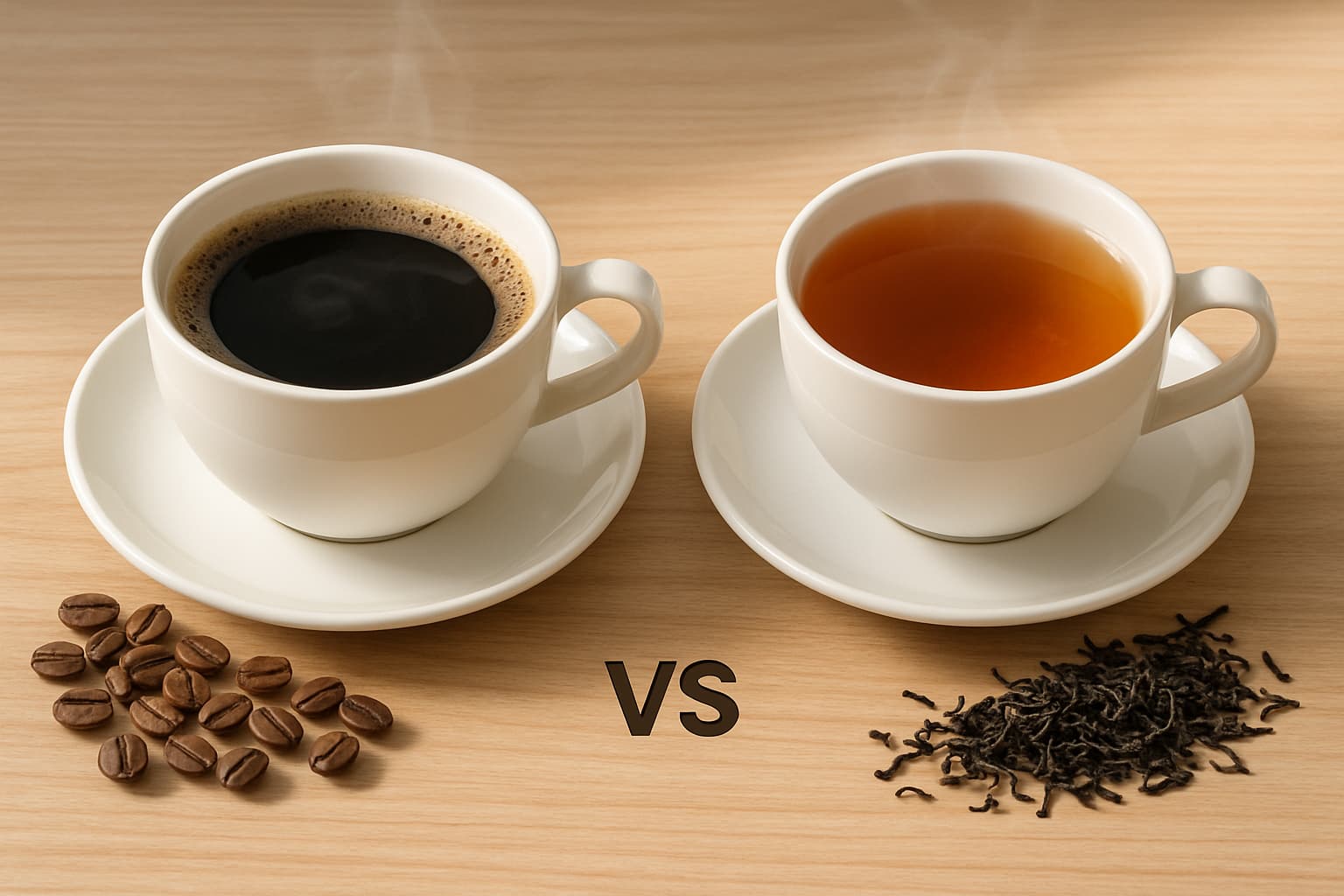
Coffee vs tea: which one is healthier? In most healthy adults, both coffee and tea may support overall wellness when consumed in moderation and without excessive added sugars or creamers.
Understanding the differences in caffeine levels, polyphenols, antioxidants, and daily intake guidelines can help you choose the drink that best supports your energy, heart health, and long-term wellness. According to the U.S. FDA, most adults can safely consume up to 400 mg of caffeine per day, while organizations such as the American Heart Association and NIH regularly highlight the potential benefits of plant-based polyphenols found in both beverages.
This guide breaks down nutrition profiles, health effects, and practical considerations using authoritative, research-based information.
Coffee vs Tea Nutrition Overview
Understanding the basic nutrition of coffee and tea helps you compare both drinks more accurately. When consumed plain, both beverages are naturally low in calories, sugar-free, and contain beneficial plant compounds that may support overall wellness. The nutritional impact changes significantly when additives like sugar, syrups, or creamers are included.
Nutrition Profile of Black Coffee

Plain brewed black coffee is extremely low in calories and contains virtually no macronutrients.
Typical nutrition per 8 fl oz (237 ml):
- Calories: ~2
- Fat: 0 g
- Carbohydrates: 0 g
- Protein: ~0.28 g
- Micronutrients: Small amounts of potassium, magnesium, and niacin (vitamin B3)
Coffee is also rich in chlorogenic acids, a type of polyphenol that may support antioxidant activity and help reduce oxidative stress. Because it contains no sugar or fat in its plain form, black coffee can fit well into most nutrition-focused eating patterns when consumed in moderation.
Nutrition Profile of Plain Tea

Unsweetened brewed tea is also nearly calorie-free and contains beneficial plant compounds that vary depending on the type of tea.
Typical nutrition per 8 fl oz (237 ml):
- Calories: ~0–1
- Fat: 0 g
- Carbohydrates: ~0.7 g
- Protein: 0 g
- Micronutrients: Trace amounts of manganese, potassium, magnesium, and naturally occurring fluoride
Tea—especially green and black varieties—is rich in catechins (such as EGCG) and theaflavins, antioxidants that may support heart health, metabolic balance, and cellular protection. Tea also contains L-theanine, an amino acid that may support calm focus when paired with caffeine.
How Add-Ins Change Calories (Sugar, Milk, Creamers)
While plain coffee and tea are very low in calories, most of the calories and saturated fats come from what you add to your cup.
Common add-ins and their impact:
- Sugar (1 teaspoon): ~16 calories
- Honey (1 tablespoon): ~64 calories
- Whole milk (1/4 cup): ~38 calories
- Half-and-half (1/4 cup): ~78 calories
- Flavored syrups (1 pump): 20–25 calories
- Whipped cream: 60–80+ calories depending on amount
High-sugar beverages, such as sweetened lattes, milk tea, chai with cream, or flavored iced coffees, can quickly reach 200–400+ calories, significantly changing the nutritional profile.
For a wellness-focused approach:
- Choose unsweetened or lightly sweetened options
- Use minimal sugar or sugar alternatives
- Opt for low-fat or unsweetened plant-based milk
- Skip whipped cream and heavy syrups
Keeping add-ins in check helps preserve the natural benefits of both coffee and tea while preventing excess caloric intake.
Caffeine Content and Safety Guidelines
Caffeine is one of the biggest differences between coffee and tea. Understanding how much caffeine each beverage contains, along with official intake limits, helps you choose what fits your lifestyle, energy needs, and overall health goals. Authoritative bodies like the U.S. FDA and major medical organizations provide clear intake recommendations to help ensure safe consumption.
Typical Caffeine Levels (Coffee vs Tea)
The caffeine content of coffee and tea can vary based on brewing time, bean or leaf type, and serving size. In general, coffee contains significantly more caffeine than tea.
Average caffeine per 8 fl oz (237 ml):
- Brewed coffee: ~95–165 mg
- Instant coffee: ~63 mg
- Black tea: ~25–48 mg
- Green tea: ~25–29 mg
- Herbal tea: Typically 0 mg (naturally caffeine-free)
Because coffee has a much higher caffeine concentration, it provides a stronger and faster boost in alertness. Tea, on the other hand, offers a gentler rise in energy due to lower caffeine and the presence of L-theanine, which may support calm focus.
FDA Daily Caffeine Limit for Healthy Adults
According to the U.S. Food and Drug Administration (FDA), most healthy adults can safely consume up to 400 mg of caffeine per day from all sources combined. This equals roughly:
- 2–4 cups of brewed coffee, depending on strength
- 5–8 cups of black tea
- 8–10 cups of green tea
Staying within this limit may help reduce the likelihood of caffeine-related side effects such as jitteriness, anxiety, digestive upset, or sleep disruption. Individuals vary widely in caffeine tolerance, so adjusting intake based on personal response is important.
Those combining coffee, tea, soft drinks, energy drinks, or pre-workout supplements should track total daily intake carefully, as caffeine can accumulate quickly.
Pregnancy and Sensitive Populations (≤200 mg/day)

Some individuals require a lower caffeine limit due to health considerations or increased sensitivity.
Pregnancy:
Major health organizations advise limiting caffeine to ≤200 mg per day during pregnancy. This is roughly equivalent to:
- One 12-oz brewed coffee
- Or 2–3 cups of tea
Lower intake is recommended to help reduce potential risks related to fetal development and sleep disturbances.
Sensitive Populations:
People who may benefit from reduced caffeine intake include those with:
- Anxiety or panic sensitivity
- Heart rhythm irregularities
- High blood pressure
- Sleep disorders
- Gastrointestinal sensitivity
- Certain medication interactions (e.g., stimulants or some heart medications)
For these groups, starting with small amounts, choosing tea over coffee, or opting for decaffeinated versions may help support energy without overstimulation.
How Much Coffee or Tea Should You Drink Per Day? (Safe Intake Guidelines)
Determining how much coffee or tea is safe to drink each day depends on total caffeine intake, personal tolerance, and individual health conditions. Authoritative health bodies such as the U.S. FDA and major medical organizations provide clear, evidence-based guidelines to help consumers make safe choices. Staying within these limits helps you enjoy the benefits of coffee and tea while reducing the chances of caffeine-related side effects.
Recommended Daily Intake for Most Adults
For generally healthy adults, the U.S. FDA states that up to 400 mg of caffeine per day is considered safe. This total includes all sources of caffeine throughout the day.
Approximate equivalents to 400 mg:
- 2–4 cups of brewed coffee (depending on strength)
- 5–8 cups of black tea
- 8–10 cups of green tea
- Unlimited herbal tea (0 mg caffeine)—unless specific herbs are contraindicated
Most adults can comfortably consume:
- 1–2 cups of coffee, OR
- 2–4 cups of tea,
without exceeding safe daily limits.
This range supports alertness, cognitive function, and metabolic health without contributing to excessive caffeine load.
When Less Is Better (Anxiety, Insomnia, Heart Conditions)
Some individuals benefit from staying well below the 400 mg daily threshold. Reducing intake—or choosing lower-caffeine drinks like green tea or herbal tea—may be safer in the following situations:
- Anxiety or panic sensitivity
Caffeine can stimulate the central nervous system, potentially worsening jitteriness or rapid heart rate. - Insomnia or light sleep
Even moderate caffeine late in the day may make it harder to fall asleep or stay asleep. - Heart rhythm concerns (arrhythmias)
Some people with irregular heartbeats may react strongly even to lower caffeine amounts. - High blood pressure
Caffeine may cause temporary increases in blood pressure in sensitive individuals. - Gastrointestinal sensitivity (acid reflux, ulcers, gastritis)
Coffee’s acidity and tea’s tannins can aggravate symptoms in some individuals. - Certain medications
Stimulants, some antidepressants, and certain heart medications may interact with caffeine.
In these cases, starting at 100–200 mg/day or choosing decaffeinated options can provide a more comfortable and safer experience.
Signs You May Be Consuming Too Much Caffeine
Monitoring how your body responds to coffee or tea is essential. Even within official limits, individual tolerance varies widely.
Common signs you may be exceeding your personal caffeine threshold include:
- Trouble falling asleep or staying asleep
- Anxiety, nervousness, or restlessness
- Rapid heartbeat or palpitations
- Digestive discomfort, nausea, or acid reflux
- Headaches or irritability
- Shakiness or tremors
- Dependence-like symptoms (e.g., withdrawal headaches when skipping caffeine)
If these symptoms occur, consider:
- Reducing your serving size
- Switching one of your daily cups to tea instead of coffee
- Trying decaffeinated versions
- Avoiding caffeine in the afternoon and evening
Listening to your body helps ensure caffeine works with your wellness goals—not against them.
Antioxidants and Active Plant Compounds
Coffee and tea are two of the most widely consumed antioxidant-rich beverages in the world. Their plant-derived compounds support cellular protection, metabolic balance, and overall wellness. While both drinks contain unique phytonutrients, they work in complementary ways, making them valuable additions to a balanced diet.
Coffee Polyphenols (Chlorogenic Acids)
Coffee is one of the richest dietary sources of chlorogenic acids, a family of polyphenols known for their antioxidant activity. These compounds may help:
- Support the body’s defenses against oxidative stress
- Promote healthy glucose metabolism
- Maintain balanced inflammatory responses
- Support vascular (blood vessel) health
The amount of chlorogenic acids varies based on roast level, bean type, and brewing method. Light and medium roasts generally contain higher levels of these polyphenols compared with very dark roasts.
Because chlorogenic acids are heat-sensitive, brewing methods that use moderate temperatures—such as pour-over, drip brewing, or cold brew—may retain more antioxidant content.
Tea Flavonoids (Catechins, Theaflavins)
Tea, especially green and black varieties, is rich in flavonoids, a prominent group of plant antioxidants.
Green tea contains high levels of:
- Catechins, including EGCG (epigallocatechin gallate)
These compounds may support:- Heart and vascular health
- Healthy cholesterol levels
- Metabolic and antioxidant balance
Black tea is abundant in:
- Theaflavins and thearubigins, formed during fermentation
These may help:- Support healthy blood pressure
- Promote antioxidant activity
- Support vascular function
Consuming tea regularly is associated with higher flavonoid intake overall, which may support long-term cardiovascular wellness when paired with a balanced diet and lifestyle.
L-Theanine and Its Effects on Calm Focus
One of tea’s most unique compounds is L-theanine, an amino acid not found naturally in coffee. L-theanine works synergistically with caffeine to promote:
- Calm, steady alertness
- Improved focus and attention
- Reduced perception of jitters compared to caffeine alone
- A smoother energy curve without sharp spikes or crashes
This is one reason many people describe tea’s energy as “gentler” or “cleaner” than coffee. Green tea typically contains the highest L-theanine levels, though all true teas (white, green, oolong, black) contain it to some degree.
L-theanine does not reduce caffeine content, but it may help balance its effects, making tea a good choice for individuals sensitive to the stimulating intensity of coffee.
Potential Health Effects of Coffee and Tea
Coffee and tea both contain plant-based compounds that may support long-term wellness when consumed in moderation. While their effects vary based on caffeine content, antioxidants, and individual tolerance, research consistently shows that these beverages can fit into a balanced diet and contribute to overall health. The key is mindful consumption with minimal added sugars or high-fat creamers.
Heart Health Support
Both coffee and tea are associated with potential cardiovascular benefits, largely due to their natural antioxidant compounds.
Coffee:
- Contains chlorogenic acids that may help support healthy blood vessel function.
- Observational research suggests that moderate coffee consumption may be linked with a lower risk of cardiovascular disease in many adults.
- Black coffee (without added sugar or cream) tends to provide the most heart-friendly profile.
Tea:
- Rich in flavonoids (such as catechins and theaflavins), which may support vascular health and normal cholesterol levels.
- Regular consumption of green or black tea may help support balanced blood pressure and overall cardiovascular wellness.
When paired with a healthy eating pattern, both beverages may complement heart-supportive habits such as physical activity, fiber-rich foods, and weight management.
Energy, Alertness, and Cognitive Function
Caffeine is one of the primary reasons people drink coffee and tea, but they affect alertness slightly differently.
Coffee:
- Provides a stronger, faster rise in mental alertness due to higher caffeine content.
- May support improved reaction time, attention, and short-term focus.
- Often used as a pre-workout stimulant for energy and performance.
Tea:
- Contains less caffeine but includes L-theanine, which may support calm, sustained focus.
- Many people experience smoother alertness with fewer jitters compared to coffee.
- May support mental clarity and concentration during extended work periods.
Choosing between coffee and tea depends on whether you prefer a rapid boost (coffee) or a steady, balanced sense of focus (tea).
Blood Sugar & Metabolic Support
Polyphenols in both beverages may help support metabolic health when consumed regularly as part of a balanced diet.
Coffee:
- Chlorogenic acids may support insulin sensitivity and glucose metabolism.
- Observational research suggests that habitual coffee consumption may be associated with a lower risk of type 2 diabetes over time.
Tea:
- Catechins in green tea and theaflavins in black tea may help support healthy blood sugar responses after meals.
- Tea may also support reduced oxidative stress, which plays a role in metabolic balance.
Although neither drink replaces medical care or dietary management, they may complement a healthy lifestyle focused on whole foods, physical activity, and glucose-friendly habits.
Weight Management and Fat Oxidation
Both beverages may play a supportive role in weight management, primarily through their caffeine content and antioxidant activity.
Coffee:
- May slightly increase metabolic rate and fat oxidation, especially when consumed before exercise.
- Low in calories as long as it is consumed without added sugars or high-fat creamers.
Tea:
- Green tea catechins (especially EGCG) may support metabolic efficiency and fat oxidation.
- Black tea polyphenols may support gut microbiota balance, which can influence weight regulation.
Overall, coffee and tea may provide a mild supportive effect on metabolism, but the largest impact on weight comes from daily nutrition, activity levels, and lifestyle patterns.
Potential Side Effects and Considerations
While coffee and tea may support overall wellness, certain individuals may experience side effects depending on caffeine sensitivity, digestive patterns, or existing health conditions. Being aware of these considerations helps you enjoy both beverages safely and in moderation.
Caffeine Sensitivity & Sleep Disruption
Caffeine affects everyone differently. Some people metabolize it quickly, while others are more sensitive to its stimulating effects.
Common signs of caffeine sensitivity include:
- Nervousness or jitteriness
- Rapid heartbeat or palpitations
- Increased anxiety
- Restlessness or irritability
- Headaches
Sleep disruption is one of the most frequent downsides of drinking coffee or tea late in the day. Because caffeine can remain active in the body for 6–10 hours, consuming it in the late afternoon or evening may interfere with falling asleep or staying asleep.
For individuals prone to insomnia, anxiety, or overstimulation:
- Limit intake to mornings
- Choose tea instead of coffee for lower caffeine
- Select decaffeinated versions when needed
Digestive Reactions (Acidity, Nausea)
Coffee is naturally more acidic than tea, which can lead to digestive discomfort in some people. Potential reactions include:
- Acid reflux or heartburn
- Stomach irritation
- Nausea when consumed on an empty stomach
Tea contains tannins, which may cause mild stomach upset or nausea if brewed very strong or consumed without food. Green tea on an empty stomach can especially cause discomfort for sensitive individuals.
To reduce digestive reactions:
- Avoid drinking coffee or strong tea first thing in the morning if sensitive
- Choose cold brew coffee (naturally lower in acidity)
- Use milk or plant-based alternatives to reduce harshness
- Brew tea for shorter periods to lower tannin levels
Medication Interactions & Medical Conditions
Certain health conditions and medications may require limiting caffeine or avoiding particular herbal teas.
You should exercise caution if you have:
- Heart rhythm disorders (arrhythmias)
- Uncontrolled high blood pressure
- Severe anxiety or panic sensitivity
- GERD, gastritis, or stomach ulcers
- Sleep disorders
Caffeine may interact with:
- Stimulant medications
- Certain antidepressants
- Some heart medications
- Thyroid medications
- Iron absorption (tea tannins may reduce iron uptake when consumed with meals)
If you take medications or manage chronic conditions, discussing coffee and tea intake with a healthcare provider ensures safe consumption.
Risks of Excess Sugar and High-Fat Creamers
The health impact of coffee or tea changes dramatically based on what you add to your cup.
Common additions and their concerns:
- Sugar: Excess intake may contribute to weight gain, elevated blood sugar, and dental concerns.
- Flavored syrups: Often contain 20–25 calories per pump plus added sugar.
- Sweetened condensed milk: High in sugar and saturated fat.
- Heavy cream or full-fat creamers: Add significant calories and saturated fat.
For wellness-focused habits:
- Choose unsweetened or lightly sweetened drinks
- Use minimal sugar or natural alternatives
- Opt for low-fat milk or unsweetened plant-based milk
- Skip whipped cream and high-calorie syrups
Keeping add-ins in check helps maintain the natural benefits of coffee and tea without unintentionally increasing calorie or sugar intake.
Coffee vs Tea: Which Should You Choose?

Choosing between coffee and tea comes down to your wellness goals, caffeine tolerance, and personal preferences. Both beverages offer unique benefits, and neither is universally “better.” Instead, the right choice depends on how each drink supports your energy, focus, and daily routine while aligning with your overall health needs.
When Coffee May Be a Better Fit
Coffee’s higher caffeine content and strong antioxidant profile make it a good choice for individuals who want a more pronounced boost in alertness or metabolic support.
Coffee may be a better option if you:
- Prefer a stronger, quicker increase in energy
- Want enhanced focus, reaction time, or workout performance
- Enjoy bold, robust flavors
- Tolerate caffeine well without jitteriness or sleep issues
- Prefer a beverage rich in chlorogenic acids, which may support metabolic and cardiovascular wellness
Coffee works particularly well as a morning beverage or a pre-workout drink, giving a noticeable lift to mental and physical performance.
When Tea May Be a Better Fit
Tea offers a gentler flavor and a smoother energy curve, making it ideal for individuals who want mild stimulation with added calming effects.
Tea may be better for you if you:
- Prefer light, steady energy without sharp spikes
- Are sensitive to caffeine or experience jitteriness with coffee
- Want additional wellness support from catechins, theaflavins, or L-theanine
- Enjoy a wide range of flavor choices (green, black, oolong, white, herbal)
- Want beverages that fit easily into both morning and afternoon routines
Green tea is especially valued for its high catechin content, while black tea offers stronger flavor with a moderate caffeine level.
Balanced Approach: Using Both for Wellness
For many people, the best option isn’t choosing one—it’s enjoying both in a balanced way.
A combined approach can help you:
- Enjoy a stronger boost from coffee in the morning
- Use tea for steady focus throughout the day without overstimulation
- Increase total polyphenol intake from diverse plant compounds
- Reduce caffeine dependence by alternating between drinks
- Experience different flavor profiles and health-supportive benefits
A practical routine might include:
- Morning: 1 cup of coffee for alertness
- Midday or afternoon: 1–2 cups of tea for sustained focus and hydration
- Evening: Herbal tea for relaxation (caffeine-free)
This approach supports energy, cognitive function, and overall wellness without exceeding safe caffeine limits.
Frequently Asked Questions (FAQs)
Is coffee or tea better for overall health?
Both beverages may support long-term wellness when consumed in moderation. Coffee offers higher caffeine and chlorogenic acids, while tea provides catechins, theaflavins, and L-theanine. The “better” choice depends on your wellness goals, caffeine tolerance, and how you prepare the drink.
Which has more antioxidants?
Tea—especially green tea—typically contains more flavonoids per cup. Coffee, however, is one of the richest dietary sources of chlorogenic acids. Both drinks contribute meaningful antioxidant support, but in different forms.
Which is better for energy?
Coffee provides a stronger, faster boost due to its higher caffeine content. Tea offers steadier, smoother energy because of its lower caffeine and the calming effects of L-theanine.
Is decaf a healthier choice?
Decaf coffee contains significantly less caffeine but still retains many of coffee’s beneficial polyphenols. It can be a good option for individuals sensitive to caffeine, pregnant individuals (within limits), or those wanting to reduce stimulant intake.
Is it safe to drink these daily?
Yes—most healthy adults can safely enjoy daily coffee or tea intake as long as they stay within the FDA’s recommended limit of up to 400 mg of caffeine per day. For pregnancy and sensitive individuals, a limit of ≤200 mg/day is generally advised. Avoid excessive sugar or high-fat add-ins for the healthiest experience.
Is herbal tea considered the same as tea?
No. Herbal teas are made from herbs, flowers, or fruits and do not contain caffeine unless blended with true tea leaves. Their health effects depend on the specific ingredients. Some herbs may interact with medications, so checking labels and consulting a healthcare provider is important.
Does adding milk change the benefits?
Adding milk or plant-based alternatives can slightly reduce antioxidant availability in tea due to interactions with flavonoids, but the effect is generally small. The bigger concern is added sugar and calories. For wellness-focused choices, opt for unsweetened milk alternatives and limit sweeteners.
Conclusion
Both coffee and tea can fit into a healthy lifestyle and support long-term wellness when consumed in moderation and without excessive add-ins. Your choice depends on your caffeine sensitivity, flavor preference, and specific wellness goals. Pair either beverage with a balanced diet, good hydration, and mindful consumption for the best results.
This content is for informational purposes only and not medical advice.
References
U.S. FDA – Spilling the Beans: How Much Caffeine Is Too Much?
Harvard T.H. Chan School of Public Health – Coffee and Health
ACOG – Moderate Caffeine Consumption During Pregnancy
PubMed – L-Theanine and Caffeine: Cognitive Performance Study