
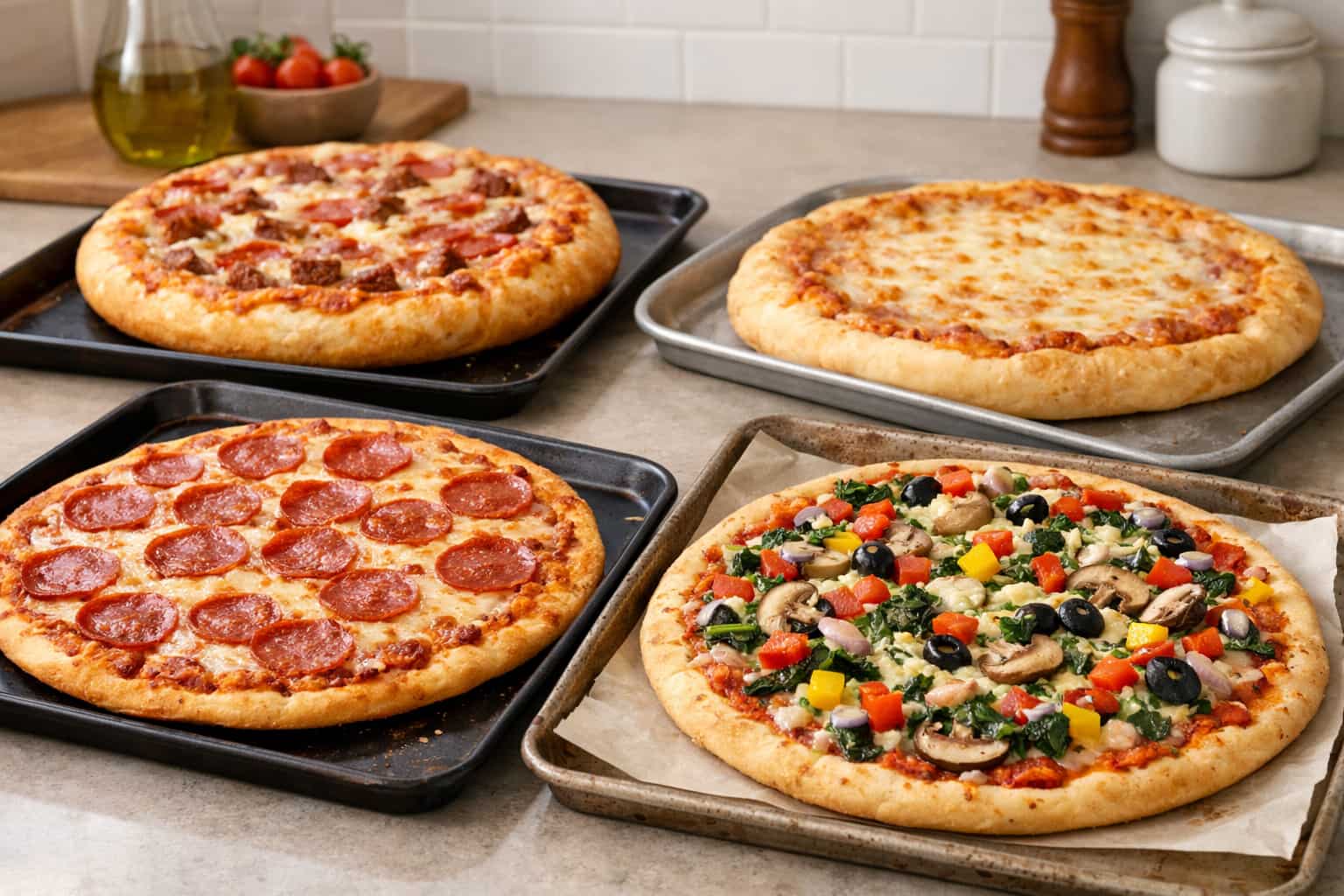
The best frozen pizza brands in 2026 are the ones that match your priorities for taste and convenience while fitting your nutrition goals based on the Nutrition Facts label (especially sodium, saturated fat, and serving size). This guide to best frozen pizza brands focuses on practical label checks and easy ways to build a more balanced meal around pizza—without medical claims and with medically neutral language.
What “Best” Means for Frozen Pizza in 2026
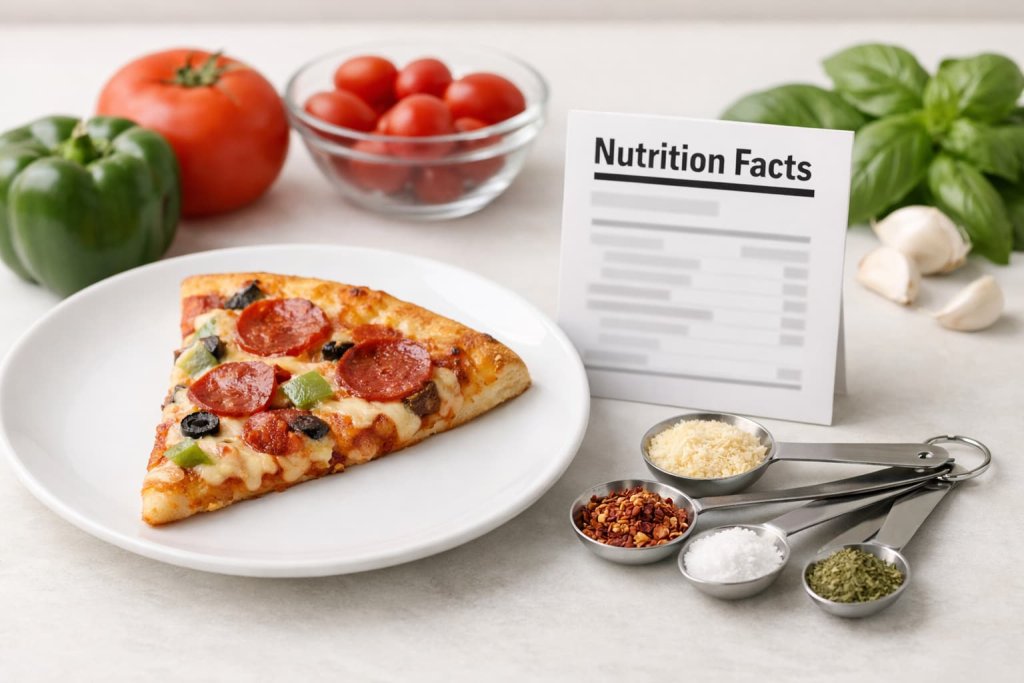
Frozen pizza can fit into an overall healthy eating pattern when you pay attention to:
- Serving size and calories per serving
- Sodium and saturated fat per serving
- Fiber and protein (helpful for fullness for many people)
- Ingredient list (toppings, oils, allergens)
- How you build the meal around it (vegetables, fruit, hydration)
Federal nutrition guidance encourages patterns built around nutrient-dense foods and limiting excess sodium and saturated fat. (DietaryGuidelines.gov, USDA Food and Nutrition Service)
How We Chose the Best Frozen Pizza Brands
This list is based on:
- Clear product availability and defined product lines (thin crust, rising crust, specialty crusts)
- Transparent labeling and nutrition information on official brand pages
- Options that support different needs (classic, premium, vegetarian, gluten-free, plant-based)
Important: nutrition varies by specific pizza and serving size, so “best” depends on what you choose within each brand and how much you eat. To compare fairly, use the Nutrition Facts label. (U.S. Food and Drug Administration, U.S. Food and Drug Administration)
Best Frozen Pizza Brands Overall in 2026
The brands below are widely available in U.S. grocery stores and provide clear Nutrition Facts labeling, making them easier to compare for taste, quality, and overall wellness considerations. Because frozen pizza nutrition varies by crust type, toppings, and serving size, the Nutrition Facts panel remains the most reliable comparison tool. According to the U.S. Food and Drug Administration, 5% Daily Value (DV) or less is considered low, while 20% DV or more is considered high for a nutrient.
1. DiGiorno
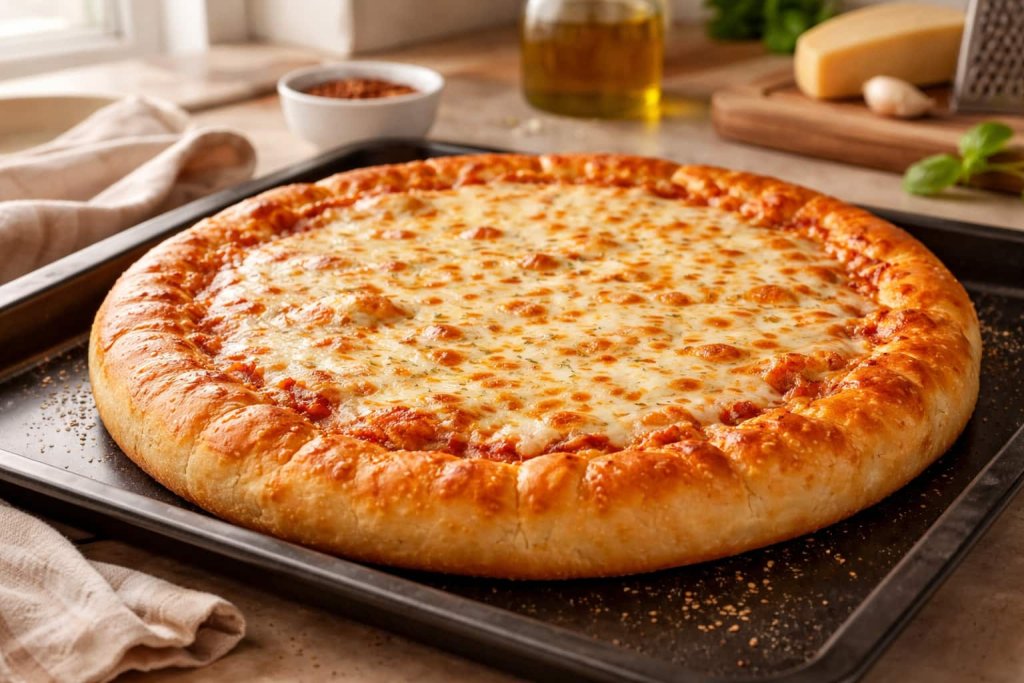
DiGiorno is a strong pick for people who want mainstream variety and familiar comfort-style frozen pizza. The brand is known for thicker, rising-style crusts and classic cheese and meat combinations that closely resemble delivery-style pizza.
On the official product page for DiGiorno Classic Crust Cheese Pizza, the Nutrition Facts show sodium and saturated fat levels that are important to compare serving-by-serving—especially because many people eat more than one serving at a time.
Source: DiGiorno
Best for: classic, widely available styles
Label tip: compare sodium and saturated fat per serving, and always note how many servings are listed per pizza.
2. RED BARON
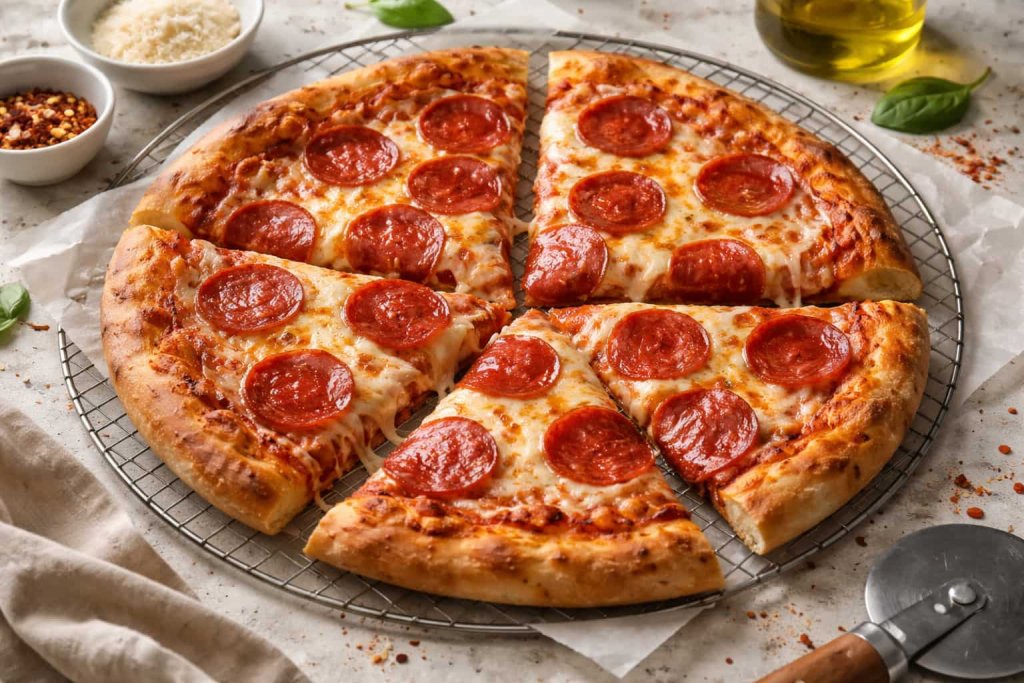
RED BARON is known for traditional, budget-friendly frozen pizzas with classic cheese and pepperoni options. The brand provides clear cooking instructions and safety guidance, which helps ensure consistent preparation at home.
Many RED BARON pizzas contain higher sodium levels per serving, making label comparison especially important when choosing portion sizes or pairing with other foods throughout the day.
Source: RED BARON
Best for: classic pepperoni and cheese profiles
Label tip: check sodium per serving and servings per pizza, not calories alone.
3. Freschetta
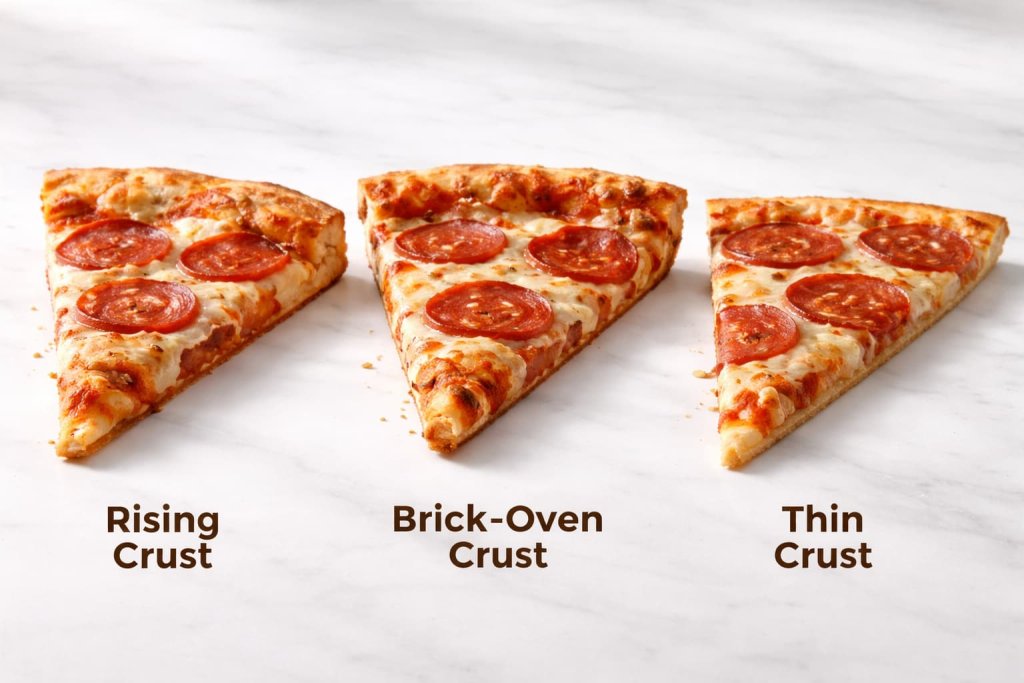
Freschetta is commonly chosen for “pizza night” meals and offers multiple crust formats, including naturally rising, brick oven–style, and select gluten-free options depending on the product line.
Because Freschetta uses different serving sizes across crust styles, nutrition values can vary significantly even within the same brand. Reviewing the serving definition is essential for accurate comparisons.
Source: Freschetta
Best for: crust variety and premium-style supermarket options
Label tip: compare serving size and grams per serving before comparing calories or sodium across products.
4. California Pizza Kitchen Frozen
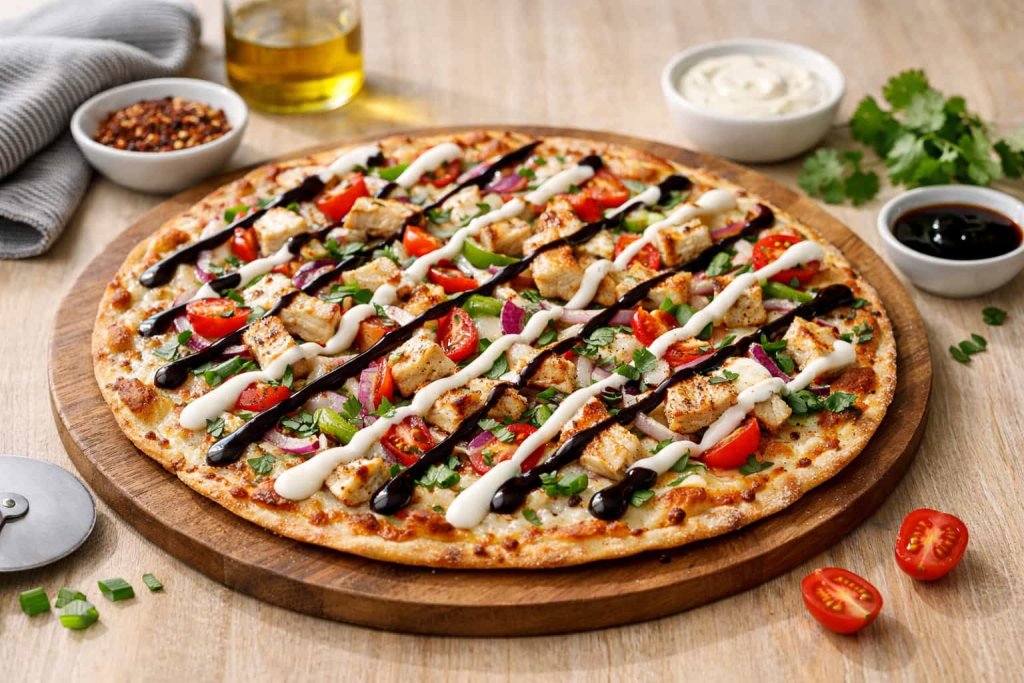
California Pizza Kitchen Frozen appeals to people who prefer thinner, restaurant-inspired pizzas with bold flavor combinations. Some products feature specialty crusts, including cauliflower-based options, while others focus on traditional thin crust styles.
It’s important to note that specialty crusts do not automatically mean lower sodium or saturated fat. Sauces and toppings can significantly affect the nutrition profile.
Source: California Pizza Kitchen Frozen
Best for: thin crust pizzas and bold flavor combinations
Label tip: always review the Nutrition Facts panel—specialty crusts can still be high in sodium.
5. Home Run Inn
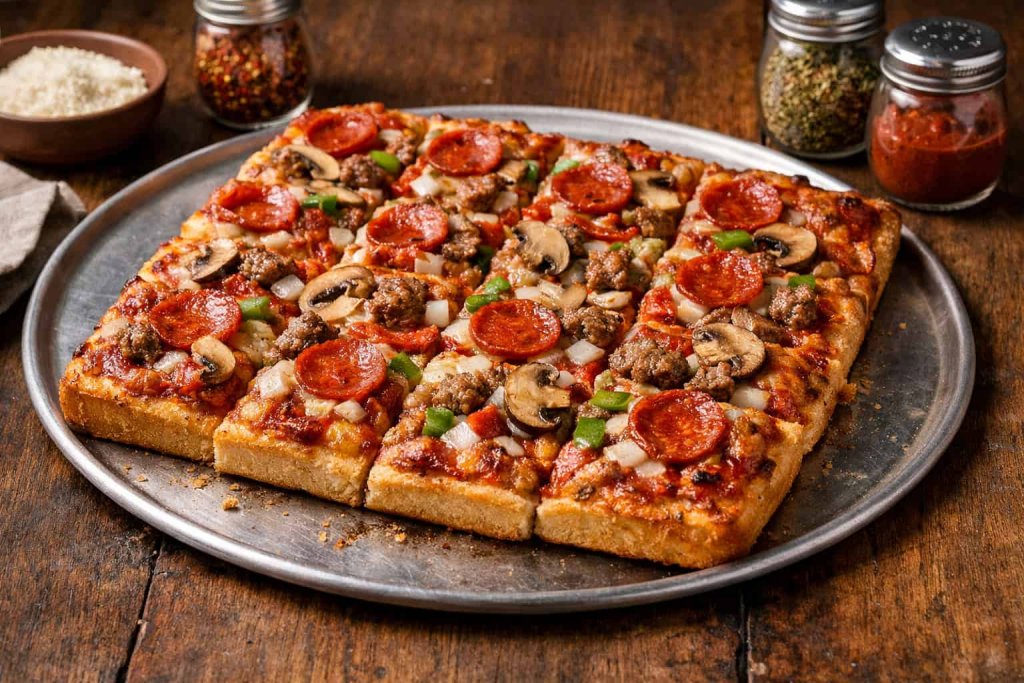
Home Run Inn is often chosen for its tavern-style frozen pizzas and straightforward ingredient listings. The brand’s frozen pizzas reflect its Chicago-style roots, with hearty crusts and traditional toppings.
The Home Run Inn website provides detailed Nutrition Facts and ingredient information, making it easier to compare classic crust and ultra-thin options.
Source: Home Run Inn
Best for: tavern-style pizza fans
Label tip: compare calories and saturated fat per serving between classic and ultra-thin crust varieties.
6. Amy’s
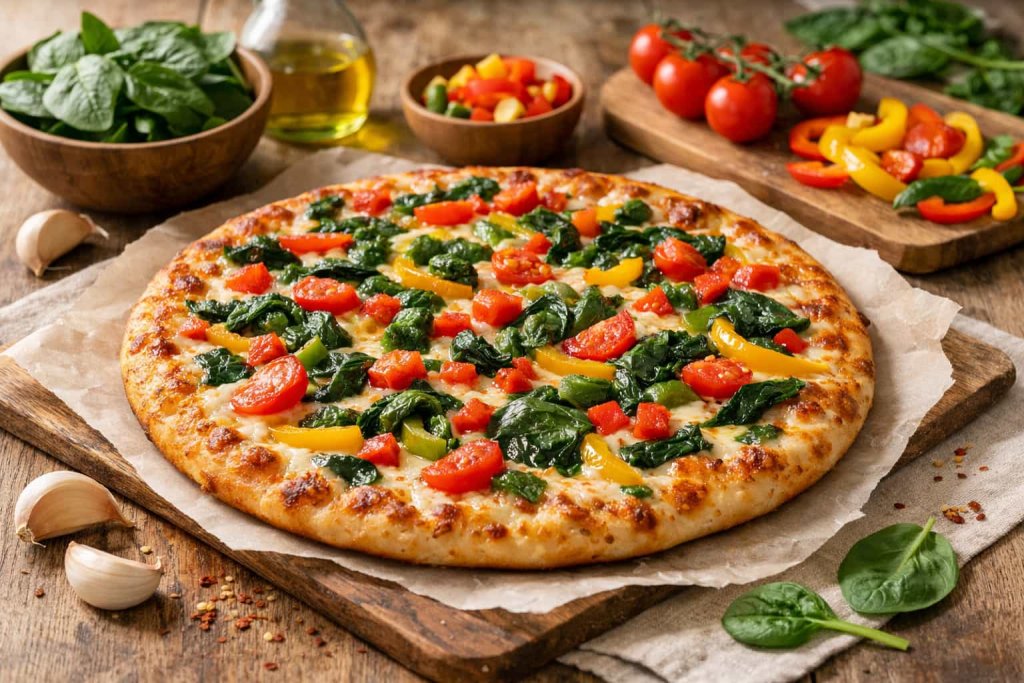
Amy’s is a popular option for people looking for vegetarian-forward frozen pizzas. The brand provides clear Nutrition Facts panels and ingredient lists, which helps support transparent comparisons across brands.
Although Amy’s pizzas are vegetarian, sodium and saturated fat levels can still be moderate to high depending on the variety, making portion awareness important.
Source: Amy’s
Best for: vegetarian-forward options
Label tip: use serving size and sodium to compare fairly with both vegetarian and non-vegetarian brands.
Best Frozen Pizza Brands Comparison Table
All values are normalized to per 100 g to allow fair, apples-to-apples comparisons across different crusts and serving sizes. % Daily Value (%DV) is based on FDA reference values (2,300 mg sodium, 20 g saturated fat). Source guidance: U.S. Food and Drug Administration.
| Brand | Example product (official source) | Calories (per 100 g) | Sodium (mg / 100 g) | Sodium %DV | Saturated fat (g / 100 g) | Sat Fat %DV | Key comparison note |
|---|---|---|---|---|---|---|---|
| DiGiorno | Classic Crust Cheese | 252 | 467 | 20% | 5.9 | 30% | Thicker crust increases saturated-fat density. |
| RED BARON | Classic Crust Pepperoni | 260 | 548 | 24% | 6.2 | 31% | Higher sodium density per 100 g. |
| Freschetta | Naturally Rising Pepperoni | 256 | 605 | 26% | 5.4 | 27% | Rising crust raises sodium concentration. |
| California Pizza Kitchen Frozen | BBQ Recipe Chicken | 209 | 460 | 20% | 3.6 | 18% | Lower fat density; sauces can add sugars. |
| Amy’s | Cheese Pizza | 252 | 512 | 22% | 5.7 | 29% | Vegetarian; sodium remains moderate-high. |
Best Frozen Pizza Brands for Dietary Preferences
Best Gluten-Free Frozen Pizza Brands to Consider
If you need gluten-free, look for products labeled gluten-free and confirm allergen statements. In the U.S., “gluten-free” generally means the food contains less than 20 ppm gluten. (eCFR, U.S. Food and Drug Administration)
Brands with gluten-free lines or gluten-free positioning on official pages include:
- (Banza)
- (CPK Frozen)
Best Plant-Based and Vegan Frozen Pizza Brands to Consider
Look for “plant-based” or “dairy-free” labeling and confirm the ingredient list for cheese alternatives and allergens.
Label tip: plant-based pizzas can still be high in sodium—always check the Nutrition Facts label. (U.S. Food and Drug Administration)
Best Frozen Pizza Brands for Value
Value usually comes down to:
- How many servings the pizza provides (servings per container)
- Whether the nutrition profile fits your goals (so you don’t need extra add-ons)
- How often your household likes it (less waste)
Brands commonly chosen for value and availability include:
How to Choose the Best Frozen Pizza for Nutrition and Overall Wellness
Use the Nutrition Facts Label to Compare Brands
Start with:
- Serving size and servings per container
- Calories per serving
- Saturated fat (% Daily Value)
- Sodium (% Daily Value)
- Fiber and protein (helpful for fullness for many people)
The FDA recommends using serving info and % Daily Value to compare products more accurately. (U.S. Food and Drug Administration, U.S. Food and Drug Administration)
Ingredient List Checks That Matter
When comparing two similar pizzas, the ingredient list can help you decide:
- Type of crust (refined vs whole-grain blends)
- Oils used
- Type and amount of processed meats (pepperoni, sausage)
- Added sugars (often small, but worth checking)
Build a More Balanced Meal Around Pizza
A practical wellness approach: use pizza as the “grain + protein + dairy” base, then add produce.
MyPlate’s core message is to make half your plate fruits and vegetables more often. Pairing pizza with a big salad, roasted vegetables, or fruit can support that pattern. (USDA MyPlate)
Quick add-ons that work:
- Bagged salad + olive oil and vinegar
- Roasted frozen vegetables
- Fresh fruit on the side
- Water or unsweetened beverage
How to Cook Frozen Pizza Safely and Well
Food Safety Basics
Follow package directions. For leftovers and many reheated foods, heat to 165°F as measured with a food thermometer. (USDA FSIS, USDA FSIS)
Texture Tips That Don’t Change Nutrition
- Preheat fully (better crust texture)
- Use the middle rack unless the package says otherwise
- Add vegetables after baking if you want more volume without overcooking toppings
Frequently Asked Questions
What is the best frozen pizza brand overall in 2026?
There isn’t one best brand for everyone. The “best” is the one you’ll enjoy and can fit into your nutrition goals by checking serving size, sodium, and saturated fat on the label. (U.S. Food and Drug Administration)
Is gluten-free frozen pizza automatically healthier?
Not necessarily. Gluten-free describes gluten content, not overall nutrition. Compare calories, saturated fat, and sodium just like any other pizza. (U.S. Food and Drug Administration)
What should I look for if I’m watching sodium?
Use the Nutrition Facts label to compare sodium per serving and consider how many servings you plan to eat. (U.S. Food and Drug Administration)
How can I make frozen pizza more filling without adding lots of calories?
Add volume with vegetables (salad, roasted veggies, or veggie toppings) and consider pairing with fruit. MyPlate encourages making half your plate fruits and vegetables more often. (USDA MyPlate)
What’s the safest way to reheat leftover pizza?
Reheat leftovers to 165°F using a food thermometer for safety guidance. (USDA FSIS)
How do I compare two brands fairly?
Compare per serving using serving size, calories, saturated fat, and sodium. If you eat two servings, double the numbers. (U.S. Food and Drug Administration)
Conclusion
The best frozen pizza brands in 2026 aren’t just about taste—they’re also about making smart label-based choices and building a balanced plate. Pick a brand that matches your preferences, then use the Nutrition Facts label to keep sodium, saturated fat, and serving size aligned with your goals. For overall wellness, pair pizza with vegetables and fruit more often, following the pattern-based approach from federal nutrition guidance. (DietaryGuidelines.gov, USDA MyPlate)