
Oats are one of the most researched whole grains, and the main health benefit of oats is their ability to support heart health, digestion, and balanced blood sugar — primarily due to beta-glucan, a powerful soluble fiber found naturally in whole oats. This makes oats a reliable everyday food for improving overall wellness, especially when eaten as part of a balanced diet.
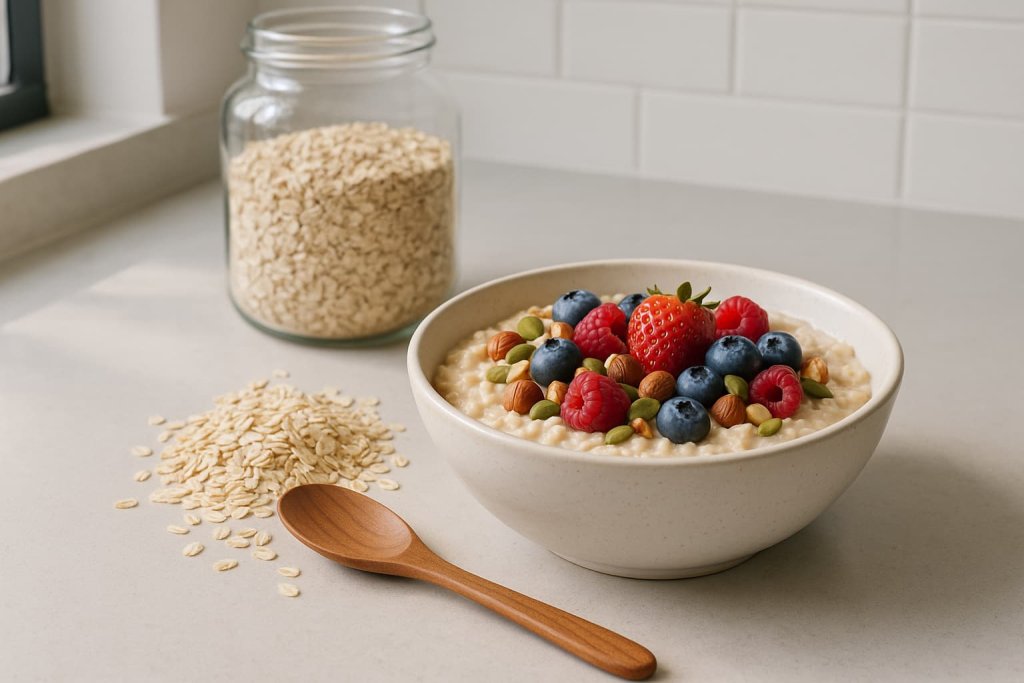
Understanding the health benefits of oats is important because they provide a nutrient-dense, affordable, and accessible way to add whole grains, fiber, and essential minerals to your daily routine. Oats support cholesterol management, may help with weight control, improve gut health, and help maintain stable energy levels throughout the day.
What Are Oats? Overview and Nutrition Profile
Oats are whole grains from the oat plant (Avena sativa) that are commonly eaten as oatmeal, overnight oats, and in baking. They’re best known for providing complex carbs, fiber (including beta-glucan), and a moderate amount of protein—which can support a filling, balanced meal.
Overview of Oats
Oats are sold in several forms based on how much they’re processed:
- Oat groats: whole kernels (longest cook time)
- Steel-cut oats: chopped groats (chewy texture)
- Rolled oats (old-fashioned): steamed and flattened (classic oatmeal + baking)
- Quick oats: thinner rolled oats (cook faster)
- Instant oats: most processed; often flavored (check added sugar/sodium)
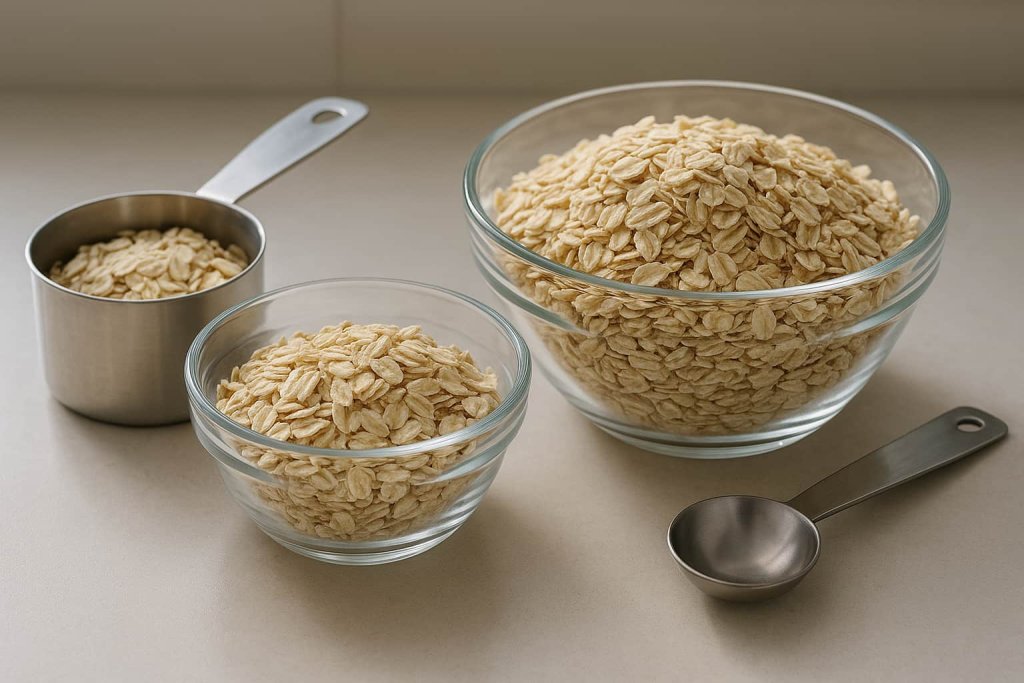
Nutrition Profile of Oats (Table)
Per 40 g dry rolled oats (a common label serving size). Values vary by brand—check your package.
| Per 40 g (dry) | Typical Range You’ll See on Labels (Varies by Brand) |
|---|---|
| Calories | ~140–160 |
| Carbohydrates | ~24–30 g |
| Fiber | ~3–5 g |
| Protein | ~4–6 g |
| Total fat | ~2.5–4 g |
| Saturated fat | ~0–1 g |
| Added sugar | 0 g (plain oats) |
| Sodium | 0–10 mg (plain oats) |
Helpful micronutrients in oats (varies by brand): manganese, magnesium, phosphorus, iron, zinc, and B vitamins.
10 Proven Health Benefits of Oats Backed by Science
Oats are one of the most scientifically supported whole grains, known for their rich fiber content and cardiovascular benefits. Research shows that making oats part of your daily routine may help support long-term wellness.
1. Supports Heart Health Through Soluble Fiber (Beta-Glucan)
Oats are rich in beta-glucan, a soluble fiber widely recognized for supporting healthy LDL cholesterol levels. When consumed, beta-glucan forms a thick, gel-like consistency in the digestive tract, which binds cholesterol-rich bile acids and reduces their reabsorption. This process encourages the liver to draw more cholesterol from the bloodstream, supporting overall heart wellness.
The U.S. Food and Drug Administration (FDA) authorizes a heart-health claim for soluble fiber from whole oats. According to federal regulation 21 CFR 101.81, consuming 3 grams of oat beta-glucan per day as part of a diet low in saturated fat may help reduce the risk of coronary heart disease. You can review the official regulatory text here:
FDA – 21 CFR 101.81: Soluble Fiber from Certain Foods and Risk of Coronary Heart Disease
The European Food Safety Authority (EFSA) also supports this evidence, concluding that 3 grams of oat beta-glucan daily contributes to the maintenance of normal blood cholesterol levels. See the scientific opinion here:
EFSA – Oat Beta-Glucan and Cholesterol Maintenance Opinion
Replacing refined or high-sugar cereals with oats enhances this benefit, as oats naturally provide the clinically supported amount of soluble fiber needed for heart-health support.
2. Helps Maintain Balanced Blood Sugar
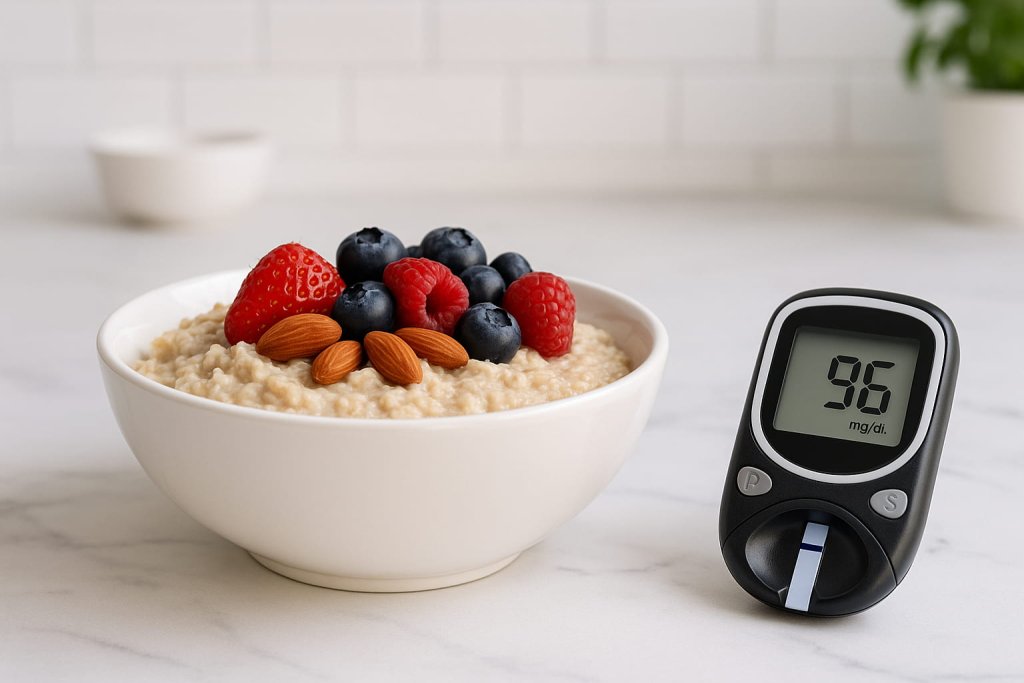
The soluble fiber in oats slows carbohydrate digestion, which may help support more stable post-meal blood sugar levels. Rolled and steel-cut oats have a moderate glycemic index and digest more slowly than instant oats.
The Harvard T.H. Chan School of Public Health highlights whole grains like oats as protective against type 2 diabetes and supportive of healthy glucose control. You can read the research here:
Harvard – Whole Grains Overview
Pairing oats with protein or healthy fats may further support stable glucose responses.
3. May Support Healthy Weight Management
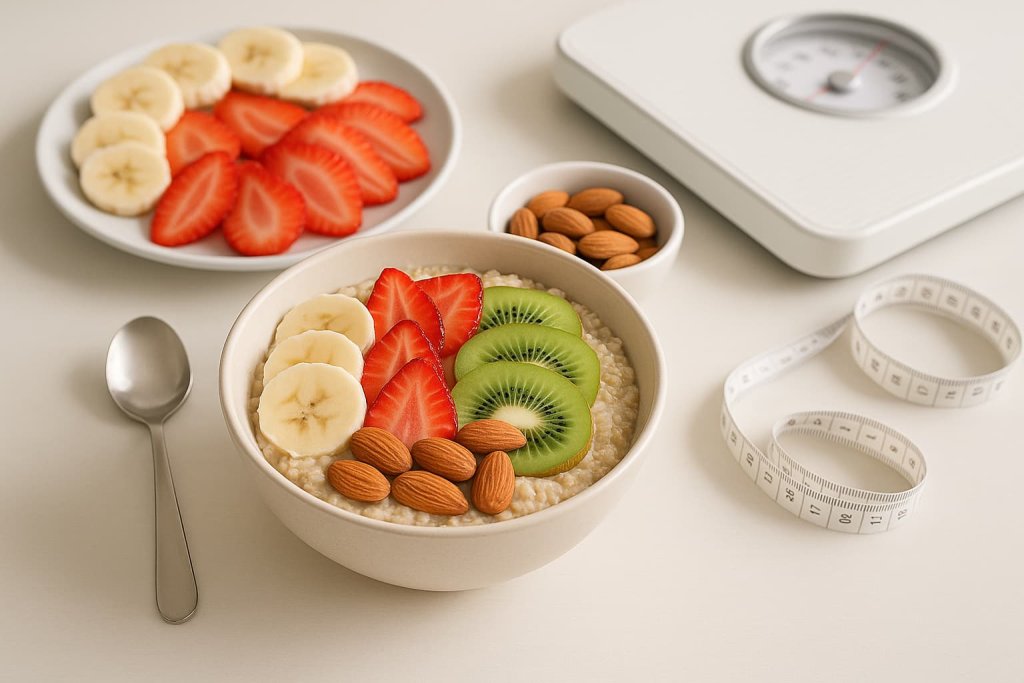
Because oats are high in both soluble and insoluble fiber, they help increase fullness and slow digestion — a helpful combination for managing appetite.
The Harvard Healthy Eating Plate emphasizes whole grains such as oats for long-term weight balance. Review the guidance here:
Harvard – Healthy Eating Plate
Oatmeal is nutrient-dense, low in calories, and helps reduce overeating — making it ideal for weight-conscious diets.
4. Supports Digestive Health and Regularity
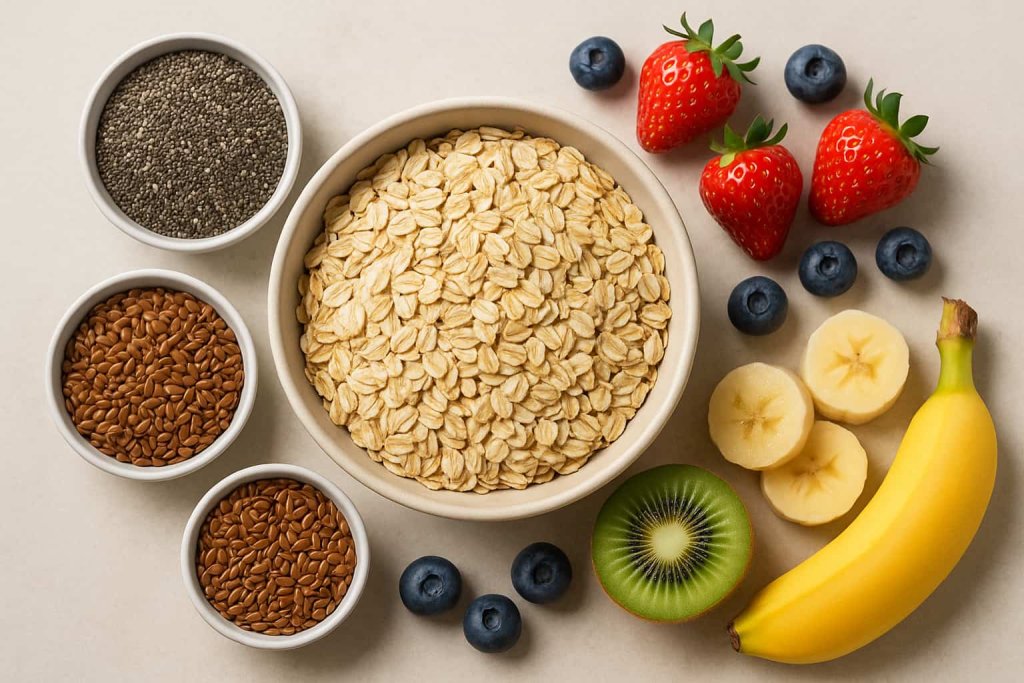
Oats contain two types of fiber that work together to support digestive wellness:
- Soluble fiber absorbs water and softens stool
- Insoluble fiber adds bulk and supports regularity
You can view the complete nutritional breakdown of oats in USDA FoodData Central:
USDA FoodData Central – Oats
If increasing fiber intake, do so gradually and drink enough water to avoid discomfort.
5. Provides Prebiotic Benefits for the Gut Microbiome
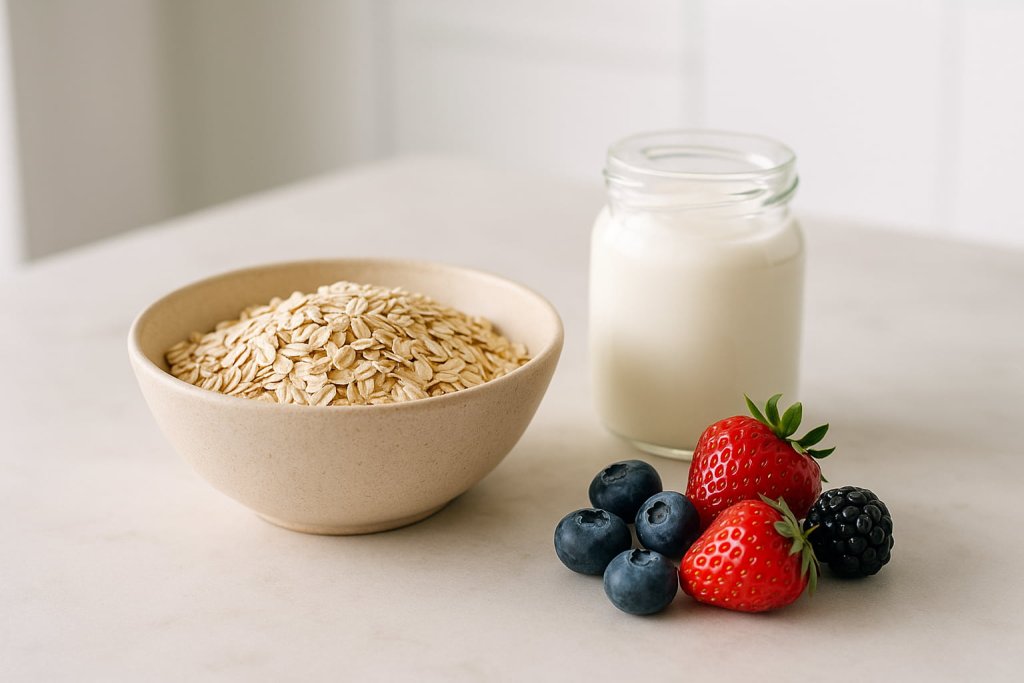
The soluble fiber in oats, particularly β-glucan, may act as a prebiotic, feeding beneficial gut bacteria. When these microbes ferment the fiber, they produce short-chain fatty acids (SCFAs) that support digestive function, metabolic balance, and immune health.
The U.S. Department of Agriculture (USDA) / National Agricultural Library provides a well-maintained overview of dietary fiber, including its fermentation by gut microbes and its contribution to gut health. You can read this via the Nutrition.gov page on Dietary Fiber.
Nutrition.gov – Dietary Fiber Overview
Because oats are among the most accessible whole-grain sources of fermentable fiber, incorporating them regularly remains one of the simplest evidence-based ways to support a healthy gut microbiome.
6. Contains Antioxidants Such as Avenanthramides
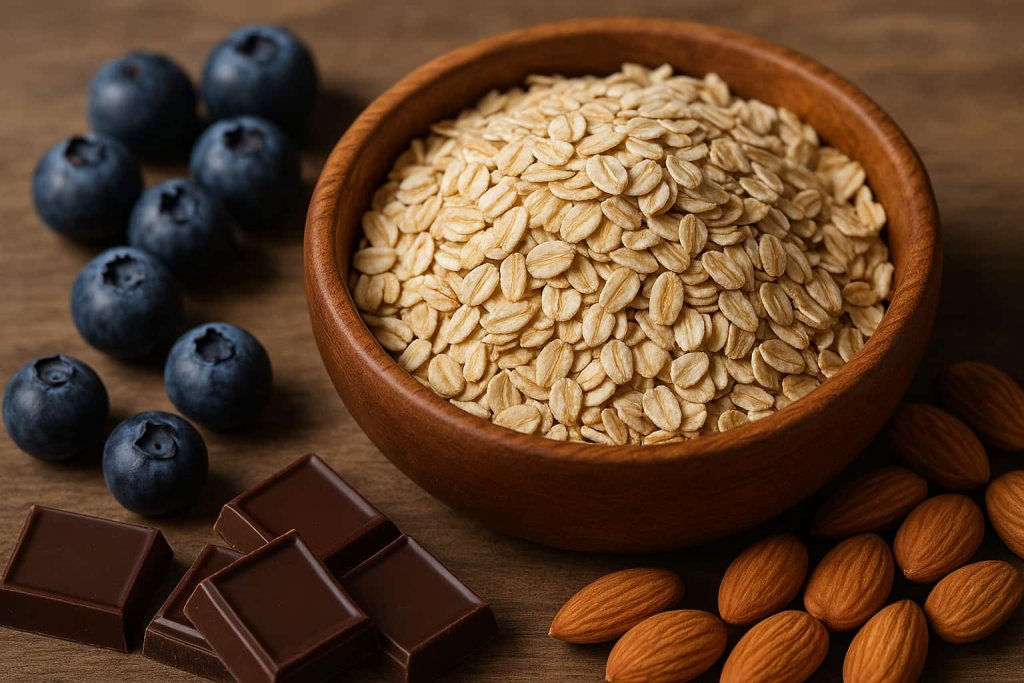
Oats are the only widely available food that provides avenanthramides, rare antioxidants studied for vascular and anti-inflammatory benefits.
These compounds may help support:
- Healthy blood vessel function
- Cellular protection from oxidative stress
- Circulatory wellness
Avenanthramides are detailed in a comprehensive scientific review available through the NIH:
NIH – Whole Grains and Nutrients Review
Emerging research makes this one of the most unique benefits of oats.
7. Supports Healthy Blood Pressure and Heart Function
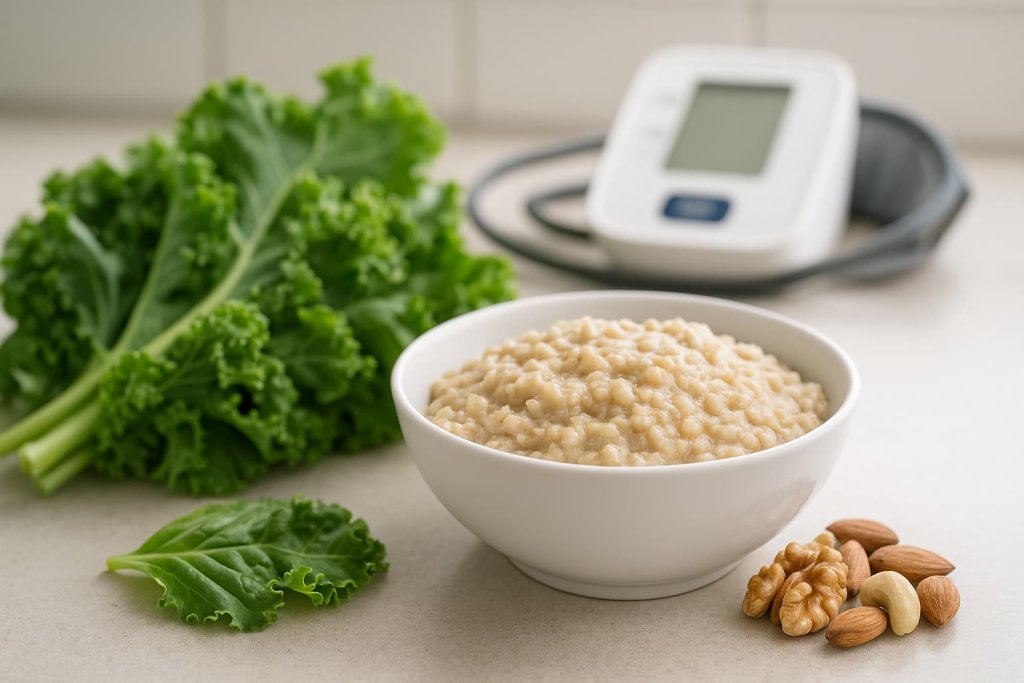
Whole grains, including oats, are associated with healthier blood pressure and improved cardiovascular markers.
The American Heart Association (AHA) recommends whole grains as part of a heart-supportive diet. You can view their guidance here:
AHA – Whole Grains Guidance
Oats provide fiber, minerals, and antioxidants that together support heart and vascular wellness.
8. Provides Essential Vitamins and Minerals
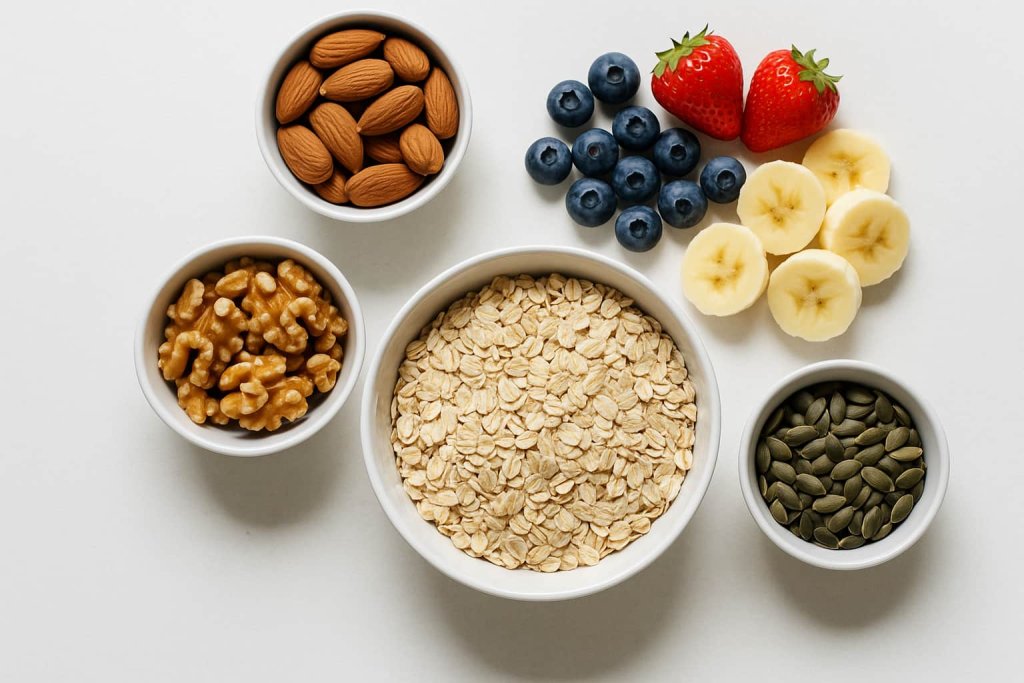
Oats are rich in key nutrients including:
- Magnesium
- Iron
- Zinc
- Phosphorus
- Manganese
- B-vitamins (thiamin, pantothenic acid)
These nutrients support:
- Normal energy production
- Immune system function
- Muscle and nerve activity
- Bone strength
You can review these nutrients in detail via:
USDA FoodData Central – Oats
9. Supports Sustained Energy and Metabolism
Oats contain complex carbohydrates that provide slow, steady energy throughout the day. A 40-gram serving also provides about 5 grams of plant protein, helping support muscle and metabolic health.
Whole grains like oats are part of the balanced meal structure shown in:
Harvard – Healthy Eating Plate
This combination makes oats an excellent option for breakfast, pre-workout fueling, or mid-day energy support.
10. Affordable, Accessible, and Easy to Use in Everyday Meals

Oats are one of the most affordable whole grains and are extremely versatile:
- Oatmeal
- Overnight oats
- Smoothies
- Homemade granola
- Savory oat bowls
- Baking recipes
Their long shelf life, ease of preparation, and low cost make oats a practical way to increase whole-grain intake without raising grocery expenses.
How Much Oats Should You Eat Per Day?
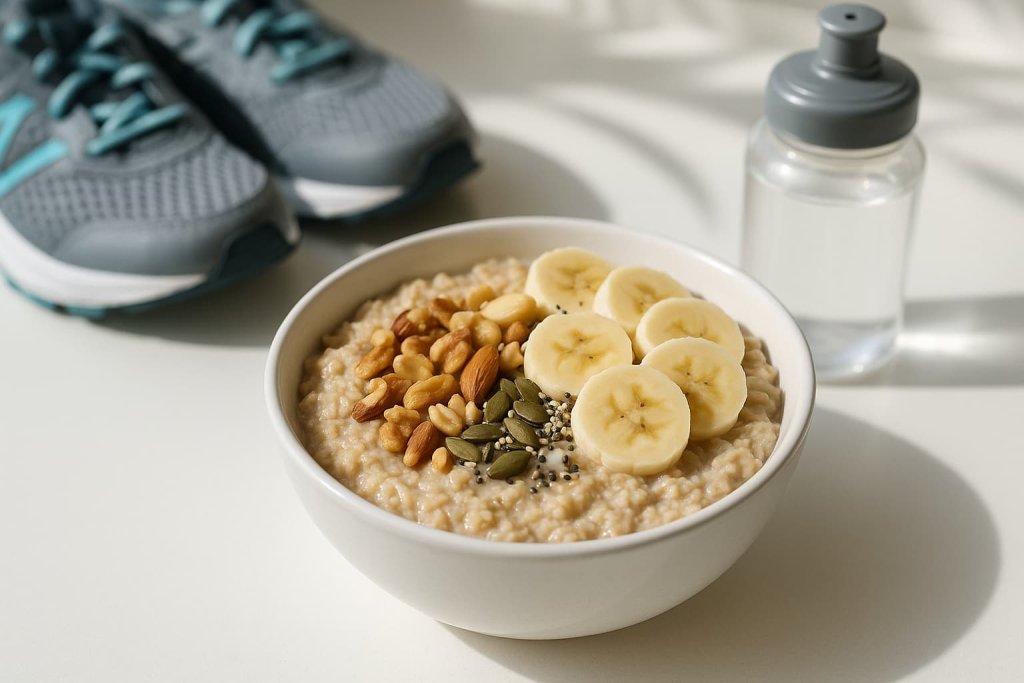
The ideal daily portion of oats depends on your health goals, calorie needs, and how much fiber your body comfortably tolerates. For most adults, a standard serving is ½ cup of dry rolled oats (about 40 g). This amount provides roughly 150 calories, 4 g of fiber, and 5 g of plant-based protein.
For individuals looking to support heart health, research and regulatory guidance indicate that consuming 3 grams of oat beta-glucan per day as part of a diet low in saturated fat may help support healthy LDL cholesterol levels. This amount typically requires around 1 cup to 1¼ cups of dry oats, depending on the variety and brand. You can review this regulatory guidance in the FDA’s soluble fiber health claim:
FDA – Soluble Fiber and Coronary Heart Disease (21 CFR 101.81)
Practical Guidance
- Start with ½ cup dry oats per day, especially if you are not used to high-fiber foods.
- Increase gradually if you want to reach the 3 g beta-glucan threshold for heart-health support.
- Pair oats with protein and healthy fats to support blood sugar balance and satiety.
- Choose plain rolled or steel-cut oats, not sugary instant packets.
Because fiber intake varies widely between individuals, gradually increasing your oat portion size helps minimize digestive discomfort.
Possible Side Effects and Safety Precautions
Although oats are generally safe and well tolerated, they contain nutrients and fibers that may require precautions for certain individuals.
Gluten Cross-Contamination (Celiac and Gluten Sensitivity)
Oats are naturally gluten-free, but they are frequently grown, transported, or processed in facilities that also handle wheat, barley, or rye. This can lead to contamination with gluten.
Individuals with celiac disease or non-celiac gluten sensitivity should choose certified gluten-free oats, as recommended by the Celiac Disease Foundation:
Celiac Disease Foundation – Gluten-Free Oats Guidance
Some people with celiac disease may still react to pure oats, so medical guidance is recommended if symptoms occur.
Digestive Tolerance (Gas, Bloating, or Discomfort)
Oats are high in soluble fiber, which can increase gas or bloating when introduced too quickly. This is especially true for individuals who do not regularly consume high-fiber foods.
To minimize discomfort:
- Increase portion sizes slowly
- Drink plenty of water
- Avoid eating large quantities in one sitting
These steps help your gut adjust gradually to the increase in fiber.
Blood Sugar Considerations
While oats may support healthy blood sugar control, portion size and preparation methods matter.
Large portions or heavily sweetened oatmeal (with sugars, syrups, or flavored packets) can spike blood glucose, especially in individuals with diabetes.
For stable energy and balanced glucose:
- Choose plain rolled or steel-cut oats
- Add protein or healthy fats (nuts, seeds, Greek yogurt)
- Avoid added sugars
- Monitor portion size (start with ½ cup dry oats)
Guidance on whole grains and glucose response is supported by the Harvard T.H. Chan School of Public Health:
Harvard – Whole Grains and Blood Sugar Overview
Allergies
Oat allergy is rare, but possible. Symptoms may include:
- Hives
- Stomach discomfort
- Wheezing
- Itching
Individuals with known oat allergies or suspected reactions should avoid oats and speak with a healthcare provider.
High-Fiber Precautions
Oats are rich in total dietary fiber. While fiber supports digestive and metabolic health, excessive intake in a short period may lead to:
- Bloating
- Abdominal discomfort
- Temporary changes in bowel habits
To avoid issues:
- Increase oat intake gradually
- Maintain adequate hydration
- Balance oats with other whole-food sources of fiber
For more information on fiber physiology and digestion, see the Nutrition.gov overview on dietary fiber:
Nutrition.gov – Dietary Fiber Overview
Best Types of Oats for Health Benefits
Not all oats are processed the same way, and each type offers unique advantages for texture, cooking time, and nutritional impact. Understanding these differences helps you choose the best option for your long-term wellness goals.
Steel-Cut Oats (Least Processed, Best for Blood Sugar Control)
Steel-cut oats are whole oat groats chopped into coarse pieces. They digest more slowly, leading to steadier energy and potentially more stable post-meal blood sugar levels.
- Highest satiety
- Chewy texture
- Longest cooking time (20–30 minutes)
- Low glycemic index compared with instant oats
Rolled Oats (Balanced Choice for Most People)
Rolled oats are steamed and flattened, giving them a softer texture and faster cooking time.
- Most versatile (oatmeal, overnight oats, baking)
- Moderate glycemic impact
- Ideal balance between nutrition and convenience
Instant Oats (Fastest, but More Processed)
Instant oats are pre-cooked and finely cut, so they cook in 1–2 minutes.
- Most convenient
- Slightly higher glycemic index
- Best when choosing plain, unsweetened versions
The Harvard T.H. Chan School of Public Health explains that all forms of plain oats remain whole grains, making them nutritionally superior to refined-grain cereals.
Harvard – Whole Grains Overview
Which Type Is Best?
For blood sugar control and the highest satiety: steel-cut.
For convenience and balanced nutrition: rolled oats.
For quick meals: plain instant oats (avoid flavored versions with added sugars).
How to Add Oats to Your Daily Diet
Oats are extremely versatile and easy to incorporate into nearly any eating pattern. Their mild flavor and high fiber content make them suitable for both sweet and savory dishes.
1. Classic Oatmeal Bowl
Cook rolled or steel-cut oats with water or milk, then add fruit, nuts, seeds, or Greek yogurt for a balanced meal.
2. Overnight Oats
Combine rolled oats with milk or yogurt and refrigerate overnight. Add berries, nut butter, or chia seeds for extra fiber and protein.
3. Smoothies
Blend ¼ cup rolled oats into smoothies to increase thickness, fiber, and satiety.
4. Baking
Use oats in muffins, granola bars, pancakes, or energy bites to boost nutrition.
5. Savory Oat Bowls
Cook oats with broth instead of water and top with eggs, sautéed vegetables, or lean protein.
6. Thickening Agent
Blend dry oats into flour and add to soups or stews to provide texture and extra nutrients.
For nutrient data and serving ideas, see the USDA FoodData Central oat profile:
USDA – Oat Nutrition Profile
Frequently Asked Questions (FAQs)
1. Are oats good for gut health?
Yes. Oats contain soluble and insoluble fiber that supports digestion and may promote a healthier gut microbiome. The beta-glucan acts like a prebiotic, feeding beneficial gut bacteria.
2. Is it okay to eat oats every day?
Yes. Most people can safely consume oats daily as part of a balanced diet. Increase portions gradually if you are not used to high-fiber foods.
3. What type of oats is healthiest?
Steel-cut oats offer the slowest digestion and most stable energy. Rolled oats are a strong all-purpose choice. Instant oats are still nutritious when unsweetened.
4. Can people with diabetes eat oats?
Yes, in appropriate portions. Choosing steel-cut or rolled oats and pairing them with protein and healthy fats supports steady blood sugar levels.
5. Are oats gluten-free?
Oats are naturally gluten-free, but cross-contamination is common. People with celiac disease should choose certified gluten-free oats, as recommended by the Celiac Disease Foundation.
Celiac Disease Foundation – Oats Guidance
6. Do oats cause gas or bloating?
They can if introduced too quickly due to their high soluble fiber. Increase intake gradually and ensure good hydration.
7. How much oats should I eat per day?
A typical serving is ½ cup dry oats. For heart-health support, research suggests 3 g of beta-glucan daily, which is about 1–1¼ cups dry oats depending on variety.
8. Are instant oatmeal packets healthy?
Plain instant oats are healthy. Flavored packets often contain added sugars and should be limited.
Conclusion
Oats are one of the most evidence-supported whole grains available, offering fiber, antioxidants, essential minerals, and steady energy. Their versatility, affordability, and well-documented health benefits make them a smart addition to nearly any diet. Whether you enjoy them as oatmeal, overnight oats, smoothies, or savory dishes, including oats regularly can support heart health, digestion, and overall wellness in a simple, accessible way.