
The best frozen chicken tenders balance taste, ingredient quality, and nutrition—usually offering real chicken as the main ingredient, reasonable sodium, and cooking methods that limit added fat. This matters for overall wellness because frozen tenders are convenient, but nutrition and food safety depend on what you buy and how you prepare them.
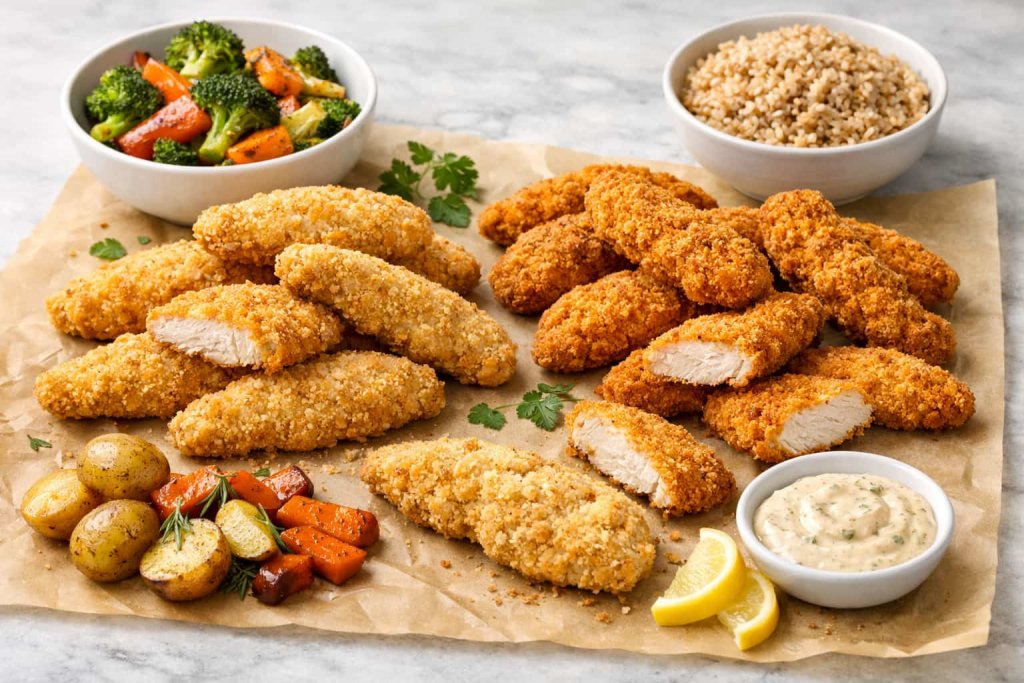
For safety, always cook poultry to 165°F using a food thermometer. According to the Centers for Disease Control and Prevention, reaching this temperature helps reduce foodborne illness risk.
Centers for Disease Control and Prevention
How We Evaluated the Best Frozen Chicken Tenders in 2026
- Ingredient quality and processing level
We prioritized products made with clearly identified chicken as the primary ingredient, reviewed ingredient list length, noted breading style, and checked whether products were fully cooked or raw. - Nutrition considerations for everyday meals
We compared sodium, saturated fat, calories, and protein per serving to assess how easily each option fits into balanced, routine meals. - Taste, texture, and cooking performance
We evaluated crispness, moisture, and overall consistency when prepared in ovens and air fryers following package directions. - Availability and value per serving
We considered how widely available each product is and compared price per serving alongside portion size and overall quality.
What makes frozen chicken tenders a better choice for everyday meals
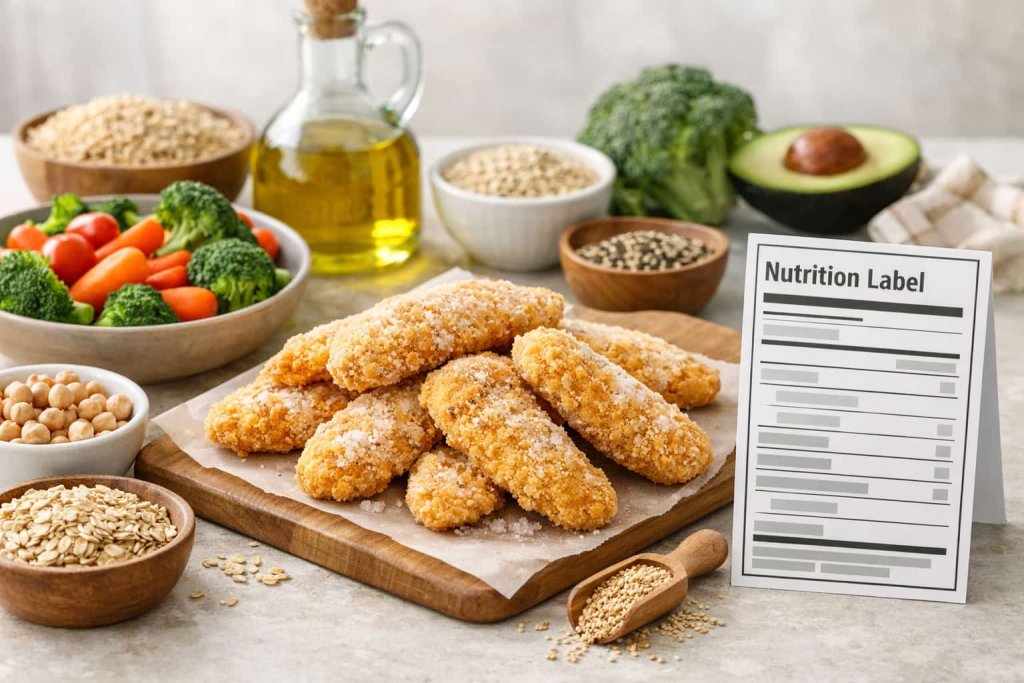
Ingredient quality comes first
Look for products where chicken breast or whole-muscle chicken is listed first. Shorter ingredient lists often indicate less processing, which may support better overall meal quality when paired with vegetables and whole grains.
Nutrition label priorities
When comparing brands, focus on:
- Sodium (often the biggest concern)
- Saturated fat
- Protein per serving
The U.S. Food and Drug Administration sets the Daily Value for sodium at 2,300 mg per day, which helps you gauge how much a serving contributes to daily intake.
U.S. Food and Drug Administration
Cooking method matters
- Oven or air fryer: usually supports crisp texture with little or no added oil
- Microwave: fastest, but less crisp—best for wraps or bowls rather than standalone tenders
Best Frozen Chicken Tenders to Consider in 2026
Frozen chicken tenders can fit into balanced, convenient meals when you choose options made with identifiable ingredients, pay attention to sodium, and pair them with vegetables and whole grains. The products below are widely available in the U.S. and publish clear nutrition information through official brand or major retailer listings. Always check the package you buy, as formulations and serving sizes may change.
1. Just Bare Lightly Breaded Chicken Breast Chunks
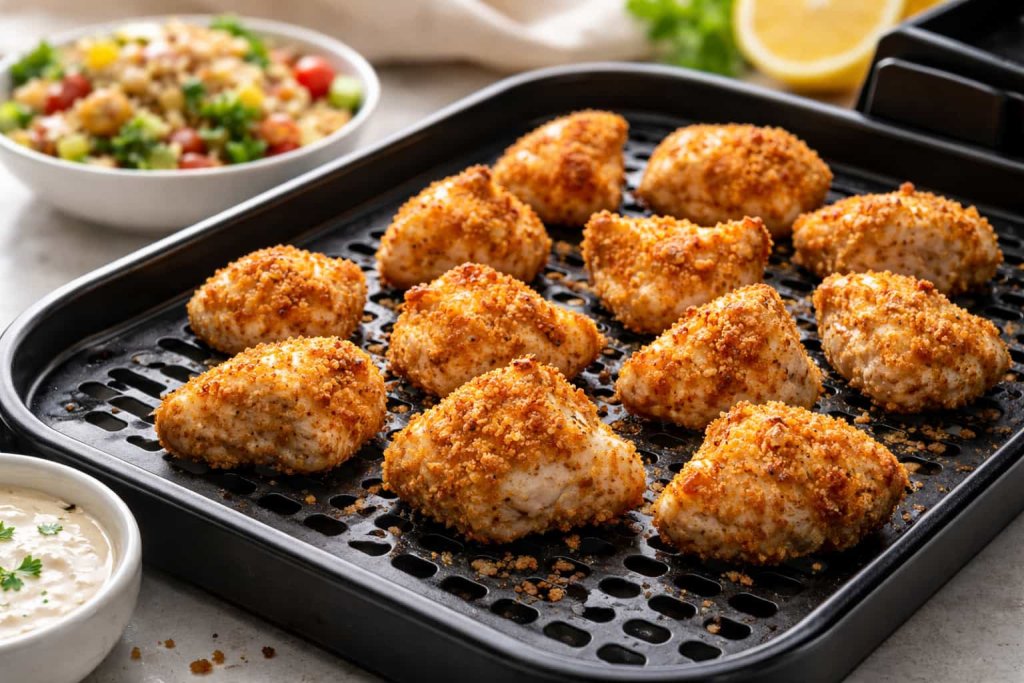
Just Bare is often cited for its emphasis on whole-muscle chicken breast and lighter breading compared with many conventional frozen tenders.
Key points to know:
- Made with boneless, skinless chicken breast pieces
- Fully cooked, designed for oven or air fryer use
- Breaded, not battered, which many people find crisps well with hot air circulation
From a nutrition standpoint, this option provides relatively high protein per serving, which may help support satiety when included as part of a balanced meal. However, sodium is higher than some alternatives, so portion size and low-sodium sides matter.
Nutrition per 3 oz (about 84 g):
- Calories: 160
- Protein: 16 g
- Sodium: ~540 mg
According to the U.S. Food and Drug Administration, the Daily Value for sodium is 2,300 mg per day, meaning one serving provides roughly one-quarter of a full day’s recommended limit.
U.S. Food and Drug Administration
Official product information:
Just Bare
Best ways to use:
- Air fryer for crisp texture without added oil
- Grain bowls with vegetables and a vinegar-based sauce
2. PERDUE Breaded Chicken Tenders
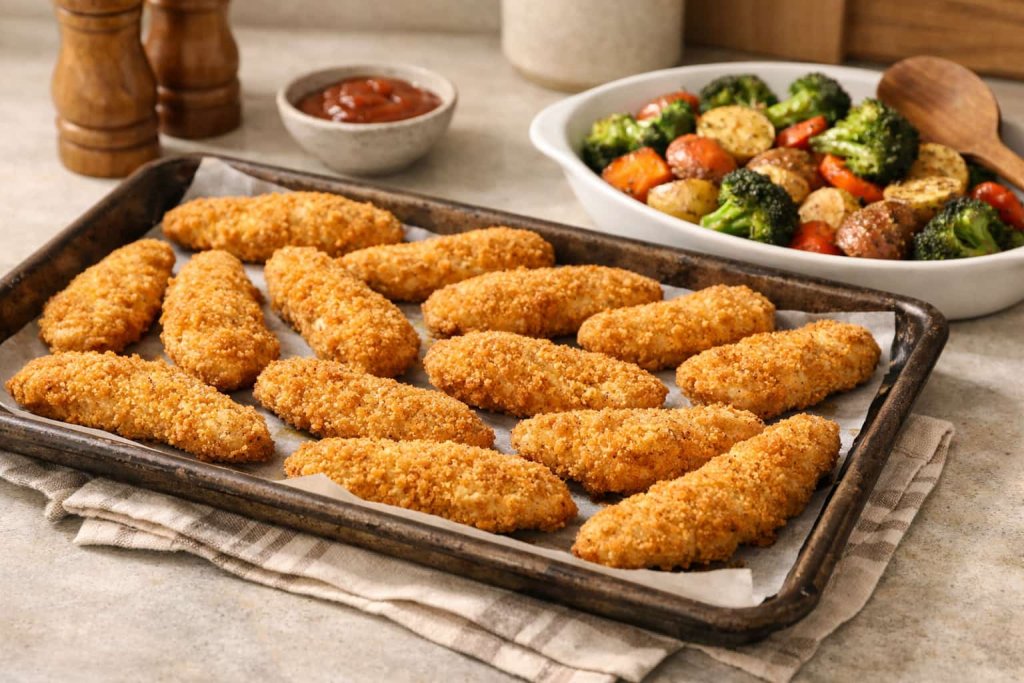
PERDUE breaded chicken tenders are a familiar option for households looking for a classic tender shape and mild flavor that appeals to a wide range of ages.
Key points to know:
- Traditional tender cut and texture
- Typically fully cooked, but always confirm the label
- Designed primarily for oven baking
These tenders are often higher in calories per serving than lightly breaded chunk-style options, largely due to breading and portion size. Protein content is moderate, so pairing them with fiber-rich foods (vegetables, beans, whole grains) may help create a more filling meal.
Nutrition per 3 pieces (about 97 g):
- Calories: ~260
- Protein: ~11 g
- Sodium: ~500 mg
Balancing these tenders with low-sodium sides may help keep total sodium intake more moderate across the day.
Official product information:
Perdue
Best ways to use:
- Oven-baked with roasted vegetables
- Family-style meals with salad and whole-grain sides
3. Tyson Crispy Chicken Breast Strips
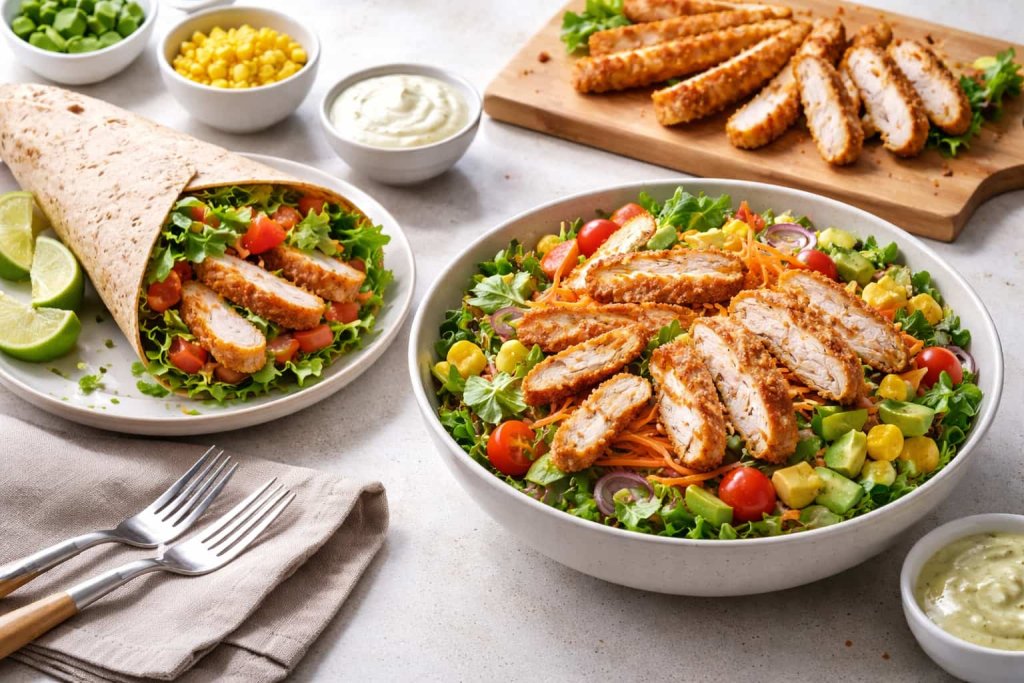
Tyson crispy chicken breast strips are one of the most widely available frozen chicken options in U.S. grocery stores, making them a practical choice for many households.
Key points to know:
- Fully cooked and ready for reheating
- Consistent strip size works well for mixed dishes
- Often slightly lower in sodium than heavily breaded tenders
These strips offer moderate protein and calories per serving and are commonly used as an ingredient rather than a standalone entrée. That flexibility may help with portion control when building bowls or wraps.
Nutrition per 3 oz (about 84 g):
- Calories: ~200
- Protein: ~13 g
- Sodium: ~410 mg
Retailer-listed nutrition and availability:
Walmart
Best ways to use:
- Whole-grain wraps with vegetables
- Salads, rice bowls, or stir-fry-style meals
Additional Frozen Chicken Tenders Worth Considering in 2026
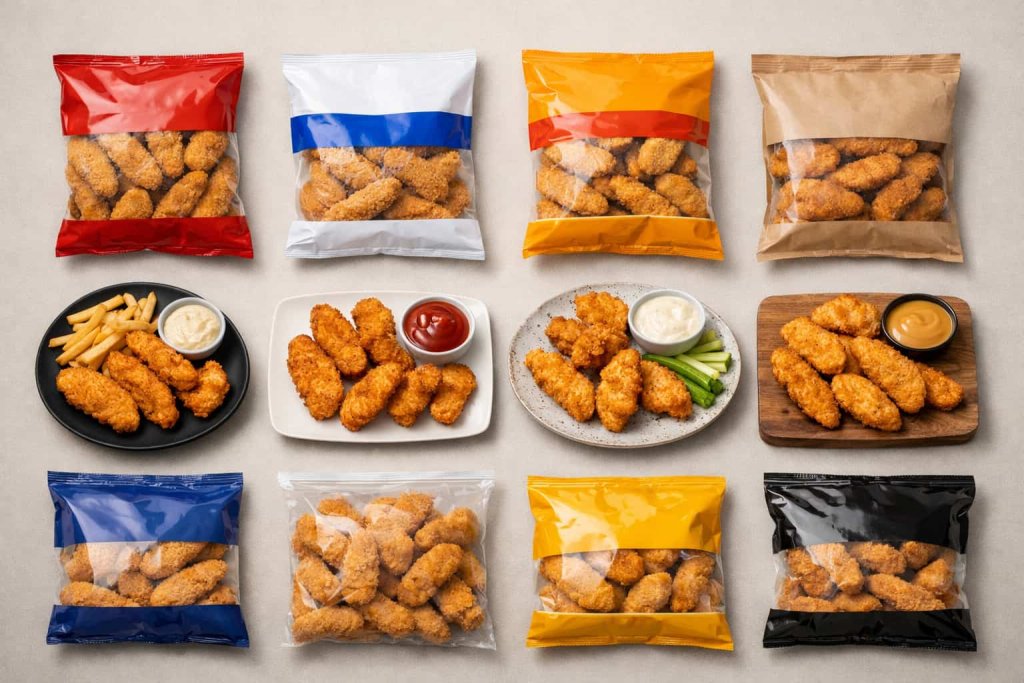
To expand your comparison, these frozen chicken tenders are also commonly available and provide product details through official brand sources. Always check the Nutrition Facts label on the package you buy, as ingredients and values can change.
- Applegate Naturals Chicken Tenders – Applegate publishes clear ingredient lists and cooking guidance for its lightly breaded and gluten-free chicken tenders, which are often positioned around simpler ingredient choices.
Applegate
Applegate - Bell & Evans Breaded Chicken Tenders – Bell & Evans notes on its official product page that these tenders are uncooked, so they should be handled like raw poultry and cooked thoroughly according to package directions.
Bell & Evans
Bell & Evans - Trader Joe’s Breaded Chicken Breast Tenders – Trader Joe’s does not list every in-store product online. The most reliable way to review nutrition details is to check the package in-store or browse the official product directory.
Trader Joe’s
Trader Joe’s
As with all frozen poultry, nutrition profiles vary by brand and recipe, so comparing labels side by side—especially sodium and serving size—is essential.
Comparison Table: Nutrition and Key Features
| Brand | Serving size | Calories | Protein | Sodium | Fully cooked | Best use |
|---|---|---|---|---|---|---|
| Just Bare Lightly Breaded Chunks | 3 oz | 160 | 16 g | ~540 mg | Yes | Air fryer, grain bowls |
| PERDUE Breaded Chicken Tenders | 3 pieces | ~260 | 11 g | ~500 mg | Check label | Family meals |
| Tyson Crispy Breast Strips | 3 oz | ~200 | 13 g | ~410 mg | Yes | Wraps, salads |
| Applegate Naturals Tenders | Varies | Varies | Moderate | Varies | Yes | Ingredient-focused meals |
| Bell & Evans Tenders | Varies | Varies | Moderate | Varies | Yes | Oven or air fryer |
Food Safety Reminder
Even when a product is labeled “fully cooked,” poultry should be reheated to 165°F internal temperature. According to the Centers for Disease Control and Prevention, using a food thermometer and reaching 165°F helps reduce food safety risks.
Centers for Disease Control and Prevention
How to Fit Frozen Chicken Tenders Into a Wellness-Focused Diet
Building a balanced plate with frozen chicken tenders
Pair frozen chicken tenders with vegetables and fiber-rich carbohydrates to create meals that feel satisfying without relying on tenders as the main volume of the plate.
Portion awareness and frequency
Keeping portions moderate and enjoying frozen chicken tenders as part of a varied eating pattern may help support overall nutrition over time.
Smarter sides and sauces
Choosing vegetable-based sides and lighter sauces, such as mustard, salsa, or yogurt-based dips, can add flavor without significantly increasing sodium or saturated fat.
Food safety and storage basics
Cook to safe temperature
The FoodSafety.gov lists 165°F as the safe minimum internal temperature for poultry.
FoodSafety.gov
Store frozen foods correctly
According to the U.S. Food and Drug Administration, freezers should be kept at 0°F and refrigerators at 40°F or below to maintain food safety and quality.
U.S. Food and Drug Administration
Frequently asked questions
Are frozen chicken tenders healthy?
They can fit into a balanced eating pattern when portions are reasonable and meals include vegetables and fiber-rich foods.
How can I compare sodium between brands?
Use the Nutrition Facts label and compare the % Daily Value for sodium per serving. Lower percentages generally make it easier to stay within daily limits.
Is an air fryer better than an oven?
Both work well. Air fryers tend to crisp faster, while ovens handle larger batches more evenly.
Do fully cooked tenders still need to reach 165°F?
Yes. Even fully cooked products should be reheated to 165°F for safety, as emphasized by the Centers for Disease Control and Prevention.
How long can frozen chicken stay in the freezer?
Food kept frozen at 0°F remains safe, though quality may decline over time. The USDA Food Safety and Inspection Service explains that constant freezing preserves safety.
USDA Food Safety and Inspection Service
Conclusion
The best frozen chicken tenders in 2026 are those that meet your taste preferences while fitting into balanced meals. Reading ingredient lists, comparing sodium and protein, and using oven or air fryer cooking methods may help support better everyday nutrition without sacrificing convenience.
This content is for informational purposes only and not medical advice.