
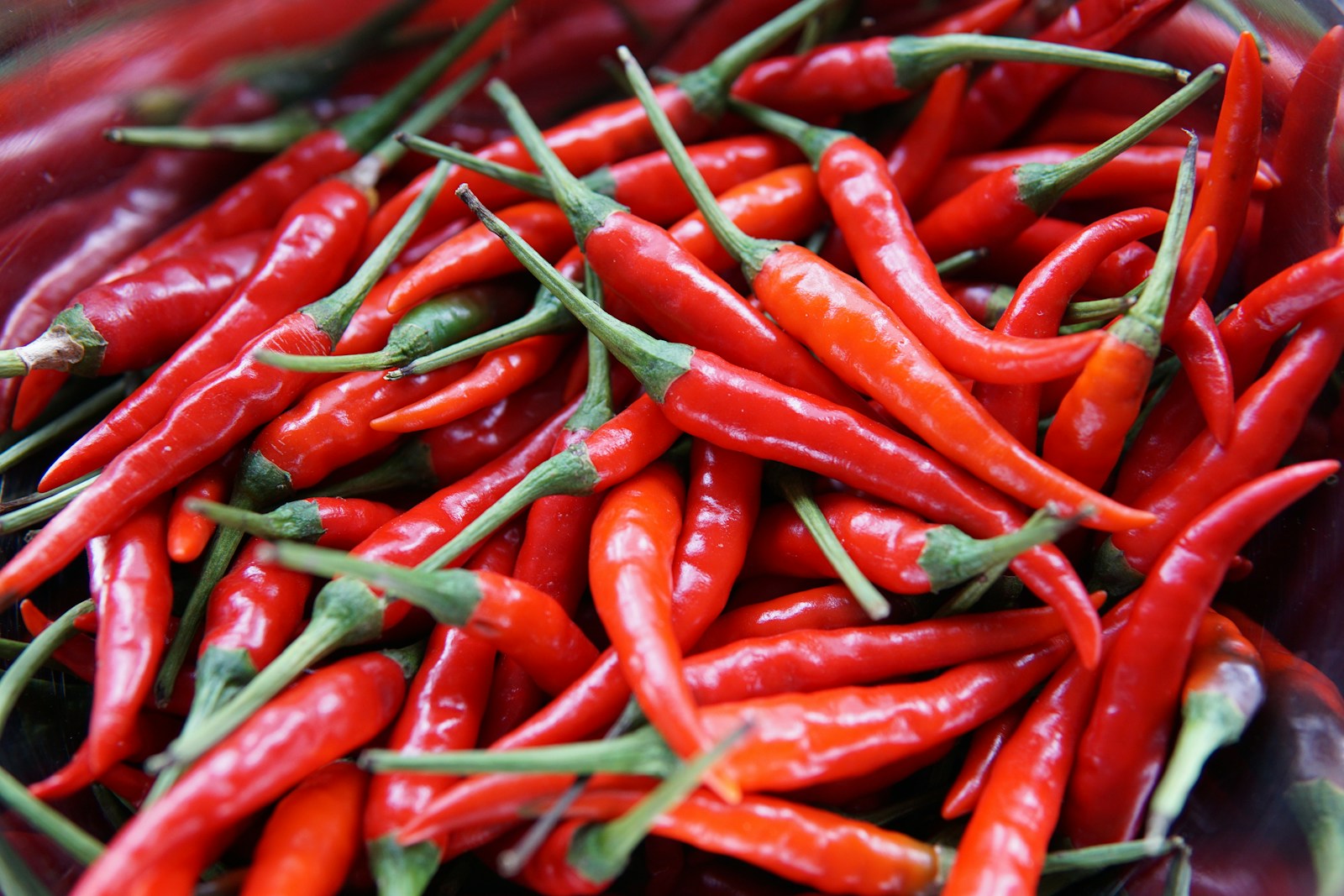
The spice known as cayenne pepper may help support your overall wellness and nutrition. In just a few sentences: cayenne pepper is rich in vitamins, carotenoids, and the active compound capsaicin—which research suggests may support metabolism, circulation, inflammation management, digestive health, and more. Understanding cayenne pepper’s role is important because it allows you to use it thoughtfully in your diet—and avoid overstated claims or safety risks. In this post you’ll see key steps and safe ways to use cayenne, plus what the evidence currently supports (and what it doesn’t).
What Is Cayenne Pepper? (Overview and Nutrition Profile)
Cayenne pepper (Capsicum annuum) is a bright red chili pepper widely used as both a spice and a functional food ingredient. Belonging to the Solanaceae (nightshade) family, it is closely related to bell peppers, jalapeños, and paprika. Originating from Central and South America, cayenne peppers have been cultivated for thousands of years for their distinct flavor, vibrant color, and potential wellness benefits.
Cayenne’s key bioactive compound, capsaicin, is responsible for its signature heat and many of its studied physiological effects. This compound interacts with TRPV1 receptors — sensory proteins involved in heat perception and metabolism — which may help support circulation, energy balance, and digestive health when consumed moderately.
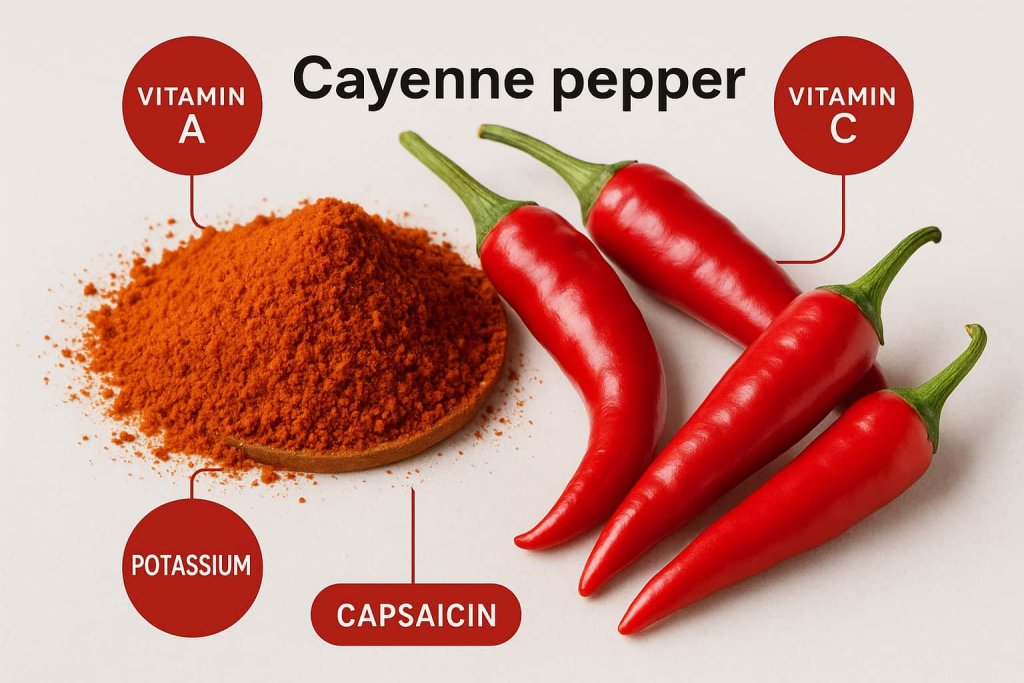
Nutrient Composition (per 1 teaspoon ≈ 1.8 g, USDA FoodData Central 2025)
| Nutrient | Amount | % Daily Value (DV) | Function |
|---|---|---|---|
| Calories | 5.7 kcal | — | Low-calorie seasoning for flavor without added fat |
| Protein | 0.2 g | — | Supports cell structure |
| Total Fat | 0.3 g | — | Contains minimal fat; mostly unsaturated |
| Carbohydrates | 1.0 g | — | Natural energy source |
| Vitamin A (as carotenoids) | 749 IU | 15 % DV | Supports vision and immune health |
| Vitamin C | 1.6 mg | 3 % DV | Antioxidant that supports immune defense |
| Vitamin E | 0.2 mg | 1 % DV | Helps protect cell membranes |
| Vitamin B6 | 0.02 mg | 2 % DV | Supports metabolism and energy use |
| Potassium | 45 mg | 1 % DV | Helps regulate blood pressure |
| Manganese | 0.02 mg | 1 % DV | Supports bone and enzyme health |
| Capsaicin | Varies | — | Bioactive compound that supports metabolism and circulation |
Source: USDA FoodData Central – Red or Cayenne Pepper
Key Nutritional Insights
- Low in calories, high in micronutrients: Cayenne pepper delivers notable amounts of vitamins A and C even in small servings.
- Rich in antioxidants: Carotenoids, flavonoids, and vitamin C help combat oxidative stress and support skin and immune health.
- Contains capsaicin: This naturally occurring phytochemical contributes to metabolism, circulation, and digestive support when used in moderation.
10 Proven Health Benefits of Cayenne Pepper (Backed by Science)
Cayenne pepper is more than a kitchen spice — it’s a nutrient-rich ingredient linked to metabolic, cardiovascular, and digestive support. Its key bioactive compound, capsaicin, interacts with the body’s heat-receptor pathways, which may help regulate energy use, blood flow, and inflammatory balance. Below are ten science-backed wellness benefits.
1. Supports Healthy Metabolism and Energy Use

Cayenne pepper may help support metabolism through capsaicin’s mild thermogenic effect — slightly increasing calorie expenditure after meals.
- WebMD notes that capsaicin “may boost metabolism” by raising body heat and modestly increasing calorie burn during digestion (WebMD – Health Benefits of Cayenne Pepper).
- A 2023 meta-analysis in Frontiers in Nutrition found consistent though small improvements in body weight and waist circumference among adults consuming capsaicin regularly (PubMed Central).
- A 2025 study cited by the New York Post reported that spicy meals encouraged participants to eat more slowly and consume fewer calories overall, supporting mindful eating and portion control.
Practical takeaway: A pinch of cayenne pepper in your meals may help support metabolic activity and appetite regulation, but it works best alongside physical activity and balanced nutrition.
2. Supports Circulation and Cardiovascular Health
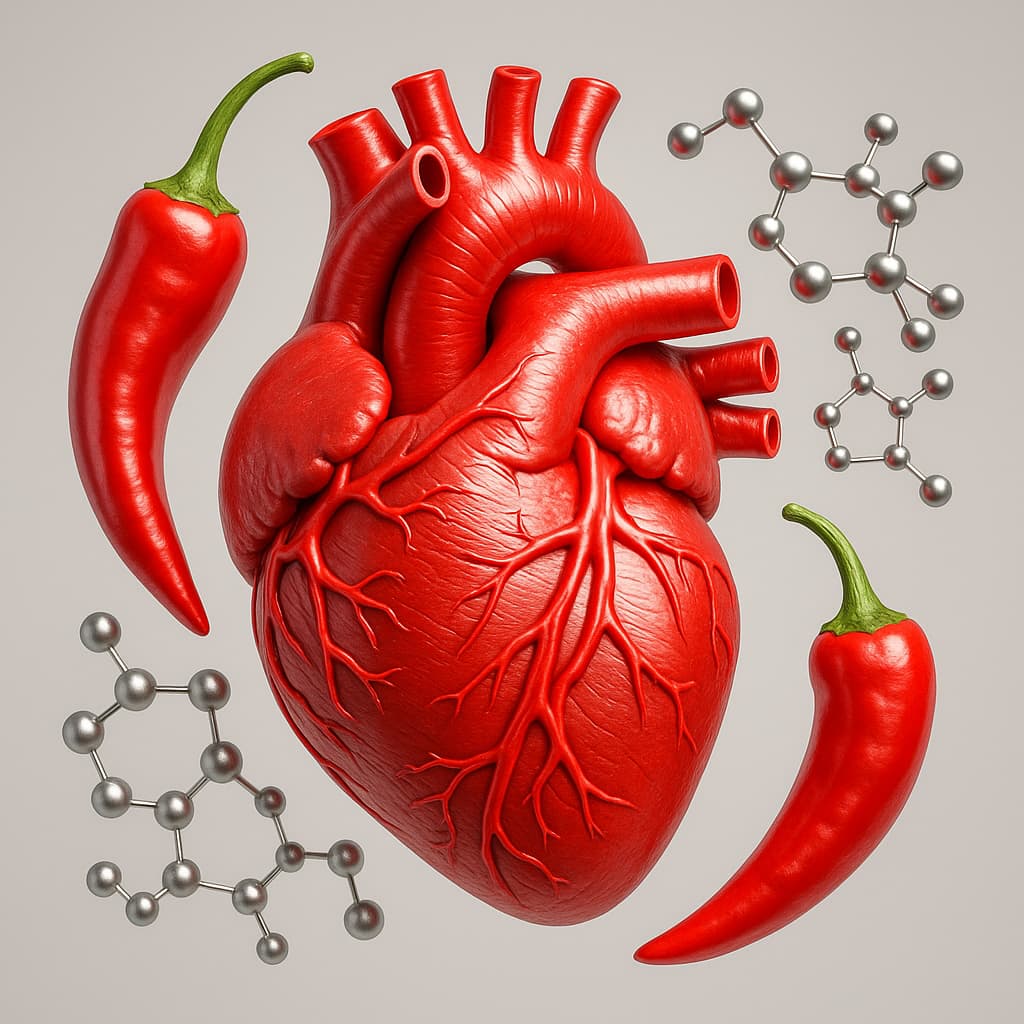
Cayenne pepper’s warming compounds may support healthy blood flow and vascular function.
- The University of Rochester Medical Center explains that cayenne pepper “supports circulation, strengthens arteries, and stimulates blood flow” when used moderately (URMC – Cayenne Pepper Overview.
- A Verywell Health review found that capsaicin may help relax blood vessels and improve endothelial function — key for heart health (Verywell Health – Cayenne Pepper and Blood Pressure).
- Healthline summarized observational data showing that regular chili pepper consumers had lower risk of cardiovascular mortality, suggesting long-term heart benefits when included in a healthy diet (Healthline – Benefits of Cayenne Pepper).
Practical takeaway: Incorporating cayenne pepper in moderation may help support circulation and overall heart wellness, but it should complement — not replace — professional medical care.
3. Supports Antioxidant Intake and Inflammatory Balance

Cayenne pepper is rich in antioxidants and bioactive compounds that support the body’s natural defense against oxidative stress and help maintain balanced inflammation. Its deep red color comes from carotenoids and flavonoids — plant compounds known for protecting cells from free radical damage and promoting long-term wellness.
A 2022 review published in Frontiers in Oncology explains that capsaicin, the primary active compound in cayenne pepper, acts as a potent antioxidant by scavenging free radicals and enhancing the activity of natural antioxidant enzymes. Researchers note that capsaicin also influences key inflammatory pathways, such as NF-κB, which helps regulate immune and inflammatory responses in the body (Frontiers in Oncology).
Further findings from a 2023 experimental study reported in PubMed Central indicate that capsaicin may help reduce inflammatory cytokines like interleukin-6 (IL-6) and tumor necrosis factor-alpha (TNF-α) by inhibiting NF-κB and MAPK signaling in immune cells (PubMed Central). These molecular effects suggest that dietary cayenne pepper could play a small, supportive role in maintaining inflammation within a healthy range.
Additionally, a study published in Pathogens (MDPI) showed that capsaicin down-regulated inflammatory gene expression and NF-κB activation in gastric tissues, demonstrating its broader potential for maintaining gut and immune health (MDPI – Pathogens).
4. Supports Digestive Efficiency
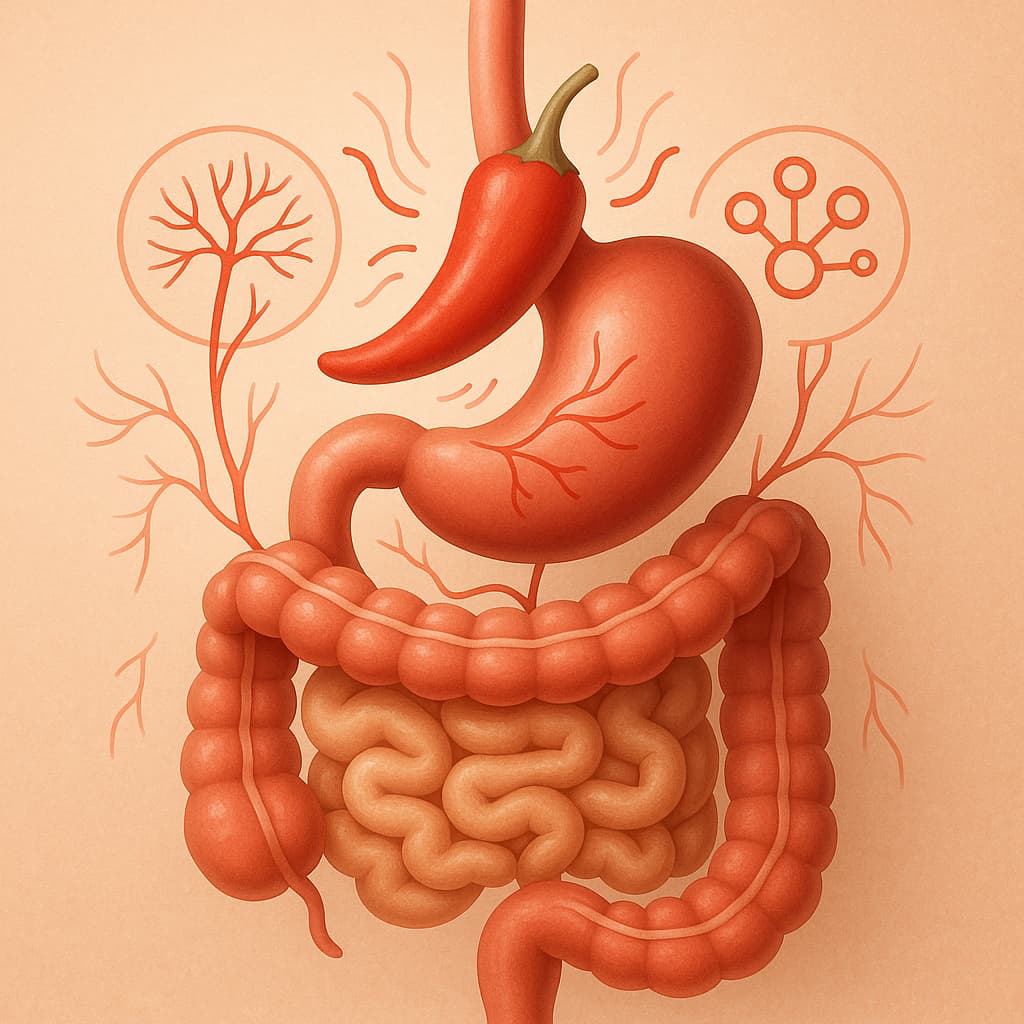
Cayenne pepper may help support digestive comfort and nutrient absorption.
- The URMC notes that cayenne stimulates blood flow to the stomach and intestines, supporting efficient digestion.
- Vinmec International Hospital reports that moderate intake can enhance gastric juice production and promote gut motility (Vinmec Health – Benefits of Cayenne Pepper).
- A 2024 Nutrients study observed that small daily servings (≈1.8 g) did not disrupt healthy gut microbiota, indicating safe digestive integration.
Practical takeaway: A dash of cayenne pepper may help stimulate digestion, but individuals with reflux, ulcers, or irritable bowel conditions should use caution and consult a healthcare provider.
5. Supports Nutrient Density and Food Variety
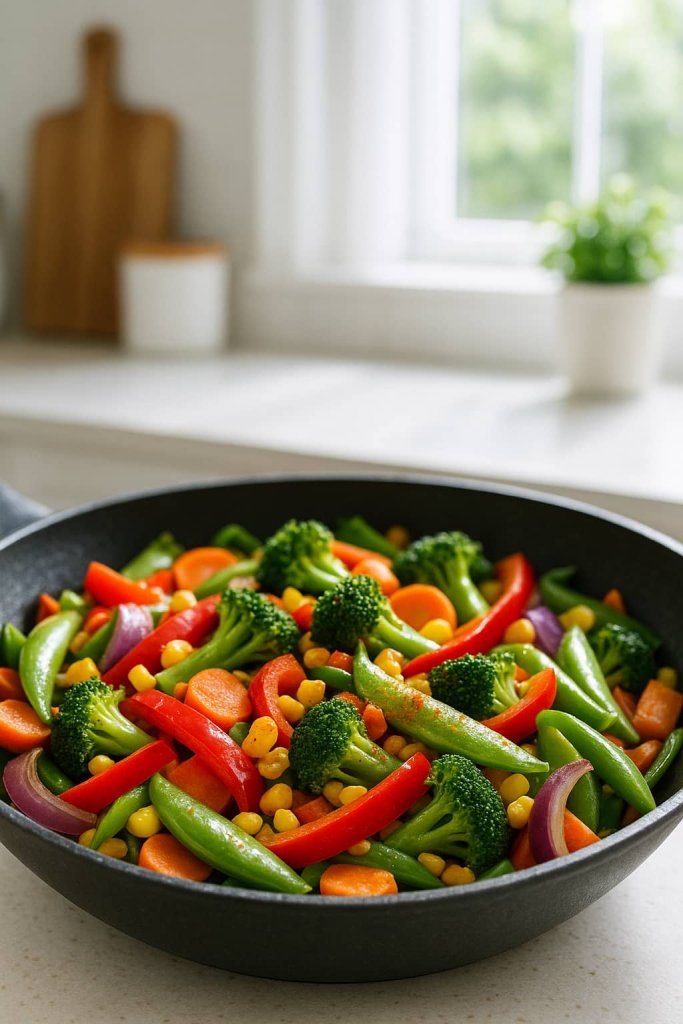
Beyond metabolic effects, cayenne pepper enhances the nutrient value and enjoyment of healthy meals.
- Health.com highlights that cayenne’s strong flavor helps people cut back on heavy sauces or high-sodium condiments (Health.com – Cayenne Pepper Benefits).
- Its vitamin A, vitamin C, and potassium content contribute to nutrient diversity and overall diet quality.
Practical takeaway: Use cayenne to add spice and flavor to vegetables, legumes, and whole grains — supporting a more balanced and satisfying eating pattern.
6. Supports Appetite Control and Satiety
Cayenne’s heat factor may help promote satiety and mindful eating.
- The New York Post featured 2025 research showing that adding spice led participants to eat smaller portions without reducing meal satisfaction.
- Vinmec Health adds that capsaicin can modestly influence hunger hormones like ghrelin, helping you feel fuller for longer.
Practical takeaway: A sprinkle of cayenne can enhance flavor while supporting appetite awareness — but portion control and balanced meals remain essential.
7. Supports Healthy Blood Pressure and Salt Reduction
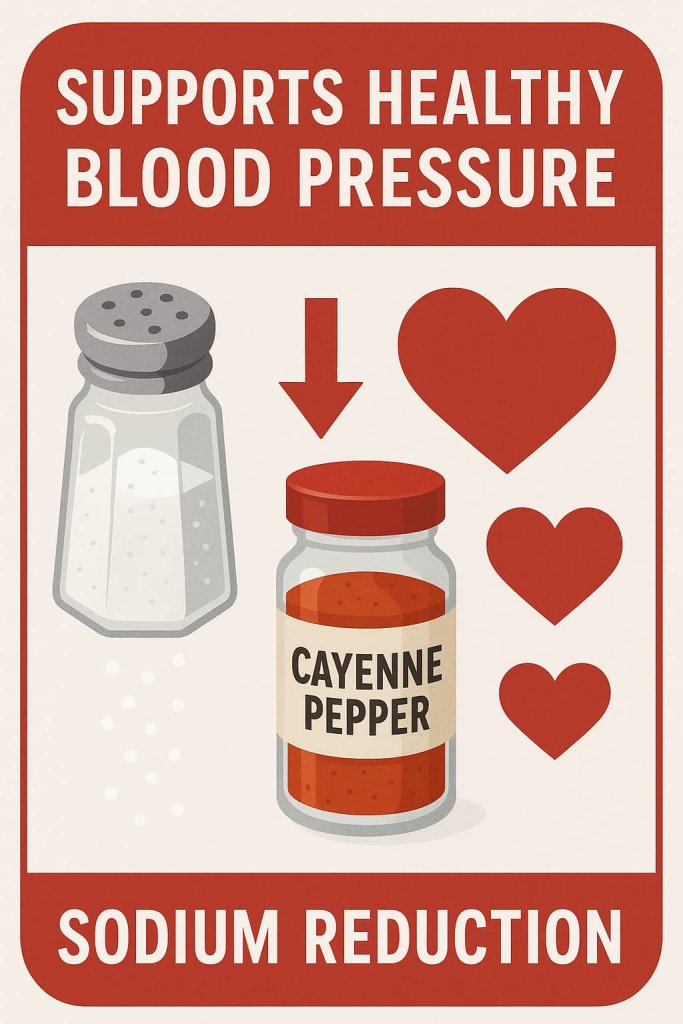
Cayenne pepper may help promote vascular relaxation and reduce sodium dependence.
- Verywell Health notes that capsaicin can mildly dilate blood vessels, supporting blood-pressure balance.
- Health.com recommends spices like cayenne to replace salt, lowering sodium intake without losing flavor.
Practical takeaway: Using cayenne instead of excess salt may help support healthy blood pressure when combined with an overall heart-smart diet.
8. Supports Micro-Circulation and Nerve Function

Capsaicin also influences small vessels and nerves, which are vital for nutrient delivery.
- URMC states that cayenne may help strengthen capillaries and nerves, supporting healthy micro-circulation.
- Improved nutrient flow contributes to skin vitality, joint comfort, and nerve performance.
Practical takeaway: Moderate, consistent use of cayenne may help complement lifestyle habits like regular exercise and hydration to maintain healthy circulation.
9. Supports Immune Nutrients and Seasonal Wellness

Cayenne pepper is rich in immune-supportive vitamins, particularly C and provitamin A.
- Medical News Today reports that fresh chili peppers can provide over 70 % of the recommended daily intake of vitamin C per serving (Medical News Today – Cayenne Pepper Benefits).
- These nutrients support the body’s natural defenses, skin integrity, and mucous-membrane health.
Practical takeaway: Adding cayenne to warm soups or teas during seasonal transitions may help maintain immune resilience through nutrient diversity.
10. Supports Long-Term Healthy Eating Habits

Flavorful, satisfying food makes healthy eating sustainable — and cayenne delivers both.
- The American Heart Association recommends herbs and spices to enhance flavor and adherence to low-sodium, nutrient-dense diets (AHA – Healthy Cooking Tips).
- When meals taste good, people are more likely to maintain balanced eating patterns over time.
How to Incorporate Cayenne Pepper into Your Diet
Cayenne pepper adds heat, flavor, and nutrients to your meals — and using it properly enhances both taste and health benefits. The key is moderation: a small amount can go a long way without overwhelming flavor or irritating digestion.
Recommended Culinary Amounts
For most adults, ¼ to ½ teaspoon per meal is ideal. Beginners can start with a light sprinkle (⅛ teaspoon) and increase gradually as tolerance builds. There’s no established daily limit for culinary use, but moderation is encouraged — especially for those sensitive to spicy foods.
Ideal Meal Pairings
- Soups & Stews: Add a pinch to lentil soup, tomato bisque, or chicken broth for warmth and depth.
- Roasted Vegetables: Toss sweet potatoes, cauliflower, or chickpeas with olive oil and a dash of cayenne before baking.
- Smoothies: Blend a small pinch with lemon, pineapple, or mango for a metabolism-supporting morning drink.
- Marinades & Rubs: Combine with garlic, lime, and olive oil for chicken, tofu, or seafood marinades.
Combine with Healthy Fats for Better Nutrient Absorption
Cayenne pepper is rich in carotenoids, which are fat-soluble. Pairing it with healthy fats like avocado, olive oil, or nuts helps your body absorb these antioxidants more effectively (Harvard T.H. Chan School of Public Health).
Reduce Salt and Sugar with Spice
Using cayenne pepper enhances flavor intensity, allowing you to cut back on added salt or sugar while keeping food enjoyable. The American Heart Association encourages herbs and spices as flavorful salt alternatives for cardiovascular wellness (AHA – Healthy Cooking Tips).
Practical takeaway: Start small and use cayenne pepper as a natural flavor enhancer — not just for spice but as a nutrient-rich addition to your meals.
Possible Side Effects and Precautions
While cayenne pepper offers many wellness benefits, it’s important to use it responsibly — particularly for individuals with existing medical conditions or sensitivities.
1. Gastrointestinal Irritation
Spicy foods like cayenne pepper can cause heartburn, acid reflux, or stomach irritation in sensitive individuals. The Mayo Clinic notes that spicy meals are a common trigger for acid reflux, especially in those with GERD, ulcers, or IBS.
2. Skin or Eye Irritation
Capsaicin can irritate skin, eyes, or mucous membranes. Always wash hands thoroughly after handling fresh or powdered cayenne pepper, and avoid touching your face.
3. Medication Interactions
Cayenne pepper and capsaicin supplements may interact with certain medications — especially anticoagulants (blood thinners), ACE inhibitors, or drugs for high blood pressure and diabetes. The NIH Office of Dietary Supplements recommends consulting a healthcare provider before combining supplements with prescription medications (NIH ODS – Dietary Supplements: What You Need to Know).
4. Supplement Use Caution
Capsaicin supplements provide concentrated doses and may cause stronger effects than culinary use. Only use under medical supervision, particularly if you are pregnant, breastfeeding, or have chronic conditions.
Practical takeaway: When in doubt, start with food-based intake, not supplements. If you have health conditions or take medication, talk with your healthcare professional before regular use.
Storage and Food Safety Tips
Proper storage preserves cayenne pepper’s flavor, nutrient quality, and safety.
Storage Conditions
- Container: Keep in an airtight glass or stainless-steel jar to prevent moisture and odor absorption.
- Environment: Store in a cool, dark, and dry location — ideally below 25 °C (77 °F).
- Humidity: Avoid placing near the stove or dishwasher where steam exposure can degrade quality.
Shelf Life
- Whole dried peppers: Up to 2 years when stored in airtight containers away from sunlight.
- Ground cayenne powder: Best used within 6–12 months for peak potency and aroma.
Food Safety Guidance
Proper storage and handling of spices like cayenne pepper are essential for maintaining flavor, nutrient quality, and food safety. Improper storage can expose spices to moisture and bacteria, leading to loss of potency or contamination.
According to the U.S. Food and Drug Administration (FDA), spices can occasionally carry microbial contaminants such as Salmonella if not stored or handled correctly. The FDA recommends keeping spices in airtight containers, away from heat, humidity, and direct sunlight, and always using clean, dry utensils when scooping to reduce the risk of contamination.
The Texas A&M AgriLife Extension Service also advises storing dried herbs and spices in a cool, dark area to preserve their color, flavor, and nutritional integrity. Whole dried peppers last up to two years, while ground cayenne pepper retains peak quality for about 6–12 months when sealed tightly.
Practical takeaway: Store cayenne pepper in a dry, airtight container away from sunlight and moisture. Proper handling not only extends shelf life but also ensures your spice retains its vibrant color, aroma, and nutritional value while minimizing food safety risks.
Frequently Asked Questions (FAQs)
1. How much cayenne pepper should I use per day?
¼ to ½ teaspoon per meal is generally safe for most people. Start small and adjust gradually based on tolerance.
2. Can cayenne pepper help with metabolism?
It may help slightly increase thermogenesis and calorie burn, but effects are modest and best paired with a balanced diet and exercise.
3. Is cayenne pepper safe for people with acid reflux?
Those with GERD or ulcers should limit or avoid spicy foods, as they can cause discomfort. Consult your doctor for personalized advice.
4. Can cayenne pepper replace salt?
Yes — its natural heat enhances flavor, which may help reduce sodium intake and support blood pressure balance.
5. Are cayenne supplements safe?
Food-based cayenne is generally safe, but supplements deliver higher doses and may interact with medications. Always consult a healthcare professional first.
6. Does cooking destroy its nutrients?
Mild heat retains most of cayenne’s capsaicin and antioxidants, but prolonged high temperatures may slightly reduce vitamin C levels.
7. How should I store cayenne pepper for maximum freshness?
Store in an airtight container away from moisture and sunlight. Replace ground cayenne annually for best flavor.
Conclusion
Cayenne pepper is a versatile spice that adds both flavor and function to your meals. It’s rich in vitamin A, vitamin C, and capsaicin, which may support metabolism, circulation, antioxidant protection, and digestion. When used responsibly — in small amounts and stored safely — cayenne can be part of a balanced, nutrient-dense diet that supports overall wellness.
Always remember: moderation, variety, and safety are key when incorporating spicy foods into your routine.
This content is for informational purposes only and not medical advice.