
Mango is rich in vitamins, antioxidants, and fiber that may support immune function, digestive health, and overall wellness.
Known as the “king of fruits,” mango (Mangifera indica) is not only delicious but also packed with essential nutrients that promote vitality. Understanding mango’s nutritional power can help you make smarter dietary choices, whether you’re aiming to boost immunity, improve digestion, or support heart health.

What Is Mango? and Nutritional Profile of Mango
Mango is a tropical fruit native to South Asia and now grown across warm regions globally, including the U.S., Mexico, and India. It belongs to the Anacardiaceae family (the same as cashews and pistachios).
This fruit is prized for its sweet flavor, smooth texture, and impressive nutrient density.

Nutritional Profile of Mango
According to the USDA FoodData Central (2024), one cup (165 g) of fresh mango provides approximately:
| Nutrient | Amount | % Daily Value |
|---|---|---|
| Calories | 99 kcal | — |
| Carbohydrates | 25 g | — |
| Dietary Fiber | 3 g | 12% |
| Vitamin C | 60 mg | 67% |
| Vitamin A (as β-carotene) | 89 µg RAE | 10% |
| Folate | 71 µg | 18% |
| Vitamin E | 1.5 mg | 10% |
| Potassium | 277 mg | 6% |
| Copper | 0.2 mg | 20% |
Mango is rich in polyphenols such as mangiferin, gallic acid, quercetin, and catechins — compounds known to help protect cells from oxidative stress and support metabolic and cardiovascular health.
Source: USDA FoodData Central
10 Proven Health Benefits of Mango (Backed by Science)
Mango is more than a sweet tropical treat — it’s a nutrient-rich fruit packed with antioxidants, vitamins, and fiber that may support multiple aspects of health.
Here’s what current research says about how mango contributes to wellness and nutrition.
1. Supports Immune Health

Mango is an excellent source of vitamin C and vitamin A, both vital for a strong immune system.
According to the Harvard T.H. Chan School of Public Health, vitamin C supports the production and function of white blood cells, helping the body defend against oxidative stress and pathogens.
Meanwhile, vitamin A helps maintain the integrity of skin and mucous membranes — the body’s first line of defense.
Regular mango consumption may support immune resilience and quicker recovery from common illnesses when included in a balanced diet.
2. Promotes Healthy Digestion

Mango naturally contains digestive enzymes called amylases, which help break down complex carbohydrates into simpler sugars. Its dietary fiber content supports healthy bowel movements and may reduce constipation risk.
A review in the Journal of Nutrition and Food Sciences (2022) found that mango’s polyphenols and fiber promote beneficial gut bacteria such as Lactobacillus and Bifidobacterium, which are linked to digestive comfort and overall gut balance.
Including mango in meals or snacks may therefore help maintain regular digestion and gut health.
Authoritative source: Cleveland Clinic – Why Fiber Is Important for Gut Health
3. Supports Heart Health

Mango’s potassium, magnesium, and antioxidants may contribute to cardiovascular wellness. These minerals help maintain normal blood pressure and heart rhythm.
A population-based analysis from NHANES 2001–2018, published in Nutrients (2022), found that mango consumers had higher diet quality, lower sodium and cholesterol intake, and improved nutrient profiles compared with non-consumers.
Additionally, mango’s soluble fiber may support healthy cholesterol levels by reducing LDL oxidation and promoting arterial health.
Reference: PMC8746860 – Nutrient Intakes of Mango Consumers (2022)
Learn more: American Heart Association – Potassium and Heart Health
4. Aids in Blood Sugar Balance (When Eaten in Moderation)
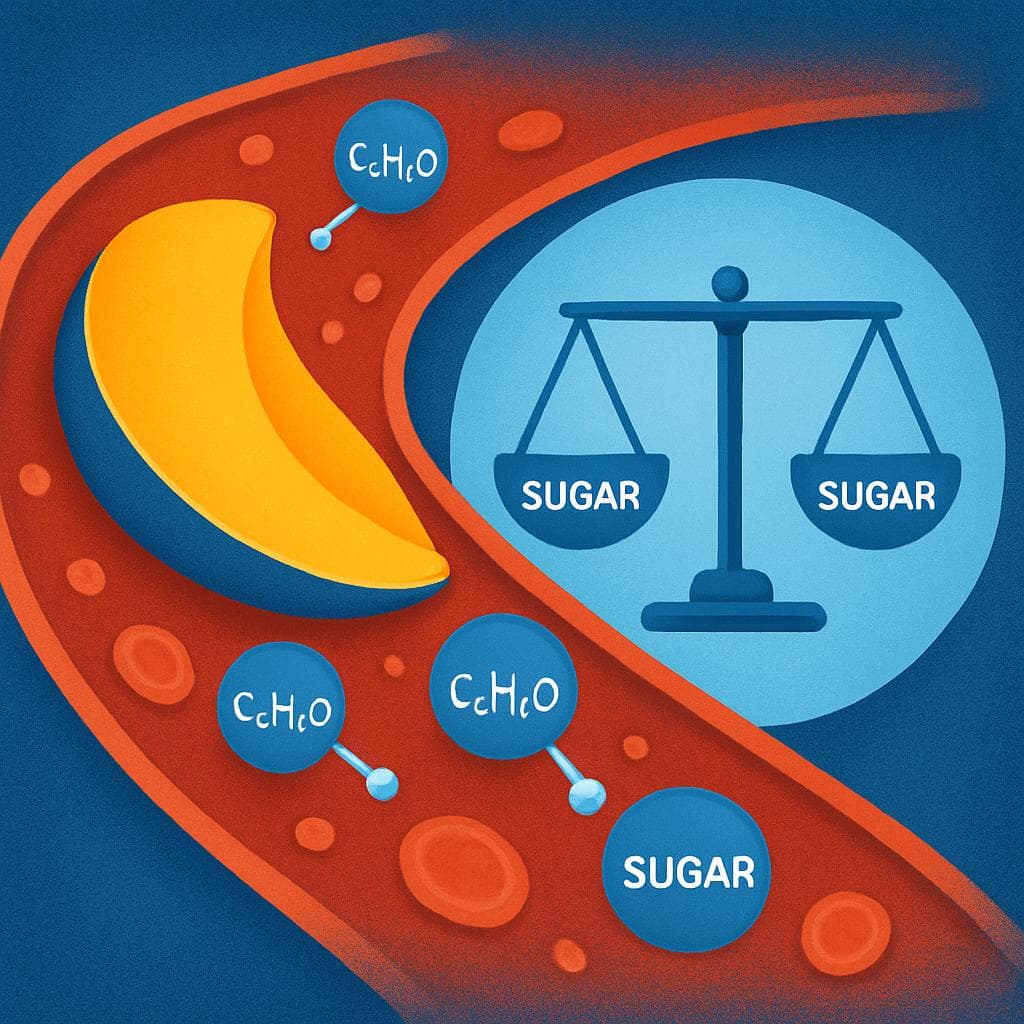
Although mango is naturally sweet, it has a low glycemic load (about 8–10 per serving), meaning it may raise blood sugar more gradually than many fruits.
A 2023 study in Nutrition and Metabolic Insights found that moderate mango intake improved post-meal glucose levels without affecting fasting blood sugar. Its key compound, mangiferin, may help support healthy insulin sensitivity and reduce oxidative stress.
According to MedlinePlus, choosing low-glycemic foods can support balanced energy and better glucose control. Pairing mango with protein or healthy fats (like yogurt or nuts) can further stabilize blood sugar response.
5. Rich in Antioxidants That Protect Cells
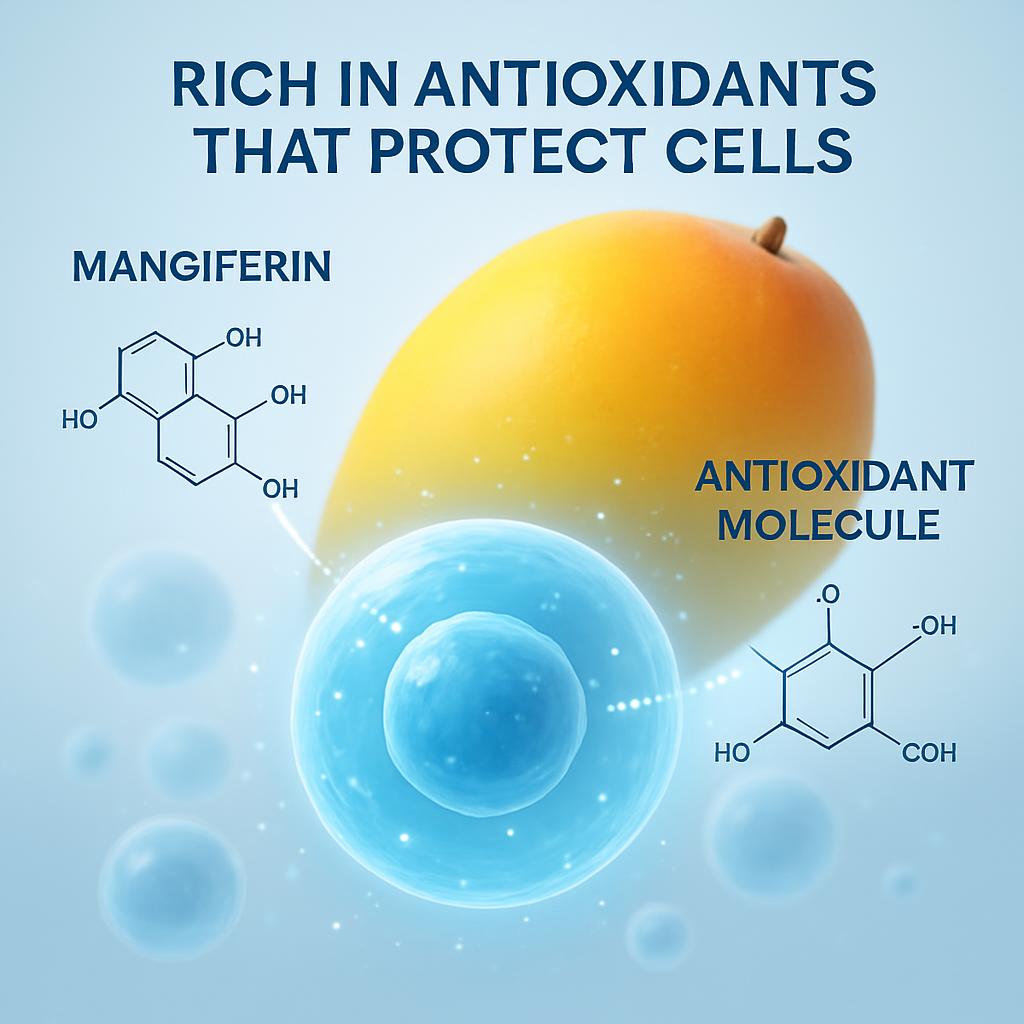
Mango is rich in bioactive antioxidants such as mangiferin, quercetin, and β-carotene, which may help protect cells from oxidative damage and inflammation. These compounds work synergistically to neutralize harmful free radicals that can contribute to cellular aging and chronic disease risk.
A 2022 study published in the International Journal of Environmental Research and Public Health found that mangiferin supported antioxidant enzyme activity and reduced oxidative stress markers, suggesting potential benefits for metabolic and immune health (MDPI Journal).
Including mango regularly in a balanced diet may therefore support long-term cellular protection, healthy aging, and immune resilience — key factors in overall wellness.
6. Supports Eye and Skin Health

The β-carotene and vitamin A in mango support vision, particularly in low-light conditions, and play a role in maintaining healthy epithelial tissues.
Mango also provides vitamin C, which supports collagen synthesis — a key structural protein that maintains skin elasticity and firmness.
According to the National Institutes of Health’s Office of Dietary Supplements, these nutrients contribute to eye health and natural protection against oxidative and UV-related skin damage.
Eating mango regularly may support youthful skin and clear vision as part of a nutrient-dense diet.
7. May Support Weight Management

Mango is low in calories yet rich in fiber and water, which promote fullness and reduce overeating.
A study in Nutrition Research (2021) observed that individuals consuming fruit-rich diets — including mango — had better metabolic markers, lower body weight, and reduced waist circumference compared with those who consumed fewer fruits.
Fiber from mango supports satiety, while natural sugars offer a satisfying energy boost without excessive calories.
8. Promotes Gut Microbiome Diversity
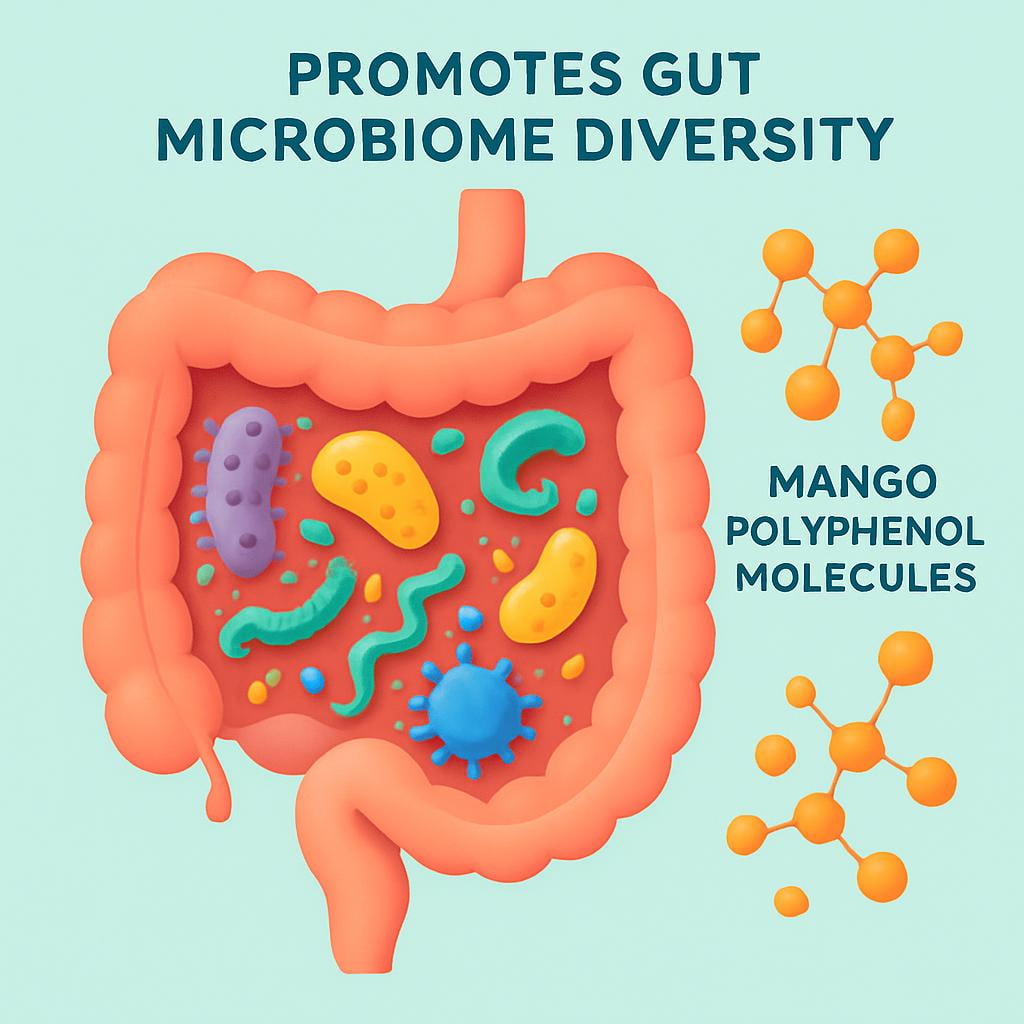
Recent studies reveal that mango polyphenols act as prebiotics, nourishing beneficial gut bacteria.
A 2020 trial published in Molecular Nutrition & Food Research found that mango supplementation increased levels of Bifidobacteria and improved markers of gut barrier integrity.
These effects suggest that mango consumption may support digestive comfort, immune balance, and nutrient absorption.
Source: Molecular Nutrition & Food Research – Mango Polyphenols and Gut Health (2020)
9. Supports Healthy Aging

Mango contains vitamin E, polyphenols, and carotenoids that may support cellular defense against oxidative stress — one of the key factors in aging.
Research in the Journal of Nutritional Biochemistry (2023) highlighted mango’s compounds as modulators of oxidative and inflammatory pathways that affect mitochondrial health and skin elasticity.
Including antioxidant-rich fruits like mango as part of an overall healthy diet may promote vitality and graceful aging.
See also: NIH – Vitamin E Fact Sheet
10. May Support Brain and Mood Function
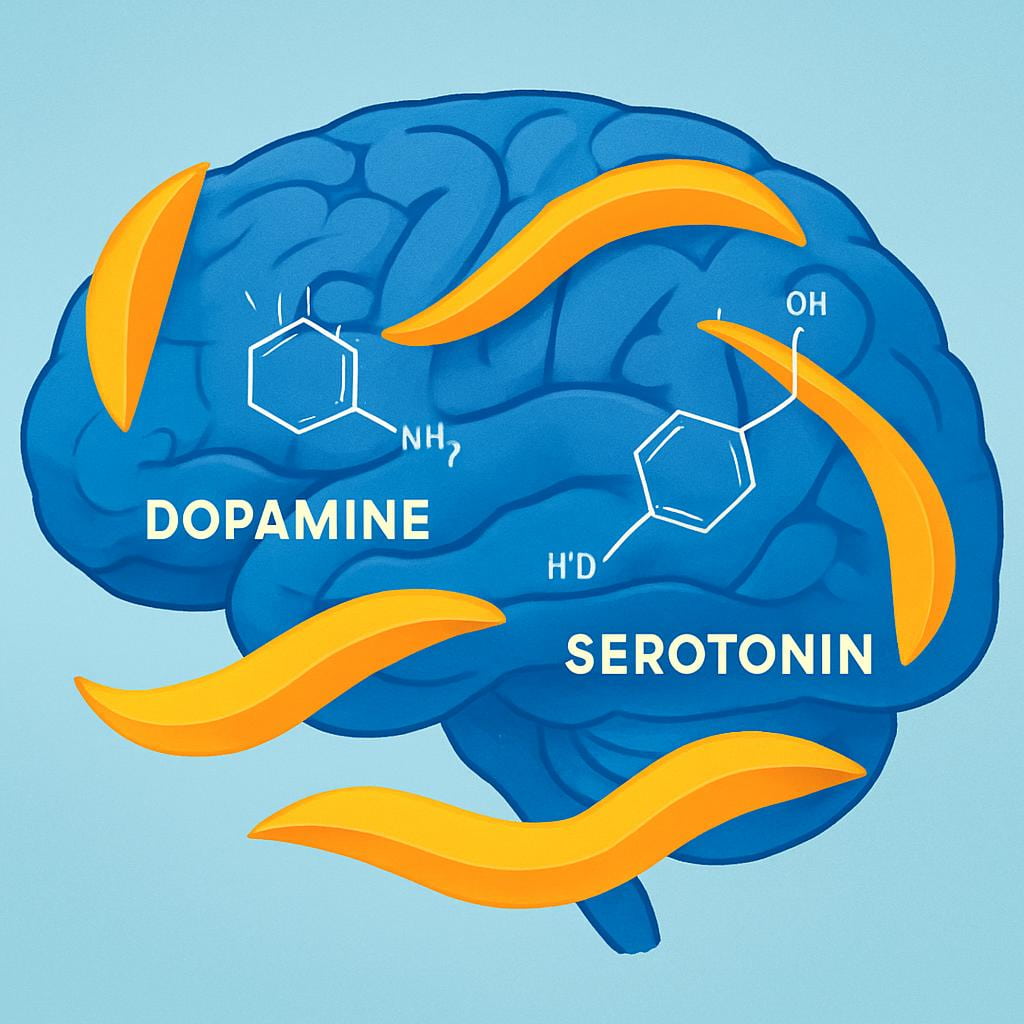
Mango provides vitamin B6 (pyridoxine), a nutrient necessary for synthesizing neurotransmitters such as serotonin and dopamine, which regulate mood and cognitive function.
Studies published in Nutrients (2020) found that adequate B-vitamin intake is associated with improved concentration, memory, and reduced fatigue.
Mango’s antioxidant compounds may also help protect brain cells from oxidative stress, supporting long-term cognitive well-being.
Reference: Nutrients Journal – Vitamin B6 and Cognitive Function (2020)
How to Eat Mango for Maximum Benefits
To enjoy the full nutritional value of mango without excess sugar, focus on moderation, balanced pairing, and safe preparation.
- Serving Size: Aim for ½ to 1 cup (80–165 g) of fresh mango per day. This amount provides a healthy dose of vitamin C, vitamin A, and fiber without causing a significant rise in blood sugar levels.
- Best Ways to Eat:
- Fresh: Add diced mango to smoothies, yogurt, oatmeal, or salads for a natural burst of flavor.
- Frozen: Use frozen mango chunks for smoothies, fruit sorbets, or chilled desserts.
- Dried: Choose unsweetened dried mango to avoid excess sugar and calories.
- Best Pairings: Combine mango with protein or healthy fats—like Greek yogurt, nuts, or chia seeds—to slow carbohydrate absorption and maintain balanced energy throughout the day.
- Tip: Mango pairs beautifully with lime, mint, or chili, adding both flavor and nutrition to sweet or savory dishes.
For guidance on proper washing, storing, and serving of fresh fruit, refer to the U.S. Food and Drug Administration’s official guide on produce safety: Selecting and Serving Produce Safely.
Possible Side Effects and Precautions
Mango is safe and highly nutritious for most people when eaten in moderation. However, a few potential sensitivities and safety factors should be considered for optimal health:
- Allergic Reactions: Mango peel and sap contain urushiol, a compound also found in poison ivy. People allergic to poison ivy, cashews, or mango skin should handle mangoes carefully and avoid contact with the peel to prevent irritation or rash.
- Sugar Content: While mango provides fiber and antioxidants, it is also naturally high in natural sugars. Individuals with diabetes or insulin resistance should monitor portion size (½–1 cup) and pair mango with protein or healthy fats to help reduce blood sugar spikes.
- Latex-Fruit Syndrome: Those with latex allergies may experience mild cross-reactivity after eating mango due to similar protein structures. Symptoms are typically mild but warrant caution in sensitive individuals.
- Medication Considerations: Mango has no known major drug interactions, but individuals taking blood sugar– or cholesterol–lowering medications should consult a healthcare provider before making dietary changes.
For official guidance on handling and allergy safety, visit the U.S. Food and Drug Administration (FDA) resource on Food Allergies and Food Safety.
By practicing moderation and awareness, most people can safely enjoy mango as part of a healthy, balanced diet.
FAQ
Q1. Is mango good for diabetics?
Yes, in moderation. Mango’s fiber and polyphenols may help support stable blood sugar when consumed in controlled portions. Choose fresh over dried or canned varieties.
(Source: MedlinePlus – Glycemic Index and Diabetes)
Q2. Can I eat mango every day?
Yes, ½–1 cup of fresh mango daily fits well within most balanced diets. It provides essential vitamins and fiber while keeping calories moderate.
Q3. Which mango variety is healthiest?
All varieties are nutritious, but yellow or orange-fleshed types (like Ataulfo or Alphonso) tend to be higher in beta-carotene and antioxidants.
Q4. Does mango help with digestion?
Yes. Mango contains amylase enzymes and fiber that may support healthy digestion and regularity.
(Source: Cleveland Clinic – Benefits of Fiber)
Q5. Is mango safe during pregnancy?
Yes — mango is generally safe and nutritious during pregnancy when eaten in moderation as part of a balanced diet. It provides essential nutrients such as vitamin C, folate, fiber, and vitamin A, all of which support maternal health and fetal development.
According to Medical News Today, mangoes are a good source of vitamins and minerals that may help maintain immune strength, aid digestion, and contribute to healthy fetal growth. The Centers for Disease Control and Prevention (CDC) also emphasizes that pregnant individuals should wash all fresh fruits thoroughly before eating to reduce the risk of bacterial contamination such as Listeria or Toxoplasma (CDC – Food Safety for Pregnant Women).
For best results, choose ripe, washed mangoes, consume ½ to 1 cup per serving, and avoid unpasteurized or pre-cut fruit stored at room temperature for long periods.
Q6. Can I eat mango skin?
Mango peel contains antioxidants but may irritate the skin or mouth in sensitive individuals. It’s safest to peel before eating.
Q7. Does mango cause weight gain?
No, not when eaten in appropriate portions. Mango is nutrient-dense, not calorie-dense, and its fiber helps promote satiety.
Conclusion
Mango is a nutrient-rich fruit packed with vitamins, antioxidants, and fiber that support immune strength, heart health, digestion, and overall wellness. When eaten in moderation, it fits beautifully into a balanced diet and offers both flavor and nutrition.
Add fresh mango to your meals — in smoothies, salads, or yogurt — to enjoy its tropical sweetness while supporting your health naturally.
This content is for informational purposes only and not medical advice.