
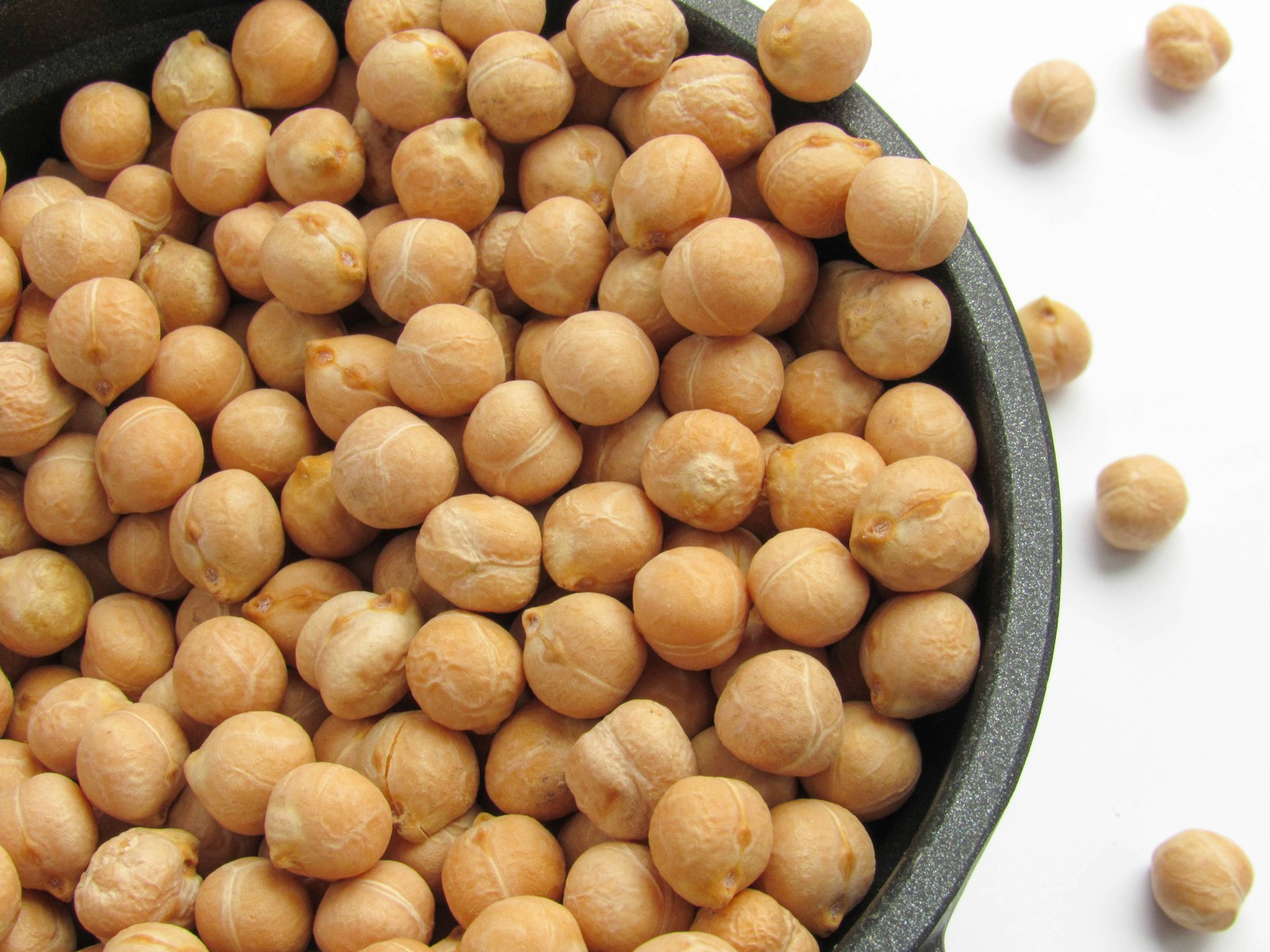
Chickpeas are rich in plant-based protein, fiber, and essential nutrients that support heart, gut, and metabolic health. Also known as garbanzo beans, these versatile legumes have been consumed for thousands of years and are a cornerstone of Mediterranean and South Asian diets. Understanding their nutritional benefits can help you make informed dietary choices that support overall wellness. Chickpeas may aid in maintaining steady blood sugar levels, promoting digestive balance, and supporting weight management—all supported by modern scientific research.
What Are Chickpeas? (Overview and Nutrition Profile)
Chickpeas (Cicer arietinum L.)—also known as garbanzo beans—are edible legumes belonging to the Fabaceae family. They have been cultivated for more than 7,000 years and remain a staple in Mediterranean, Middle Eastern, and South Asian cuisines. There are two main varieties: Kabuli (larger, cream-colored, mild flavor) and Desi (smaller, darker, nuttier taste).
Chickpeas are valued for their balanced macronutrient composition—providing complex carbohydrates, high-quality plant protein, and soluble fiber that supports digestive and metabolic health. They are also naturally cholesterol-free and low in saturated fat, making them a key component of heart-healthy eating patterns such as the Mediterranean and DASH diets.
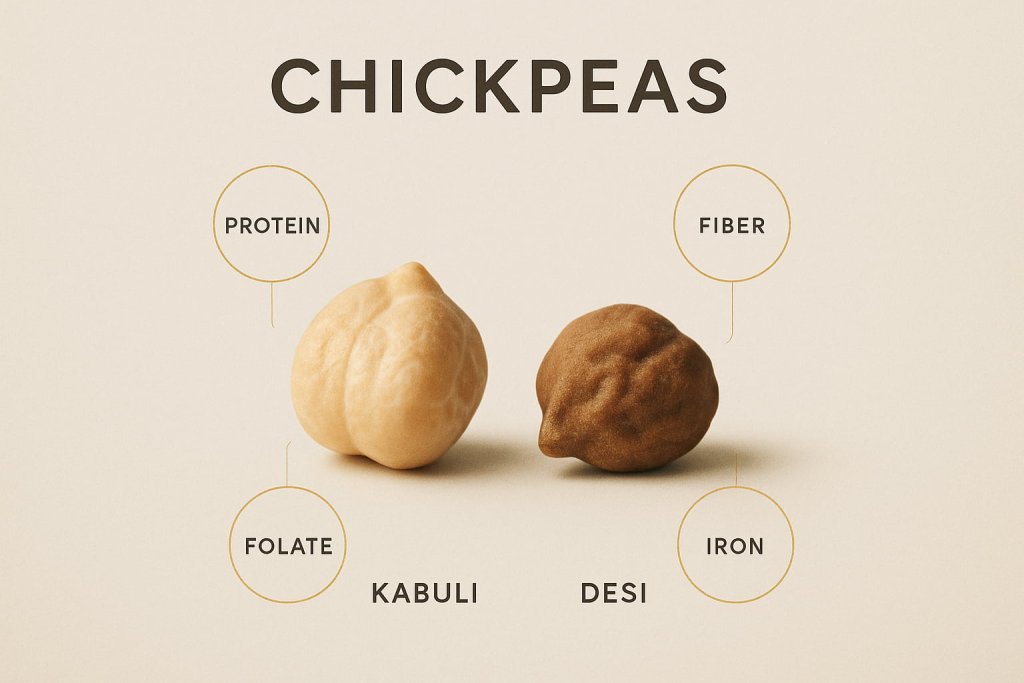
According to the USDA FoodData Central (2025 update), one cup (164 g) of cooked chickpeas provides:
| Nutrient | Amount | % Daily Value* |
|---|---|---|
| Calories | 269 kcal | — |
| Protein | 14.5 g | 29 % |
| Total Fiber | 12.5 g | 45 % |
| Total Fat | 4.2 g | 6 % |
| Carbohydrates | 45 g | 15 % |
| Folate (Vitamin B9) | 282 µg | 71 % |
| Iron | 4.7 mg | 26 % |
| Magnesium | 78.7 mg | 20 % |
| Potassium | 477 mg | 14 % |
*Percent Daily Values are based on a 2,000-calorie diet.
These nutrients contribute to chickpeas’ reputation as a nutrient-dense functional food that supports energy production, blood formation, and digestive balance. Because they offer both protein and fiber, chickpeas help promote satiety and stable blood sugar levels, making them a versatile choice for vegetarian, vegan, and omnivorous diets alike.
Authoritative sources: USDA FoodData Central, Harvard T.H. Chan School of Public Health – Legumes and Health.
10 Proven Health Benefits of Chickpeas (Backed by Science)
Chickpeas are a nutrient-dense legume offering a wide range of health-supportive benefits, from heart and gut health to long-term metabolic balance. Below are ten science-backed ways chickpeas can contribute to overall wellness, based on up-to-date nutritional research and authoritative sources.
1. Supports Heart Health
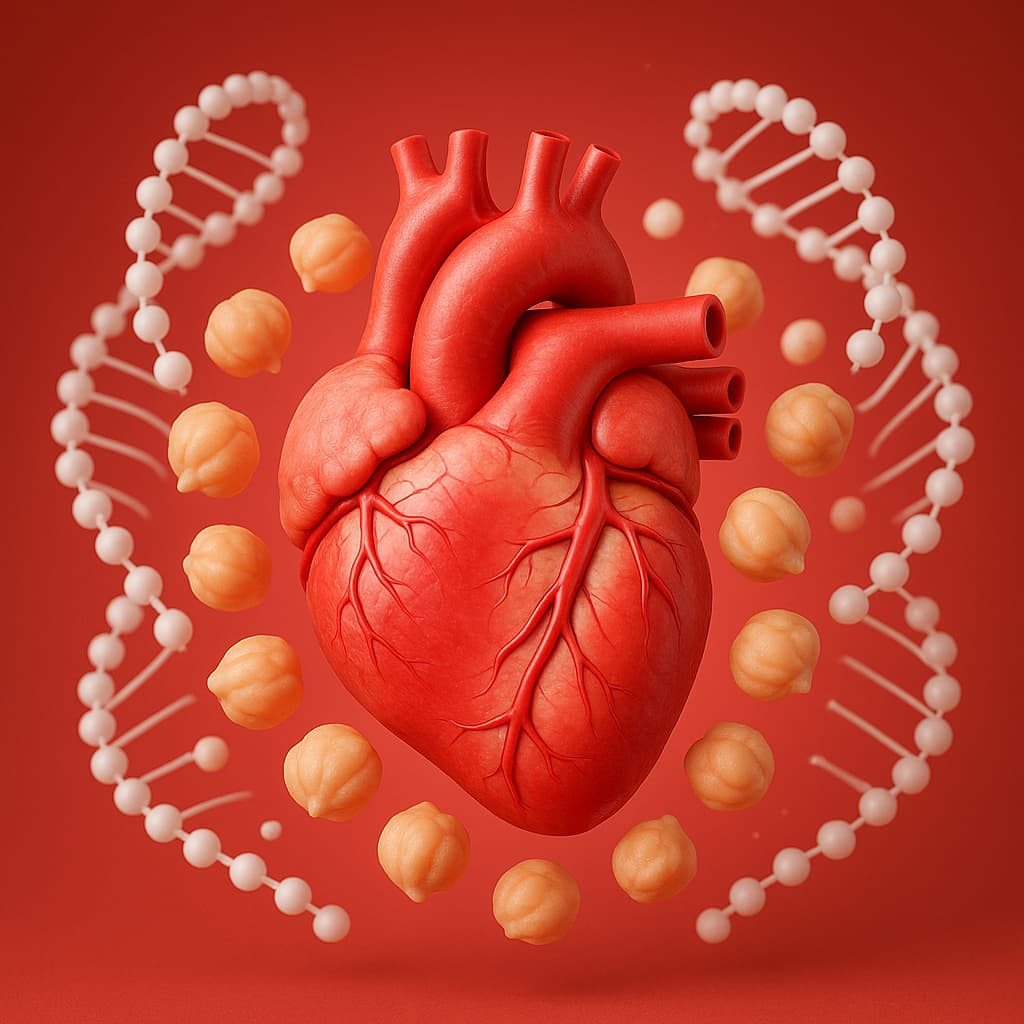
Chickpeas are rich in soluble fiber, magnesium, and potassium — key nutrients that support healthy cholesterol levels and blood pressure regulation. The soluble fiber in chickpeas binds to bile acids in the digestive tract, helping the body remove excess cholesterol naturally.
A 2025 clinical study published in the journal Nutrients found that adults who consumed one cup of chickpeas daily for 12 weeks experienced a notable reduction in total and LDL (“bad”) cholesterol levels, contributing to improved cardiovascular markers.
- Magnesium supports vascular relaxation and endothelial function.
- Potassium helps counter the effects of sodium, maintaining balanced blood pressure.
These nutrients together may help support overall heart health when chickpeas are included regularly in a balanced diet.
2. May Support Blood Sugar Control
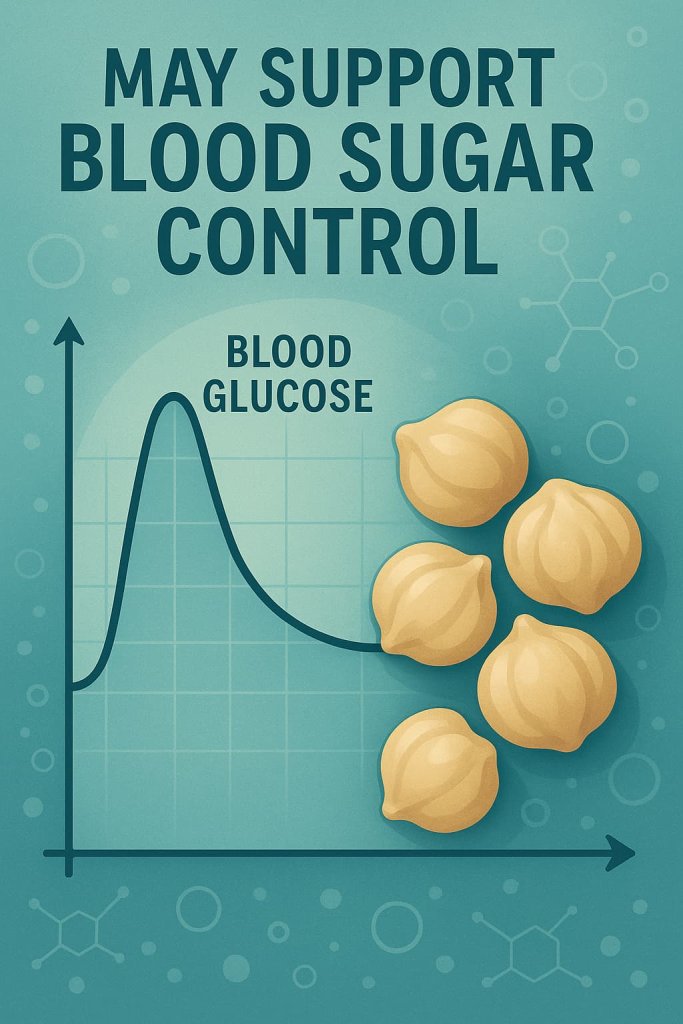
Chickpeas have a low glycemic index (GI of 28–33) and are naturally rich in resistant starch and fiber, meaning they digest slowly and release glucose gradually. This property supports steady blood sugar control and better insulin sensitivity, especially in individuals with metabolic concerns.
According to the University of Sydney’s Glycemic Index Research Service, replacing refined grains with chickpeas or other legumes may improve post-meal blood glucose responses in adults with type 2 diabetes. This makes chickpeas a smart carbohydrate choice for maintaining stable energy and metabolic balance.
3. Aids in Digestive Health
The dietary fiber in chickpeas plays a crucial role in gut microbiome balance. It nourishes beneficial bacteria such as Bifidobacteria and Lactobacillus, which produce short-chain fatty acids (SCFAs) — compounds that help maintain gut lining integrity and support immune function.
A 2023 review in Frontiers in Nutrition found that regular consumption of legumes, including chickpeas, increases SCFA production and improves overall gut microbial diversity. These effects contribute to digestive regularity and better nutrient absorption.
4. Promotes Healthy Weight Management
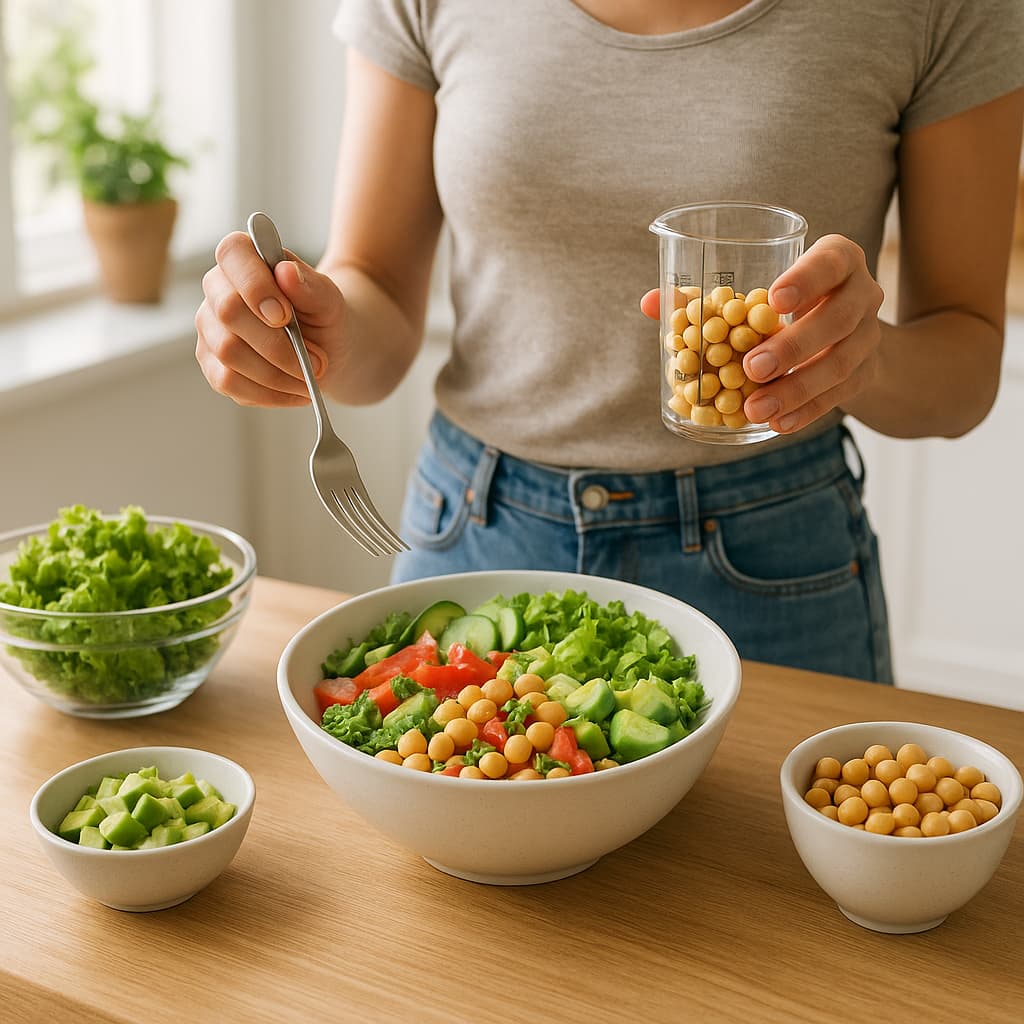
Due to their high protein and fiber content, chickpeas promote satiety — the feeling of fullness that can reduce overeating and support healthy weight management.
A 2024 meta-analysis published in Appetite found that participants who included pulses such as chickpeas in their diets experienced improved fullness and modest reductions in body weight compared to control groups.
Chickpeas’ ability to regulate appetite stems from their impact on digestive hormones like ghrelin and peptide YY, which signal hunger and satiety.
Tip: Replacing refined snacks with roasted chickpeas or adding them to salads is a satisfying way to manage calorie intake while increasing nutrient density.
5. Supports Muscle Growth and Recovery
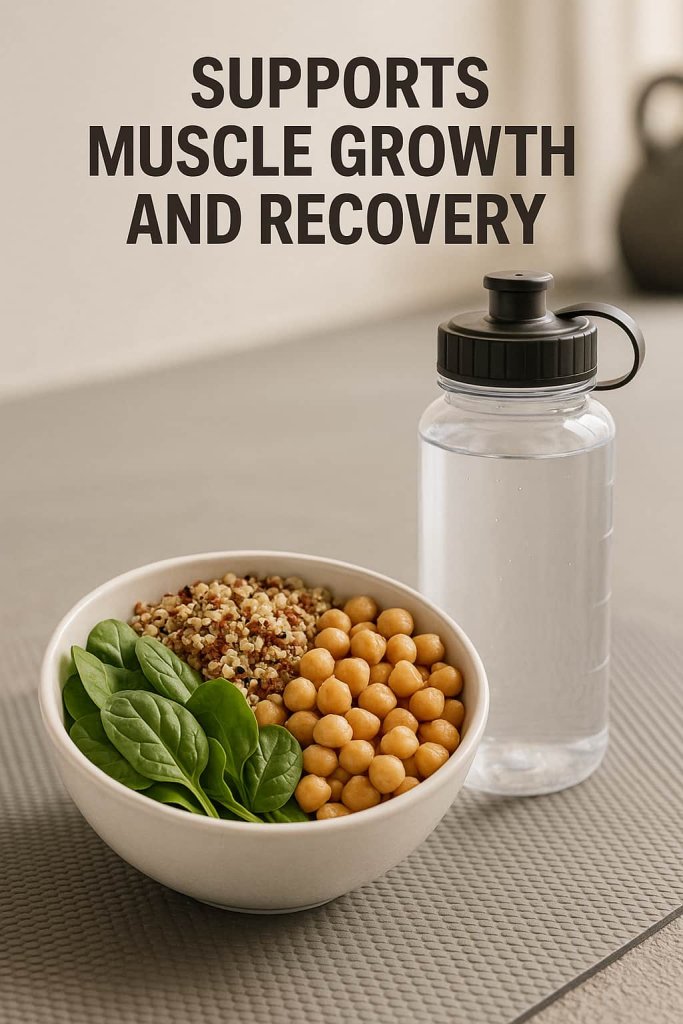
Chickpeas are an excellent plant-based protein source, providing nearly 15 grams per cooked cup. They contain amino acids such as lysine, leucine, and isoleucine, which support muscle repair and maintenance after exercise.
According to the Harvard T.H. Chan School of Public Health, plant proteins like those from chickpeas can effectively contribute to daily protein needs, especially when combined with whole grains to form a complete amino acid profile.
Athletes and plant-based eaters can benefit from including chickpeas in pre- or post-workout meals for balanced recovery nutrition.
6. May Support Bone and Cellular Health
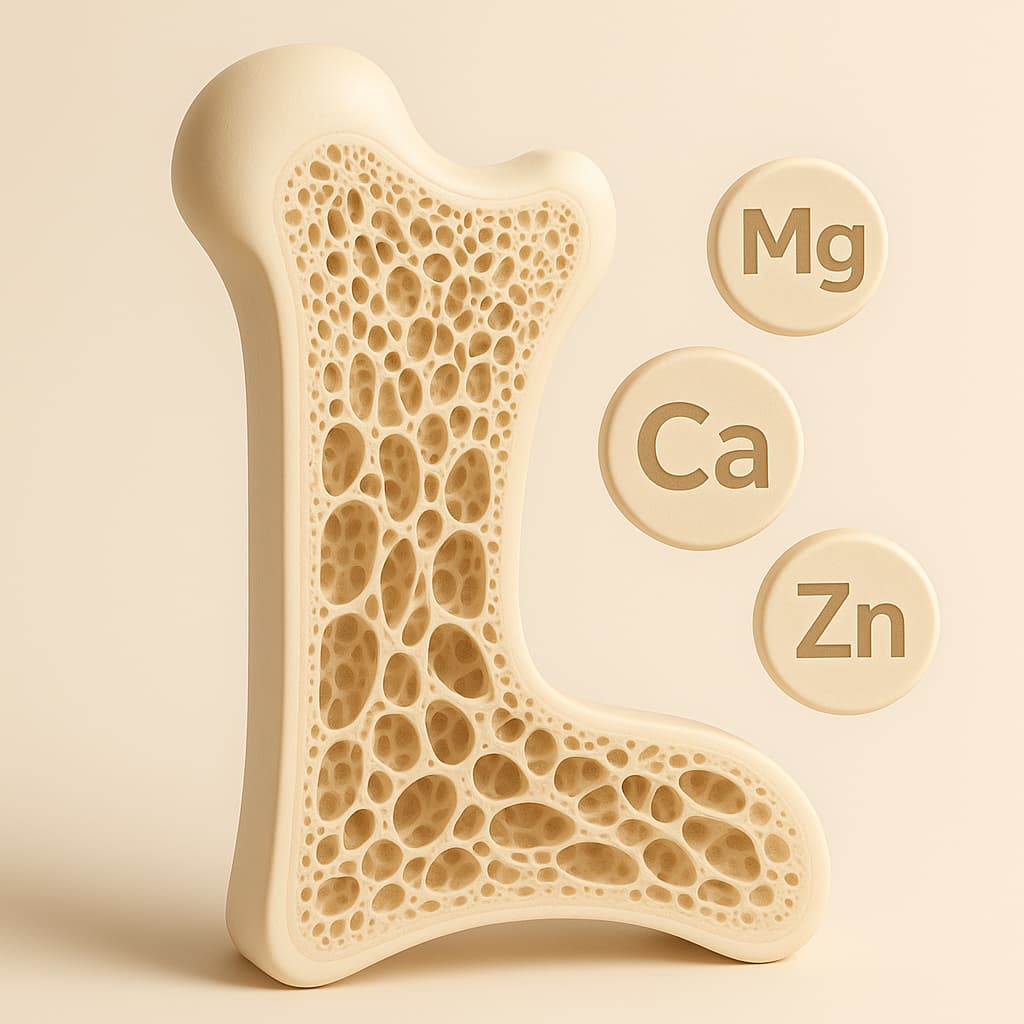
Chickpeas supply key minerals — magnesium, phosphorus, calcium, and zinc — that support bone density, cellular repair, and enzyme function. Magnesium, in particular, plays a role in over 300 enzymatic reactions in the body, including those involved in energy metabolism and nerve transmission.
A 2024 analysis by the National Institutes of Health (NIH) Office of Dietary Supplements emphasizes that adequate magnesium intake contributes to better skeletal and neuromuscular health. Including chickpeas regularly can therefore support long-term bone and cellular function.
7. Enhances Iron and Folate Intake
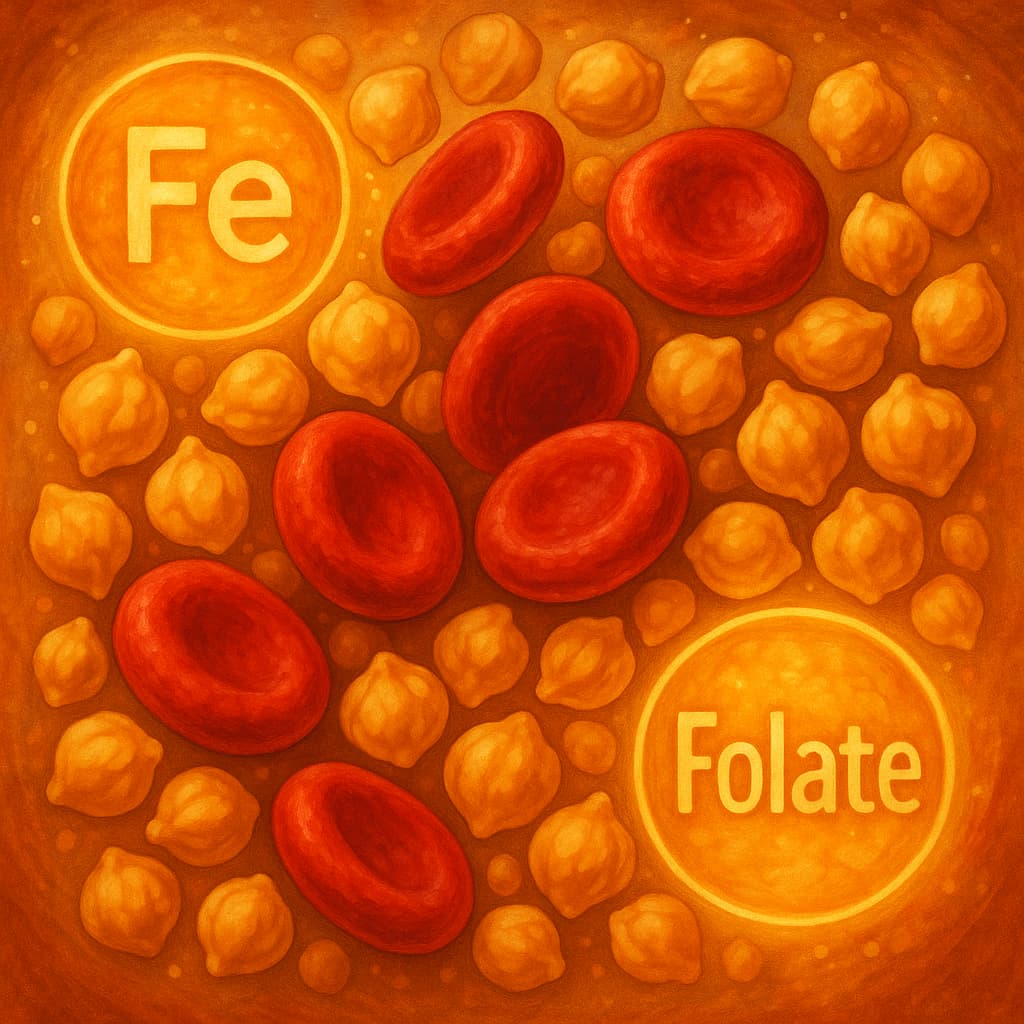
Chickpeas are rich in iron and folate, essential nutrients that support red blood cell production, oxygen transport, and DNA synthesis. One cup of cooked chickpeas provides about 25–30% of daily iron needs and over 70% of folate requirements, according to USDA FoodData Central (2025). Folate plays a crucial role in fetal neural development, making chickpeas valuable for women of reproductive age and during pregnancy. The Centers for Disease Control and Prevention (CDC) recommends folate-rich foods such as beans and chickpeas to help prevent neural tube defects.
Chickpeas contain non-heme iron, which is absorbed more efficiently when paired with vitamin C–rich foods like citrus or bell peppers. The National Institutes of Health (NIH) notes that vitamin C enhances iron absorption and supports healthy energy metabolism. Including chickpeas regularly in meals promotes iron balance, folate intake, and overall metabolic wellness.
8. May Support Gut–Brain Axis and Mood Balance
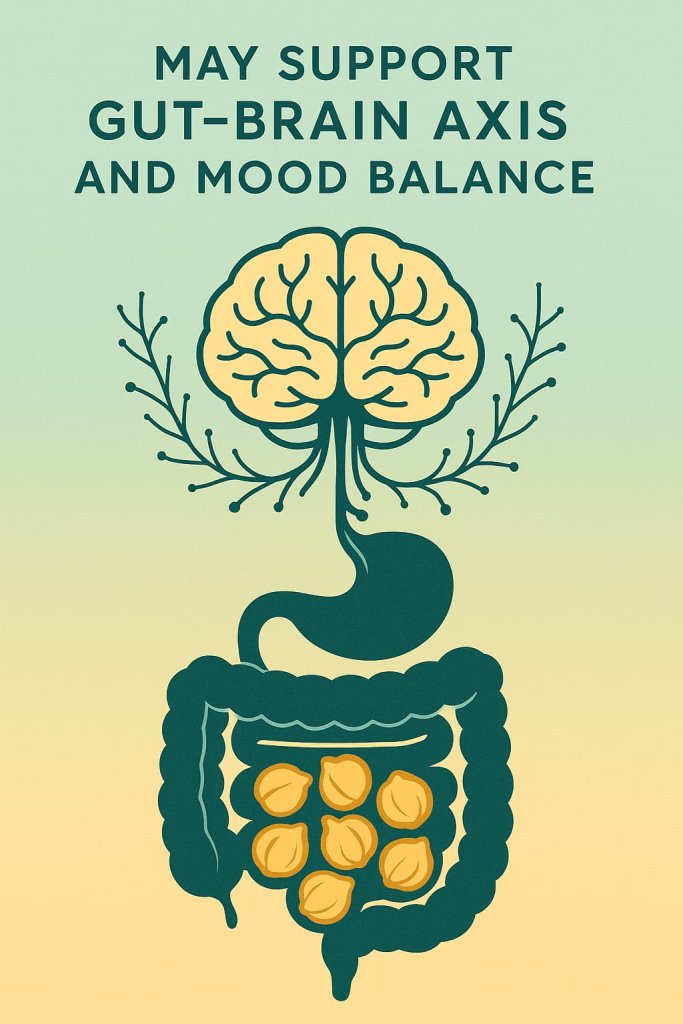
Emerging studies suggest a connection between gut health and mood regulation, often referred to as the gut–brain axis. The prebiotic fibers in chickpeas promote the growth of beneficial gut microbes that produce neuroactive compounds like serotonin precursors.
Research published in Frontiers in Psychology (2024) and Nutrients (2024) highlights that diets rich in fiber and prebiotics may support mental well-being by reducing inflammation and influencing neurotransmitter activity.
Including chickpeas in your diet may therefore support a balanced gut environment, which contributes to cognitive and emotional health.
9. Provides Antioxidants and Anti-Inflammatory Compounds
Chickpeas contain bioactive compounds such as apigenin, daidzein, and chlorogenic acid, which act as natural antioxidants. These compounds may help neutralize free radicals and support the body’s natural anti-inflammatory responses.
The Journal of Agricultural and Food Chemistry reported in 2024 that chickpeas possess notable antioxidant activity comparable to other legumes, largely due to their phenolic and flavonoid content.
Regular inclusion of chickpeas in the diet may contribute to better oxidative balance and cellular protection.
10. May Support Long-Term Disease Prevention
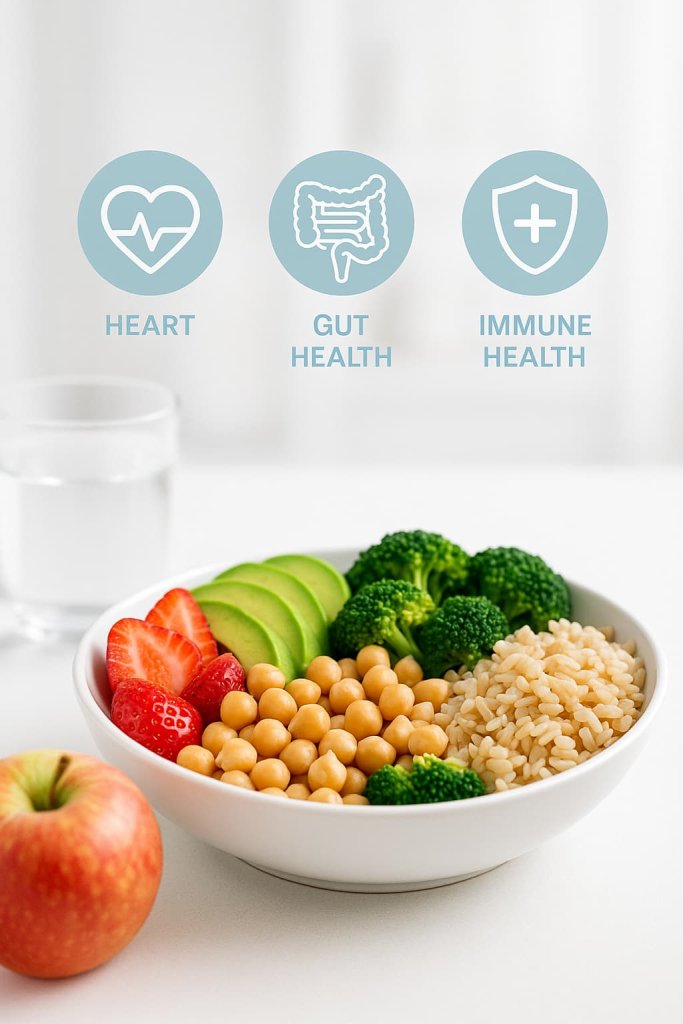
Consistent legume intake, including chickpeas, has been linked to a lower risk of chronic diseases such as cardiovascular disease, obesity, and colorectal cancer. Their fiber, resistant starch, and phytonutrient profile collectively support healthy metabolic and inflammatory balance.
The American Heart Association (AHA) and the Dietary Guidelines for Americans (2025–2030) recommend consuming legumes several times a week as part of a healthy dietary pattern for heart and metabolic health.
Possible Side Effects and Precautions
While chickpeas are generally safe and well tolerated, some people may experience digestive discomfort such as gas or bloating when introducing them for the first time. This occurs because chickpeas contain oligosaccharides, a type of fermentable fiber that can produce gas as gut bacteria break it down. To minimize this effect, soak dried chickpeas overnight and cook them thoroughly — this reduces gas-forming compounds and improves digestibility.
A small number of individuals may have legume allergies, particularly to lentils or peanuts, which can cross-react with chickpeas. Those with known allergies should consult a healthcare provider before adding chickpeas to their diet.
Chickpeas also contain antinutrients such as phytates and lectins, which can interfere with mineral absorption. However, soaking, sprouting, and cooking significantly decrease these compounds, enhancing nutrient bioavailability.
Authoritative sources:
Harvard T.H. Chan School of Public Health – Legumes and Health
National Institutes of Health – Office of Dietary Supplements
How to Incorporate Chickpeas into Your Diet
Chickpeas are incredibly versatile and can be enjoyed in countless healthy meals. Here are simple, science-based ways to include them in your daily diet:
- Salads & Bowls: Add boiled chickpeas to green salads, quinoa bowls, or grain salads for extra protein and fiber.
- Hummus & Dips: Blend cooked chickpeas with olive oil, tahini, garlic, and lemon juice for a nutrient-dense, heart-healthy dip.
- Soups & Stews: Use chickpeas in vegetable soups, curries, or stews to enhance satiety and nutrition.
- Snacks: Roast chickpeas with herbs or spices for a crunchy, high-fiber snack alternative.
- Flour Substitute: Use chickpea flour in gluten-free baking or pancake recipes.
- Nutrient Pairing: Combine with vitamin C–rich foods (like tomatoes, citrus, or bell peppers) to enhance non-heme iron absorption.
According to the Harvard School of Public Health, including legumes such as chickpeas several times a week supports balanced nutrition and long-term metabolic health.
Storage and Food Safety Tips
Proper storage ensures chickpeas maintain their quality, safety, and nutrient integrity.
- Dry Chickpeas: Store in airtight containers in a cool, dry place away from sunlight and moisture. Properly stored, they last up to 1 year.
- Cooked Chickpeas: Refrigerate in a covered container and consume within 3–4 days.
- Freezing: Cooked chickpeas can be frozen for up to 6 months; thaw in the refrigerator before use.
- Food Safety: Always use clean utensils and avoid cross-contamination with raw meats or unwashed produce.
The U.S. Food and Drug Administration (FDA) and the U.S. Department of Agriculture (USDA) both emphasize keeping legumes dry, sealed, and refrigerated after cooking to prevent bacterial growth and spoilage.
Frequently Asked Questions (FAQ)
1. Are canned chickpeas as healthy as dried ones?
Yes. Canned chickpeas retain similar nutrients, though rinsing them under water can reduce sodium by up to 40% (per Harvard Health).
2. How much chickpeas should I eat daily?
½ to 1 cup cooked per day is a healthy amount to provide fiber, protein, and key minerals without excess calories.
3. Can chickpeas support weight loss?
Yes. Their high fiber and protein content promote satiety and may support healthy weight management when part of a balanced diet.
4. Are chickpeas suitable for people with diabetes?
Yes. With a low glycemic index (GI ≈ 30), chickpeas help maintain stable blood sugar levels.
5. Can pregnant women eat chickpeas?
Absolutely. Their folate and iron content support healthy fetal development and help prevent neural tube defects (CDC).
6. How can I reduce gas from eating chickpeas?
Soak dried chickpeas overnight and rinse canned ones thoroughly before cooking to reduce fermentable carbohydrates.
7. Are chickpeas gluten-free?
Yes. Chickpeas and chickpea flour are naturally gluten-free and suitable for celiac or gluten-sensitive diets.
Conclusion
Chickpeas are a nutrient-dense, versatile legume offering high-quality plant protein, fiber, vitamins, and minerals that support heart, gut, and metabolic wellness. Incorporating chickpeas regularly into your meals — whether in salads, soups, or hummus — can help maintain balanced nutrition and long-term health.
For optimal results, pair them with a diverse diet rich in vegetables, whole grains, and healthy fats.
This content is for informational purposes only and not medical advice.