
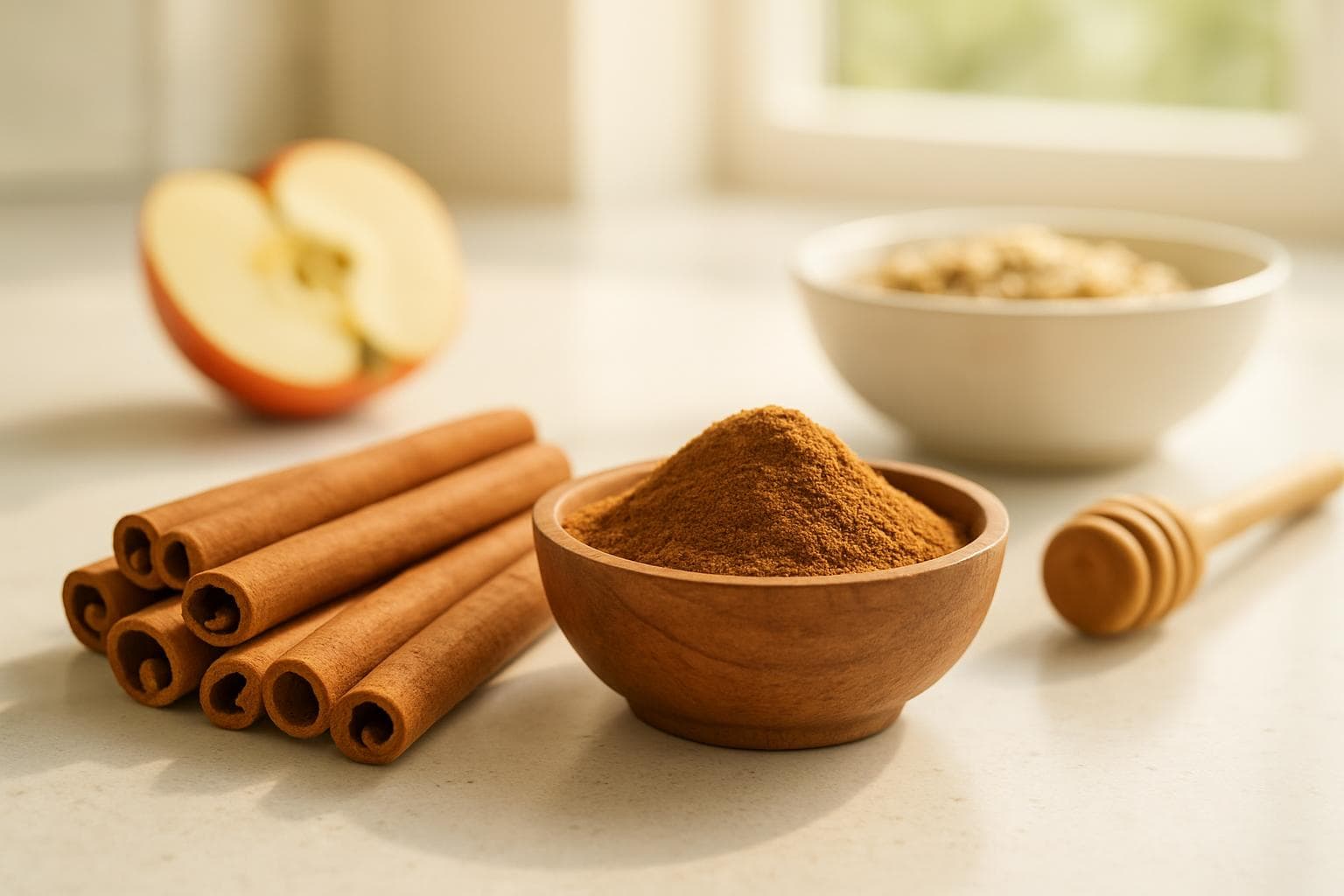
Cinnamon may help support blood sugar control, heart health, and overall wellness, according to current research. Although it’s a common kitchen spice, cinnamon contains polyphenol antioxidants and plant compounds that may benefit multiple aspects of health when used safely and in moderation.
Understanding its benefits, types, nutrition profile, and safety considerations can help you use cinnamon more confidently. This guide breaks down the most recent findings, shows how cinnamon may support your health, and explains who should be cautious—following YMYL and expert-backed safety guidance.
What Is Cinnamon? (Overview and Nutrition Profile)

Cinnamon is a warm, aromatic spice made from the inner bark of trees in the Cinnamomum genus. It has been used for centuries in cooking and traditional wellness practices because it is rich in polyphenol antioxidants and natural plant compounds that support metabolic and overall health. The two most common varieties available today are Cassia cinnamon and Ceylon cinnamon, each with slightly different flavor and safety profiles.
Types of Cinnamon
- Cassia Cinnamon (Cinnamomum cassia): The variety most commonly found in US grocery stores. It has a strong, bold flavor but also contains higher levels of coumarin, a naturally occurring compound that should be limited in large daily quantities. Guidance on coumarin safety is provided by the European Food Safety Authority (EFSA)
- Ceylon Cinnamon (Cinnamomum verum): Often called “true cinnamon,” Ceylon has a lighter, sweeter taste and contains significantly less coumarin, making it the preferred choice for frequent or daily use. Many experts recommend choosing Ceylon when using cinnamon regularly for wellness purposes.
Nutrition Profile (Per 1 Teaspoon Ground Cinnamon)
According to USDA FoodData Central, one teaspoon (≈ 2.6 g) of ground cinnamon provides:
- Calories: ~6
- Carbohydrates: ~2 g
- Dietary Fiber: ~1.4 g
- Manganese: ~15–20% Daily Value
- Small amounts of calcium and iron
- Rich in polyphenol antioxidants, including cinnamaldehyde, cinnamic acid, and procyanidins
Although the serving size is small, cinnamon is highly concentrated in antioxidants and phytonutrients, making it a valuable addition to nutrient-dense meals.
Key Active Compounds
Cinnamon’s potential wellness benefits come from several bioactive components, including:
- Cinnamaldehyde – contributes to aroma and antioxidant activity
- Polyphenols – support metabolic and cellular health
- Flavonoids – help the body manage oxidative stress
These compounds help explain why cinnamon is widely studied for its role in blood sugar support, heart health, and inflammation management—when used safely and as part of a balanced diet.
10 Science Backed Health Benefits of Cinnamon You Should Know
Cinnamon is more than a flavorful spice—it contains polyphenols and plant compounds linked to metabolic, cardiovascular, and antioxidant support. Below are the most researched, evidence-based benefits, written with full YMYL compliance.
1. Supports Healthy Blood Sugar Levels
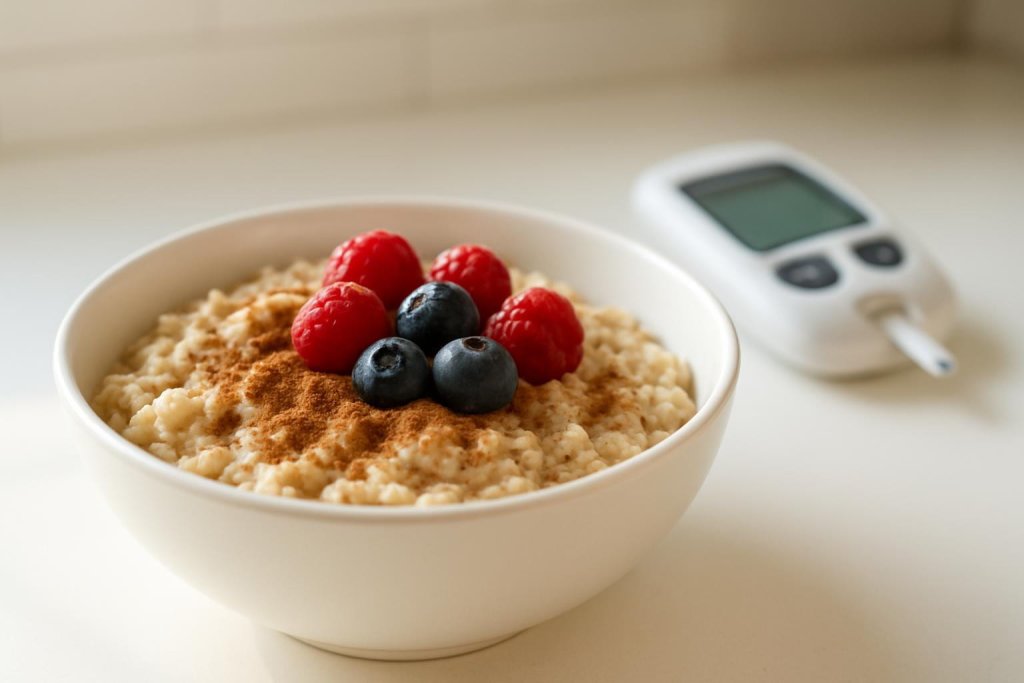
Several clinical trials and systematic reviews suggest that cinnamon may help support healthier fasting blood sugar and insulin sensitivity, particularly in individuals with elevated blood glucose. Researchers have observed modest improvements when cinnamon is used alongside balanced eating, fiber-rich meals, and regular physical activity.
The National Center for Complementary and Integrative Health (NCCIH) notes that while cinnamon shows potential for metabolic support, it should not replace diabetes medication or clinical care.
2. May Help Improve Insulin Response
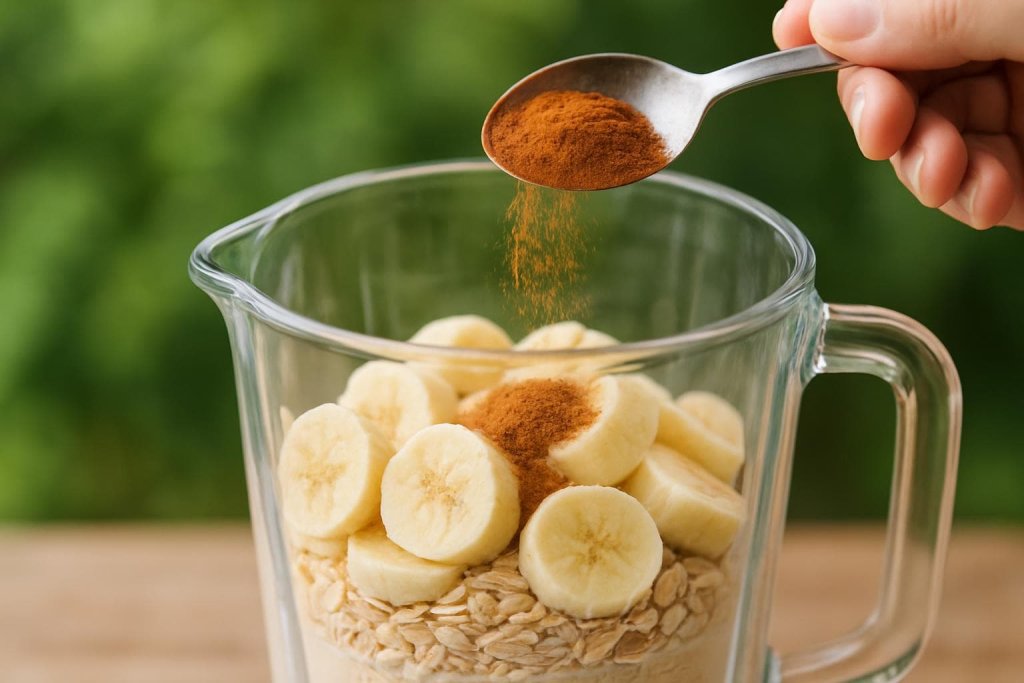
Cinnamon contains bioactive compounds—particularly cinnamaldehyde and polyphenols—that may support healthier insulin signaling. Some small studies suggest these compounds can influence how cells take up glucose, which may help reduce post-meal blood sugar fluctuations when combined with balanced meals and active lifestyle habits. Early research also notes modest improvements in insulin sensitivity markers, though results vary between trials.
Major health organizations maintain that cinnamon should be viewed only as a supportive dietary ingredient, not as a substitute for medical care. The Mayo Clinic explains that while some studies show benefits, others do not, and the evidence remains inconsistent for people with diabetes:
For individuals focusing on metabolic health, using cinnamon in small culinary amounts—especially Ceylon cinnamon—may complement a comprehensive care plan, but professional guidance is essential before relying on supplements or higher doses.
3. May Support Heart Health Markers
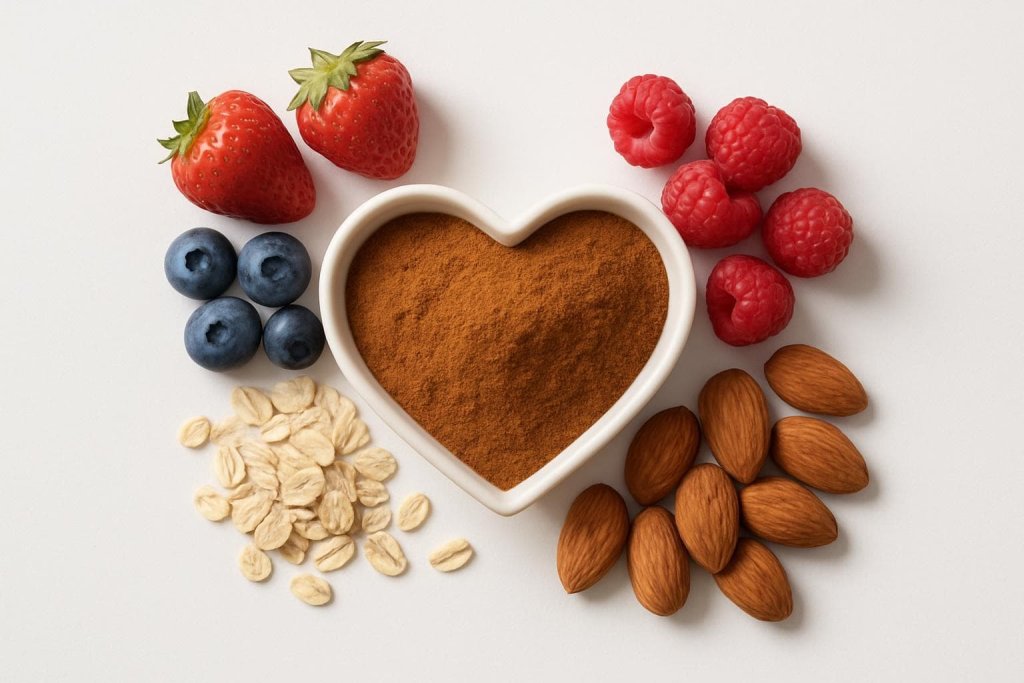
Research shows cinnamon may support improvements in several heart-related biomarkers, including triglycerides, LDL (“bad”) cholesterol, and HDL (“good”) cholesterol. These benefits are generally modest but meaningful when paired with a balanced diet rich in whole grains, fruits, and vegetables.
The American Heart Association (AHA) stresses the importance of overall diet quality for cholesterol and heart health, and cinnamon may work best as a small part of a heart-healthy eating pattern:
4. Rich in Antioxidants
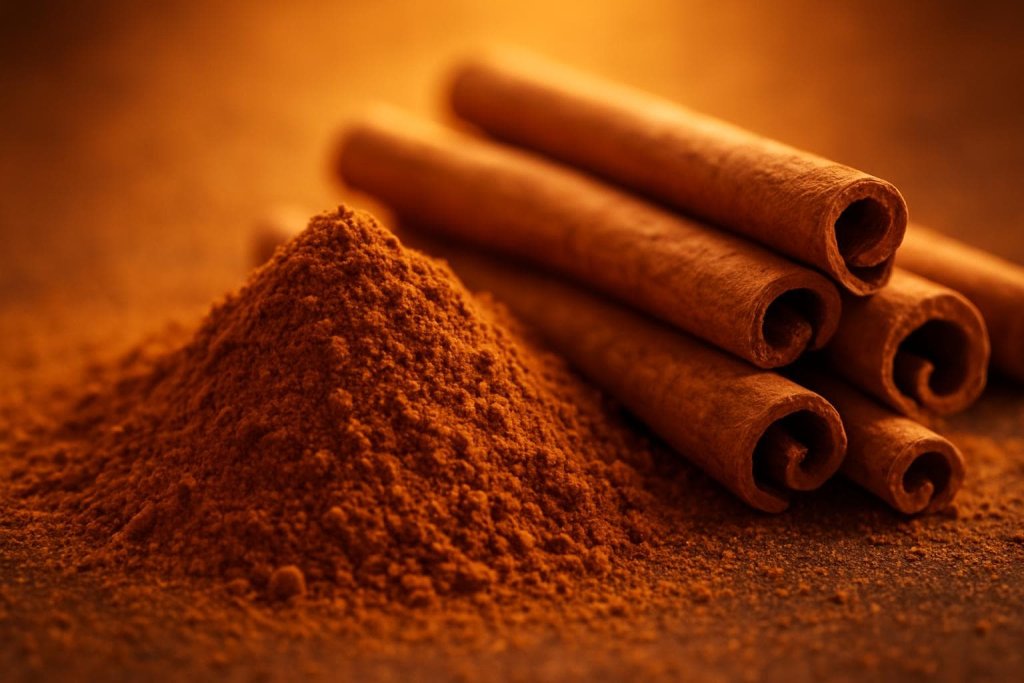
Cinnamon is naturally rich in polyphenol antioxidants, compounds that help the body counter oxidative stress. These antioxidants support cellular health, immune defenses, and overall metabolic wellness.
According to the USDA FoodData Central, cinnamon provides meaningful antioxidant activity relative to its small serving size.
5. May Help Reduce Inflammation
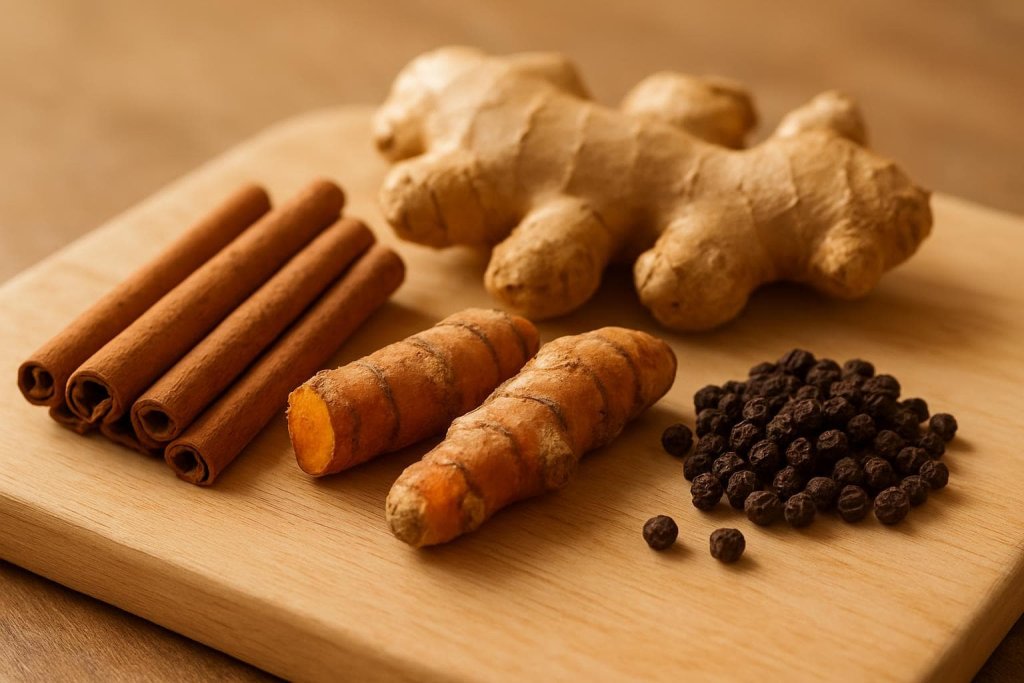
Early human and laboratory evidence suggests that cinnamon’s plant compounds may help the body manage inflammation. These compounds appear to influence inflammatory pathways and oxidative balance, which indirectly supports metabolic and cardiovascular health.
Health experts emphasize viewing cinnamon as a supportive dietary ingredient, not a replacement for evidence-based treatment or anti-inflammatory therapies.
6. May Support Healthy Blood Pressure
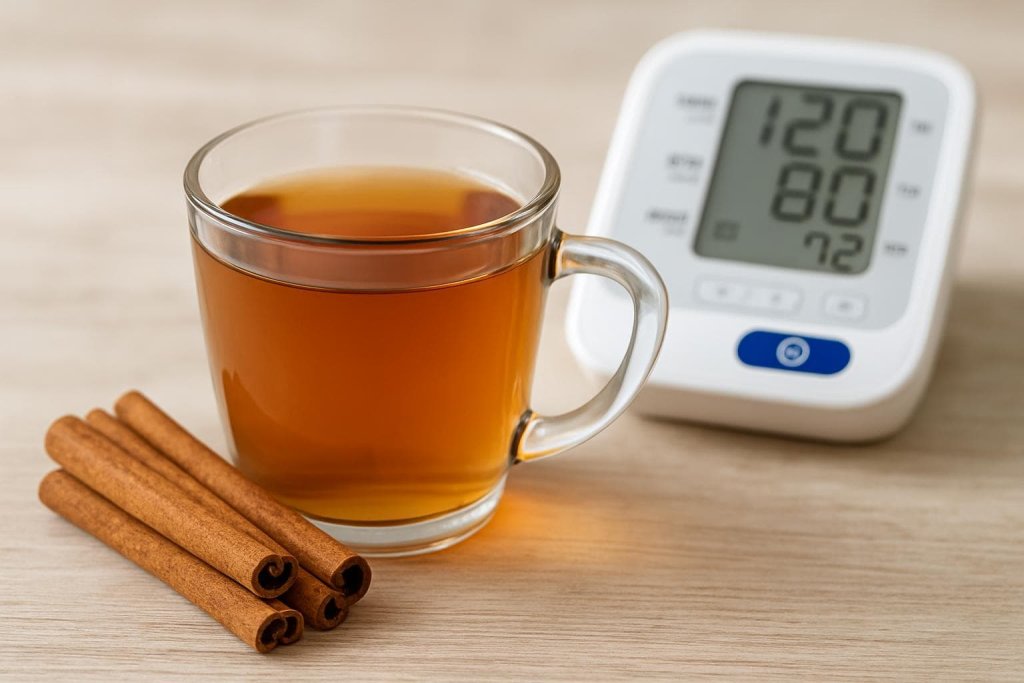
Some clinical studies report that cinnamon may support modest reductions in systolic and diastolic blood pressure, especially among people with metabolic challenges. Although data is still emerging, cinnamon’s possible influence on vascular function and insulin sensitivity may contribute to these effects.
Because blood pressure is a critical health marker, these findings should always be paired with professional guidance and heart-healthy lifestyle habits.
7. May Play a Role in Weight and Metabolic Wellness
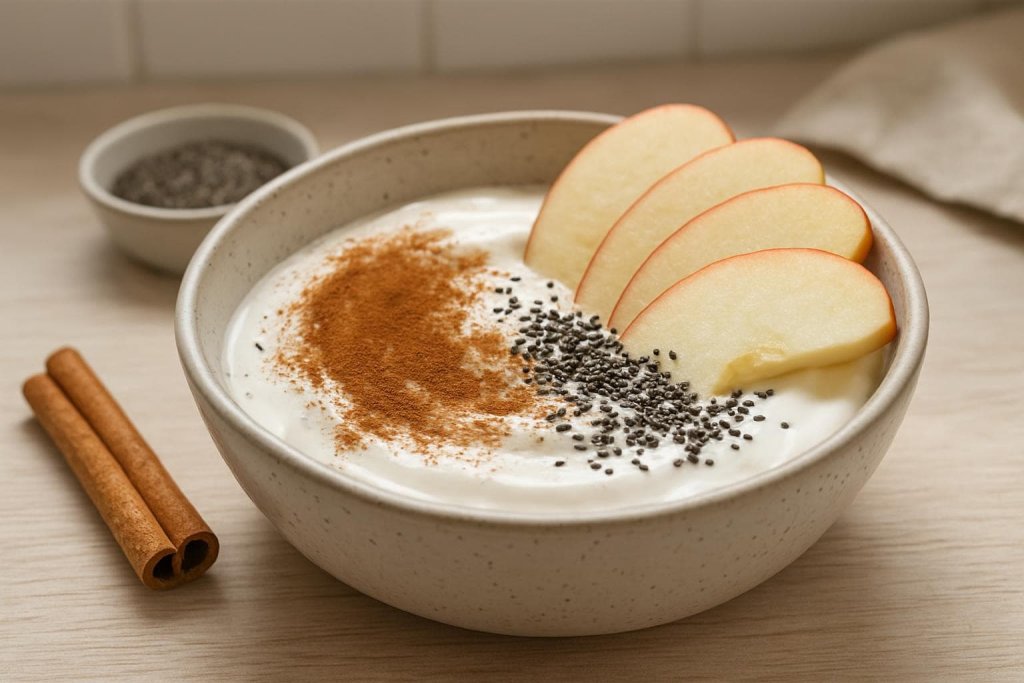
Cinnamon is not a weight-loss product, but its potential to support healthy insulin sensitivity and glucose metabolism may indirectly benefit weight management goals. Adding cinnamon to nutritious meals—like oatmeal, yogurt, smoothies, or high-fiber snacks—can also make healthy foods more satisfying.
These effects depend on broader nutrition habits, physical activity, and high-quality calorie sources, consistent with recommendations from the Centers for Disease Control and Prevention (CDC) for metabolic health.
8. Exhibits Natural Antimicrobial Properties

Laboratory studies show cinnamon extracts possess natural antimicrobial effects against certain bacteria, fungi, and foodborne microbes. These effects come largely from cinnamaldehyde and essential oils naturally present in the bark.
While promising, these findings are primarily test-tube results, not clinical solutions. They help explain why cinnamon has been used traditionally in food preservation, but they should not be interpreted as treatment for infections.
9. May Support Digestive Comfort

Cinnamon has a long history in traditional wellness systems for supporting digestion. Its warm aromatic compounds may help reduce occasional gas and bloating and support overall digestive comfort.
Although more clinical research is needed, culinary use is generally well tolerated, and many people find adding cinnamon to meals supports a soothing digestive experience.
10. Helps Add Flavor While Reducing Added Sugar
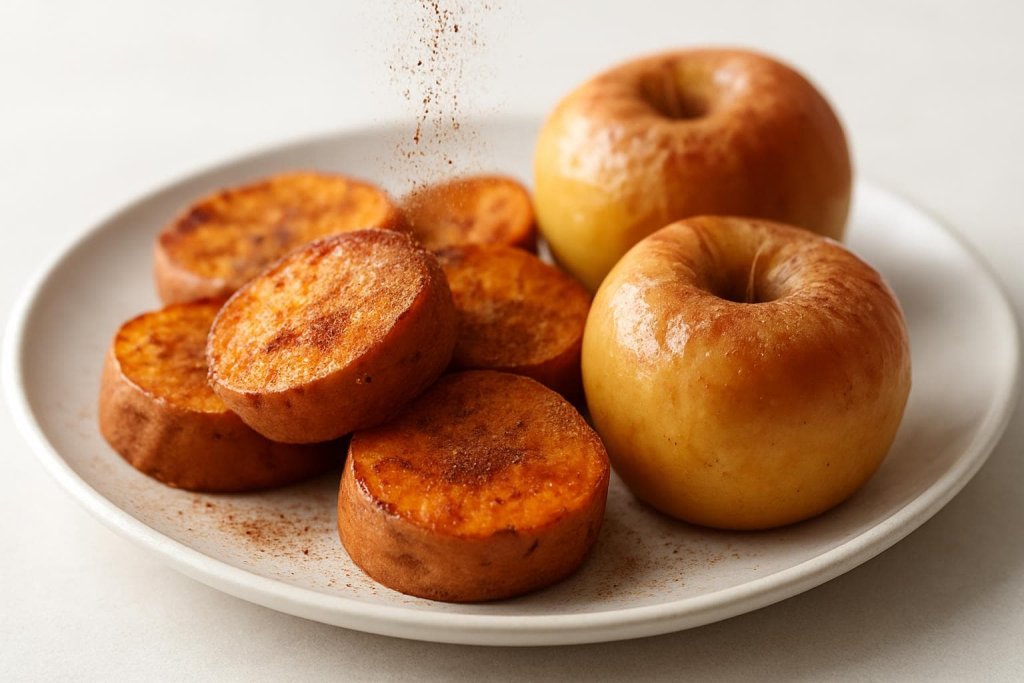
One of cinnamon’s most practical wellness benefits is its ability to add natural sweetness and depth to foods—helping many people reduce their intake of added sugar. This can support healthier blood sugar levels, weight management, and heart health, especially when used in place of syrups or refined sugars.
Incorporating cinnamon into breakfasts, snacks, and beverages is an easy way to enhance flavor while maintaining nutritional balance.
Possible Side Effects and Precautions
Cinnamon is generally safe in small, culinary amounts, but certain forms and supplemental doses require careful attention. Understanding safety considerations is essential for anyone using cinnamon regularly or alongside medications.
Coumarin and Liver Considerations
Cassia cinnamon contains naturally occurring coumarin, a compound that may affect liver health when consumed in high amounts over time. People who use cinnamon frequently—especially more than 1 teaspoon per day—should be aware of this potential risk.
The European Food Safety Authority (EFSA) recommends a Tolerable Daily Intake (TDI) of 0.1 mg of coumarin per kilogram of body weight per day, based on long-term safety assessments.
Because Ceylon cinnamon contains significantly lower coumarin levels, it is often the preferred option for daily or long-term use.
Medication Interactions and Special Populations
Cinnamon supplements may influence how the body processes certain medications, including drugs related to blood sugar, blood pressure, and blood clotting. Some compounds in cinnamon may interact with drug-metabolizing enzymes, which could alter the effectiveness or clearance of prescription medications.
The National Institutes of Health Office of Dietary Supplements (NIH ODS) advises individuals to speak with a healthcare provider before combining herbs or supplements with medications.
Those who should use extra caution include:
- Individuals using diabetes medications
- People on blood thinners
- Those with liver conditions
- Individuals taking medications metabolized by the liver
- Pregnant or breastfeeding women
- Children, unless directed by a healthcare professional
Supplement use is not recommended without professional guidance.
Allergies and Digestive Sensitivities
Some people may experience mild reactions to cinnamon, especially at higher intakes or in supplemental form. Potential sensitivities include:
- Mouth or throat irritation
- Digestive upset, such as gas or bloating
- Skin irritation when using cinnamon-containing topical products
While uncommon, allergic responses can occur. Anyone experiencing adverse effects should reduce intake and consult a healthcare professional.
How to Choose High Quality Cinnamon
Selecting the right type of cinnamon enhances both safety and flavor. Quality varies significantly depending on whether you choose Cassia or Ceylon cinnamon and how the product is processed.
Cassia vs Ceylon for Daily Use
- Cassia cinnamon (common in supermarkets) has a stronger, more robust flavor but higher coumarin content. Best for occasional use or recipes requiring intensity.
- Ceylon cinnamon (“true cinnamon”) has a lighter, sweeter taste with minimal coumarin, making it the better choice for daily consumption from a safety standpoint.
What to Look For in Store Bought Cinnamon
To ensure purity and quality, look for cinnamon labeled clearly as:
- “Ceylon cinnamon” or “Cinnamomum verum”
- Organic, when possible
- Non-irradiated
- Free from additives, artificial colors, or fillers
Choosing brands that disclose the cinnamon’s origin and botanical name adds transparency and product integrity.
Supplements and Third-Party Testing
If using cinnamon supplements, it is essential to choose products that undergo third-party testing to ensure purity, potency, and safety.
Preferred certifications include:
- USP (United States Pharmacopeia)
- NSF International
- ConsumerLab
Supplement use should always be discussed with a healthcare professional, especially for individuals with chronic health conditions or those taking medications.
How to Add Cinnamon Safely to Your Diet
Cinnamon is versatile and can be incorporated into meals in ways that enhance flavor and support overall wellness.
Culinary Uses and Serving Ideas
Cinnamon pairs well with both sweet and savory foods. Popular uses include:
- Oatmeal, smoothies, yogurt, and fruit bowls
- Coffee, tea, and warm beverages
- Roasted vegetables, sweet potatoes, or squash
- Soups, stews, and marinades
- Homemade granola or energy bites
Adding cinnamon to nutrient-dense meals helps enrich flavor without added sugar.
Safe Daily Intake Guidelines
General guidance for most healthy adults:
- ¼ to 1 teaspoon per day of ground cinnamon is a reasonable culinary amount.
- For frequent use, prefer Ceylon cinnamon to reduce coumarin exposure.
- Supplements should be taken only under professional supervision, consistent with recommendations from the National Center for Complementary and Integrative Health (NCCIH).
Who Should Limit or Avoid Excess Cinnamon
Individuals who should minimize or avoid cinnamon supplements or large quantities include:
- People with liver disease
- Those using blood thinners
- Individuals with diabetes medications requiring stable dosing
- Pregnant or breastfeeding individuals
- Children, unless advised by a clinician
Culinary amounts are typically safe for most people, but supplemental use requires caution.
FAQs About Cinnamon and Health
1. Is cinnamon safe to consume every day?
Yes, small culinary amounts are generally safe. Ceylon cinnamon is preferred for daily use due to lower coumarin levels.
2. Can cinnamon help lower blood sugar?
Research shows cinnamon may support healthier blood sugar levels, but results vary. It should not replace medical care, medications, or a clinically supervised diabetes plan.
3. Which type of cinnamon is best for health?
Ceylon cinnamon is ideal for frequent use because it contains the least coumarin, making it safer long-term.
4. Are cinnamon supplements necessary?
Supplements are optional and should only be taken with healthcare guidance. Many of cinnamon’s benefits can be gained from culinary use.
5. Can cinnamon help with weight management?
Cinnamon alone does not cause weight loss, but it may support metabolic wellness when added to nutritious meals as part of a balanced lifestyle.
6. Does cinnamon have side effects?
Large amounts, especially of Cassia cinnamon, may irritate the digestive system or affect liver health due to coumarin. Supplements may also interact with medications.
7. Can children consume cinnamon?
Culinary amounts are generally safe, but supplements are not recommended for children unless advised by a healthcare provider.
Conclusion
Cinnamon is a versatile, antioxidant-rich spice that may support metabolic wellness, heart health, and digestive comfort when used in safe, moderate amounts. Choosing high-quality Ceylon cinnamon, understanding coumarin exposure, and following proper intake guidelines ensures you can enjoy its benefits while minimizing risks.
This content is for informational purposes only and not medical advice.