
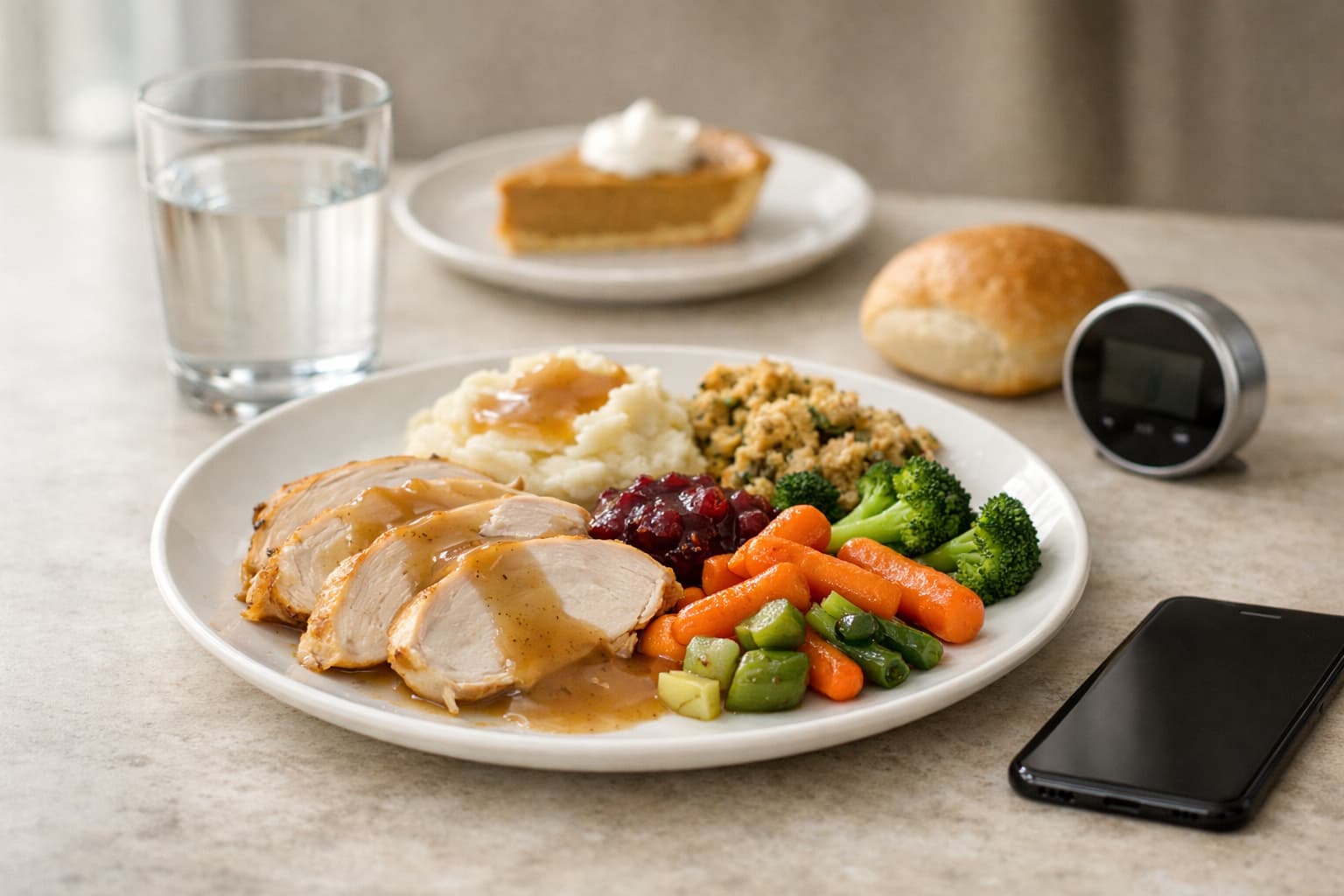
Turkey doesn’t uniquely make you sleepy. The “turkey coma” is mostly about eating a large, carb-heavy meal (often with alcohol), not something special in turkey itself. Turkey does contain tryptophan, but a normal serving isn’t considered enough on its own to explain why people feel drowsy after a big holiday plate.
The turkey sleepiness myth in one sentence
Turkey has tryptophan, but turkey isn’t meaningfully more “sleep-inducing” than many other protein foods, and the bigger driver is the overall meal size and composition. According to the National Library of Medicine (MedlinePlus), tryptophan is used to help make serotonin and melatonin, but that doesn’t mean turkey automatically makes you sleepy right after dinner.
What tryptophan does and why it gets blamed
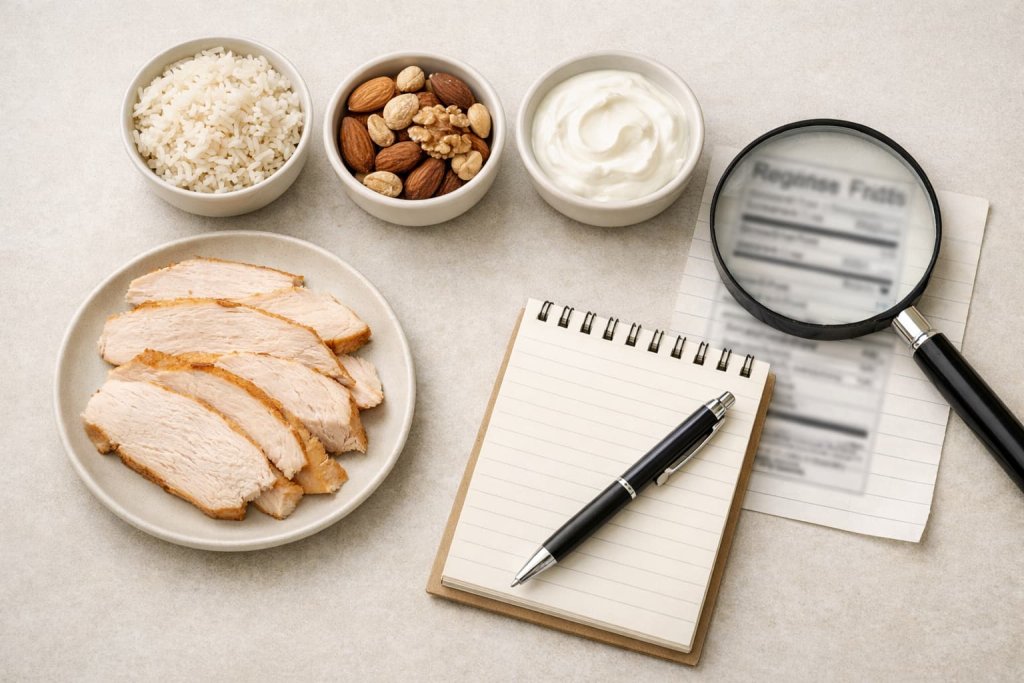
Tryptophan is an essential amino acid that your body uses in pathways related to sleep and mood regulation. The leap people make is: “tryptophan → sleep chemicals → turkey makes you sleepy.”
What’s missing is the real-world step in the middle: how much tryptophan reaches the brain depends on what else you ate with it, because many amino acids compete for transport.
It also helps to keep the amount in perspective. USDA FoodData Central data shows that a cooked roasted turkey-breast serving (about 170 g) contains roughly 488 mg of tryptophan—and turkey isn’t the only food that contains it. This is one reason the “turkey alone causes instant sleepiness” explanation doesn’t hold up well in real life.
Why you feel sleepy after eating turkey dinner
Post-meal sleepiness has a real name: postprandial somnolence (often called a “food coma”). According to the Cleveland Clinic, sleepiness typically increases after eating and often peaks about 1–2 hours after a meal, especially after larger, higher-energy meals.
Large meals can trigger post-meal drowsiness
A big holiday meal takes time and energy to digest. Even without any “special” ingredient, many people feel sluggish after overeating. Harvard Health Publishing points to the overall feast pattern as a major reason people get sleepy after holiday meals.
Carb-heavy sides can amplify the “sleepy” effect
There’s a well-known hypothesis that higher-carbohydrate meals can change amino-acid balance in the blood in a way that may increase tryptophan availability to the brain, potentially supporting serotonin/melatonin pathways. A peer-reviewed review in Frontiers in Nutrition explains this proposed mechanism and evaluates how diet composition may influence sleepiness.
In plain English: it’s often the stuffing, mashed potatoes, rolls, sweet desserts, and sugary drinks—combined with a large total meal—doing the heavy lifting.
Alcohol makes the “turkey sleepy” story feel true
Alcohol can increase drowsiness on its own and can worsen post-meal fatigue for many people. If wine, beer, or cocktails are part of the meal, they can easily become the biggest reason you want a nap afterward.
Holiday context matters (sleep debt and routine changes)
Thanksgiving-style meals don’t happen in a vacuum. Many people are running on less sleep, traveling, eating at unusual times, and sitting more than usual. Those factors can make any large meal feel more sedating—so the timing can make the “turkey did it” story feel true even when the bigger drivers are sleep debt and the size of the overall feast.
Turkey isn’t special compared with other proteins
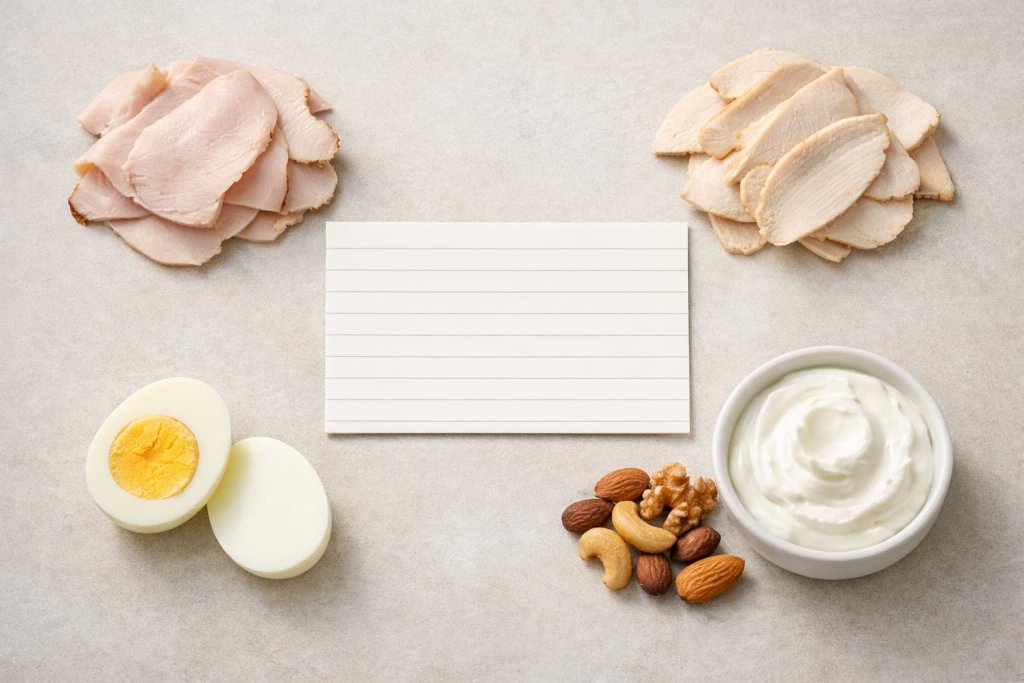
If tryptophan were the whole story, then chicken, beef, dairy, nuts, and other foods would “knock you out” just as reliably. That’s one reason experts often call the turkey-only explanation a myth. A university explainer from UNC Charlotte notes that turkey doesn’t stand out dramatically from other common foods for tryptophan, and that protein foods also come with other amino acids that compete in absorption and transport.
Myth vs reality table
| Claim | What the evidence supports |
|---|---|
| “Turkey makes you sleepy because it’s full of tryptophan.” | Turkey contains tryptophan, but normal portions aren’t considered uniquely sedating. Meal size and carb load matter more. |
| “If I skip turkey, I won’t get sleepy.” | You may still feel sleepy if the meal is large, carb-heavy, and/or includes alcohol. |
| “The sleepiness is all in your head.” | Post-meal drowsiness is common and real—but usually explained by overall meal patterns and lifestyle factors (sleep debt, stress, travel). |
How to avoid getting sleepy after a turkey meal
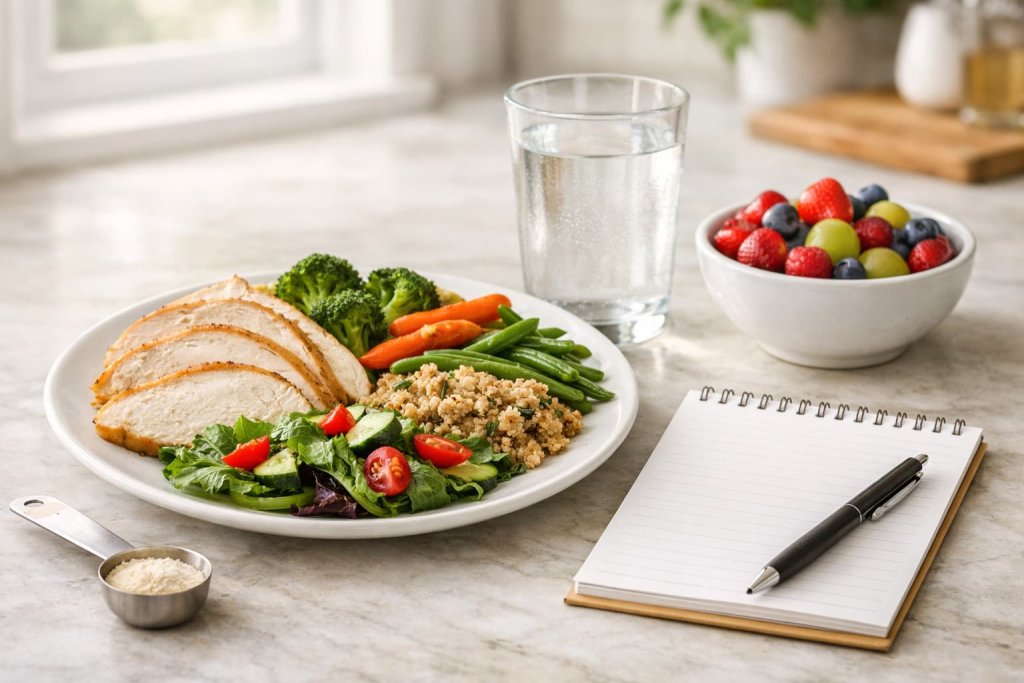
Build a more balanced plate
If you want energy after eating, aim for:
- A moderate turkey portion
- Plenty of non-starchy vegetables
- Smaller servings of refined carbs and sugary desserts
- Water alongside the meal
Don’t arrive starving
Long gaps between meals make it easier to overeat quickly. A small, protein-and-fiber snack earlier can reduce the “I ate everything” effect.
Take a short walk after eating
Light movement after a meal can help many people feel more alert. The Pennington Biomedical Research Center highlights that a brief post-meal walk may help reduce post-meal blood sugar spikes and support steadier energy.
Keep alcohol modest (or delay it)
If staying alert matters (driving home, hosting, cleaning up), consider limiting alcohol or having it later with food already settled.
When sleepiness after eating could mean something else
Occasional drowsiness after a heavy meal is common. But if you regularly feel wiped out after normal meals—especially with symptoms like shakiness, dizziness, heart racing, or confusion—it’s worth discussing with a clinician. People with diabetes, reactive hypoglycemia concerns, or other metabolic issues may need individualized guidance.
If post-meal fatigue is frequent, intense, or new for you, it can also be worth asking about broader causes. Cleveland Clinic notes that larger meals can worsen fatigue for some people and that more balanced meals may help—but persistent symptoms should be discussed with a clinician, especially if they affect daily functioning.
People Also Ask about does turkey make you sleepy
Does turkey have something in it that makes you tired?
Turkey contains tryptophan, which is involved in making serotonin and melatonin, but tryptophan alone doesn’t explain post-meal drowsiness in typical serving sizes.
Why do I get so sleepy after Thanksgiving dinner?
Most people eat more total food than usual, with more refined carbs and often alcohol. That combination is strongly linked with feeling sluggish afterward.
Does tryptophan from food work like a sleep supplement?
Food and supplements aren’t the same in practice. The way tryptophan affects the brain depends on meal composition and competing amino acids, so the “one ingredient = instant sleep” idea doesn’t hold up well for typical meals.
Is turkey more sleepy than chicken?
Not in any consistent, meaningful way for most people. Many proteins contain tryptophan and other amino acids that affect absorption and transport.
How can I avoid the food coma but still enjoy the meal?
Keep portions moderate, balance carbs with fiber-rich vegetables, go easy on alcohol, and take a short walk after eating.
FAQ
Is the turkey tryptophan myth completely false?
It’s oversimplified. Tryptophan is real and involved in sleep-related pathways, but turkey isn’t uniquely sedating, and the meal context matters more.
How much turkey would you have to eat to feel sleepy from tryptophan alone?
Most people would need an unrealistically large amount for tryptophan alone to explain strong drowsiness. In real life, the full meal pattern is the bigger factor.
Do carbs make everyone sleepy after meals?
No. Some people are more sensitive than others, and factors like sleep debt, stress, alcohol, and meal size change the effect.
Does a post-meal walk really help?
For many people, light movement can support steadier energy and reduce that “crash” feeling.
What’s the best way to build a Thanksgiving plate for energy?
Moderate turkey, lots of vegetables, smaller servings of refined carbs and desserts, and water. Add a brief walk afterward.
Can poor sleep the night before make the “turkey sleepies” worse?
Yes. If you’re already sleep-deprived, a large meal can make drowsiness feel stronger.
Conclusion
Turkey doesn’t have a magical “sleep switch.” If you feel sleepy after eating turkey, it’s usually because the meal is large, carb-heavy, and sometimes paired with alcohol—plus the reality that holidays often come with stress and less sleep. If you want to enjoy the food without the crash, keep portions moderate, balance your plate, and take a short walk after eating.
This content is for informational purposes only and not medical advice.