
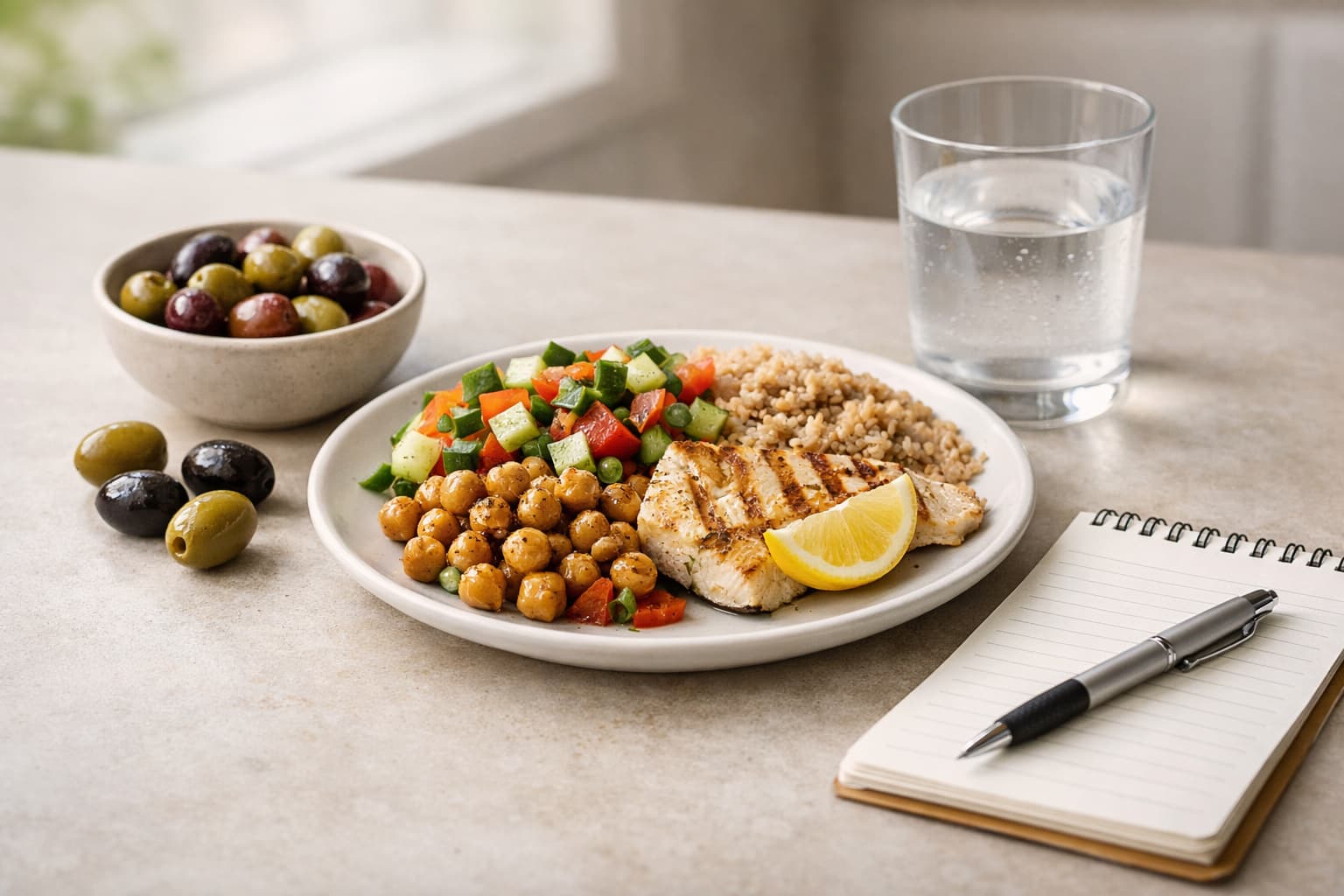
Yes, olives can be good for you when eaten in reasonable portions. They provide mostly unsaturated fat and some vitamin E, iron, copper, and fiber, and they fit well in Mediterranean-style eating patterns. The main downside is that most olives are cured or packed in brine, so they can be high in sodium.
That is why olives can be a smart food in the right portion, but not something to eat mindlessly straight from the jar. If you understand the benefits, the sodium issue, and how to choose portions, olives can fit into a healthy eating pattern more easily.
Quick Olive Nutrition Snapshot
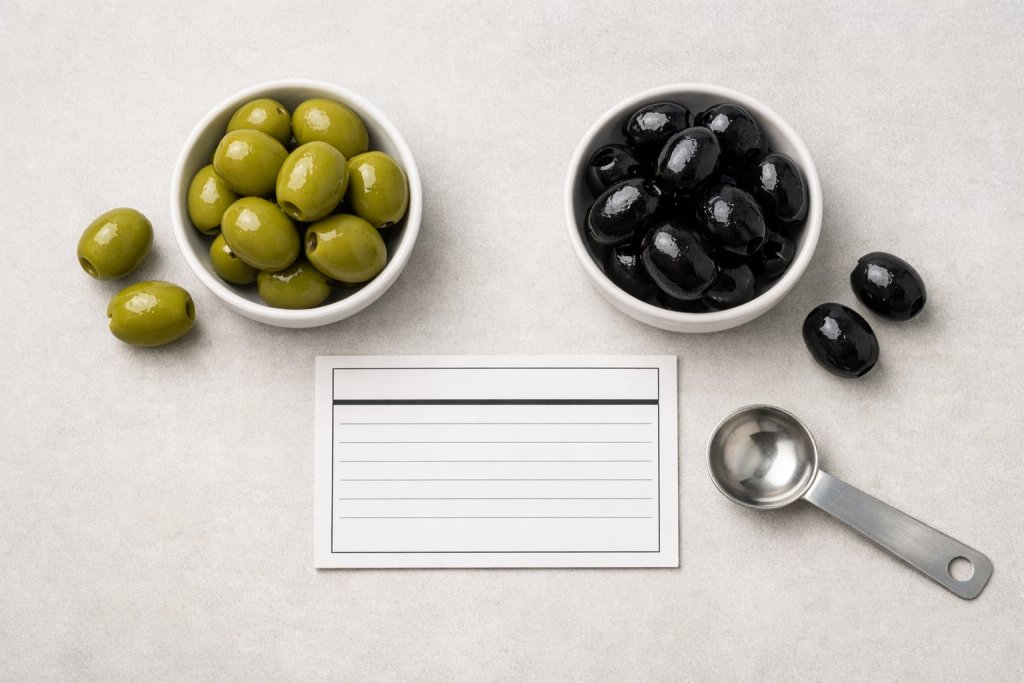
Olives are mostly known for their fat content, but the type of fat matters. They provide mostly monounsaturated fat, along with small amounts of fiber and some micronutrients such as vitamin E, iron, and copper. According to the USDA FoodData Central, exact nutrition varies by olive type, size, and preparation, especially whether the olives are plain, stuffed, marinated, or packed in brine.
In practical terms, olives are best thought of as a flavorful, salty fat source rather than a major source of protein or a large serving of vegetables. That makes them useful in balanced meals, but still worth portioning.
What Makes Olives Nutritious
Olives are not a high-protein food or a major source of many vitamins and minerals, but they do offer some useful nutrition. According to USDA FoodData Central, olives contain mostly fat, and much of that fat is monounsaturated fat. They also contribute small amounts of fiber and micronutrients such as vitamin E, iron, and copper, depending on the type and preparation.
One reason olives get so much attention is that they are part of the traditional Mediterranean eating pattern. That pattern emphasizes plant foods and healthier fats in place of more saturated fat. Harvard T.H. Chan School of Public Health notes that replacing saturated fats with unsaturated fats is linked with better heart health outcomes.
Olives also contain plant compounds called polyphenols. A review available through PubMed Central explains that table olives contain bioactive compounds such as oleuropein-related phenolics, though the amount can vary a lot by olive type and processing method.
Are Olives Good for Your Heart?
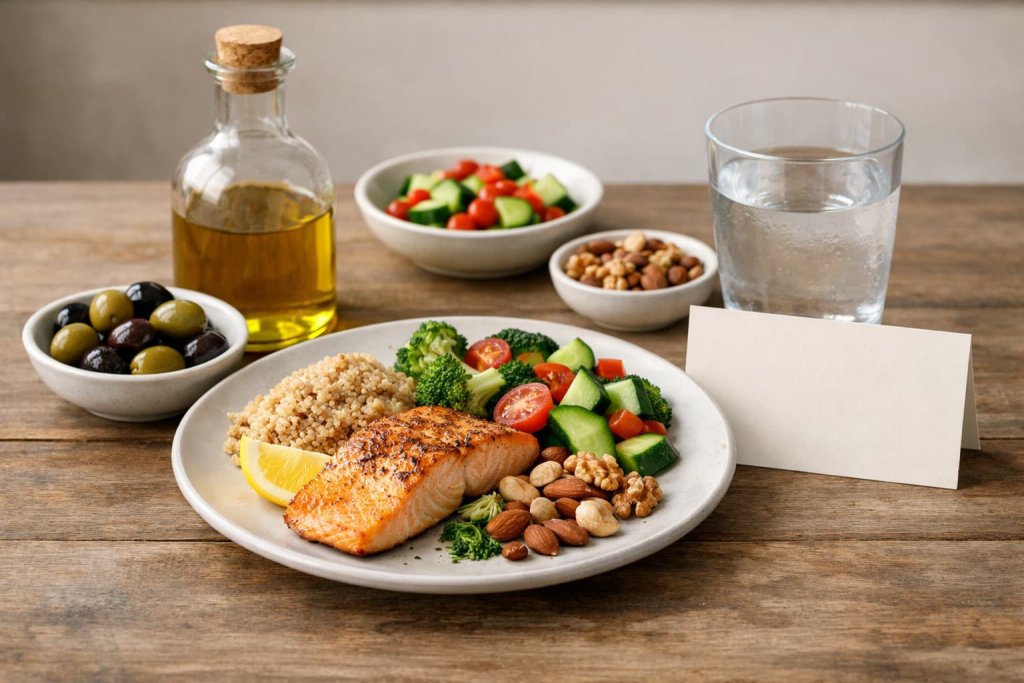
Olives may support a heart-smart eating pattern because their fat is mostly unsaturated rather than saturated. That does not make olives a magic food, but it does make them a better fit than many salty snack foods that are also high in saturated fat. Harvard also supports choosing more unsaturated fats overall in balanced eating patterns.
The problem is sodium. Many olives are heavily salted during curing or storage. The FDA says adults should limit sodium to less than 2,300 mg per day, and the American Heart Association says an ideal goal for most adults is 1,500 mg per day. So olives can support a heart-healthy pattern in one way, but work against it in another if portions get too large or if the product is very salty.
A practical takeaway is simple: olives are usually better used as a flavorful add-on than as a large snack serving. A few olives in a salad, grain bowl, or Mediterranean-style plate is usually more balanced than eating a large bowl on their own.
Are Olives Good for Weight Loss?
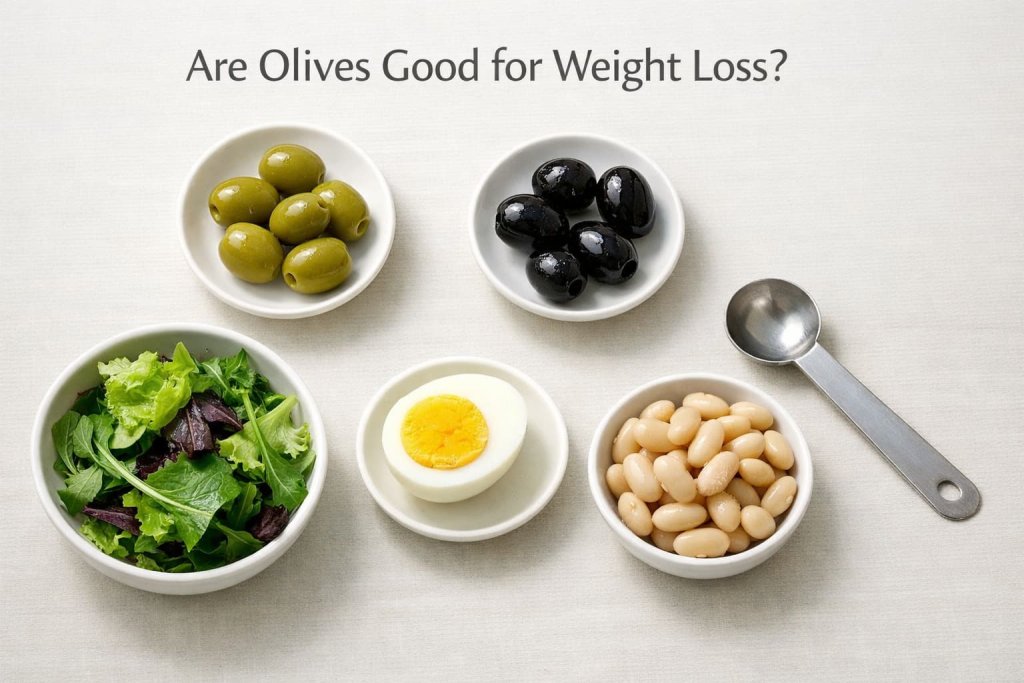
Olives can fit into a weight-loss plan, but they are not a low-calorie food. Because olives contain fat, they are more calorie-dense than foods like cucumbers, tomatoes, or leafy greens. USDA FoodData Central supports that olives contain meaningful fat and energy relative to their size.
That does not mean you need to avoid them. In real meals, olives can add flavor and satisfaction, which may help some people enjoy healthier dishes more easily. For example, a small portion of olives added to a salad with beans, chicken, tuna, or eggs can make the meal more satisfying without needing creamy dressings or heavily processed toppings.
The key is portion control. Olives work better for weight goals when you use them as a garnish or measured side, not as a free-pour snack from the jar.
Are Olives Good for Blood Sugar?
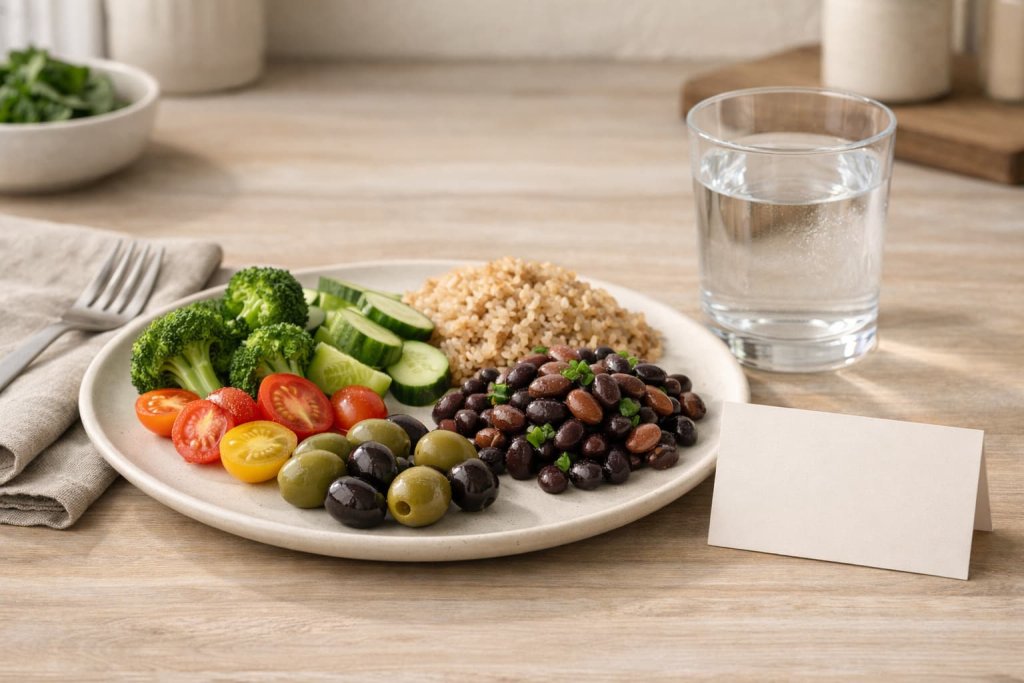
Olives are generally a low-carb food, so they are unlikely to raise blood sugar quickly on their own. Their main nutrition contribution is fat, with relatively little carbohydrate. USDA FoodData Central supports that basic profile.
That said, olives do not balance blood sugar by themselves. What matters more is the whole meal. Olives can be part of a blood-sugar-friendly plate when paired with foods like non-starchy vegetables, beans, fish, eggs, yogurt, or whole grains in sensible portions. This is more about overall meal structure than about olives having a special blood sugar effect.
Potential Benefits of Eating Olives
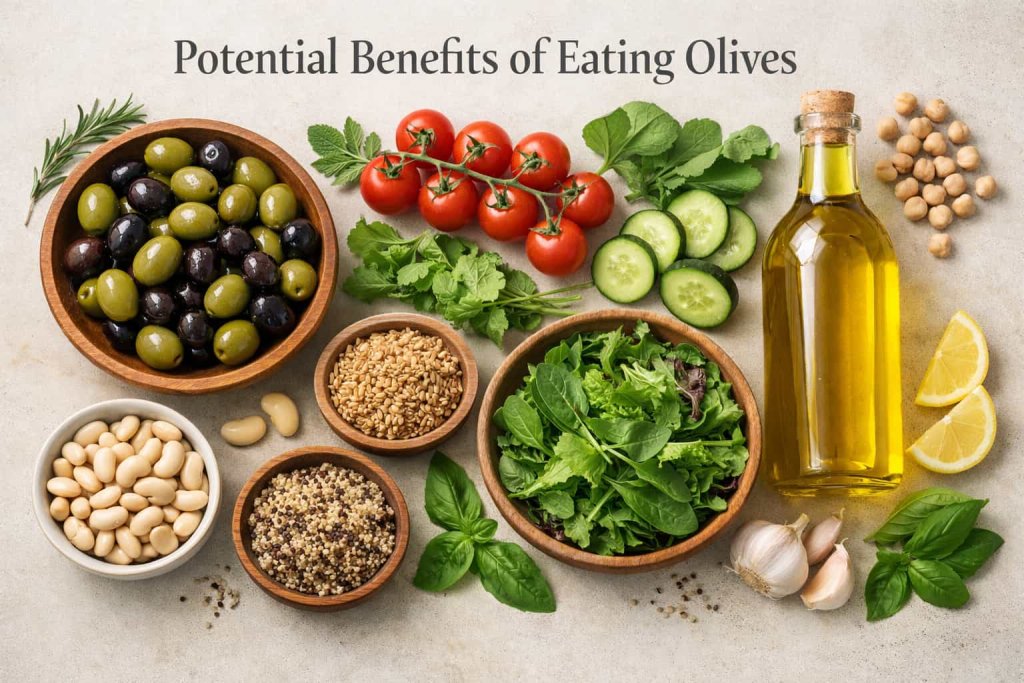
They provide healthier fats than many processed snacks
If you compare olives with snack foods that are high in saturated fat, refined starch, or added sugar, olives are often the more nutrient-dense option. Their mostly unsaturated fat profile is one reason Mediterranean-style eating patterns are widely studied and recommended. Harvard supports prioritizing unsaturated fats over saturated fats.
They can make healthy meals more satisfying
A small amount of olives can add saltiness and richness to meals built around vegetables, beans, fish, or whole grains. That can make healthy eating easier to stick with in real life.
They contain antioxidant compounds
Table olives contain phenolic compounds, though the type and amount can differ by variety and processing. The review in PubMed Central notes that olives contain several compounds of interest, including oleuropein derivatives and hydroxytyrosol-related compounds.
Risks and Downsides to Know
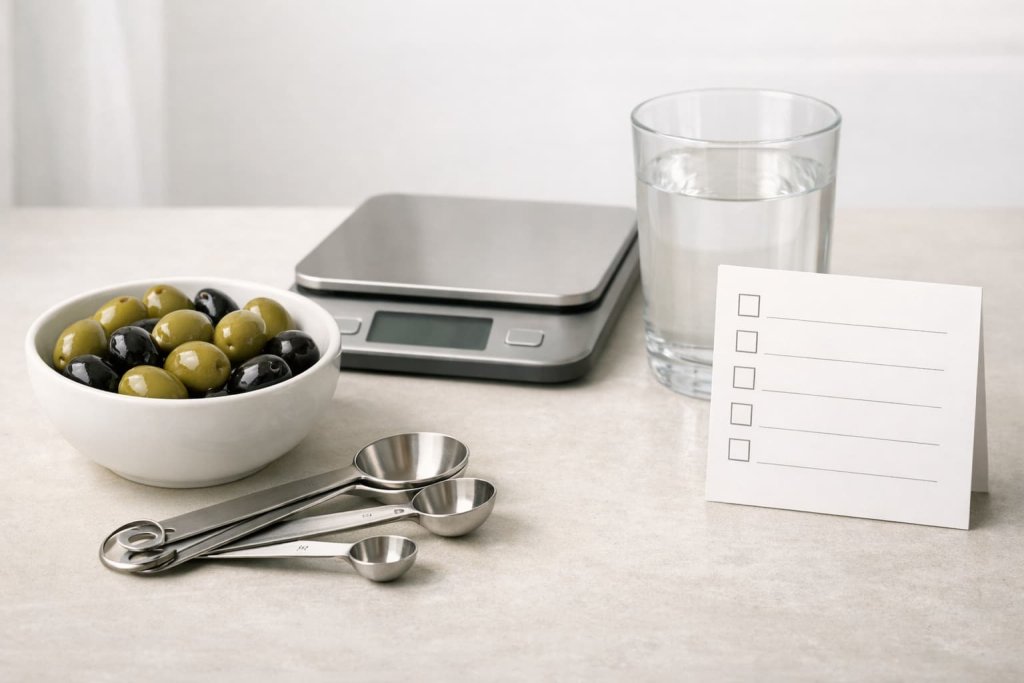
Sodium is the biggest downside
For most people, sodium is the main reason not to overdo olives. The FDA says Americans consume about 3,400 mg of sodium per day on average, which is above the recommended limit of less than 2,300 mg per day for adults. The American Heart Association also says more than 70% of the sodium people eat comes from packaged, prepared, and restaurant foods. Olives can contribute to that total quickly because brined foods are often salty.
They are easy to overeat
Olives are small, tasty, and easy to keep grabbing by the handful. That can turn a modest portion into a much larger one without you noticing. Since they contain fat and sodium, this matters more than many people think.
Marinated or stuffed olives may add more sodium or calories
Garlic-stuffed, cheese-stuffed, or oil-marinated olives can differ quite a bit from plain brined olives. Check the Nutrition Facts label and serving size. The FDA explains that 5% Daily Value or less is low and 20% Daily Value or more is high for a nutrient per serving.
Ingredient lists can matter more than people expect
Plain olives usually have a short ingredient list, but flavored versions may include added oils, cheese, peppers, garlic mixtures, or preservatives. That does not automatically make them unhealthy, but it can change the sodium, calorie, and fat content more than people realize. If you are comparing products, check both the ingredient list and the Nutrition Facts label rather than assuming all olives are nutritionally similar.
Who Should Be Careful With Olives?
Some people should pay closer attention to olive portions and labels.
People with high blood pressure or on lower-sodium diets
If you have high blood pressure, heart failure, kidney disease, or you were told to limit sodium, olives may need more caution than the average person gives them. The American Heart Association says an ideal sodium goal for most adults is 1,500 mg per day, which is especially relevant for people with blood pressure concerns.
People watching calorie intake closely
Olives can fit, but measured servings work better than casual snacking.
People sensitive to salty foods
If you notice bloating, thirst, or you already eat a lot of packaged foods, olives may be one more sodium source worth watching.
Green Olives vs Black Olives
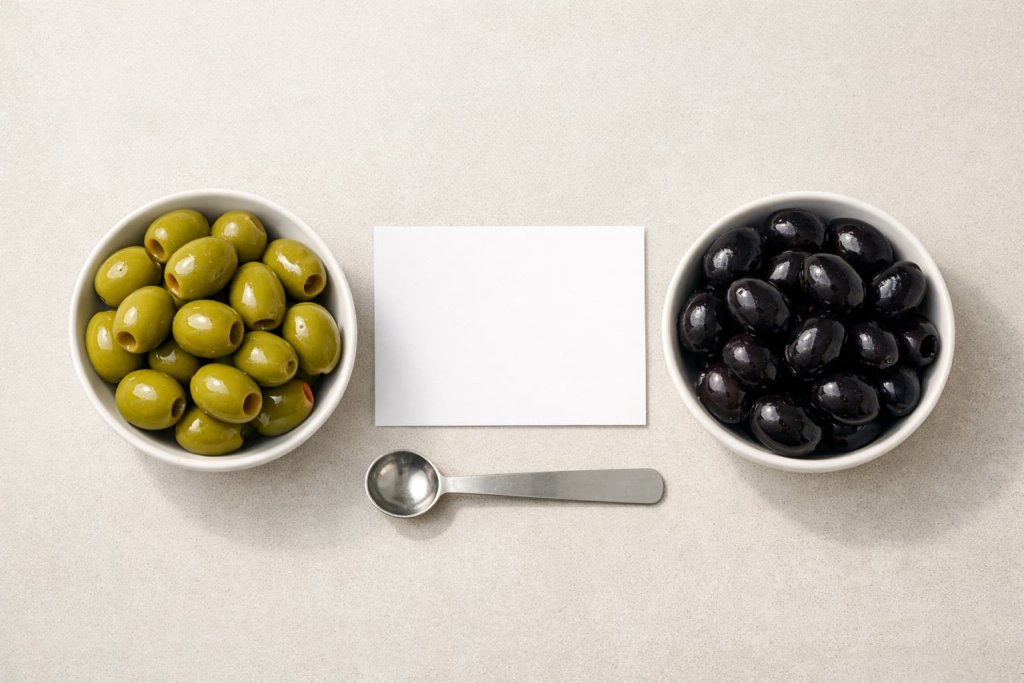
Green olives and black olives can both be good choices. The main nutritional differences usually come from how ripe they were when picked, how they were cured, and how much sodium the final product contains. In everyday use, the better choice is often the one with the ingredient list and sodium level that fits your needs best. USDA FoodData Central is the best source for checking specific product nutrition, because values vary by form and preparation.
So the smarter question is not “Are green olives healthier than black olives?” but “Which olives have a sodium level and serving size that make sense for me?”
Whole Olives vs Olive Oil
Whole olives and olive oil both fit into healthy eating patterns, but they are not the same food. Olive oil is almost entirely fat, while whole olives also provide some fiber and more texture, which can make meals feel more satisfying. On the other hand, olives are usually much higher in sodium because of curing and brining, while plain olive oil contains virtually no sodium.
That means the better choice depends on the meal. If you want flavor and texture, a few olives may work well. If you want the fat without the sodium, olive oil may be the better fit.
How Many Olives Is a Reasonable Portion?
A reasonable portion is usually a small serving, not a full bowl. For many people, that means a few olives added to a meal or snack plate. The exact number varies because olive size varies, but the goal is to keep both sodium and calories realistic.
A good practical method is this:
- Use olives as a topping, side, or garnish
- Pair them with vegetables, beans, eggs, tuna, or other filling foods
- Avoid eating directly from the jar
- Compare sodium per serving on labels before buying
The FDA recommends using the Nutrition Facts label to compare sodium across products.
Easy Ways to Use Olives in Balanced Meals
Olives work best when they add flavor to an already balanced meal instead of becoming the whole snack.
Simple ways to use them include:
- adding a small portion to a salad with beans, chicken, tuna, or eggs,
- mixing a few sliced olives into a grain bowl with vegetables and protein,
- using them in a Mediterranean-style snack plate with raw vegetables and hummus,
- adding a few chopped olives to whole-grain pasta, fish, or roasted vegetables.
This approach helps keep portions realistic while letting olives improve the flavor of meals built around more filling foods.
How to Make Olives a Healthier Choice
Choose lower-sodium versions when possible
Some brands offer reduced-sodium olives. These can make a meaningful difference if you eat olives regularly. The FDA explains label terms such as “very low sodium” and “sodium free,” which can help you compare products.
Rinse off extra brine when it makes sense
If your olives are packed in a salty liquid, a quick rinse may wash away some surface brine. That will not turn a high-sodium olive into a low-sodium food, but it can still be a practical step before adding them to salads, grain bowls, or snack plates. The most reliable strategy is still to choose a lower-sodium product in the first place and watch the serving size.
Use olives to replace less healthy toppings
Try olives in place of pepperoni-heavy toppings, creamy dressings, or extra cheese in some meals. This can shift the meal toward more unsaturated fat and less saturated fat overall. Harvard supports choosing healthier oils and fats in balanced eating patterns.
Build meals around them, not diets around them
Olives can improve a meal, but they do not replace vegetables, legumes, whole grains, or protein foods. Think of them as one useful ingredient, not the center of your nutrition plan.
How to Read Olive Labels
When you buy olives, the label often matters more than the front of the jar. A product can look simple and healthy but still be very high in sodium.
Here is what to check first:
- Serving size: Make sure you are looking at the amount you will actually eat.
- Sodium per serving: Use the Nutrition Facts label to compare brands and styles.
- Stuffed or marinated ingredients: Cheese, oils, or extra flavorings can change calories and sodium.
- Percent Daily Value: The FDA explains that 5% Daily Value or less is considered low, while 20% Daily Value or more is considered high for a nutrient per serving.
A smart rule is to compare two or three jars side by side before buying. Even similar-looking olives can differ a lot in sodium.
Common Mistakes People Make With Olives
Assuming all olives are equally healthy
Nutrition can vary a lot by type, stuffing, marinade, and sodium level.
Ignoring serving size
A label may look reasonable until you realize you ate two or three servings.
Treating olives like vegetables
Olives come from a plant, but nutritionally they act more like a fatty, salty garnish than like a big serving of vegetables.
Are Olives Good for You in a Mediterranean Diet?
Yes, olives make sense in a Mediterranean-style eating pattern, especially when used with vegetables, beans, fish, whole grains, and olive oil in moderate amounts. Mediterranean-style guidance consistently emphasizes plant-forward meals and healthier unsaturated fats.
That does not mean unlimited portions. Even in a healthy pattern, salty foods still count toward your total sodium intake.
Frequently Asked Questions
Are olives healthier than chips?
Often yes, especially because olives provide mostly unsaturated fat instead of refined starch and often less saturated fat than many snack foods. But chips may sometimes be lower in sodium per serving than very salty olives, so checking labels still matters.
Can you eat olives every day?
Many people can include olives daily in small portions, especially if the rest of their diet is not high in sodium. People on sodium-restricted diets should be more careful and compare products.
Are olives anti-inflammatory?
Olives contain phenolic compounds that are studied for antioxidant and anti-inflammatory activity, but that does not mean eating olives is a treatment for inflammation. The evidence is better for overall dietary patterns than for one single food. PubMed Central discusses these compounds in table olives.
Are olives keto-friendly?
Olives are commonly used in lower-carb and keto-style eating because they are low in carbohydrate and contain mostly fat. Whether they fit your plan depends on your total sodium and calorie intake too. USDA FoodData Central supports their low-carb, higher-fat profile.
Are olives better than olive oil?
They are different foods. Olive oil is almost entirely fat, while whole olives also provide some fiber and more chewing satisfaction. But olives usually bring more sodium because of curing and brining, which olive oil does not.
Should you rinse olives to reduce sodium?
Rinsing may remove some surface brine, so it can be a reasonable step, but the exact sodium reduction will vary by product and preparation. Label comparison is still the most reliable strategy.
Are stuffed olives less healthy?
Not always, but stuffed olives can have different sodium and calorie levels depending on the filling. Cheese-stuffed or oil-marinated products may be richer than plain olives, so the label matters more than the marketing.
Conclusion
Olives can absolutely be part of a healthy diet. They offer mostly unsaturated fat, useful flavor, and some beneficial plant compounds. But the answer to “are olives good for you” depends a lot on portion size and sodium.
For most people, the healthiest approach is simple: enjoy olives in small amounts, pair them with balanced meals, and check the label before buying. That way, you get the benefits without letting the salt become the main story.