
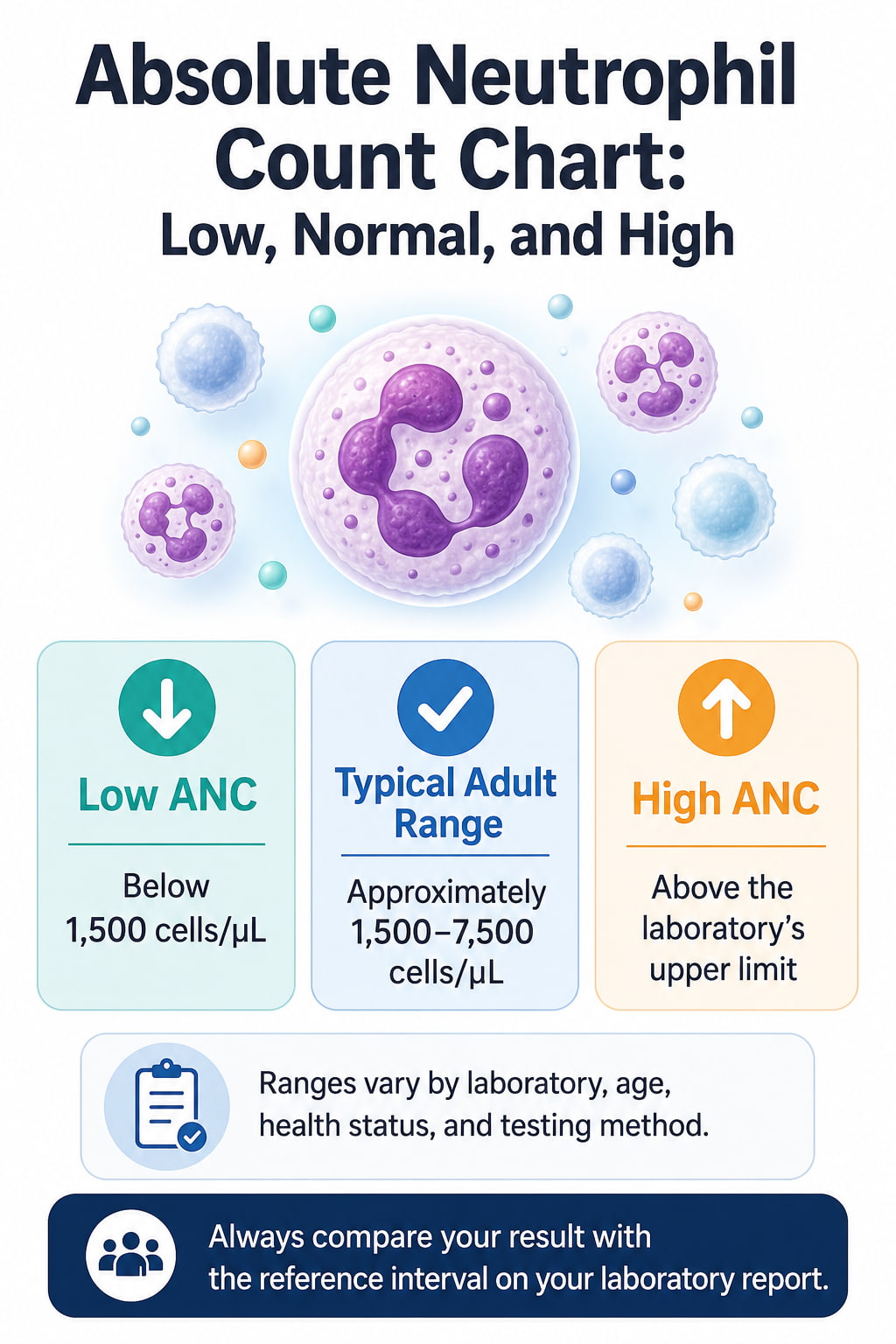
A commonly used absolute neutrophil count range for adults is approximately 1,500 to 7,500 cells per microliter of blood. An ANC below 1,500 is often classified as neutropenia, while a result above the laboratory’s upper limit may be called neutrophilia.
These limits are general guides, not universal cutoffs. Age, laboratory methods, medications, health conditions, and inherited blood-group variants can affect the expected range. Always compare your result with the reference interval printed on your laboratory report.
The National Cancer Institute’s ANC guidance notes that infection risk generally increases as ANC falls. An ANC below 500 cells/µL is associated with a high risk of infection.
Absolute Neutrophil Count Chart
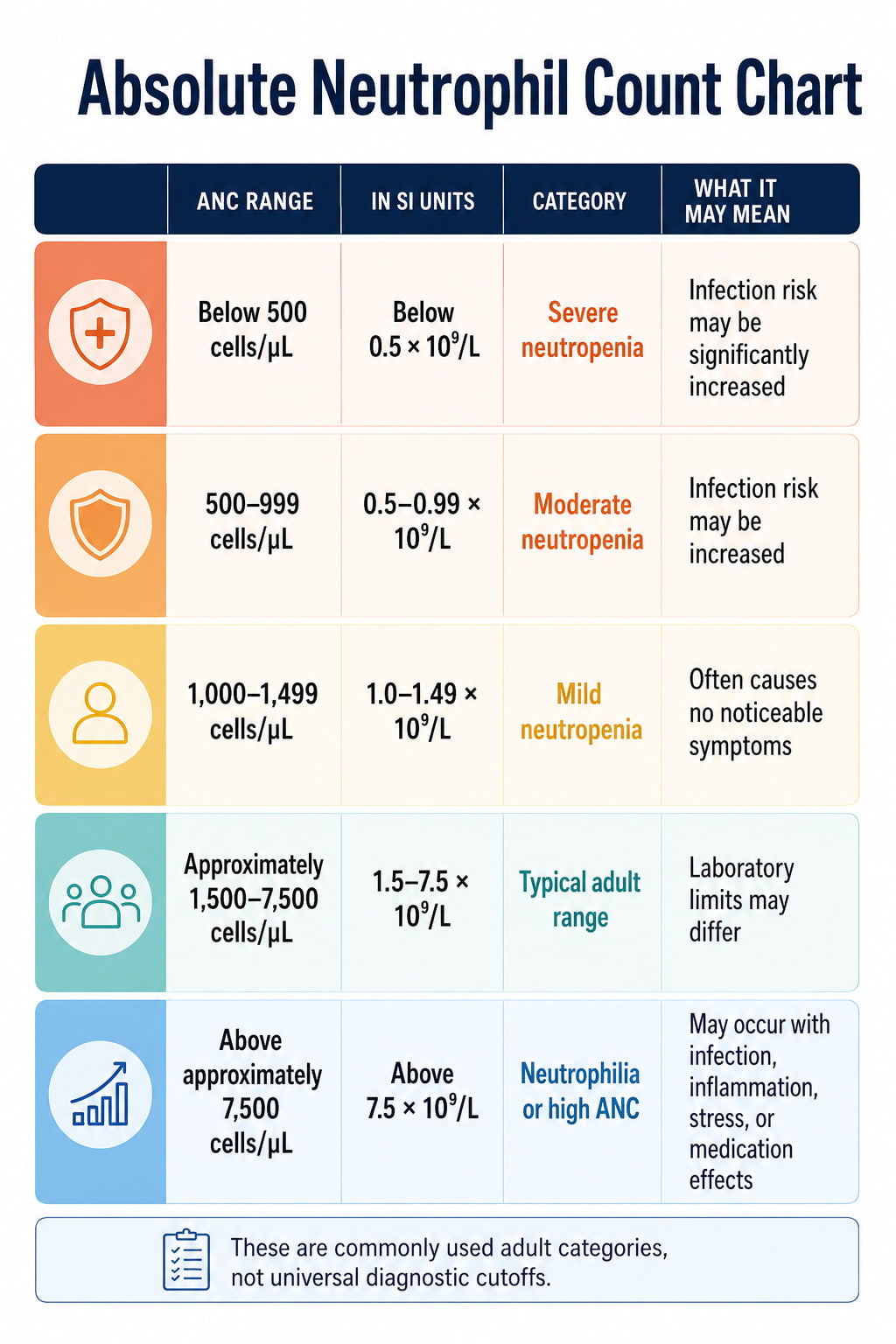
The following absolute neutrophil count chart provides commonly used adult categories.
| ANC in cells/µL | ANC in ×10⁹/L | Common classification | General meaning |
|---|---|---|---|
| Below 500 | Below 0.5 | Severe neutropenia | The ability to fight infection may be significantly reduced. Infection risk is especially concerning when fever or other symptoms are present. |
| 500–999 | 0.5–0.99 | Moderate neutropenia | Infection risk may be increased. The cause, duration, symptoms, and other blood counts matter. |
| 1,000–1,499 | 1.0–1.49 | Mild neutropenia | Often causes no noticeable symptoms, but persistent or falling results may need follow-up. |
| Approximately 1,500–7,500 | 1.5–7.5 | Typical adult range | Generally considered within the expected range by many sources, although laboratories use different limits. |
| Above approximately 7,500 | Above 7.5 | Neutrophilia or high ANC | Commonly occurs with infection, inflammation, stress, medication effects, smoking, or strenuous exercise. |
These classifications are consistent with commonly used neutropenia categories described by St. Jude Children’s Research Hospital and Cleveland Clinic. However, pediatric and laboratory-specific ranges may differ.
Important Interpretation Note
A result outside this chart does not diagnose a disease by itself. Your clinician may also consider:
- Whether the result is new or longstanding
- Whether the ANC is rising, falling, or stable
- Your current symptoms
- Recent illnesses
- Medications and treatments
- Your other white blood cell results
- Hemoglobin and platelet levels
- Your age and medical history
What Is an Absolute Neutrophil Count?
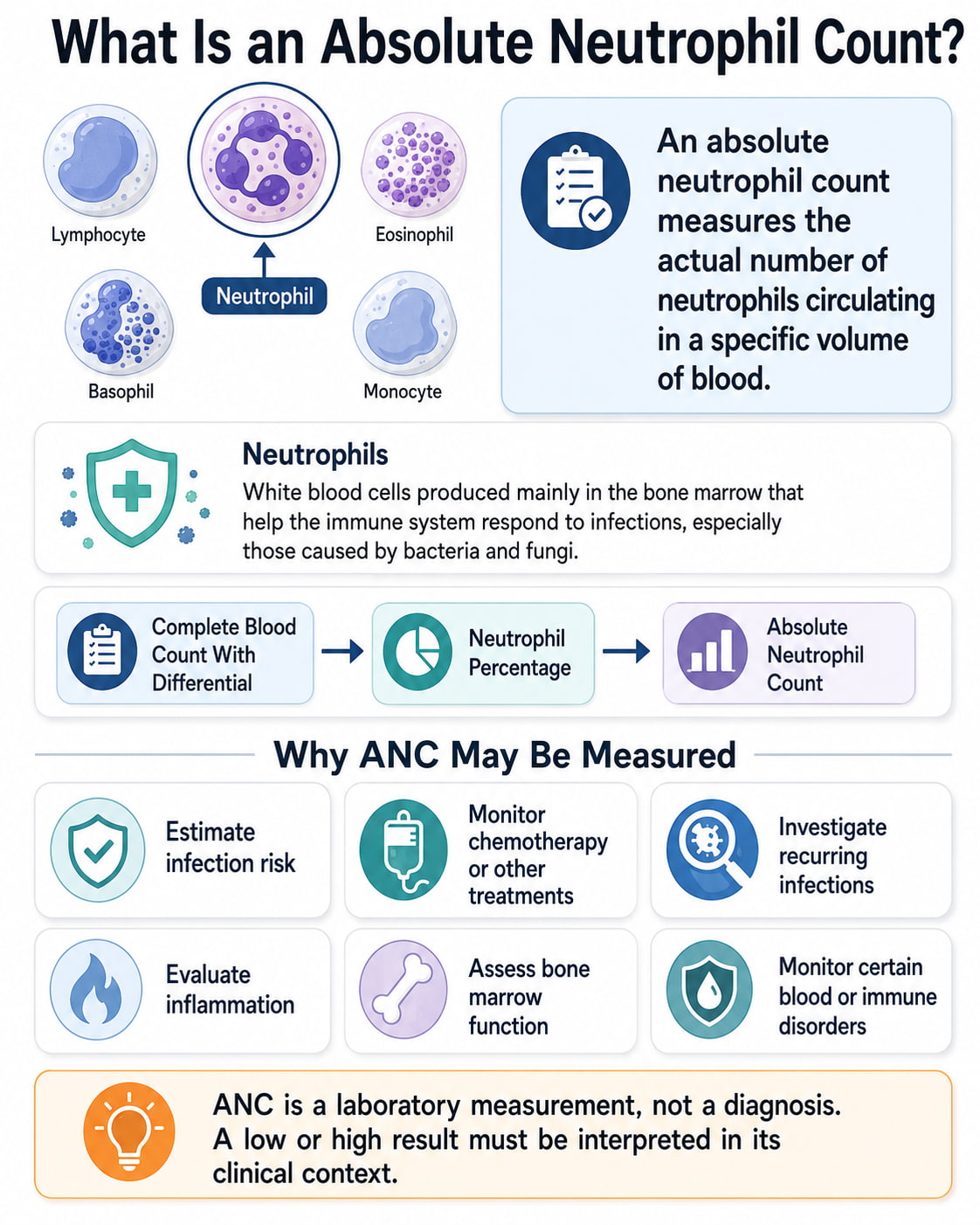
An absolute neutrophil count measures the actual number of neutrophils circulating in a specific volume of blood.
Neutrophils are white blood cells produced mainly in the bone marrow. They help the immune system respond to infections, especially those caused by bacteria and fungi. ANC is usually included in, or calculated from, a complete blood count with differential.
Absolute Neutrophil Count may help clinicians:
- Estimate infection risk
- Monitor chemotherapy or other treatments
- Investigate recurring infections
- Evaluate inflammation
- Assess bone marrow function
- Monitor certain blood or immune disorders
ANC is a laboratory measurement, not a diagnosis. A low or high result must be interpreted in its clinical context.
ANC vs. Neutrophil Percentage
The neutrophil percentage and the absolute neutrophil count are related but not identical.
The neutrophil percentage shows what portion of your total white blood cells consists of neutrophils.
The absolute neutrophil count shows the actual number of neutrophils in your blood.
For example, two people could both have 50% neutrophils but have very different ANCs if their total white blood cell counts are different.
| Person | Total WBC count | Neutrophils | ANC |
|---|---|---|---|
| Person A | 6,000 cells/µL | 50% | 3,000 cells/µL |
| Person B | 2,000 cells/µL | 50% | 1,000 cells/µL |
Although the percentages are identical, Person B has a much lower absolute neutrophil count.
How Is ANC Calculated?
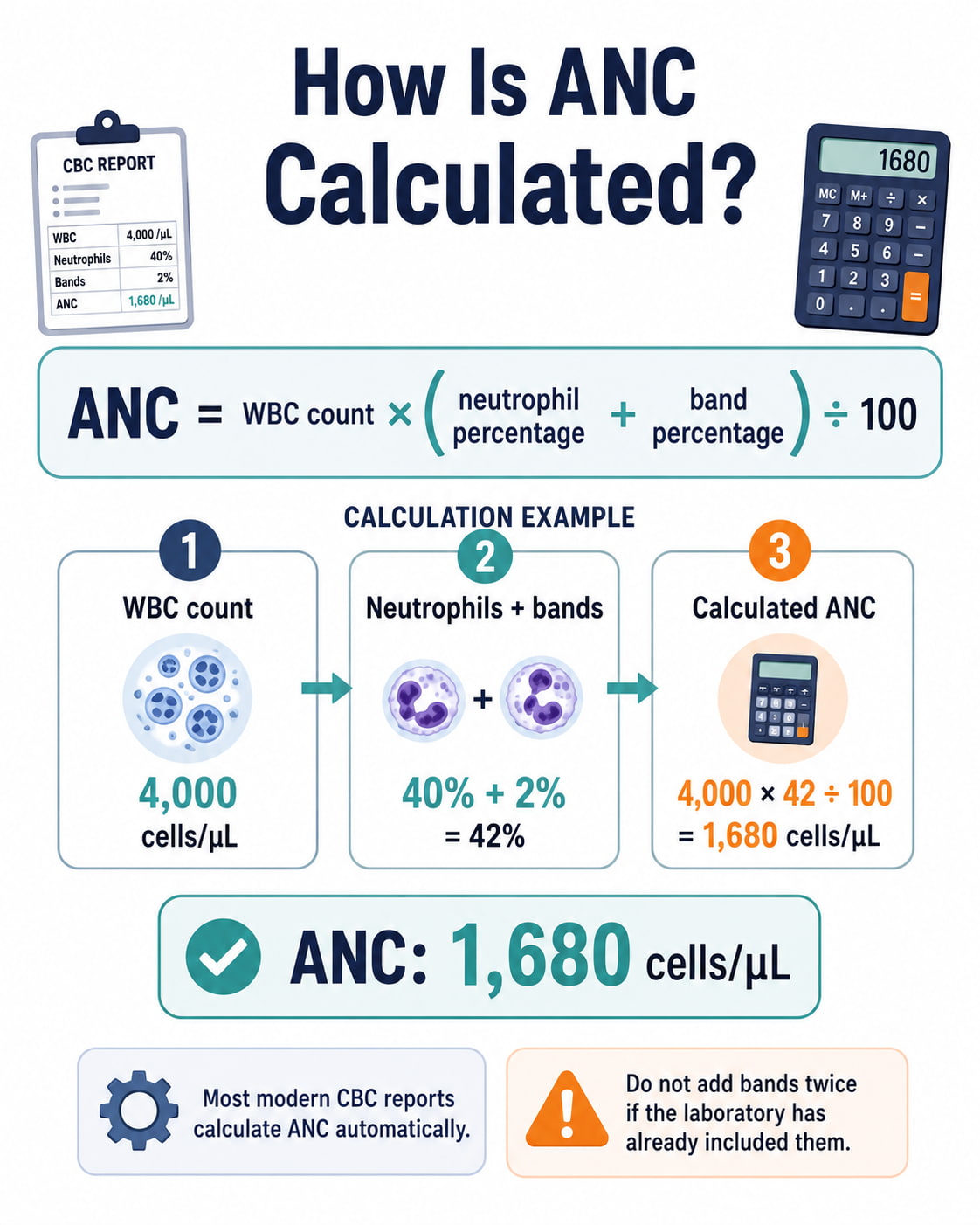
Most modern CBC reports calculate ANC automatically. When it is not listed, it may be calculated using the total white blood cell count and the percentages of mature and immature neutrophils.
ANC Formula
ANC = WBC count × (neutrophil percentage + band percentage) ÷ 100
“Bands” are immature neutrophils. They may also be listed as band neutrophils. The University of Washington’s Severe Chronic Neutropenia International Registry uses this standard calculation.
ANC Calculation Example
Suppose a CBC report shows:
- Total WBC count: 4,000 cells/µL
- Neutrophils: 40%
- Bands: 2%
Calculation:
4,000 × (40 + 2) ÷ 100 = 1,680 cells/µL
The calculated ANC is 1,680 cells/µL, which falls within the commonly used general adult range.
Do not add bands separately when the laboratory has already included them in the reported absolute neutrophil result.
Understanding ANC Units
An ANC may appear in several equivalent formats.
| Laboratory format | Equivalent value |
|---|---|
| 1,500 cells/µL | 1,500 neutrophils per microliter |
| 1,500 cells/mm³ | 1,500 neutrophils per cubic millimeter |
| 1.5 × 10³/µL | 1,500 cells/µL |
| 1.5 × 10⁹/L | 1,500 cells/µL |
One microliter is equivalent to one cubic millimeter for this type of laboratory reporting.
To convert ×10⁹/L to cells/µL, multiply the number by 1,000.
For example:
0.8 × 10⁹/L = 800 cells/µL
What Does a Low Absolute Neutrophil Count Mean?
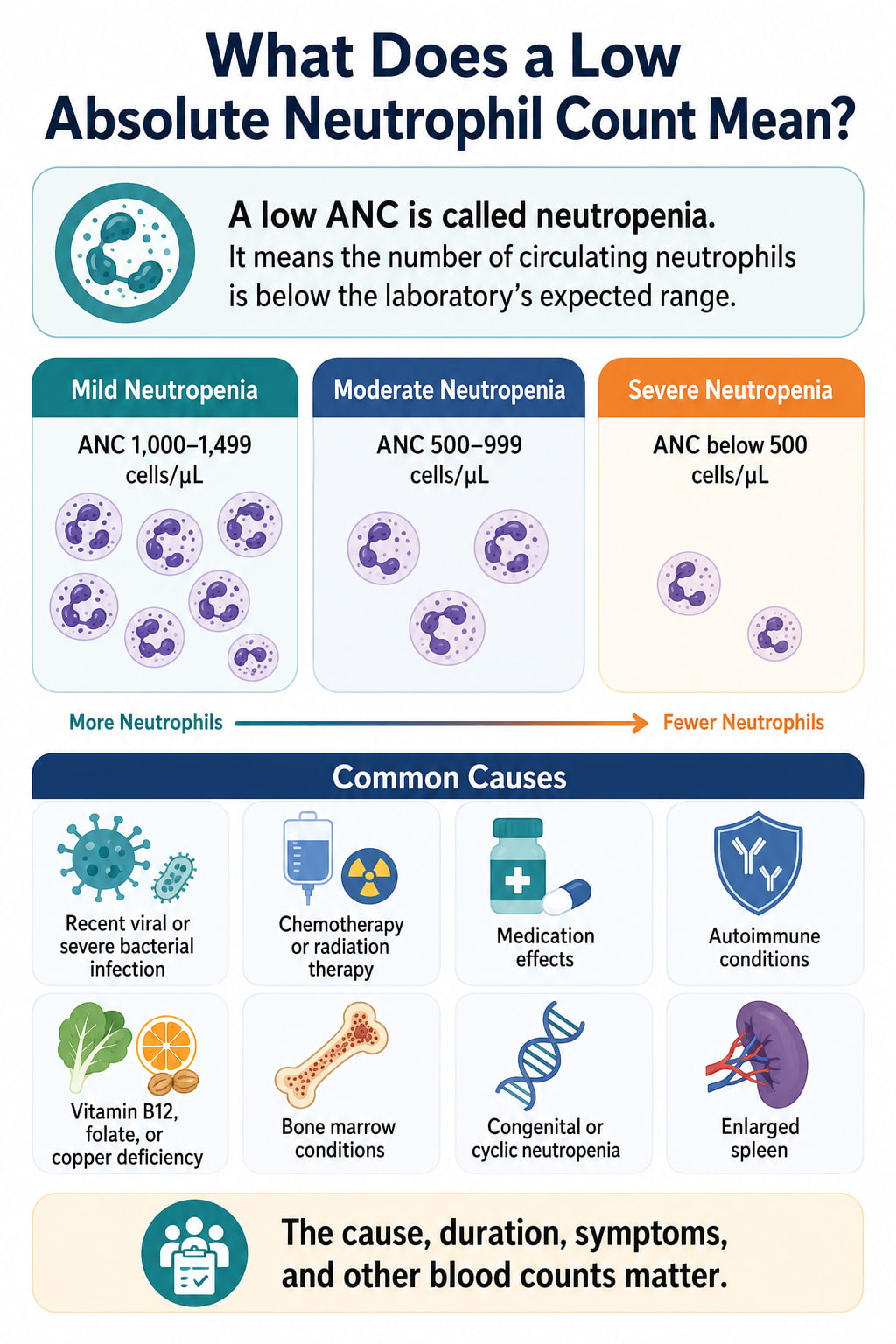
A low ANC is called neutropenia. It means the number of circulating neutrophils is below the laboratory’s expected range.
Neutropenia may occur when:
- The bone marrow does not produce enough neutrophils
- Neutrophils are destroyed faster than they are produced
- Neutrophils are used rapidly during illness
- Neutrophils move from the bloodstream into other tissues
- An enlarged spleen traps or removes blood cells
A mildly low result may be temporary and may not cause symptoms. Moderate or severe neutropenia can make it more difficult for the body to control an infection.
Mild Neutropenia: ANC 1,000–1,499
Mild neutropenia often causes no symptoms. It may be discovered during routine blood testing.
A clinician may repeat the CBC, especially when the person feels well and the rest of the blood count is normal.
Persistent mild neutropenia may still require evaluation when:
- The ANC continues to fall
- Other blood-cell counts are abnormal
- Infections keep returning
- There are unexplained fevers or mouth ulcers
- A new medication may be responsible
Moderate Neutropenia: ANC 500–999
Moderate neutropenia may increase infection risk, particularly when it lasts for several days or occurs with another illness.
The significance depends on more than the number. Someone with a stable long-term ANC of 900 may have a different risk profile from someone whose ANC rapidly fell from 4,000 to 900 after chemotherapy.
Severe Neutropenia: ANC Below 500
An ANC below 500 cells/µL is considered severe neutropenia. At this level, bacteria that normally live harmlessly on the skin, in the mouth, or in the digestive system may sometimes cause serious infections.
The risk may be higher when:
- The ANC is extremely low
- The count remains low for a prolonged period
- The person is receiving chemotherapy
- Fever or infection symptoms are present
- Other immune-system problems are present
Common Causes of a Low ANC
Low neutrophil counts have many possible causes. A single test cannot identify which cause applies.
Recent Infections
Some viral infections can temporarily reduce neutrophil production. Severe bacterial infections may also lower the count when neutrophils are used more rapidly than the bone marrow can replace them.
The ANC may return to its previous level after the infection resolves.
Chemotherapy and Radiation Therapy
Chemotherapy can affect rapidly dividing cells in the bone marrow, including the cells that produce neutrophils. Radiation involving large areas of bone marrow may have a similar effect.
The timing and severity of the decrease depend on the specific treatment, dose, schedule, and individual response.
Medications
Some prescription medicines can lower neutrophil counts. Possible medication categories include certain:
- Antibiotics
- Antithyroid medicines
- Antipsychotic medicines
- Anti-seizure medicines
- Immune-suppressing medicines
- Cancer treatments
Do not stop a prescribed medicine based only on a laboratory result. A healthcare professional should determine whether the medicine may be contributing and whether an alternative is needed.
Autoimmune Conditions
In autoimmune neutropenia, the immune system may mistakenly attack or remove neutrophils.
Associated conditions may include:
- Lupus
- Rheumatoid arthritis
- Crohn’s disease
- Other immune-system disorders
Nutritional Deficiencies
Deficiencies in vitamin B12, folate, or copper may affect blood-cell production. Nutritional deficiencies often affect more than one type of blood cell, so clinicians may also look for anemia or other CBC abnormalities.
Bone Marrow Conditions
Conditions that affect the bone marrow can reduce neutrophil production. Examples include:
- Aplastic anemia
- Myelodysplastic syndromes
- Leukemia
- Lymphoma
- Bone marrow infiltration
- Certain inherited marrow disorders
These are not the most likely explanations for every mildly low result. They are considered when the ANC is persistently low, other blood cells are abnormal, or additional concerning findings are present.
Congenital or Cyclic Neutropenia
Some people are born with conditions that affect neutrophil production.
In cyclic neutropenia, the ANC decreases at recurring intervals before rising again. Diagnosing this pattern usually requires multiple blood tests over time rather than one isolated result.
Symptoms Associated With a Low ANC
Neutropenia itself often causes no noticeable symptoms. Symptoms usually develop when an infection occurs.
Possible signs include:
- Fever
- Chills
- Sore throat
- New cough
- Mouth ulcers
- Painful or swollen gums
- Skin redness, warmth, swelling, or drainage
- Burning or pain during urination
- Diarrhea
- Abdominal or rectal pain
- Recurring or unusually severe infections
Inflammation may be less obvious when the ANC is very low. A serious infection may therefore cause fever or general illness without producing much pus, swelling, or redness.
When Is a Low ANC an Emergency?
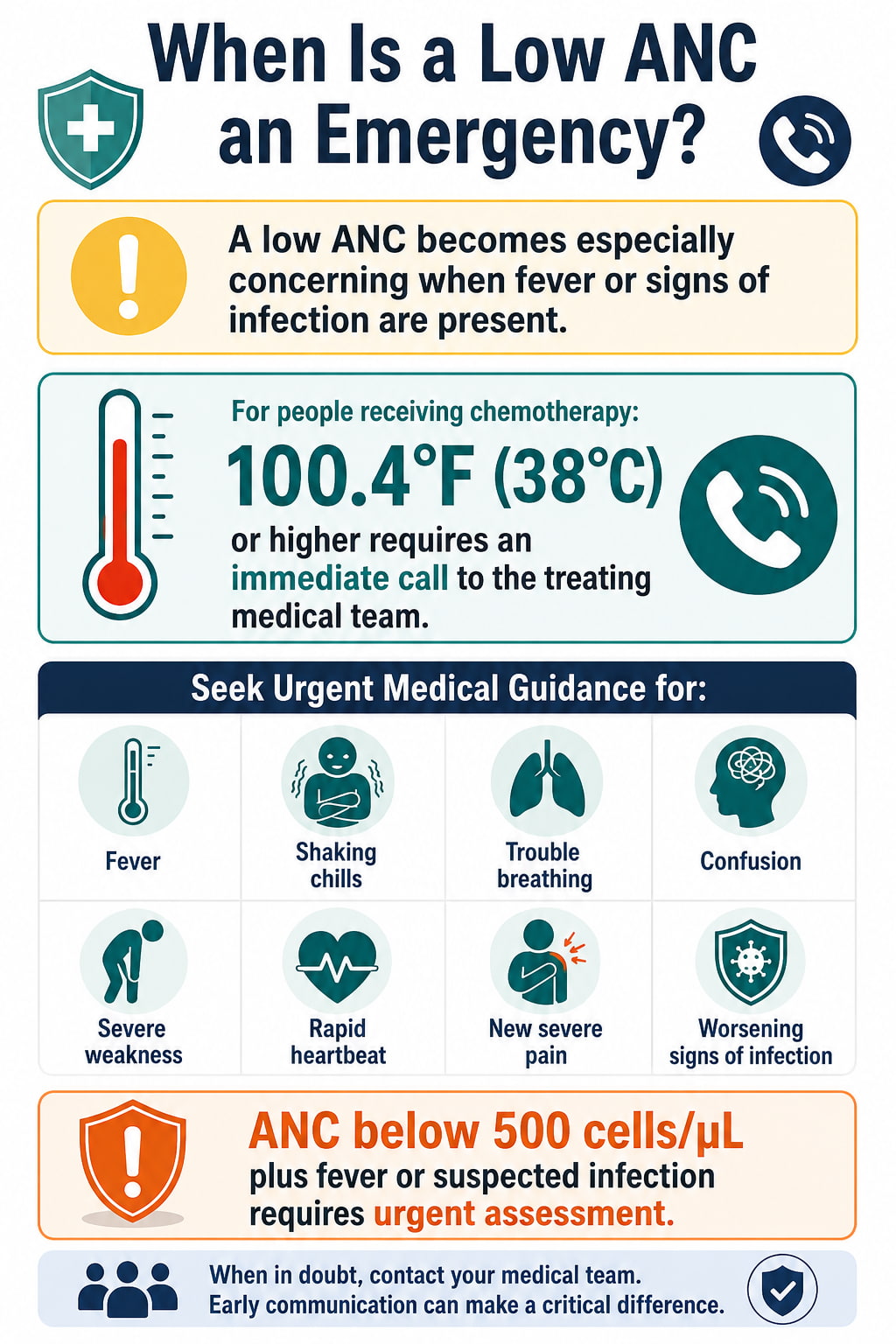
A low ANC becomes especially concerning when fever or other infection symptoms are present.
Seek urgent medical guidance when you have known moderate or severe neutropenia and develop:
- Fever
- Shaking chills
- Trouble breathing
- Confusion
- Severe weakness
- Rapid heartbeat
- New severe pain
- Signs of infection that are worsening quickly
For people receiving chemotherapy, the Centers for Disease Control and Prevention states that a temperature of 100.4°F (38°C) or higher requires an immediate call to the treating doctor. Fever during chemotherapy may be the only sign of a potentially life-threatening infection.
Follow the emergency instructions provided by your oncology or hematology team. Some treatment centers use individualized fever thresholds or monitoring plans.
What Does a Normal ANC Mean?
A normal ANC means the number of neutrophils falls within the reference interval used by the laboratory.
It generally suggests that there are enough circulating neutrophils to perform their normal immune functions. However, a normal ANC does not guarantee that:
- No infection is present
- The immune system is completely normal
- All other white blood cells are normal
- There is no underlying health condition
ANC is only one part of the CBC. It should be interpreted alongside the total WBC count, other white blood cell types, hemoglobin, platelets, symptoms, and medical history.
What Does a High Absolute Neutrophil Count Mean?
A high ANC is called neutrophilia. It usually means the body has produced or released more neutrophils in response to an infection, inflammation, medication, or physical stress.
Cleveland Clinic describes approximately 1,450 to 7,500 cells/µL as a general neutrophil range and defines neutrophilia as a result above about 7,500 cells/µL. Actual upper limits vary by laboratory.
Common Causes of a High ANC
Possible causes include:
- Bacterial infection
- Inflammation
- Recent injury or surgery
- Burns
- Physical or emotional stress
- Vigorous exercise
- Cigarette smoking
- Corticosteroid medicines
- Certain autoimmune or inflammatory conditions
- Pregnancy-related changes
- Bone marrow disorders
A temporary increase during an illness or stressful event may return to normal after the trigger resolves.
Does a High ANC Mean Cancer?
A high ANC does not automatically mean cancer.
Infection, inflammation, medication effects, smoking, stress, and recent exercise are more common explanations. However, persistent or very high neutrophil counts may sometimes require testing for a blood or bone marrow disorder.
Clinicians may be more concerned when a high ANC occurs with:
- Unexplained weight loss
- Night sweats
- Persistent fever
- Enlarged lymph nodes or spleen
- Abnormal platelets or hemoglobin
- Immature or abnormal blood cells
- A count that remains high on repeated testing
Duffy-Null Associated Neutrophil Count
Some healthy people naturally have lower baseline ANCs because of a blood-group variant called the Duffy-null phenotype. This is now referred to as Duffy-null associated neutrophil count, or DANC.
According to the American Society of Hematology, individuals with DANC may have a lower ANC without an increased risk of infection. They may otherwise be healthy and have stable blood counts.
DANC is important because a healthy baseline count may be incorrectly labeled as abnormal. This can lead to unnecessary testing, medication changes, or delays in medical treatment.
Race or ethnicity alone should not be used to diagnose DANC. Duffy testing and the person’s full clinical history provide more useful information.
A person with DANC can still develop another cause of neutropenia. A falling ANC, fever, repeated infections, or other abnormal blood results should still be evaluated.
Why ANC Reference Ranges Vary
There is no single ANC range that applies to every person.
Reference intervals may vary because of:
- Age
- Laboratory equipment
- Testing method
- The population used to establish the range
- Pregnancy
- Current medications
- Recent illness
- Cancer treatment
- Inherited blood-group variants
- Individual baseline differences
For this reason, the most relevant normal range is usually the one printed beside the result on your laboratory report.
ANC Ranges in Children
Children should not be evaluated using an adult chart alone.
Expected neutrophil counts can vary significantly during infancy and childhood. Newborns and young infants may have different reference intervals from older children and adults.
A pediatric clinician should interpret the result using:
- The child’s exact age
- The laboratory’s pediatric range
- Current symptoms
- Recent infections
- Medications or cancer treatment
- Previous CBC results
- Other blood-cell measurements
A low ANC with fever in a child, particularly a child receiving cancer treatment or living with an immune disorder, requires prompt guidance from the child’s medical team.
How Doctors Evaluate an Abnormal ANC
The next step depends on the result, symptoms, medical history, and whether other blood counts are abnormal.
Evaluation may include:
Repeat CBC With Differential
A repeat test can show whether the result was temporary, stable, improving, or worsening.
One mildly abnormal result after a viral illness may be less concerning than a count that continues to decline.
Review of Previous Results
Previous CBC reports can help identify the person’s normal baseline.
A stable ANC of 1,300 over several years may be interpreted differently from a sudden decrease from 4,000 to 1,300.
Medication Review
The clinician may review prescription medicines, over-the-counter products, recent antibiotics, and supplements.
Physical Examination
The examination may look for signs of:
- Infection
- Mouth ulcers
- Enlarged lymph nodes
- An enlarged spleen
- Autoimmune disease
- Bruising or bleeding
- Other systemic illness
Additional Blood Testing
Depending on the situation, additional testing may assess:
- Vitamin B12
- Folate
- Copper
- Liver or kidney function
- Selected infections
- Autoimmune markers
- Other white blood cell types
Peripheral Blood Smear
A blood smear allows laboratory professionals to examine the size, shape, maturity, and appearance of blood cells under a microscope.
Hematology Evaluation
Referral to a hematologist may be appropriate when neutropenia is severe, persistent, unexplained, associated with recurrent infections, or accompanied by abnormal hemoglobin or platelet results.
Bone marrow testing is not necessary for every abnormal ANC. It is generally reserved for situations in which the cause remains unclear or a bone marrow disorder is suspected.
Practical Steps After Receiving an Abnormal Result
After seeing a low or high ANC:
- Check the laboratory’s reference range. Do not rely only on a general internet chart.
- Review the units. Confirm whether the result is reported in cells/µL or ×10⁹/L.
- Look at previous results. The trend may be more useful than one number.
- Check the rest of the CBC. Hemoglobin, platelets, total WBC count, and other white blood cells provide important context.
- Consider recent changes. Note recent illnesses, new medicines, chemotherapy, steroid use, smoking, or strenuous exercise.
- Contact your healthcare professional. Ask whether the test should be repeated or investigated further.
- Do not ignore fever with neutropenia. Follow your clinician’s urgent-care instructions.
Do not try to raise or lower your ANC with supplements unless a confirmed deficiency has been identified. Treatment depends on the underlying cause.
Frequently Asked Questions
What is a normal absolute neutrophil count?
Many sources use approximately 1,500 to 7,500 cells/µL as a general adult range. However, laboratory reference intervals vary, and some healthy people naturally have lower baseline levels.
Is an ANC of 1,000 low?
An ANC of 1,000 cells/µL is at the boundary between mild and moderate neutropenia in commonly used classification systems. Its importance depends on symptoms, duration, medical history, previous results, and the laboratory’s reference range.
What ANC level is considered dangerous?
An ANC below 500 cells/µL is considered severe neutropenia and is associated with a substantially higher risk of serious infection. Fever or illness at this level requires urgent medical attention.
Can a viral infection cause a low ANC?
Yes. Some viral infections temporarily reduce neutrophil production or increase neutrophil use. The count may recover after the infection resolves, but follow-up testing may be needed.
Can stress cause a high ANC?
Yes. Physical or emotional stress can temporarily increase the release of neutrophils into the bloodstream. Vigorous exercise, surgery, injury, inflammation, and corticosteroid medicines may also increase the count.
Does a high ANC always mean an infection?
No. Infection is a common cause, but inflammation, medication effects, stress, smoking, pregnancy-related changes, and bone marrow disorders can also increase ANC.
Can ANC change quickly?
Yes. ANC can change over hours or days in response to infection, medication, chemotherapy, inflammation, stress, or bone marrow recovery. Clinicians often interpret the trend across several tests rather than relying on one result.
Conclusion
An absolute neutrophil count chart can help you understand whether an ANC is low, within the expected range, or high. In general, 1,500 to 7,500 cells/µL is a commonly used adult guide, while values below 1,500 may be classified as neutropenia and values above the laboratory limit may be classified as neutrophilia.
The number is only one part of the interpretation. Your symptoms, laboratory-specific range, previous results, medications, age, Duffy status, and other blood counts all matter.
Contact your healthcare professional about persistent or unexplained abnormalities. Seek urgent medical guidance when a low ANC occurs with fever or signs of infection.
This content is for informational purposes only and not medical advice.
References
- National Cancer Institute — Definition of ANC
- American Society of Hematology — Duffy-Null Associated Neutrophil Count
- Centers for Disease Control and Prevention — Fever During Chemotherapy
- St. Jude Children’s Research Hospital — Absolute Neutrophil Count and Neutropenia
- Cleveland Clinic — Neutropenia