
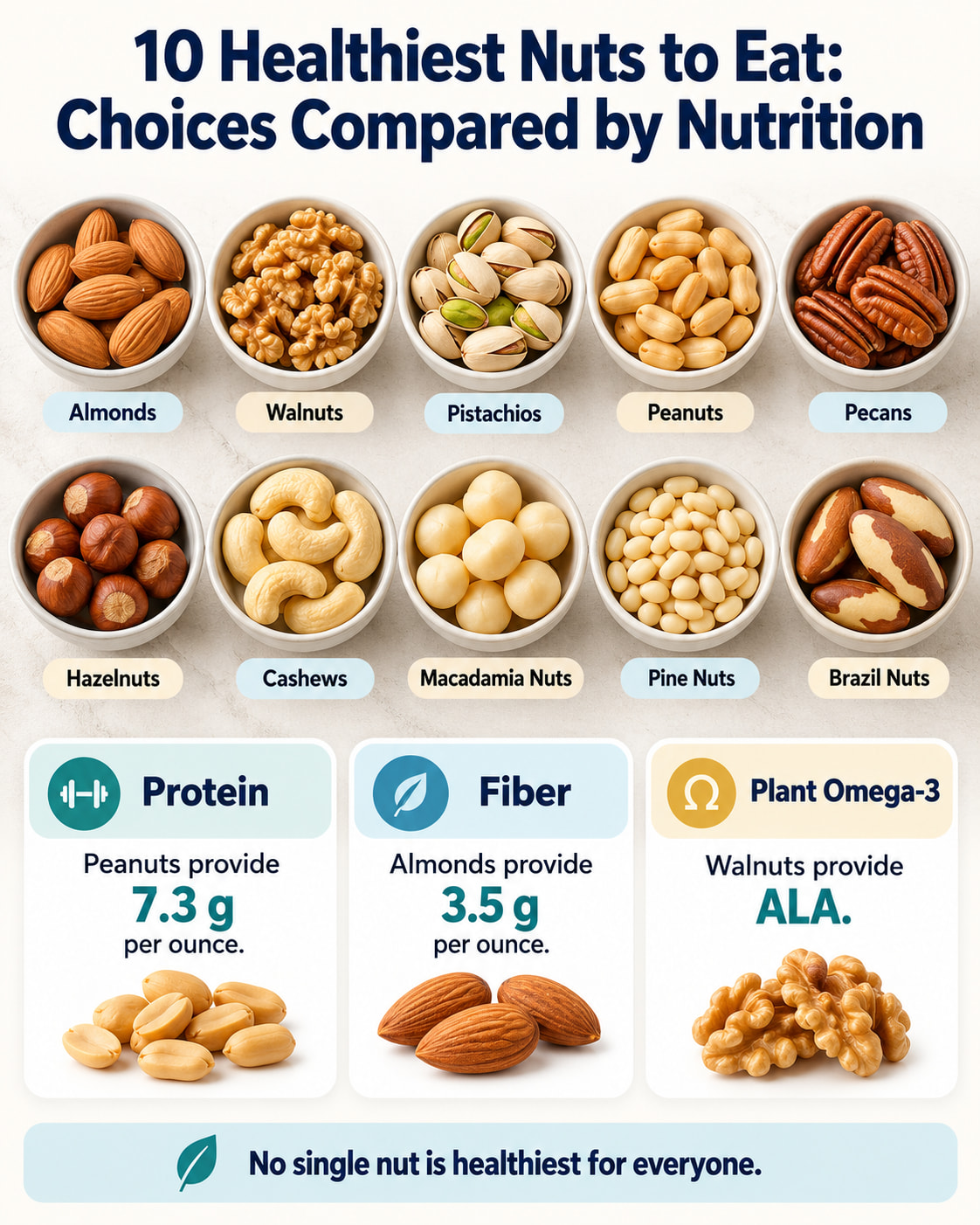
Almonds, walnuts, pistachios, peanuts, and other plain nuts are among the healthiest nuts to eat, with each offering a different mix of protein, fiber, fats, vitamins, and minerals. There is no single best choice for everyone.
Your choice depends on what you want from your food. Almonds stand out for fiber and vitamin E. Walnuts provide plant-based omega-3 fat. Peanuts offer more protein per ounce than the other options in this comparison.
The guide below compares 10 nuts using the same serving weight, then explains how to choose suitable portions and avoid common pitfalls.
Healthiest Nuts to Eat: Nutrition Comparison
The table and nutrient highlights below use reference values from USDA FoodData Central. Each amount represents 1 ounce, or 28.35 grams, of edible nuts without shells.
These are plain, unroasted entries; Brazil nuts and pine nuts use dried entries. Values are approximate, and roasting, added ingredients, varieties, and brands can change the numbers.
| Nut | Calories | Protein | Fiber | Total fat |
|---|---|---|---|---|
| Almonds | 164 | 6.0 g | 3.5 g | 14.2 g |
| English walnuts | 185 | 4.3 g | 1.9 g | 18.5 g |
| Pistachios | 159 | 5.7 g | 3.0 g | 12.8 g |
| Peanuts | 161 | 7.3 g | 2.4 g | 14.0 g |
| Pecans | 196 | 2.6 g | 2.7 g | 20.4 g |
| Hazelnuts | 178 | 4.2 g | 2.7 g | 17.2 g |
| Cashews | 157 | 5.2 g | 0.9 g | 12.4 g |
| Macadamia nuts | 204 | 2.2 g | 2.4 g | 21.5 g |
| Pine nuts | 191 | 3.9 g | 1.0 g | 19.4 g |
| Brazil nuts | 187 | 4.1 g | 2.1 g | 19.0 g |
Brazil nuts are shown at one ounce for comparison only. A full ounce can exceed the US adult daily upper limit for selenium and should not be a routine daily serving.
Total fat alone does not determine how healthy a nut is. These nuts provide mostly unsaturated fats, along with different amounts of protein, fiber, and micronutrients.
10 Healthiest Nuts to Eat
The following order is for easy navigation. Each nut has different strengths, so choose according to your preferences, nutritional needs, and any allergies.
1. Almonds
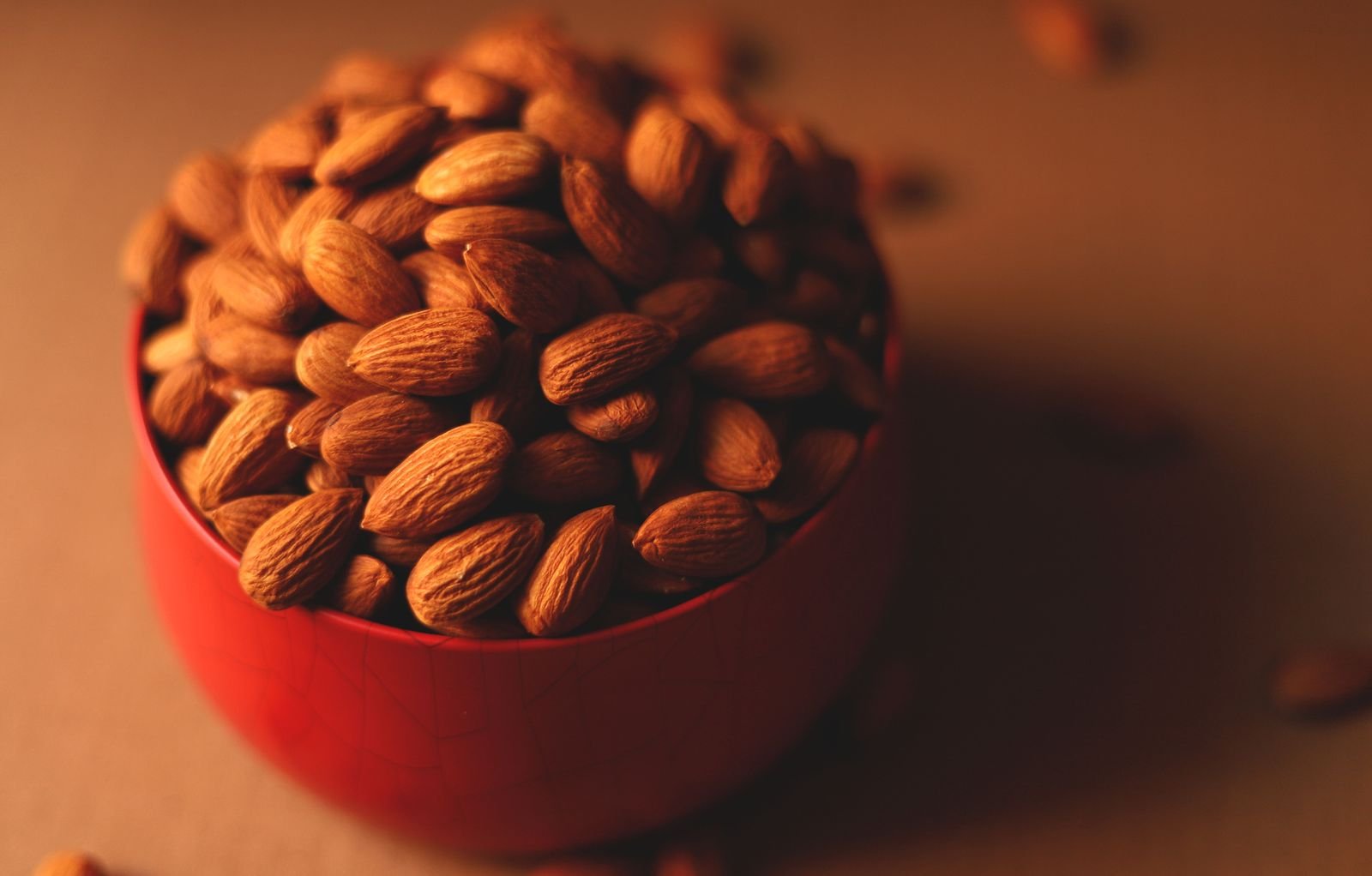
Almonds offer a useful combination of protein, fiber, and vitamin E. They have the most fiber among the 10 entries above and provide approximately 7.3 milligrams of vitamin E per ounce.
They also supply about 76 milligrams of calcium and 77 milligrams of magnesium. These amounts contribute to your daily intake, although almonds alone will not meet all your mineral needs.
Their firm texture works well in snacks and toppings. Try sliced almonds over oatmeal, chopped almonds in a grain bowl, or a measured portion alongside fruit.
2. Walnuts
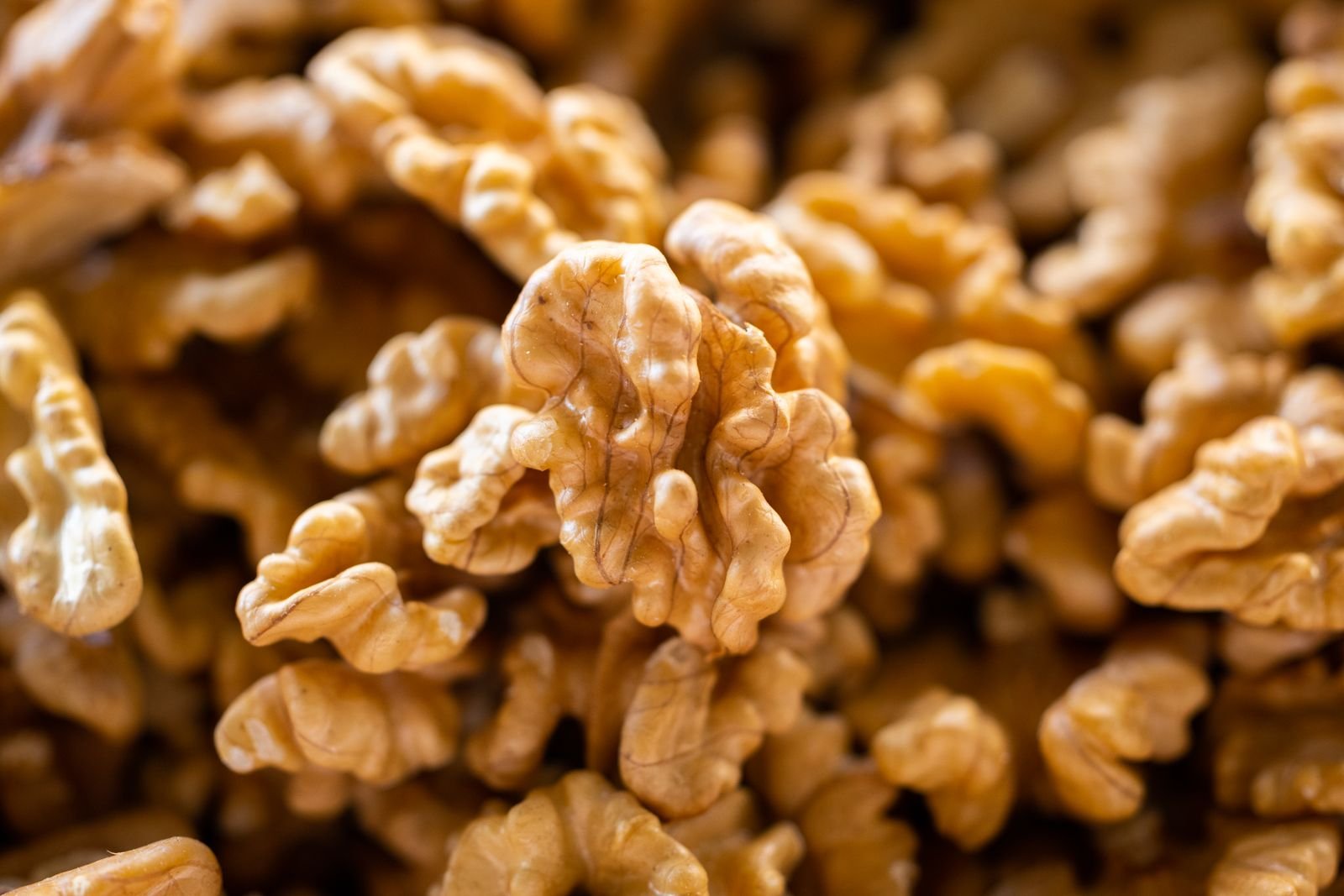
English walnuts are especially useful when you want more plant-based omega-3 fat. An ounce supplies approximately 2.57 grams of alpha-linolenic acid, or ALA, according to the NIH Office of Dietary Supplements.
ALA differs from EPA and DHA, the omega-3 fats commonly associated with fish. Your body converts only limited amounts of ALA into those forms, so they are not nutritionally interchangeable.
Walnuts have less protein and fiber than almonds, but their fatty-acid profile gives them a distinct place in a varied diet. Try chopped walnuts in oatmeal, over roasted vegetables, or blended into a sauce.
3. Pistachios
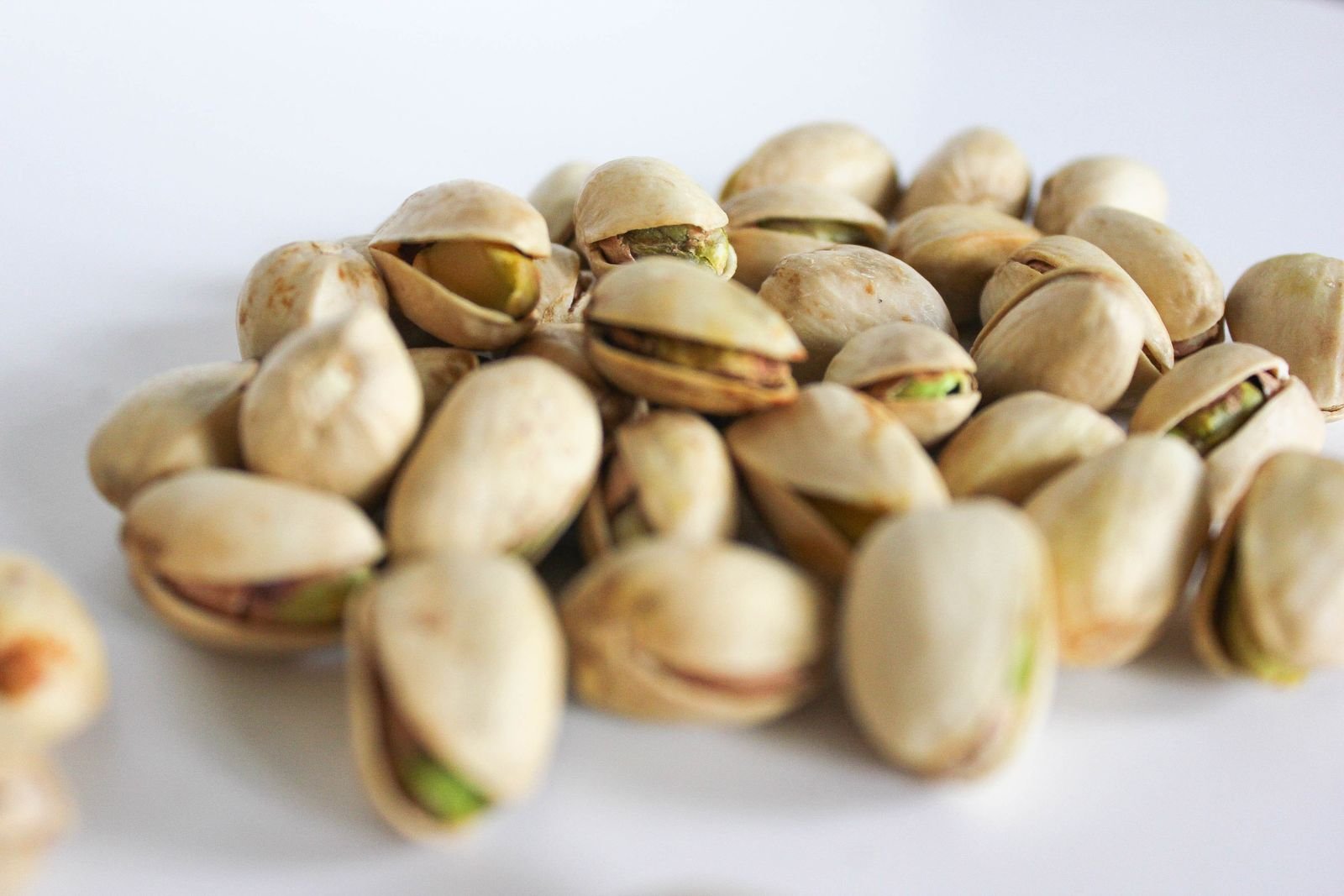
Pistachios provide nearly 6 grams of protein and 3 grams of fiber per ounce, making them a useful option when you want both nutrients in a snack.
They also contain approximately 291 milligrams of potassium per ounce, the highest amount among the USDA entries used here.
Choose shelled or in-shell pistachios according to convenience. When measuring a portion, use the weight of the edible kernels. Sprinkle chopped pistachios over yogurt or add them to a salad for crunch.
4. Peanuts
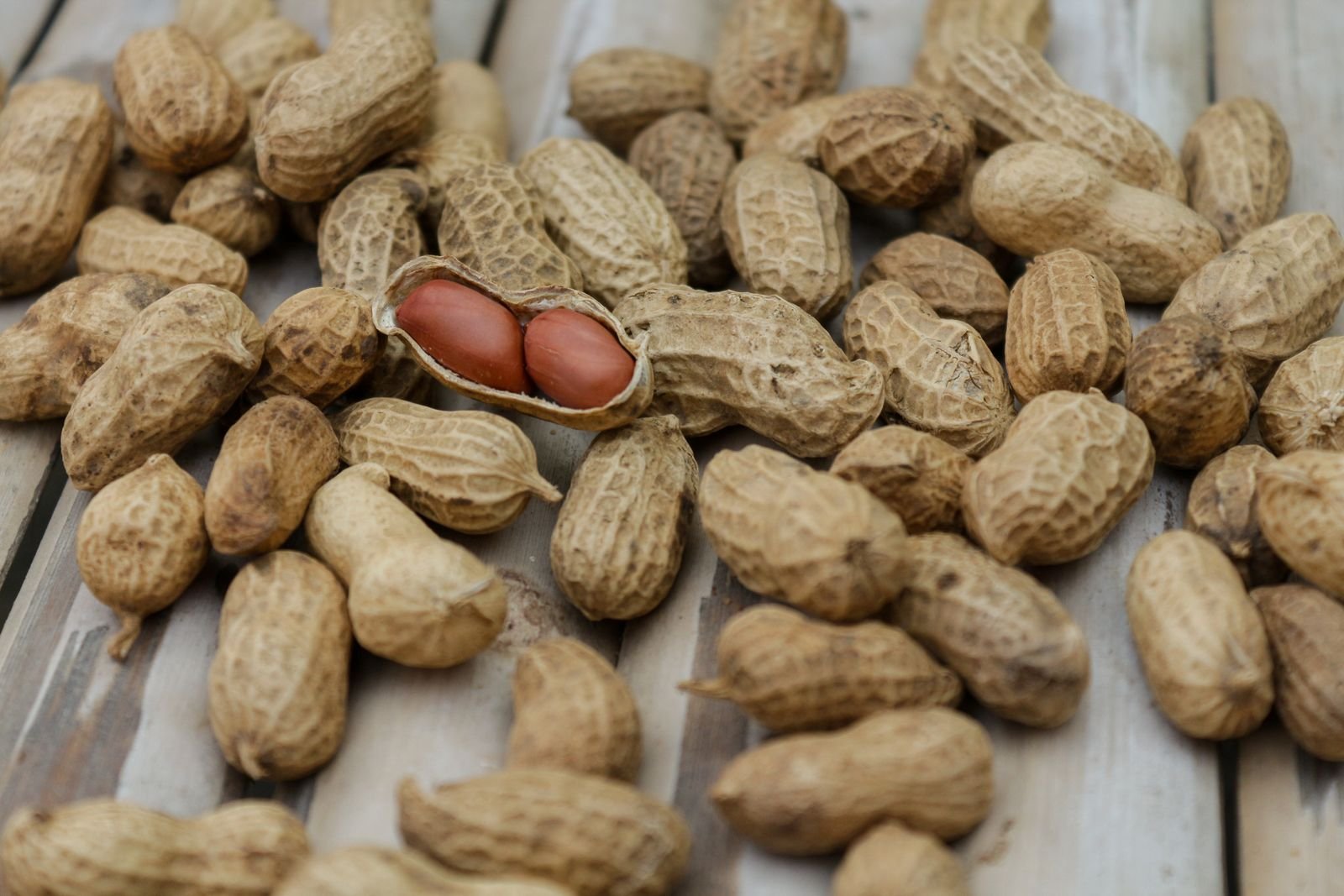
Peanuts provide approximately 7.3 grams of protein per ounce, the most among these 10 choices. They also contribute fiber, unsaturated fats, and folate.
Although peanuts are legumes, they are commonly grouped with nuts for nutritional and culinary purposes. They deserve consideration alongside tree nuts when you are comparing practical snack options.
Try plain peanuts in a homemade snack mix or chopped over a vegetable stir-fry. Peanut butter is another convenient option; choose a product made mostly from peanuts, with little or no added sugar and a sodium level that fits your needs.
5. Pecans
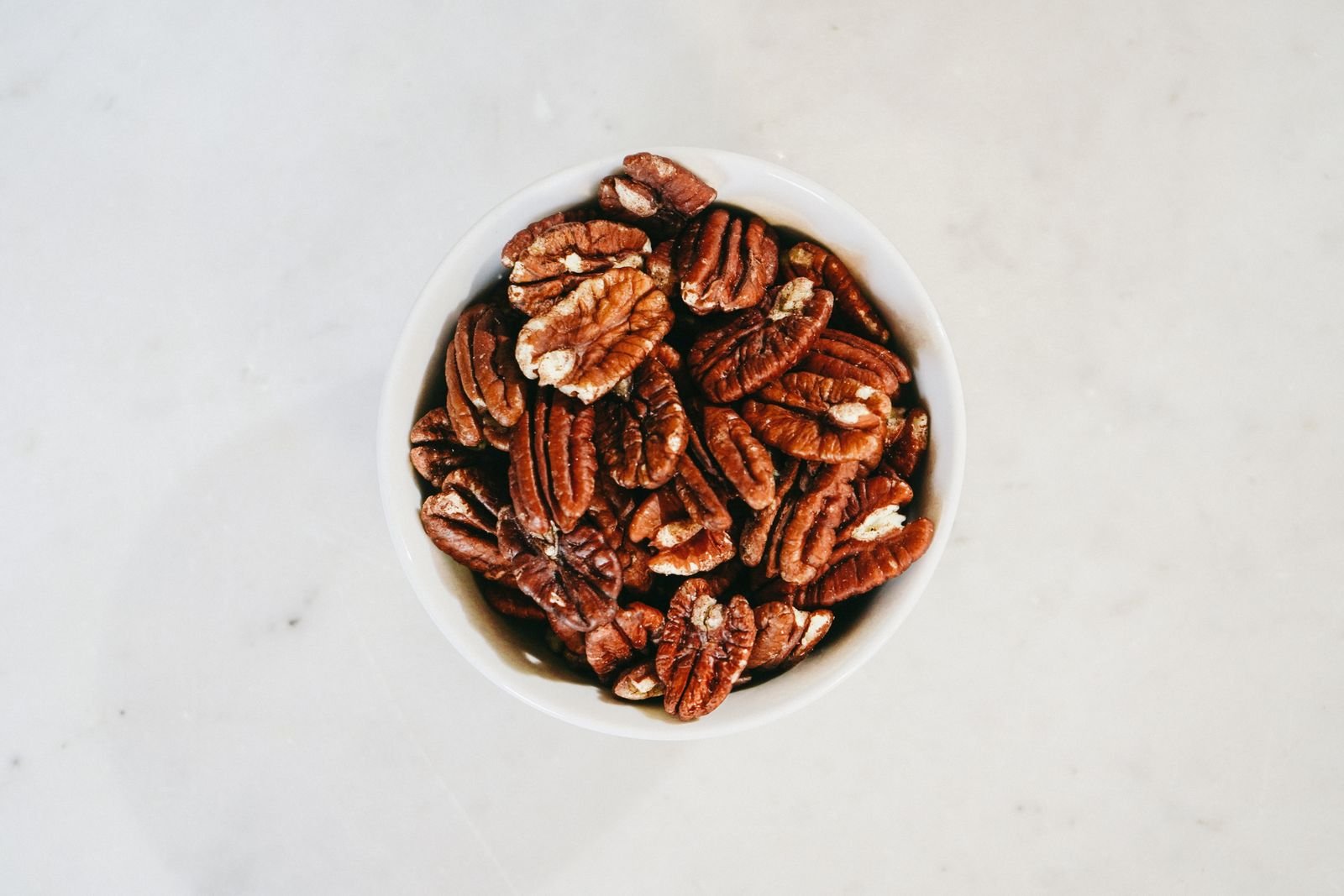
Pecans provide mostly unsaturated fats and about 2.7 grams of fiber per ounce. Their naturally rich flavor makes them useful in both sweet and savory meals.
They contain less protein per ounce than peanuts, almonds, or pistachios. If protein is your main priority, those options contribute more at the same serving weight.
Try pecans over roasted sweet potatoes, mixed into oatmeal, or added to a salad. Plain pecans let you enjoy their flavor while keeping added sugars separate from the nut itself.
6. Hazelnuts
Hazelnuts are another useful source of vitamin E, providing approximately 4.3 milligrams per ounce. They also contribute fiber and mostly monounsaturated fats.
You can enjoy them whole, chopped, or ground. Their flavor pairs well with fruit, oats, and unsweetened cocoa, making them easy to use beyond desserts.
Try chopped hazelnuts over pear slices or stirred into oatmeal. For hazelnut spreads, check the ingredient list: the proportion of nuts, added sugar, and other fats can differ substantially between products.
7. Cashews
Cashews contribute several minerals, including approximately 83 milligrams of magnesium and 0.62 milligrams of copper per ounce. They also provide about 5 grams of protein.
Their fiber content is lower than that of most nuts in this comparison. If increasing fiber is your main goal, almonds or pistachios contribute more per ounce.
Cashews work well in vegetable stir-fries, grain dishes, and blended sauces. If you make a creamy cashew sauce, account for the nuts used across the recipe and divide it into realistic portions.
8. Macadamia Nuts
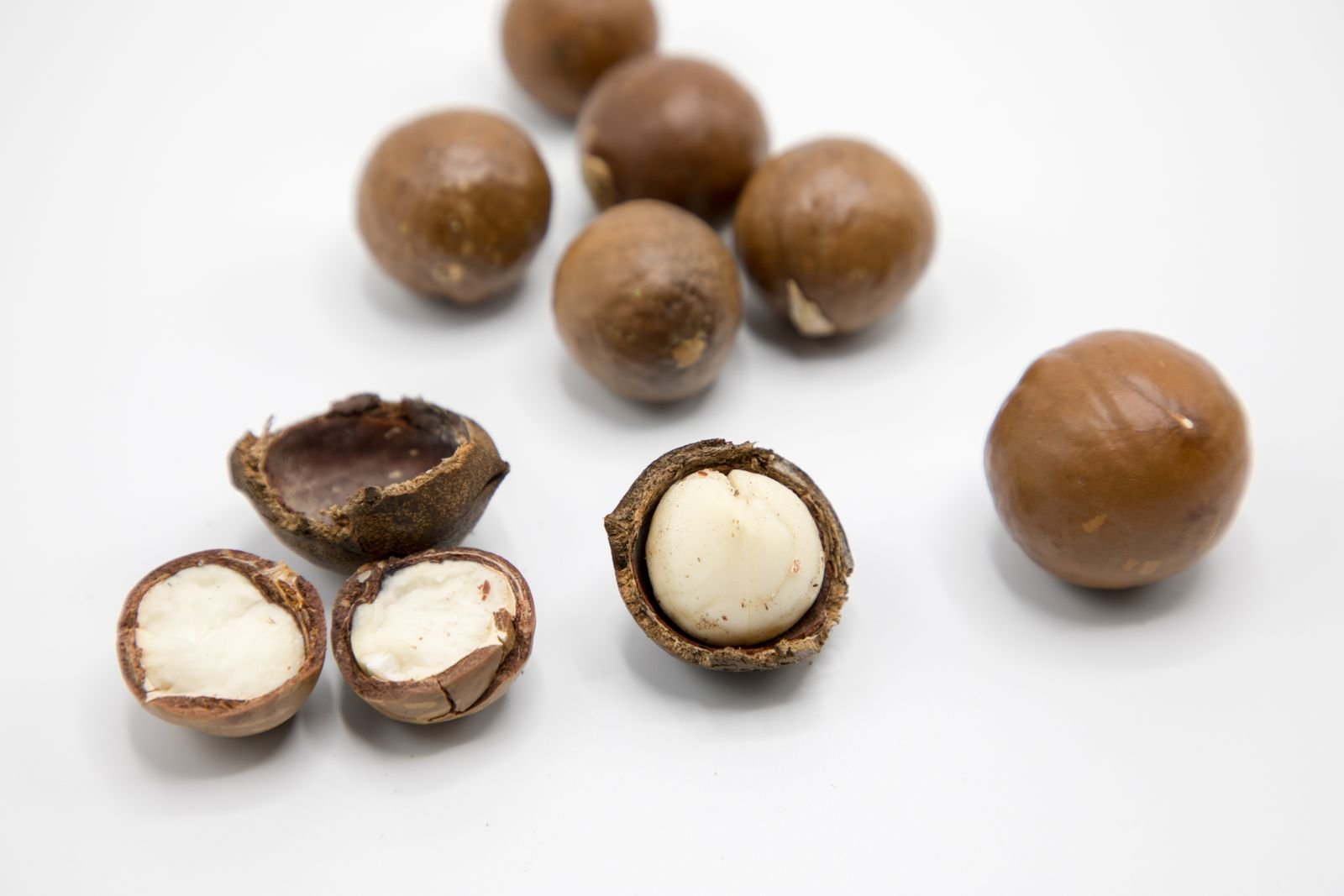
Macadamias contain mostly monounsaturated fats and have the highest total fat and calorie content among these entries. They provide approximately 204 calories per ounce.
That makes portion size particularly useful to consider. They can add energy and richness to meals, but they contribute less protein than several other choices on this list.
Try a small amount chopped into oatmeal or used as a topping for roasted vegetables. If you mainly want more protein from a snack, peanuts, almonds, or pistachios provide more at the same weight.
9. Pine Nuts
Pine nuts provide unsaturated fats, approximately 71 milligrams of magnesium, and 2.6 milligrams of vitamin E per ounce.
Their small size makes them convenient for adding to meals. You do not need a full ounce to use them as a topping.
Try pine nuts in pesto, tossed through a vegetable pasta dish, or sprinkled over a grain salad. When using pesto, remember that the finished sauce also includes other ingredients, so its nutrition differs from the pine nuts alone.
10. Brazil Nuts
Brazil nuts are unusually concentrated in selenium. According to the NIH selenium fact sheet, one ounce contains an average of 544 micrograms.
Most adults need 55 micrograms daily, while the US adult upper intake level is 400 micrograms per day from food and supplements combined. Selenium content also varies substantially between nuts.
A single Brazil nut can supply more than the usual adult daily requirement. Enjoy them sparingly, and consider selenium from supplements and other foods. Frequent excessive intake can cause toxicity.
Because their selenium content varies, a fixed daily nut count cannot guarantee a suitable intake for everyone.
How Nuts Fit Into a Healthy Eating Pattern
Research supports modest benefits for blood cholesterol. A 2025 review of randomized trials included 113 trials involving 8,060 adults.
Compared with control diets, nut consumption reduced LDL cholesterol by an average of approximately 4.6 milligrams per deciliter. The researchers also found modest improvements in several other blood lipid measures. Results varied, and evidence certainty was generally moderate or low.
These findings support including nuts in an overall healthy eating pattern. They do not establish that every variety produces the same benefit.
For everyday use, consider replacing part of a usual snack with a measured portion of plain nuts. Adding nuts to oatmeal, vegetables, or a grain dish is another practical way to include them.
How Many Nuts Should You Eat?
The American Heart Association describes one ounce of whole nuts or two tablespoons of nut butter as a serving. These are separate portion measures, not equivalent weights.
One ounce is a useful reference, but your portion can vary with your appetite, meals, and energy needs. A smaller amount may be enough when nuts are a topping.
To keep portions manageable:
- Put nuts in a small bowl instead of eating directly from a large bag.
- Weigh a portion occasionally to learn what it looks like.
- Include nut butter and nuts used in sauces when considering your total intake.
- Follow the separate selenium guidance for Brazil nuts.
How to Choose and Store Nuts
Choose Plain Raw or Roasted Nuts
Both raw and roasted nuts can fit a healthy diet. Plain raw or dry-roasted options make it easier to compare the nuts themselves.
Check added ingredients rather than assuming that a roasting method determines the whole product’s nutritional value.
Compare Sodium and Added Sugars
Unsalted nuts are a straightforward choice when you want to limit sodium. If you prefer salted nuts, compare labels using the same serving size.
Honey-roasted, candied, and chocolate-coated products can contain added sugars. Check the label so you know what the complete product contributes.
Check Nut Butter Ingredients
Look for nut butters made mostly from nuts. Compare added sugars, sodium, and added oils.
A short ingredient list can make comparison easier, but the nutrition label and the amount you eat still matter.
Keep Nuts Fresh
Store nuts in a tightly closed container. Refrigeration can help preserve freshness, particularly if you buy a large amount.
Follow package storage instructions for nut butter. Discard nuts that develop an unpleasant rancid smell or distinctly bitter taste.
Who Should Be Careful With Nuts?
People With Peanut or Tree-Nut Allergies
Peanuts and tree nuts are separate major food-allergen categories. Both can cause serious allergic reactions.
The FDA’s food-allergy guidance emphasizes avoiding your allergens and reading food labels. If you have a known nut allergy, do not assume that switching to another nut is safe without individual guidance.
Seek emergency medical help immediately for trouble breathing, throat swelling, or faintness after eating nuts. Follow any prescribed allergy emergency plan.
Young Children
The CDC’s choking-hazard guidance lists whole or chopped nuts and spoonfuls of nut butter as potential choking hazards for young children.
Nut foods need an age- and development-appropriate form. Chopping nuts alone does not necessarily make them suitable. Ask your child’s health professional about appropriate preparation if you are unsure.
Frequently Asked Questions
What Is the Healthiest Nut to Eat Every Day?
There is no single healthiest nut for everyone. Almonds offer fiber and vitamin E, walnuts provide plant omega-3 fat, and peanuts contribute more protein per ounce. Choose plain varieties you enjoy and can safely eat, with portions that fit your diet.
Which Nuts Have the Most Protein?
Among the foods compared here, raw peanuts provide the most protein at approximately 7.3 grams per ounce. Almonds provide about 6 grams, and pistachios provide about 5.7 grams. Product labels may differ with preparation and serving size.
Which Nuts Have the Most Fiber?
Almonds have the most fiber in this comparison, with about 3.5 grams per ounce. Pistachios provide about 3 grams, while pecans and hazelnuts each provide approximately 2.7 grams.
What Are the Best Nuts to Eat for Weight Loss?
No nut automatically causes weight loss. Almonds, pistachios, peanuts, and other plain nuts can fit into a calorie-controlled eating plan. Choose a portion you can manage and consider how it fits with your other meals and snacks.
Are Raw Nuts Healthier Than Roasted Nuts?
Both can be nutritious. For most everyday comparisons, the amount of added salt, sugar, oil, and the portion size are more useful considerations than assuming one preparation is always healthier. Plain raw and dry-roasted nuts are convenient options.
Are Peanuts as Nutritious as Tree Nuts?
Peanuts provide protein, fiber, unsaturated fats, and several micronutrients, making them a nutritious option. Their classification as legumes does not make them less valuable. The best choice depends on your preferences, nutritional priorities, and allergies.
How Many Brazil Nuts Can You Eat Safely?
There is no exact count that guarantees an appropriate selenium intake for everyone. Selenium content varies, and supplements contribute to your total. Avoid routine handfuls, and get individual advice before using Brazil nuts as a regular selenium source.
Conclusion
The healthiest nuts to eat offer different advantages. Almonds, walnuts, pistachios, peanuts, and the other choices above can add variety and useful nutrients to your meals.
Start with one or two plain varieties you enjoy. Measure a portion, try them in a snack or meal, and choose according to the nutrients you want most. Keep allergy precautions and the special selenium guidance for Brazil nuts in mind.
This content is for informational purposes only and not medical advice.
References
- USDA FoodData Central
- NIH Office of Dietary Supplements: Omega-3 Fatty Acids
- NIH Office of Dietary Supplements: Selenium
- Effect of Nut Consumption on Blood Lipids: An Updated Systematic Review and Meta-Analysis of Randomized Controlled Trials
- Effect of Nuts Combined With Energy Restriction: A Systematic Review and Meta-Analysis
- American Heart Association: Go Nuts, But Just a Little
- Heart Foundation: Nuts and Seeds for Heart Health
- FDA: Food Allergies—What You Need to Know
- CDC: Choking Hazards