
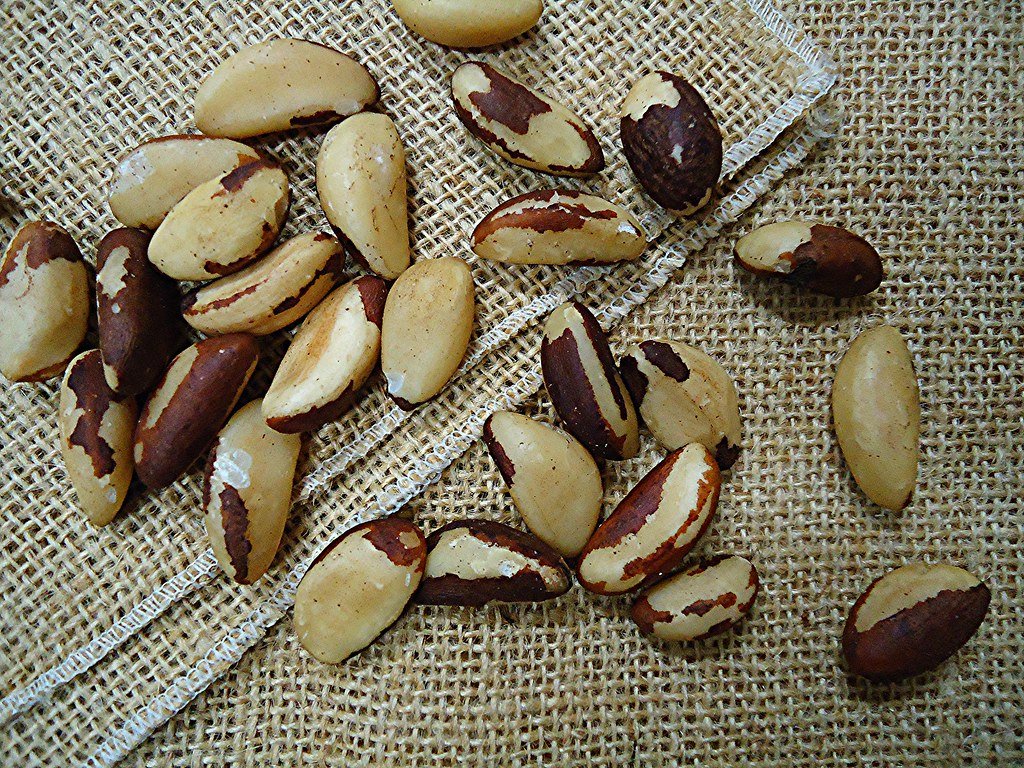
Brazil nuts are one of the richest natural sources of selenium — a vital trace mineral that supports thyroid function, antioxidant defense, and overall wellness. Eating just one or two Brazil nuts a day may help maintain optimal selenium levels and promote heart, brain, and immune health.
Understanding the science behind Brazil nuts’ nutrition helps you enjoy their powerful benefits safely and effectively. Below, you’ll learn about their nutrient profile, evidence-based health advantages, safe intake levels, and expert-recommended precautions.
What Are Brazil Nuts? (Overview and Nutrition Profile)
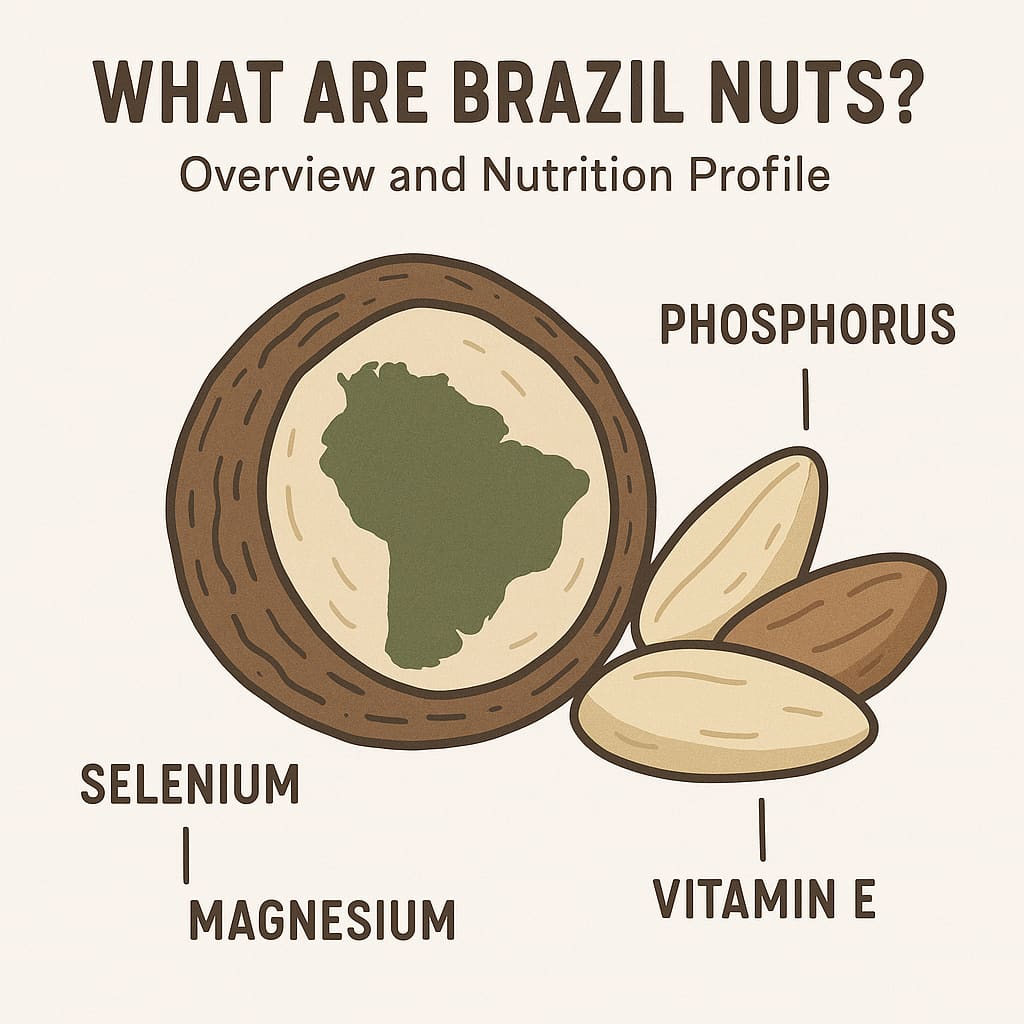
Brazil nuts are large, nutrient-dense seeds from the tree Bertholletia excelsa, native to the Amazon rainforest in Brazil, Bolivia, and Peru. Despite their name, they are technically not nuts but edible seeds enclosed in a hard, coconut-like shell. Known for their rich, creamy texture and mild, earthy flavor, Brazil nuts are prized for their exceptional nutritional content—particularly selenium, a trace mineral essential for thyroid function, immunity, and antioxidant protection.
Each tree can live more than 500 years and depends on wild rainforest ecosystems for pollination, making Brazil nuts one of the few globally traded products that naturally support Amazon forest conservation. Because they are wild-harvested rather than farmed, their production also provides income for local and Indigenous communities in South America.
(Source: Food and Agriculture Organization (FAO) | FoodNavigator Asia, 2025)
Nutrition Profile of Brazil Nuts
According to USDA FoodData Central, a one-ounce (28 g) serving—roughly six whole Brazil nuts—contains the following nutrients:
| Nutrient (per 1 oz / 28 g) | Amount | % Daily Value (DV)* | Function / Benefit |
|---|---|---|---|
| Calories | 187 kcal | — | Energy source |
| Protein | 4.1 g | — | Supports tissue maintenance |
| Total Fat | 19 g | — | Mostly unsaturated fats beneficial for heart health |
| Carbohydrates | 3.3 g | — | Provides energy |
| Dietary Fiber | 2.1 g | — | Aids digestion |
| Selenium | 544 µg | 988 % DV | Key antioxidant mineral; supports thyroid and immune function |
| Magnesium | 105 mg | 25 % | Supports bone, nerve, and muscle function |
| Phosphorus | 206 mg | 16 % | Strengthens bones and teeth |
| Copper | 0.5 mg | 55 % | Helps iron absorption and collagen formation |
| Zinc | 1.1 mg | 10 % | Supports immune defense |
| Vitamin E | 1.6 mg | 11 % | Protects cells from oxidative stress |
*Percent Daily Values based on adult requirements (USDA & NIH ODS, 2024)
Key Nutritional Takeaways
- Selenium Superfood: One or two Brazil nuts can meet 100 % or more of the daily selenium requirement (55 µg/day for adults).
- Heart-Healthy Fats: The majority of fats are monounsaturated and polyunsaturated, which may support cardiovascular health.
- Micronutrient Dense: Also provides magnesium, phosphorus, zinc, and vitamin E—essential for metabolic, bone, and immune health.
- Naturally Gluten-Free and Plant-Based: Suitable for vegetarian and gluten-free diets.
Including Brazil nuts in moderation—just a few per week—can meaningfully contribute to your nutrient intake and antioxidant defense while supporting sustainable rainforest ecosystems.
10 Proven Health Benefits of Brazil Nuts (Backed by Science)
Brazil nuts are a powerhouse of essential nutrients—especially selenium, magnesium, and healthy fats—that may support thyroid balance, cardiovascular health, and antioxidant defenses. Below are ten science-backed benefits explaining why just one or two Brazil nuts a day can have a meaningful impact on your overall wellness.
1. Supports Thyroid Function
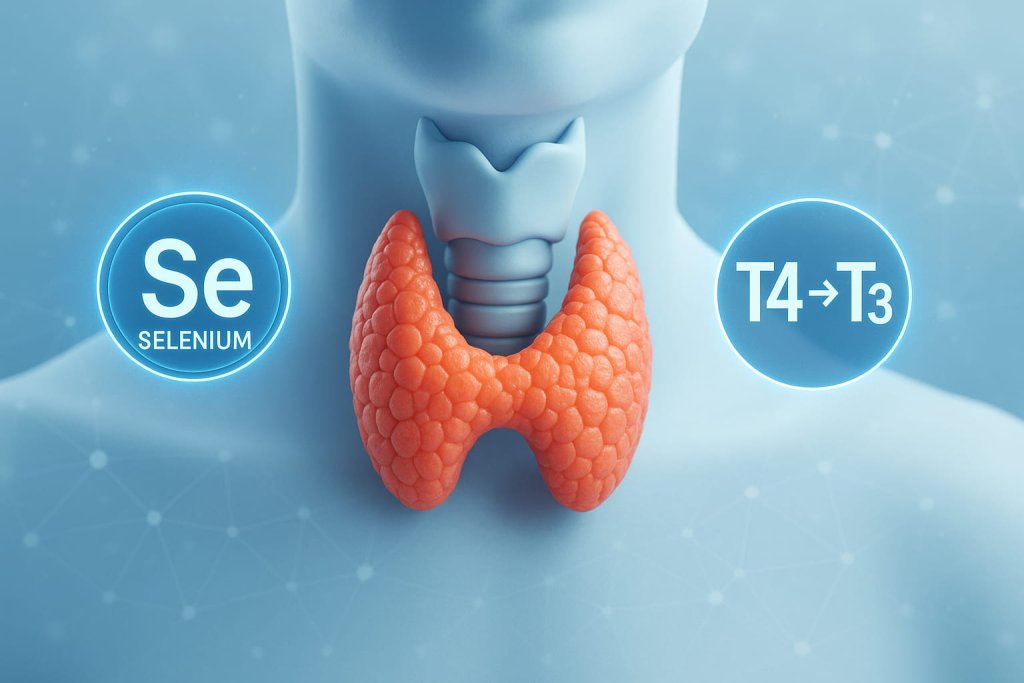
Selenium plays a vital role in thyroid hormone activation. It helps convert thyroxine (T4) into its active form triiodothyronine (T3), which regulates metabolism, growth, and energy. A deficiency can lead to fatigue or metabolic slowdown.
Brazil nuts are among the richest natural food sources of selenium, providing up to 988% of the daily value in just one ounce. Adequate selenium intake supports the antioxidant enzymes that protect thyroid cells from oxidative damage.
For more, see the National Institutes of Health Office of Dietary Supplements (NIH ODS) – Selenium Fact Sheet.
2. Provides Powerful Antioxidant Protection

Brazil nuts naturally enhance the body’s antioxidant defenses through selenium-dependent enzymes like glutathione peroxidase, which neutralize harmful free radicals.
A 2024 randomized clinical trial published in Nutrients found that daily Brazil nut consumption significantly increased plasma selenium levels and improved total antioxidant capacity, reducing markers of oxidative stress in healthy adults.
Reference: Nutrients Journal, 2024 – “Brazil Nut Intake Improves Antioxidant Status”.
3. May Improve Heart and Cholesterol Health

Brazil nuts contain monounsaturated fats, polyunsaturated fats, and fiber, which support healthy cholesterol levels. In a human study published in the Journal of Nutrition and Metabolism, participants experienced a drop in LDL (bad cholesterol) and an increase in HDL (good cholesterol) within 9 hours of eating Brazil nuts.
The combination of selenium’s antioxidant role and heart-healthy fats may help support cardiovascular wellness and maintain normal lipid balance.
Source: Journal of Nutrition and Metabolism (2013).
4. Supports Immune Function

Selenium plays a central role in immune defense. It influences white blood cell activity, antioxidant production, and cytokine regulation, which together support the body’s ability to respond to infection and inflammation.
Regularly consuming selenium-rich foods such as Brazil nuts may help maintain immune resilience, particularly in populations with low selenium intake.
Learn more at the NIH Office of Dietary Supplements – Selenium Fact Sheet.
5. May Enhance Brain and Cognitive Health

Oxidative stress and inflammation are major contributors to age-related cognitive decline and mood disturbances. Selenium, found abundantly in Brazil nuts, plays a critical role in protecting brain cells by boosting antioxidant enzyme activity and reducing oxidative damage in neural tissues.
A 2025 review published in Frontiers in Neuroscience titled “Selenium and Brain Aging: A Comprehensive Review with Mechanistic Insights” reported that low selenium status is linked to impaired neurogenesis, mitochondrial dysfunction, and reduced cognitive performance, particularly in older adults. The review further concluded that maintaining adequate selenium intake helps support hippocampal function, memory retention, and neuronal resilience against oxidative stress
(PubMed – Selenium and Brain Aging, 2025).
Including a small number of Brazil nuts in your diet may help support long-term brain health and cognitive performance when combined with other nutrient-rich, antioxidant foods such as leafy greens, berries, and fatty fish.
6. Promotes Healthy Skin and Aging

Brazil nuts are rich in vitamin E, selenium, and monounsaturated fats, all of which help protect skin cells from oxidative damage caused by UV exposure and pollution. These nutrients support skin elasticity, hydration, and collagen maintenance—key factors for healthy, youthful skin.
According to Harvard T.H. Chan School of Public Health, vitamin E acts as a powerful antioxidant that works synergistically with selenium to maintain healthy skin structure and reduce inflammation.
7. Supports Gut and Digestive Health
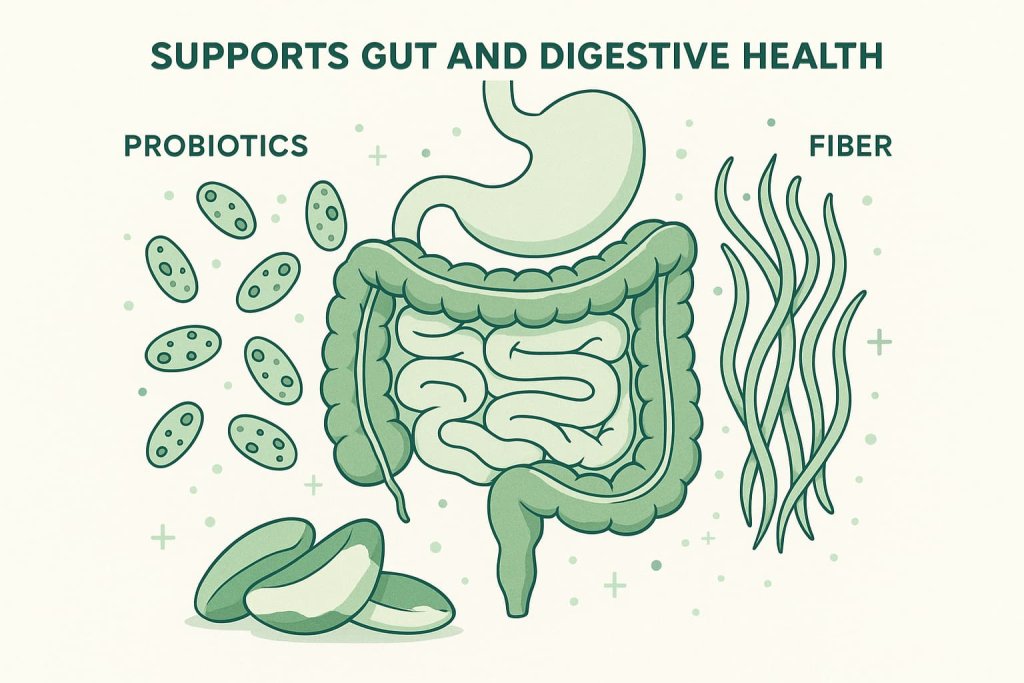
A 2024 study published in Nutrients found that Brazil nut supplementation reduced intestinal permeability and improved beneficial gut bacteria such as Lactobacillus and Bifidobacterium in overweight women.
The fiber, polyphenols, and healthy fats in Brazil nuts further support regular digestion and microbial diversity—key markers of gut health.
Source: PubMed – Effects of Brazil Nuts on Gut Microbiota and Intestinal Permeability (2024).
8. May Support Blood Sugar Balance
Brazil nuts supply magnesium, fiber, and unsaturated fats, which may help regulate blood sugar and improve insulin sensitivity. Magnesium, in particular, plays a role in glucose metabolism and helps transport sugar into cells for energy.
Research summarized by the American Diabetes Association suggests that diets rich in magnesium and healthy fats can support stable blood glucose levels and reduce oxidative stress associated with metabolic disorders.
9. Supports Bone and Cellular Health
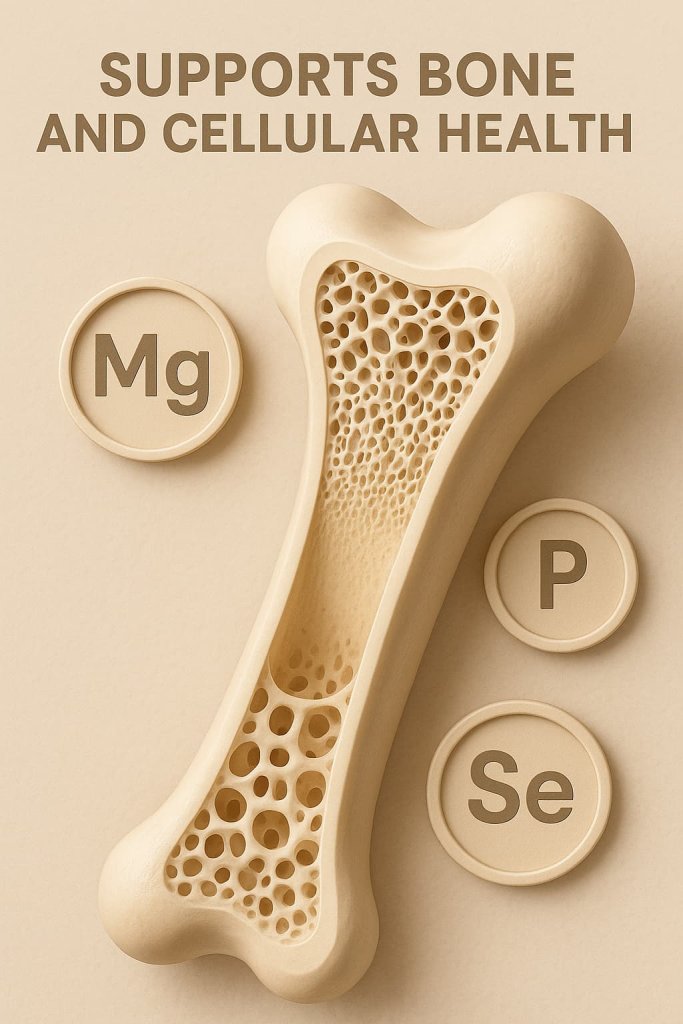
Magnesium, phosphorus, and selenium in Brazil nuts collectively support bone strength and cellular repair. Magnesium aids calcium absorption and muscle relaxation, while phosphorus contributes to bone mineralization and energy metabolism.
According to the NIH ODS Magnesium Fact Sheet, maintaining adequate magnesium levels may help preserve bone density and overall skeletal health.
10. Promotes Overall Wellness and Longevity
By combining selenium-driven antioxidant protection, anti-inflammatory compounds, and essential micronutrients, Brazil nuts contribute to whole-body balance and long-term vitality. Regular but moderate intake may support metabolism, immunity, and cellular integrity.
Moreover, sustainable wild-harvesting of Brazil nuts from the Amazon rainforest helps protect biodiversity and supports local forest communities, promoting environmental and human well-being.
Read more from FoodNavigator Asia (2025) – Brazil Nuts Boost Health and Protect Forest Communities.
Recommended Daily Intake and Safe Limits
Selenium is an essential trace mineral that the body needs only in small amounts, but both deficiency and excess can affect health.
According to the National Institutes of Health Office of Dietary Supplements (NIH ODS), the Recommended Dietary Allowance (RDA) for selenium is:
| Group | Daily Selenium Requirement |
|---|---|
| Adults (19 years and older) | 55 µg/day |
| Pregnant individuals | 60 µg/day |
| Lactating individuals | 70 µg/day |
| Tolerable Upper Intake Level (UL) | 400 µg/day |
Brazil nuts are among the richest natural sources of selenium — one nut can contain between 68 µg and 90 µg, depending on origin and soil conditions. Eating 1–2 Brazil nuts per day generally provides sufficient selenium for most adults and supports healthy thyroid, antioxidant, and immune function.
Regular overconsumption (e.g., eating more than 4–5 nuts daily for long periods) may exceed the upper limit and increase the risk of selenium toxicity. Moderation is key to maintaining optimal health and YMYL safety compliance.
Possible Side Effects and Precautions
While Brazil nuts are among the most nutrient-rich foods, consuming them in excess or without proper precautions can lead to unwanted effects. Maintaining balance and moderation is key for safety and long-term health.
Selenium Toxicity (Selenosis)
Brazil nuts are exceptionally high in selenium — just one nut may contain between 68 µg and 90 µg. The recommended daily allowance (RDA) for adults is 55 µg, and the tolerable upper intake level (UL) is 400 µg per day, according to the National Institutes of Health Office of Dietary Supplements (NIH ODS).
Regularly exceeding this limit can lead to selenium toxicity, or selenosis, which may cause symptoms such as fatigue, nausea, gastrointestinal discomfort, hair loss, brittle nails, or a metallic taste in the mouth. Limiting intake to 1–2 nuts per day is typically safe for most adults.
Allergic Reactions
Brazil nuts are classified as tree nuts, one of the major food allergens recognized by the U.S. Food and Drug Administration (FDA). For people with tree-nut allergies, even trace exposure can trigger immune reactions ranging from mild itching or hives to severe anaphylaxis, a potentially life-threatening emergency.
According to the American College of Allergy, Asthma & Immunology (ACAAI), tree-nut allergies are among the most persistent and serious food allergies, often lasting into adulthood. Common symptoms include mouth or throat itching, facial swelling, hives, abdominal pain, vomiting, and difficulty breathing.
Cross-contact between Brazil nuts and other tree nuts (like almonds, cashews, or walnuts) can easily occur during processing or packaging. Therefore, individuals with a confirmed or suspected tree-nut allergy should avoid Brazil nuts entirely and consult a board-certified allergist for accurate diagnosis and management.
For additional education and safety guidance, visit the Food Allergy Research & Education (FARE) – Tree Nut Allergy Resource.
If you experience swelling, breathing difficulty, or dizziness after eating or handling Brazil nuts, seek immediate emergency medical care.
Calorie Density and Weight Management
One ounce (about six nuts) contains around 187 calories, most of which come from beneficial monounsaturated and polyunsaturated fats. However, over-snacking can contribute to calorie surplus and potential weight gain.
For balanced nutrition, enjoy Brazil nuts in small portions and combine them with other whole foods like fruits, vegetables, and lean proteins.
Rancidity and Food Safety
Because Brazil nuts contain a high amount of healthy oils, they are naturally more prone to rancidity if exposed to air, heat, or moisture. Over time, these conditions cause oxidation, leading to a bitter taste, unpleasant odor, and nutrient degradation. While rancid nuts are unlikely to cause acute illness, consuming oxidized fats regularly may negatively impact overall wellness.
To preserve freshness and nutritional quality:
- Store properly: Keep Brazil nuts in airtight glass or BPA-free containers in a cool, dry, and dark place to slow down oxidation.
- Refrigerate or freeze: For long-term storage, refrigerate for up to six months or freeze for up to one year. Cold storage significantly reduces oil breakdown and prevents mold growth.
- Inspect before eating: Discard any nuts that smell sour, taste bitter, or appear moldy or discolored. These are clear signs of spoilage.
- Handle safely: Always use clean, dry utensils or hands to avoid moisture and bacterial contamination.
For more detailed, authoritative food storage guidance, see the U.S. Food and Drug Administration (FDA) – Are You Storing Food Safely? and UC Davis – Safe Handling of Nuts and Seeds (2024).
Following these practices helps ensure that your Brazil nuts retain their flavor, texture, and nutrient integrity while meeting the highest standards of food safety.
Special Populations
Pregnant and breastfeeding individuals require slightly higher selenium intake (60–70 µg/day) but should still avoid exceeding the upper limit of 400 µg/day. If you’re taking selenium supplements or multivitamins, consider adjusting Brazil nut intake to prevent excess. Consult a registered dietitian or healthcare provider for personalized guidance.
How to Eat Brazil Nuts
Incorporating Brazil nuts into your diet can be simple and delicious. Here are safe, practical, and nutrient-balanced ways to enjoy them:
- Snack Smart: Eat 1–2 raw or lightly roasted Brazil nuts as a daily selenium source.
- Smoothies: Blend with banana, cacao, or oats for a creamy, antioxidant-rich smoothie.
- Breakfast Bowls: Sprinkle chopped nuts over yogurt, oatmeal, or granola for added crunch and healthy fats.
- Salads: Toss crushed Brazil nuts with leafy greens and vinaigrette for a magnesium boost.
- Healthy Desserts: Mix into dark-chocolate bark or homemade energy bites for a nutrient upgrade.
- Pairing Tip: Combine Brazil nuts with vitamin C-rich fruits (like oranges or strawberries) to improve mineral absorption.
For guidance on portion sizes and balanced nutrition, refer to the Harvard T.H. Chan School of Public Health – The Nutrition Source.
Storage and Food Safety Tips
Proper storage is essential to keep Brazil nuts safe, fresh, and nutrient-rich. Because of their high oil content, they are prone to oxidation, rancidity, and moisture-related spoilage if not stored correctly. Practicing safe handling and storage helps maintain both their nutritional quality and food safety.
According to the University of California, Davis – Division of Agriculture and Natural Resources in its Guidelines for Safe Handling of Nuts and Seeds (UC Food Safety PDF, 2024), the following best practices are recommended for nut storage:
- Storage Temperature: Keep Brazil nuts in a cool, dry, and dark place at or below 70 °F (21 °C). Elevated temperatures can accelerate oil breakdown and rancidity.
- Container Type: Use an airtight glass jar or BPA-free container to prevent exposure to air, moisture, and light—all of which can degrade the nuts’ quality.
- Refrigeration or Freezing: For longer shelf life, refrigerate Brazil nuts for up to six months or freeze them for up to one year. Cold storage significantly slows down fat oxidation.
- Check for Spoilage: Discard nuts that smell sour, taste bitter, or appear moldy, as these indicate rancidity or microbial growth.
- Handling Hygiene: Always use clean, dry hands or utensils when scooping nuts to prevent contamination and moisture transfer.
These evidence-based storage steps align with U.S. food safety best practices and ensure your Brazil nuts retain their flavor, crunch, and nutritional value while minimizing risk of contamination or spoilage.
Frequently Asked Questions (FAQ)
1. How many Brazil nuts should I eat per day?
One to two nuts daily is sufficient for most adults to meet selenium needs safely.
2. Can Brazil nuts support thyroid health?
Yes, their selenium content supports the conversion of thyroid hormones (T4 → T3).
3. What happens if I eat too many Brazil nuts?
Regular overconsumption may lead to selenium toxicity (selenosis). Stick to the safe limit of ≤ 400 µg/day.
4. Are Brazil nuts suitable for vegans and vegetarians?
Yes, they are completely plant-based and provide valuable micronutrients like selenium and magnesium.
5. Can children eat Brazil nuts?
Yes, but limit to small portions (e.g., half a nut) and ensure no nut allergies exist.
6. Do roasted Brazil nuts lose nutrients?
Light roasting is fine, but avoid high-temperature or salted versions to preserve healthy fats and minerals.
7. How long do Brazil nuts last?
Stored properly in the fridge, they last up to six months; in the freezer, up to one year.
Conclusion
Brazil nuts are a potent natural source of selenium, magnesium, and healthy fats that support thyroid, heart, brain, and immune health.
Just one or two nuts a day can make a measurable contribution to your daily micronutrient intake. However, moderation is crucial—more is not better when it comes to selenium.
By sourcing responsibly harvested Brazil nuts, you not only enhance your wellness but also help protect the Amazon rainforest and the communities that depend on it.
This content is for informational purposes only and not medical advice.