
The best fruits for weight loss are whole fruits that help you feel full, manage cravings, and replace more calorie-dense snacks or desserts. In real life, that usually means fruits with plenty of water, some fiber, easy portion control, and enough natural sweetness to make healthier eating easier to stick with.
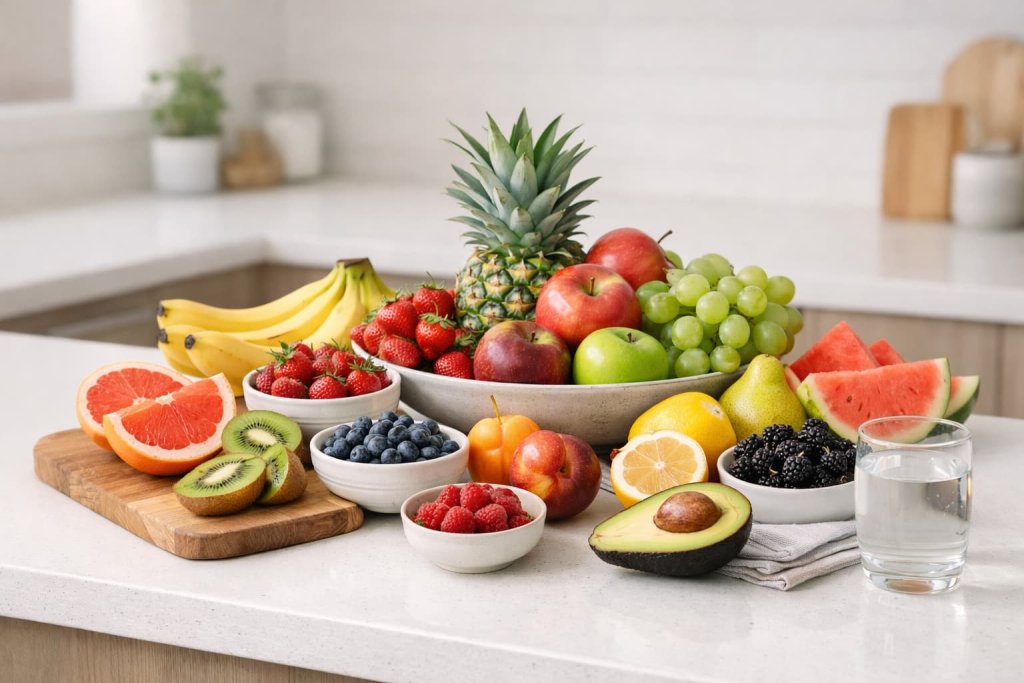
That matters because weight loss usually works better when your meals and snacks are satisfying, not overly restrictive. According to the Centers for Disease Control and Prevention, fruits and vegetables can help you feel full while eating fewer calories because they add water and fiber, and whole fruit is usually more filling than juice.
Why fruit can help with weight loss
Fruit does not melt body fat or work as a shortcut. What it can do is help you build a lower-calorie, higher-quality eating pattern that feels easier to maintain.
A good fruit choice may help with weight loss when it replaces candy, pastries, chips, or sugary drinks, adds volume to a snack without many calories, and gives you fiber and water that support fullness. The World Health Organization recommends eating plenty of fruits and vegetables and notes that fruit juice is not the same as whole fruit from a sugar and fullness standpoint.
What makes a fruit one of the best fruits for weight loss
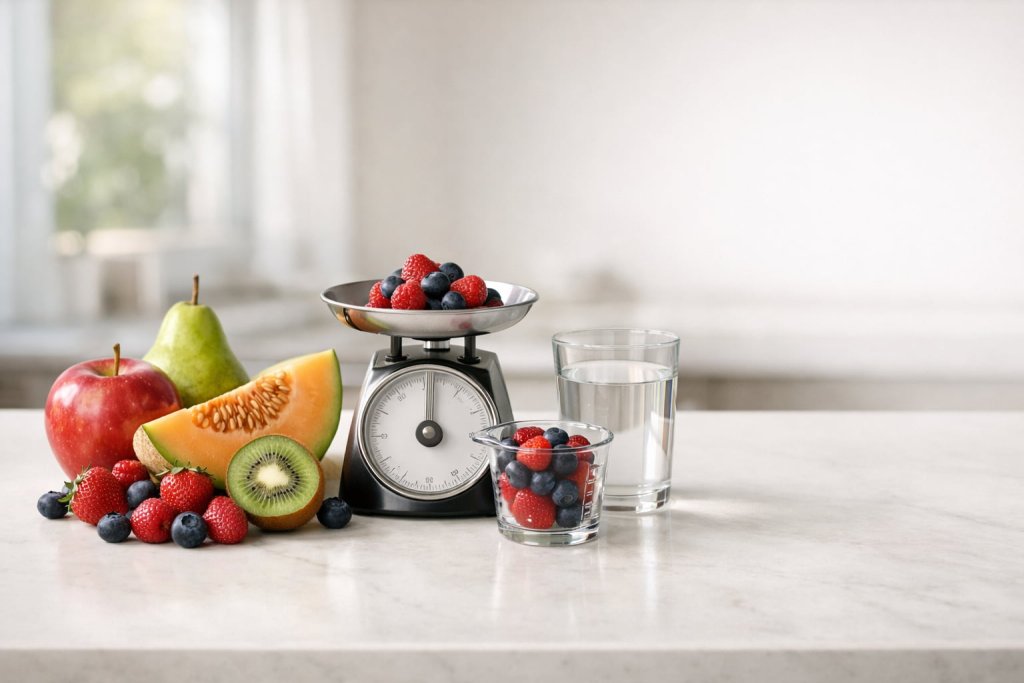
The best fruits for weight loss usually have a few things in common. They are easy to portion, filling enough to work as a real snack, and practical enough that you will actually keep eating them.
Water-rich fruits can help you eat a satisfying amount of food for fewer calories. Whole fruits also keep their natural structure and fiber, which usually makes them more filling than juice. The CDC notes that you can cut calories without being hungry by using fiber-rich foods such as fruit.
Best fruits for weight loss based on your goal
Not every fruit helps in exactly the same way. Some are better when you want a bigger portion, while others work better for convenience or sweet cravings.
- Best for fullness: apples, pears, berries
- Best for large low-calorie portions: watermelon, cantaloupe, grapefruit
- Best for sweet cravings: pineapple, peaches, berries
- Best for convenience: bananas, apples, oranges
- Best instead of juice: oranges, grapefruit, apples
- Best for breakfast bowls or yogurt: berries, kiwi, banana, pineapple
This makes choosing easier. Instead of asking which fruit is best overall, it is often more helpful to ask which fruit best fits the moment you usually overeat, snack, or crave something sweet.
11 Best Fruits for Weight Loss
1. Berries
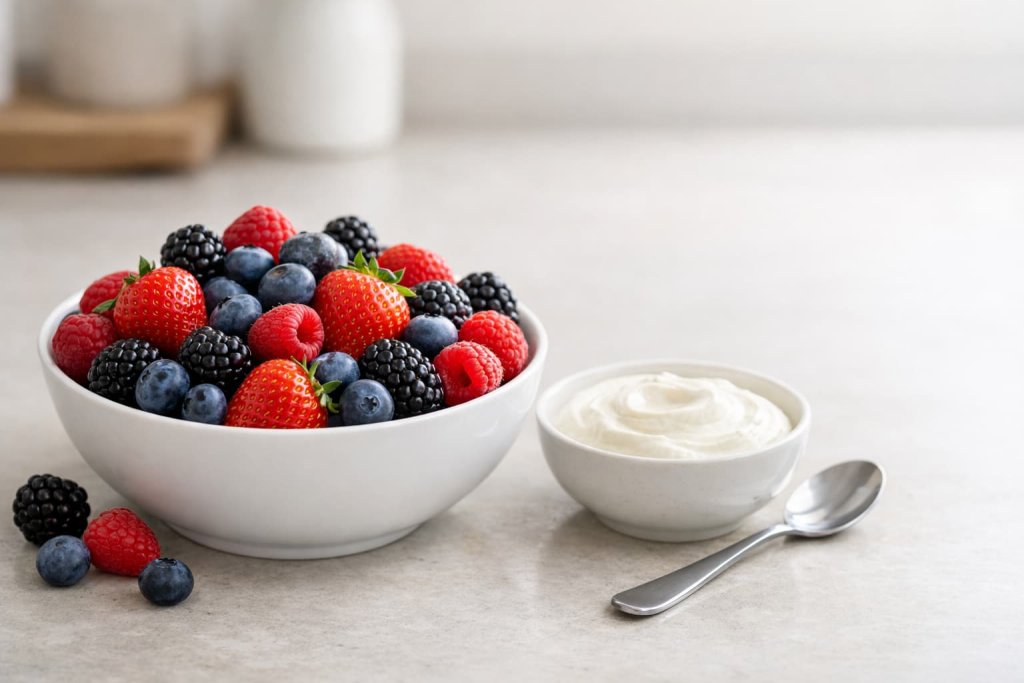
Berries are one of the strongest all-around picks for weight loss because they are naturally sweet, easy to portion, and work well in breakfasts, snacks, and lighter desserts. They also make it easier to replace calorie-dense sweets with something that still feels enjoyable.
Nutrition Profile: A practical representative serving is 8 medium strawberries (147 g), which provides about 50 calories, 11 g carbs, 2 g fiber, 8 g sugar, and 1 g protein, based on the U.S. Food and Drug Administration. Other berries vary, but raspberries and blackberries are typically higher in fiber per serving than strawberries.
How it helps for weight loss: Berries give you sweetness and volume for relatively few calories, which makes them useful as a dessert swap or as a topping for yogurt or oatmeal instead of granola, syrup, or baked sweets.
2. Apples
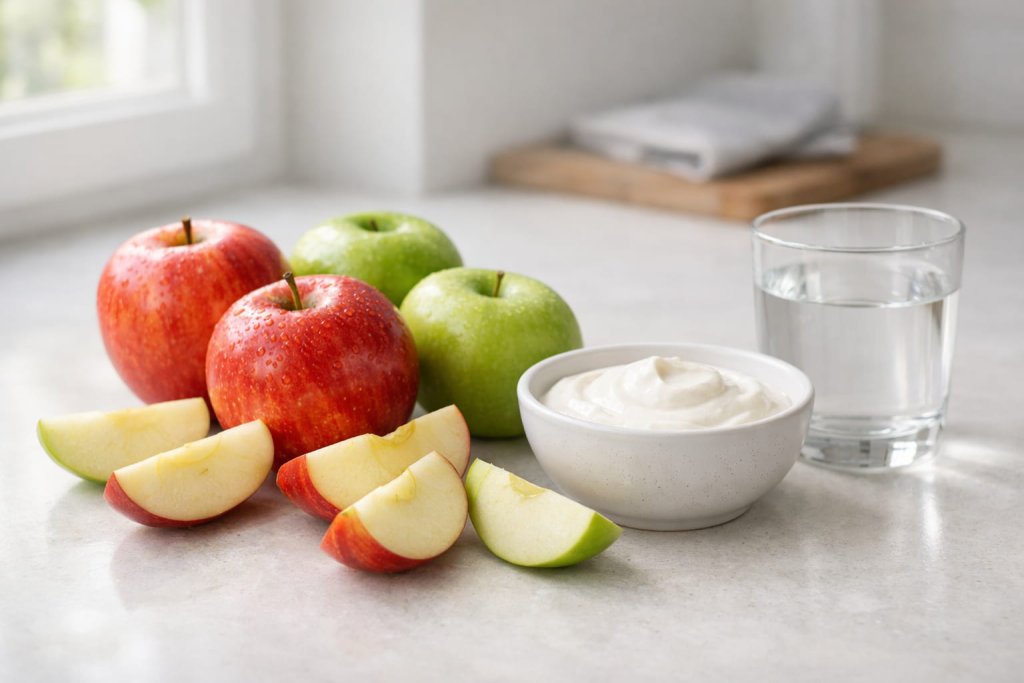
Apples are one of the most practical fruits for weight loss. They are portable, affordable, and filling enough to work as a real snack instead of a token healthy choice that leaves you hungry soon after.
Nutrition Profile: 1 large apple (242 g) provides about 130 calories, 34 g carbs, 5 g fiber, 25 g sugar, and 1 g protein.
How it helps for weight loss: Apples take time to chew, come in a naturally portioned form, and offer fiber that helps a snack feel more substantial. They are especially useful when they replace chips, cookies, or candy.
3. Pears
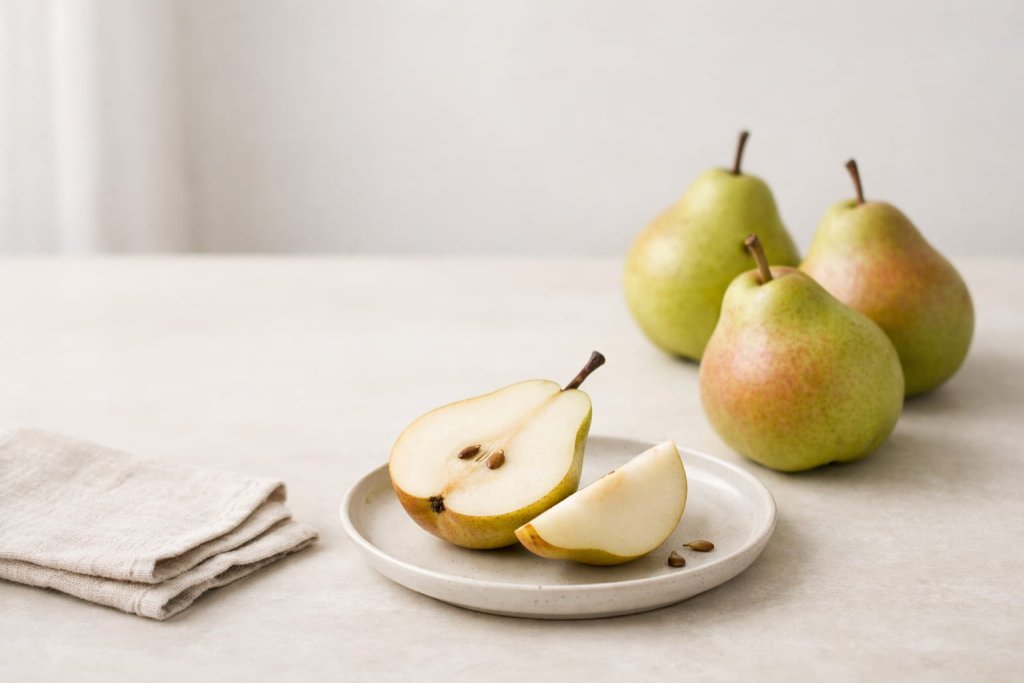
Pears are often overlooked, but they are one of the best fruits for weight loss when fullness matters most. They are sweet, portable, and often feel more substantial than lighter fruits.
Nutrition Profile: 1 medium pear (166 g) provides about 100 calories, 26 g carbs, 6 g fiber, 16 g sugar, and 1 g protein.
How it helps for weight loss: Pears combine sweetness, fiber, and volume in a way that makes them very satisfying between meals. They are a strong choice when you want a snack that feels filling without relying on processed snack foods.
4. Grapefruit
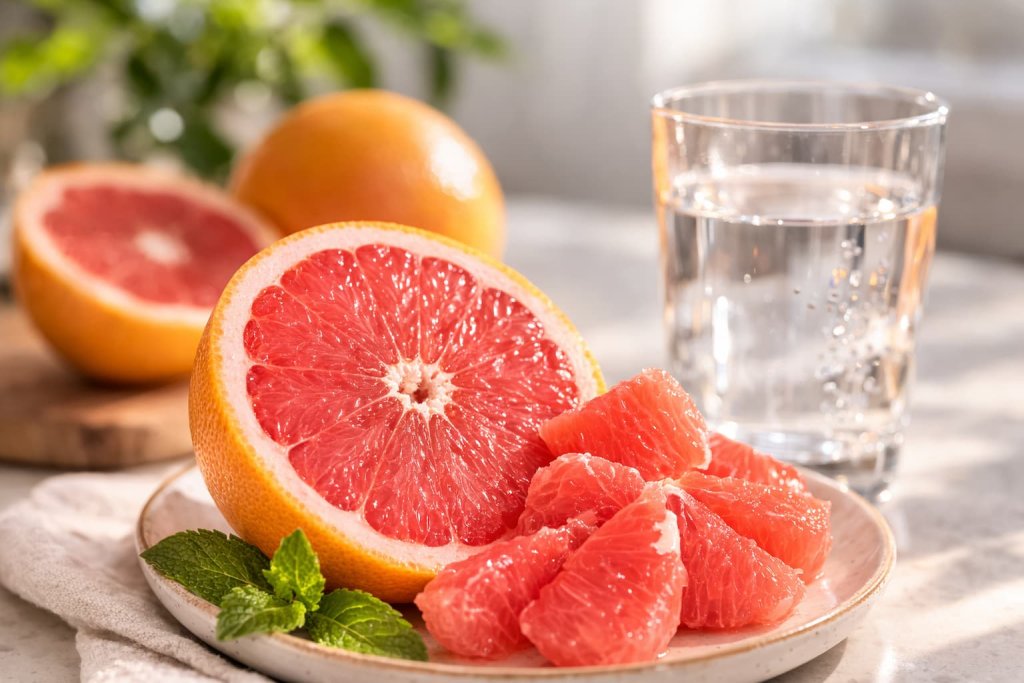
Grapefruit has been tied to weight-loss interest for years, but the real reason to include it is simpler than the hype. It is a refreshing, lower-calorie whole fruit that can fit well into a balanced calorie-controlled diet.
Nutrition Profile: 1/2 medium grapefruit (154 g) provides about 60 calories, 15 g carbs, 2 g fiber, 11 g sugar, and 1 g protein.
How it helps for weight loss: Grapefruit can work well as a lighter breakfast side or snack when you want something juicy and sweet without many calories.
Grapefruit does come with one important caution. The Food and Drug Administration warns that grapefruit and grapefruit juice can affect how some medicines work, so check with your clinician or pharmacist if you take prescription medicines regularly.
5. Oranges
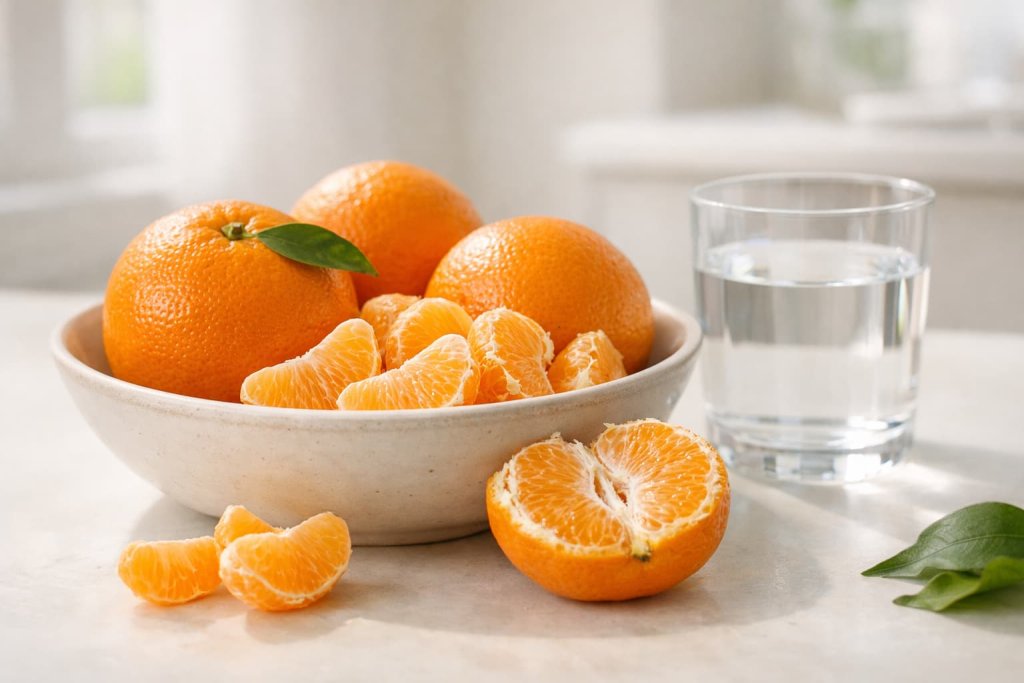
Oranges are one of the best fruits for weight loss when you want something juicy and satisfying in a naturally portioned package. They also help illustrate why whole fruit is usually better than juice for appetite control.
Nutrition Profile: 1 medium orange (154 g) provides about 80 calories, 19 g carbs, 3 g fiber, 14 g sugar, and 1 g protein.
How it helps for weight loss: Oranges are usually more filling than orange juice because you keep the fiber and actually chew the fruit. That makes them a smart swap for sugary drinks or sweet snacks.
6. Kiwi
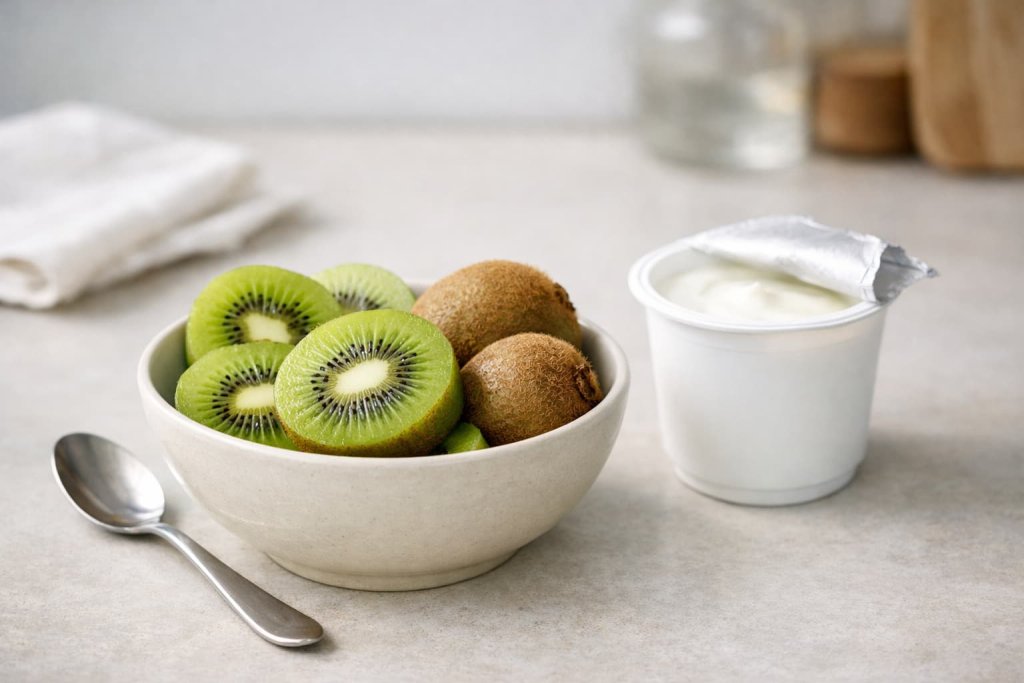
Kiwi is a strong choice if you want variety without drifting into high-calorie snacking. It is bright, refreshing, and easy to use in smaller snack portions or fruit bowls.
Nutrition Profile: 2 medium kiwifruit (148 g) provide about 90 calories, 20 g carbs, 4 g fiber, 13 g sugar, and 1 g protein.
How it helps for weight loss: Kiwi helps keep fruit intake interesting, which can make it easier to stay consistent with healthier eating. The CDC healthy eating guidance encourages variety in fruit choices.
7. Watermelon
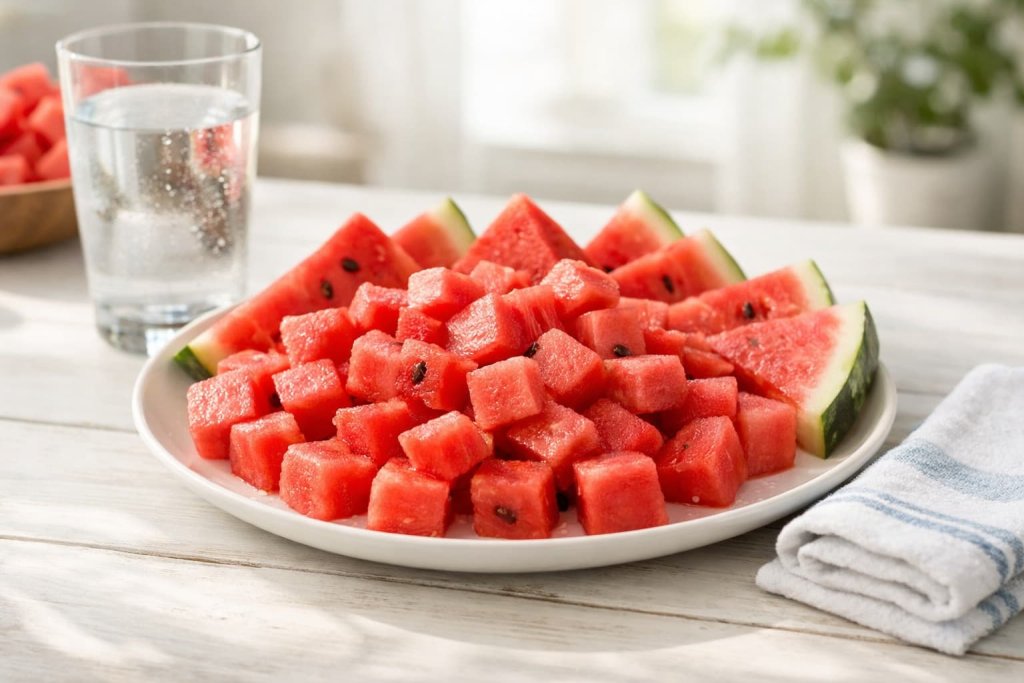
Watermelon is especially helpful for people who feel more satisfied by larger portions. Because it is very high in water, it can deliver a generous serving without many calories.
Nutrition Profile: 2 cups diced watermelon (280 g) provide about 80 calories, 21 g carbs, 1 g fiber, 20 g sugar, and 1 g protein.
How it helps for weight loss: Watermelon can help with fullness and dessert cravings because the portion looks large and feels refreshing. It is a useful swap for ice cream, baked desserts, or other sweet snacks when you want something lighter.
8. Cantaloupe
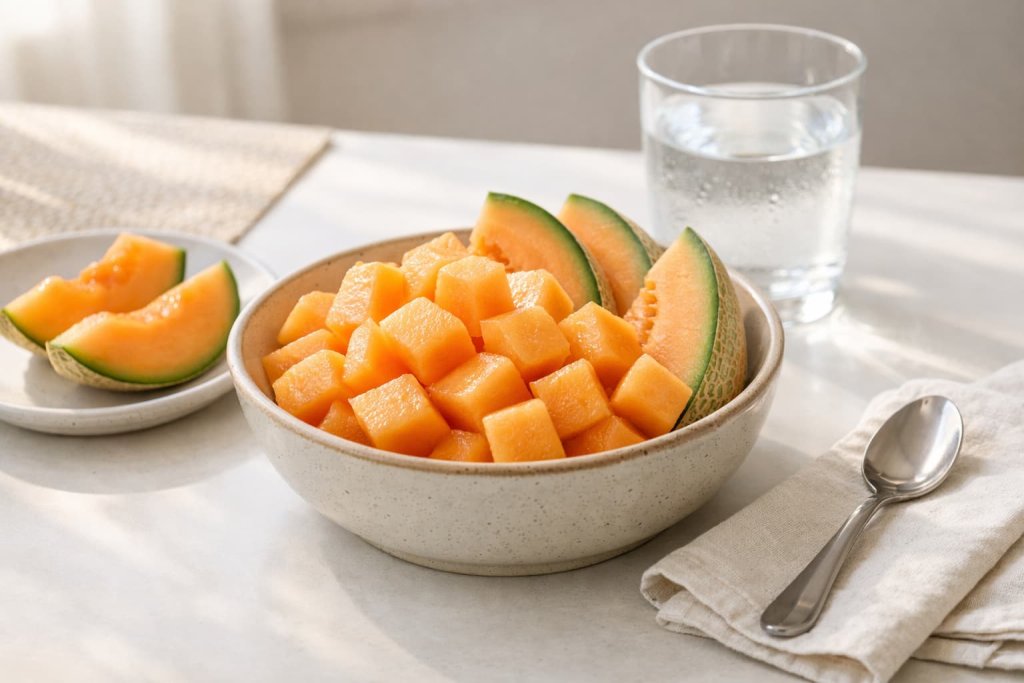
Cantaloupe offers many of the same benefits as watermelon, but some people find it slightly more satisfying because of its texture. It works well in breakfast bowls, snack plates, and simple fruit-and-protein pairings.
Nutrition Profile: 1/4 medium cantaloupe (134 g) provides about 50 calories, 12 g carbs, 1 g fiber, 11 g sugar, and 1 g protein.
How it helps for weight loss: Cantaloupe gives you a fairly large serving for modest calories, which makes it useful when you want a sweet snack that still feels substantial.
9. Peaches
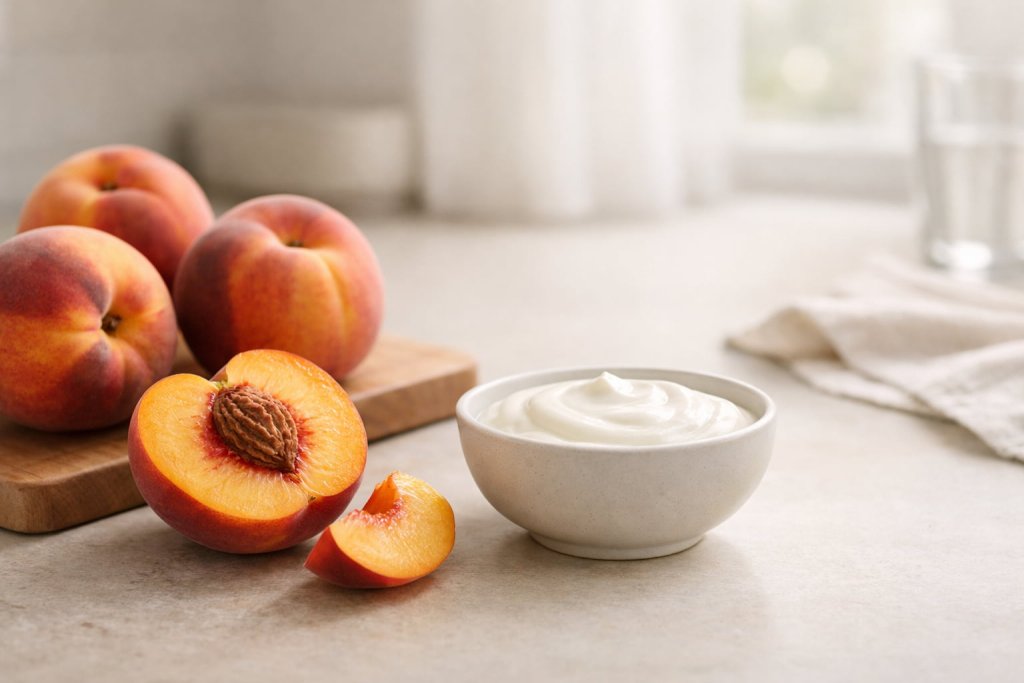
Peaches are one of the best fruits for weight loss when you want a fruit that feels dessert-like without turning into a high-calorie treat. Their natural sweetness makes them especially useful after meals.
Nutrition Profile: 1 medium peach (147 g) provides about 60 calories, 15 g carbs, 2 g fiber, 13 g sugar, and 1 g protein.
How it helps for weight loss: Peaches can replace pastries, candy, or sweetened yogurts with a lighter option that still feels satisfying. The American Heart Association notes that peaches contain fiber and can support satiety as part of a healthy eating pattern.
10. Pineapple
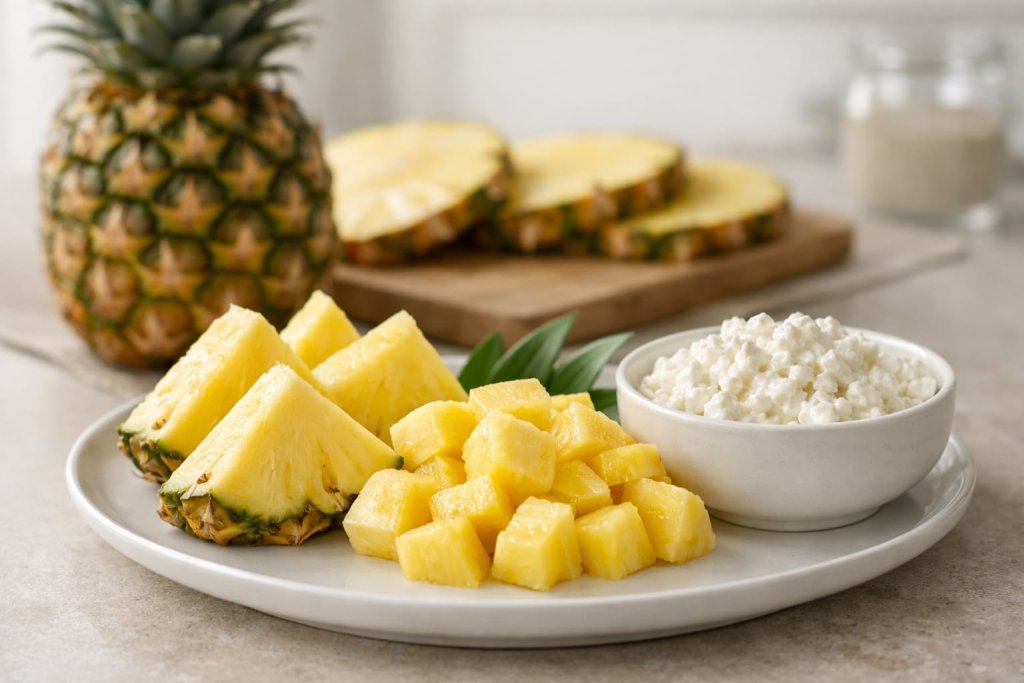
Pineapple belongs on the list because it is flavorful enough to satisfy a strong sweet craving while still fitting into a balanced weight-loss plan.
Nutrition Profile: 2 slices pineapple, 3-inch diameter and 3/4-inch thick (112 g) provide about 50 calories, 13 g carbs, 1 g fiber, 10 g sugar, and 1 g protein.
How it helps for weight loss: Pineapple is useful as a swap for richer desserts or candy. The main thing to watch is portion size, since pre-cut pineapple is easy to over-serve.
11. Bananas
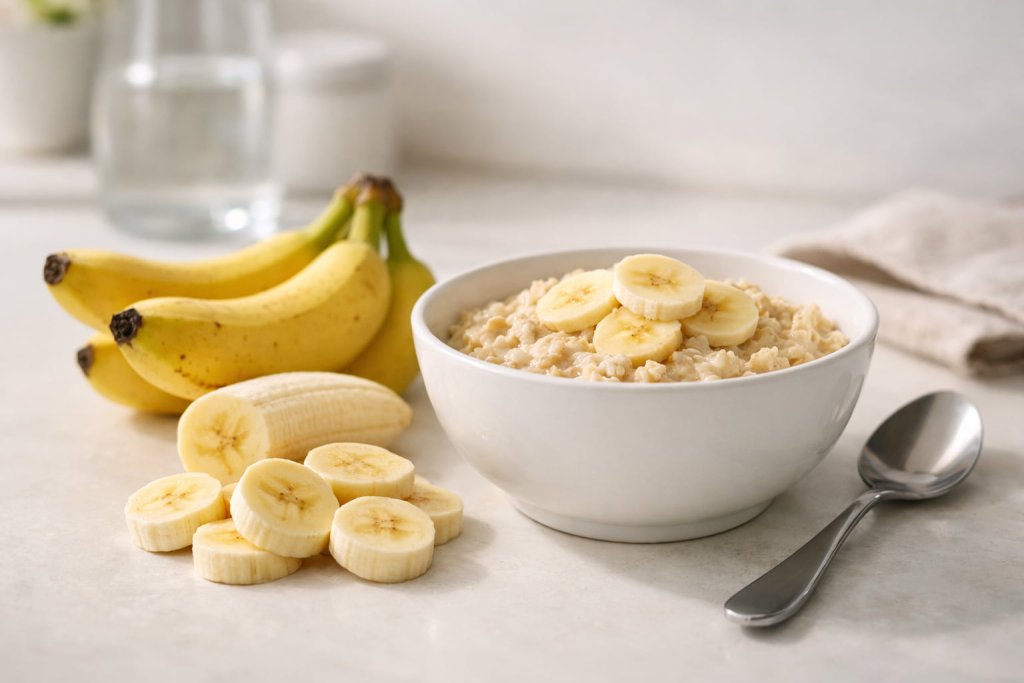
Bananas are often unfairly treated as a fruit to avoid during weight loss, but that is too simplistic. A banana can absolutely fit into a calorie-controlled eating pattern.
Nutrition Profile: 1 medium banana (126 g) provides about 110 calories, 30 g carbs, 3 g fiber, 19 g sugar, and 1 g protein.
How it helps for weight loss: Bananas are practical, satisfying, and easy to use instead of more processed snacks. They also pair well with protein-rich foods such as plain yogurt, which can help a snack last longer.
Quick comparison table
| Fruit | Nutrition profile | How it helps for weight loss |
|---|---|---|
| Berries | About 50 calories and 2 g fiber per 8 medium strawberries | Sweet, easy dessert swap with good volume |
| Apples | About 130 calories and 5 g fiber per large apple | Portable, filling, easy snack replacement |
| Pears | About 100 calories and 6 g fiber per medium pear | High fullness for a simple whole-fruit snack |
| Grapefruit | About 60 calories and 2 g fiber per half medium fruit | Light, refreshing, lower-calorie option |
| Oranges | About 80 calories and 3 g fiber per medium orange | More filling than juice and easy to portion |
| Kiwi | About 90 calories and 4 g fiber per 2 medium kiwis | Adds variety without many calories |
| Watermelon | About 80 calories per 2 cups diced | Large, satisfying portion for modest calories |
| Cantaloupe | About 50 calories per quarter medium melon | Good plate volume for a light sweet snack |
| Peaches | About 60 calories and 2 g fiber per medium peach | Great replacement for richer desserts |
| Pineapple | About 50 calories per 2 slices | Helps satisfy sweet cravings with controlled portions |
| Bananas | About 110 calories and 3 g fiber per medium banana | Convenient, satisfying swap for processed snacks |
Whole fruit vs juice for weight loss
Whole fruit is usually the better choice for weight loss. The CDC explains that juice has lost much of the fiber found in whole fruit, and that fiber is one reason whole fruit is usually more filling.
That does not mean 100% juice can never fit into a healthy diet. It means that, for fullness and calorie control, whole fruit usually does more for you.
Fresh, frozen, canned, and dried fruit
Fresh fruit is often the easiest place to start, but it is not the only good option. The MyPlate guidance emphasizes focusing on whole fruits, whether they are fresh, frozen, canned, or dried.
Fresh fruit and frozen fruit with no added sugar are usually the simplest everyday options. Canned fruit packed in water or 100% juice can also work well. Dried fruit can fit too, but it is easier to overeat because the calories are concentrated into a much smaller portion.
Frozen fruit can be one of the easiest ways to eat more fruit consistently. It is useful when fresh fruit is expensive, out of season, or spoils too quickly. Unsweetened frozen berries, mango, peaches, and mixed fruit work well in yogurt bowls, oatmeal, smoothies, and simple thawed snack portions.
Fruit forms that are easiest to overeat
Some fruit choices make appetite control easier than others.
The easiest forms to overeat are usually:
- fruit juice, because it is fast to drink and less filling than whole fruit
- dried fruit, because the portion looks small even when calories add up quickly
- sweetened canned fruit, especially if it is packed in syrup
- large smoothie-shop drinks, which may contain multiple servings of fruit plus added sweeteners or calorie-dense extras
Whole fruit is usually the easiest form to manage for weight loss because it slows eating, keeps the fiber structure intact, and usually gives you a clearer stopping point.
How much fruit should you eat if you are trying to lose weight?
There is no single number that works for everyone, but fruit should usually be part of a balanced overall eating pattern rather than an unlimited snack category. MyPlate plans for adults commonly fall in the range of about 1.5 to 2 cups of fruit per day, depending on calorie needs, and they consistently emphasize whole fruit.
A practical weight-loss approach is to eat fruit once or twice a day, use it to replace less filling sweets or snacks, and pair it with protein when you need more staying power.
Best ways to use fruit for weight loss
Pair fruit with protein or healthy fat
Fruit can work well on its own, but it often lasts longer when paired with plain Greek yogurt, cottage cheese, nuts, or a small amount of nut butter.
Easy fruit pairings that keep you full longer
Fruit can be a good snack on its own, but pairing it with protein or healthy fat often makes it more satisfying and helps it last longer between meals.
Try simple combinations like these:
- apple with plain Greek yogurt
- pear with cottage cheese
- banana with a small spoonful of peanut butter
- berries with high-protein yogurt
- orange with a handful of nuts
- pineapple with cottage cheese
- kiwi with plain yogurt
This approach can make fruit feel more like a real snack and less like something that only works for a short time.
Use fruit as a dessert replacement
A bowl of berries, sliced peach, orange, or chilled pineapple can satisfy a sweet craving with fewer calories than pastries, cookies, or ice cream.
Build fruit into breakfast
Fruit can add volume and fiber to breakfast. The MyPlate fruit tips suggest easy ideas such as adding bananas or chopped apples to oatmeal, cereal, or pancakes.
Keep easy options ready
Pre-washed berries, apples on the counter, peeled oranges in the fridge, or portioned melon make it much easier to choose fruit when you are hungry.
What fruit should replace for weight loss
Fruit usually helps most when it replaces foods that are easier to overeat and less filling for the calories.
Good examples include replacing:
- cookies or pastries with berries, peaches, or apple slices
- candy with grapes, oranges, or pineapple
- chips during snack time with an apple or pear plus protein
- ice cream with chilled watermelon, berries, or frozen fruit with yogurt
- sugary drinks with whole fruit and water
- sweet breakfast pastries with oatmeal topped with banana or berries
This is the key idea that makes fruit useful for weight loss. The benefit usually comes from the swap, not from the fruit doing something special on its own.
Common mistakes to avoid
Drinking fruit instead of eating it
Smoothies and juices can be useful in some situations, but they are often easier to consume quickly and may be less filling than whole fruit.
Assuming all fruit products are equal
Fruit-flavored snacks, sweetened dried fruit, syrup-packed canned fruit, and many smoothie-shop drinks are not the same as plain whole fruit.
Treating fruit as unlimited
Fruit is nutritious, but calories still count. Weight loss still depends on your overall eating pattern.
Ignoring what the fruit replaces
The biggest benefit often comes from the swap. Replacing a pastry or candy bar with fruit usually helps more than simply adding fruit on top of an already calorie-heavy day.
Who should be careful
People taking certain medications
Grapefruit and grapefruit juice can interact with some medicines. Check with your clinician or pharmacist before eating grapefruit regularly if you take prescription medicines.
People with diabetes or blood sugar concerns
Fruit can still fit into a balanced eating plan, but portion size, timing, and what you eat with it matter. Whole fruit is usually a better choice than juice.
People with digestive sensitivity
Some fruits may be easier to tolerate than others depending on your own digestive triggers. Portion size can matter just as much as fruit type.
Safety box
Fruit can support weight loss as part of a balanced diet, but it is not a treatment. If you take medication, especially for cholesterol, blood pressure, heart rhythm, anxiety, or immune conditions, ask your pharmacist or clinician before eating grapefruit regularly.
Frequently asked questions
What is the best fruit for weight loss overall?
Berries are often the strongest overall choice because they are easy to portion, naturally sweet, and give you a lot of value for relatively few calories. Apples are a close second because they are portable and filling.
Is banana good for weight loss or not?
Yes. Bananas can fit into a weight-loss plan. They are not the lowest-calorie fruit, but they are still a satisfying whole fruit and often a better choice than processed snack foods.
Is fruit sugar bad for weight loss?
Whole fruit is different from sugary drinks and desserts. Most concerns about sugar are more relevant to sweetened beverages and juice than to eating fruit in its whole form.
Which fruit keeps you full the longest?
Apples, pears, and berries are often among the most filling options because of their fiber, water, and chew factor. Pairing fruit with protein can improve fullness even more.
Is it better to eat fruit in the morning or at night for weight loss?
The best time is the time that helps you stay consistent and avoid overeating higher-calorie foods later. Fruit can work well at breakfast, as an afternoon snack, or as a lighter dessert after dinner.
Can I eat fruit every day and still lose weight?
Yes. Daily fruit can fit into a weight-loss plan as long as your overall calorie intake supports your goal. For many people, fruit helps rather than hurts when it replaces less filling foods.
Can you eat too much fruit when trying to lose weight?
Yes, it is possible to overdo any food, including fruit, if portions become very large or if fruit gets added on top of an already high-calorie diet. For most people, though, fruit becomes a problem less often than desserts, snack foods, or sugary drinks. The goal is not to avoid fruit. It is to use fruit in reasonable portions as part of an overall calorie-controlled eating pattern.
Is dried fruit good for weight loss?
It can fit in small portions, but it is usually less helpful than fresh or frozen fruit for appetite control because it is more calorie-dense and easier to overeat.
Conclusion
The best fruits for weight loss are not the ones with the biggest claims. They are the ones that help you feel full, manage cravings, and replace more calorie-dense foods in a way you can repeat consistently. For most people, berries, apples, pears, oranges, kiwi, melon, peaches, pineapple, grapefruit, and bananas can all fit into a realistic weight-loss plan.
Start with two or three fruits you genuinely enjoy, keep them easy to reach, and use them as snack or dessert swaps. That simple habit is often more useful than chasing a perfect fruit.