
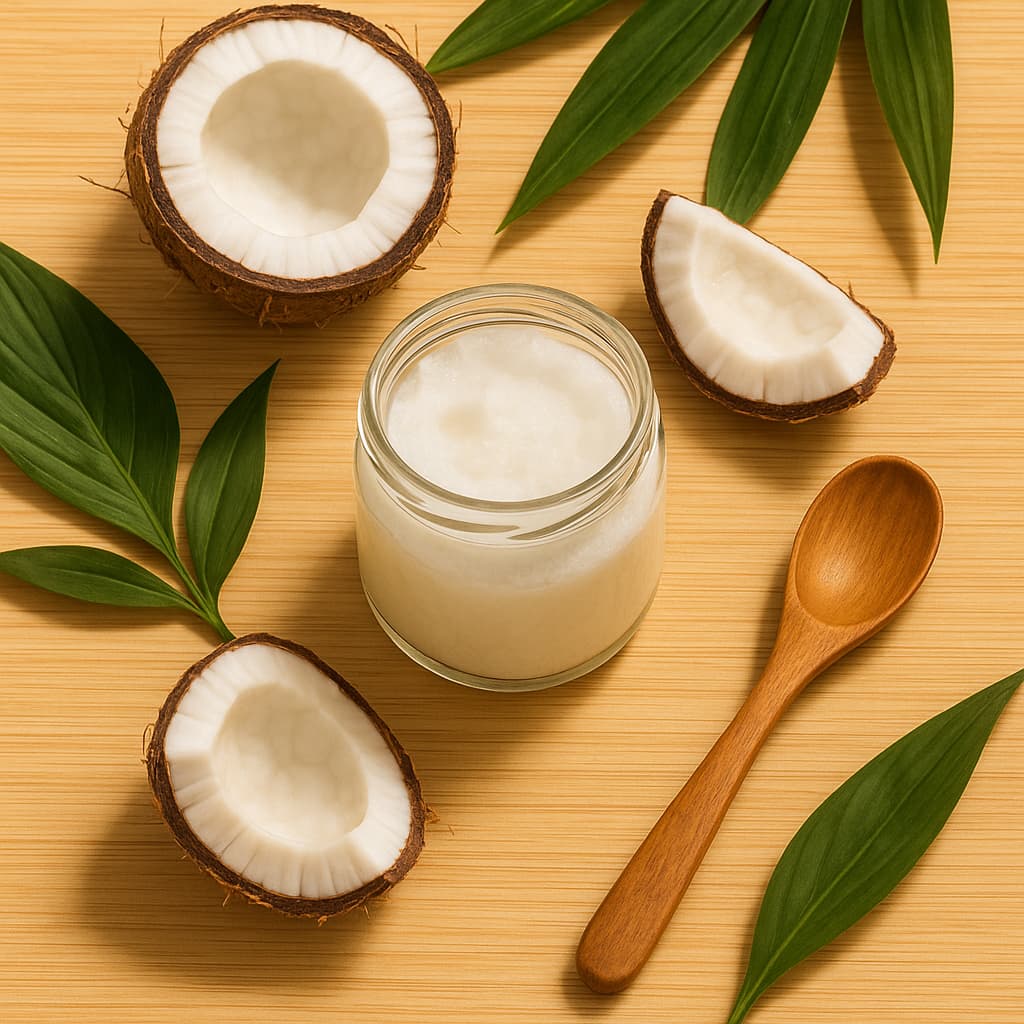
Coconut oil is one of the most versatile natural oils in the world — known for boosting energy, nourishing the skin, and supporting overall health when used in moderation.
Extracted from the flesh of mature coconuts (Cocos nucifera), this tropical oil is rich in medium-chain triglycerides (MCTs) such as lauric acid, which provide quick energy and possess potent antimicrobial properties. For centuries, it has been used in traditional medicine across Asia and the Pacific for everything from wound healing to heart health — and today, modern science is catching up with these ancient uses.
Understanding the benefits of coconut oil is essential because it’s not a one-size-fits-all superfood. While it offers impressive advantages — like improving metabolism, promoting glowing skin and hair, and protecting against harmful microbes — it’s also high in saturated fat. Research from Harvard Health Publishing and the American Heart Association shows that moderation is key to enjoying its benefits safely.
In this comprehensive guide, you’ll discover:
- What coconut oil is and how it’s made.
- Its nutritional composition and unique MCT structure.
- 10 science-backed health benefits — from heart and brain support to skin and hair nourishment.
- The best ways to use coconut oil daily for wellness, beauty, and cooking.
- Safe dosage, storage tips, and answers to common questions.
Whether you’re adding a spoonful to your smoothie or massaging it into your skin, this article will help you understand how to use coconut oil smartly and scientifically for better health and natural radiance.
What Is Coconut Oil?
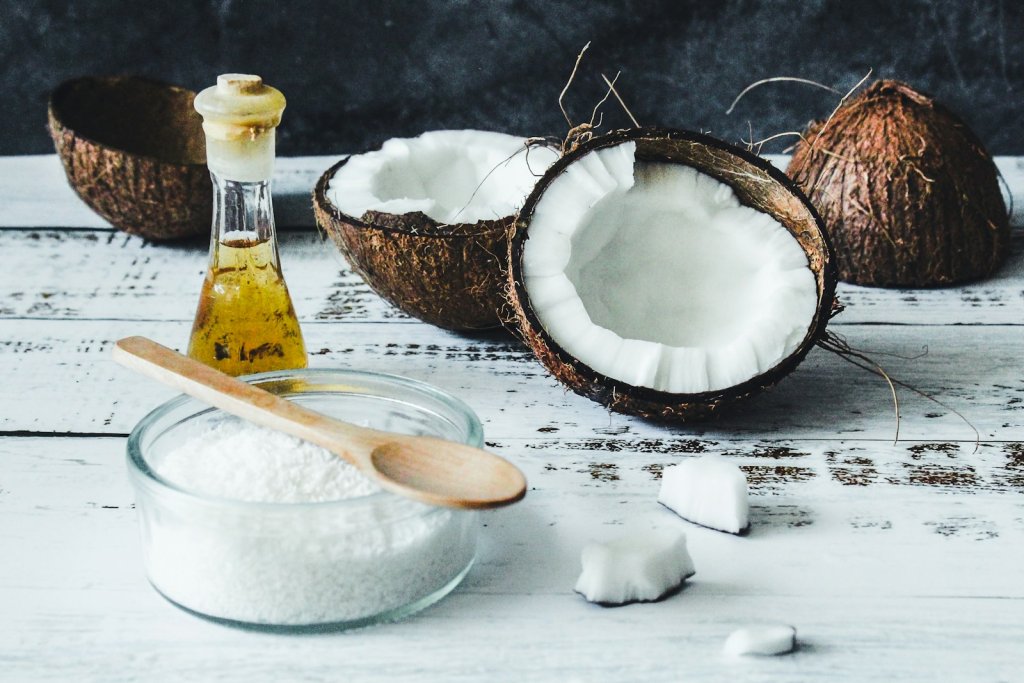
Coconut oil is a natural edible oil derived from the white flesh (copra) of mature coconuts (Cocos nucifera). Long valued in tropical regions for cooking, skincare, and traditional medicine, it has become a global wellness staple thanks to its rich composition of medium-chain triglycerides (MCTs) — fats known for quick energy release and antimicrobial benefits.
There are two main types of coconut oil commonly available on the market:
| Type | Extraction Method | Flavor & Aroma | Nutrient Retention | Common Uses |
|---|---|---|---|---|
| Virgin (Unrefined) | Cold-pressed from fresh coconut meat | Natural coconut aroma | Retains antioxidants, polyphenols, and MCTs | Skincare, haircare, and light cooking |
| Refined (RBD) | Extracted from dried copra, then bleached and deodorized | Neutral taste | Loses some micronutrients during processing | Baking, frying, and processed foods |
According to the U.S. Department of Agriculture (USDA), 1 tablespoon (≈14 g) of coconut oil provides:
| Nutrient | Amount |
|---|---|
| Calories | 120 kcal |
| Total Fat | 14 g |
| Saturated Fat | 12 g |
| Monounsaturated Fat | 1 g |
| Polyunsaturated Fat | < 0.5 g |
| Vitamin E | Trace |
| Cholesterol | 0 mg |
What makes coconut oil unique is that it’s composed of nearly 90% saturated fat, but most of that fat is in the medium-chain triglyceride (MCT) form — primarily lauric acid — which the body digests and metabolizes differently than the long-chain saturated fats found in butter or red meat.
However, moderation is key. Experts at the Harvard T.H. Chan School of Public Health – Nutrition Source explain that while coconut oil can raise HDL (“good”) cholesterol, it also increases LDL (“bad”) cholesterol similarly to other saturated fats. Therefore, it’s best used occasionally and in small amounts, especially for people managing heart health.

Why Coconut Oil Matters for Your Health
Coconut oil isn’t just another kitchen fat — it’s a multifunctional natural compound that supports both internal wellness and external care. Its unique blend of MCTs, antioxidants, and lauric acid contributes to a variety of health benefits, making it one of the most versatile oils on the planet.
Key Reasons It Matters:
- Boosts Energy and Metabolism:
Coconut oil’s medium-chain triglycerides (MCTs) are rapidly absorbed and converted into ketones, providing a quick, efficient energy source without relying on carbohydrates. A 2020 study in Frontiers in Nutrition confirmed that MCTs significantly increase blood ketone levels, supporting enhanced metabolism and mental focus. 👉 Read the study on Frontiers in Nutrition - Supports Heart Health (in Moderation):
While coconut oil raises HDL, it can also increase LDL. The American Heart Association recommends replacing part — not all — of your daily fats with coconut oil. - Promotes Healthy Skin and Hair:
Virgin coconut oil helps strengthen the skin barrier, reduce moisture loss, and prevent protein damage in hair. Clinical studies confirm improvements in hydration and scalp health. (International Journal of Dermatology, 2019) - Natural Antimicrobial Action:
Lauric acid and monolaurin possess broad-spectrum antimicrobial effects that may help reduce harmful bacteria, fungi, and viruses. (National Library of Medicine, 2023) - Improves Nutrient Absorption:
Healthy fats in coconut oil help absorb fat-soluble vitamins A, D, E, and K, improving the bioavailability of nutrients from other foods.
Now, we’ll explore each of the 10 science-backed benefits of coconut oil in detail — from metabolism and brain health to skin, hair, and immunity.
10 Amazing Health Benefits of Coconut Oil — Backed by Science
Coconut oil has been celebrated for centuries in tropical regions, and modern science continues to uncover its unique biological effects. Rich in medium-chain triglycerides (MCTs) — especially lauric acid — coconut oil offers several potential benefits for the heart, metabolism, brain, skin, and more.
However, while virgin coconut oil does provide antimicrobial and anti-inflammatory properties, experts from Harvard Health Publishing emphasize moderation due to its high saturated fat content (≈ 90%). When used in small amounts alongside healthier unsaturated oils like olive or avocado oil, coconut oil can enhance both wellness and flavor without compromising cardiovascular health.
Let’s explore ten evidence-based ways coconut oil can benefit your body — when used smartly and scientifically.
1. Supports Heart Health (in Moderation)
Coconut oil has a complex relationship with heart health. On one hand, it can raise HDL (“good”) cholesterol, which helps clear plaque from arteries. On the other, it also raises LDL (“bad”) cholesterol, which may increase cardiovascular risk.
A 2020 meta-analysis published in Circulation found that consuming coconut oil increased HDL by 4 mg/dL but also raised LDL by about 10 mg/dL compared to unsaturated oils. The American Heart Association therefore recommends limiting coconut oil and prioritizing fats from olive, avocado, and nuts.
Key takeaway: Coconut oil isn’t inherently “bad,” but it shouldn’t replace unsaturated oils entirely. Enjoy 1–2 tablespoons per day for flavor or as a skin-friendly fat — just balance your intake.
2. Boosts Metabolism and Energy
One of the most researched components of coconut oil is its medium-chain triglycerides (MCTs) — fats that are metabolized differently from long-chain fats found in butter or vegetable oils.
According to The Journal of Nutrition, MCTs are transported directly to the liver, where they’re rapidly converted into ketones, a source of quick energy. This process can temporarily increase calorie expenditure by 4–5% per day.
A review on Healthline notes that while MCTs may aid fat oxidation and energy production, the overall impact on long-term weight loss is small.
Tip: Blend 1 teaspoon of virgin coconut oil into your morning coffee or smoothie for a mild energy boost — but avoid overuse, as it still contributes calories.
3. Fights Inflammation Naturally
Virgin coconut oil is rich in antioxidant polyphenols and medium-chain triglycerides (MCTs) that help combat oxidative stress and inflammation — two key drivers of aging and chronic disease. A 2019 study in the Journal of Nutritional Biochemistry found that virgin coconut oil significantly reduced inflammatory markers such as TNF-α and IL-6 in animal models, supporting its anti-inflammatory potential.
👉 Read the study on PubMed (NIH)
Practical tip: Use virgin coconut oil in salad dressings, herbal teas, or as a light skin moisturizer to naturally support your body’s inflammatory balance.
4. Supports Brain and Cognitive Function
The MCTs in coconut oil are converted into ketones, which serve as an alternative fuel source for brain cells when glucose metabolism is impaired — a mechanism relevant in conditions like mild cognitive impairment and Alzheimer’s disease.
Preliminary studies summarized by the National Institutes of Health (NIH) suggest MCTs may temporarily improve mental clarity and energy in older adults. However, more large-scale trials are needed before coconut oil can be considered a therapeutic option.
Practical tip: Use coconut oil as part of a brain-friendly diet rich in omega-3s (fish, flaxseed) and antioxidants (berries, green tea).
⚠️ Important: Coconut oil is not a substitute for prescribed medical treatments for neurological conditions. Always consult your healthcare provider.
5. Has Antimicrobial and Antiviral Properties
Roughly 50% of the fatty acids in coconut oil are lauric acid, which your body converts into monolaurin — a compound known to disrupt the lipid membranes of harmful microorganisms.
In laboratory studies, monolaurin has been shown to inactivate pathogens such as Candida albicans, Staphylococcus aureus, and Escherichia coli. According to a 2023 paper in the National Library of Medicine (PMC), virgin coconut oil demonstrated significant antibacterial and antifungal properties in vitro.
Practical use: Coconut oil can be used topically for mild skin infections or added to oil-pulling routines for oral hygiene — but it should not replace antibiotics or antifungal medication when clinically necessary.
6. Nourishes and Protects Your Skin
Coconut oil is a natural emollient, meaning it helps seal moisture into the skin while reducing water loss. It’s particularly beneficial for people with eczema, psoriasis, or dry skin.
A randomized controlled trial published in the International Journal of Dermatology found that virgin coconut oil improved hydration by 68% and reduced bacterial colonization better than mineral oil. Medical News Today highlights its antimicrobial and soothing benefits for skin barrier repair.
How to use:
- Apply a thin layer after bathing to lock in moisture.
- Mix with aloe vera gel for after-sun care.
- Avoid applying to acne-prone skin if you’re sensitive to comedogenic oils.
7. Strengthens Hair and Prevents Damage
Coconut oil is one of the few natural oils proven to reduce protein loss from hair. Its low molecular weight allows it to penetrate deeply into the hair shaft, protecting strands from breakage and UV damage.
A Journal of Cosmetic Science study found that coconut oil applied before or after washing significantly reduced protein loss compared to mineral or sunflower oil. According to PubMed, it may also reduce frizz and improve shine.
Pro tip: Warm a tablespoon of coconut oil and massage into your scalp. Leave for 20–30 minutes before shampooing. For extra nourishment, wrap your hair in a warm towel.
8. Improves Oral Health (Oil Pulling)
Oil pulling — an ancient Ayurvedic practice — involves swishing coconut oil in the mouth for 10–15 minutes to draw out toxins and reduce bacteria.
Research published in the Journal of Contemporary Dental Practice (2016) found that coconut oil pulling reduced Streptococcus mutans (a key bacteria in plaque formation) as effectively as chlorhexidine mouthwash.
The Healthline guide confirms its benefits for reducing halitosis and improving gum health.
Tip: Perform oil pulling in the morning before eating. Spit the oil into a trash bin (not the sink), then rinse and brush your teeth as usual.
9. Promotes Liver and Metabolic Health
Animal research indicates that virgin coconut oil may protect the liver by reducing oxidative stress and improving enzyme activity. In one BMC Complementary Medicine study, rats given virgin coconut oil had lower lipid peroxidation and higher antioxidant enzyme levels.
However, in humans, overconsumption may still raise LDL cholesterol and total fat levels. The Harvard T.H. Chan School of Public Health stresses moderation and recommends using coconut oil occasionally rather than daily.
Balanced advice: Use virgin coconut oil for light sautéing or baking once in a while — not as your primary fat source.
10. Stable and Flavorful for Cooking
Coconut oil is one of the most heat-stable cooking oils, thanks to its high saturated-fat content, which makes it resistant to oxidation and rancidity. It can safely withstand medium-heat cooking (up to about 350 °F / 175 °C) without breaking down into harmful compounds.
Its light tropical aroma and creamy texture enhance a variety of dishes — from curries and seafood to baked goods and roasted vegetables. However, experts at the Cleveland Clinic advise balancing coconut oil with unsaturated, heart-healthy oils like olive, avocado, or canola to maintain a better fatty-acid profile and support cardiovascular health.
Tip: Use virgin coconut oil for quick sautéing, light roasting, or baking. Avoid deep-frying, and store it in a cool, dark place to preserve freshness and prevent oxidation.
Best Ways to Use Coconut Oil
Coconut oil is incredibly versatile — from your kitchen to your skincare routine. When used correctly, it enhances flavor, supports hydration, and even improves oral hygiene. Here are the most practical and science-backed ways to include it in your daily life:
1. In Cooking and Baking
Coconut oil can add flavor and stability to your recipes when used wisely. Its high saturated-fat content makes it resistant to oxidation, ideal for medium-heat cooking (up to about 350°F / 175°C).
- Sautéing and Stir-Frying: Use 1–2 tablespoons of virgin coconut oil for light cooking and rich texture.
- Baking Substitute: Replace butter or vegetable oil in a 1:1 ratio for cookies, pancakes, or brownies for a mild tropical aroma.
- Coffee or Smoothies: Blend 1 teaspoon into coffee or smoothies for a quick MCT energy boost.
- Flavor Tip: Mix with olive or avocado oil to balance fatty acids and reduce overall saturated fat.
Experts at the Cleveland Clinic emphasize that while coconut oil can be part of a balanced diet, it should be used sparingly and not replace heart-healthy oils like olive or canola.
In summary: Coconut oil enhances flavor and texture in cooking and baking but should complement — not dominate — your overall fat intake for optimal heart health.
2. For Skincare and Haircare
- Moisturizer: Apply a small amount to damp skin after showering to lock in moisture.
- Makeup Remover: Gently wipe with a cotton pad soaked in virgin coconut oil.
- Hair Mask: Warm 1 tablespoon, massage into scalp, and leave for 30 minutes before shampooing to reduce protein loss and dryness.
- Lips & Nails: Dab on dry lips or cuticles for instant hydration.
Clinical studies cited by Medical News Today confirm that virgin coconut oil improves skin hydration and barrier repair compared to mineral oil.
3. For Oral Care (Oil Pulling)
“Oil pulling” is an Ayurvedic technique where you swish coconut oil in your mouth for 10–15 minutes to help remove bacteria and plaque.
- Use 1 tablespoon of virgin coconut oil.
- Swish slowly, avoiding swallowing.
- Spit into a trash can (not the sink to avoid clogs).
- Rinse and brush normally afterward.
A 2016 study in the Journal of Contemporary Dental Practice found oil pulling reduced Streptococcus mutans as effectively as chlorhexidine mouthwash.
4. DIY Wellness Recipes
- Body Scrub: Mix 2 tbsp coconut oil + 1 tbsp sugar + a few drops of lavender oil.
- Lip Balm: Combine coconut oil, beeswax, and shea butter in equal parts.
- Natural Deodorant: Blend coconut oil with baking soda and cornstarch.
- Hair Serum: Mix coconut oil with argan or jojoba oil for a shine boost.
These simple recipes keep your beauty routine clean, affordable, and chemical-free.
Recommended Daily Intake, Safety & Storage
Recommended Daily Intake
| Category | Daily Limit | Usage Notes |
|---|---|---|
| Healthy Adults | 1–2 tablespoons (13–26 g) | Ideal for moderate cooking or skin/hair use |
| People with Heart Disease or High Cholesterol | ≤ 1 tablespoon (13 g) | Use occasionally; favor olive or canola oil |
| Children (above 2 years) | ½–1 teaspoon | Only when added to foods; avoid supplements |
| Pregnant or Breastfeeding Women | ≤ 1 tablespoon | Consider virgin form; consult a doctor if unsure |
According to Harvard Health Publishing, coconut oil raises HDL but also increases LDL — so it’s important to use sparingly within total daily fat limits.
Safety Precautions
- Do not overconsume: It’s calorie-dense — 1 tbsp = 120 calories.
- Heart patients: Avoid frequent use due to high saturated fat (≈ 90%).
- Topical allergy check: Always patch-test before applying on skin.
- Cooking caution: Avoid deep-frying; repeated heating reduces quality.
The American Heart Association recommends keeping saturated fat intake under 10% of total daily calories (≈ 20 g for a 2,000-calorie diet).
Storage & Shelf Life
- Shelf Life: 18–24 months unopened; 6–12 months once opened.
- Storage: Keep in a cool, dark place below 76°F (24°C).
- Texture Tip: Solidifies in cooler rooms — this is normal.
- Avoid contamination: Use clean utensils to prevent spoilage.
Proper storage ensures freshness, aroma, and nutrient stability — especially for virgin cold-pressed oils.
Frequently Asked Questions (FAQ)
1. Can I eat coconut oil every day?
Yes, in small amounts (1–2 tbsp/day). Pair it with unsaturated fats like olive oil for heart health balance.
2. Is coconut oil good for weight loss?
It may slightly increase metabolism, but overall calorie balance determines weight loss. (Source: Healthline)
3. Can I use coconut oil on my face?
Yes, especially for dry or eczema-prone skin. Avoid if you have acne-prone skin, as it may clog pores.
4. Is virgin coconut oil better than refined?
Yes. Virgin oil is cold-pressed, chemical-free, and retains antioxidants and polyphenols.
5. Can I use coconut oil for cooking and skincare at the same time?
Yes — just store them separately to maintain hygiene. Use food-grade virgin oil for both.
6. Is coconut oil safe during pregnancy?
Moderate dietary use is safe; topical use helps prevent stretch marks. Always check with your doctor first.
7. Can coconut oil go bad?
Yes. Signs include rancid smell, yellow tint, or sour taste. Discard if spoiled.
Conclusion
Coconut oil can be a valuable part of a healthy lifestyle — when used smartly and in moderation. Its unique MCT composition provides quick energy, while its antimicrobial and moisturizing properties make it a natural multitasker for both cooking and self-care.
However, it’s essential to remember that coconut oil is high in saturated fat. The best approach is to enjoy it alongside heart-healthy oils like olive or avocado oil, ensuring balance between flavor and health.
Final takeaway:
“Use coconut oil wisely — one spoon for energy, one drop for glow.”
Start small: Try adding a teaspoon to your morning smoothie or applying a dab to your skin nightly — and experience the tropical benefits backed by modern science.