

Vitamin D3 benefits include supporting calcium absorption, normal bone mineralization, muscle function, and immune system regulation. These benefits matter because vitamin D plays a foundational role in nutrition, mobility, and overall wellness across all life stages. This guide provides fact-based, evidence-aligned information grounded in official nutrition and public health guidance, with a clear focus on daily wellness—not medical treatment.
What Vitamin D3 Is and How It Works in the Body
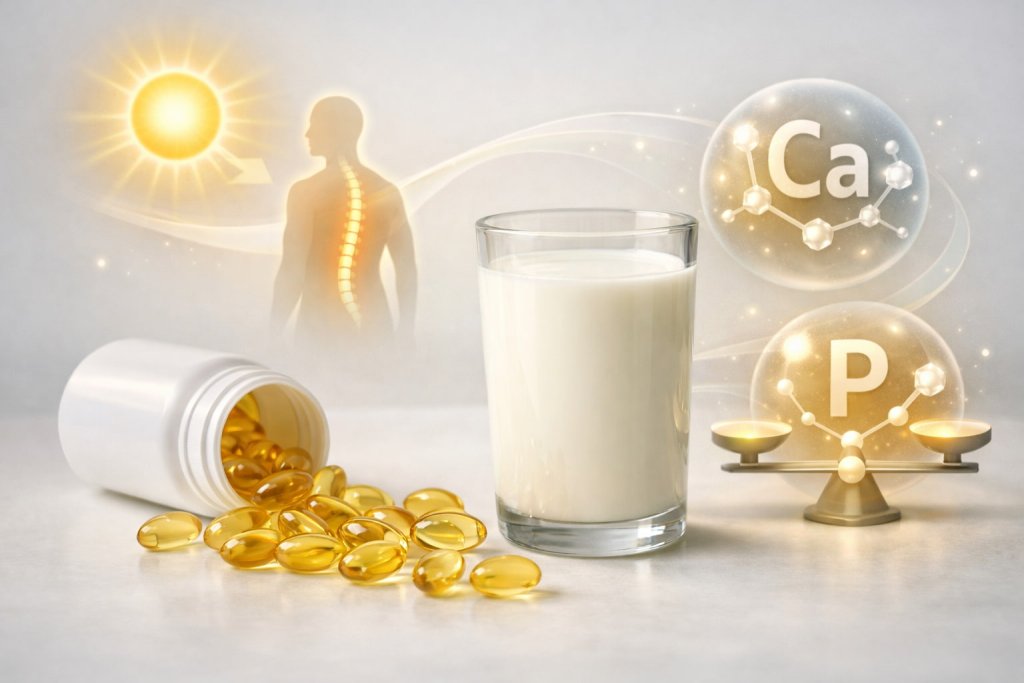
Vitamin D3 (cholecalciferol) is one of the primary forms of vitamin D used by the human body. It can be obtained through limited sun exposure, certain foods, fortified products, and dietary supplements. After intake or skin synthesis, vitamin D3 is converted into active forms that help regulate calcium and phosphorus balance.
According to the National Institutes of Health – Office of Dietary Supplements, vitamin D is best known for supporting calcium absorption in the gut and maintaining normal blood calcium levels—both essential for bone and muscle function.
Vitamin D3 vs Vitamin D2: Key Differences

Vitamin D3 (cholecalciferol) and vitamin D2 (ergocalciferol) both contribute to overall vitamin D status. Research summarized by the National Institutes of Health – Office of Dietary Supplements shows that both forms raise blood 25-hydroxyvitamin D levels, although vitamin D3 is more commonly used in supplements and fortified foods in the United States.
Vitamin D3 Benefits Supported by Research

Vitamin D3 (cholecalciferol) supports several well-established, whole-body functions tied to nutrition and overall wellness. The strongest evidence supports roles in calcium and phosphorus balance, bone mineralization, and normal muscle and immune function. These benefits are most meaningful when vitamin D intake is adequate and when someone is at higher risk of low vitamin D (for example, limited sun exposure or low intake of fortified foods). According to the National Institutes of Health – Office of Dietary Supplements, vitamin D also influences inflammation regulation and cell growth processes as part of normal physiology.
1. Supports Calcium Absorption and Bone Mineralization

One of the most established vitamin D3 benefits is that it supports calcium absorption in the gut and helps maintain normal blood calcium levels. This matters because calcium is a core mineral needed for bone structure and ongoing bone remodeling across the lifespan. The National Institutes of Health – Office of Dietary Supplements explains that vitamin D’s central role is maintaining calcium and phosphorus balance—both critical for normal bone mineralization.
In everyday wellness terms, adequate vitamin D3 intake may help support:
- Bone strength over time, especially when paired with enough dietary calcium
- Normal bone remodeling, which continues throughout adulthood
- Healthy aging and mobility, where bone integrity remains important
A helpful way to think about it: vitamin D3 does not “build bone” by itself—it supports the body’s ability to use calcium effectively. This foundational role is also explained in consumer-friendly guidance from MedlinePlus.
2. Supports Normal Muscle Function

Vitamin D is involved in neuromuscular function, meaning it supports how muscles respond to nerve signals and how the body maintains movement patterns. The National Institutes of Health – Office of Dietary Supplements notes vitamin D’s role in neuromuscular function, and the Centers for Disease Control and Prevention highlights vitamin D as required for muscle (and nerve) function.
From a wellness and fitness perspective, adequate vitamin D3 intake may help support:
- Normal muscle performance, especially when training consistency and protein intake are also adequate
- Everyday strength and function, particularly in older adults
- Physical stability and movement quality, which can matter for active lifestyles
Important note: research links low vitamin D status with muscle weakness in deficiency states, but outcomes vary by baseline vitamin D level and overall health. The safest takeaway is to aim for adequate intake, not megadoses.
3. Supports Normal Immune System Function

Vitamin D plays a regulatory role in immune function—often described as “immune modulation,” meaning it supports how immune responses are controlled and balanced. The National Institutes of Health – Office of Dietary Supplements describes vitamin D’s involvement in immune function, and the Centers for Disease Control and Prevention notes vitamin D helps the immune system resist bacteria and viruses.
For practical, nutrition-focused guidance:
- Adequate vitamin D intake supports normal immune function
- Supplementation is most relevant when someone is not meeting needs through food/fortified foods and has limited sun exposure
- Having enough vitamin D is part of a broader immune-supportive pattern that also includes adequate sleep, protein, and overall dietary quality
Also, major clinical guidance cautions against assuming supplements automatically produce disease-related outcomes in generally healthy people. The Endocrine Society emphasizes that recommendations depend on population group and evidence for specific outcomes, which is why a “more is better” approach is not a safe or evidence-based strategy.
4. Supports Normal Cell Growth and Inflammation Regulation

Vitamin D receptors exist in many tissues, and vitamin D influences gene expression involved in normal cell growth and differentiation. The National Institutes of Health – Office of Dietary Supplements notes vitamin D’s roles include modulation of cell growth processes and reduction of inflammation as part of normal physiology.
In wellness language, this means vitamin D3:
- Supports normal cellular processes (not a treatment effect)
- Plays a role in inflammation regulation as one component of overall nutritional status
- Works best as part of a balanced pattern that includes adequate micronutrients, fiber-rich foods, and healthy fats
Because these are broad biological roles, research outcomes can differ depending on baseline vitamin D levels, overall diet, and individual factors.
5. Supports Phosphorus Balance and Mineral Homeostasis
Vitamin D helps regulate both calcium and phosphorus, which work together for bone mineral structure and normal cellular function. This is a core role described by the National Institutes of Health – Office of Dietary Supplements.
6. Supports Nerve Function Alongside Muscle Function
Vitamin D is required for muscle and nerve function, which supports movement, coordination, and normal signaling. This is highlighted by the Centers for Disease Control and Prevention.
Quick Wellness Summary Table
| Vitamin D3 benefit (evidence-based) | What it supports | Why it matters for wellness | Common nutrition sources |
|---|---|---|---|
| Calcium absorption and bone mineralization | Calcium use and bone structure | Long-term skeletal strength and mobility support | Fortified milk/alternatives, fatty fish, eggs (plus adequate calcium) |
| Normal muscle function | Neuromuscular performance | Everyday strength, training consistency, movement quality | Fortified foods, fish, supplements when intake is low |
| Normal immune system function | Immune regulation | Supports normal immune responses (not a guarantee against illness) | Fortified foods, supplements when needed |
| Cell growth and inflammation regulation | Normal cellular processes | Part of overall nutritional balance | Diet + adequate vitamin D intake |
Sources: National Institutes of Health – Office of Dietary Supplements, Centers for Disease Control and Prevention, Endocrine Society.
How Much Vitamin D Do You Need

Recommended Daily Intake by Age and Life Stage
Daily vitamin D needs vary by age and life stage. According to the National Institutes of Health – Office of Dietary Supplements, recommended intakes are:
- Infants (0–12 months): 400 IU (10 mcg)
- Children and teens (1–18 years): 600 IU (15 mcg)
- Adults (19–70 years): 600 IU (15 mcg)
- Adults (71 years and older): 800 IU (20 mcg)
- Pregnancy and lactation: 600 IU (15 mcg)
These values are designed to meet the nutritional needs of most healthy people.
Vitamin D Daily Value on Labels and IU vs mcg
The U.S. Food and Drug Administration sets the Daily Value (DV) for vitamin D at 20 micrograms (800 IU) for adults and children aged four and older. Supplement labels list vitamin D in micrograms, with IU often shown in parentheses.
Food Sources of Vitamin D3 and Everyday Ways to Get Vitamin D

Foods Naturally Containing Vitamin D3
Vitamin D3 is naturally present in a limited number of foods, including:
- Fatty fish such as salmon, sardines, and mackerel
- Fish liver oils
- Egg yolks (in smaller amounts)
These foods can contribute to intake but may not meet daily needs on their own.
Fortified Foods That Commonly Add Vitamin D
Because natural food sources of vitamin D are limited, many people rely on vitamin D–fortified foods to help meet daily intake needs. Common examples include:
- Fortified cow’s milk
- Fortified plant-based milk alternatives
- Fortified breakfast cereals
- Fortified yogurt and dairy products
In the United States, food fortification is guided by federal policy. The U.S. Food and Drug Administration explains when and how nutrients may be added to foods, while specific rules for vitamin D levels in milk and milk alternatives are outlined by the U.S. Food and Drug Administration.
Because vitamin D amounts vary by brand, checking the Nutrition Facts label is the most reliable way to confirm actual intake.
Sun Exposure Basics and Why It Varies

Sunlight triggers vitamin D synthesis in the skin, but effectiveness varies due to latitude, season, skin pigmentation, age, sunscreen use, and time outdoors. Public health guidance cautions against excessive sun exposure due to skin health risks.
Who May Be at Higher Risk of Low Vitamin D
Lifestyle and Sun Exposure Factors
People with limited outdoor exposure, indoor-based routines, or extensive skin coverage may produce less vitamin D from sunlight.
Age, Skin Pigmentation, and Body Weight Considerations
Older adults, individuals with darker skin pigmentation, and people with higher body fat levels may require higher dietary intake to maintain adequate vitamin D status.
Health Conditions and Absorption-Related Risk Factors
Conditions affecting fat absorption or digestive function can reduce vitamin D uptake from food. Risk patterns are outlined by the National Institutes of Health – Office of Dietary Supplements.
Vitamin D Testing and What Results Mean
What a 25(OH)D Test Measures
Vitamin D status is assessed using a blood test measuring 25-hydroxyvitamin D, which reflects vitamin D obtained from all sources.
When Testing May Be Considered
Testing may be appropriate for individuals with known risk factors or specific health conditions, based on clinical judgment.
Why Routine Testing Is Not Always Needed
Guidelines from the Endocrine Society suggest that routine vitamin D screening in generally healthy individuals without risk factors is not always necessary.
Vitamin D3 Supplements: When They May Be Helpful
Meeting Needs Through Diet and Lifestyle First
For many people, a combination of fortified foods, balanced nutrition, and limited sun exposure can meet vitamin D needs.
Situations Where Supplementation May Be Recommended by a Clinician
Supplementation may be considered for individuals with low dietary intake, limited sun exposure, or increased needs due to age or life stage.
Vitamin D3 for Infants, Children, Pregnancy, and Older Adults
The Centers for Disease Control and Prevention notes that infants need vitamin D shortly after birth, and older adults may require higher intake to support bone health.
Vitamin D3 Safety, Upper Limits, and Side Effects
Upper Intake Levels and Why More Is Not Always Better
The National Institutes of Health – Office of Dietary Supplements establishes tolerable upper intake levels to reduce toxicity risk. Excess vitamin D intake from supplements—not food—can lead to adverse effects.
Potential Side Effects From Excess Supplemental Vitamin D
Very high supplemental intake may raise calcium levels in the blood, which can cause nausea, weakness, and other symptoms.
Signs of Too-High Calcium Risk and When to Seek Medical Help
Persistent symptoms related to high calcium levels warrant medical evaluation, especially when high-dose supplements are used without guidance.
Vitamin D3 Drug Interactions and Special Precautions
Medications That May Affect Vitamin D Absorption or Metabolism
Certain cholesterol-lowering medications, steroids, and weight-management drugs may affect vitamin D absorption or metabolism.
Conditions That Require Extra Caution With Supplement Use
Individuals with kidney-related conditions or calcium balance disorders should use supplements only under professional supervision.
How to Choose a Vitamin D3 Supplement Responsibly
Dose, Form, and Serving Size Checklist
- Choose a dose aligned with age-based recommendations
- Review serving size carefully
- Avoid unnecessary megadoses
Third-Party Testing and Quality Verification
Look for supplements tested by independent quality organizations to verify potency and purity.
Avoiding Megadoses and High-Risk Stacking
Using multiple products that contain vitamin D can unintentionally push intake above safe limits.
Frequently Asked Questions
What are the main vitamin D3 benefits
Vitamin D3 supports calcium absorption, bone mineralization, muscle function, and immune regulation.
Is vitamin D3 better than vitamin D2
Both forms raise vitamin D levels, but vitamin D3 is more commonly used in supplements and fortified foods.
How long does it take to notice changes from vitamin D3
Blood levels change over weeks; noticeable effects depend on baseline status and intake.
Can you take vitamin D3 every day
Daily intake within recommended ranges is commonly used for most healthy adults.
What time of day is best to take vitamin D3
Vitamin D3 can be taken at any time and is often consumed with a meal that contains fat.
Can food and sunlight provide enough vitamin D
Some people can meet needs this way, but many rely on fortified foods or supplements.
How much vitamin D3 is too much
Consistently exceeding established upper intake levels increases the risk of adverse effects.
Conclusion
Vitamin D3 supports essential nutritional functions related to bone health, muscle performance, and immune regulation. Meeting recommended intake levels through diet, fortified foods, and responsible supplementation helps support overall wellness while avoiding unnecessary risk.
This content is for informational purposes only and not medical advice.