
Whey protein and plant protein can both support daily nutrition—the better choice depends on your diet (vegan or dairy-free vs. not), ingredient tolerance, and how you plan to meet your protein needs. Current U.S. guidance emphasizes including a variety of protein foods from both animal and plant sources as part of an overall healthy eating pattern, which can include protein powders as a convenience option when whole foods aren’t practical. According to Dietary Guidelines for Americans, balance and variety matter more than any single protein source.
Below is a clear, evidence-based comparison to help you choose confidently.
Quick Answer: Whey vs Plant Protein
When whey is usually the better fit
- You consume dairy and tolerate it well.
- You want a protein option that’s typically considered complete (contains all essential amino acids), as described by MedlinePlus.
When plant protein is usually the better fit
- You’re vegan or dairy-free.
- You avoid milk due to allergy concerns; milk is a major allergen per the U.S. Food and Drug Administration.
When either option works well
- You can meet daily protein goals with either and choose based on taste, cost, and how your body responds.
How to Choose in 60 Seconds
Step 1: Start with diet and restrictions
- Vegan or dairy-free: start with plant protein.
- Milk allergy: avoid whey. Milk is a major food allergen, per the U.S. Food and Drug Administration.
Step 2: Compare protein grams per serving
Protein %DV often isn’t listed, so the fastest, most reliable comparison is grams of protein per serving. The U.S. Food and Drug Administration explains that protein generally has no %DV on the Nutrition Facts label, so use grams as your guide.
Step 3: Check added sugar and calories
Use the Nutrition Facts label to compare:
- Calories per serving (serving size matters)
- Added sugars (listed as “Includes X g Added Sugars”)
The U.S. Food and Drug Administration explains how added sugars appear on the Nutrition Facts label so you can make informed comparisons.
Step 4: Scan the ingredient list
Common tolerance triggers in protein powders may include sugar alcohols, multiple gums/thickeners, and very high fiber add-ins. When you scan the ingredient list, remember ingredients are listed in descending order by weight, meaning the first few items are what the product contains most of. The U.S. Food and Drug Administration explains how ingredient lists are ordered.
Note: For the most current official FDA hub covering Nutrition Facts label basics (serving size, calories, %DV, added sugars, and more), use U.S. Food and Drug Administration
Quick Answer: Whey vs Plant Protein at a Glance
| What you care about | Whey protein (dairy-based) | Plant protein (pea, soy, rice, blends) | Practical takeaway |
|---|---|---|---|
| Amino acids | Typically a complete protein | Soy is complete; many others are incomplete | If plant-based, blends and variety help cover amino acids, per MedlinePlus |
| Digestion and tolerance | Milk allergy is a concern; lactose can matter for some | Fibers, gums, and sweeteners may affect tolerance | Choose based on tolerance and ingredients, per U.S. Food and Drug Administration |
| Diet fit | Not vegan; milk-derived | Often vegan-friendly | Plant protein fits vegan and dairy-free diets |
| Label simplicity | Often simple (whey + flavoring) | Can be simple or more complex (blends, thickeners) | The best powder is the one you tolerate and can use consistently |
| Best label signal | High protein per serving, low added sugar | Same | Compare protein grams per serving first |
Decision Table: Choose Whey or Plant Protein Fast
How to use this: Pick the row that matches your top priority, then confirm with the label and ingredient list.
| Your main priority | Usually the better starting choice | Why it may fit | What to check on the label (fast) |
|---|---|---|---|
| You want a dairy-based complete protein | Whey protein | Whey is milk-derived and is typically a complete protein, per MedlinePlus | Protein grams per serving; added sugar; saturated fat; ingredient list length |
| You are vegan | Plant protein | Fits vegan diets | Protein grams per serving; blend type (pea/rice/soy); added sugar; sweeteners |
| You are dairy-free | Plant protein | Avoids milk ingredients | Allergen statement; ingredient list for milk-derived ingredients; protein grams |
| You have a milk allergy | Plant protein | Milk is a major allergen and whey comes from milk, per U.S. Food and Drug Administration | Allergen statement; cross-contact warnings; avoid milk ingredients |
| You have lactose intolerance concerns | Depends: plant protein or lower-lactose options | Lactose-free strategies may help, per National Institute of Diabetes and Digestive and Kidney Diseases | Carbs and sugar; ingredient list; try a smaller serving first |
| You want the simplest ingredient list | Often whey isolate or minimally flavored options | Many whey options are simple; some plant blends include more gums/fibers | Count sweeteners/gums; avoid confusing blends; protein grams |
| You want more fiber in your shake | Plant protein blends | Plant formulas often include more fiber | Fiber grams; tolerance to added fibers; water amount needed |
| You are sensitive to sweeteners or gums | Whichever has fewer additives | Tolerance often depends on sugar alcohols, gums, and stacked sweeteners | Sweetener type; gum list; fewer additives overall |
| You want the highest protein per calorie | Often whey isolate (compare labels) | Isolates often concentrate protein with fewer carbs/fats | Protein grams vs calories; carbs; fat; serving size |
| You want the best budget value | Either (compare cost per serving) | “Best value” is usually cost per serving + label quality | Cost per serving; servings per tub; protein grams; added sugar |
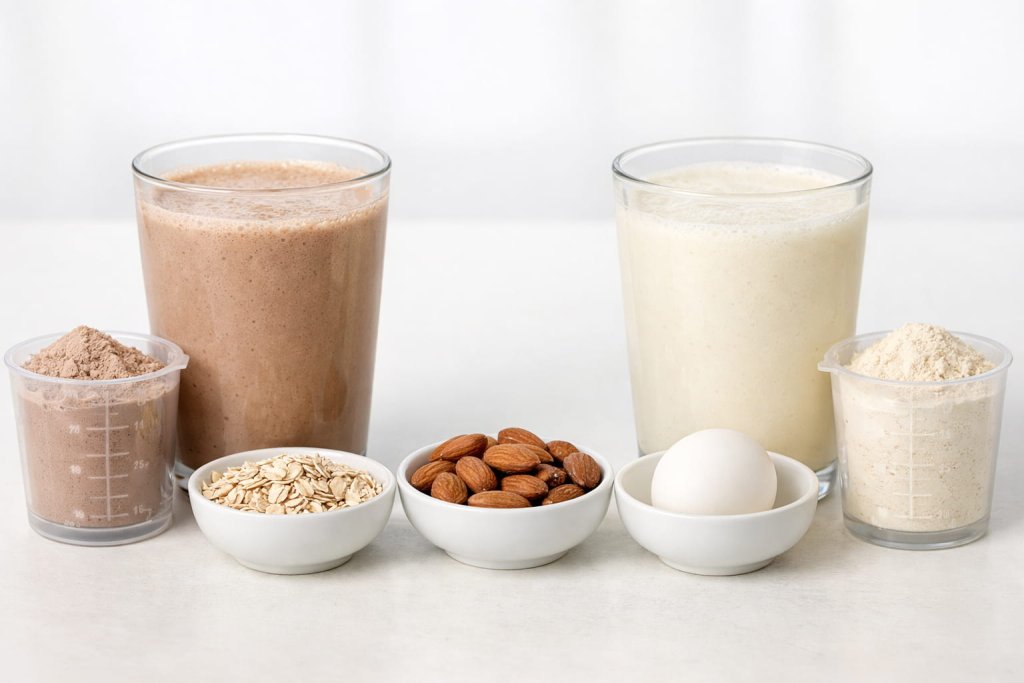
Typical Nutrition Comparison (Per 1 Serving of Protein Powder)
| Nutrition factor | Whey protein (typical ranges) | Plant protein (typical ranges) | What it means for your choice |
|---|---|---|---|
| Calories | ~100–160 kcal | ~100–180 kcal | Often similar; calories rise with added fats/sugars |
| Protein | ~20–30 g | ~15–30 g | Both can fit protein goals; check grams per serving |
| Carbs | ~1–8 g | ~2–15 g | Plant powders may be higher if fiber or added carbs are included |
| Added sugar | 0–10 g | 0–10 g | Lower added sugar can be simpler for daily use |
| Fat | ~0–6 g | ~1–7 g | Can increase in “meal shake” blends or added oils |
| Saturated fat | ~0–3 g | ~0–3 g | Check flavored products for higher amounts |
| Fiber | 0–1 g | ~1–8 g | Plant powders often have more fiber (may affect digestion) |
| Sodium | ~50–250 mg | ~50–350 mg | Compare sodium if using daily; some blends run higher |
| Calcium | Often higher (dairy-based) | Varies (often lower unless fortified) | Confirm on the label if calcium matters to you |
| Iron | Usually lower | Often higher (especially pea blends) | Confirm on the label if iron is a priority |
| Potassium | Varies | Varies | Not always listed; depends on ingredients/fortification |
| Sweeteners | Common (sucralose/stevia) or none | Common (stevia/monk fruit/sugar alcohols) or none | Choose based on tolerance and taste preference |
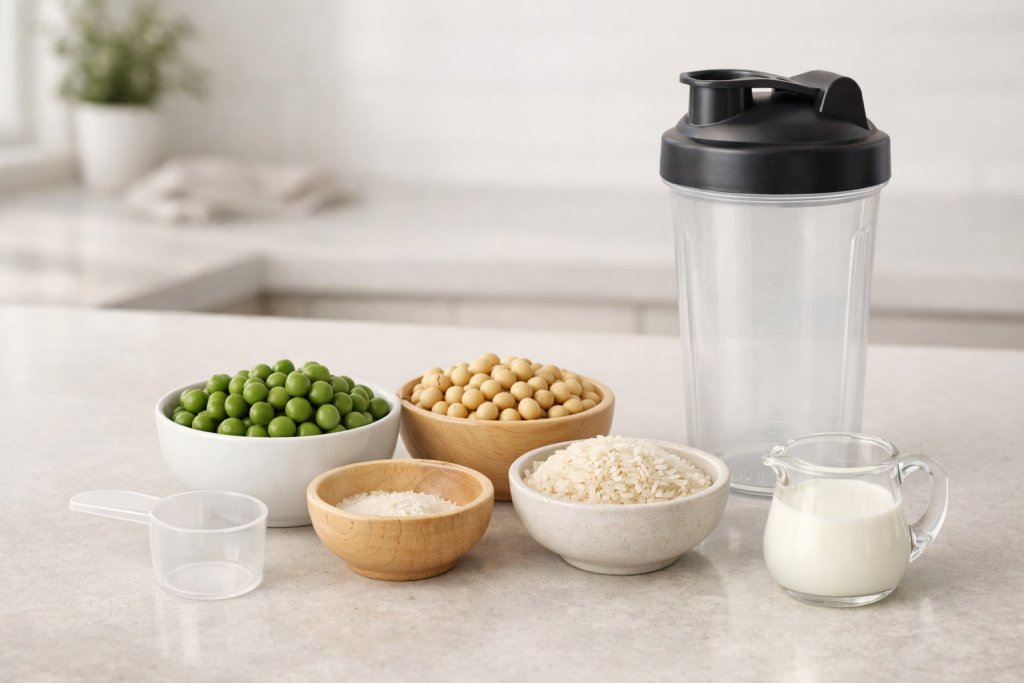
Ingredient and Quality Comparison
| Category | Whey protein | Plant protein | Quick takeaway |
|---|---|---|---|
| Protein source | Milk-derived whey | Pea, soy, rice, hemp, blends | Plant is best for vegan/dairy-free diets |
| Amino acid completeness | Typically complete | Soy is complete; many others benefit from blends | Variety and blends support coverage, per MedlinePlus |
| Common allergens | Milk | Soy (sometimes), tree nuts (varies by brand) | Milk and soy are major allergens; check labels per U.S. Food and Drug Administration |
| Digestive tolerance | Lactose can matter for some | Fibers, gums, sugar alcohols may affect tolerance | The simplest formula you tolerate is often the best |
| Typical add-ins | Flavors, lecithin, sweeteners | Flavors, gums, fibers, sweeteners | Ingredient length alone doesn’t decide quality—tolerance matters |
| Best label signal | High protein per serving with low added sugar | Same | Start with protein grams per serving, then check added sugar |
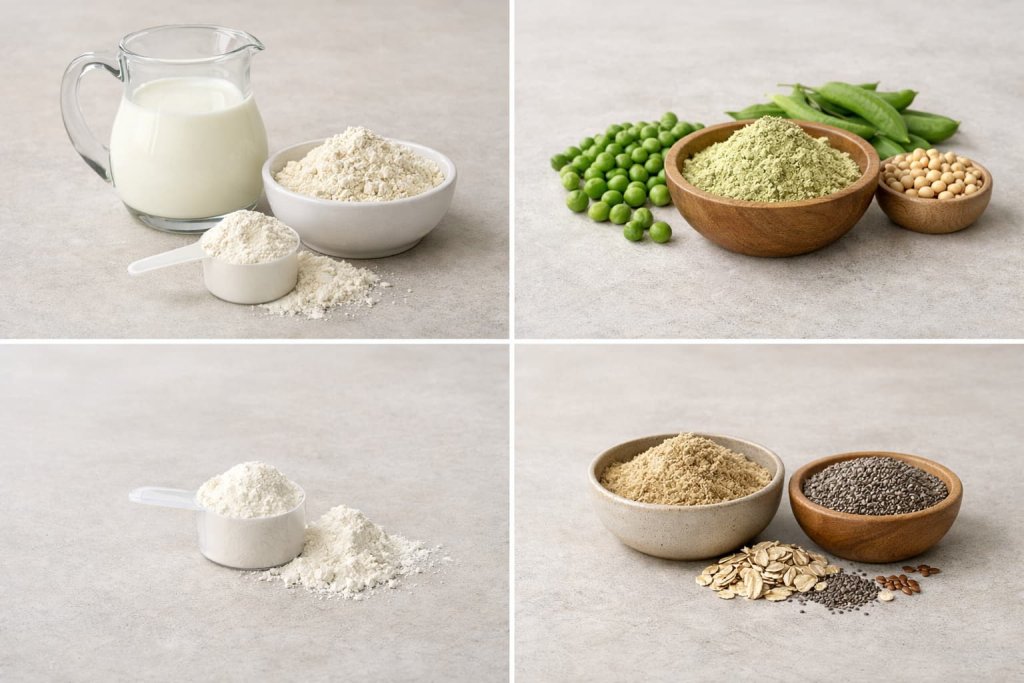
Best Fit Snapshot
| If you want… | Usually a strong option |
|---|---|
| Dairy-based complete protein | Whey |
| Vegan or dairy-free protein | Plant protein |
| Simpler ingredient list (often) | Whey isolate or minimally flavored options |
| More fiber in a shake | Plant protein blends |
| Avoid milk allergens | Plant protein (verify cross-contact statements) |
Best Choice by Goal
Best choice for muscle-building support
Both whey and plant protein can help you meet daily protein targets. Differences often come down to amino acid profile and what you tolerate and use consistently. For overall healthy eating patterns, see the Dietary Guidelines for Americans.
Best choice for digestion and tolerance
If you avoid dairy due to allergy or lactose intolerance, plant protein or lactose-free strategies may be easier. The National Institute of Diabetes and Digestive and Kidney Diseases explains lactose-free and lactose-reduced options.
Best choice for vegan or dairy-free diets
Plant protein fits vegan diets and avoids milk ingredients, consistent with allergen guidance from the U.S. Food and Drug Administration.
Best choice for budget and convenience
Compare cost per serving and label quality. A simple approach is: protein grams per serving first, then added sugar, then the ingredient list (sweeteners, gums, and tolerance triggers).
Protein Quality and Amino Acids
Complete vs incomplete proteins
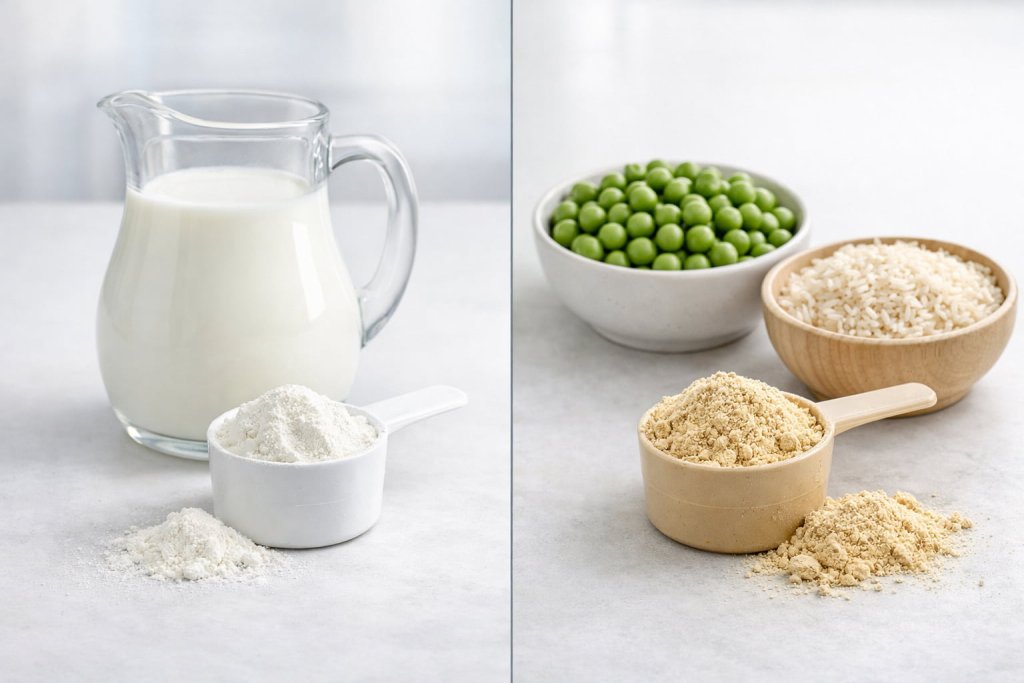
MedlinePlus explains that animal proteins are complete, while most plant proteins are incomplete—so variety across the day supports essential amino acid intake.
Why blends can help plant protein
Many plant powders combine sources (like pea + rice) to complement amino acid profiles. You don’t need perfect ratios in one scoop—overall daily variety is what counts.
PDCAAS vs DIAAS
The Food and Agriculture Organization of the United Nations has recommended DIAAS as a newer approach to evaluating protein quality compared with PDCAAS.
Digestibility and Comfort
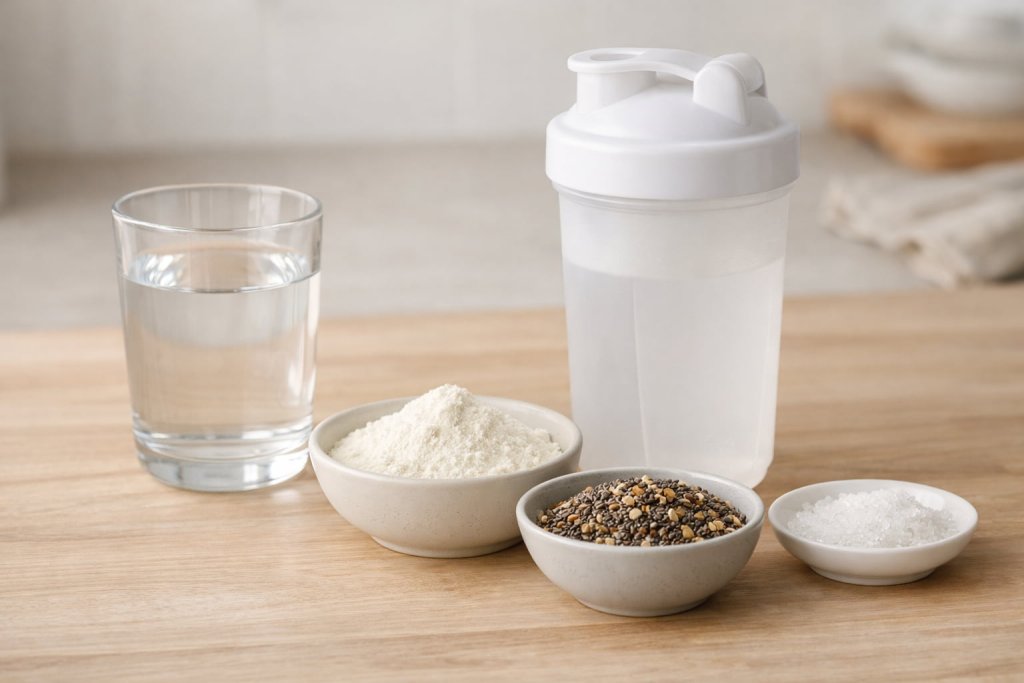
Milk allergy vs lactose intolerance
- Milk allergy: avoid whey; check labels, per U.S. Food and Drug Administration.
- Lactose intolerance: lactose-free or lactose-reduced strategies may help lower lactose exposure, per National Institute of Diabetes and Digestive and Kidney Diseases.
Common plant protein issues
Some people notice discomfort related to added fibers, sugar alcohols, gums, or large servings.
A simple tolerance test
Start with a smaller serving, mix with water, and change one variable at a time.
Label Checklist for Buying a Better Protein Powder
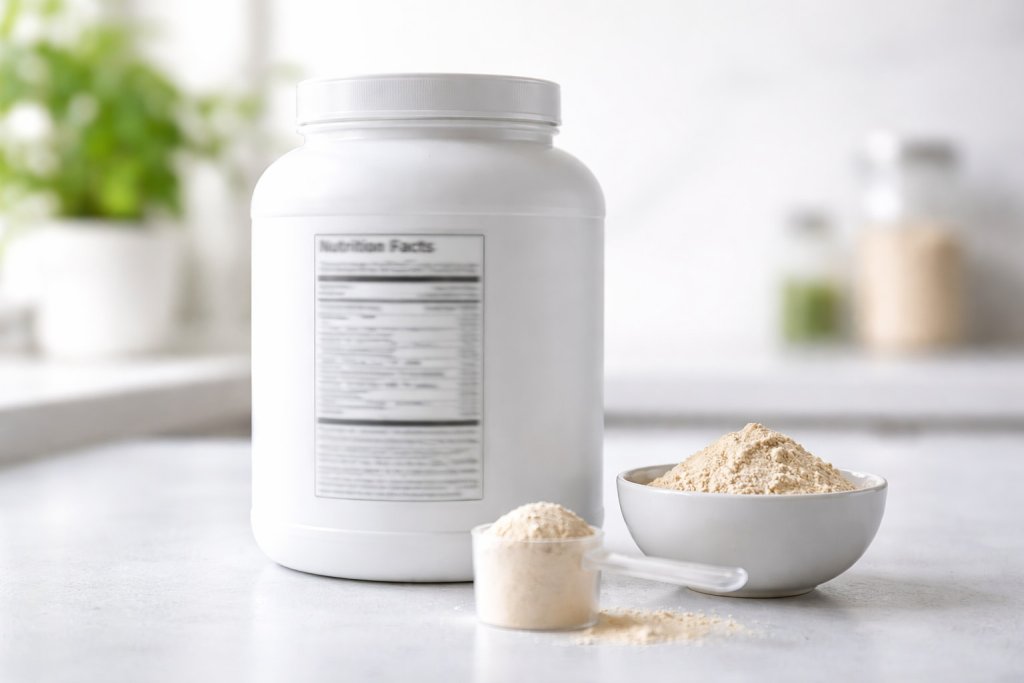
Use label basics from the U.S. Food and Drug Administration:
- Protein grams per serving (top priority)
- Serving size (scoops vary)
- Added sugars (aim lower for daily use)
- Saturated fat and sodium
- Allergen statement (milk/soy), per U.S. Food and Drug Administration
- Fortification (calcium/iron may vary), explained by the U.S. Food and Drug Administration
Optional: Some athletes look for third-party programs like NSF for additional verification.
Best Use Cases and Timing
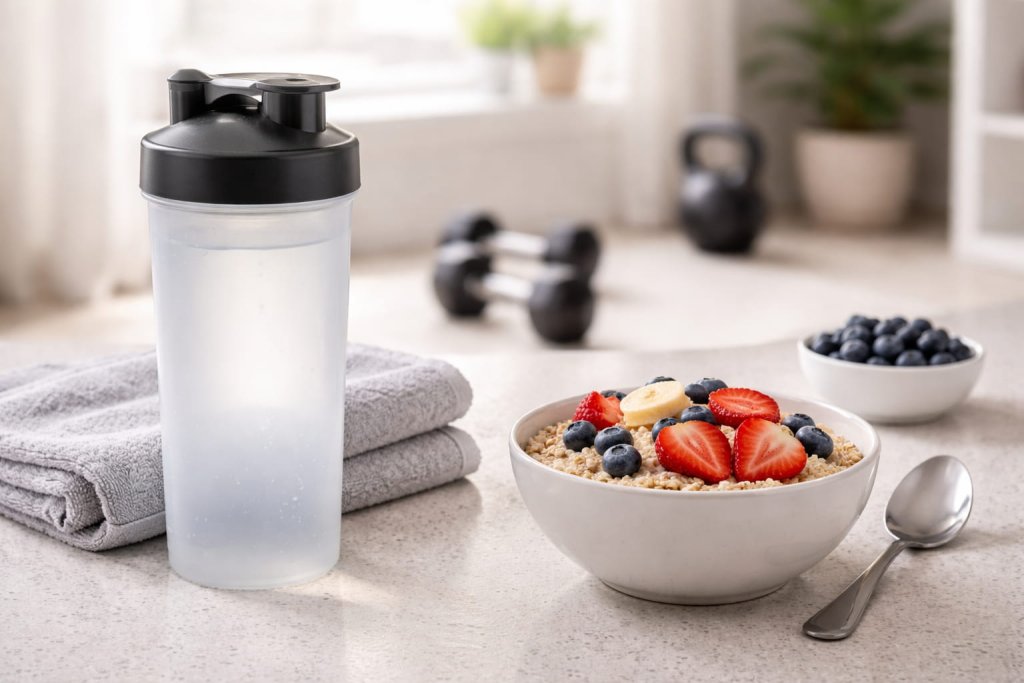
Post-workout vs between meals
Protein powders may help add protein when whole-food options aren’t available.
Meal add-on vs meal replacement
They work best as add-ons (smoothies, oats, yogurt alternatives). If used as a meal replacement, check calories, fiber, and micronutrients for balance.
Keep whole foods first
Whole protein foods still matter most—see examples at USDA MyPlate.
Safety and Who Should Be Cautious
- Allergens: Milk and soy are major allergens; always read labels, per U.S. Food and Drug Administration.
- Medical conditions: If you have kidney disease or other conditions affecting protein needs, individualized guidance is important.
- Life stages: Needs differ for teens, pregnancy, and older adults; supplements aren’t necessary for everyone.
FAQs
Is plant protein as good as whey protein?
It can be, especially when total daily protein intake is adequate and you use variety or blends, per MedlinePlus.
Is whey always easier to digest?
Not always. Tolerance varies; lactose intolerance may make whey less suitable for some people, per National Institute of Diabetes and Digestive and Kidney Diseases.
Is soy protein complete?
Soy is commonly discussed as a complete plant protein within the complete/incomplete framework described by MedlinePlus.
Can you mix whey and plant protein?
Yes, if you tolerate both. People often mix for taste or routine.
Which is better for weight management?
Neither is automatically better; consistency, overall calories, and food quality matter more than protein type.
Conclusion
For most people, the best choice isn’t strictly whey or plant—it’s the option that fits your diet, tastes acceptable, and you can use consistently. Use protein powders as a convenience tool, and keep your overall eating pattern grounded in a variety of protein foods, consistent with Dietary Guidelines for Americans and USDA MyPlate.
This content is for informational purposes only and not medical advice.