
Exercises for constipation can help stimulate bowel movement by encouraging natural gut motility and supporting overall digestive function. Regular, gentle movement is widely recommended by medical and public-health organizations as part of first-line lifestyle care for constipation, alongside adequate fiber, fluids, and healthy bathroom habits.
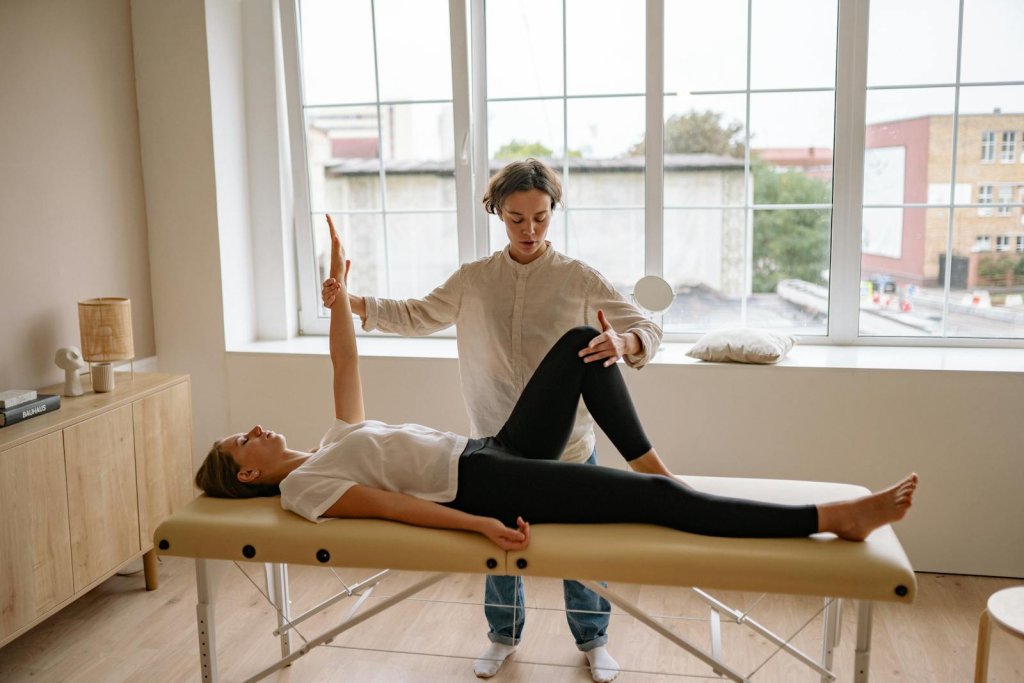
If you’re dealing with occasional constipation, understanding which exercises may help—and how to do them safely—can make a meaningful difference in day-to-day comfort and regularity.
Why Exercises for Constipation Matter
Physical activity helps activate the muscles of the abdomen and intestines, which may support the movement of stool through the colon. According to guidance from the Mayo Clinic, regular exercise helps improve intestinal muscle activity and is often recommended before medication for mild or occasional constipation.
Benefits of regular movement include:
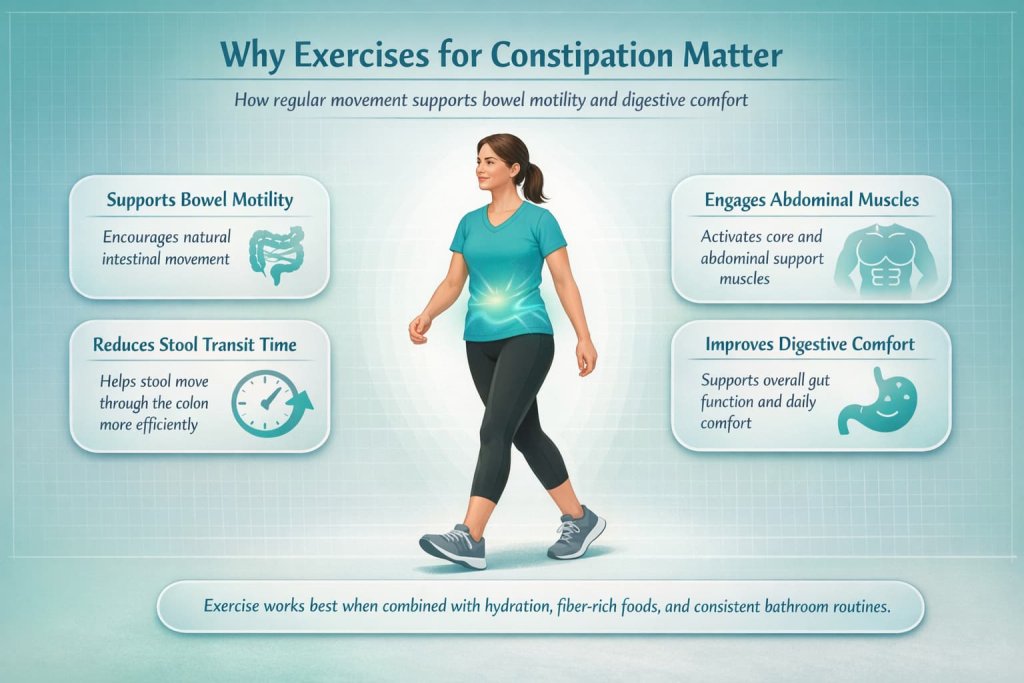
- Supporting natural bowel motility
- Reducing time stool spends in the colon
- Improving abdominal muscle engagement
- Supporting overall digestive health
Exercise works best when combined with adequate hydration, sufficient dietary fiber, and consistent bathroom routines.
10 Best Simple Exercises for Constipation
These gentle, low-impact exercises are designed to support digestion and encourage natural bowel movement through regular body movement. They are easy to perform at home and suitable for most fitness levels when done comfortably and consistently.
1. Walking
How to do it
- Walk at a comfortable, steady pace
- Aim for 10–30 minutes per session
- Keep your posture upright with relaxed shoulders
- Breathe naturally without holding your breath
Why it works
Walking encourages gentle, rhythmic movement of the abdominal muscles and intestines. This natural motion may help support bowel motility and reduce the time stool remains in the colon. It is one of the most accessible and well-tolerated exercises for digestive support.
Trainer Tip
A short walk after meals may feel especially helpful because digestion is already active during this time.
2. Knee-to-Chest Stretch
How to do it
- Lie flat on your back on a comfortable surface
- Bend one or both knees and draw them toward your chest
- Hold the position while breathing slowly and deeply
- Release gently and repeat as comfortable
Why it works
This stretch applies gentle pressure to the abdomen, which may support intestinal movement and reduce feelings of bloating or tightness.
Trainer Tip
Avoid pulling aggressively on the knees—comfort and relaxed breathing are more important than range.
3. Pelvic Tilts
How to do it
- Lie on your back with knees bent and feet flat
- Gently tilt your pelvis to press your lower back toward the floor
- Release back to neutral and repeat slowly
- Keep movements controlled and pain-free
Why it works
Pelvic tilts encourage subtle activation of the lower abdominal muscles and promote spinal mobility, both of which may help support digestive movement.
Trainer Tip
Pair each tilt with an exhale to encourage relaxation and control.
4. Seated Torso Twists
How to do it
- Sit upright on a chair with feet flat on the floor
- Slowly rotate your torso to one side
- Return to center and repeat on the opposite side
- Keep movements smooth and controlled
Why it works
Gentle twisting movements may stimulate the digestive organs and help reduce stiffness through the midsection.
Trainer Tip
Keep the hips facing forward and avoid forcing the rotation.
5. Cat–Cow Exercise
How to do it
- Start on hands and knees in a tabletop position
- Gently round your spine upward
- Slowly arch the spine downward
- Move in rhythm with slow, steady breathing
Why it works
This flowing spinal movement combined with breathing may help release abdominal tension and support nervous system relaxation.
Trainer Tip
Move slowly and stay within a comfortable range—there should be no strain.
6. Squats (Bodyweight or Chair Squats)
How to do it
- Stand with feet about shoulder-width apart or sit in front of a chair
- Lower into a squat or sit-to-stand movement
- Keep your chest upright and heels on the floor
- Rise back up with control
Why it works
Squatting activates the abdominal and pelvic floor muscles, which may help support natural bowel movement mechanics.
Trainer Tip
Using a chair can make this movement safer and more accessible, especially for beginners.
7. Diaphragmatic (Deep) Breathing
How to do it
- Sit or lie in a comfortable position
- Place one hand on your abdomen
- Inhale slowly, allowing the belly to rise
- Exhale gently and fully
Why it works
Deep breathing helps calm the nervous system and may reduce stress-related tension that can contribute to constipation.
Trainer Tip
Practice daily for 3–5 minutes, especially during quiet moments.
8. Marching in Place
How to do it
- Stand tall with feet hip-width apart
- Lift one knee at a time in a controlled rhythm
- Swing arms naturally for balance
- Maintain steady breathing
Why it works
This light, rhythmic movement promotes circulation and gentle abdominal activation without high impact.
Trainer Tip
Use a wall or chair for balance if stability feels challenging.
9. Child’s Pose
How to do it
- Kneel on the floor and sit back toward your heels
- Lower your chest toward your thighs
- Rest arms comfortably and breathe deeply
- Hold as long as it feels comfortable
Why it works
Child’s pose gently compresses the abdomen while encouraging relaxation, which may support digestive comfort.
Trainer Tip
Use cushions under the knees or hips for added comfort.
10. Light Cycling (Stationary or Outdoor)
How to do it
- Pedal at an easy, relaxed pace
- Keep your posture upright and shoulders relaxed
- Breathe steadily throughout the movement
- Stop if discomfort increases
Why it works
Light aerobic activity supports overall circulation and may help encourage digestive movement without excessive strain.
Trainer Tip
Stick to low intensity—hard cycling may feel uncomfortable during digestive issues.
How Often Should You Exercise for Constipation?
Public-health guidance from organizations like the National Institute of Diabetes and Digestive and Kidney Diseases recommends regular physical activity on most days of the week. Even light daily movement can be beneficial.
General recommendations:
- Aim for daily low-impact movement
- Start with short sessions and build gradually
- Combine exercise with fiber-rich foods and hydration
Best Time of Day to Exercise for Constipation
There is no single “perfect” time of day that works for everyone, but consistency matters more than timing. That said, certain times may feel more supportive for digestion.
Commonly helpful options include:
- Morning movement: Light activity in the morning may help stimulate the digestive system after waking, when bowel activity naturally increases.
- After meals: Gentle exercise such as walking 10–20 minutes after eating may support digestion, as the body is already directing blood flow to the gut.
- Same time daily: Exercising at a consistent time can help reinforce regular bathroom habits.
According to guidance from the Mayo Clinic, regular physical activity on most days of the week is more important than exercising at a specific hour. Choose a time you can maintain comfortably without rushing or discomfort.
Who Should Be Cautious or Seek Medical Advice
Exercise is generally safe for most people, but certain symptoms or situations require medical evaluation rather than self-management through movement alone.
You should seek medical advice if constipation is:
- Persistent or worsening over time
- Accompanied by severe or ongoing abdominal pain
- Associated with blood in the stool
- Occurring alongside unexplained weight loss
- New and sudden, especially later in adulthood
Extra caution is also advised for individuals who are:
- Pregnant
- Recovering from abdominal or pelvic surgery
- Managing chronic digestive conditions
The National Institute of Diabetes and Digestive and Kidney Diseases emphasizes that ongoing or severe constipation should be evaluated to rule out underlying medical causes. Exercise can support digestive health, but it should not replace professional care when warning signs are present.
Lifestyle Habits That Work Well With Exercises for Constipation
Exercises for constipation work best when combined with supportive daily habits. Movement alone may not be effective if other key factors are missing.
Helpful lifestyle practices include:
- Adequate hydration: Fluids help soften stool and support normal bowel movement.
- Fiber-rich foods: Fruits, vegetables, whole grains, and legumes support stool bulk and consistency.
- Regular bathroom routines: Allowing time to use the bathroom, especially after meals, may support natural bowel signals.
- Stress management: Chronic stress can affect gut function, making relaxation practices beneficial.
- Avoiding prolonged sitting: Breaking up long periods of sitting with light movement supports circulation and digestion.
Public-health guidance consistently notes that exercise, hydration, fiber intake, and routine work together, rather than acting as standalone solutions.
Common Mistakes to Avoid
- Relying on exercise alone without addressing fiber or fluids
- Performing movements too forcefully
- Ignoring persistent or worsening symptoms
- Skipping rest and recovery
If constipation is ongoing or severe, professional medical evaluation is recommended.
Frequently Asked Questions (FAQs)
Can exercise help constipation quickly?
Light movement may help some people feel relief the same day, but consistency matters most.
What is the best exercise for constipation?
Walking is often the easiest and most widely recommended option.
How long should I exercise to relieve constipation?
Even 10–20 minutes of gentle movement can be helpful.
Are yoga exercises good for constipation?
Gentle yoga poses may help promote relaxation and abdominal comfort.
Can too much exercise make constipation worse?
Excessive or intense exercise without proper hydration may worsen symptoms.
Should I exercise if I feel bloated?
Light, gentle movement is usually better tolerated than intense workouts.
Conclusion
Exercises for constipation are a simple, natural way to support digestive health and promote regular bowel movements. When practiced consistently—and combined with proper hydration, fiber intake, and healthy routines—movement can play a valuable role in everyday digestive comfort.
If symptoms persist or worsen, consult a qualified healthcare professional for personalized guidance.