
Prune juice is scientifically proven to relieve constipation and improve digestive health.
Rich in fiber, sorbitol, and antioxidants, it also supports heart health, bone strength, and immunity. Understanding its science-backed benefits can help you include it safely in your daily routine for better gut and overall wellness.

Let’s explore how this nutrient-rich juice enhances your health — and what you should know before drinking it.
What Is Prune Juice?
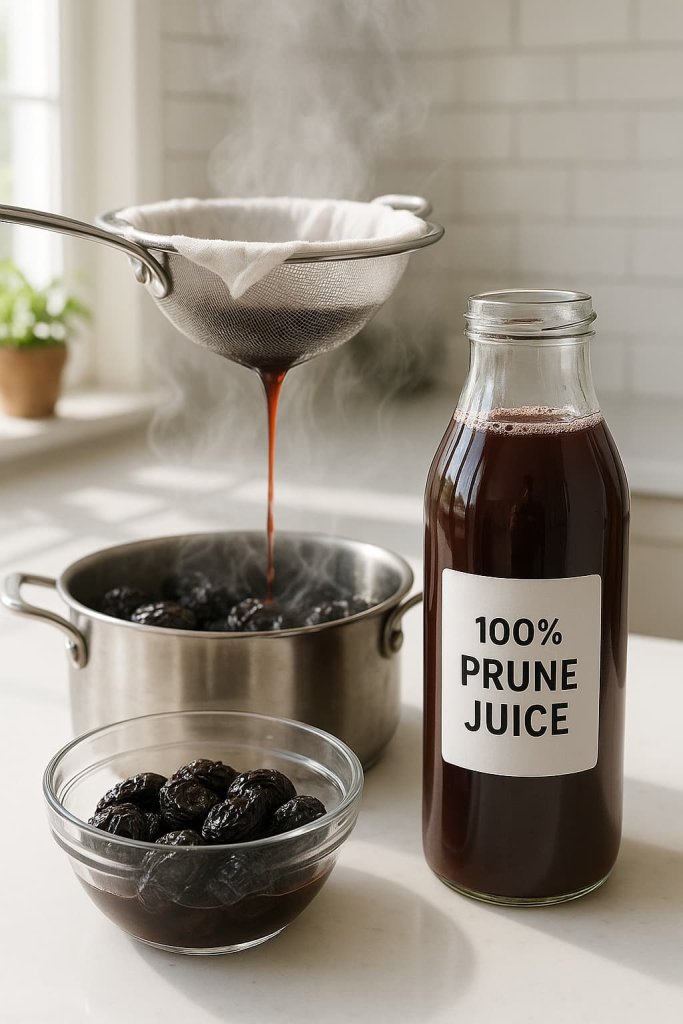
Prune juice is a nutrient-rich beverage made by extracting the liquid from dried plums (commonly known as prunes). Unlike many fruit juices, it retains sorbitol, fiber, and antioxidants, which support digestion and overall health.
It’s naturally sweet, dark in color, and free from added sugars when labeled 100% prune juice.
Why it’s unique:
- High in sorbitol, a gentle natural laxative
- Contains soluble and insoluble fiber
- Provides potassium, iron, and antioxidants
- Naturally fat-free and cholesterol-free
According to the U.S. Department of Agriculture, prune juice offers a balanced mix of natural sugars and nutrients.
Quick fact: It contains about 15× more sorbitol than apple juice, per Harvard Health Publishing.
Nutritional Profile of Prune Juice
Prune juice offers a powerful blend of essential nutrients and bioactive compounds that contribute to digestion, cardiovascular health, bone strength, and skin vitality.
Below is a summary of its nutrient composition per 8-ounce (240 ml) serving, based on data from the USDA FoodData Central (2024) and WebMD (2024).
| Nutrient | Amount (per 8 oz) | Health Function |
|---|---|---|
| Calories | 176 kcal | Provides natural energy from fruit sugars |
| Carbohydrates | 43 g | Main energy source |
| Fiber | 3 g | Promotes bowel regularity and gut health |
| Sorbitol | ~14 g | Natural laxative and prebiotic |
| Sugar (Natural) | 41 g | Contains no added sugar when 100% juice |
| Potassium | 707 mg (15% DV) | Balances sodium, supports blood pressure |
| Iron | 1.5 mg (8% DV) | Prevents anemia and boosts energy |
| Vitamin C | 10 mg (11% DV) | Strengthens immunity and aids collagen production |
| Vitamin K | 6 µg (5% DV) | Supports bone and blood health |
| Boron | Trace | Helps calcium absorption and bone formation |
| Antioxidants (Polyphenols) | High | Reduce inflammation and cellular damage |
Key functional compounds:
- Polyphenols: Chlorogenic and neochlorogenic acids protect against oxidative stress.
- Sorbitol: Acts as a natural osmotic agent to ease bowel movements.
- Boron & Potassium: Help maintain bone density and nerve function.
A study published in the Journal of Food Science (2023) confirmed that prune juice has exceptionally high antioxidant capacity, comparable to blueberries and pomegranates, due to its rich phenolic content.
(Source: PubMed – Phenolic Compounds in Prunes)
Tip: Choose cold-pressed or 100% juice varieties to retain maximum nutrients and avoid added sugars or artificial preservatives.
10 Proven Health Benefits of Prune Juice
Prune juice is more than a natural laxative—it’s a nutrient-dense drink rich in antioxidants, vitamins, and minerals that support several body systems. Below is an in-depth, science-backed look at the 10 proven health benefits of prune juice, expanded for clarity, depth, and SEO optimization.
1. Relieves Constipation Naturally
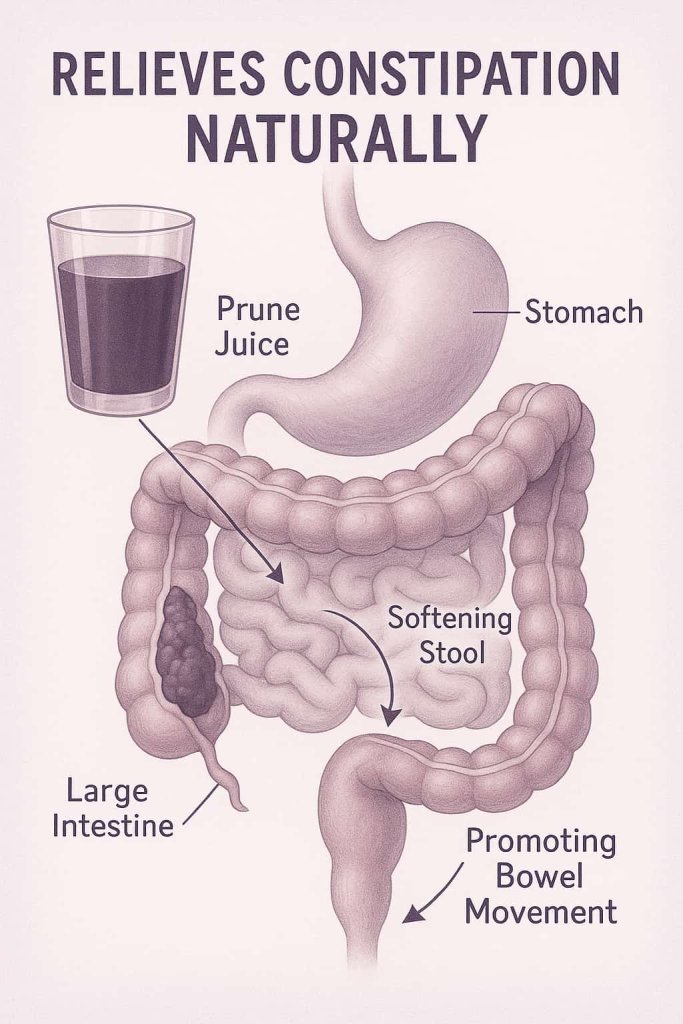
Prune juice is one of the most effective natural remedies for constipation, proven in multiple clinical studies.
A 2024 Harvard Health report found that adults who drank about 200 g (≈1 cup) of prune juice daily for 8 weeks experienced improved stool consistency, more frequent bowel movements, and reduced discomfort compared to a placebo group (Harvard Health Publishing, 2024).
How it works:
- Sorbitol acts as a natural osmotic laxative, drawing water into the colon to soften stools.
- Insoluble fiber adds bulk, promoting smoother bowel movements.
- Phenolic compounds like chlorogenic acid gently stimulate gut motility.
A separate study published by the Canadian Society of Intestinal Research found that prunes and prune juice may even outperform psyllium husk in relieving mild to moderate constipation (BadGut.org, 2023).
👉 Recommended: Drink ½–1 cup of prune juice in the morning, and increase water intake for best results.
2. Supports Heart and Blood Pressure Health

Prune juice provides a substantial dose of potassium, which is vital for maintaining normal blood pressure and heart rhythm. According to the Cleveland Clinic (2024), potassium-rich foods help balance sodium levels and reduce cardiovascular strain, making prune juice a heart-friendly beverage (Cleveland Clinic).
Benefits:
- Lowers LDL (“bad”) cholesterol: The polyphenols in prunes and prune juice help prevent LDL oxidation, which contributes to artery plaque.
- Improves blood vessel elasticity: Potassium helps relax blood vessel walls, improving circulation.
- Reduces stroke and heart disease risk: Regular potassium intake is associated with a lower risk of cardiovascular mortality.
Pro tip: Replace sugar-sweetened beverages with a small glass of prune juice to naturally support heart health.
3. Improves Bone Strength and Density

Bone health research often highlights whole prunes, but prune juice also offers key minerals and antioxidants that promote bone density and strength.
A 2022 systematic review in Nutrients found that postmenopausal women who consumed prunes daily had significantly higher bone mineral density and lower bone resorption markers than those who did not (Nutrients Journal, 2022).
How it helps:
- Boron aids calcium and magnesium metabolism, essential for bone formation.
- Potassium neutralizes metabolic acids that break down bone tissue.
- Polyphenols reduce inflammation, which can otherwise weaken bones.
For bone health, pair prune juice with calcium-rich foods like almond milk or yogurt.
4. Boosts Iron Levels and Prevents Fatigue
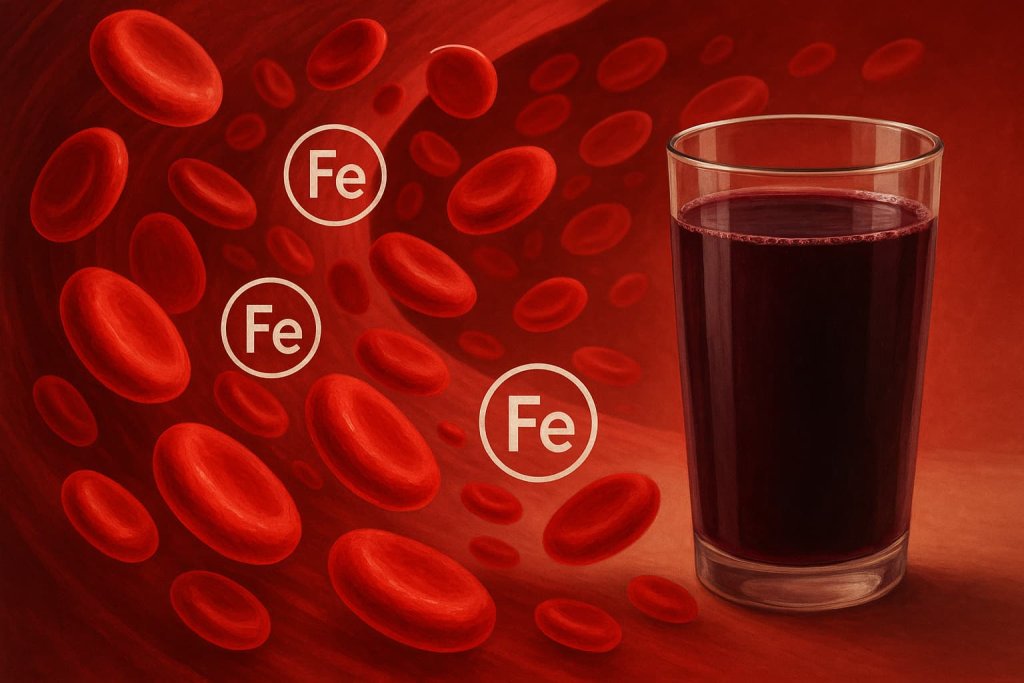
Prune juice is a natural source of iron, which supports the production of red blood cells and prevents anemia.
According to WebMD (2024), drinking prune juice regularly can improve hemoglobin levels, especially for vegetarians and menstruating women who may need more iron (WebMD).
Tip: Combine prune juice with vitamin C–rich foods (such as oranges or kiwi) to boost iron absorption naturally.
Symptoms it may help alleviate:
- Chronic tiredness
- Pale skin
- Low energy or shortness of breath
One 8-oz serving provides around 1.5 mg of iron, about 8% of your daily needs.
5. Promotes Digestive Balance and Gut Health
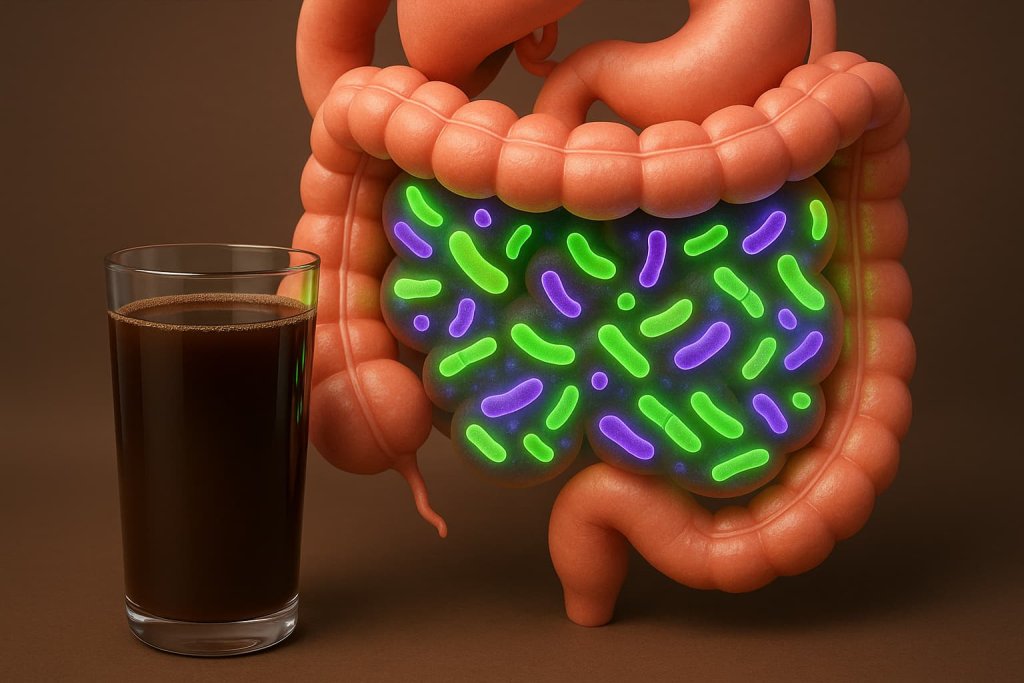
Beyond relieving constipation, prune juice supports overall digestive health by nourishing beneficial gut bacteria.
Its combination of fiber, sorbitol, and polyphenols fosters a balanced gut microbiome, which plays a role in immunity and nutrient absorption.
Why it matters:
- A healthy gut barrier reduces inflammation and enhances nutrient uptake.
- Sorbitol acts as a prebiotic, feeding “good” bacteria.
- Polyphenols may reduce harmful gut microbes that contribute to bloating.
Pro tip: Blend prune juice with probiotic yogurt for a gut-friendly breakfast or snack.
Learn more: Johns Hopkins Medicine – Gut Health Explained.
6. Rich in Antioxidants That Combat Aging
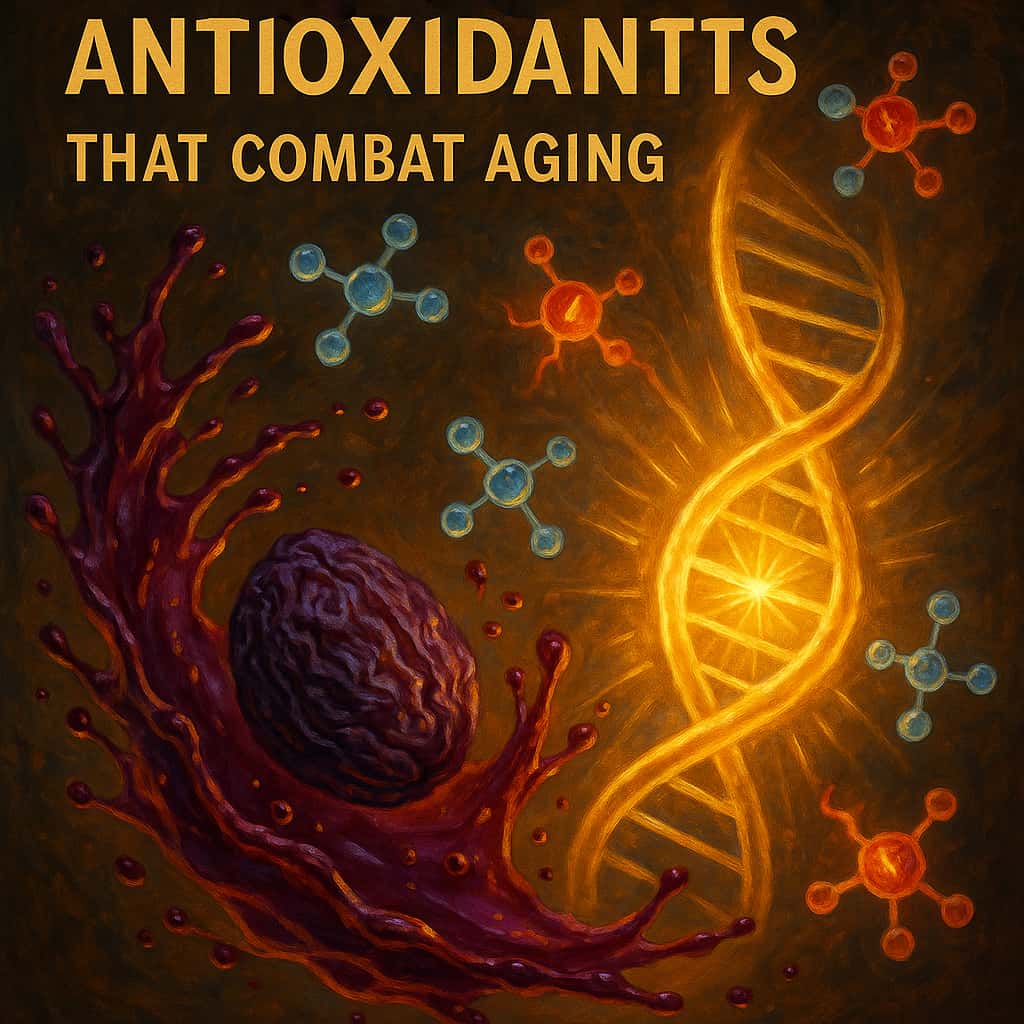
Prune juice contains powerful antioxidants, particularly polyphenols, chlorogenic acid, and neochlorogenic acid, which fight oxidative stress and inflammation.
Research from PubMed (2024) confirms that these compounds protect against DNA damage and may slow down the aging process by neutralizing free radicals (PubMed Study, 2024).
Benefits:
- Protects skin cells and reduces wrinkles
- Supports immune and cardiovascular health
- Decreases chronic inflammation markers
Drinking prune juice regularly may improve cellular longevity and vitality.
7. Helps Control Appetite and Supports Weight Management

Despite its natural sweetness, prune juice can help regulate appetite.
Its fiber and sorbitol content slow digestion, keeping you fuller for longer and preventing overeating.
A study in the European Journal of Nutrition found that participants who consumed prunes as snacks reported higher satiety and lower overall calorie intake than those who ate low-fiber snacks.
Tips for use:
- Drink 4–6 oz between meals to manage hunger.
- Avoid excess intake, as it’s calorie-dense (≈176 kcal per cup).
- Pair it with protein for sustained energy.
8. Enhances Skin Health

Prune juice is rich in antioxidants and vitamin C, both of which play a crucial role in maintaining skin elasticity, hydration, and a youthful glow. These nutrients promote collagen synthesis, helping your skin stay firm and resilient against environmental stressors.
According to a 2024 review in the Journal of Dermatological Science, antioxidants such as polyphenols and vitamin C protect skin cells from oxidative damage caused by UV exposure and pollution, both major contributors to premature aging. The study highlights that antioxidant-rich foods — including those containing prune polyphenols — can support healthy collagen production and improve skin barrier function.
Read the research summary here.
How prune juice benefits your skin:
- Prevents collagen breakdown and supports elasticity through vitamin C and phenolic compounds.
- Fights acne and dullness by neutralizing free radicals that trigger inflammation.
- Promotes a natural, radiant complexion with consistent hydration and nutrient intake.
Try this: Blend prune juice with cucumber and lemon for a refreshing, skin-friendly antioxidant drink that boosts hydration and supports clear, glowing skin.
Source: Journal of Dermatological Science – “Antioxidants: Their Roles in the Skin” (2024)
9. May Improve Liver Detoxification
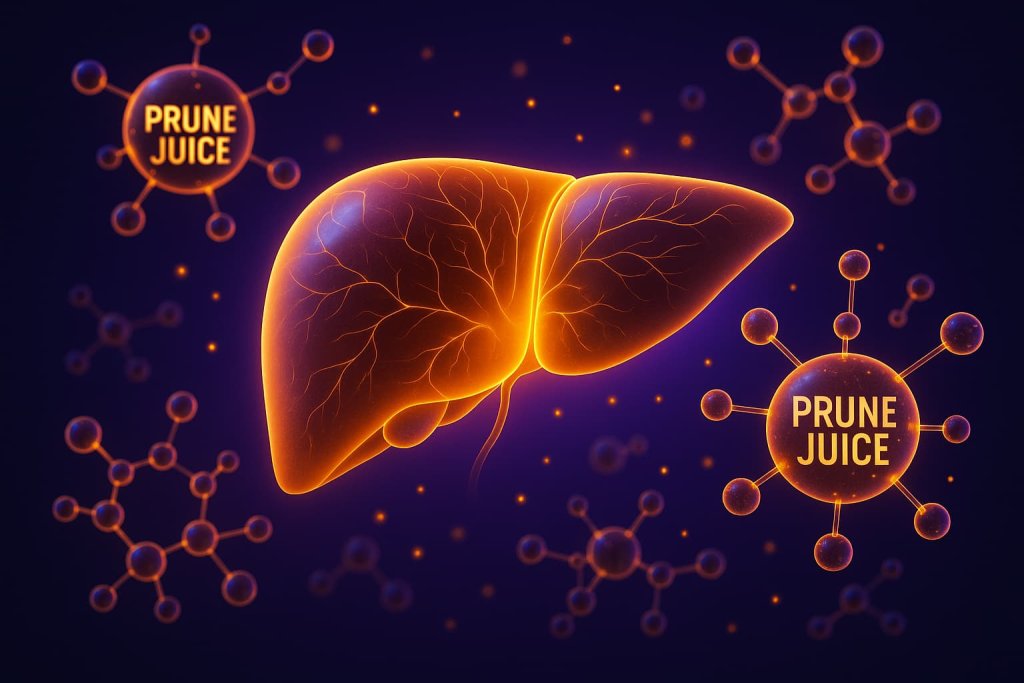
Prune juice may offer gentle support for liver health through its unique mix of fiber, sorbitol, and polyphenol antioxidants. These nutrients aid the body’s natural detox processes, reduce oxidative stress, and promote healthy digestion — all of which indirectly benefit the liver.
How prune juice supports liver function:
- Promotes regular elimination: Its natural sorbitol and fiber encourage healthy bowel movements, helping the body expel waste efficiently.
- Reduces oxidative stress: Polyphenols like chlorogenic acids help protect liver cells from oxidative damage caused by toxins and inflammation.
- Encourages bile flow: A small serving of prune juice may gently stimulate bile production, aiding fat metabolism and waste excretion.
However, it’s important to understand that the liver already detoxifies itself naturally — you don’t need expensive cleanses or restrictive “detox” diets. Medical experts agree that the best way to keep your liver healthy is by following a balanced, plant-based diet, staying hydrated, maintaining a healthy weight, and limiting alcohol intake.
A clinically reviewed 2024 article from Health.com confirms that while detox products are unnecessary, nutrient-rich foods like fruits, vegetables, and whole grains can support normal liver function by reducing inflammation and oxidative load.
Read more at: Health.com – Do You Need a Liver Cleanse?
How to include prune juice:
For gentle digestive and liver support, drink ½ cup (120 ml) of 100% prune juice in the morning with warm water. Combine this habit with plenty of fiber, antioxidant-rich foods, and proper hydration for optimal liver wellness.
Source: Health.com – “Do You Need a Liver Cleanse?” (Clinically Reviewed, 2024)
10. Supports Immune and Eye Health

Prune juice contributes to immune strength through its vitamin C, iron, and carotenoids content.
Vitamin C enhances the production of white blood cells, while iron ensures proper oxygen transport to tissues.
Additionally, the carotenoids in prunes (like beta-carotene) support retinal health and protect against age-related macular degeneration, according to the National Eye Institute (2023) (nei.nih.gov).
How to Drink Prune Juice for Best Results
Knowing how and when to drink prune juice can maximize its digestive and nutritional benefits while preventing discomfort. Follow these expert-backed guidelines for safe and effective use.
Best Time to Drink Prune Juice
- Morning (Empty Stomach): Drinking ½–1 cup of prune juice in the morning stimulates bowel movement and jumpstarts digestion.
- Before Breakfast: Helps the body absorb nutrients more efficiently and keeps you hydrated.
- Before Bed (Occasionally): For those with chronic constipation, a small serving (4–6 oz) before bed may help regulate morning bowel activity.
Tip: Start with smaller amounts (½ cup daily) and gradually increase to avoid bloating.
Recommended Daily Dosage
| Purpose | Suggested Amount | Frequency | Notes |
|---|---|---|---|
| Digestive relief | ½–1 cup (120–240 ml) | Once daily | Drink on an empty stomach with water |
| General wellness | ½ cup (120 ml) | 3–4 times weekly | Provides potassium and antioxidants |
| Iron support | ½ cup + vitamin C source | 1× daily | Helps improve iron absorption |
How to Consume
- Drink it plain — always choose 100% prune juice with no added sugar.
- Mix with warm water for gentler digestion if you’re new to prune juice.
- Blend with other ingredients like apple, lemon, or ginger for added flavor and nutrients.
- Pair with high-fiber breakfast foods (like oats or whole grains) for synergistic gut health benefits.
Storage and Safety Tips
- Refrigerate after opening and consume within 5–7 days.
- Shake well before serving — natural pulp sediment is normal.
- Avoid heating prune juice, as high temperatures may destroy some vitamins.
Possible Side Effects and Precautions
While prune juice is generally safe for most adults, it’s important to understand potential side effects and medical precautions — especially if you have chronic health conditions.
Common, Mild Side Effects
- Gas and Bloating: Caused by natural sorbitol and fiber; start with small amounts.
- Loose Stools or Diarrhea: Overconsumption (more than 8 oz daily) can overstimulate the bowels.
- Cramps or Flatulence: Often temporary and improves with hydration.
Who Should Be Cautious
- People with Diabetes: Prune juice is high in natural sugars (≈41 g per cup). Always monitor blood glucose and consult your doctor.
- Individuals with IBS (Irritable Bowel Syndrome): Sorbitol can aggravate symptoms in sensitive individuals.
- Those with Kidney Disease: Its potassium content (707 mg per cup) may be too high for those on restricted potassium diets.
- Pregnant Women: Generally safe, but consult a healthcare provider if used regularly for constipation relief.
Safe Consumption Tips
- Stick to ½–1 cup per day for regular use.
- Always pair prune juice with adequate water intake to prevent dehydration.
- Consult a physician if constipation persists for more than a week despite using prune juice.
Authoritative Source: Cleveland Clinic – Prune Juice and Digestive Health (2024)
Frequently Asked Questions (FAQ)
1. How much prune juice should I drink daily?
Start with ½ cup (120 ml) per day. You can increase gradually to 1 cup (240 ml) depending on your tolerance and needs.
2. Can I drink prune juice every day?
Yes, it’s safe to drink daily in moderation. However, limit intake to 8 oz per day to avoid excess sugar or digestive discomfort.
3. How long does it take prune juice to work?
For most people, prune juice promotes bowel movement within 6–12 hours after drinking, though results may vary by individual.
4. Is prune juice safe for children or elderly people?
Yes, but doses should be adjusted. For children, 2–4 oz is usually sufficient. For seniors, start with small servings and increase gradually.
5. Can prune juice help with weight loss?
It can support weight management by promoting satiety and regularity but should not replace a balanced diet or exercise.
6. What is the best time to drink prune juice?
Morning on an empty stomach is ideal for digestive benefits. Avoid drinking right before bed unless treating mild constipation.
7. Can prune juice cause bloating or gas?
Yes — the sorbitol and fiber can cause mild bloating in some people. Start slow and drink plenty of water to reduce symptoms.
Source: Harvard Health Publishing – Prune Juice for Constipation (2024)
Conclusion
Prune juice is a time-tested, science-backed natural remedy for constipation and a rich source of nutrients that promote heart, bone, and immune health.
When consumed correctly — typically ½ to 1 cup daily — it can enhance digestion, energy, and overall wellness.