
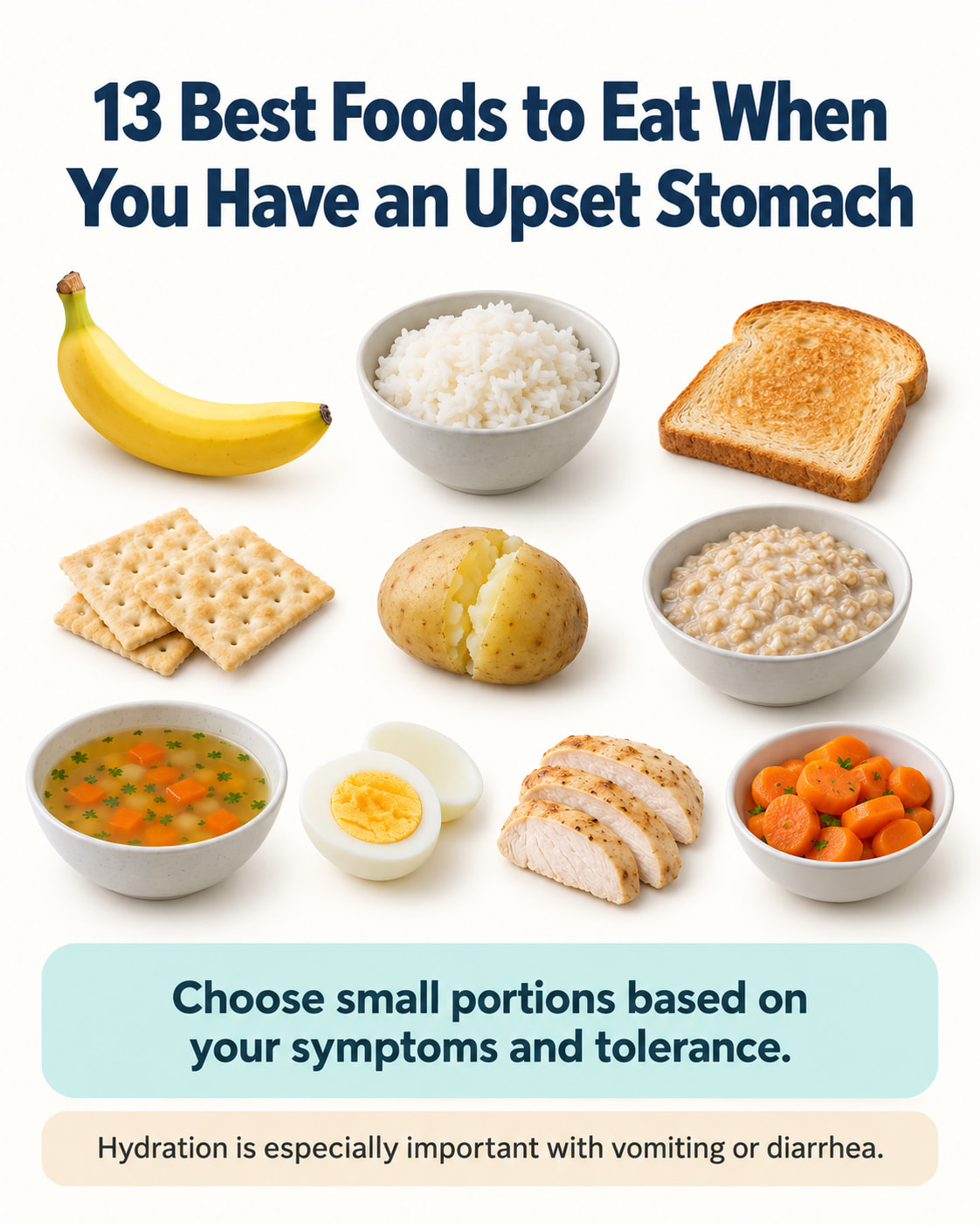
For mild nausea or diarrhea, try small portions of plain foods such as rice, toast, crackers, bananas, potatoes, or broth-based soup. Choosing what to eat when you have an upset stomach depends on your symptoms and what you can tolerate.
Replacing lost fluids is especially important with vomiting or diarrhea. You also do not need to follow a strict recovery diet: NIDDK’s guidance for viral gastroenteritis says most people can return to their usual foods when their appetite returns, even if diarrhea has not completely stopped.
This guide focuses on adults with mild, short-term symptoms. The foods below are practical options—not a scientifically ranked list or a menu you must follow in order.
What to Eat When You Have an Upset Stomach
Start by identifying your main symptom. A food choice that makes sense during diarrhea may not be the best approach when constipation is the problem.
| Main symptom | Eating approach to consider |
|---|---|
| Nausea | Small, bland meals. Crackers or toast may be manageable when a full meal feels unappealing. |
| Diarrhea | Replace lost fluids and eat foods you tolerate. Fasting usually is not necessary. |
| Heartburn or reflux | Pay attention to personal triggers, which may include fatty, spicy, or acidic foods. |
| Constipation | Include fiber-containing foods and adequate fluids. Increase fiber gradually rather than relying only on refined starches. |
Keep any food allergies, intolerances, and clinician-prescribed dietary restrictions in mind when choosing from the list.
13 Best Foods to Eat When You Have an Upset Stomach
1. Ripe Bananas
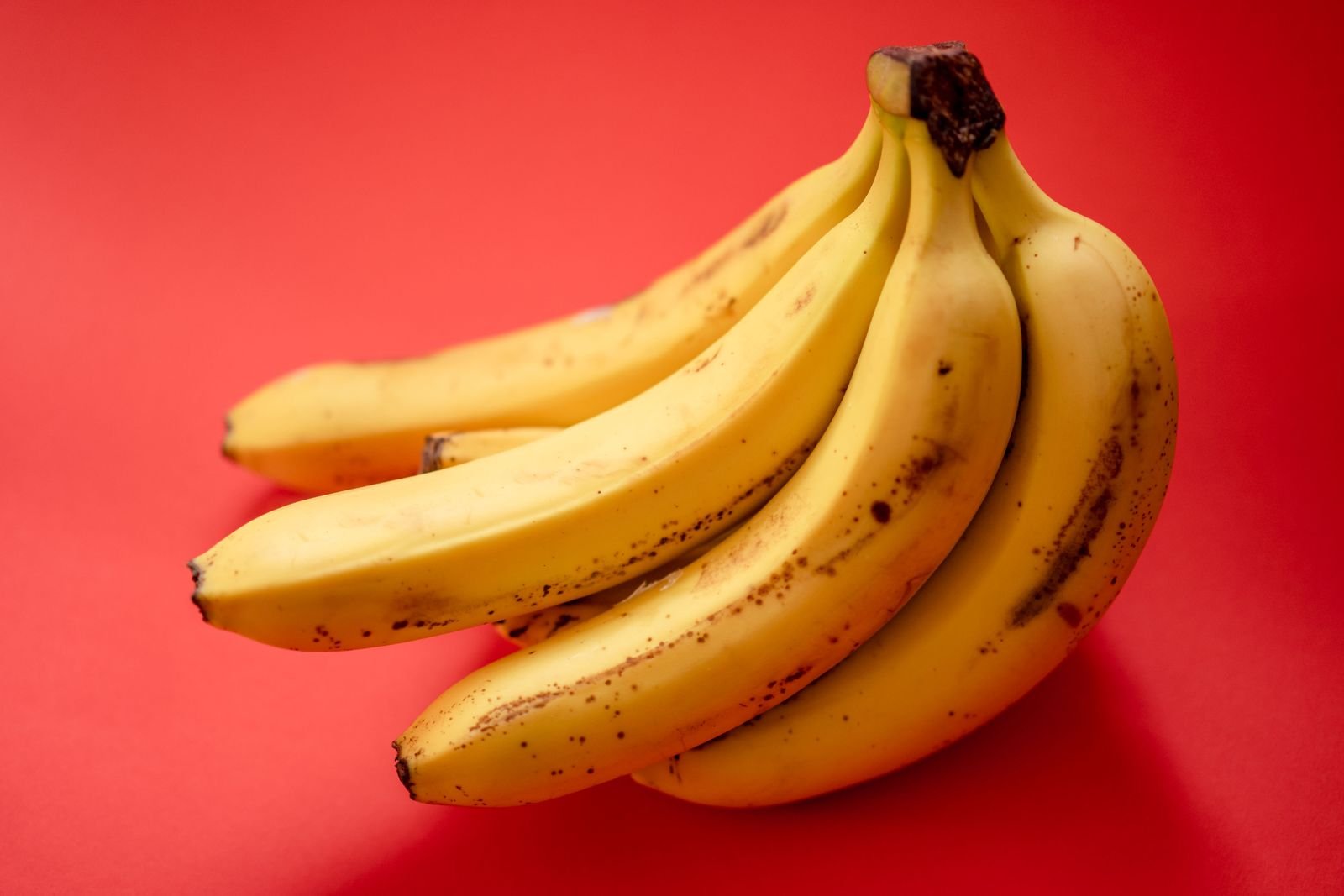
Bananas provide potassium and are among the foods MedlinePlus suggests during diarrhea. A ripe banana also offers a soft fruit option when your appetite is limited.
How to try it: Eat a few bites plain, mash some with a fork, or add a small amount to oatmeal. You do not need to finish a whole banana at once.
2. White Rice
Plain rice can fit into a meal during a stomach bug. The preparation matters: rice cooked with water is a different choice from fried rice with oily sauces and heavy seasoning. Public-health guidance includes rice among foods people can eat during gastroenteritis.
How to try it: Cook white rice until soft. For a looser texture, add extra water during cooking and serve it as a simple rice porridge.
3. Unsweetened Applesauce
MedlinePlus’s bland-diet guidance, reviewed April, 2026, includes applesauce among its food options. Its smooth texture makes it an alternative to eating a whole apple.
How to try it: Start with a few spoonfuls of smooth, unsweetened applesauce. Leave it out if apples or applesauce consistently make your symptoms worse; it is an option, not an essential recovery food.
4. Plain Toast
Toast is one of the bland foods suggested for nausea. It gives you a simple starting point when you feel hungry but are not ready for a larger meal.
How to try it: Begin with a small piece of plain toast. Keep the first serving simple rather than adding a thick layer of butter, rich spreads, or spicy toppings.
5. Plain Crackers
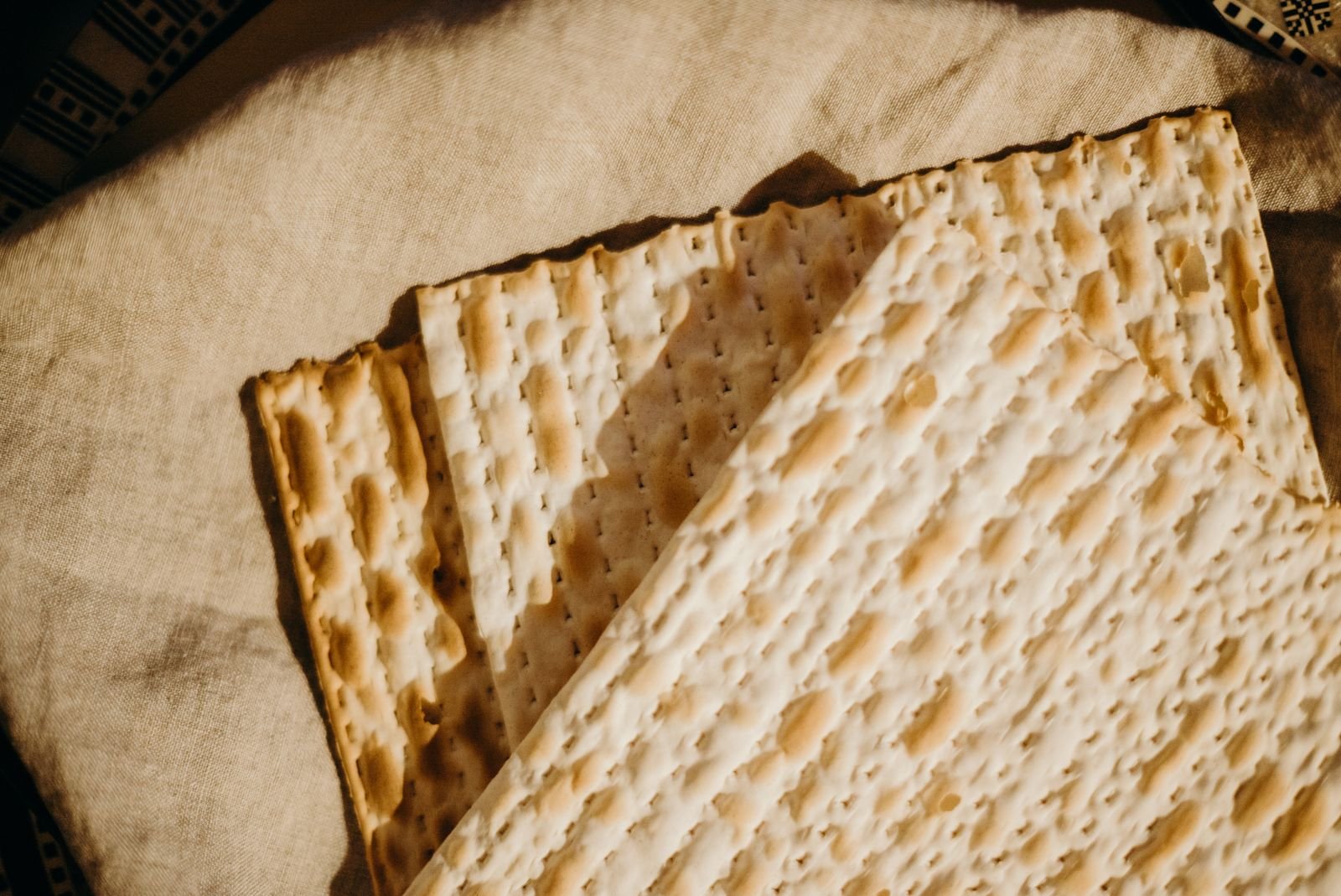
Crackers are another small snack to consider when nausea makes eating difficult. They let you try a little food without preparing an entire meal.
How to try it: Put a few plain crackers on a plate and eat slowly. Choose a lightly flavored variety instead of heavily seasoned snack crackers.
6. Peeled Potatoes
Potatoes provide potassium and are included in MedlinePlus’s food suggestions for diarrhea. Removing the skin is one way to adapt them when you are choosing foods without skins or seeds.
How to try it: Peel and boil a potato, then mash it with a little cooking water. Alternatively, eat the soft interior of a baked potato. Skip fries and heavily loaded potato dishes while symptoms are bothering you.
7. Plain Noodles
Plain pasta or noodles offer another meal option during gastroenteritis. They do not need a rich sauce to become part of a small, manageable meal.
How to try it: Cook noodles until tender and serve a small portion plain. As your appetite improves, combine them with some plainly prepared chicken or cooked vegetables.
8. Plain Oatmeal
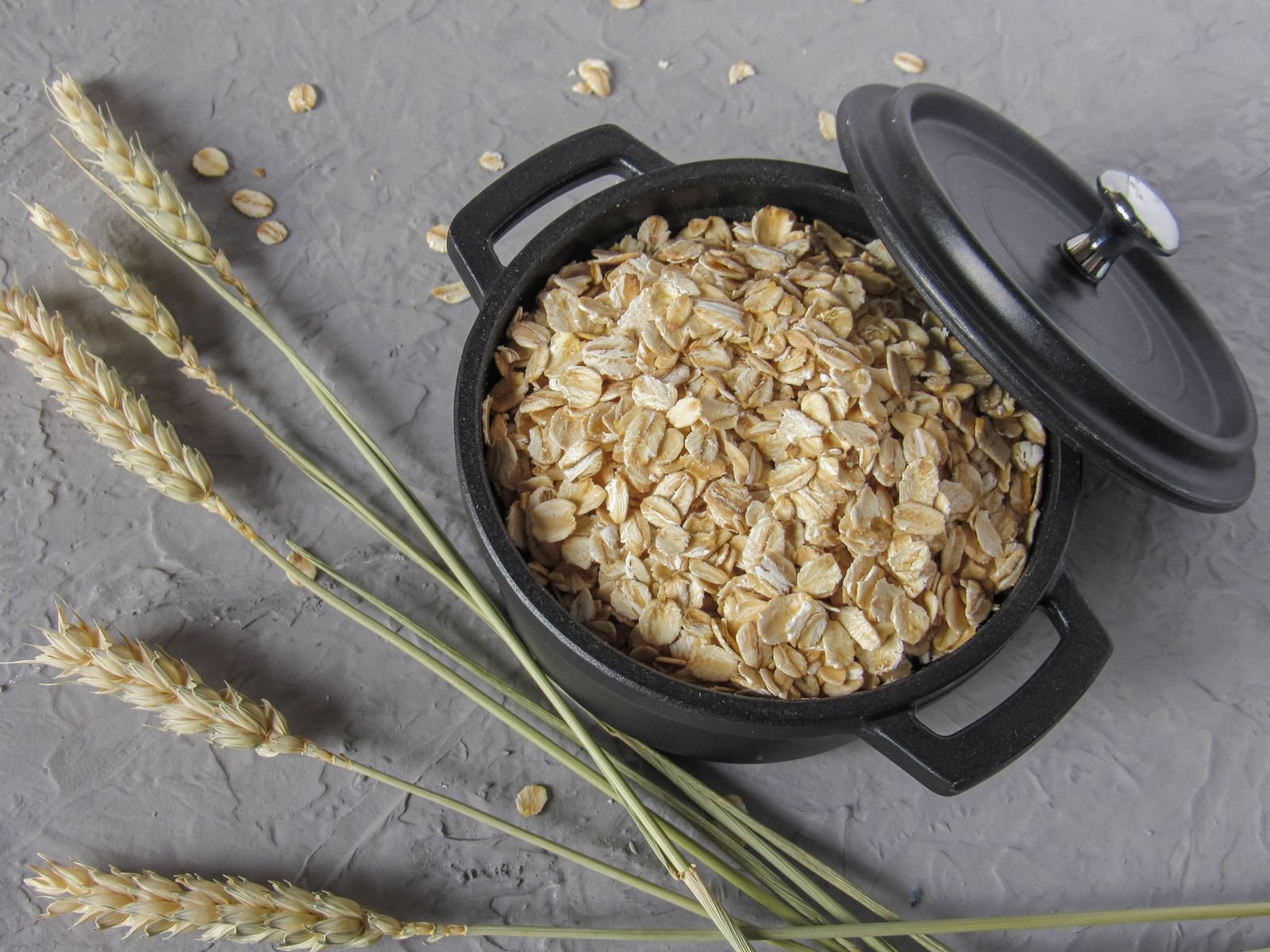
MedlinePlus includes oatmeal among cereals people can try with diarrhea. However, oatmeal contains fiber; it should not be described as a fiber-free food. Your tolerance matters.
How to try it: Prepare a small bowl with water and cook it until soft. Add a little mashed banana for flavor, or leave it plain. Choose another option if oatmeal seems to increase your discomfort.
9. Broth-Based Soup
A simple broth-based soup may be manageable when nausea makes solid meals unappealing. However, guidance differs on broth during gastroenteritis: U.S. guidance includes it among adult fluid options, while Québec guidance discourages broths and packaged soups. Do not rely on soup as your only rehydration plan during significant fluid loss.
How to try it: Make a mild, noncreamy soup with a small amount of rice, noodles, or tender chicken. Keep the portion modest.
10. Fully Cooked Eggs
Cooked eggs can be part of a meal during diarrhea, giving you an option beyond toast and crackers. They do not have to be excluded simply because your stomach feels unsettled.
How to try it: Have a hard-boiled egg or scrambled eggs made with little added fat. For food safety, cook eggs until the whites and yolks are firm; scrambled eggs should not be runny.
11. Plain Skinless Chicken
Lean, tender poultry prepared without heavy seasoning or added fat can fit into a bland eating pattern. Baking or steaming is a different choice from eating fried chicken or chicken covered in a rich sauce.
How to try it: Shred some plainly cooked chicken and serve it with rice or potatoes. Cook poultry to an internal temperature of 165°F, measured with a food thermometer.
12. Cooked Carrots
You do not necessarily need to avoid every vegetable. Cooked carrots are included in MedlinePlus’s food suggestions for diarrhea, while cooked vegetables also appear in its bland-diet guidance.
How to try it: Peel carrots, steam or boil them until tender, and mash or cut them into small pieces. Serve a modest portion beside rice, noodles, or a potato.
13. Ginger
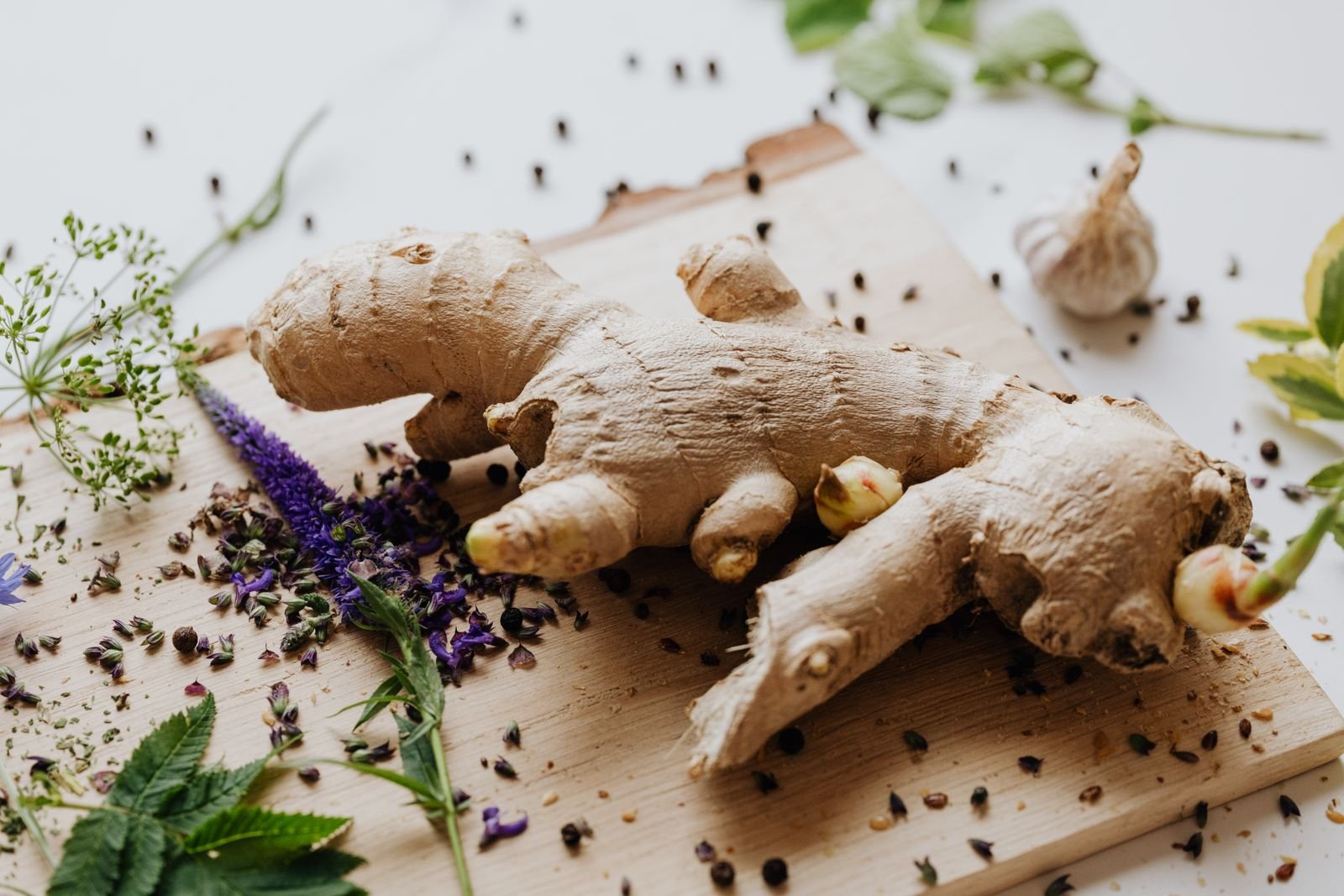
Ginger has a more specific evidence base than the other foods on this list. According to NCCIH’s evidence summary, updated February 2025, ginger may help with pregnancy-related nausea and vomiting. However, most studies tested supplements rather than foods, so the findings do not establish that ginger tea or ginger-flavored foods will help every type of stomach upset.
How to try it: A little ginger in food or a mild ginger tea is an option when it agrees with you.
Ginger can also cause heartburn, abdominal discomfort, or diarrhea. Ask a clinician before using ginger supplements, particularly during pregnancy or when taking medication.
What to Drink When You Have an Upset Stomach
Sip fluids regularly. When vomiting makes drinking difficult, try small, frequent sips rather than drinking a large amount at once. Vomiting and diarrhea can cause losses of both water and electrolytes.
For a stomach bug, the NIDDK recommends oral rehydration solutions for older adults, people with weakened immunity, and adults with severe diarrhea or dehydration symptoms. These solutions contain glucose and electrolytes to support rehydration.
Choose a ready-to-drink solution or mix a powder exactly as directed. Do not change the water-to-powder ratio. Follow any existing fluid restrictions and seek individualized advice when a health condition affects how much you should drink.
If you keep vomiting and cannot keep fluids down, seek medical help rather than continuing to experiment with drinks.
Foods and Drinks That May Make an Upset Stomach Worse
The most useful approach is to match possible triggers to your symptoms—not eliminate every food that appears on an “upset stomach” list.
With nausea: Strong cooking smells, greasy foods, and large meals may be difficult to tolerate. Eat slowly and consider smaller meals in a space without strong food odors.
With diarrhea: Alcohol, caffeine, high-fat foods, very sweet drinks, and sugar alcohols in some sugar-free gums or candies may worsen symptoms. Milk and other lactose-containing foods can also be troublesome for some people, including temporarily after an intestinal illness.
With heartburn: Common triggers include fatty meals, spicy foods, tomatoes, citrus, chocolate, caffeine, and mint. Not everyone reacts to the same foods. Avoiding meals within three hours of lying down may also help when reflux occurs at night.
Constipation is an important exception to broad low-fiber advice. In that situation, gradually adding fiber-containing foods and adequate fluids is generally more appropriate than relying only on white rice, crackers, and toast.
How to Start Eating Again
Eat when you feel able to, rather than forcing yourself to finish a large meal. A smaller plate or bowl can make it easier to begin with an amount that feels manageable. Eat slowly and remain upright afterward.
Increase the amount as your appetite improves. There is no requirement to work through all 13 foods or follow a fixed sequence before eating a normal meal.
Simple Meal Ideas for an Upset Stomach
Here are a few optional combinations using foods from the list:
| Meal idea | Simple preparation |
|---|---|
| Toast with an egg | Plain toast alongside a fully cooked egg |
| Chicken and rice bowl | Soft rice, shredded plain chicken, and tender carrots |
| Small oatmeal bowl | Oatmeal cooked with water and a little mashed banana |
These are examples to adapt—not a prescribed daily menu.
When to Seek Medical Help
Seek emergency care for sudden, severe abdominal pain, vomiting blood or material that resembles coffee grounds, or confusion. These symptoms should not be managed by changing foods alone.
Get prompt medical attention for bloody or black, tarry stools; frequent vomiting; high fever; or dehydration symptoms such as markedly reduced urination, dark urine, severe thirst, or lightheadedness.
The NIDDK’s warning-sign guidance also advises adults to seek care for diarrhea lasting more than two days or when they cannot drink enough to prevent dehydration. Do not wait for that time threshold when symptoms are severe.
Pregnant people, older adults, people with weakened immunity, and those with other significant health conditions should seek advice earlier when vomiting or diarrhea develops. Infants and young children need age-specific guidance rather than this adult food list.
Arrange an appointment if nausea keeps returning or does not improve over several days, even without an emergency warning sign.
Frequently Asked Questions
What should I eat when I feel nauseated but hungry?
Try a small amount of toast, crackers, rice, or plain noodles. Smaller meals may be more manageable than a large plate of food. Eat slowly and avoid strong food odors when they worsen nausea.
Is yogurt good for an upset stomach?
Yogurt may be an option when you tolerate it. Some people find it easier to tolerate than other milk products, and lactose-free versions are another choice. Reduce or skip dairy when it clearly increases diarrhea, gas, or bloating.
Should I follow the BRAT diet?
You do not need to eat only bananas, rice, applesauce, and toast. These can be individual food choices, but restricting yourself to them is unnecessary. For viral gastroenteritis, guidance favors returning to your usual foods as appetite returns.
What should I eat if my upset stomach comes with constipation?
Focus on gradually increasing fiber through foods such as oatmeal, fruits, vegetables, and other whole grains, while drinking adequate fluids. A diet based mainly on low-fiber refined starches is not the same approach used for constipation.
Is ginger ale good for an upset stomach?
Ginger ale should not be counted as a proven ginger remedy: research using ginger supplements does not establish the same benefit for soda. Fizzy drinks may worsen diarrhea, so prioritize suitable hydration rather than relying on ginger ale.
How long should I eat bland foods?
There is no universal number of days. Use plainly prepared foods while they feel manageable, then return to a varied diet as your appetite allows. You usually do not need to wait until diarrhea has completely stopped before resuming your normal foods.
The Bottom Line
Choosing what to eat when you have an upset stomach is about matching food to your symptoms and tolerance—not finding one perfect food. Small meals, appropriate hydration, and returning to varied eating as appetite returns are practical priorities.
Start with one manageable option from the list. Keep track of what agrees with you, and seek medical advice instead of continuing to restrict your diet when symptoms persist or warning signs appear.
This content is for informational purposes only and not medical advice.
References
- MedlinePlus: When You Have Nausea and Vomiting.
- NIDDK: Eating, Diet, and Nutrition for Diarrhea, Constipation, GER and GERD, and Lactose Intolerance.
- NCCIH: Ginger: Usefulness and Safety.
- NHS: Feeling Sick—Nausea and Diarrhea and Vomiting.
- FoodSafety.gov: Safe Minimum Internal Cooking Temperatures.
- Government of Québec: Foods to Eat When You Have Gastroenteritis and Hydrating and Rehydrating When You Have Gastroenteritis.